Cynthia A. Freeland est une philosophe spécialisée en esthétique et en cinéma. Son œuvre enquête sur la manière dont les films façonnent nos perceptions et nos pensées, explorant souvent les questions philosophiques inhérentes à l'art cinématographique. Freeland analyse le langage visuel du film et sa capacité à évoquer des émotions et des idées chez le spectateur. Son approche mêle l'interrogation philosophique à une profonde compréhension de la création cinématographique.
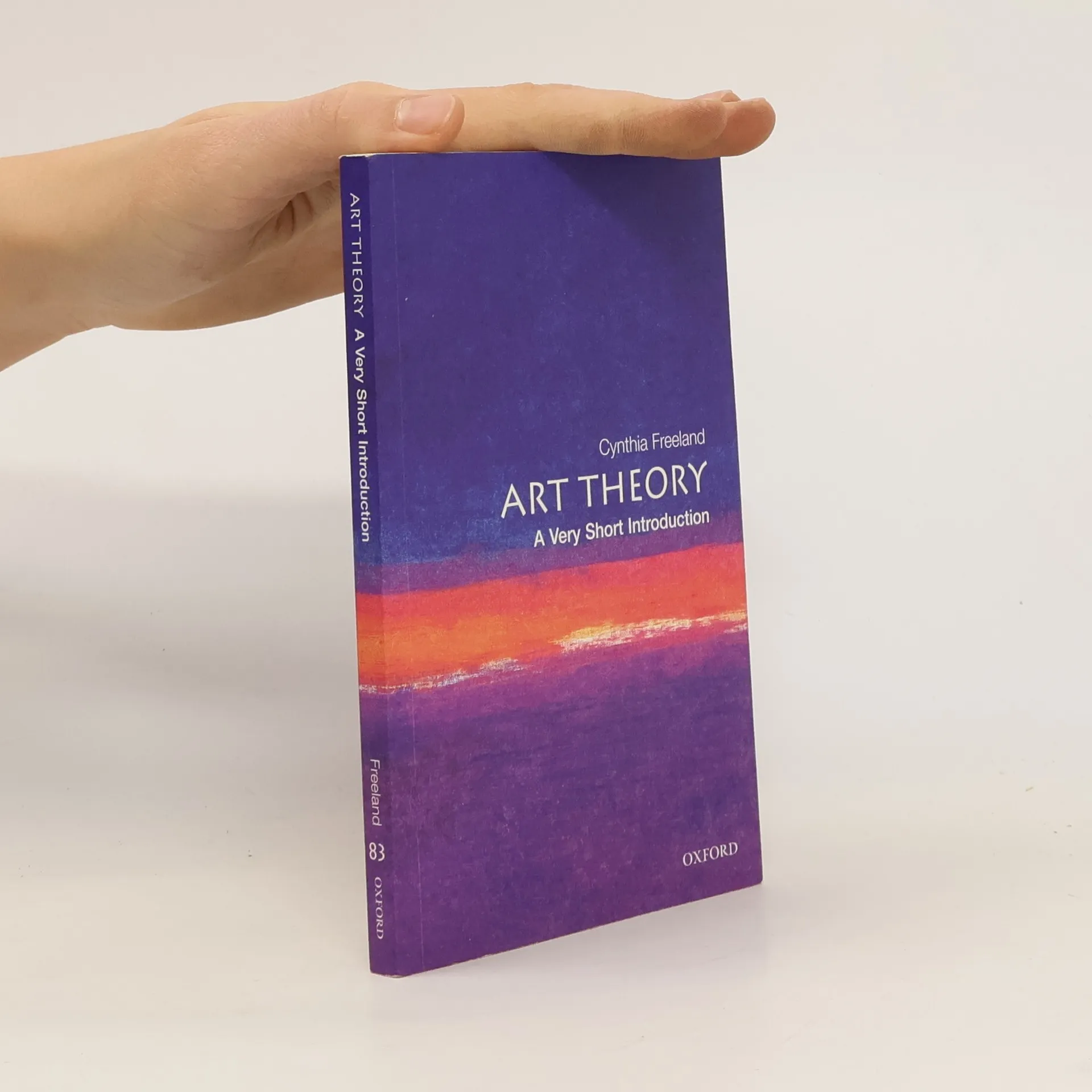
In today's art world many strange, even shocking, things qualify as art. In this critically acclaimed study, Cynthia Freeland offers a provocative and clear explanation of why innovation and controversy are valued in the arts, weaving together philosophy and art theory with many fascinating examples. Providing an accessible introduction to a wide range of theories, artists, and works, Freeland explains why challenging our perceptions is, and always has been, central to the whole endeavour of art. The result is an invaluable introduction to the key debates surrounding our response to art.
Explains why innovation and controversy are valued in the arts, bringing
together philosophy, art theory, and many examples. This work discusses blood,
beauty, culture, money, sex, web sites, and research on the brain's role in
perceiving art. It is suitable for the public, introductory students, and
teachers in the arts. schovat popis
From Andy Warhol's Brillo boxes to provocative dung-splattered madonnas, today's art world showcases many strange and shocking displays, prompting viewers to question what constitutes art. This primer on aesthetics delves into why innovation and controversy are valued, intertwining philosophy and art theory with engaging examples. Freeland explores the cultural meanings of art across various contexts, tracing traditions from modern sensational works back to the Parthenon, the medieval cathedral of Chartres, and African nkisi nkondi fetish statues. She addresses the challenges of interpretation, examines scientific research on how the brain perceives art, and investigates emerging realms such as web art, video art, and museum CD-ROMs. Additionally, Freeland navigates the theories of influential thinkers from Aristotle and Kant to Baudrillard. Through this nuanced exploration of theories, artists, and artworks, she offers a rich understanding of how cultural significance is embodied in physical forms and emphasizes the importance of challenging perceptions in the artistic endeavor. Notably, Henri Matisse was once criticized as a "wild beast" for his bold colors and distorted forms, yet what was once deemed shocking is now celebrated as beautiful. This evolution, Freeland argues, is the essence of art.
¿Qué es el arte? ¿Qué significa y por qué lo valoramos? Este texto trata de resolver estas cuestiones que todos nos planteamos y que son propias del campo denominado en términos generales teoría del arte. Se examinan aquí muchas teorías diferentes, la teoría ritual, la teoría formalista, la teoría de la imitación, la teoría de la expresión o la teoría cognitiva, pero no por orden, una detrás de otra, ya que la estrategia de la autora es precisamente poner de relieve la rica diversidad del arte con el fin de dejar clara la dificultad de presentar teorías adecuadas.Para ello, en el enfoque de este estudio de la diversidad del arte la autora ha elegido una táctica de choque, comenzando por el mundo artístico actual, dominado por obras que hablan de sexo o de sacrilegio, hechas con sangre, animales muertos e incluso orina y heces, para después hacernos recorrer hacia atrás la historia del arte. Pero no termina aquí, sino que pretende explicar por qué se valora el arte, teniendo en cuenta cuánta gente paga por tenerlo y coleccionarlo; quiénes son los artistas, qué es lo que hace que sean tan especiales; y termina preguntándose lo que nos espera en el arte del siglo XXI, en la era de Internet.