

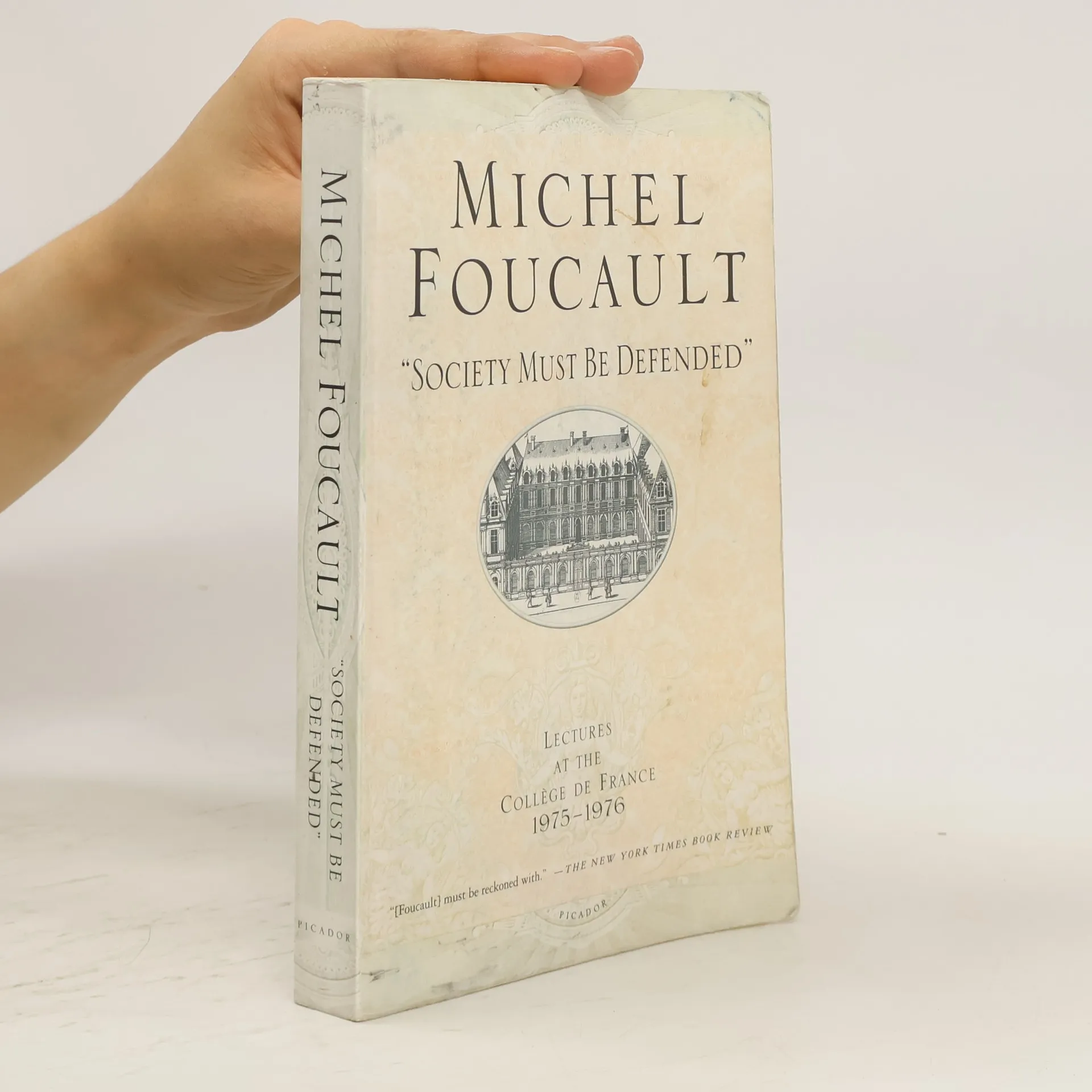
An examination of the relation between war and politics, by one of the twentieth century's most influential thinkers From 1971 until 1984 at the Collège de France, Michel Foucault gave a series of lectures ranging freely and conversationally over the range of his research. In Society Must Be Defended, Foucault deals with the emergence in the early seventeenth century of a new understanding of war as the permanent basis of all institutions of power, a hidden presence within society that could be deciphered by an historical analysis. Tracing this development, Foucault outlines the genealogy of power and knowledge that had become his dominant concern.
David Macey Livres
Cet auteur est un écrivain et traducteur très estimé, dont l'œuvre se concentre sur la philosophie française contemporaine et la pensée politique. Ses analyses explorent les subtilités des courants intellectuels complexes, examinant leur impact sur la société moderne. Ses publications influentes et ses nombreuses traductions rendent des sujets exigeants accessibles à un public plus large. Par son style distinctif, il enrichit le paysage littéraire et incite les lecteurs à réfléchir aux questions sociales et philosophiques fondamentales.

Born in Martinique, Frantz Fanon (1925-61) trained as a psychiatrist in Lyons before working in colonial Algeria. He faced racism as a soldier in the Free French Army during France's liberation. In Algeria, he engaged with the Front de Liberation National (FLN), whose fight for independence was met with brutal repression by the French Army. Identifying with the FLN, he became a target and was forced to flee after resigning his position. He later worked with the FLN as a propagandist and ambassador. This biography, based on extensive research, presents the most comprehensive and objective account of Fanon, dispelling myths that have surrounded him. It reveals him as a complex individual, shaped by the French Caribbean's history of slavery and racism, and traces his intellectual journey as a political thinker and psychiatrist within the context of post-war French culture. The author honors Fanon’s extraordinary life, portraying him as a flawed yet fundamentally humanist figure dedicated to ending colonialism. His passionate and articulate writings continue to resonate today.
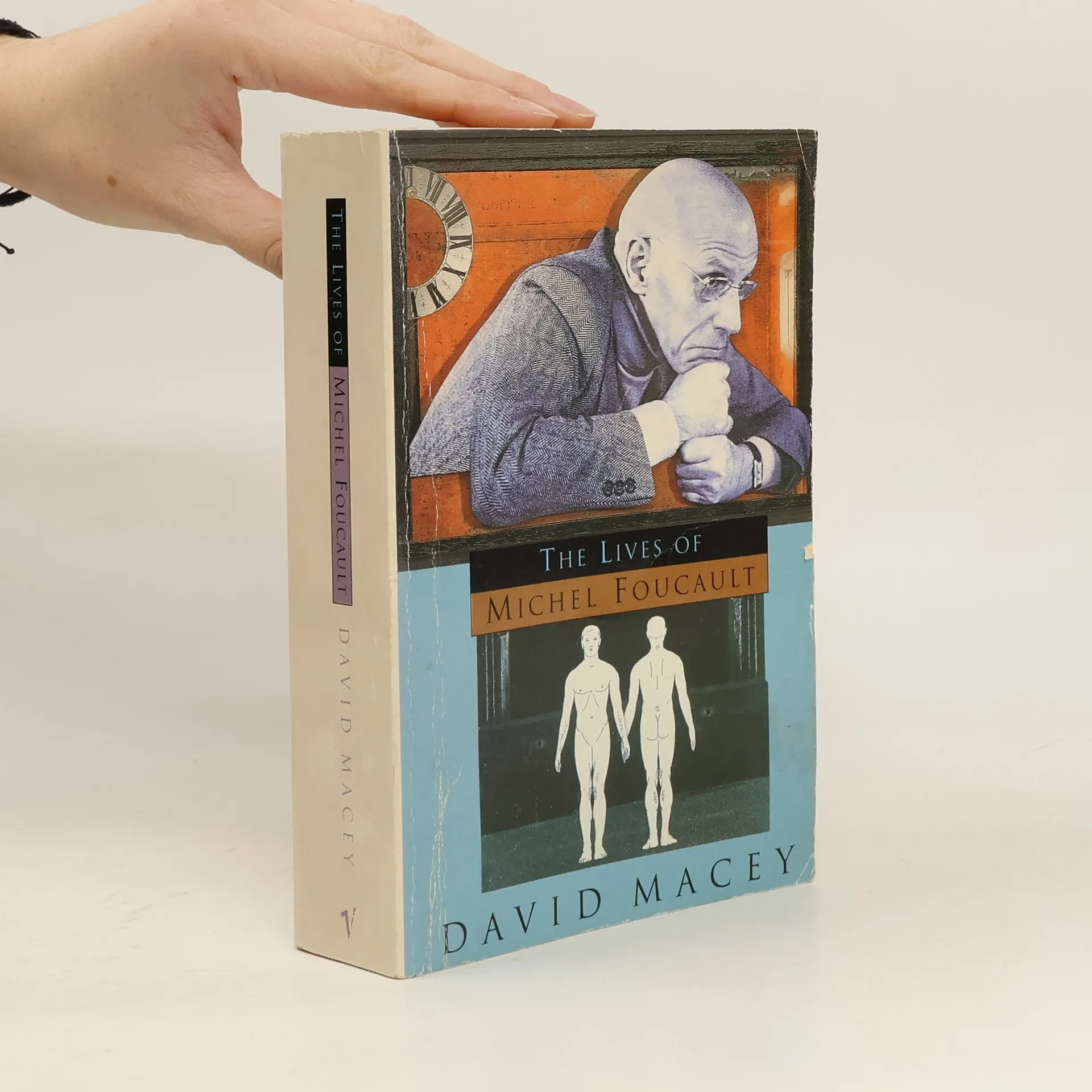
The Lives of Michel Foucault
- 598pages
- 21 heures de lecture
Foucault's work reached beyond the normal boundaries of philosophy; he wrote about madness, prisons, medicine, sex and language. He was many things - academic, political activist, child, lover of men. Opening with an account of Foucault's death in 1985 from AIDS, this biography then returns to the provincial France of his childhood, and follows the transformation of a conservative doctor's son into the foremost radical philosopher of his generation, the force of his work enhanced by his actively homosexual lifestyle. A brief fling with communism left him with an abiding hatred of the Soviet Union. After working on the history of psychiatry through the 1950s and '60s in Sweden, Poland and Tunisia, Foucault returned to France after the violence of May 1968 with a disturbing vision of modern society policed by mechanisms of power and control. He also lived his ideas, agitating for prison reform, homosexual liberation and the rights of mental patients. David Macey's other works include Lacan in Contexts , a study of the French psychoanalyst.
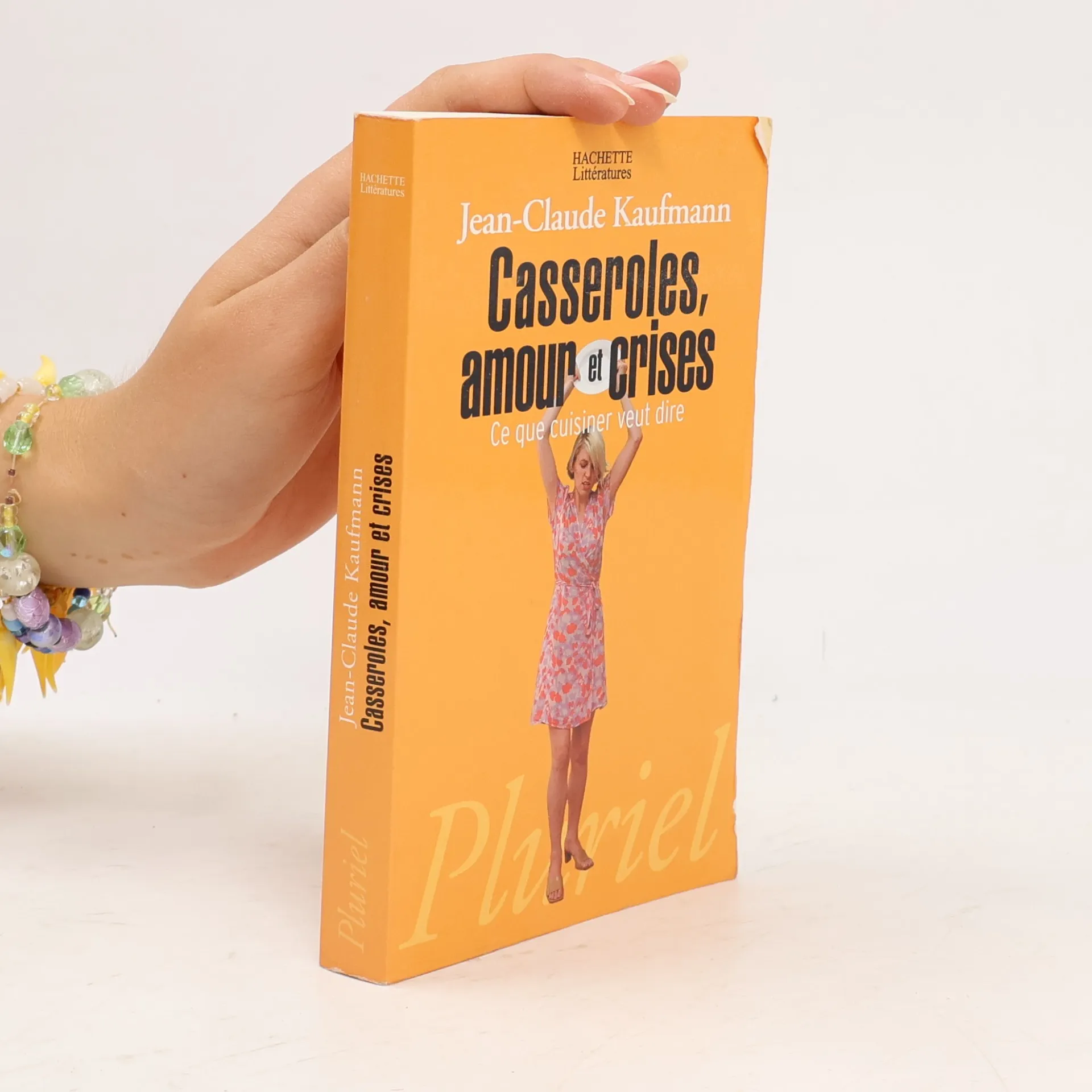
In 1785, James Boswell and Dr. Johnson sought a way to distinguish humans from animals, concluding that while animals possess memory and judgment, none can cook. Cooking, central to our lives, has often been overlooked by scholars. Boswell's insight highlights the kitchen as the heart of the home, with the dining table serving as a stage for family dynamics. The conversations that unfold—often starting with "How has your day been?"—reveal the complexities of relationships, exposing both joys and tensions. Eating together becomes an ordeal by truth, reflecting the state of conjugal and parental bonds. In this engaging exploration, French sociologist Jean-Claude Kaufmann delves into kitchens and dining rooms, unraveling the significance of food, cooking, and eating in family life. He offers a glimpse into the minds of cooks, revealing their often conflicting thoughts as they decide between quick meals and special creations. This decision-making process is intertwined with the forging of social relationships. Through a meticulous examination of everyday experiences, Kaufmann illustrates how we cultivate meaningful connections with our loved ones through the simple yet profound acts of creating and sharing meals.
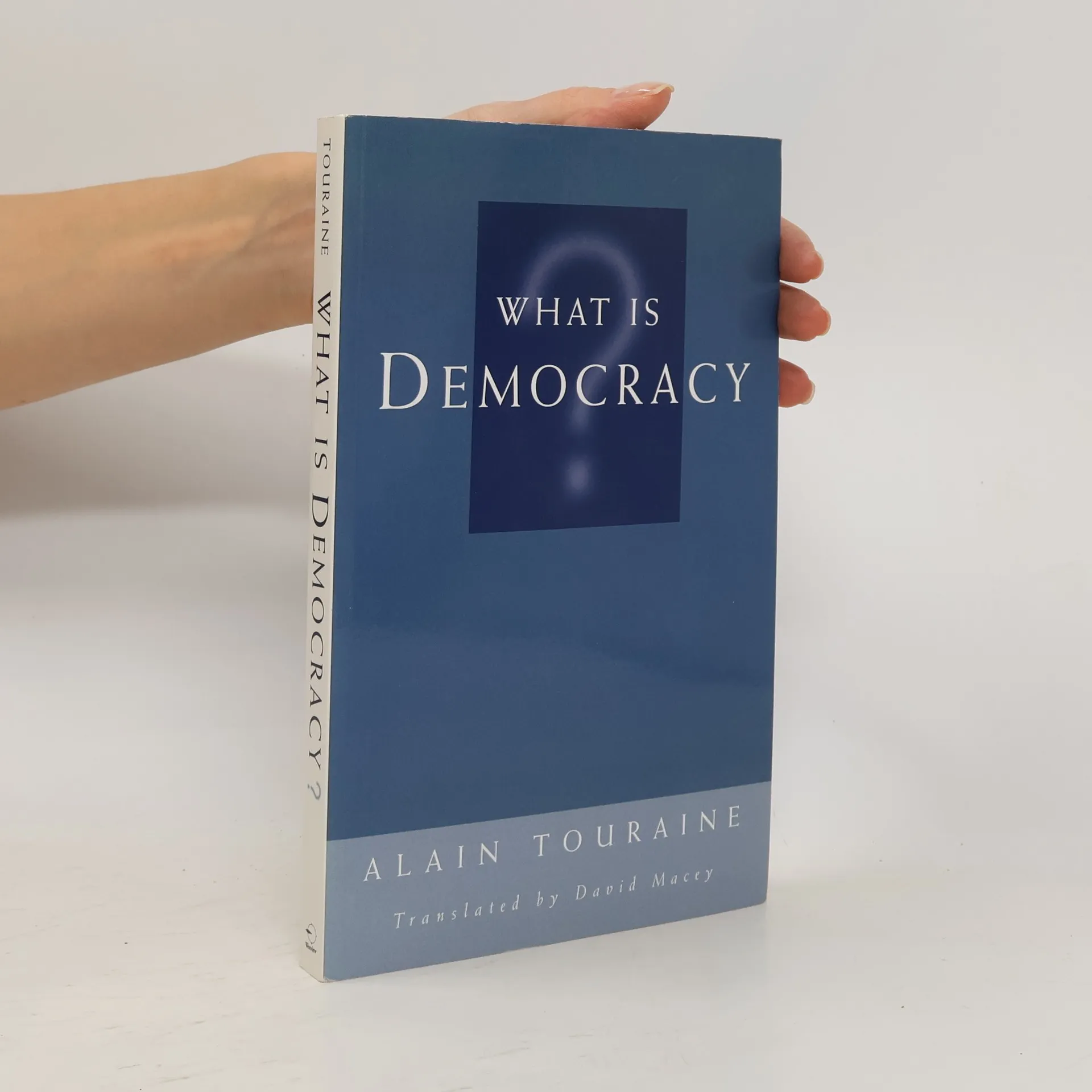
What Is Democracy?
- 234pages
- 9 heures de lecture
The author explores the contemporary social and cultural implications of democracy, seeking to reconstruct the political landscape and revive democratic values. He addresses two main threats to democracy: the inherent risks it faces and the misuse of its name. Through this examination, the book aims to foster a deeper understanding and commitment to democratic principles in today's society.
L'étrange histoire de l'amour heureux
- 227pages
- 8 heures de lecture
Pendant des siècles, de débats Jean-Claude Kaufmann passionnés en illusions déçues, l’amour a rêvé de guider le monde. Chaque tentative fut un échec, parfois terrible. Alors l’amour s’est replié sur la vie privée. Il a laissé l’économie prendre le pouvoir, et s’est contenté de construire un univers de consolation et de caresses face aux duretés du monde. Jean-Claude Kaufmann renouvelle ici l’histoire d’un sentiment pas comme les autres. Il nous entraîne dans l’aventure des grandes utopies et nous révèle la face cachée des épisodes fondateurs de nos vécus amoureux. À travers ce récit, émaillé d’anecdotes savoureuses, il questionne les valeurs de notre époque et nous pousse à nous interroger sur notre positionnement personnel. Devant la souffrance suscitée par une conception étroitement économique et cynique de la vie collective, la question de l’amour dans sa dimension sociale et politique est en train de resurgir. Elle explique l’intensité et les espoirs renouvelés que nous mettons aujourd’hui dans la quête du bonheur amoureux. été traduits en quinze langues.