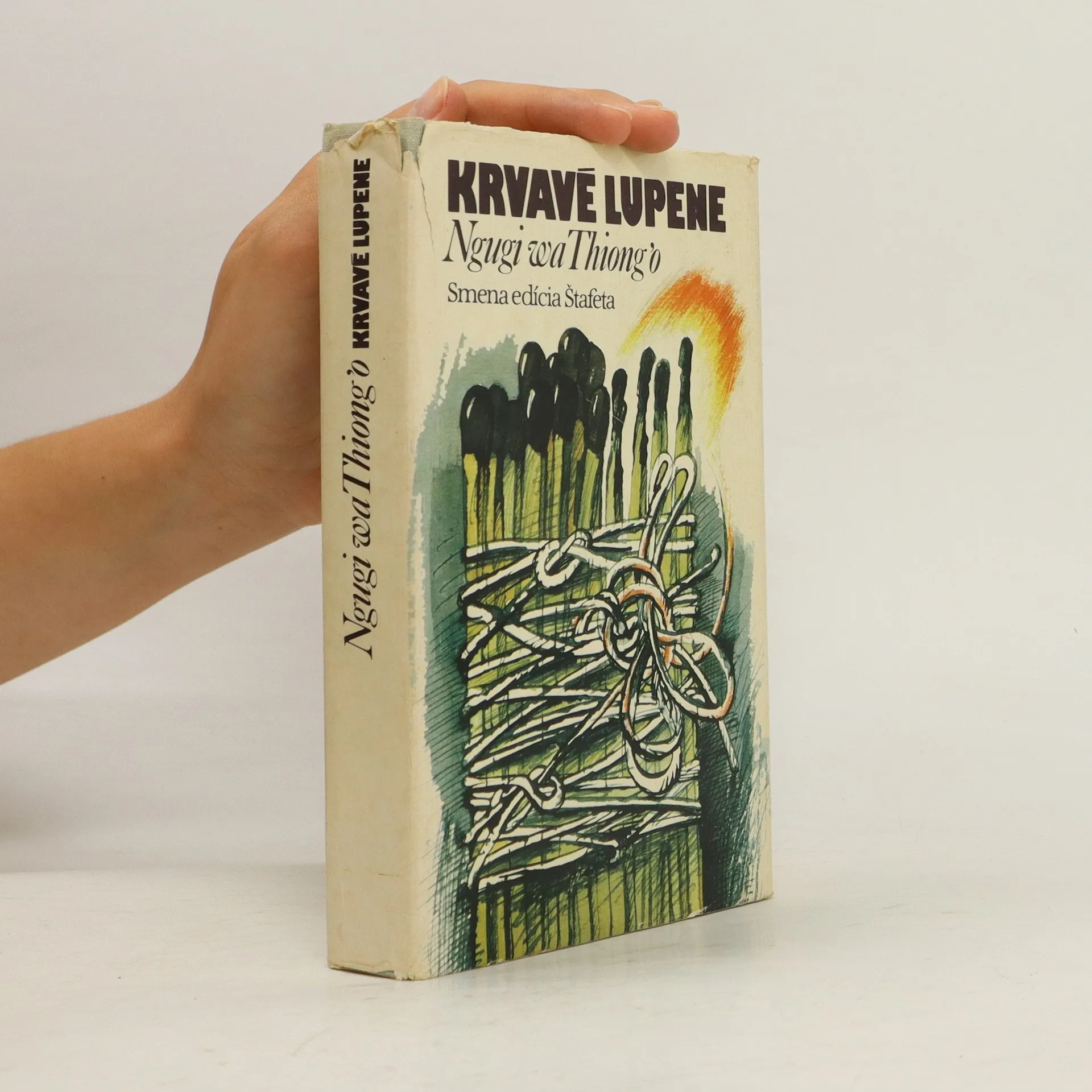
Ngugi advocates a cultural shift to redress the last 400 years of domination by a handful of western nations.In this collection Ngugi is concerned with moving the centre in two senses - between nations and within nations - in order to contribute to the freeing of world cultures from the restrictive walls of nationalism, class, race and genderBetween nations the need is to move the centre from its assumed location in the West to a multiplicity of spheres in all the cultures of the world. Within nations the move should be away from all minority class establishments to the real creative centre among working people in conditions of racial, religious and gender equality.Kenya: EAEP
Ngugi Wa Thiong o Livres
5 janvier 1938


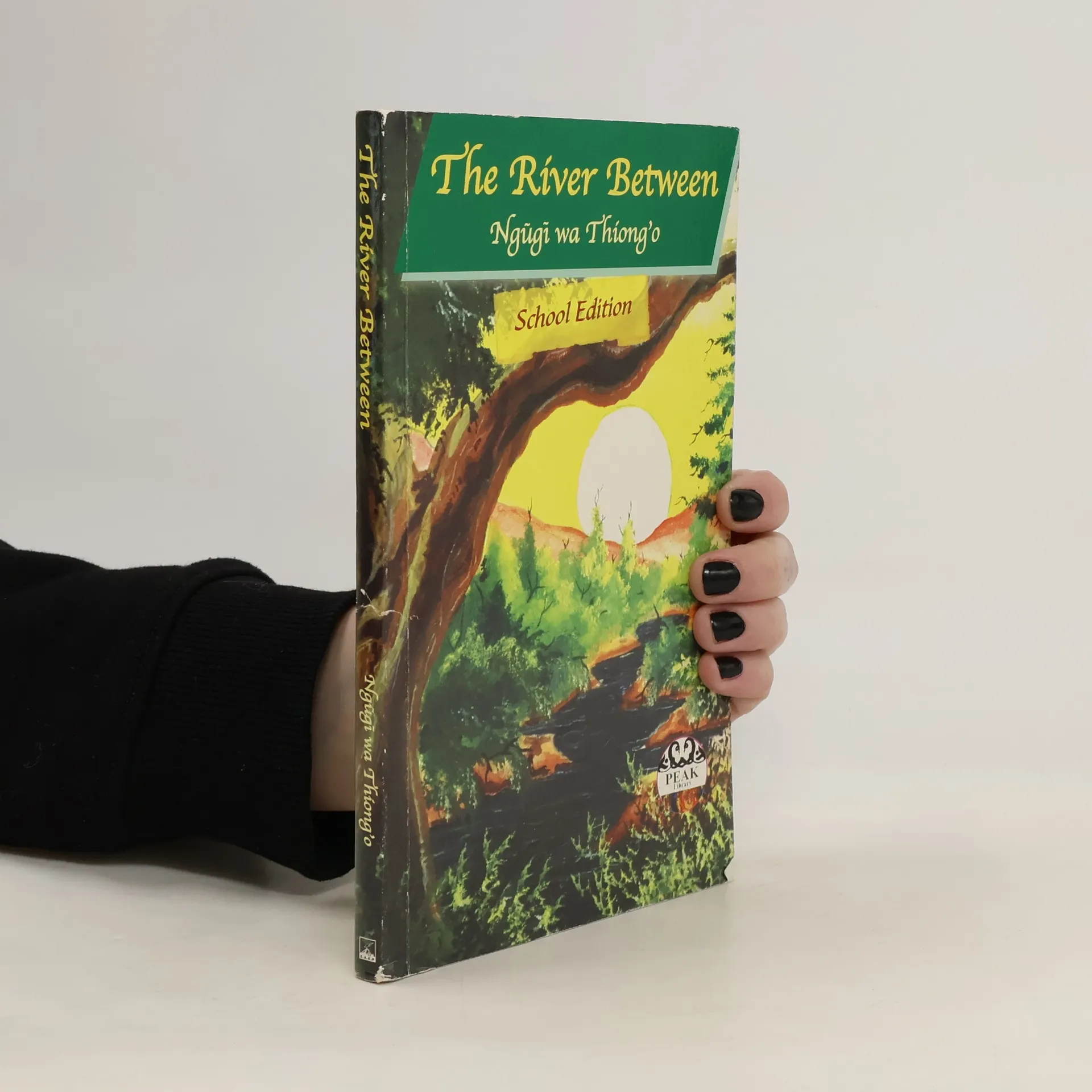
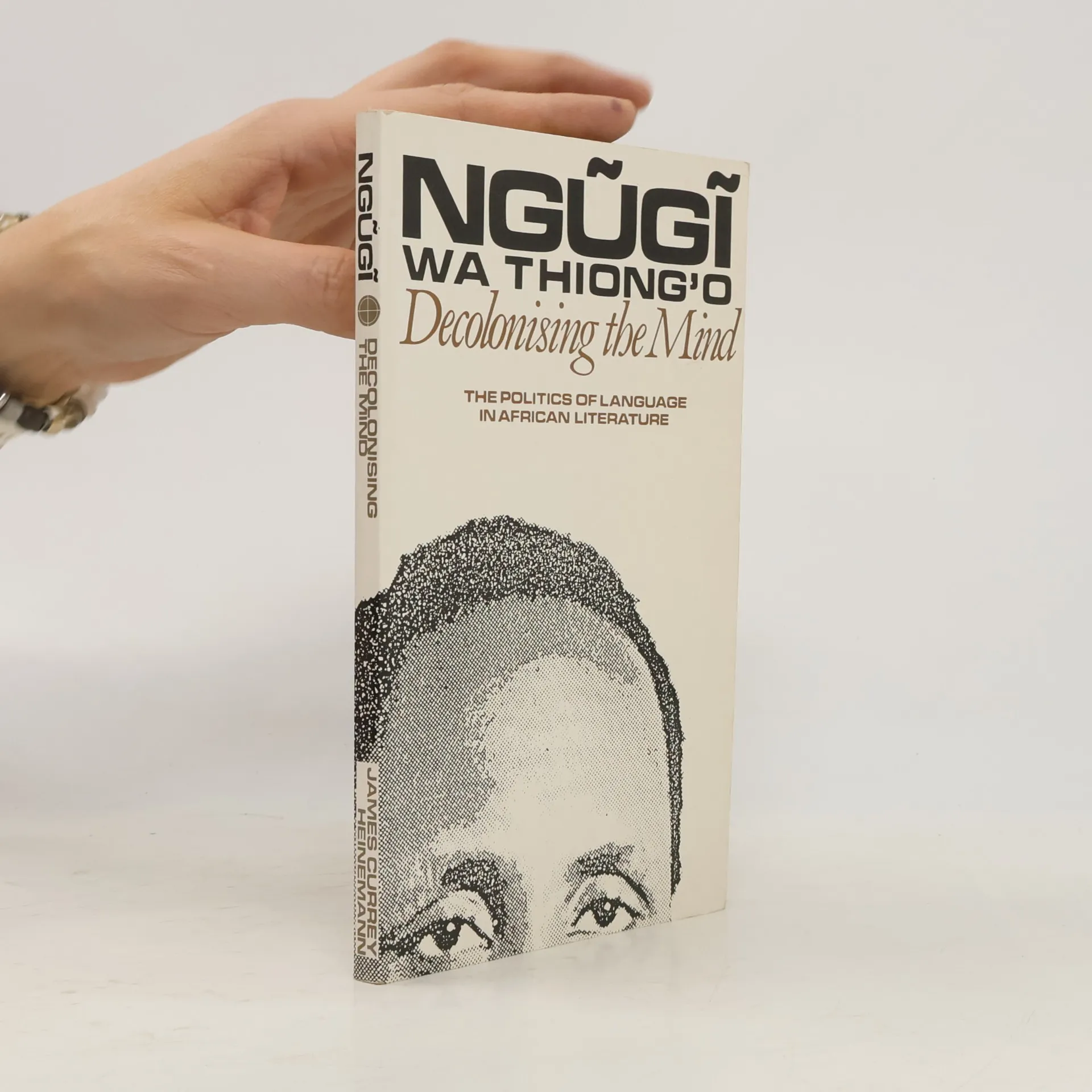

Decolonising the Mind
- 128pages
- 5 heures de lecture
Die Bedeutung afrikanischer Sprachen für die kulturelle Entkolonisierung
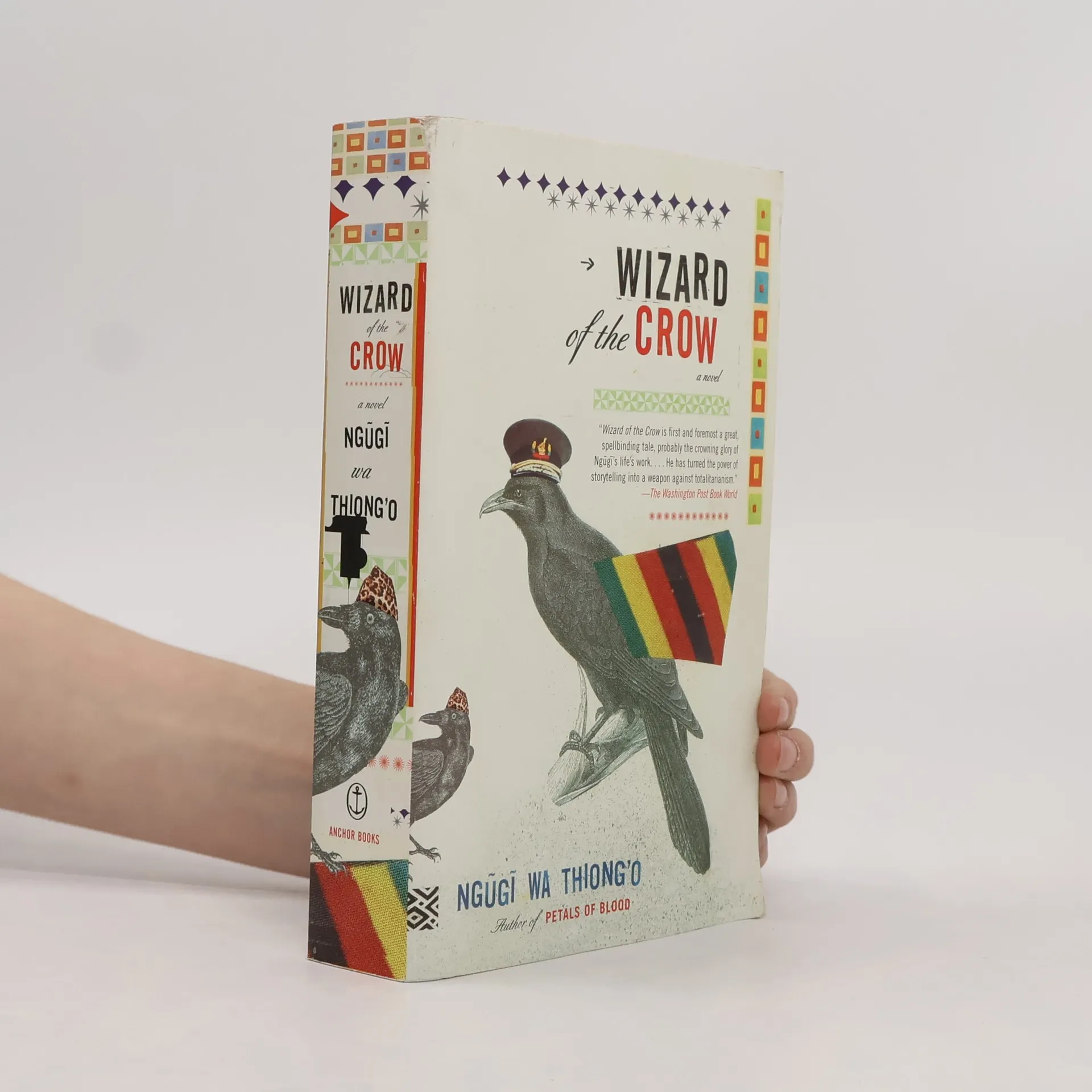
Wizard of the Crow
- 784pages
- 28 heures de lecture
A landmark of postcolonial African literature, Wizard of the Crow is an ambitious, magisterial, comic novel from the acclaimed Kenyan novelist, playwright, poet, and critic. Set in the fictional Free Republic of Aburiria, Wizard of the Crow dramatizes with corrosive humor and keenness of observation a battle for the souls of the Aburirian people, between a megalomaniac dictator and an unemployed young man who embraces the mantle of a magician. Fashioning the stories of the powerful and the ordinary into a dazzling mosaic, in this magnificent work of magical realism, Ngugi wa'Thiong'o—one of the most widely read African writers—reveals humanity in all its endlessly surprising complexity.
The Language of Languages
- 116pages
- 5 heures de lecture
With clear, conversational prose, this volume is the first to focus entirely on Ngũgĩ wa Thiongʼo's writings about translation. A prominent figure in world literature, the Kenyan writer has long advocated for the recognition of indigenous African languages. After starting his career in English, he transitioned to writing in his native Gikũyũ in 1977, marking a significant creative and political shift. For years, Ngũgĩ has translated his Gikũyũ works into English and has actively promoted literary translation, which he describes as 'the language of languages.' This collection compiles his essays and lectures on translation from the past two decades, where he explores it as a cultural dialogue, advocates for unity among African languages, and reflects on the challenges of auto-translation. He emphasizes the crucial role translation plays in spreading ideas and calls for dismantling language hierarchies. Ngũgĩ also shares insights from his own experiences, including his story The Upright Revolution, which has been translated into over a hundred languages, making it the most widely translated work by an African author. In an era where cross-cultural dialogue is vital, this book makes a compelling case for literature without borders.
Ngugi's novel tells the story of life in the Kenyan highlands during a time when colonial conquest loomed as a threatening shadow. Waiyaki grows up in the traditional Gikuyu community and is initiated by his father as a spiritual leader and renewer of his people. He attends a Christian mission school, but when he falls in love with a girl from a neighboring Christianized village, a tragic and inescapable conflict arises. Waiyaki, who refuses to convert, seeks to impart the knowledge of the colonizers in an independent Gikuyu school for the benefit of his people. Caught between these worlds, he becomes a victim of the fragmentation that continues to characterize modern Africa. This novel approaches the beauty and simplicity of ancient folk tales.
Wrestling with the Devil
- 272pages
- 10 heures de lecture
One of the greatest writers of our time Chimamanda Ngozi Adichie
In the House of the Interpreter: A Memoir
- 256pages
- 9 heures de lecture
Renowned novelist, poet, playwright, and literary critic Ngũgĩ wa Thiong’o was a student at a prestigious, British-run boarding school near Nairobi when the tumultuous Mau Mau Uprising for independence and Kenyan sovereignty gripped his country. While he enjoyed scouting trips and chess tournaments, his family home was razed to the ground and his brother, a member of the insurgency, was captured by the British and taken to a concentration camp. But Ngũgĩ could not escape history, and eventually found himself jailed after a run in with the forces of colonialism. Ngũgĩ richly and poignantly evokes the experiences that would transform him into a world-class writer and, as a political dissident, a moral compass to us all. A winning celebration of the implacable determination of youth and the power of hope, here is a searing account of the history of a man—and the story of a nation.
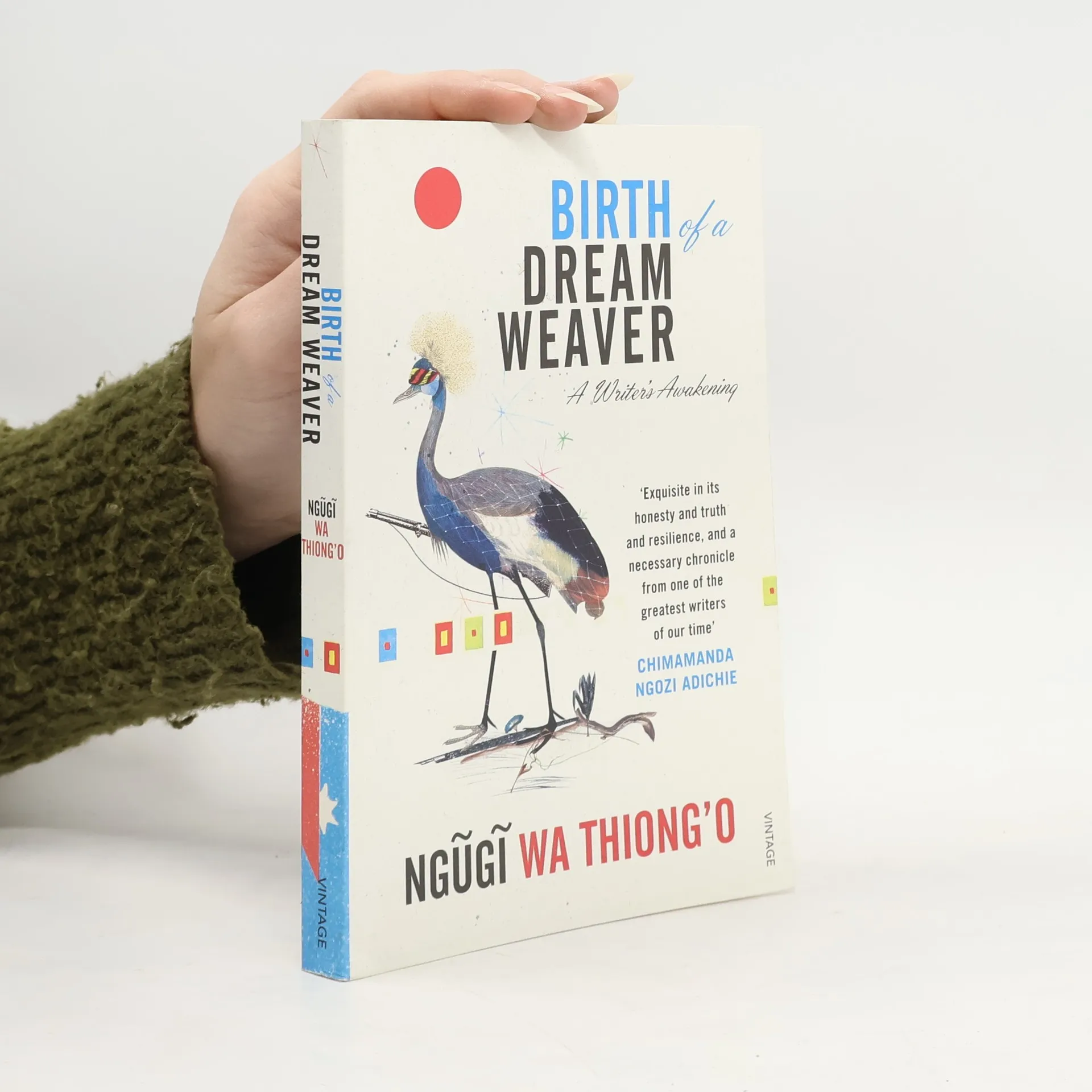
Birth of a dream weaver : a writer's awakening
- 256pages
- 9 heures de lecture
A thought-provoking and moving memoir, it chronicles the life of one of the greatest writers of our time. `Exquisite in its honesty and truth and resilience, and a necessary chronicle from one of the greatest writers of our time' Chimamanda Ngozi AdichieSelected as a Book of the Year 2016 in the GuardianWhen Ngugi wa Thiong'o arrives at the prestigious Makerere University, it embodies all the potential and excitement of the early 1960s. Campus is a haven of opportunity for the brightest African students, a meeting place for thinkers and writers from all over the world, and its alumni are filling Africa's emerging political and cultural positions. Despite the challenges he faces as a young black man in a British colony, it is here that Ngugi begins to find his voice as a playwright, journalist and novelist, writing his first, pivotal works just as the countries of East Africa enter the final stages of their independence struggles
Devil on the Cross
- 272pages
- 10 heures de lecture
Wariinga, a young woman who moves from a Kenyan town to the capital, Nairobi, only to be exploited by her boss and later a corrupt businessman. As Wariinga struggles to survive, she realizes that her problems are only symptoms of a larger societal malaise and that much of the misfortune stems from the Western, capitalist influences on her country.
Gikuyu and Mumbi settled on the peaceful and bounteous foot of Mount Kenya after fleeing war and hunger. When ninety-nine suitors arrive on their land, seeking to marry their famously beautiful daughters, called The Perfect Nine, the parents ask their daughters to choose for themselves, but to choose wisely. First the young women must embark on a treacherous quest with the suitors, to find a magical cure for their youngest sister, Warigia, who cannot walk. As they journey up the mountain, the number of suitors diminishes and the sisters put their sharp minds and bold hearts to the test, conquering fear, doubt, hunger and many menacing ogres, as they attempt to return home. But it is perhaps Warigia's unexpected adventure that will be most challenging of all. Blending folklore, mythology and allegory, Ngugi wa Thiong'o chronicles the adventures of Gikuyu and Mumbi, and how their brave daughters became the matriarchs of the Gikuyu clans, in stunning verse, with all the epic elements of danger, humour and suspense.
Weep Not, Child
- 160pages
- 6 heures de lecture
This is a simple and powerful tale of the effects of the Mau Mau war on individuals and families in Kenya. Two brothers must decide where their loyalties lie; Njoroge, the dreamer and accomplished student, finds it hard to give up schooling and is drawn relentlessly into turmoil. Good and evil are portrayed somewhat more starkly than in Ngugi's later works.
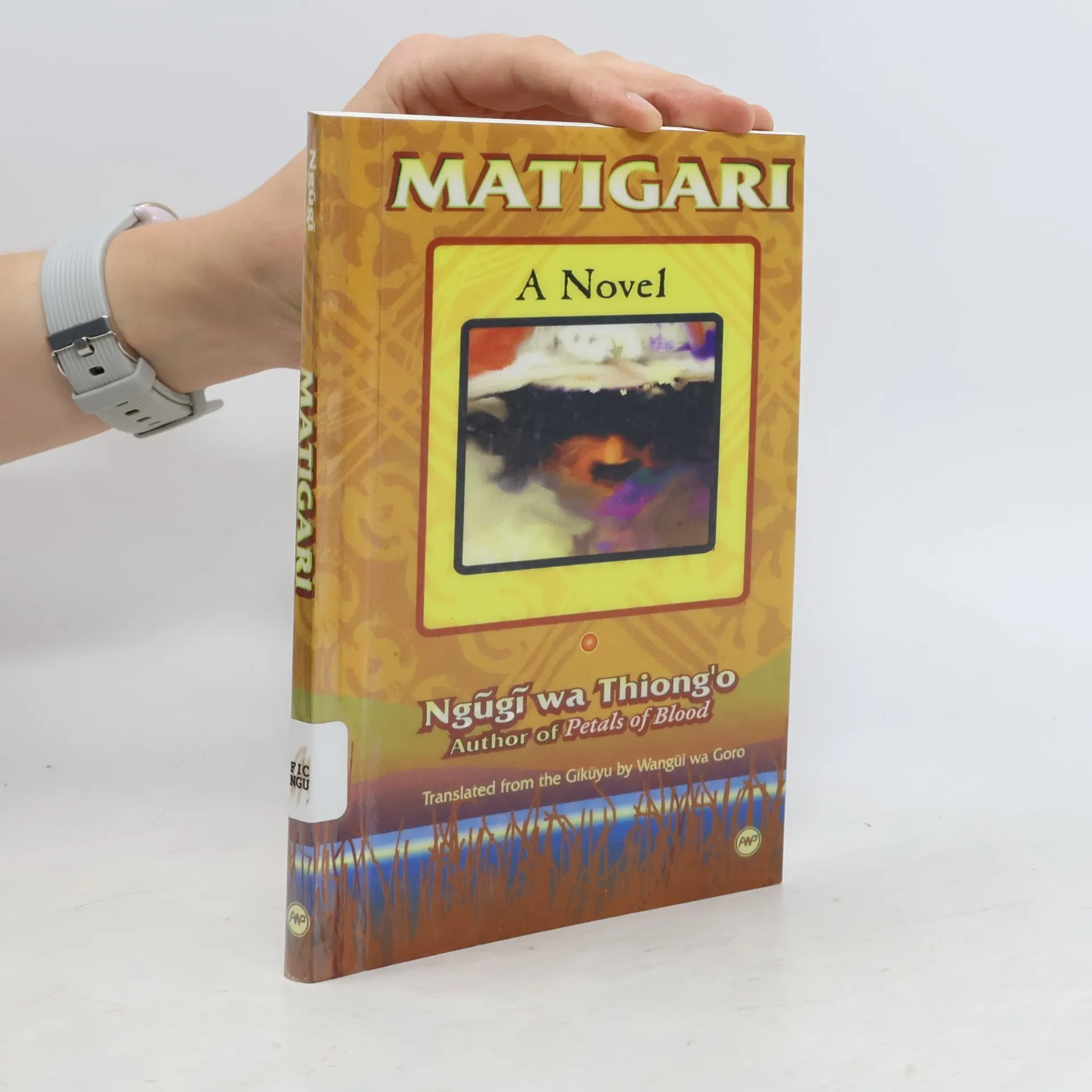
Petals of Blood
- 432pages
- 16 heures de lecture
Ambitious, caustic, and impassioned New Yorker
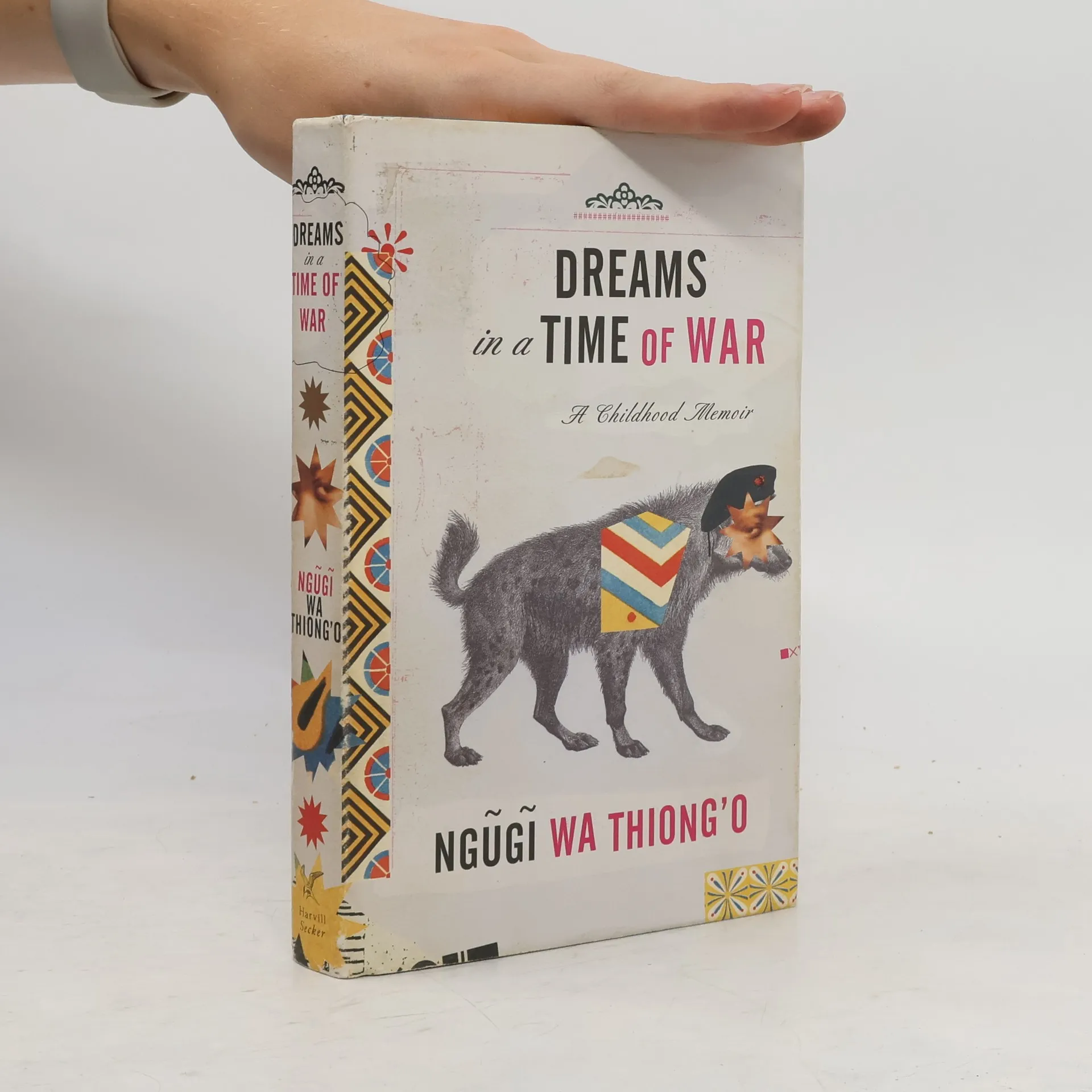
Dreams in a Time of War
- 256pages
- 9 heures de lecture
Ngugi wa Thiong'o was born the fifth child of his father's third wife, in a family that includes twenty-four children born to four different mothers. He spent his 1930s childhood as the apple of his mother's eye, before attending school to slake what is considered a bizarre thirst for learning. As he grows up, the wider political and social changes occurring in Kenya begin to impinge on the boy's life in both inspiring and frightening ways. Through the story of his grandparents and parents, and his brothers' involvement in the violent Mau Mau uprising, Ngugi deftly etches a tumultuous era, capturing the landscape, the people and their culture, and the social and political vicissitudes of life under colonialism and war.
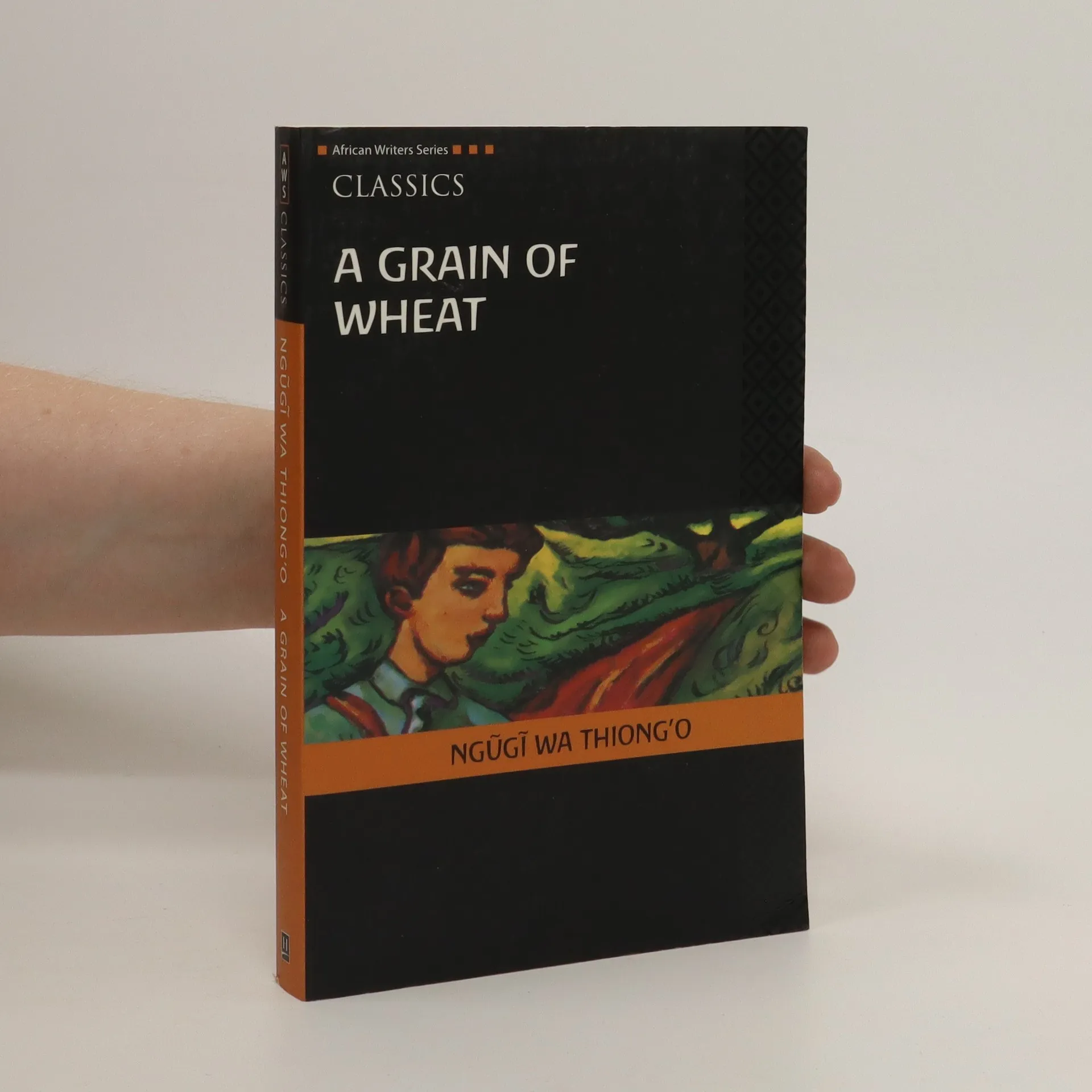
A novel that portrays several characters in a village whose intertwined lives are transformed by the 1952-1960 Emergency in Kenya. It features a reticent Mugo, the village's chosen hero and a man haunted by a terrible secret. schovat popis
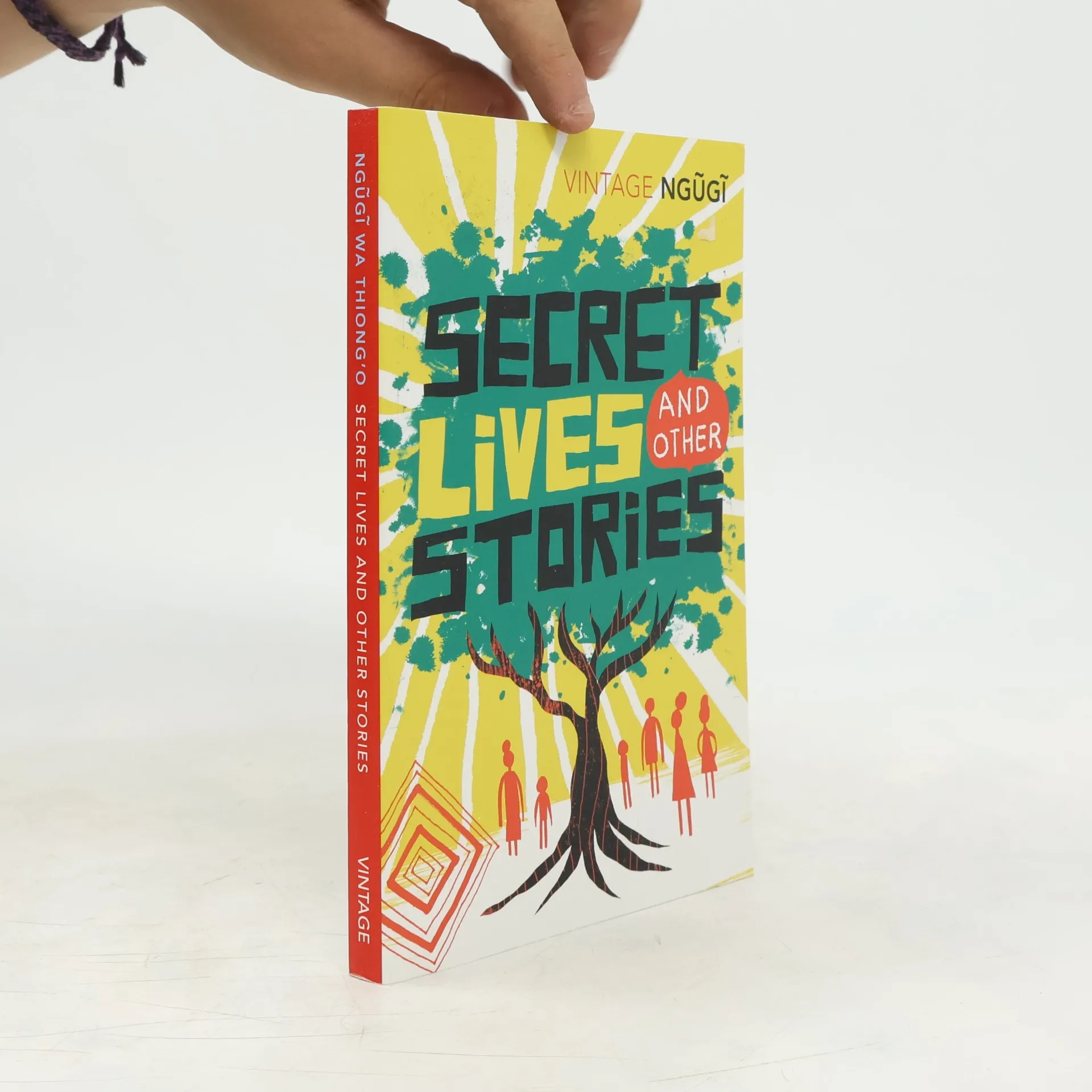
Secret Lives & Other Stories
- 176pages
- 7 heures de lecture
A tremendous writer... It's hard to doubt the power of the written word when you hear the story of Ngugi wa Thiong'o Guardian
Postkoloniální myšlení II
- 259pages
- 10 heures de lecture
Druhý díl série Postkoloniální myšlení I–IV, navazující na překlad knihy Frantze Fanona, se zaměřuje na historické východisko postkoloniálního myšlení jako emancipačního programu druhé vlny dekolonizace. Tento proces, probíhající v Asii a Africe od konce druhé světové války do poloviny sedmdesátých let, byl na Západě vnímán jako rozklad evropských imperiálních říší. Autoři v knize vyjadřují perspektivu osvobození od koloniální nadvlády a systémů útlaku. Klíčovou otázkou je postkoloniální identita a konstrukce nové politiky identity: bude vycházet z národního esencialismu, nebo z konstruktivistického pohledu na národ jako myšlené společenství? Tyto nekompatibilní koncepce reflektují problémy, které se objevují i v kontextu postsocialistické transformace po roce 1989. Publikace zahrnuje klasické texty, které definují témata univerzality, diference, rezistence a jazyka jako struktury moci. Specifikum výběru spočívá v dvou místních aspektech pohledu na postkoloniální situaci: roli autora a dědictví totalitního režimu, které formovalo stereotypy ideologií.
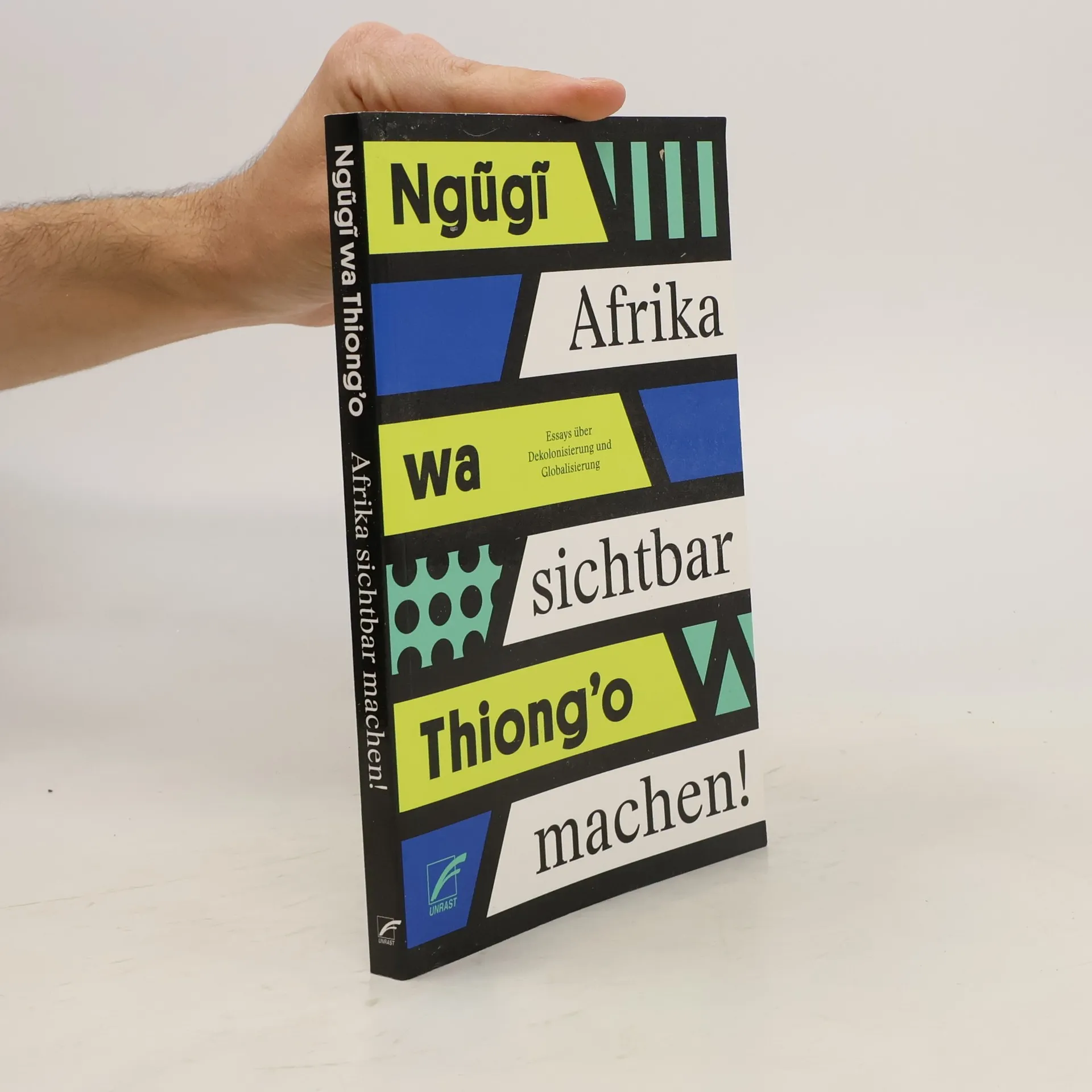
Afrika sichtbar machen!
Essays über Dekolonisierung und Globalisierung
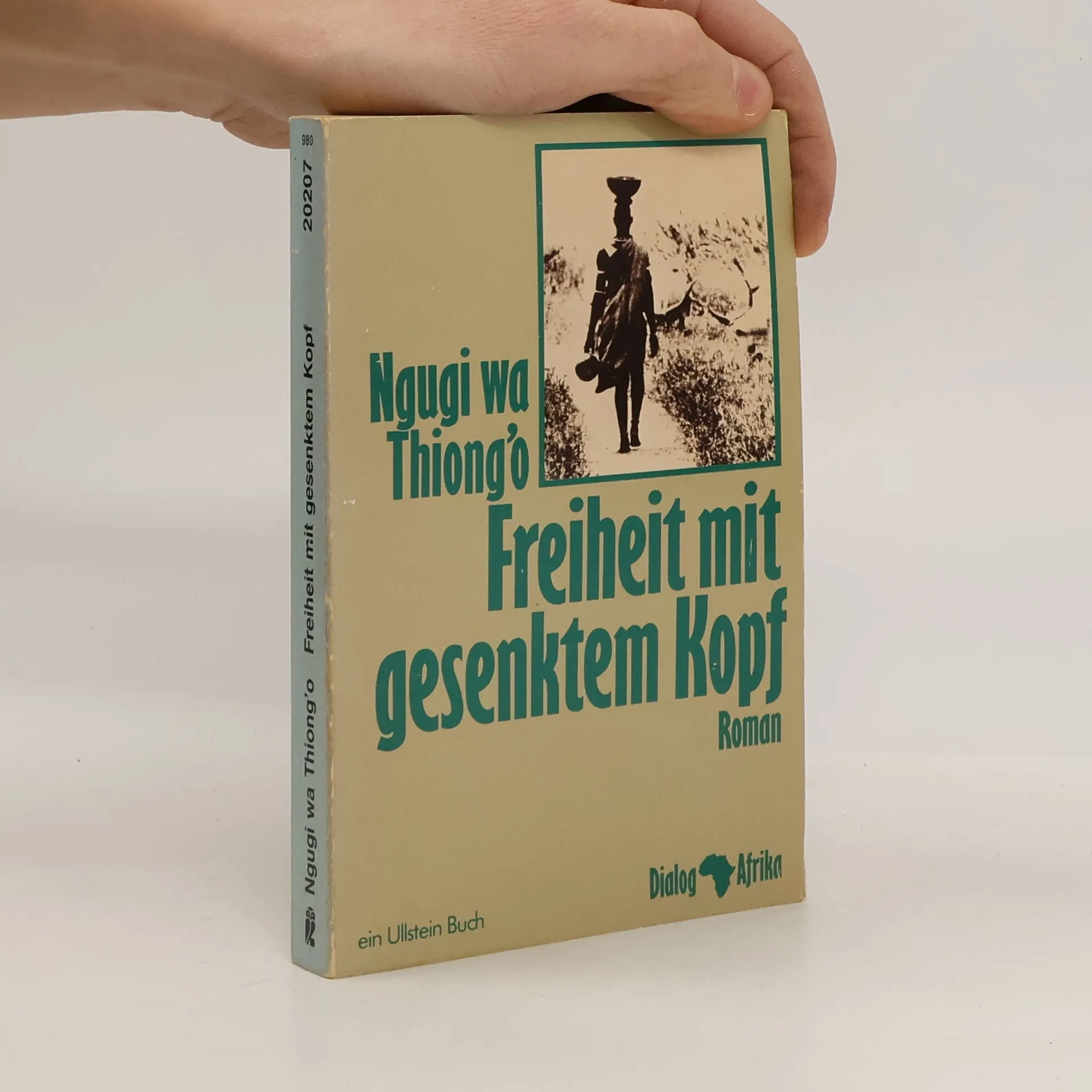
Nachw. Koehler, Susanne. Roman aus Kenia. 189 S.
Freiheit mit gesenktem Kopf
- 270pages
- 10 heures de lecture
Belletristik : Kenya ; Kolonialzeit - Unabhängigkeit.