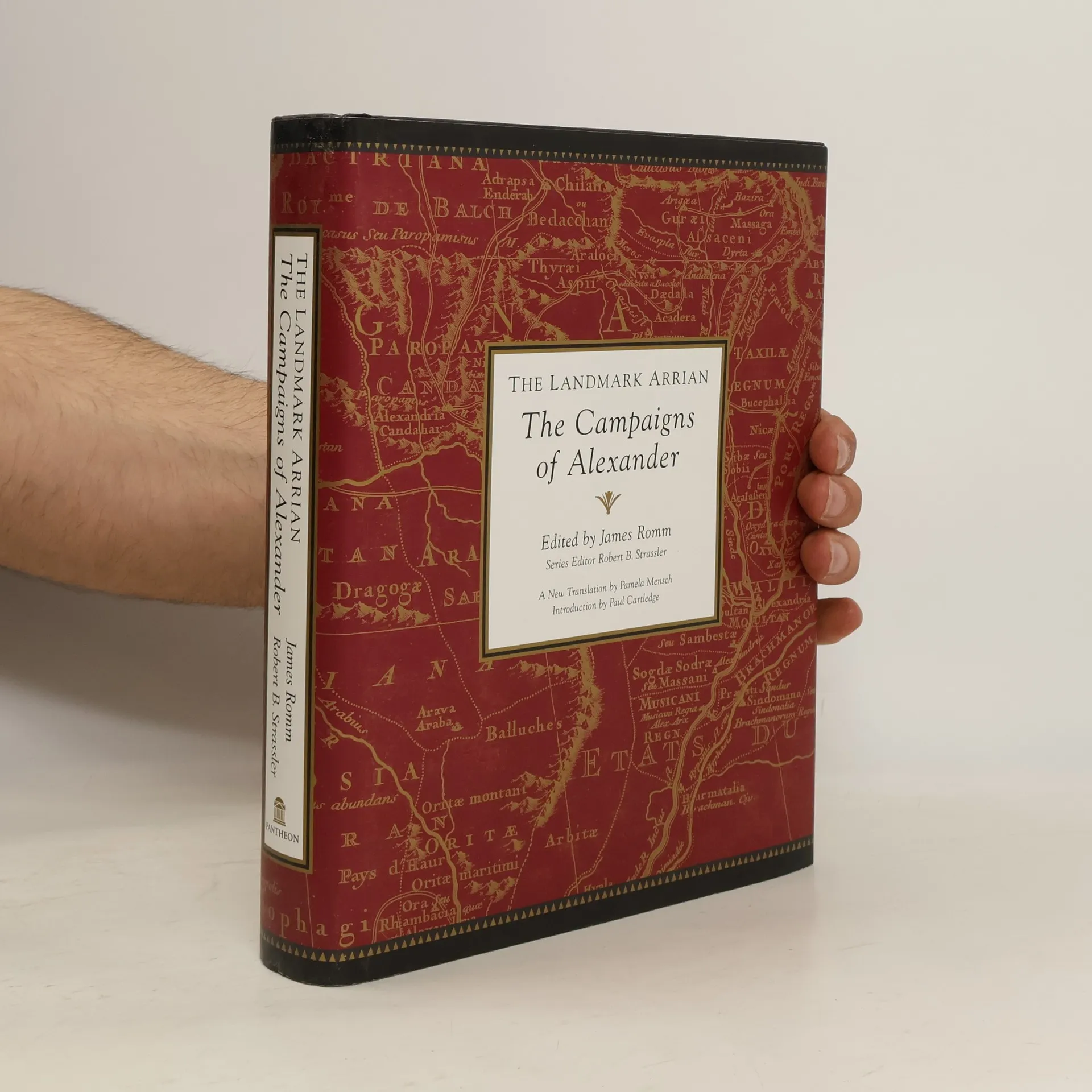
The Landmark Arrian is an important new edition of The Campaigns of Alexander , the most authoritative ancient account of one of the world’s most brilliant military leaders. During twelve years of continuous campaigns, Alexander conquered an empire that stretched from the shores of the Adriatic to the edge of modern India. Arrian’s history of those conquests, the most reliable and detailed account to emerge from the ancient world, is a work that will fascinate readers interested in classical studies, the history of warfare, and the origins of East-West tensions that still simmer today in Iraq, Iran, and Afghanistan. Drawing on Ptolemy’s memoirs and other sources that have not survived antiquity, Arrian’s portrait of Alexander is unmatched for its accuracy and immediacy. Having served as a high Roman official with command of an army, Arrian had a unique perspective on Alexander, imbued with a level of understanding that only firsthand military experience can provide. In the richly illustrated and annotated style of the Landmark series, The Campaigns of Alexander , which features an engaging and eloquent new translation by Pamela Mensch, brings together some of the preeminent classics scholars at work today to create what is certain to be the definitive edition of this essential work of history.
Paul Cartledge Livres
Paul Cartledge est un érudit de premier plan de la Grèce antique, avec un accent particulier sur l'âge classique d'Athènes et de Sparte. Ses recherches approfondies explorent les complexités de ces sociétés, offrant des perspectives profondes sur leurs paysages culturels et politiques. Cartledge fait preuve d'une appréciation distinctive pour les coutumes lacédémoniennes, qui imprègne ses analyses historiques détaillées. Par son travail dévoué, il éclaire la signification durable et l'héritage de la civilisation de la Grèce antique.

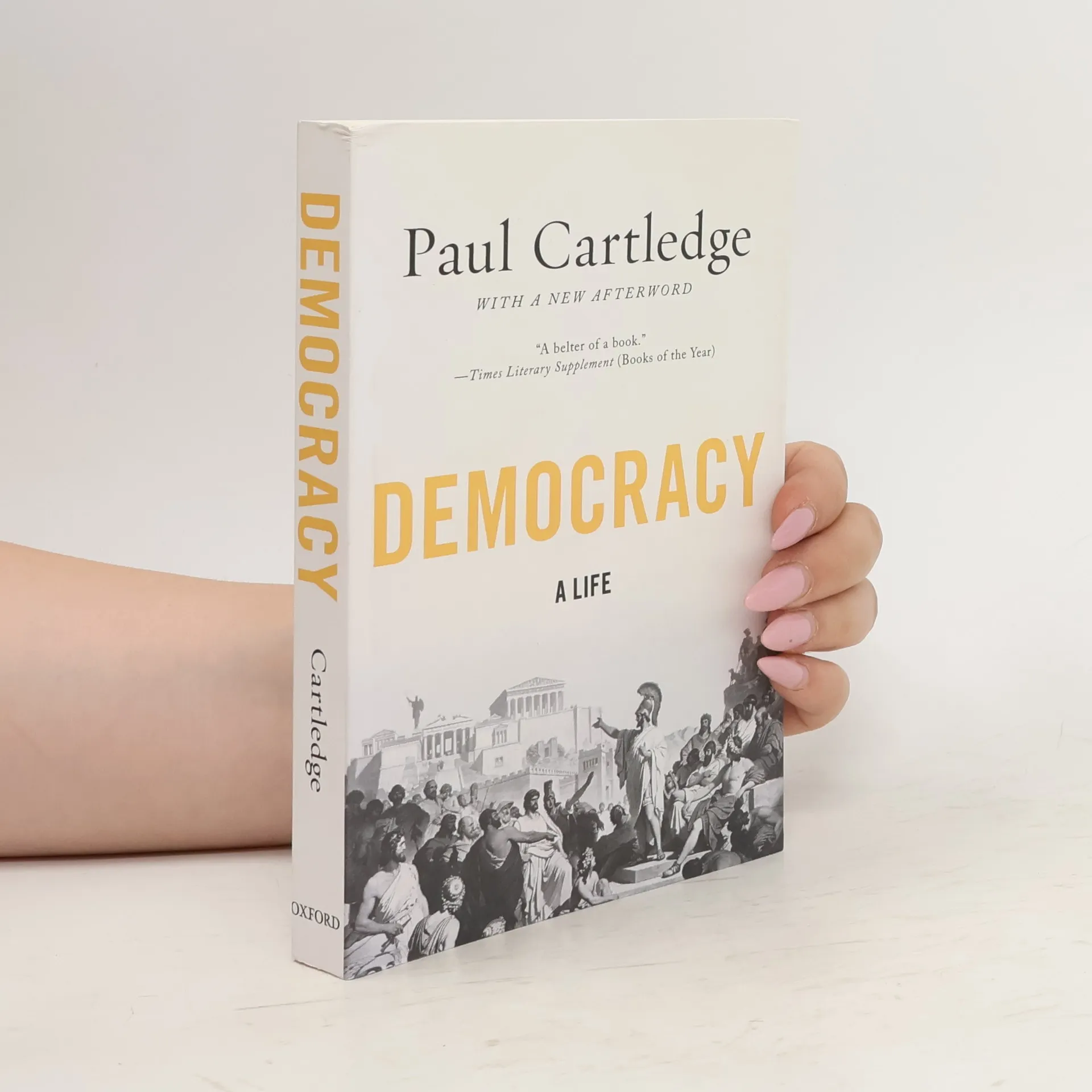

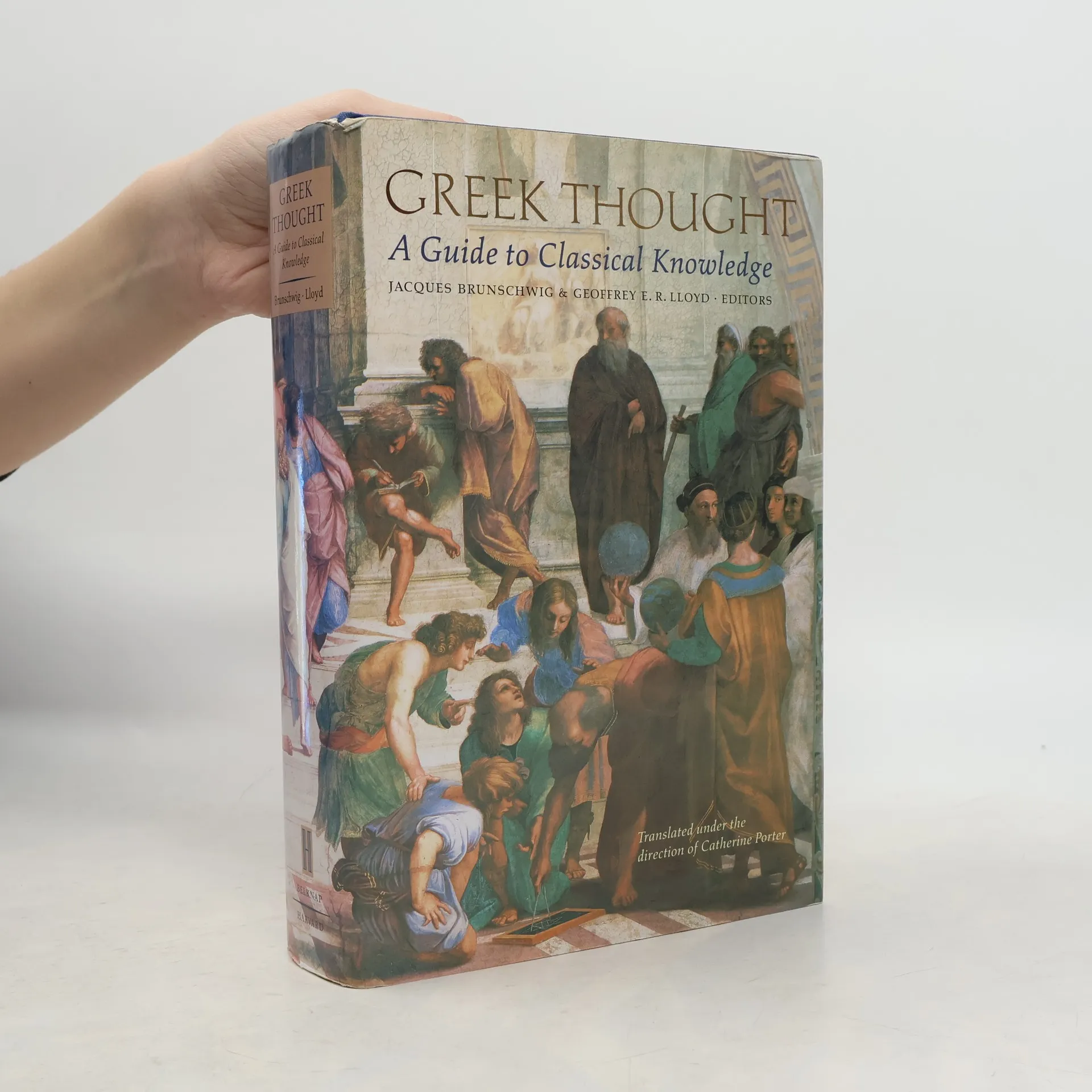
Harvard University Press Reference Library: Greek Thought
A Guide to Classical Knowledge
- 1056pages
- 37 heures de lecture
Ancient Greek thought serves as a foundational source for Western intellectual, ethical, and political civilization, influencing contemporary reflections. This volume features over sixty essays by international scholars, examining the scope of Greek thought, including their knowledge, beliefs, inventions, and understanding of knowledge itself. It highlights the reflexivity inherent in Greek thought, reminding us of our intellectual debts to them. Divided into sections on philosophy, politics, the pursuit of knowledge, major thinkers, and schools of thought, the work illustrates how the Greeks engaged in self-examination, defining the frameworks for understanding life, language, production, and action. The authors focus not just on historical facts but on the narratives the Greeks created about their history, their poetic expressions, and rhetorical practices. Essays cover a range of topics, from political and philosophical ideas to specific fields like Astronomy, History, Mathematics, and Medicine. They provide fresh insights on key figures from Anaxagoras to Zeno of Elea and explore core traditions from the Milesians to various interpretations of Platonism. Collectively, these contributions reflect the Greeks' insatiable thirst for knowledge, a trait Aristotle deemed universal among humans. Accompanied by thirty-two pages of color illustrations, this work captures the richness and dynamism of the Greek intellectual journey
Ancient Greek Political Thought in Practice
- 194pages
- 7 heures de lecture
Exploring the evolution of political thought and practice in ancient Greece, this book delves into its development from prehistoric times through to the Roman Empire. It examines how philosophical ideas influenced governance and societal structures, offering insights into the interplay between theory and real-world application in shaping political landscapes throughout history.
The Cambridge Illustrated History of Ancient Greece
- 400pages
- 14 heures de lecture
Sumptuously illustrated, The Cambridge Illustrated History of Ancient Greece offers fresh, novel interpretations of classical Greek culture - devoting as much attention to the social, economic and intellectual aspects as to politics and war. What did it mean to be a fully enfranchised Greek male citizen of a democracy; or his unenfranchised wife; or a non-Greek slave; or a farmer; or a trader? What formed Greece? And what propels her far-reaching legacy?
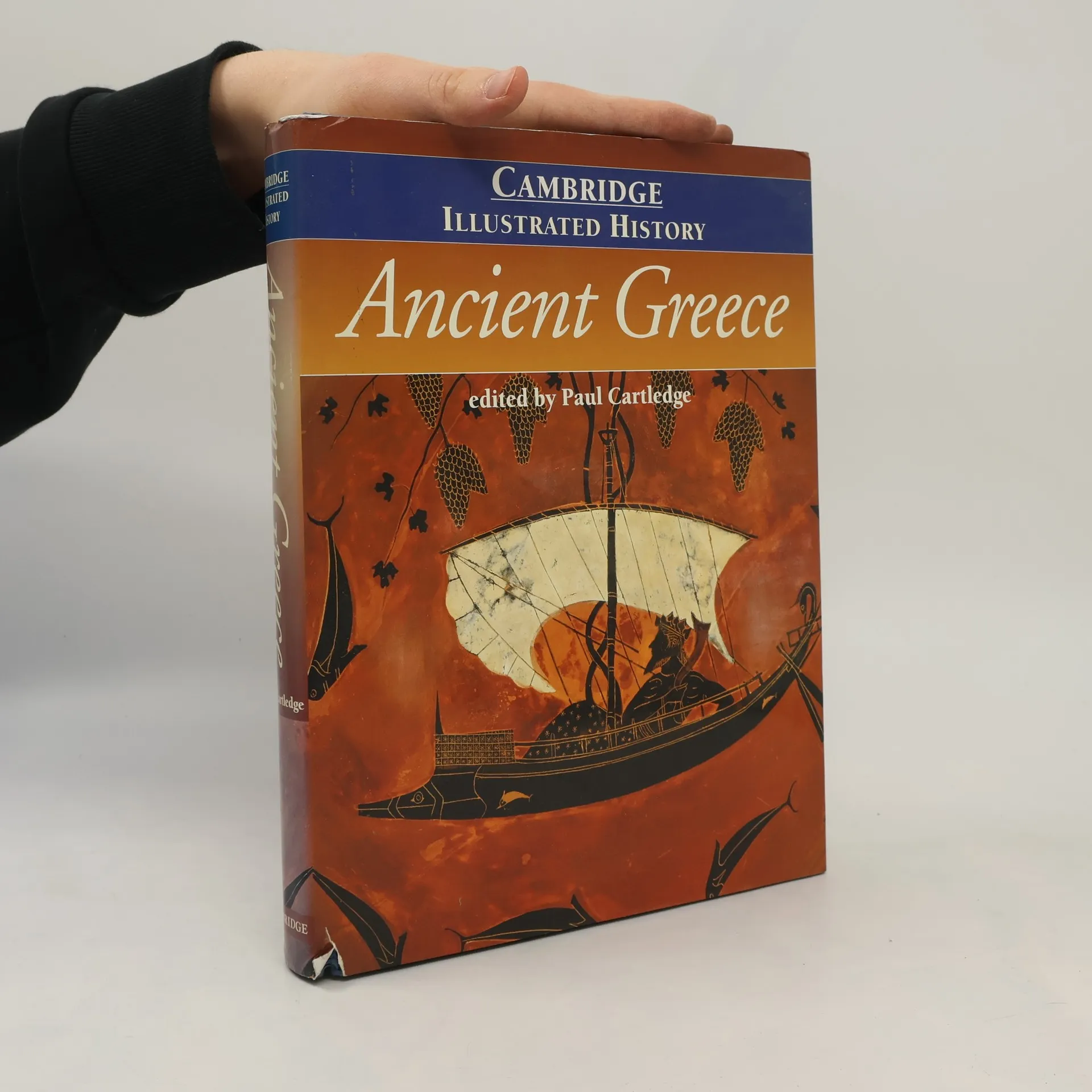
The Great Philosophers - 14: Democritus
- 54pages
- 2 heures de lecture
The Renaissance's 'Laughing Philosopher': ourown age's 'prophet of quark': throughout modern philosophical traditions, Democritushas been a man little known beyond his labels. Yet if the image of the cheerful ironist understates his true seriousness, that of father of modern nuclear physics - though by no means entirely unfounded - loses sight of the man in the hyperbole. Flattering as it is, it fails to do justice either to the full range of Democritus' interests or to the astonishing originality of his ideas as Paul Cartledge makes clear in this enthralling book.
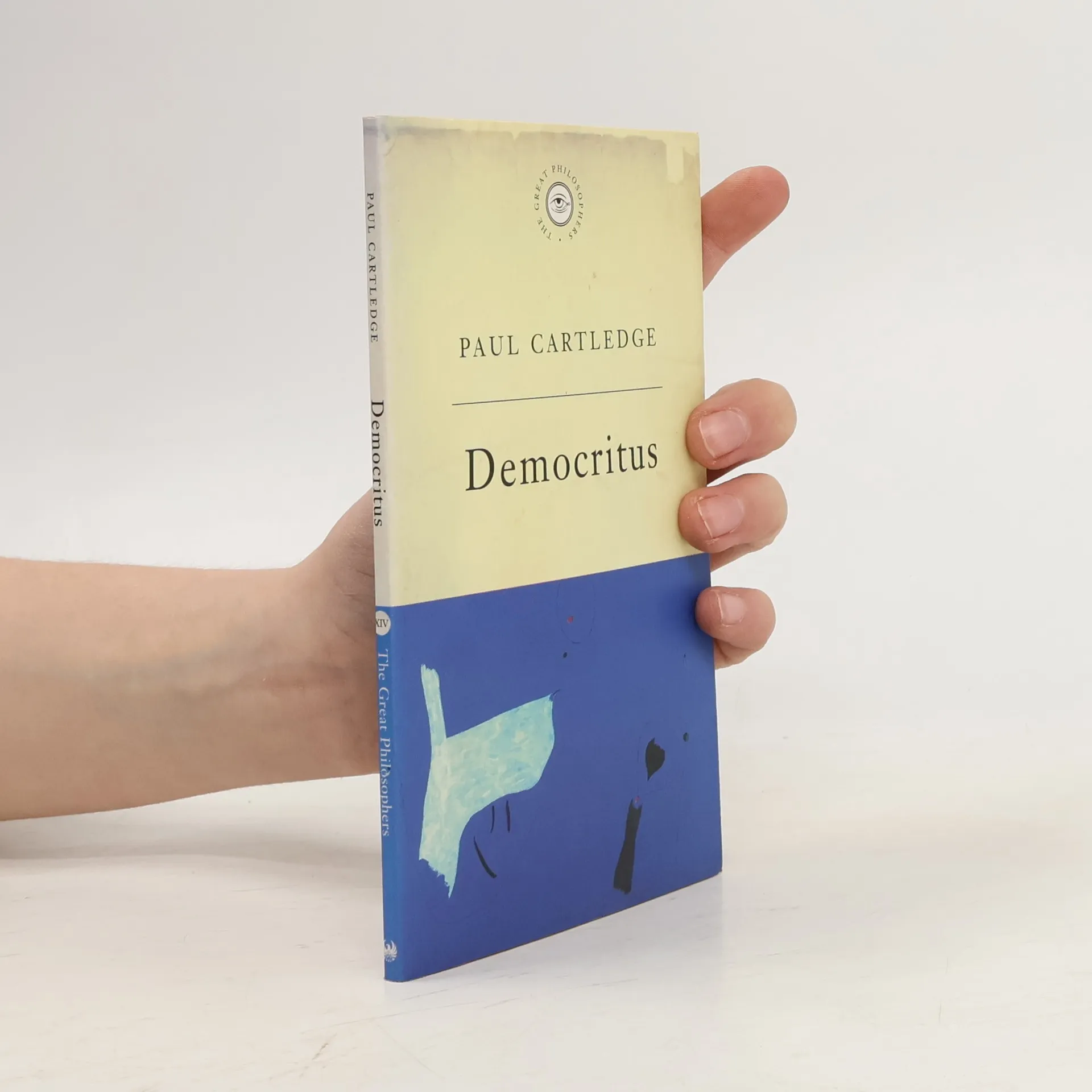
Democracy: A Life
- 416pages
- 15 heures de lecture
"Ancient Greece first coined the concept of "democracy," yet almost every major ancient Greek thinker--from Plato and Aristotle onwards--were ambivalent or even hostile to democracy in any form. The explanation is quite simple: the elite perceived majority power as tantamount to a dictatorship of the proletariat. In ancient Greece there can be traced not only the rudiments of modern democratic society but the entire Western tradition of anti-democratic thought. In Democracy: A Life, Paul Cartledge provides a detailed history of this ancient political system. In addition, by drawing out the salient differences between ancient and modern forms of democracy he enables a richer understanding of both. Cartledge contends that there is no one "ancient Greek democracy" as pure and simple as is often believed. Democracy surveys the emergence and development of Greek politics, the invention of political theory, and-intimately connected to the latter-the birth of democracy, first at Athens in c. 500 BCE and then at its greatest flourishing in the Greek world around 350 BCE. Cartledge then traces the decline of genuinely democratic Greek institutions at the hands of the Macedonians and--subsequently and decisively--the Romans. Authoritative and accessible, Democracy: A Life will be regarded as the best account of ancient democracy and its long afterlife"-- Provided by publisher
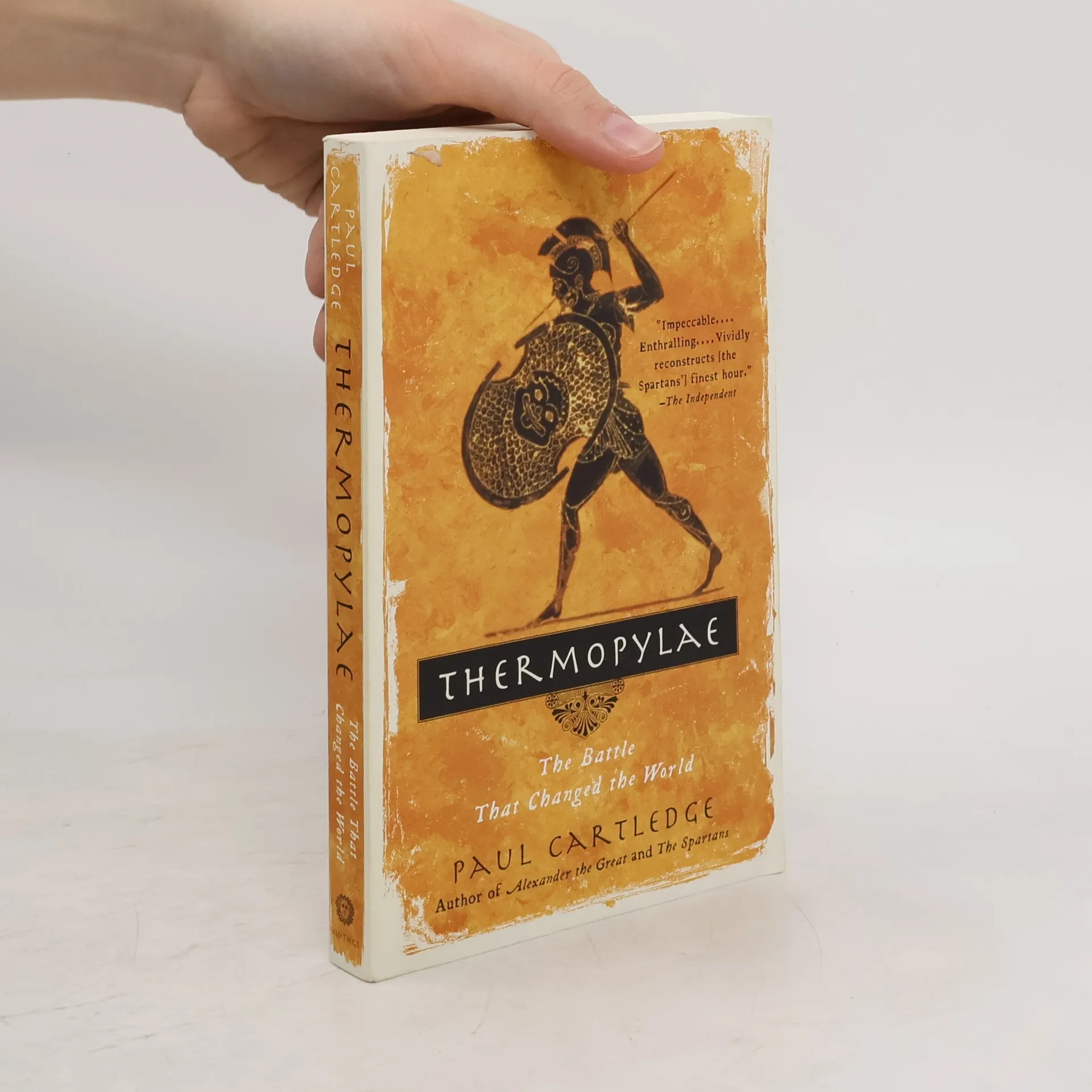
The narrative details the pivotal 480 B.C. battle between King Xerxes' Persian forces and King Leonidas' Spartans, highlighting its significance in shaping modern international culture and class structures. By connecting historical events to contemporary issues, the book provides a dramatic exploration of how this ancient conflict influenced the course of European history.
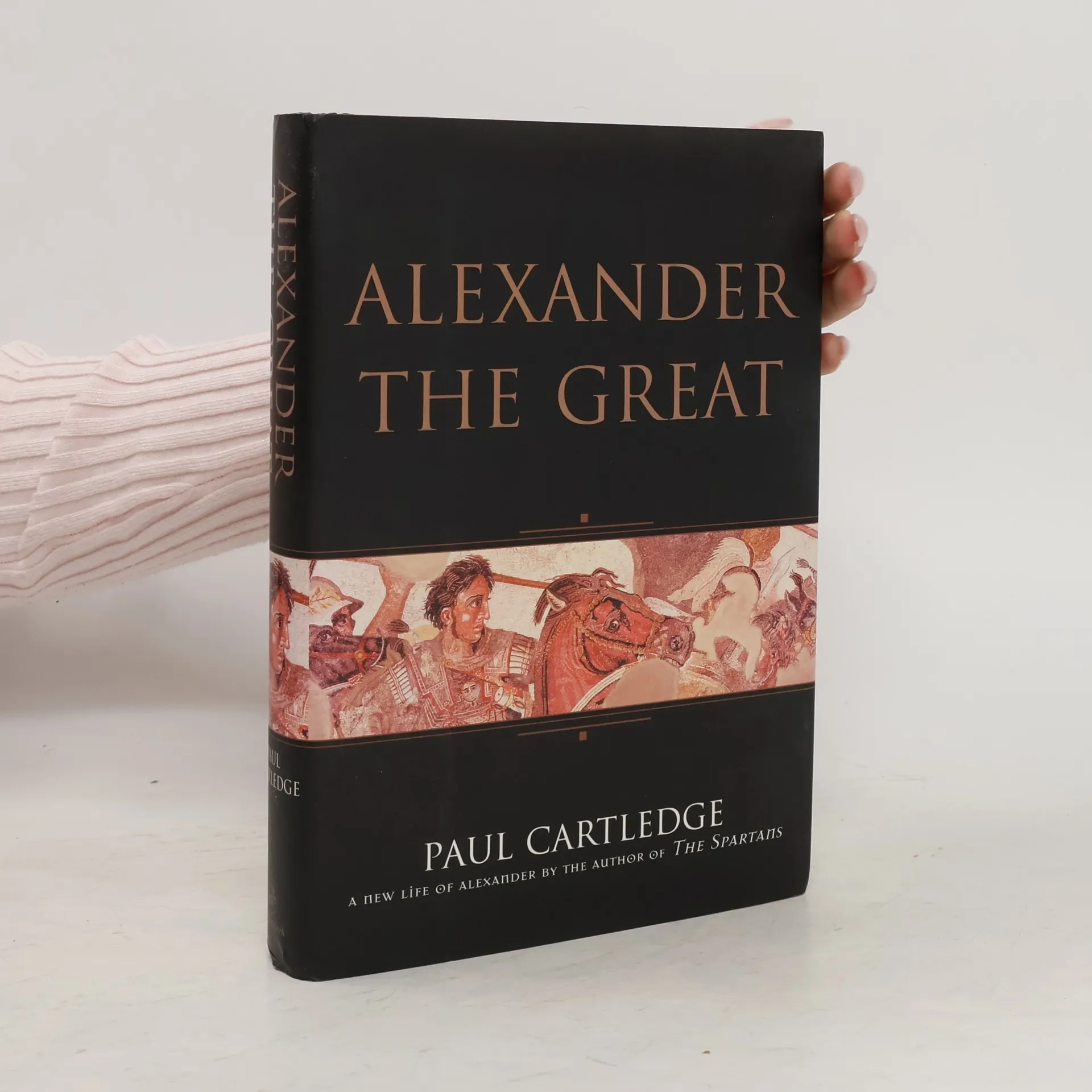
Alexander's legacy has had a major impact on military tacticians, scholars, statesmen, adventurers, authors, and filmmakers. Cartledge brilliantly evokes Alexander's remarkable political and military accomplishments, cutting through the myths to show why he was such a great leader. He explores our endless fascination with Alexander and gives us insight into his charismatic leadership, his capacity for brutality, and his sophisticated grasp of international politics. Alexander the Great is an engaging portrait of a fascinating man, and a welcome balance to the myths, legends, and often skewed history that have obscured the real Alexander.
Thebes
- 277pages
- 10 heures de lecture
A gripping account of the ancient Greek city of Thebes from the acclaimed author of The Spartans.
The Spartans
- 288pages
- 11 heures de lecture
Paul Cartledge argues that the Spartans are our ancestors, every bit as much as the Athenians. But while Athens promoted democracy, individualism, culture and society, their great rivals Sparta embodied militarism, totalitarianism, segregation and brutal repression.
The riveting, definitive account of the ancient Greek city of Thebes, by the acclaimed author of The Spartans Among the extensive writing available about the history of ancient Greece, there is precious little about the city-state of Thebes. At one point the most powerful city in ancient Greece, Thebes has been long overshadowed by its better-known rivals, Athens and Sparta. In Thebes: The Forgotten City of Ancient Greece , acclaimed classicist and historian Paul Cartledge brings the city vividly to life and argues that it is central to our understanding of the ancient Greeks’ achievements—whether politically or culturally—and thus to the wider politico-cultural traditions of western Europe, the Americas, and indeed the world. From its role as an ancient political power, to its destruction at the hands of Alexander the Great as punishment for a failed revolt, to its eventual restoration by Alexander’s successor, Cartledge deftly chronicles the rise and fall of the ancient city. He recounts the history with deep clarity and mastery for the subject and makes clear both the differences and the interconnections between the Thebes of myth and the Thebes of history. Written in clear prose and illustrated with images in two color inserts, Thebes is a gripping read for students of ancient history and those looking to experience the real city behind the myths of Cadmus, Hercules, and Oedipus.
Il pensiero politico in pratica. Grecia antica (secoli VII a.C.-II |.)
- 214pages
- 8 heures de lecture