Karl Jaspers, initialement médecin et psychiatre, s'est tourné vers la philosophie pour explorer les questions profondes de l'existence humaine et de la psychopathologie. Son travail précoce a révolutionné le diagnostic psychiatrique en mettant l'accent sur la méthode biographique, analysant les symptômes dans le contexte de vie du patient plutôt qu'uniquement par leur contenu. Cette approche a profondément marqué la pratique psychiatrique moderne. Plus tard, ses recherches philosophiques ont élargi ces thèmes, explorant les préoccupations existentielles et l'établissant comme un penseur important dans le discours intellectuel européen.
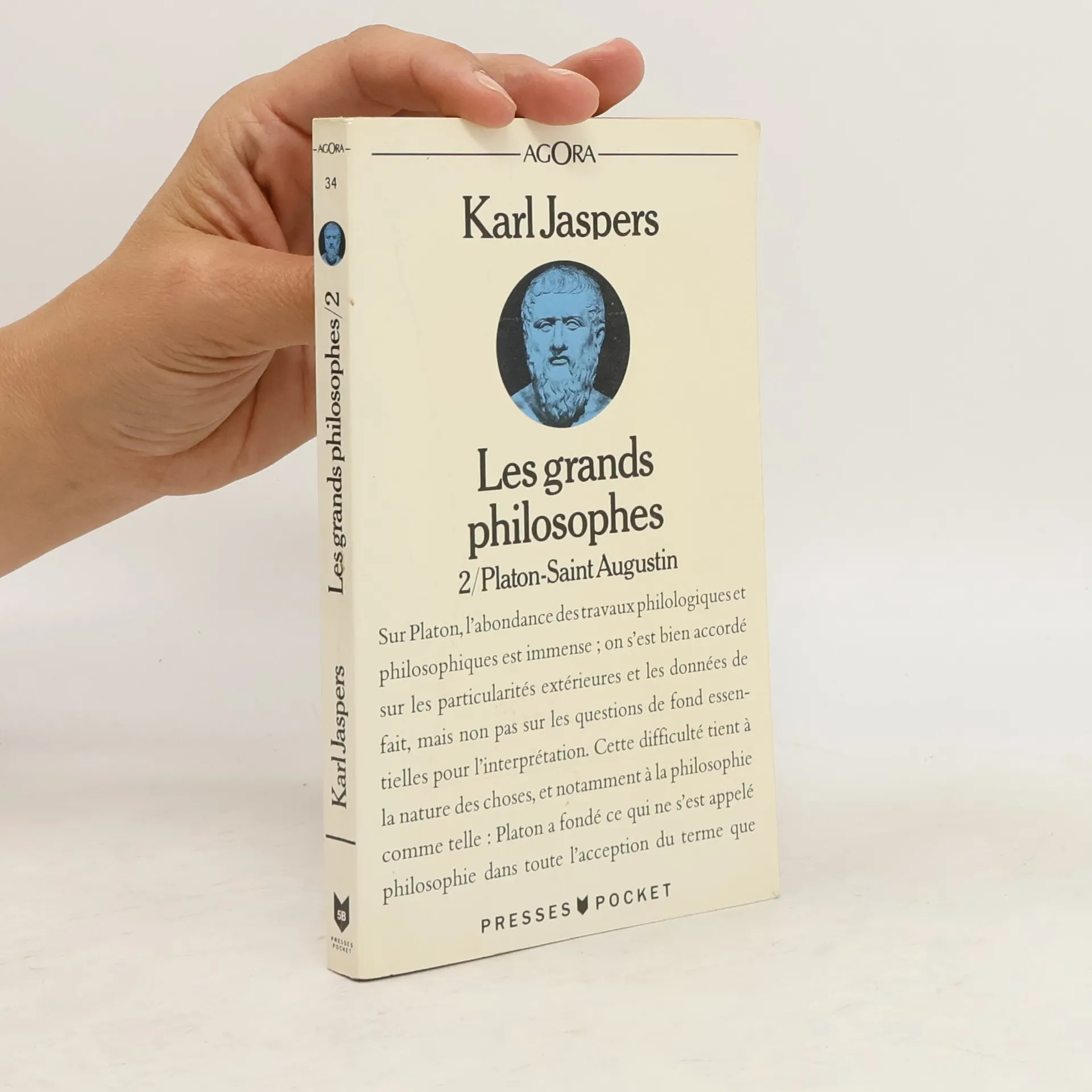
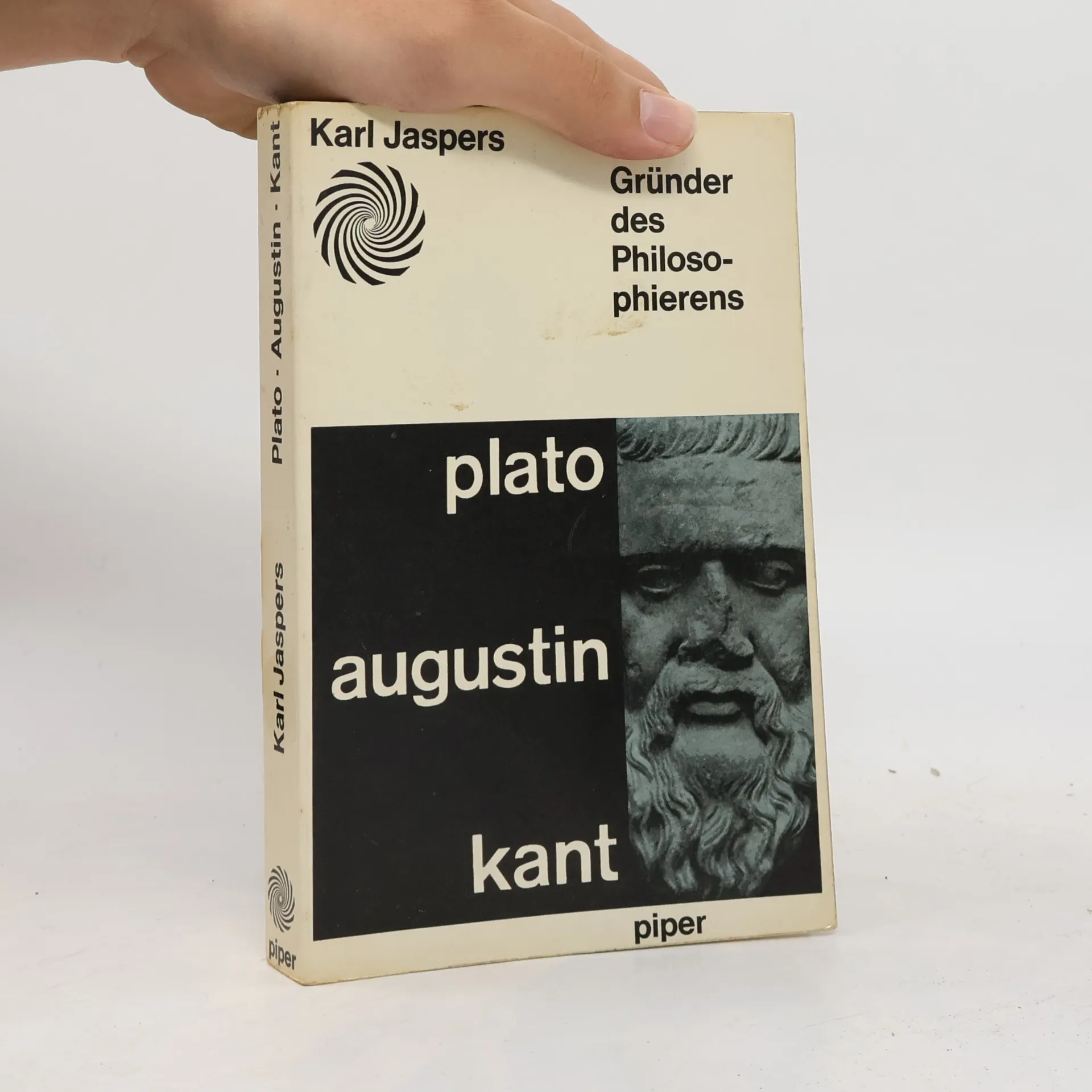
Platon et Saint Augustin : " Ceux qui fondent la philosophie et ne cessent de l'engendrer ". Jaspers analyse l'œuvre de Platon, qui pose les principes de la réflexion sur la connaissance, à partir de laquelle il développe sa méditation sur l'éthique et la politique, puis la pensée de Saint Augustin, qui réfléchit sans relâche aux rapports de Dieu et de la connaissance. Tout en présentant de manière complète ces deux auteurs, il conduit une réflexion globale sur cette notion fondamentale de la philosophie occidentale.
Nietzsche se prétendait un philosophe de l'avenir, mais il a été approprié comme un philosophe du nazisme. Son œuvre a inspiré une longue étude de Martin Heidegger et des essais de nombreux disciples moins connus liés au Troisième Reich. Cependant, en 1935, Karl Jaspers a entrepris de "mobiliser contre les national-socialistes le monde de pensée de l'homme qu'ils avaient proclamé comme leur propre philosophe." L'année suivant la publication de Nietzsche, Jaspers a été démis de son poste de professeur à l'Université de Heidelberg par ordre de la direction nazie. Contrairement aux idéologues, Jaspers ne cite pas sélectivement l'œuvre de Nietzsche pour renforcer des opinions déjà établies. Au contraire, il présente Nietzsche comme un philosophe complexe et vaste - extraordinaire non seulement parce qu'il a prévu toutes les monstruosités du vingtième siècle, mais aussi parce qu'il a su les percer à jour.
In General Psychopathology, his most important contribution to the Heidelberg school, Jaspers critiques the scientific aspirations of psychotherapy, arguing that in the realm of the human, the explanation of behavior through the observation of regularity and patterns in it (Erklärende Psychologie) must be supplemented by an understanding of the "meaning-relationsexperienced by human beings (Verstehende Psychologie).
Karl Jaspers (1883-1969) is one of the most original and seminal thinkers of the twentieth century. Rich in ideas, vast in scope, far-ranging and complex, his work is distributed over a large corpus of writing. In fact, it is just the very size and the range of his thought that have tended to make Jaspers inaccessible. The editors of this volume set out to provide a guided introduction to Jaspers through a systematic organisation of selections from the whole body of his writing. The volume aims to convey an accurate presentation of the content and movement of Jaspers' philosophising and to provide insights into the wide range of his philosophical achievements. The editors provide comments and information on each of the seventy-four selections to help set each piece within the context of the whole of Jaspers' work. This is an invaluable introduction to Karl Jaspers' work for the student and the critical reader.
The central thesis of this book is the universal historical concept of an Axial Age (approximately 800-200 BCE) in world history, during which structurally similar cultural revolutions and awakenings occurred independently in China, India, and the West. The significance of these awakenings for contemporary cultural life is currently being reexamined in disciplines such as religious and cultural sociology, comparative cultural theory, and modernity studies. In addition to the Axial Age thesis, the book discusses the role of science and technology in modernity, explores the possibility of global unity in the context of world peace, and critiques contemporary political trends (such as totalitarian and planning ideologies) that stand in contrast to Jaspers' liberal ethos of freedom and humanity.
At the time of his death, Karl Jaspers, a leading existentialism philosopher of modern times, was preparing a universal history of philosophy, of which this book is a part, organized around those philosophers whose thinking has influenced and shaped the history of mankind. Their personalities and ideas from the substance of his work. Hence, he was not writing a history of philosophy in the traditional sense but a presentation of great philosophical ideas that have helped from our concepts of truth and reason, freedom and justice, our beliefs about God and the universe, good and evil, and right from wrong. This approach necessarily includes and emphasizes the religious thinkers also. Professor Jaspers aimed to lead the reader into proximity with the truly great and seminal thinkers and to expose him to the particular truth for which one stands--from back cover.
A masterful exploration of Kant’s intellectual development, theory of knowledge, politics, and ethics. Edited by Hannah Arendt; Index. Translated by Ralph Manheim.
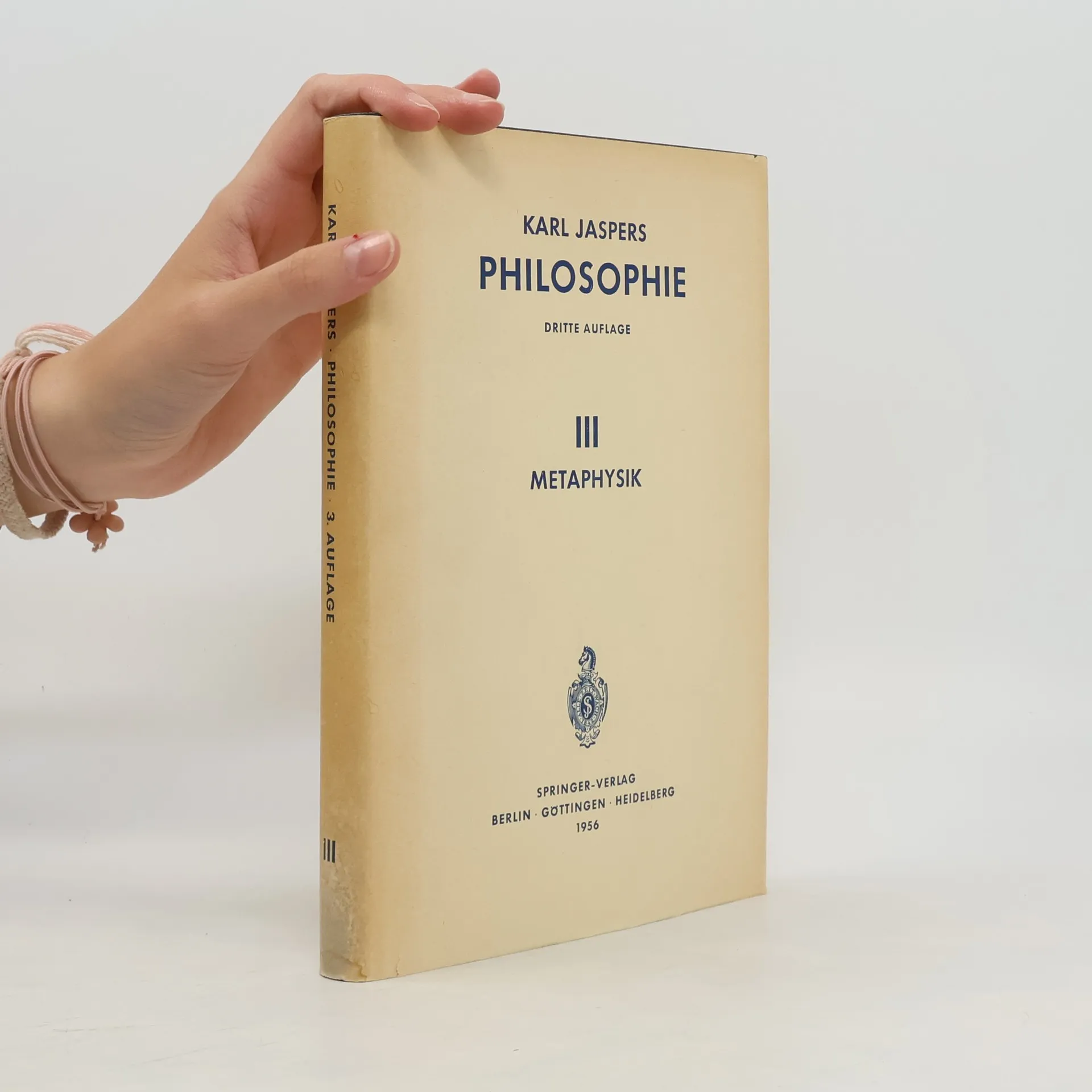
Karl Jaspers died in 1969, leaving unfinished his universal history of philosophy, a history organized around those philosophers who have influenced the course of human thought. The first two volumes of this work appeared in Jaspers's lifetime; the third and fourth have been culled from the vast material of his posthumous papers. This is the third volume; the fourth is to be published in 1994. In the present volume, which follows his original plan of "promoting the happiness that comes of meeting great men and sharing in their thoughts, " Jaspers discusses the Metaphysicians: Xenophanes, Empedocles, Democritus, Bruno, Epicurus, Boehme, Schelling, and Leibniz. Then he turns to the Creative Orderers: Aristotle and Hegel. His method is personal, one of constant questioning and struggle, as he enters into dialogue with his "eternal contemporaries, " the thinkers of the past. For Jaspers believes that it is only through communication with others that we come to ourselves and to wisdom.
One of the founders of existentialism, the eminent philosopher Karl Jaspers, here presents for the general reader an introduction to philosophy. In doing so, he also offers a lucid summary of his own philosophical thought. In Jaspers' view, the source of philosophy is to be found in wonder, in doubt, in a sense of forsakenness, and the philosophical quest is a process of continual change and self-discovery. In a new foreword to this edition, Richard Owsley provides a brief overview of Jaspers' life and achievement.
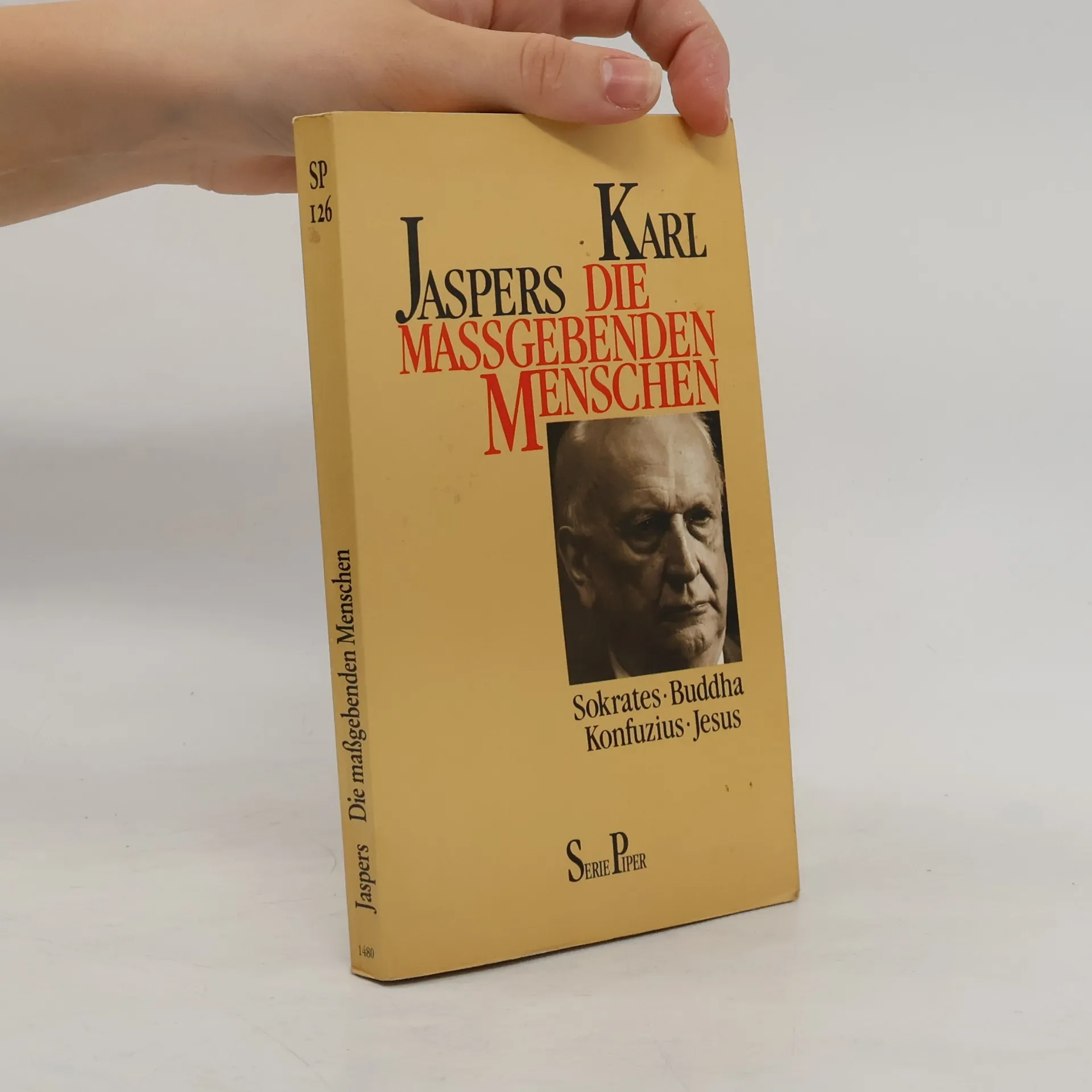
This book is part of Jaspers's universal history of philosophy, highlighting four influential figures whose impact is profound and far-reaching. Edited by Hannah Arendt and translated by Ralph Manheim, it offers an insightful exploration of these key historical individuals.
Ve dvou přednáškových cyklech z třicátých let Karl Jaspers poprvé soustavně představil myšlenku obemykajícího – toho, co zahrnuje všechny horizonty a co se ani ve zkušenosti, ani v myšlení nemůže stát předmětem.
Kann es in einer Massengesellschaft wie der unseren noch Freiheit und Individualität geben? Droht in Zeiten der Übertechnisierung der Verlust von Gemeinschaft und schlussendlich gar die Selbstvernichtung der Menschheit? Diesen auch heute relevanten Grundfragen menschlichen Seins widmet sich Karl Jaspers in den beiden hier vorliegenden Texten. Freiheit, so Jaspers, lässt sich nur im Miteinander verwirklichen, die Aufgabe der Philosophie ist es, die Freiheit zu denken. So ist es der Mensch mit seinem Selbst- und Weltverhältnis, der bei Jaspers im Mittelpunkt steht.
Bei Jaspers’«Einführung in die Philosophie» und der «Kleinen Schule des philosophischen Denkens», die hier ediert und kommentiert werden, handelt es sich um zwei Einführungen, wie sie für Jaspers typisch sind: keine akademischen Lehrbücher, sondern Texte im Vollzug eigenen Philosophierens. Freilich beansprucht dieses Philosophieren, mit der einen und ewigen Philosophie besser vertraut zu machen als jede chronologische oder systematische Überblicksdarstellung. Als Vortragszyklus für das Radio bzw. Fernsehen konzipiert, decken die Texte ein breites Spektrum philosophischer Fragestellungen in allgemein verständlicher Sprache ab, die auf philosophischen Fachjargon weitgehend verzichtet. Für den Stellenkommentar berücksichtigt der Herausgeber auch im Nachlass erhaltene Originalmanuskripte und Typoskripte: Thematisch einschlägige Textpassagen, die für die jeweilige Vorlesung zwar vorgesehen waren, aufgrund der festen Sendezeiten aber ausgespart werden mussten, werden ebenfalls dokumentiert. Bei größerem Umfang werden diese als Anhänge wiedergegeben, so etwa ein Text über Winston Churchill.
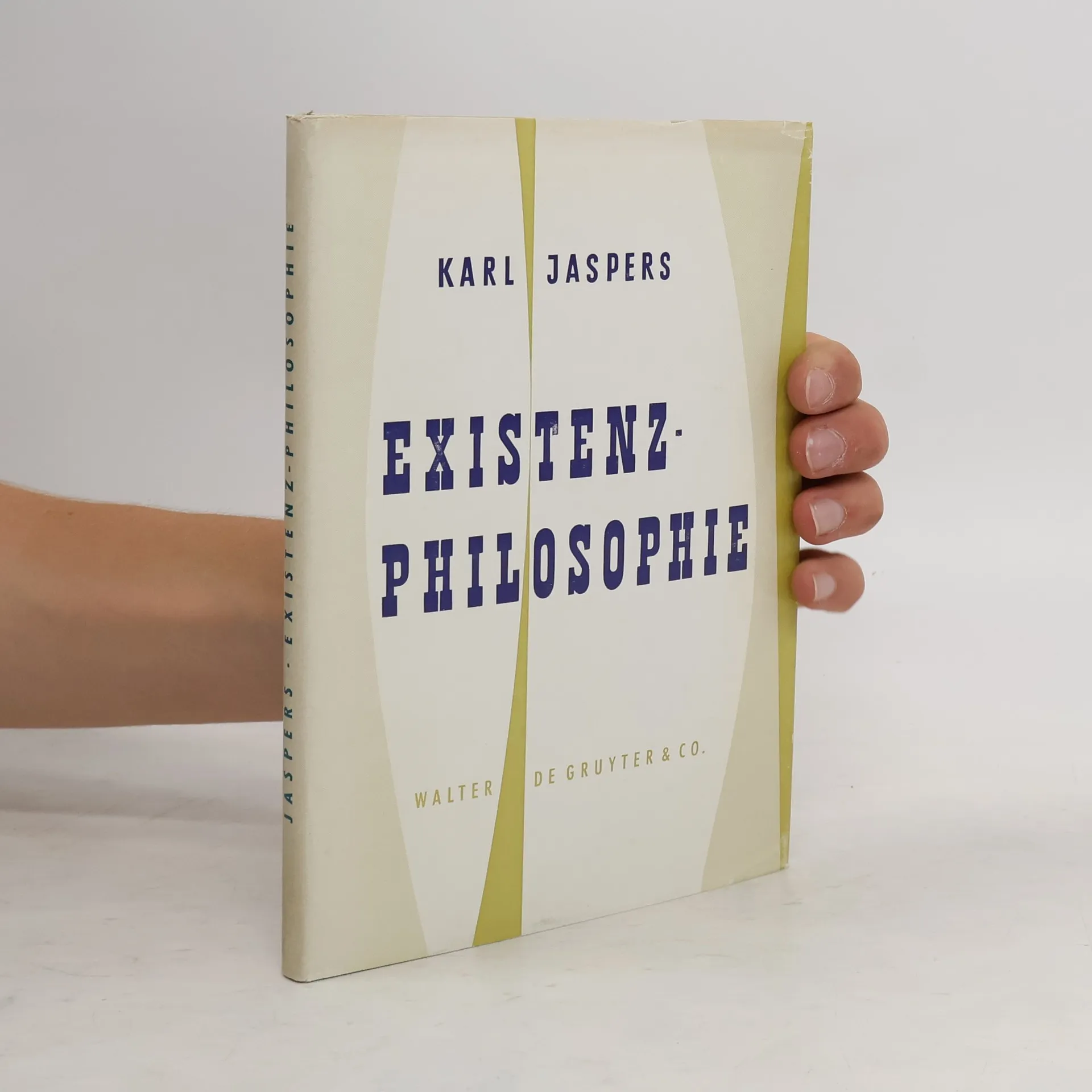
Dieser Band enthält fünf Vorlesungen aus dem Jahre 1935. Sie gehören zu den wichtigsten Fundamenten der Philosophie von Karl Jaspers. 1. Herkunft der gegenwärtigen philosophischen Situation (Die geschichtliche Bedeutung Kierkegaards und Nietzsches) 2. Das Umgreifende 3. Wahrheit als Mittelbarkeit 4. Vorrang und Grenzen vernünftigen Denkens 5. Die Möglichkeiten gegenwärtigen Philosophierens
Autorova habilitační práce Duchovní situace doby vyšla poprvé roku 1931, bez nadsázky bychom však mohli tvrdit, že je výstižným popisem i duchovní situace naší současné doby. Proč vůbec Jaspers volí tento titul? Člověk podle něj nejen je, ale i svobodně rozhoduje, co je; je tedy duchem a duchovní situace je situací člověka. V této situaci člověku pomáhají a zároveň jej ohrožují technika, masový řád společnosti, práce, reklama, sport. Člověk je nejvíce ohrožen ve své svébytnosti, v práci i ve společnosti dostává zelenou bezohledné šplhání výš a výš, znalost průměru a schopnost jím manipulovat, jedinec se stává lhostejným, za peníze lze koupit vše. Kromě pocitu životní úzkosti se dostáváme třeba i k analýze závisti a k problémům, jež přináší masové sportovní fanouškovství, zaměřené na vybití násilných lidských pudů. S Jaspersovými návrhy na řešení tehdy i dnes povážlivé situace člověka sice nemusíme vždy souhlasit, podstatné však je, že nás stále nutí k přemýšlení a ke snaze, abychom se k ní postavili jako svébytní, odpovědní lidé. Už jen to svědčí o časem nepominutelné kvalitě Jaspersova díla, jehož potenciál může plně zaujmout a oslovit i dnešního čtenáře.
Die Frage nach dem Menschen, die Karl Jaspers während seiner gesamten Forschungstätigkeit aus verschiedenen Perspektiven untersucht hat, wird von Hans Saner in diesem gelungenen Querschnitt durch Jaspers' Werk treffend aufgegriffen. Die Auswahl der Werke und die Anordnung der Texte überzeugen, ebenso die einleitenden Kommentare, die dem Leser eine schnelle Orientierung bieten. Der Titel steht für die zentrale Frage in Jaspers' Werk, während der Untertitel auf seine methodische Forderung hinweist, dass Philosophie ihre Wahrheit erst durch das aufrichtige Bemühen um Anleitung zum eigenen Nachdenken gewinnt und somit für alle verständlich sein sollte. "Eine Philosophie, die an die Freiheit des Einzelnen appelliert", schreibt Saner, "muss der Möglichkeit nach alle Menschen erreichen können." Diese Philosophie erfordert eine Sprache, die nicht ausgrenzt, sondern Kommunikation fördert. Der Arrangeur hat es geschafft, den Kern der Jaspers'schen Philosophie auf weniger als 400 Seiten klar herauszustellen, ohne unzulässige Verkürzungen vorzunehmen. So wird das Werk des verehrten Lehrers in einem umfassenden und zugänglichen Format präsentiert.
Karl Jaspers vertrat ein Denken, das die Wirklichkeit verstehen lehrt und das aus diesem Verstehen die Menschen verändert. Daher ist seine Philosophie auch heute noch so modern. In diesem Band sind Auszüge aus seinem Werk versammelt, die als Denkanstöße dienen sollen. Die Auswahl vermittelt einen Überblick über das Jasperssche Denken, das ausgeht von den existenziellen Erfahrungen des Menschseins und den Denkprozess als unendliche Aufgabe sieht.
Es war eine philosophische Aufgabe, eine Weltanschauung zu entwickeln, die sowohl wissenschaftliche Erkenntnis als auch Lebenslehre umfasst. In diesem Buch wird jedoch der Versuch unternommen, die letzten Positionen der Seele und die sie bewegenden Kräfte zu verstehen. Die faktische Weltanschauung bleibt dem Leben überlassen. Anstatt konkrete Antworten darauf zu geben, wie man leben sollte, bietet das Buch Klärungen und Möglichkeiten zur Selbstbesinnung. Wer nach direkten Antworten sucht, wird enttäuscht sein, da das Wesentliche der persönlichen Entscheidungen verborgen bleibt. Es richtet sich an Menschen, die beginnen, sich zu wundern, über sich selbst zu reflektieren und die Fragwürdigkeiten des Daseins zu erkennen. Es spricht diejenigen an, die das Leben als persönliche, irrationale Verantwortung erfahren. Das Buch bietet Orientierungsmittel und appelliert an die freie Geistigkeit und Aktivität des Lebens, ohne jedoch zu versuchen, das Leben zu schaffen oder zu lehren. Es ist das Ergebnis der Selbstbesinnung in einer Zeit des Umbruchs und erscheint nun, nach fast zwei Jahrzehnten der Abwesenheit, unverändert in neuer Auflage.
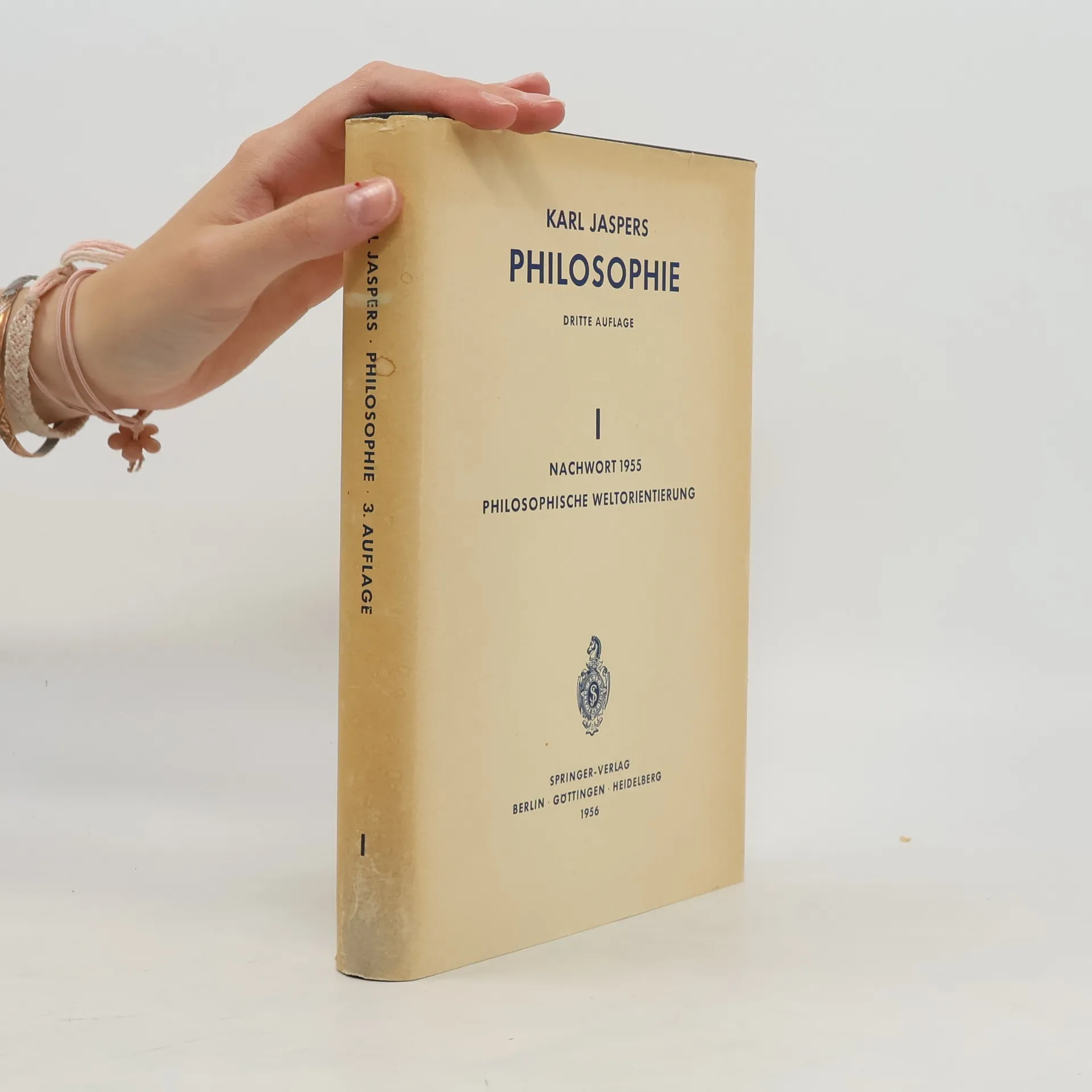
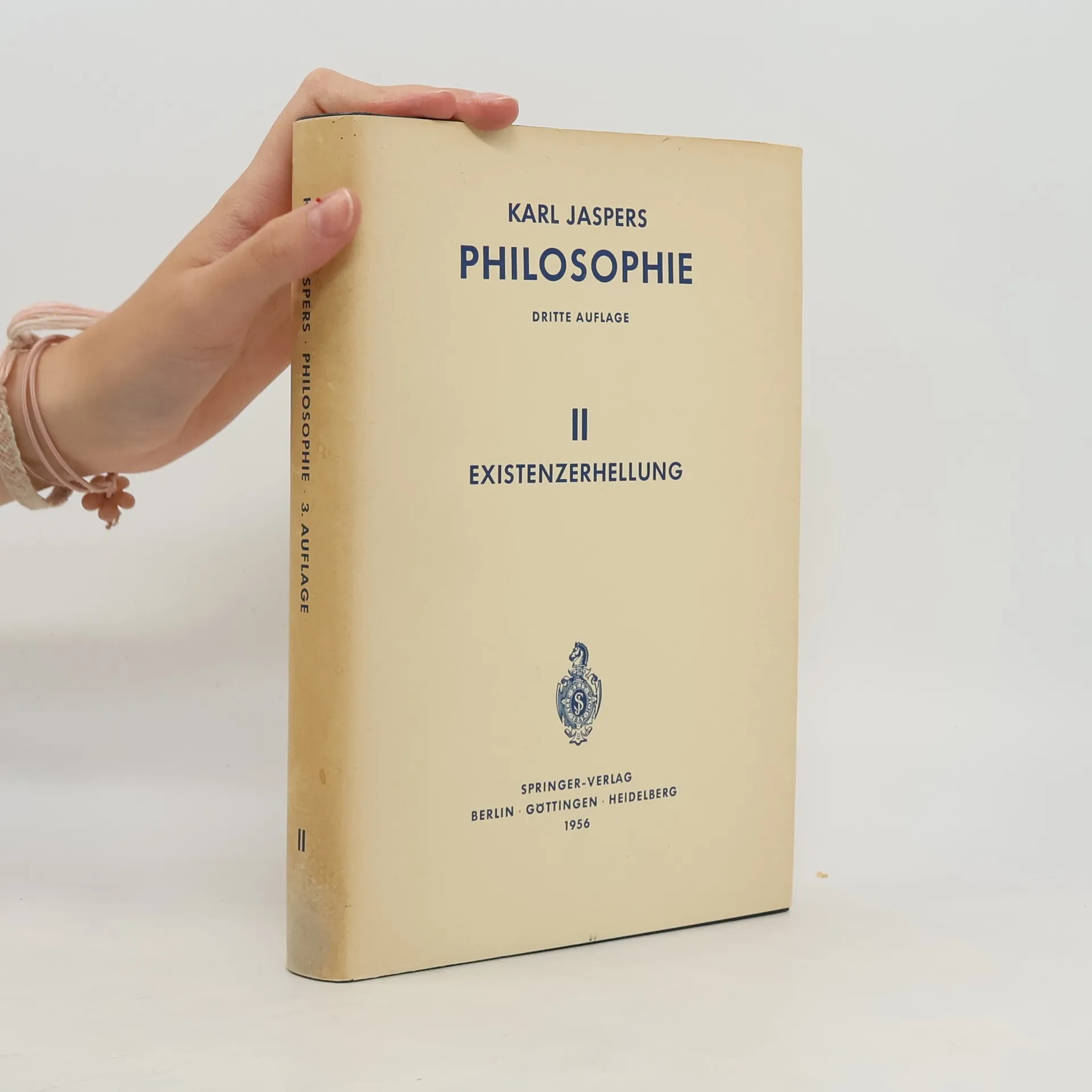
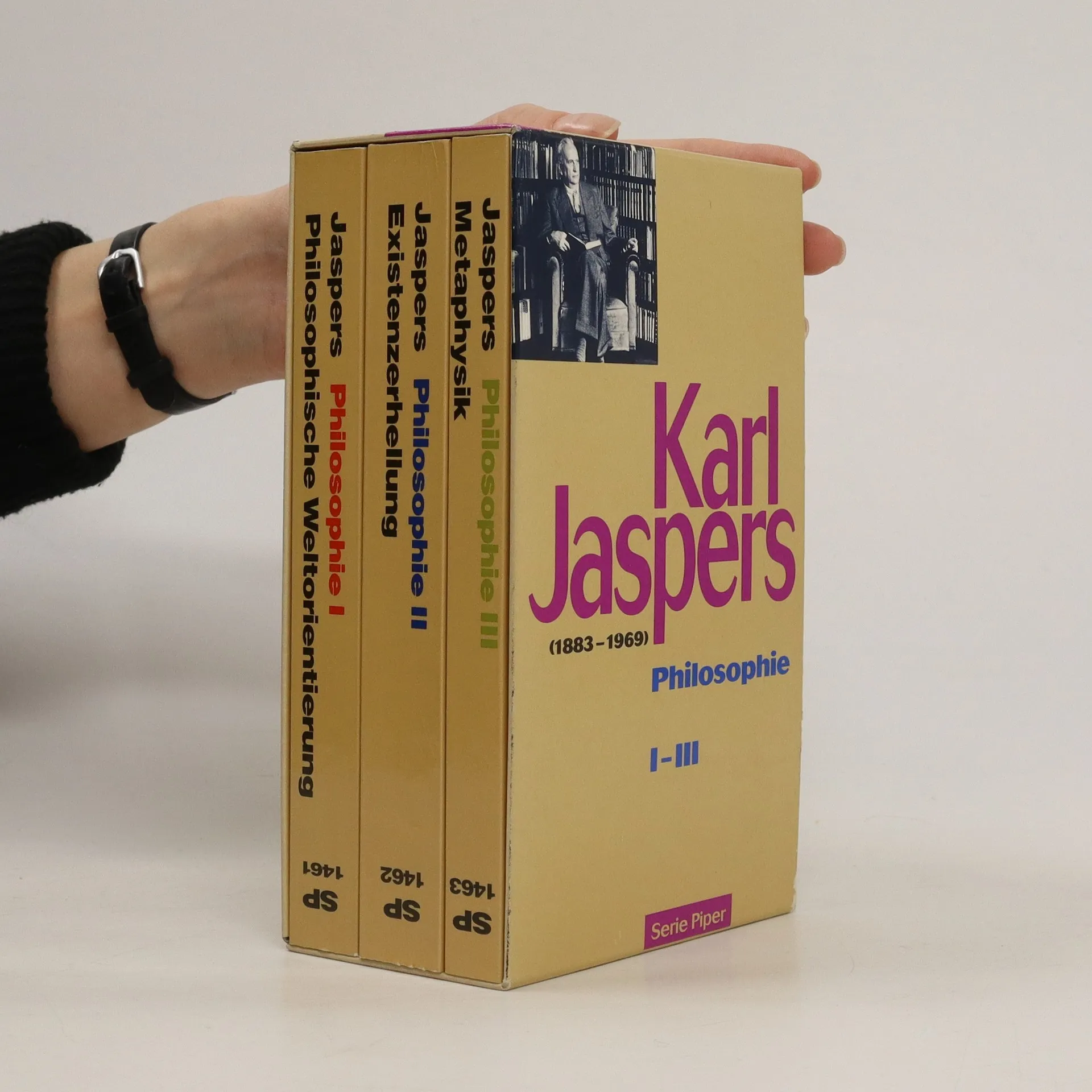
Třísvazková kniha Karla Jasperse Philosophie představuje zásadní dílo tohoto německého filosofa. Právě v tomto díle, které vyšlo v roce 1932, Jaspers poprvé podrobně vyložil svůj nový filosofický koncept, na němž intenzívně pracoval po celá dvacátá léta. Tuto svou filosofickou koncepci pak v podstatných obrysech držel a nadále rozvíjel po celý svůj život. Jaspersova Philosophie má pro poznání jeho myšlení zcela rozhodující význam a neexistence českého překladu této knihy představuje výrazné desideratum.
Nakladatelství OIKOYMENH připravilo publikaci klíčové části 2. svazku tohoto monumentálního Jaspersova díla, konkrétně 7. kapitoly s názvem "Grenzsituationen". Jedná se o text, v němž je z celého Jaspersova díla vůbec nejobšírněji vyložena jeho koncepce tzv. „mezních situací“. Jaspers zde nejenom objasňuje specifičnost mezních situací obecně a jejich význam pro stávání se existencí, ale především postupně analyzuje jednotlivé mezní situace: smrt, utrpení, boj a vinu. Vzhledem k významu konceptu mezních situací v Jaspersově filosofii existence, ale též k jeho relevanci pro další vědní obory, jako je psychologie, theologie, lékařství či paliativní péče lze očekávat, že kniha bude sloužit jako cenný studijní materiál pro studenty a badatele nejenom z oboru filosofie, ale i jiných disciplín. Vzhledem k tomu, že téma tohoto textu se velmi citelně dotýká každého člověka, však kniha může oslovit i širší čtenářskou obec.
K. Jaspers je najznačajniji predstavnik povratničkog njemačkog kršćanski orijentiranog egzistencijalizma. U svojim djelima, Jaspers se suprotstavlja nacizmu i ističe moralnu potrebu za duhovnom rekonstrukcijom koju je Njemačka morala proći nakon rata. "Šifre transcendencije" su njegovo posljednje opsežnije djelo, koje predstavlja sažetak radijskih predavanja, čime služi kao izvrstan popularni uvod u autorovo razmišljanje. U ovim esejima, Jaspers se fokusira na filozofsko-religijsku problematiku, istražujući duboke teme ljudske egzistencije, transcendentnosti i duhovnosti. Njegova djela pozivaju čitatelje na promišljanje o vlastitom postojanju i moralnim pitanjima, nudeći jedinstvenu perspektivu na izazove modernog života.
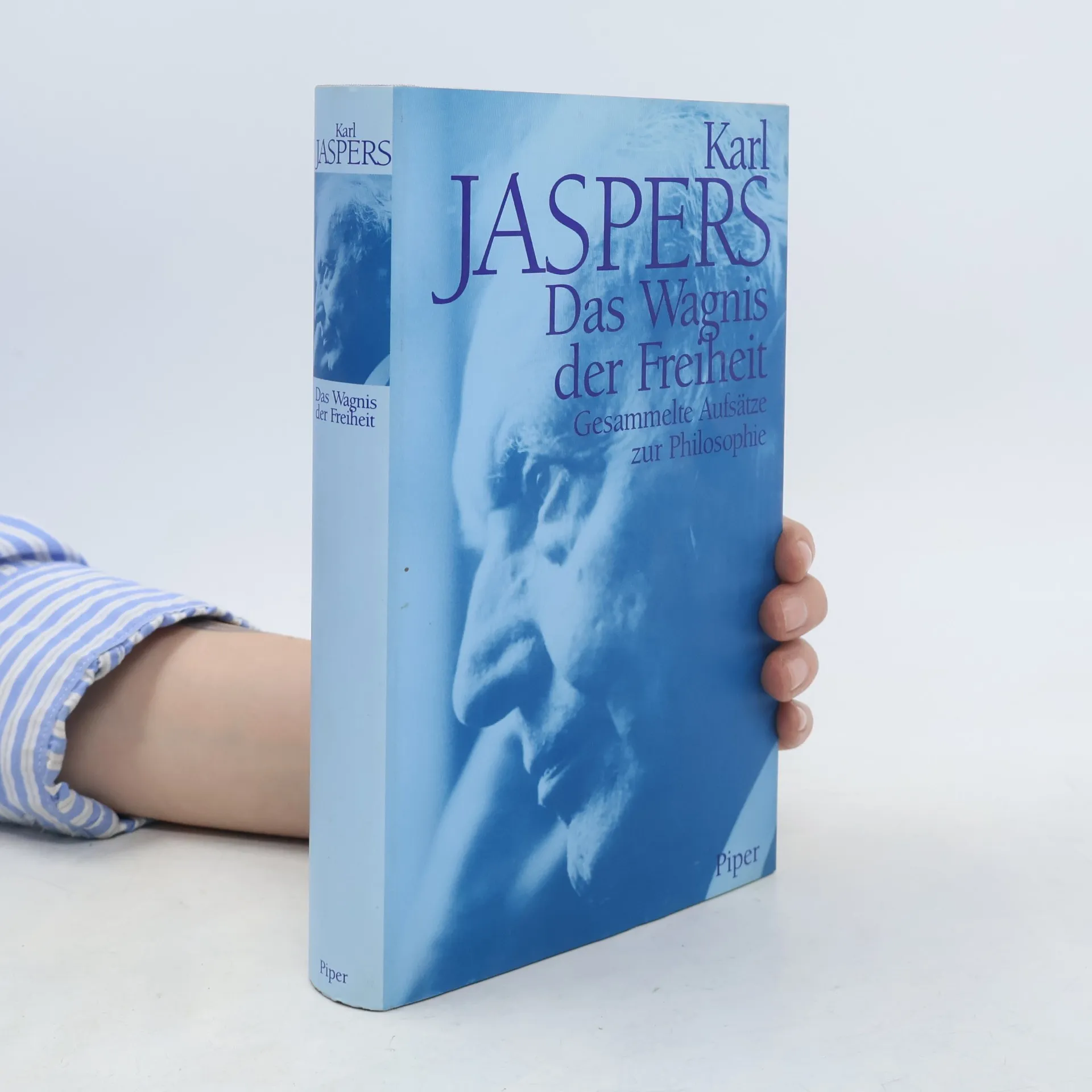
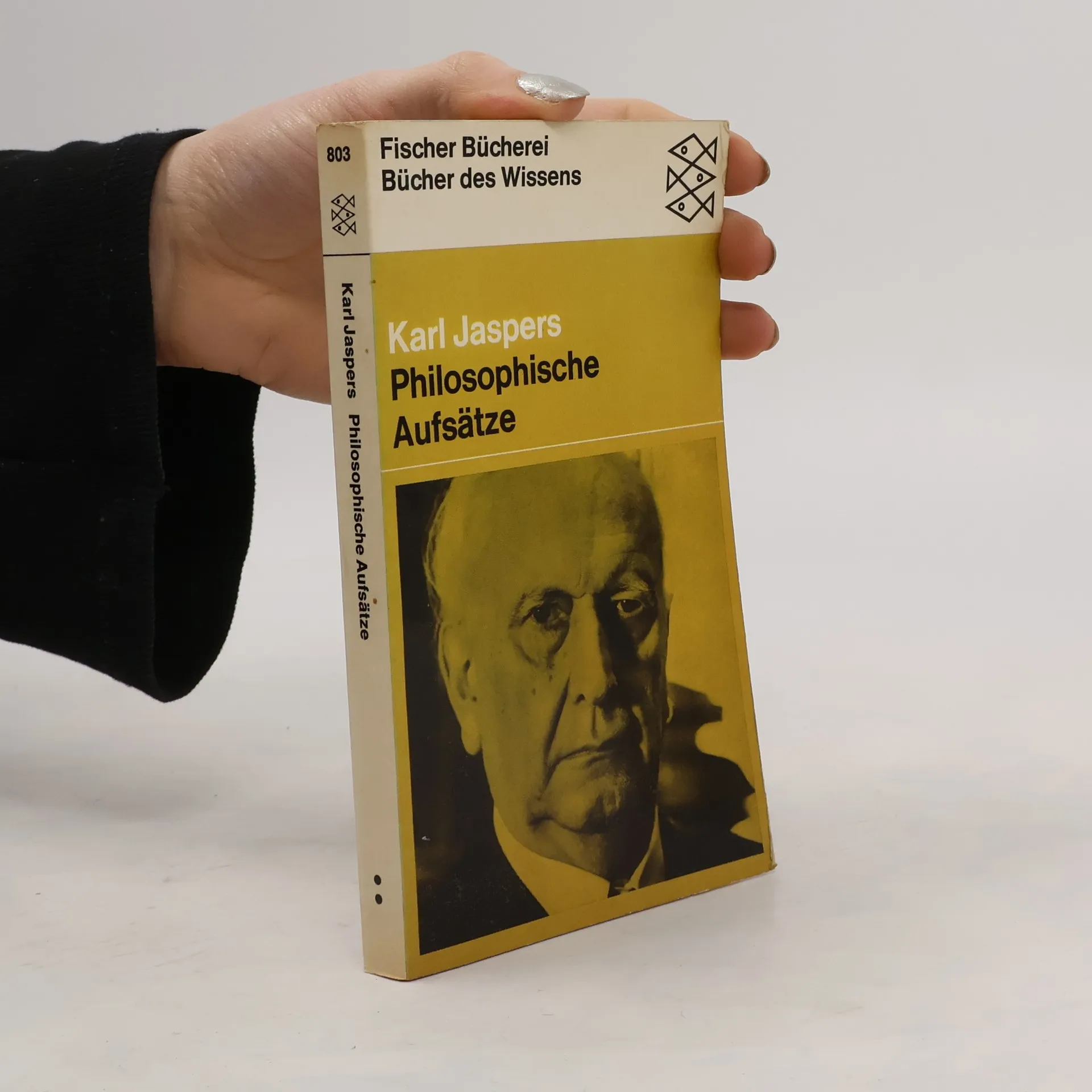
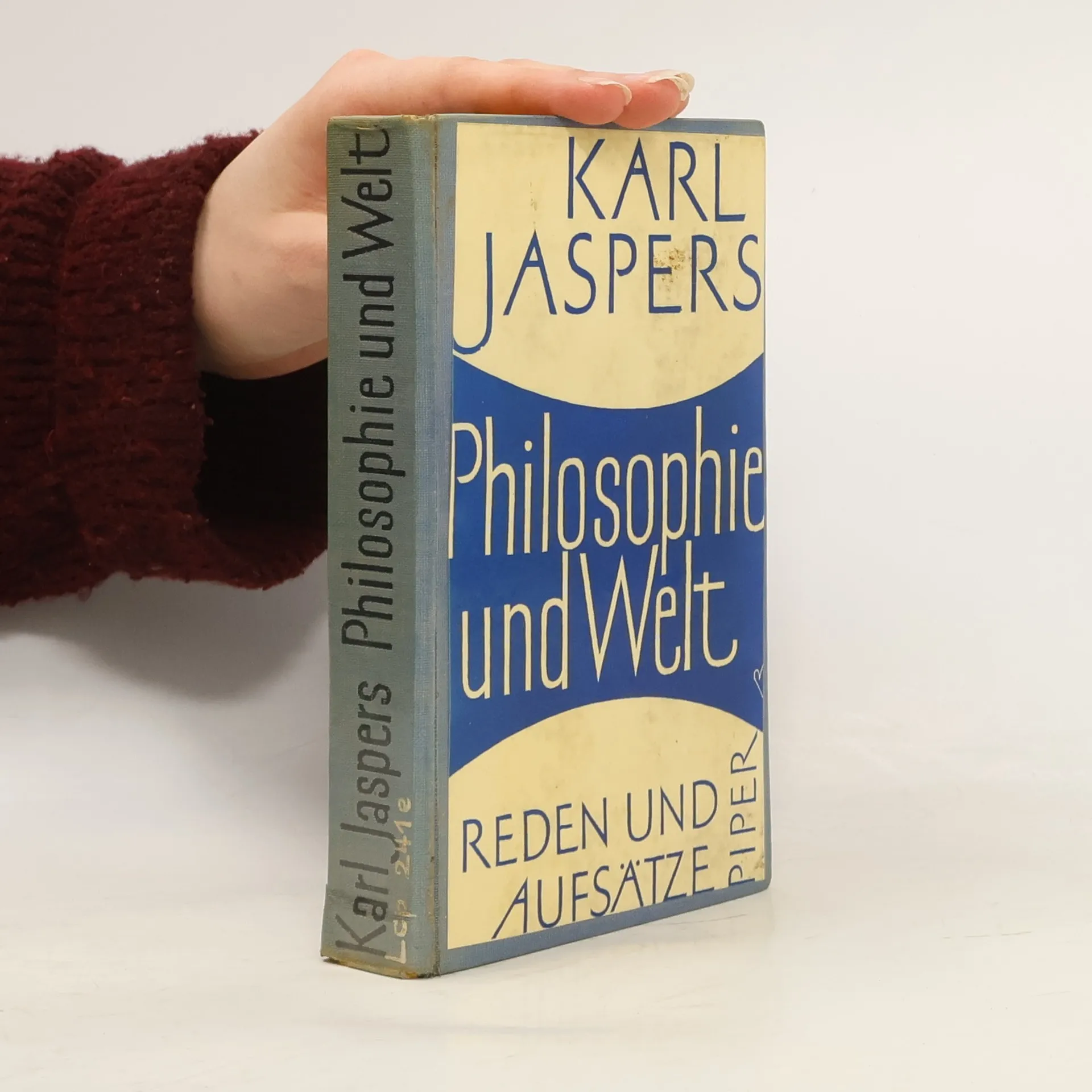
Karl Jaspers (1883-1969) ist ein Philosoph von bleibender Aktualität. Viele der hier versammelten Aufsätze zur Philosophie waren zuletzt nur schwer oder überhaupt nicht greifbar. Da Jaspers ohne Jargon schrieb, sind seine Texte gegenwärtig und modern geblieben - vom frühesten Essay über die Einsamkeit (1915/16) bis zum spätesten über das Verhältnis von Philosophie und Mythos (1964).
In dieser Einführung wird der offene Raum der psychopathologischen Erkenntnis untersucht. Es werden keine festen Grundlagen gelegt, sondern die Erfahrungen und deren Sinn erörtert. Die Abgrenzung zwischen Psychiatrie als praktischem Beruf und Psychopathologie als Wissenschaft wird thematisiert, wobei der Fokus auf allgemeinen Begriffen und Regeln liegt.
Dieses Volumen vereint alle Schriften des Autors zu diesem Thema, die sein menschliches Verlangen zeigen, ein fundamentales wissenschaftliches Gebiet von allen modischen Einflüssen zu reinigen und die Würde des Patienten in seiner Beziehung zum Arzt hervorzuheben.
Jaspersovo pojednání o posledním velkém filosofovi antiky, Plótinovi, není suchá analýza filologických detailů a historických vlivů; je spíše meditací, která skrze Plótinův systém proniká k živému myšlení. Ukazuje, že zdánlivě objektivní schéma Plótinovy filosofie je ve skutečnosti obrazem světa sloužícím k tomu, aby bylo možné popsat aktivní a svobodný vzestup a upadání duše; Plótinova metafyzika tak může být i dnes nástrojem pro výklad lidské svobody a životního smyslu.
Karl Jaspers, einer der einflussreichsten Denker des 20. Jahrhunderts, betrachtete das Werk Friedrich Nietzsches als das bedeutendste philosophische Ereignis in Deutschland nach dem Abschluss der klassischen Phase der deutschen Philosophie. Neben einer umfangreichen Monografie über Nietzsche setzte sich Jaspers in mehreren weiteren Arbeiten mit dessen Denken auseinander. Dazu gehört auch seine 1938 gehaltene Vorlesung "Nietzsche und das Christentum", die er 1946 für die Buchausgabe überarbeitete. Jaspers thematisiert darin eine der umstrittensten Komponenten von Nietzsches Denken – seine Kritik am Christentum, die auf seiner bekannten Ausgangsthese "Gott ist tot" basiert. Jaspers' Schlussfolgerungen, die auch durch die weitere Entwicklung des europäischen religiös-philosophischen und theologischen Denkens nicht in Frage gestellt wurden, gewinnen gerade in der gegenwärtigen spätmodernen Zeit, die von tiefen Erschütterungen der grundlegenden Säulen der europäischen Kultur geprägt ist, besondere Aktualität.
Jaspers’ Schrift »Die Schuldfrage«, 1945 konzipiert, erschien schon 1946, als zum ersten Mal die Verbrechen des nationalsozialistischen Deutschland dem ganzen Volk offenbar wurden. Sie versuchte – unerbittlich und ohne Selbstgerechtigkeit – Nachdenken zu üben, als Entsetzen und Scham in Ratlosigkeit, Schweigen, verborgene Wut umschlugen. Diese Positionsbestimmung von Karl Jaspers war eine erste Antwort auf die These der Siegermächte von der deutschen Kollektivschuld.
Karl Jaspers war ein deutscher Psychologe und Philosoph sowie der bedeutendste Vertreter des deutschen Existenzialismus, obwohl er diese Bezeichnung ablehnte. Er wurde in Oldenburg in eine wohlhabende, konservative Familie geboren, die von der politischen Kultur des liberalen Norddeutschlands geprägt war, was seine Gedanken mit einem demokratischen und liberalen Charakter sowie einem strengen religiösen Hauch versehen hat. Er starb in Basel (Schweiz). Aufgrund seiner gesundheitlichen Probleme in der Kindheit, insbesondere mit den Lungen und einer Durchblutungsstörung, erhielt er besondere Unterstützung von seinen Angehörigen. Dies beeinflusste direkt seine intellektuelle Ausrichtung auf die Geisteswissenschaften. Schon in jungen Jahren interessierte er sich für Philosophie, hatte jedoch Bedenken, sie als Beruf zu wählen, und wandte sich daher dem Studium der Psychologie und der Psychiatrie zu. Er promovierte 1908 an der Universität Heidelberg und wurde 1916 Professor für Psychologie und 1921 Professor für Philosophie an derselben Universität, bis ihn die nationalsozialistische Regierung aufgrund der jüdischen Herkunft seiner Frau vom Lehramt ausschloss. Nach dem Ende des Krieges 1945 kehrte er an die Universität zurück.
Jaspers sieht die moderne Gesellschaft in einem Widerstreit. Sie errichtet sich als Massenordnung zur technischen Daseinsfürsorge einer Vielzahl von Menschen und zerstört damit gleichzeitig jene Welt von Schicksal und Autorität, Vertrautheit, Nähe und Entscheidung, in der eigentliche menschliche Existenz allein möglich ist. Nivellierung und Funktionalisierung des Menschen sind der Preis der Moderne. Politisch sorgt sich Jaspers um das Ausbleiben echten Führertums, von dem allein Reformen des zum Erstarren neigenden Apparats der Daseinsfürsorge zu erwarten sind. Die politischen Bewegungen des Faschismus und des Bolschewismus deutet Jaspers nur am Rande als gefährliche Auswege des Menschen aus der allgegenwärtigen Krise in die Leichtigkeit des Gehorchenkönnens. Zwar schenkt er aktuellen politischen Strömungen und Strukturen nur geringe Aufmerksamkeit, aber die geistige Haltung und persönliche Verantwortlichkeit des Einzelnen implizieren den Abscheu gegen den sich ankündigenden politischen Wahnsinn in Deutschland. Der Staat gilt ihm als Phänomen der Macht. Nachdenklich blickt Jaspers auch auf die Wissenschaften vom Menschen. Für ihre unbestreitbaren Erfolge zahlt der Mensch mit der Verdinglichung seiner selbst. Er wird sich zum Objekt.
Schulen hat es in der Geschichte des Denkens immer wieder gegeben, aber große Freundschaften inter pares waren selten. Vielleicht hat Jaspers in den Zwanzigerjahren geglaubt und später zuweilen noch gehofft, zwischen ihm und Heidegger könnte eine solche Freundschaft heranwachsen. Die »Notizen zu Martin Heidegger« sind der Abgesang dieser Hoffnung: ein »Leierlied« über mehr als drei Jahrzehnte.
Karl Jaspers' Programm einer »Weltgeschiche der Philosophie« erschöpfte sich keineswegs in dem bereits umfassenden Konzept seiner »Großen Philosophen«. Vielmehr wird deutlich, dass Jaspers neben einer Geschichte der »philosophierenden Persönlichkeiten« auch eine Weltgeschichte der »Denkformen« und der »philosophischen Gehalte« schreiben wollte. In seiner »Einleitung« entwickelte Jaspers die Grundzüge dieses Gebäudes, das er nicht vollenden konnte.
En Genio artístico y locura, Karl Jaspers, uno de los más grandes filósofos del siglo XX, desarrolla un estudio comparativo de las trayectorias vitales y artísticas de Strindberg, Van Gogh, Swedenborg y Hölderlin. El análisis del carácter visionario de todos ellos va acompañado de una indagación estricta sobre las relaciones entre locura y creatividad artística. Lo que, desde la perspectiva del psiquiatra, es observado como «tipología esquizofrénica», desde la del filósofo de la cultura es visto como una serie de explosiones artísticas imprescindibles para entender el rumbo de la civilización occidental. Genio artístico y locura, escrito en 1922, es uno de los ensayos más originales de Jaspers y al mismo tiempo un notable análisis experimental que se ha convertido en clásico.
Die "Zeitschrift für Ideengeschichte" fragt nach der veränderlichen Natur von Ideen, seien sie philosophischer, religiöser, politischer oder literarischer Art. Herausragende Fachleute aus allen Geisteswissenschaften gehen in originalbeiträgen der Entstehung, den zahlreichen Metamorphosen, aber auch dem Altern von Ideen nach. Dabei erweist sich manch scheinbar neue Idee als alter Hut. Und umgekehrt gilt es, in Vergessenheit geratene Ideen neu zu entdecken. Die "Zeitschrift für Ideengeschichte" wird von den großen deutschen Forschungsbibliotheken und Archiven in Marbach und Wolfenbüttel, der Klassik Stiftung Weimar, der Stiftung Preußischer Kulturbesitz sowie dem Wissenschaftskolleg zu Berlin gemeinsam getragen. Mögen die Quellen der Zeitschrift im Archiv liegen, so ist ihr intellektueller Zielpunkt die Gegenwart. Sie beschreitet Wege der Überlieferung, um in der Jetztzeit anzukommen; sie stellt Fragen an das Archiv, die uns als Zeitgenossen des 21. Jahrhunderts beschäftigen.
Karl Jaspers, významný predstaviteľ filozofie existencie, patrí k
najvplyvnejším mysliteľom 20. storočia. Táto jeho práca tvorí obvykle
samostatne vydávaný úvod k jeho rozsiahlej monografii Veľkí filozofi z roku
1959. Súbor štyroch štúdií je venovaný životu, dielu a najmä svetodejinnému
pôsobeniu najvýznamnejších osobností dejín, ktoré „ovplyvnili ľudské bytie ako
nijakí iní spomedzi ľudí“. Hoci možno váhať, či ich vôbec nazvať filozofmi,
predsa podnietili vznik a vývoj mohutných filozofických myšlienkových hnutí.
Ich trvalé pôsobenie neustáva ani po tisícročiach a ich odkaz je mimoriadne
aktuálny aj dnes, v dobe globálnych otrasov ľudskej civilizácie, ktorá je
zároveň dobou hľadania záchytných nosných bodov ľudského života. Preložila
Patrícia Elexová, dizajn a zalomenie Peter Brunovský. Vychádza edícii IDEA.
Was kann und soll Erziehung leisten? Karl Jaspers definierte Erziehung und Bildung als große humane und soziale Aufgabe. Dieses Lesebuch stellt seine Äußerungen zur Erziehung zusammen, so dass im Spiegel dieser Gedanken das philosophische Konzept von Jaspers über den Sinn des Erziehens Konturen gewinnt.
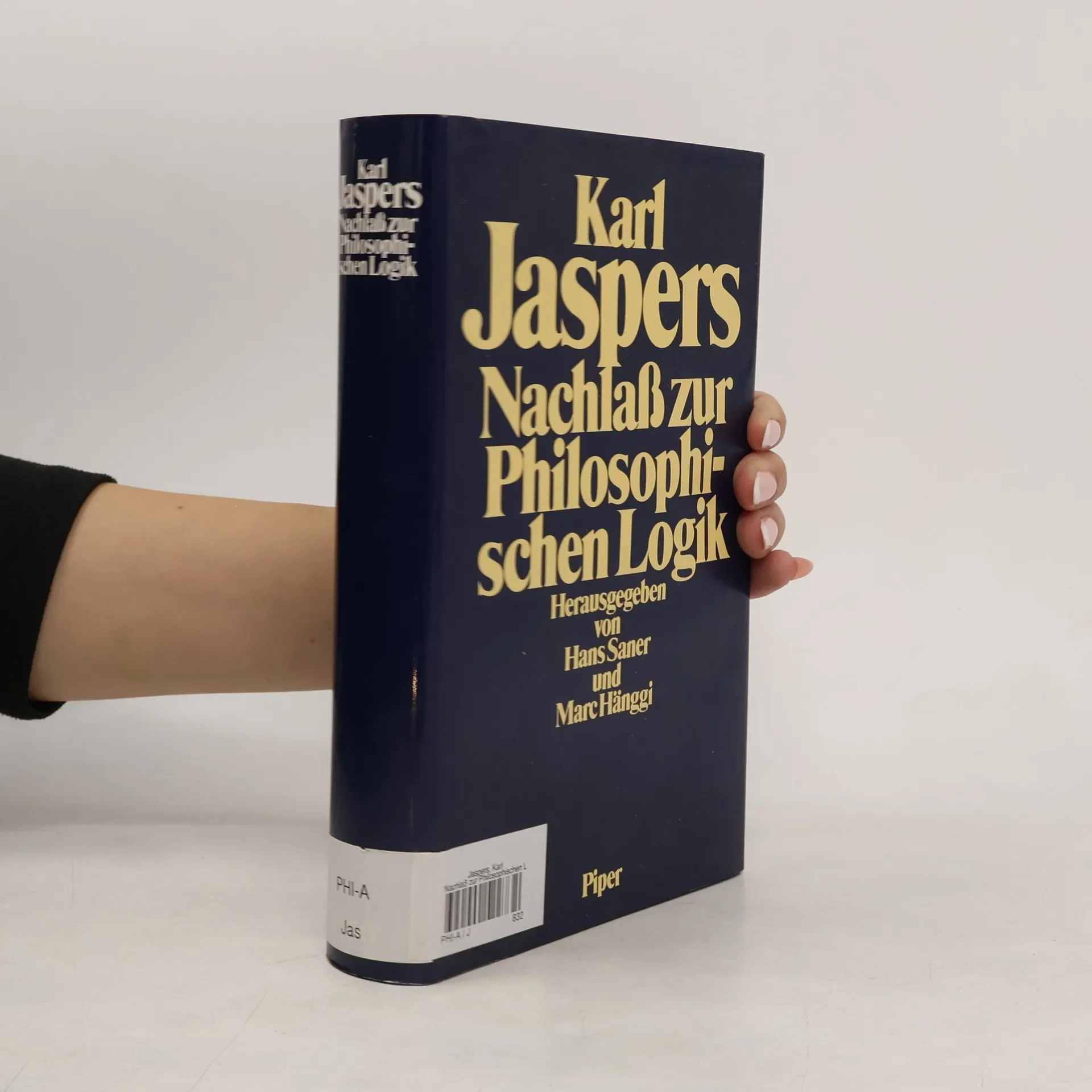
Von seinem Hauptwerk, der 'Philosophischen Logik', konnte Karl Jaspers (1883-1969) nur den ersten Band vollenden. Er erschien 1947 unter dem Titel 'Von der Wahrheit'. Die Philosophen Hans Saner, der Verwalter des Jaspers'schen Nachlasses, und Marc Hänggi haben aus Jaspers' Aufzeichnungen die geplanten Folgebände rekonstruiert: eine Kategorienlehre, eine Methodenlehre und eine Wissenschaftslehre. Sie ergänzen 'Von der Wahrheit' zu einer modernen Logik der Kommunikation.