David Rieff est un polémiste et un expert américain dont le travail examine des questions mondiales complexes. Ses livres ont abordé de manière constante les thèmes de l'immigration, des conflits internationaux et de l'humanitarisme. L'écriture de Rieff se distingue par son observation aiguë et son analyse incisive, explorant souvent les dilemmes éthiques complexes inhérents à ces sujets critiques.
Présente, sous forme d'un abécédaire composé de 150 articles rédigés par des journalistes et des juristes internationaux, les conflits contemporains avec leurs infractions graves et leurs conduites criminelles : Croatie (1991), Bosnie (1992), Rwanda (1994), Tchétchénie (1995), etc., ainsi que l'action du droit international humanitaire
Now back in print for the first time since 1969, a stunning novel about childhood, marriage, and divorce by one of the most interesting minds of the twentieth century. Dream and reality overlap in Divorcing, a book in which divorce is not just a question of a broken marriage but names a rift that runs right through the inner and outer worlds of Sophie Blind, its brilliant but desperate protagonist. Can the rift be mended? Perhaps in the form of a novel, one that goes back from present-day New York to Sophie’s childhood in pre–World War II Budapest, that revisits the divorce between her Freudian father and her fickle mother, and finds a place for a host of further tensions and contradictions in her present life. The question that haunts Divorcing, however, is whether any novel can be fleet and bitter and true and light enough to gather up all the darkness of a given life. Susan Taubes’s startlingly original novel was published in 1969 but largely ignored at the time; after the author’s tragic early death, it was forgotten. Its republication presents a chance to discover a splintered, glancing, caustic, and lyrical work by a dazzlingly intense and inventive writer.
Presents an account of Susan Sontag's final months, written by her son and
drawing on previously unpublished letters and journals. This book writes about
being by her side during that last year and at her death, and about the
author's own contradictory emotions: his guilt for not consoling her enough.
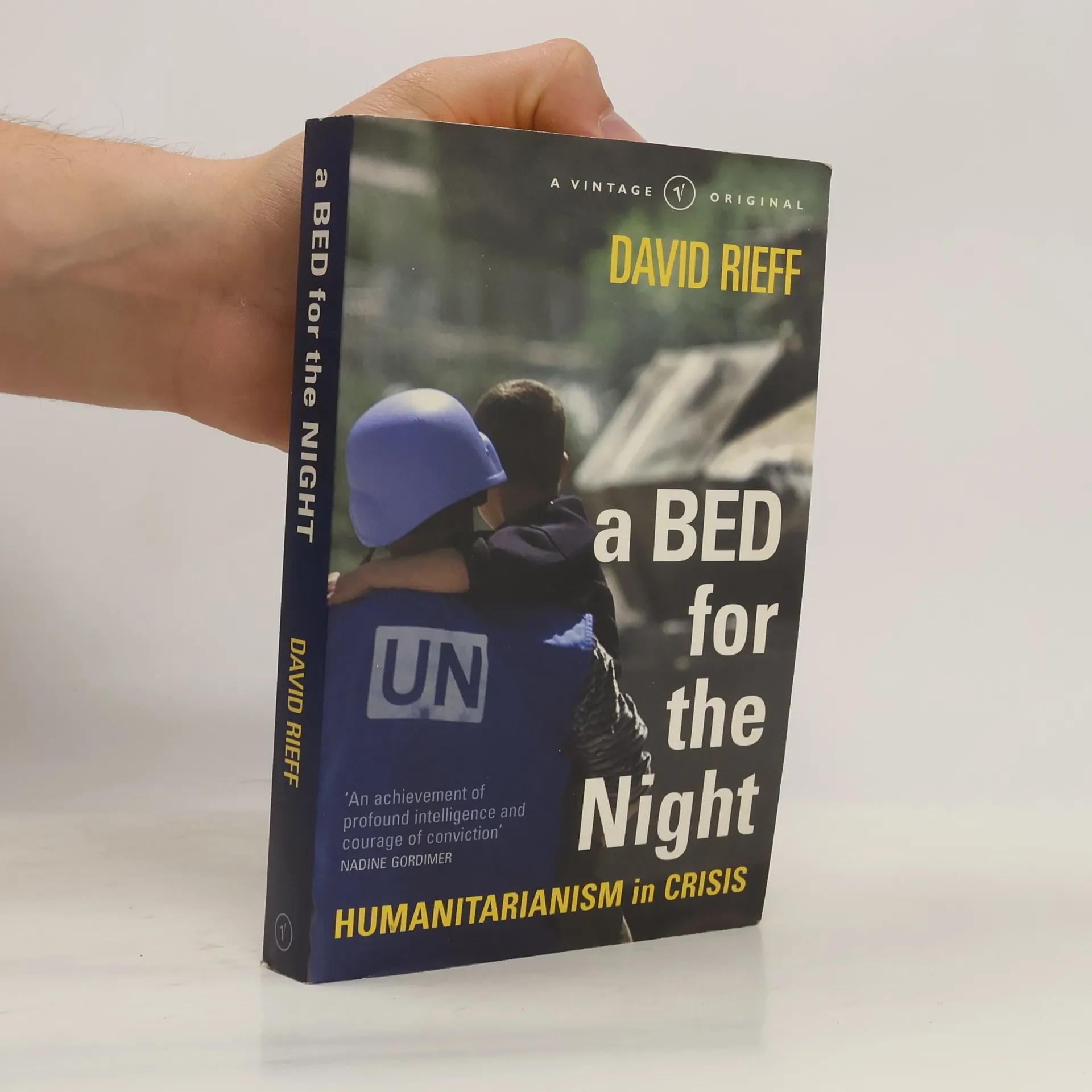
Timely and controversial, A Bed for the Night reveals how humanitarian
organizations trying to bring relief in an ever more violent and dangerous
world are often betrayed and misused, and have increasingly lost sight of
their purpose.
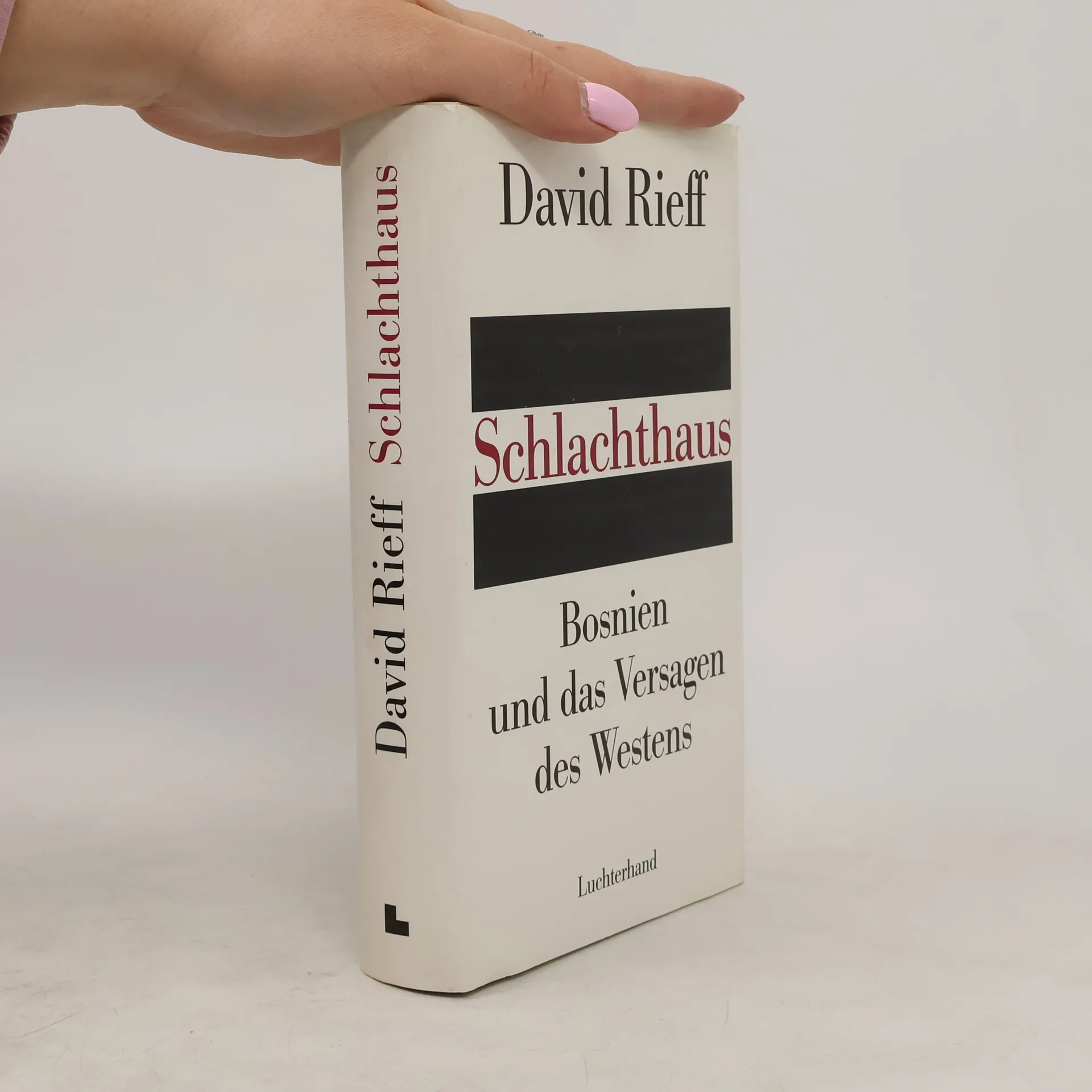
Bosnien ist ein Schlachthaus geworden, der Krieg ein Vernichtungskrieg gegen eine Minderheit, die bosnischen Moslems. Er hätte verhindert werden können ..
¿Por qué hemos fracasado en abordar la crisis del hambre en el siglo XXI? En 2000, líderes y expertos acordaron que erradicar el hambre era esencial para el nuevo milenio. Sin embargo, en la última década, los precios de alimentos básicos como el trigo, la soja y el arroz han aumentado drásticamente, contribuyendo a la pobreza y el descontento político en diversas regiones. Esta crisis alimentaria ha dejado a mil millones de personas viviendo con menos de un dólar al día en un estado de hambre constante. El destacado experto en ayuda humanitaria y desarrollo David Rieff investiga las causas de esta crisis de seguridad alimentaria y los fracasos en su respuesta. Además de la falta de acción frente al cambio climático y la mala gobernanza, Rieff señala la creciente privatización de la ayuda, con organizaciones como la Fundación Gates superando a la OMS en asistencia alimentaria. La llegada de activistas que promueven soluciones empresariales ha despojado al desarrollo de su urgencia política. Rieff sostiene que la crisis de escasez de alimentos debe ser vista como un desafío político que todos estamos fallando en confrontar y exige una reevaluación de las desigualdades fundamentales en el mundo.