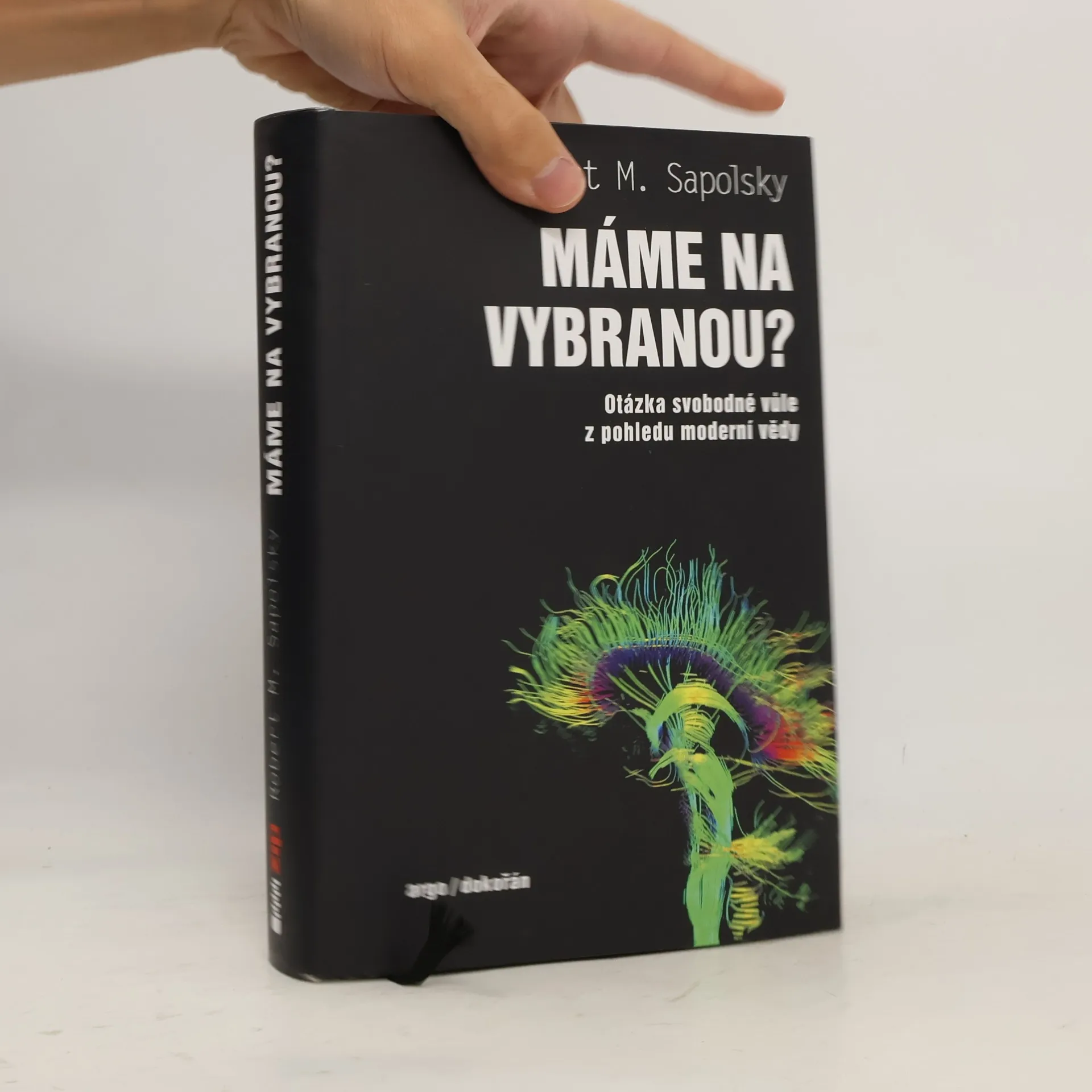

Bookbot

Robert M. Sapolsky

    6 avril 1957

    Robert Sapolsky est un professeur éminent de la Stanford University, réputé pour ses travaux révolutionnaires en sciences biologiques et en neurologie. Ses recherches explorent la relation complexe entre la biologie et le comportement, examinant les facteurs complexes qui façonnent les actions humaines. Sapolsky est célébré pour sa capacité à traduire des concepts scientifiques complexes en récits accessibles et captivants, rendant ses aperçus sur le comportement et le cerveau disponibles à un large public. Ses contributions ont considérablement fait progresser notre compréhension des fondements biologiques du comportement.

    Robert M. Sapolsky
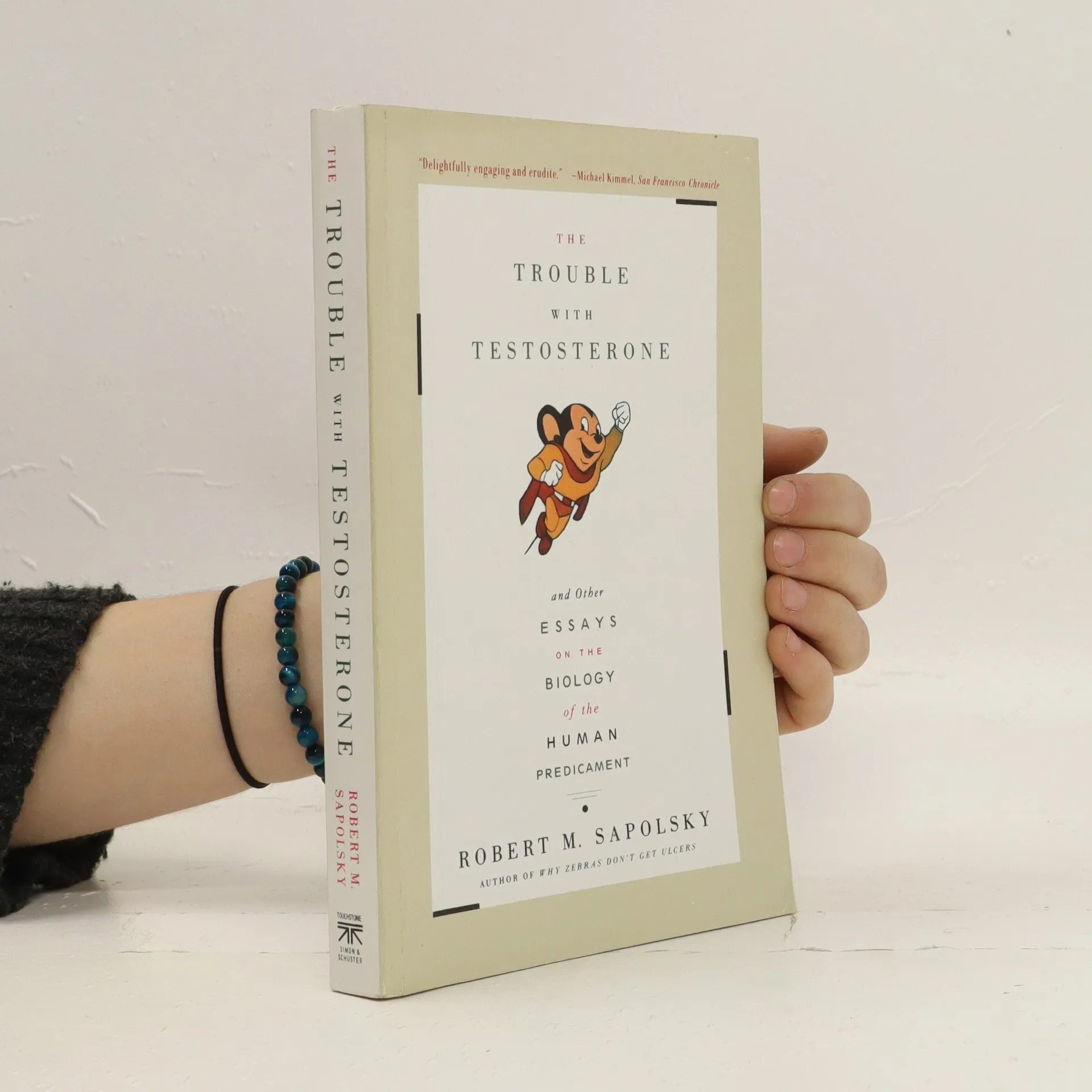
    The Trouble With Testosterone
    Why Zebras Don't Get Ulcers -Revised Edition
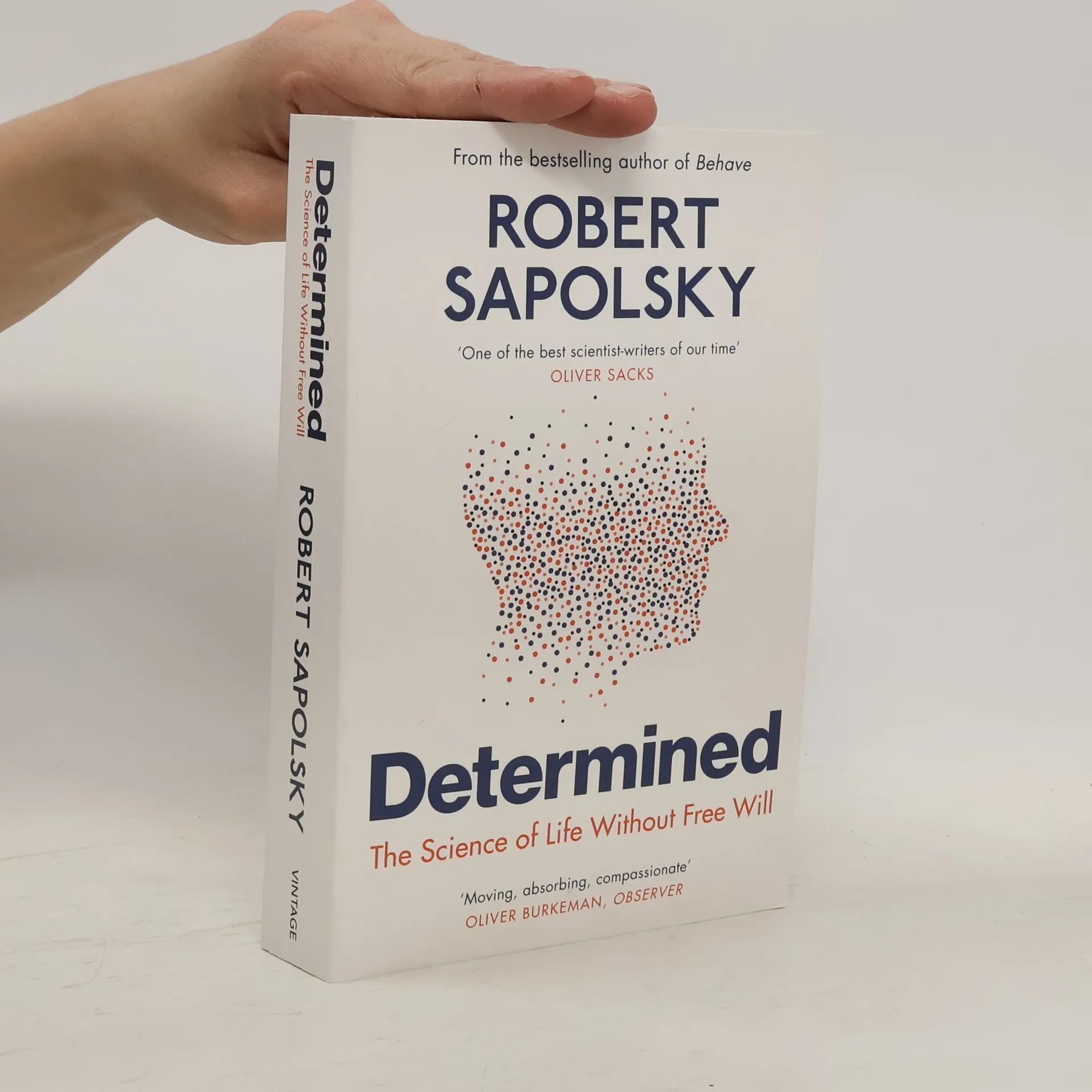
    Determined
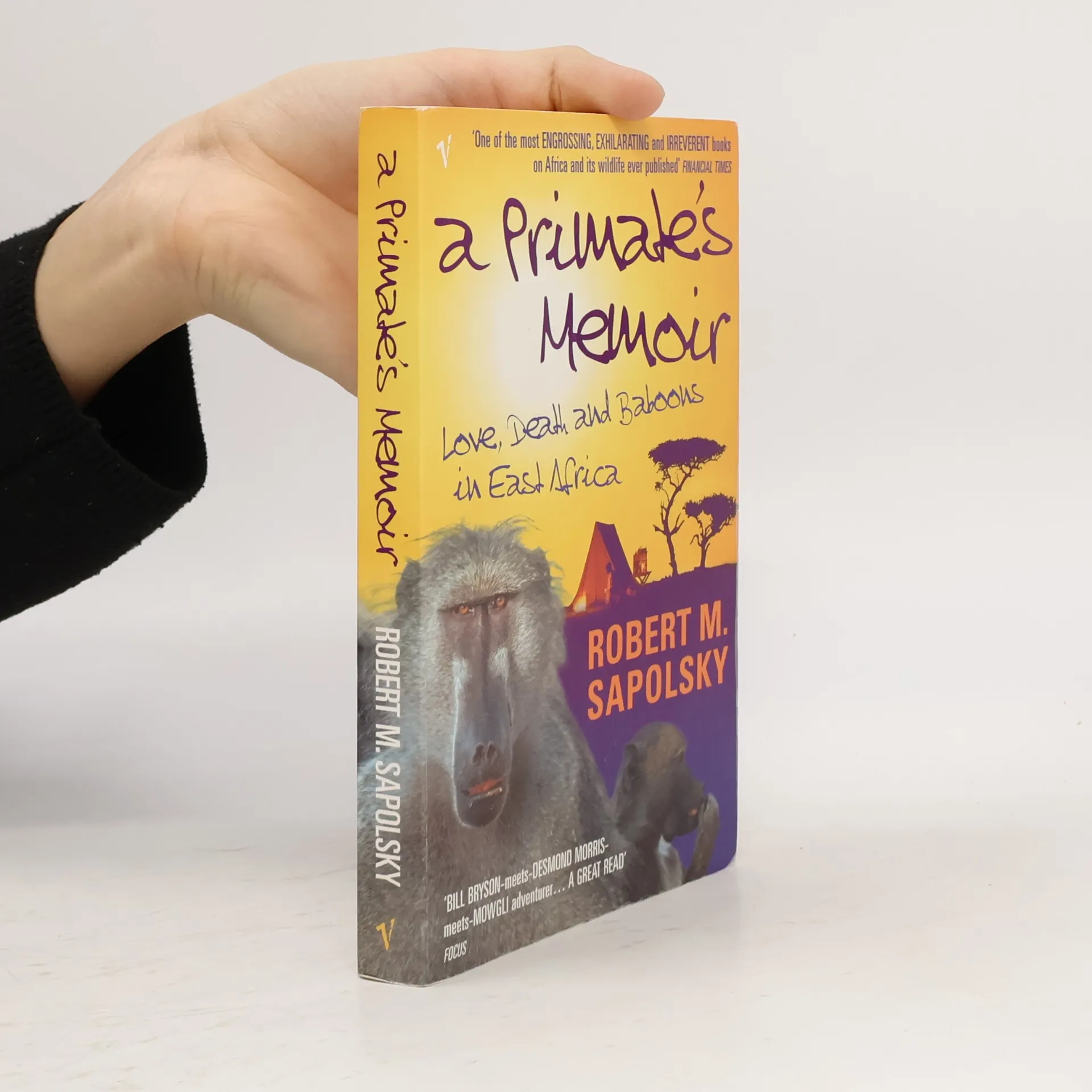
    A Primate's Memoir
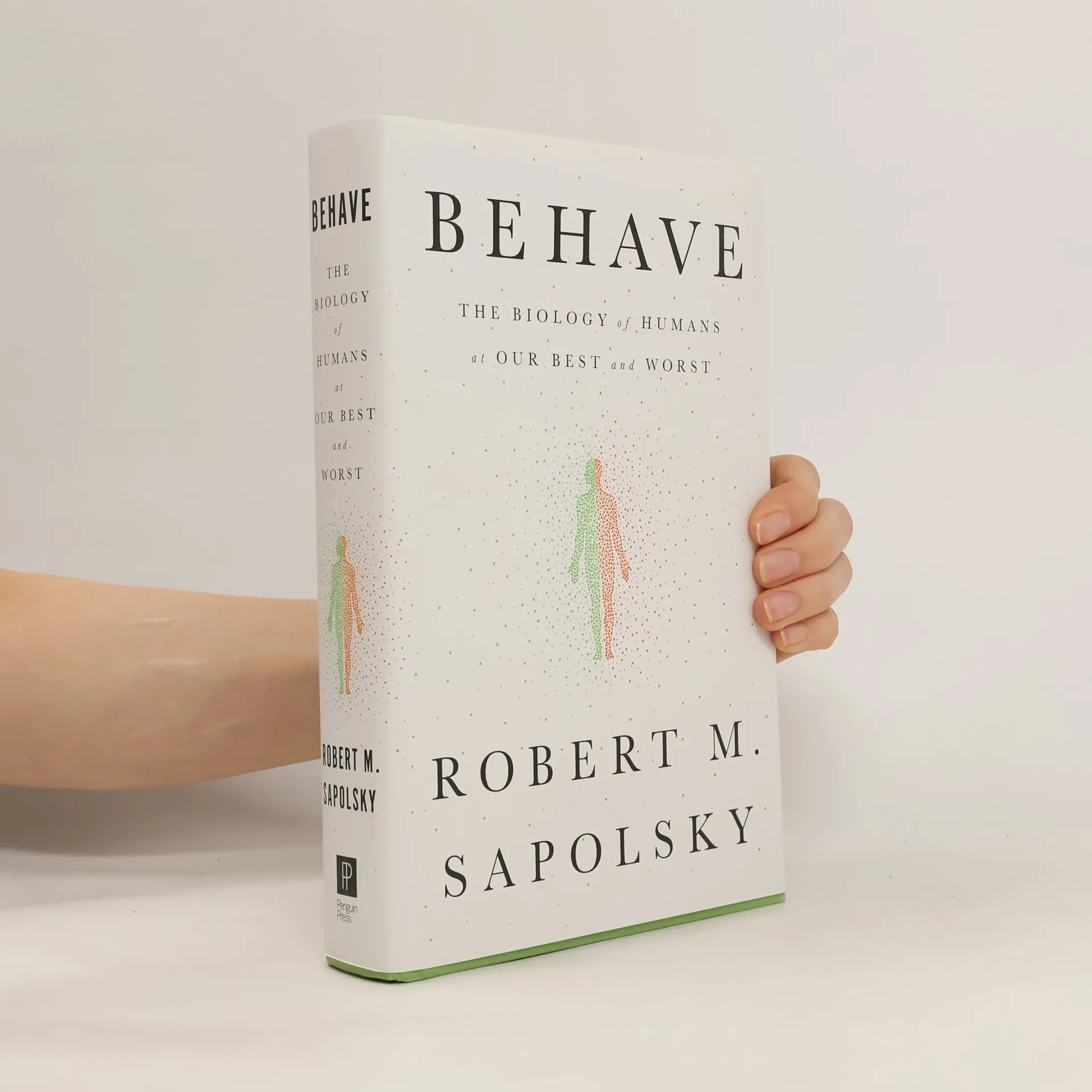
    Behave : the biology of humans at our best and worst
    Victorians in Camera
    • Victorians in Camera

      • 224pages
      • 8 heures de lecture

      'The making of a lifelike picture was something to be wondered at. It was an adventure, it was an expense, and it was often something of an ordeal...' Victorians in Camera explores the world of nineteenth century photography from the subjects' point of view. What did people want from their portraits? Where did they go to have them made and did the Victorians really never smile? What did they do with the finished product, whether a formal daguerreotype or cheery snapshot? From a wealth of contemporary evidence - in both words and pictures - Robert Pols reveals the story behind Victorian photography - from trickery to photographic fashions. Discover the social history behind nineteenth century photographs and how to trace hidden stories within your own family album.


      Victorians in Camera
      4,9
    • New York Times bestseller • Winner of the Los Angeles Times Book Prize • One of the Washington Post's 10 Best Books of the Year “It’s no exaggeration to say that Behave is one of the best nonfiction books I’ve ever read.” —David P. Barash, The Wall Street Journal "It has my vote for science book of the year.” —Parul Sehgal, The New York Times "Immensely readable, often hilarious...Hands-down one of the best books I’ve read in years. I loved it." —Dina Temple-Raston, The Washington Post From the bestselling author of A Primate's Memoir and the forthcoming Determined: A Science of Life Without Free Will comes a landmark, genre-defining examination of human behavior and an answer to the question: Why do we do the things we do? Behave is one of the most dazzling tours d’horizon of the science of human behavior ever attempted. Moving across a range of disciplines, Sapolsky—a neuroscientist and primatologist—uncovers the hidden story of our actions. Undertaking some of our thorniest questions relating to tribalism and xenophobia, hierarchy and competition, and war and peace, Behave is a towering achievement—a majestic synthesis of cutting-edge research and a heroic exploration of why we ultimately do the things we do . . . for good and for ill.

      Behave : the biology of humans at our best and worst
      4,4
    • A Primate's Memoir

      • 304pages
      • 11 heures de lecture

      Book-smart and more than a little naive, Robert Sapolsky left the comforts of college in the US for a research project studying a troop of baboons in Kenya.

      A Primate's Memoir
      4,3
    • Determined

      • 528pages
      • 19 heures de lecture

      One of our leading behavioral scientists, the bestselling author of Behave, explores the science and philosophy of decision-making to challenge the notion of free will, presenting significant implications. In his classic work, Sapolsky examined why humans exhibit both good and bad behavior, leading to the unsettling conclusion that while we may not fully understand the interplay of nature and nurture in shaping behavior, it undeniably exists. In this new exploration, he delivers a compelling critique of the comforting belief that a separate self directs our biology. This work synthesizes our understanding of consciousness, highlighting the intricate connections between reason and emotion, as well as stimulus and response throughout life. Sapolsky systematically dismantles the major arguments supporting free will, navigating through the complexities of chaos theory, quantum physics, and philosophical debates. He illustrates how the evolution of medicine reflects a growing recognition that fewer actions are simply someone's "fault," using historical misconceptions, like seizures being viewed as demonic possession, as examples. Acknowledging the challenge of relinquishing our instinct to judge ourselves and others, Sapolsky applies this new understanding to critical issues of punishment, morality, and coexistence. Ultimately, he contends that recognizing our lack of free will, while difficult, need not lead to chaos or despair;

      Determined
      4,2
    • A distinguished primatologist explains how prolonged stress causes or intensifies a range of physical and mental afflictions, including ulcers, colitis, heart disease, depression, and memory loss, and addresses how to combat it. Reprint. 30,000 first printing.

      Why Zebras Don't Get Ulcers -Revised Edition
      4,2
    • The Trouble With Testosterone

      • 288pages
      • 11 heures de lecture

      As a professor of biology and neuroscience at Stanford and a recipient of a MacArthur Foundation "genius grant," Robert Sapolsky carries impressive credentials. Best of all, he's a gifted writer who possesses a delightfully devilish sense of humor. In these essays, which range widely but mostly focus on the relationships between biology and human behavior, hard and intricate science is handled with a deft touch that makes it accessible to the general reader. In one memorable piece, Sapolsky compares the fascination with tabloid TV to behavior he's observed among wild African baboons. "Rubber necks," notes the professor, "seem to be a common feature of the primate order." In the title essay of The Trouble with Testosterone, Sapolsky ruminates on the links, real or perceived, between that hormone and aggression.Covering such broad topics as science, politics, history, and nature, the author of Why Zebras Don't Get Ulcers writes accessible and interesting essays that explore the human struggle with moral and ethical problems in today's world. 20,000 first printing.

      The Trouble With Testosterone
      4,2
    • Кто мы такие? (Kto my takiye?)

      • 288pages
      • 11 heures de lecture

      В книгу «Кто мы такие?» вошли лучшие статьи известного ученого и популяризатора науки Роберта Сапольски о человеке во всем его потрясающем многообразии. Три ее раздела посвящены главным вопросам естествознания, включая влияние генов и среды на поведение, социальные, политические и сексуальные предпосылки поведенческой биологии и роль общества в формировании личности. Во всем, что описывает Сапольски — от брачных ритуалов грызунов до религиозных практик жителей тропических лесов, от выделения феромонов до мозговых паразитов, — он блестяще соединяет передовые научные открытия с ироничными и мудрыми наблюдениями о невообразимой сложности бытия.

      Кто мы такие? (Kto my takiye?)
      4,5