Anthony Burton Ordre des livres (chronologique)
Anthony Burton est un auteur et animateur spécialisé principalement dans l'histoire industrielle et des transports, depuis la publication de son premier livre dans ce domaine en 1972. Au-delà des canaux, des chemins de fer et d'autres formes de transport, ses intérêts englobent également la campagne et l'histoire des paysages. Ses œuvres entraînent les lecteurs dans les domaines fascinants des secteurs industriels et des réseaux de transport qui ont façonné notre monde moderne. Avec un sens aigu du détail et une prose accessible, Burton donne vie aux récits historiques, illustrant leur impact durable sur le présent. Son écriture est à la fois captivante et informative, offrant une perspective distincte sur l'évolution de la technologie et les paysages qu'elle a transformés. Les lecteurs apprécieront son talent pour rendre les sujets complexes accessibles et pour peindre des images vives du passé.
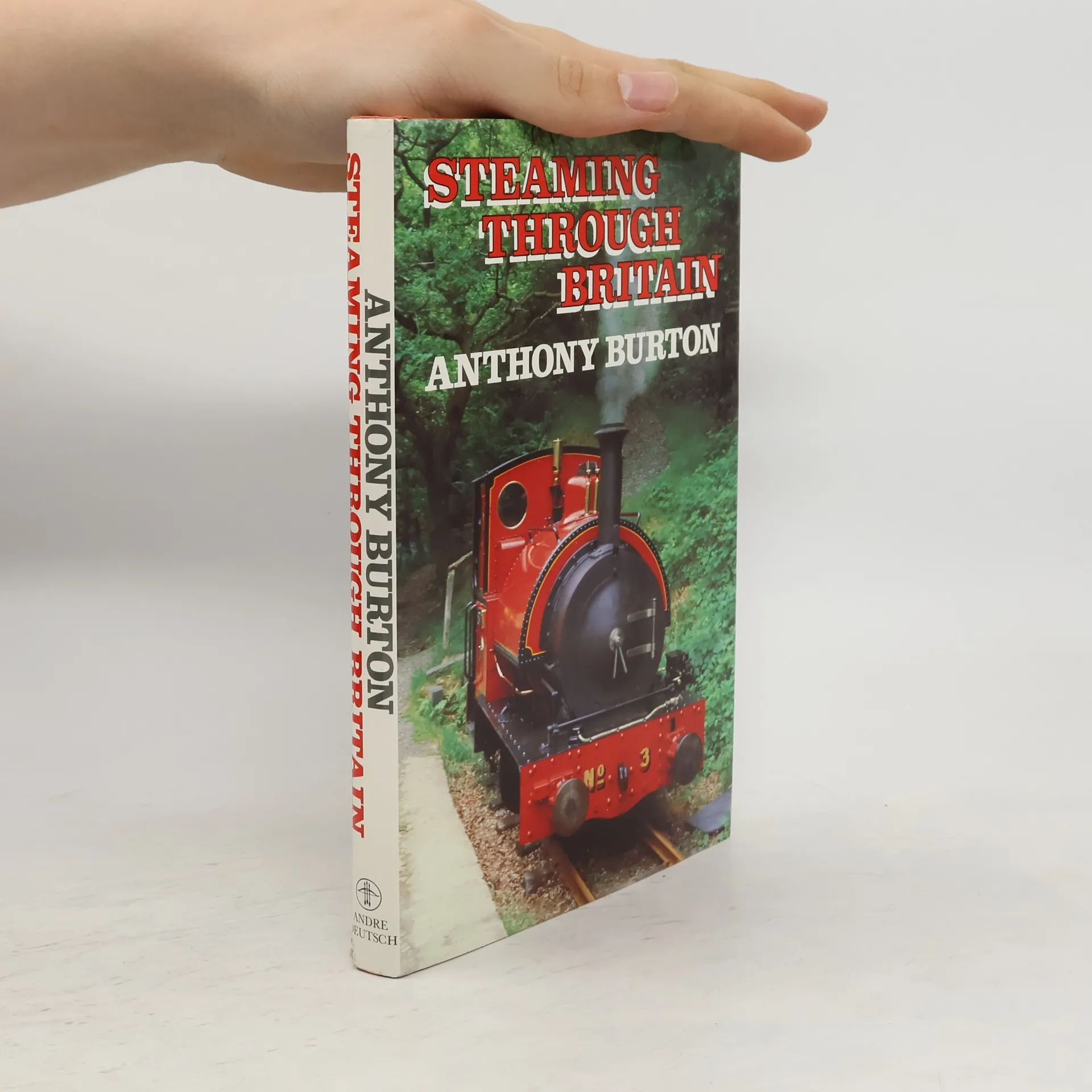
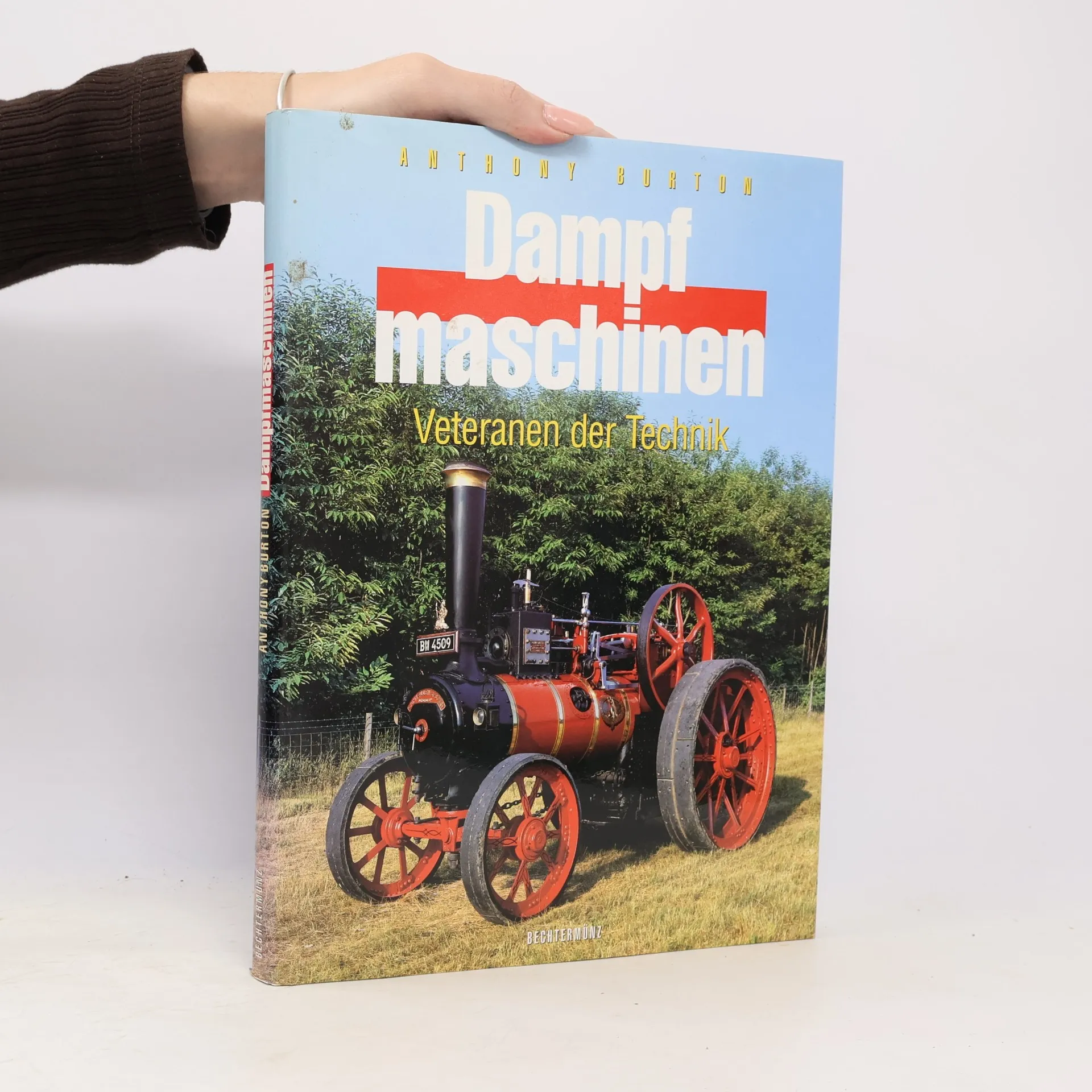
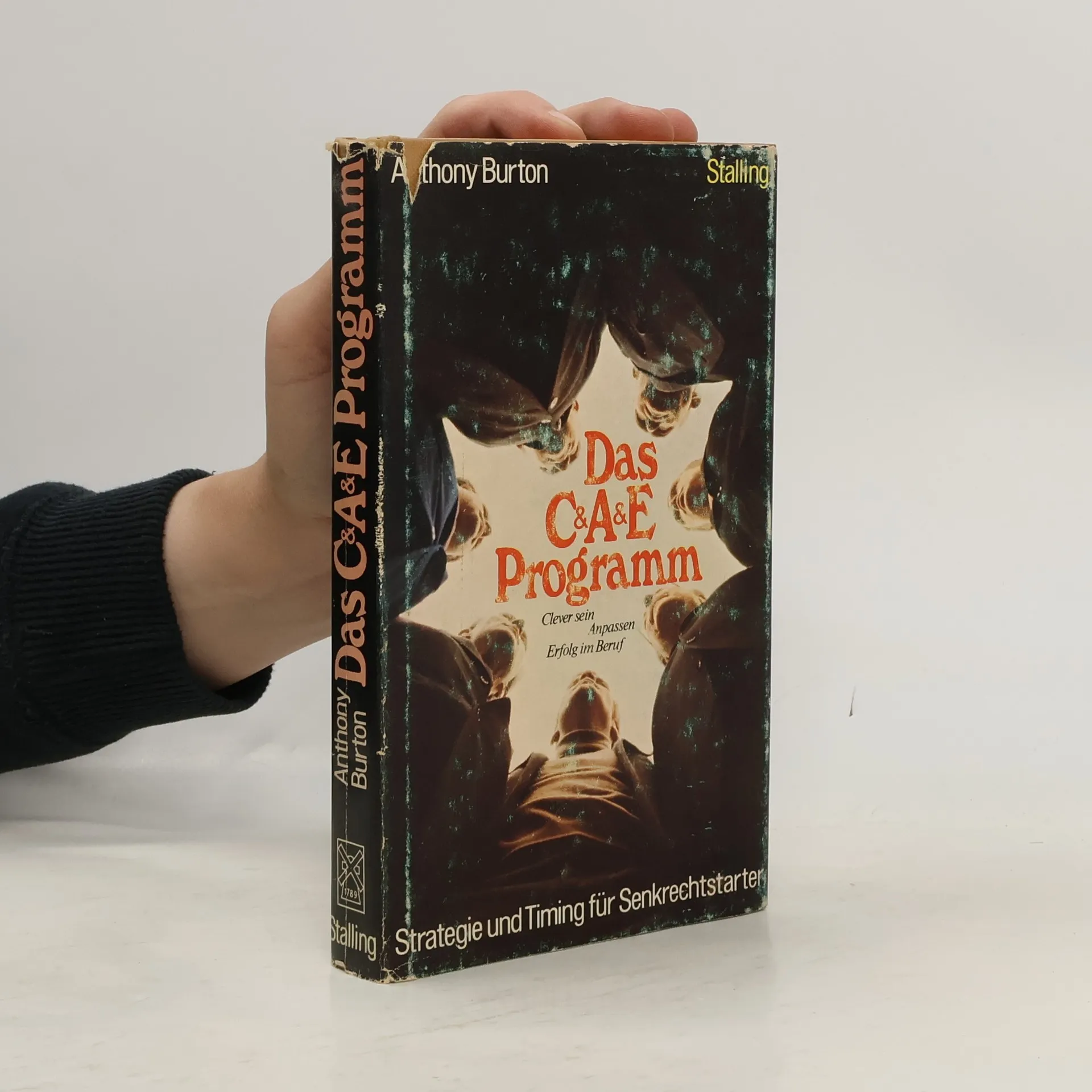
Dampfmaschinen
- 144pages
- 6 heures de lecture
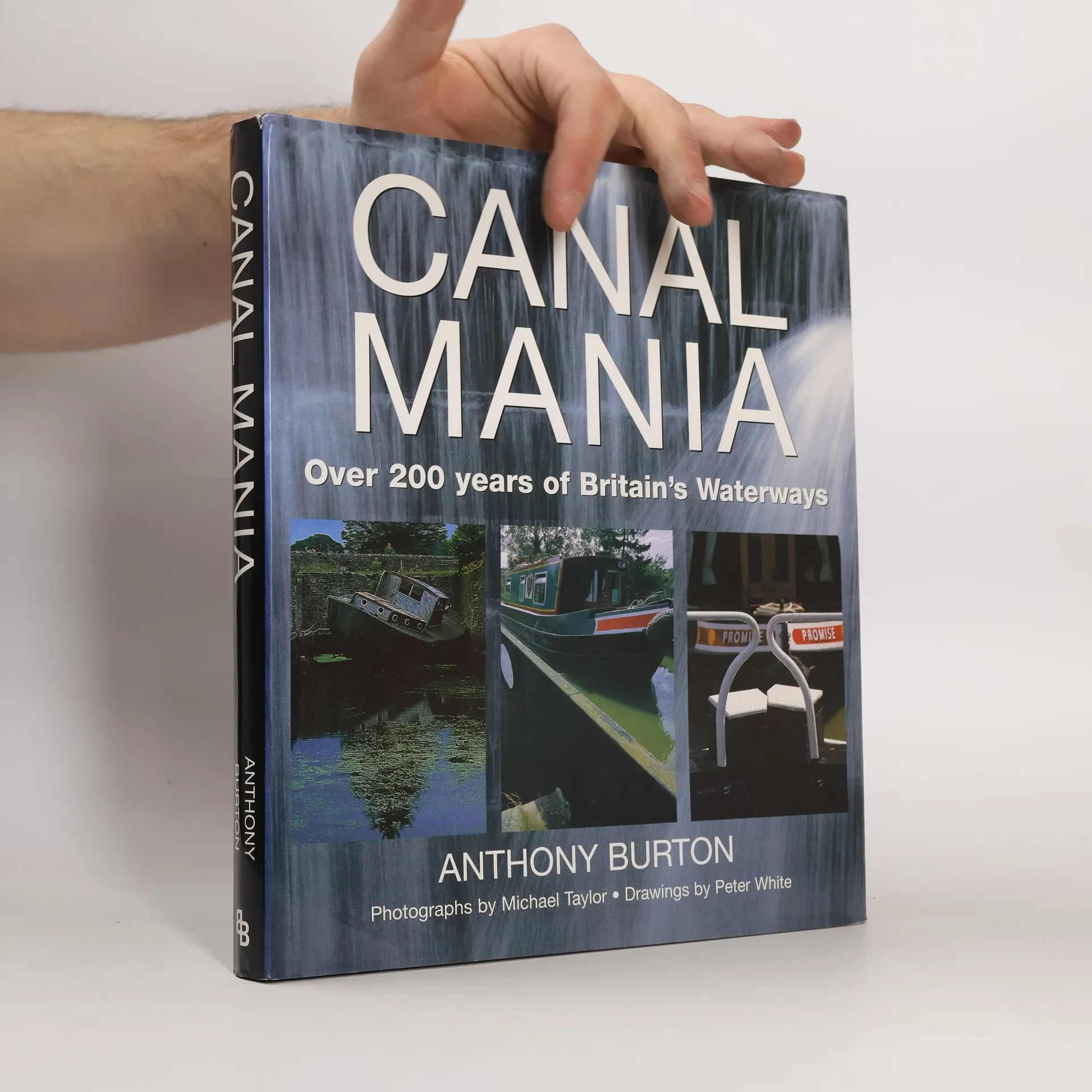
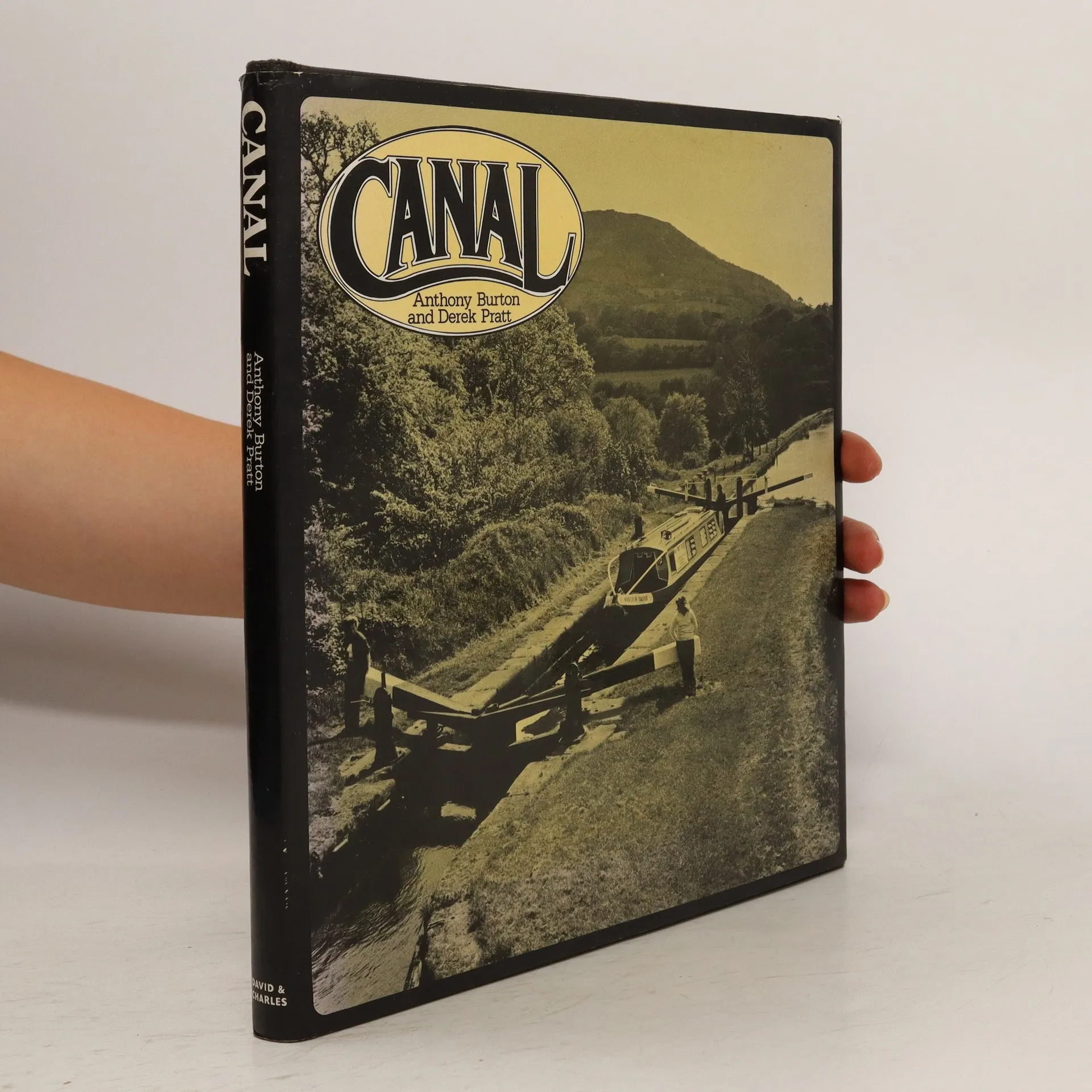
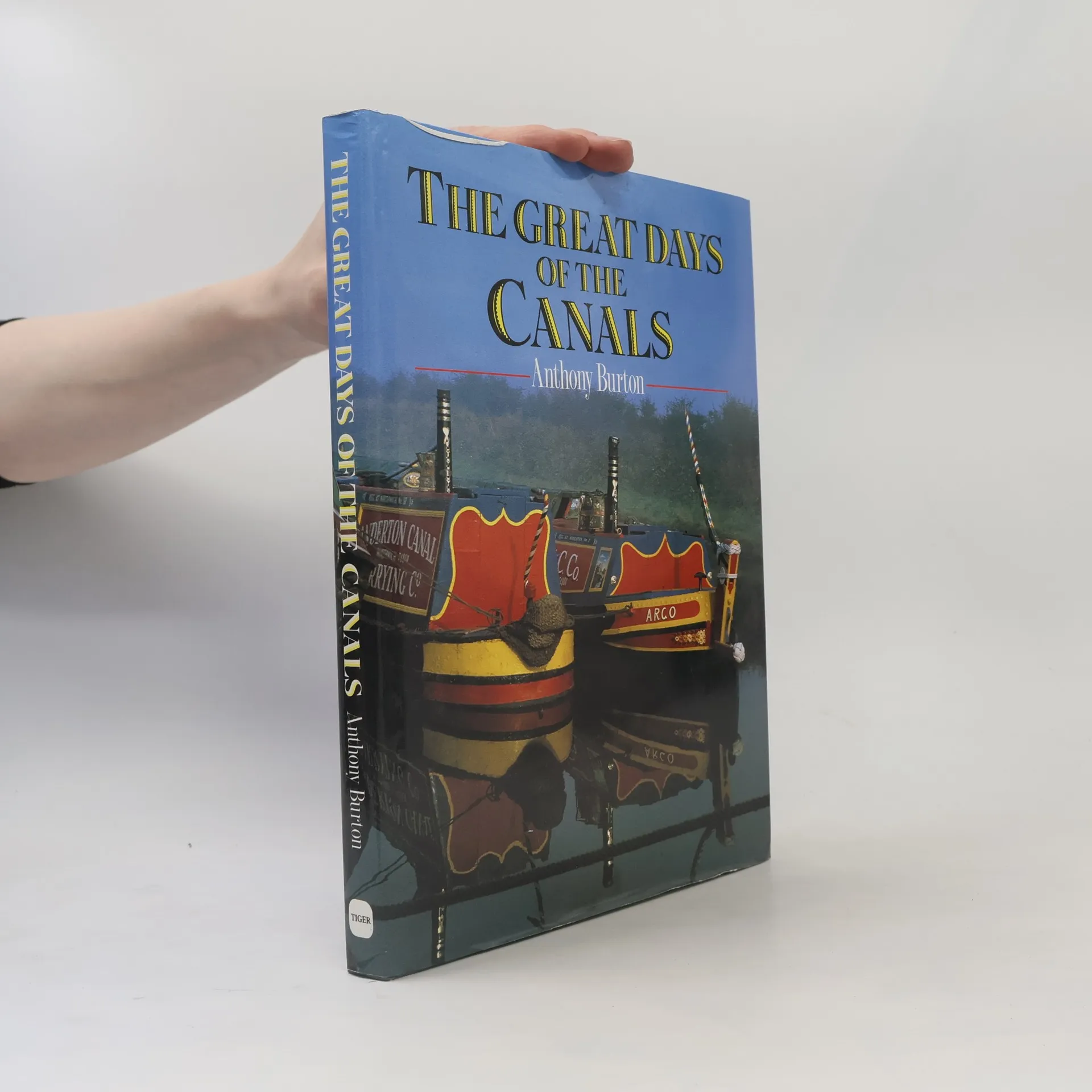
This text explores over 200 years of British waterways history. It tells the stories of the great engineers, from James Brindley through to William Jessop and Thomas Telford. It also includes archive illustrations and detailed architectural drawings.
The Great Days of the Canals
- 224pages
- 8 heures de lecture
First published David and Charles, 1989
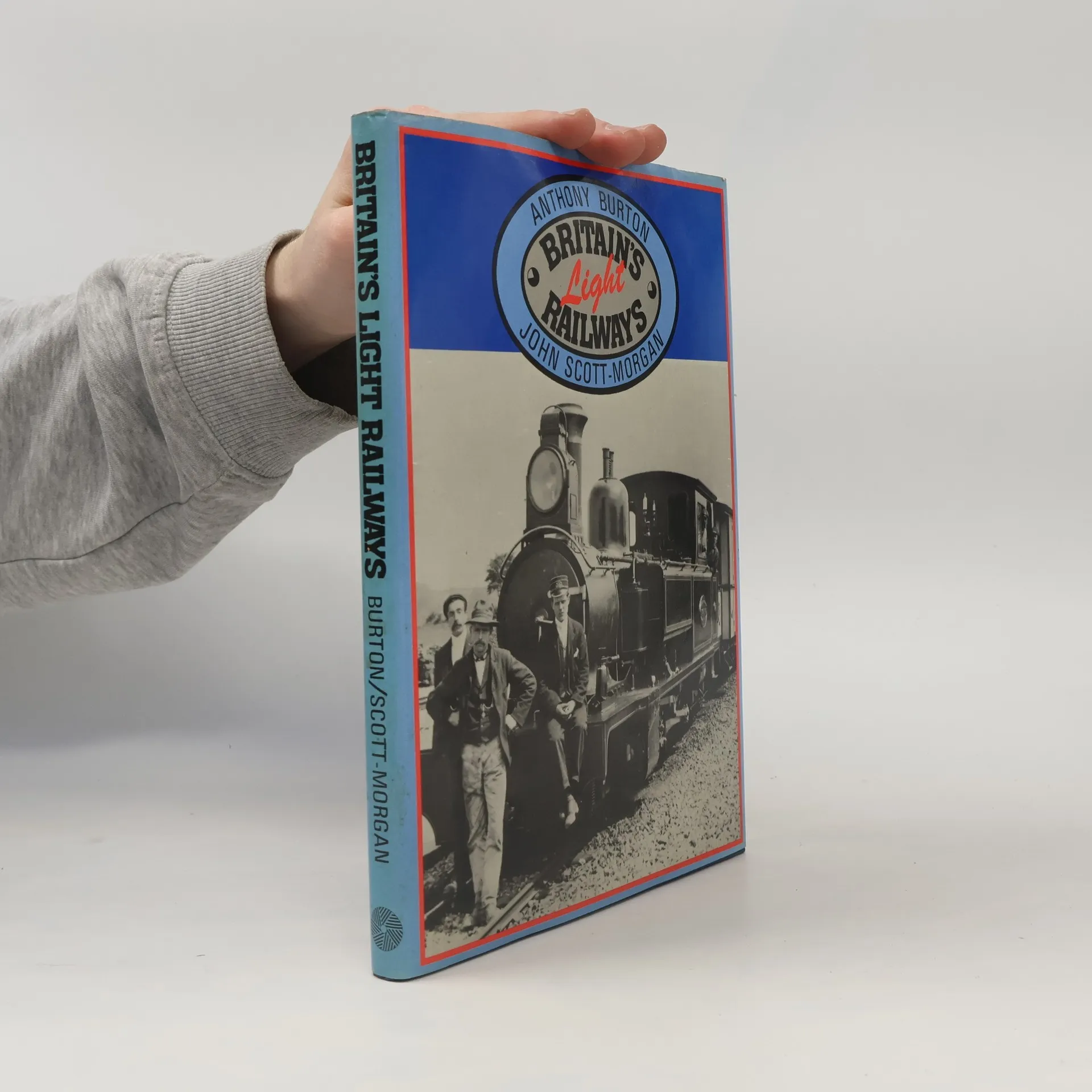
Britain's Light Railways
- 144pages
- 6 heures de lecture
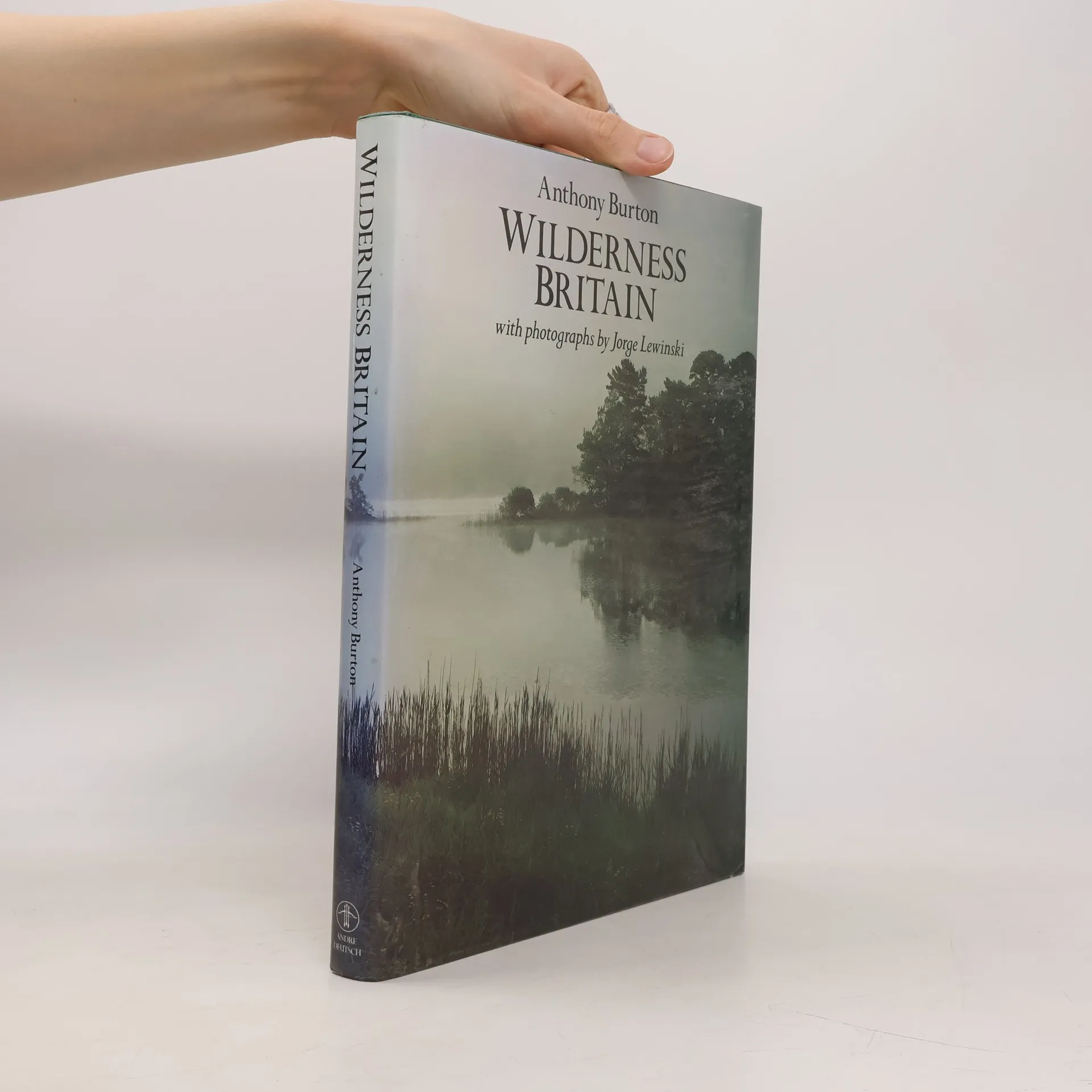
Wilderness Britain
- 194pages
- 7 heures de lecture
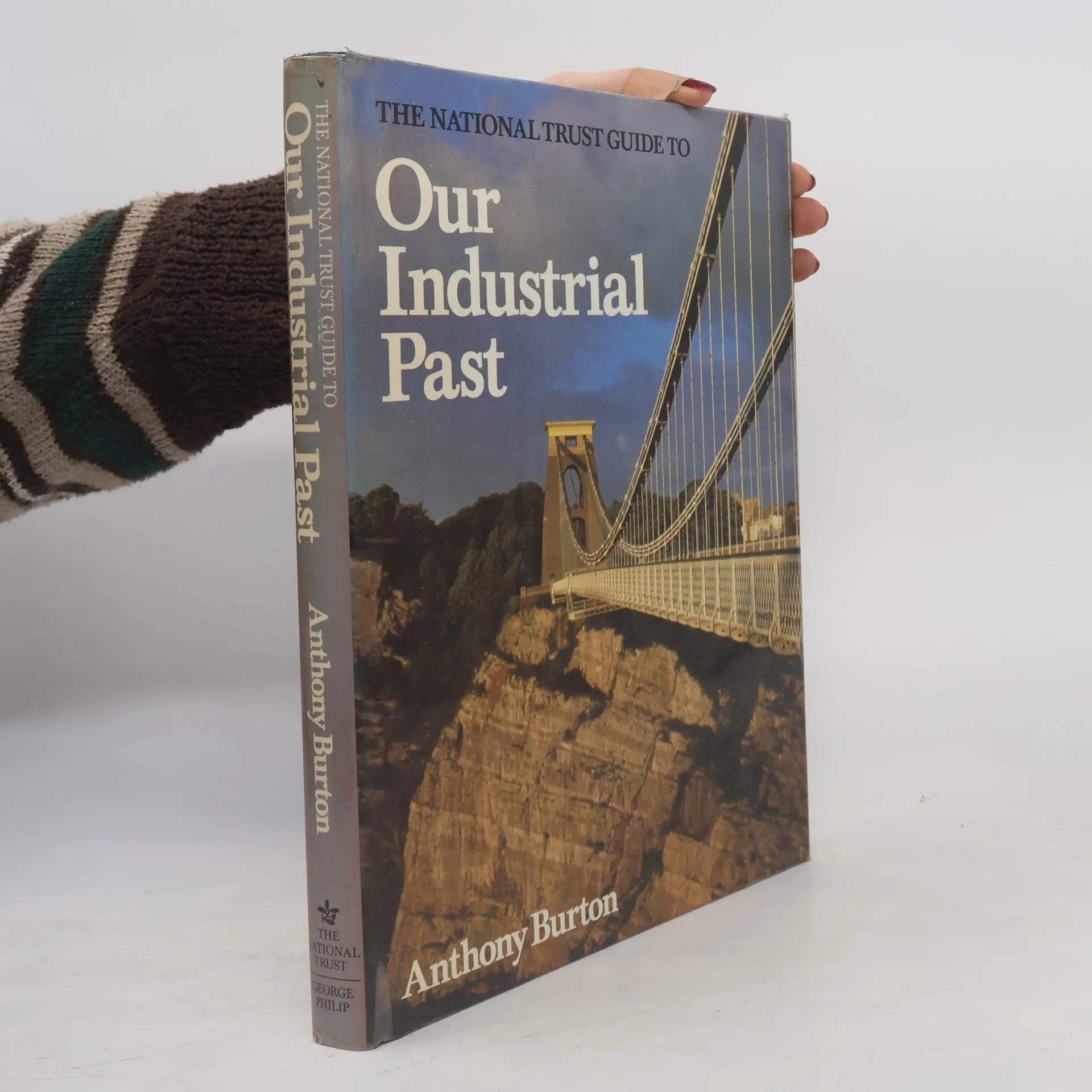
National Trust Guide to Our Industrial Past
- 240pages
- 9 heures de lecture
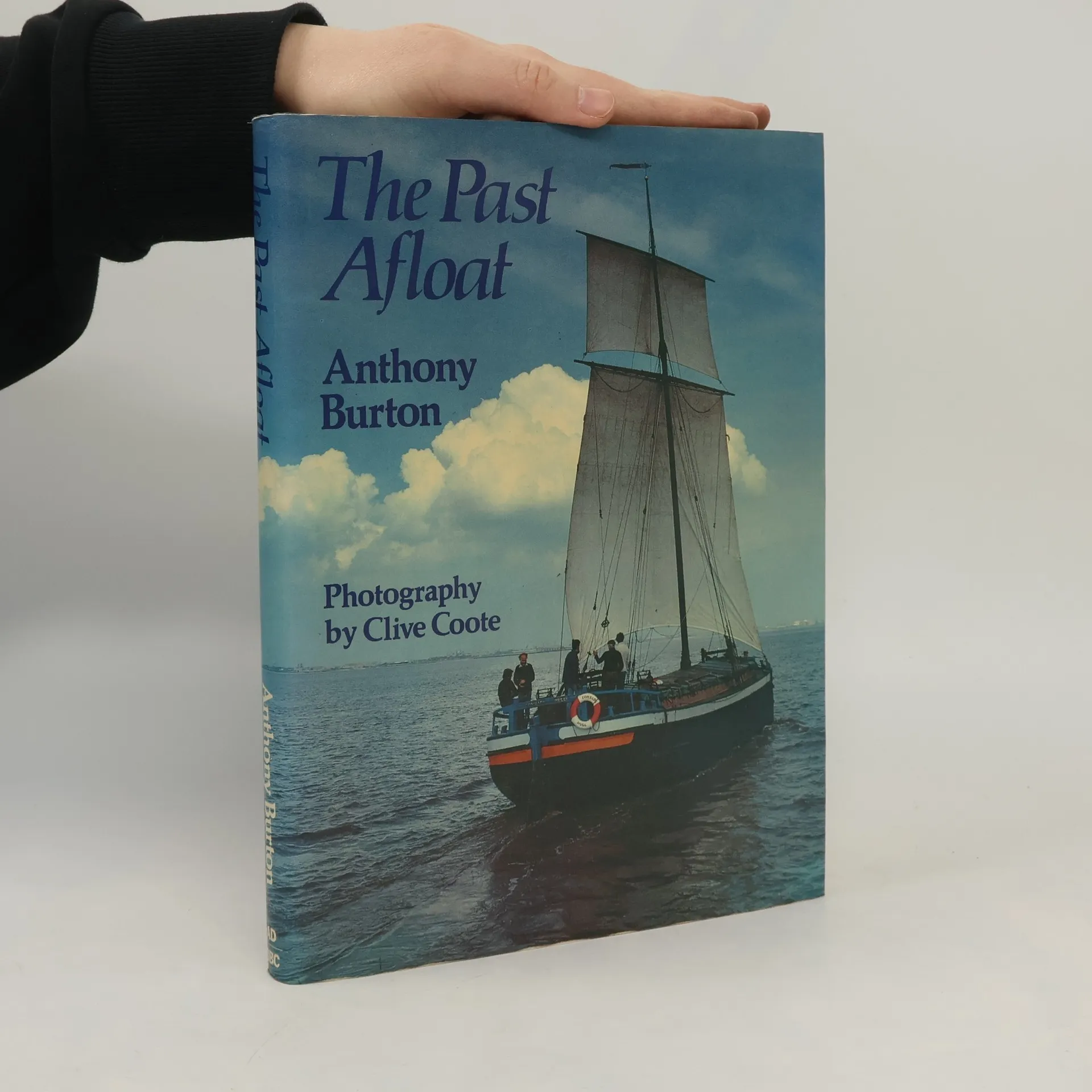
The Past Afloat
- 191pages
- 7 heures de lecture
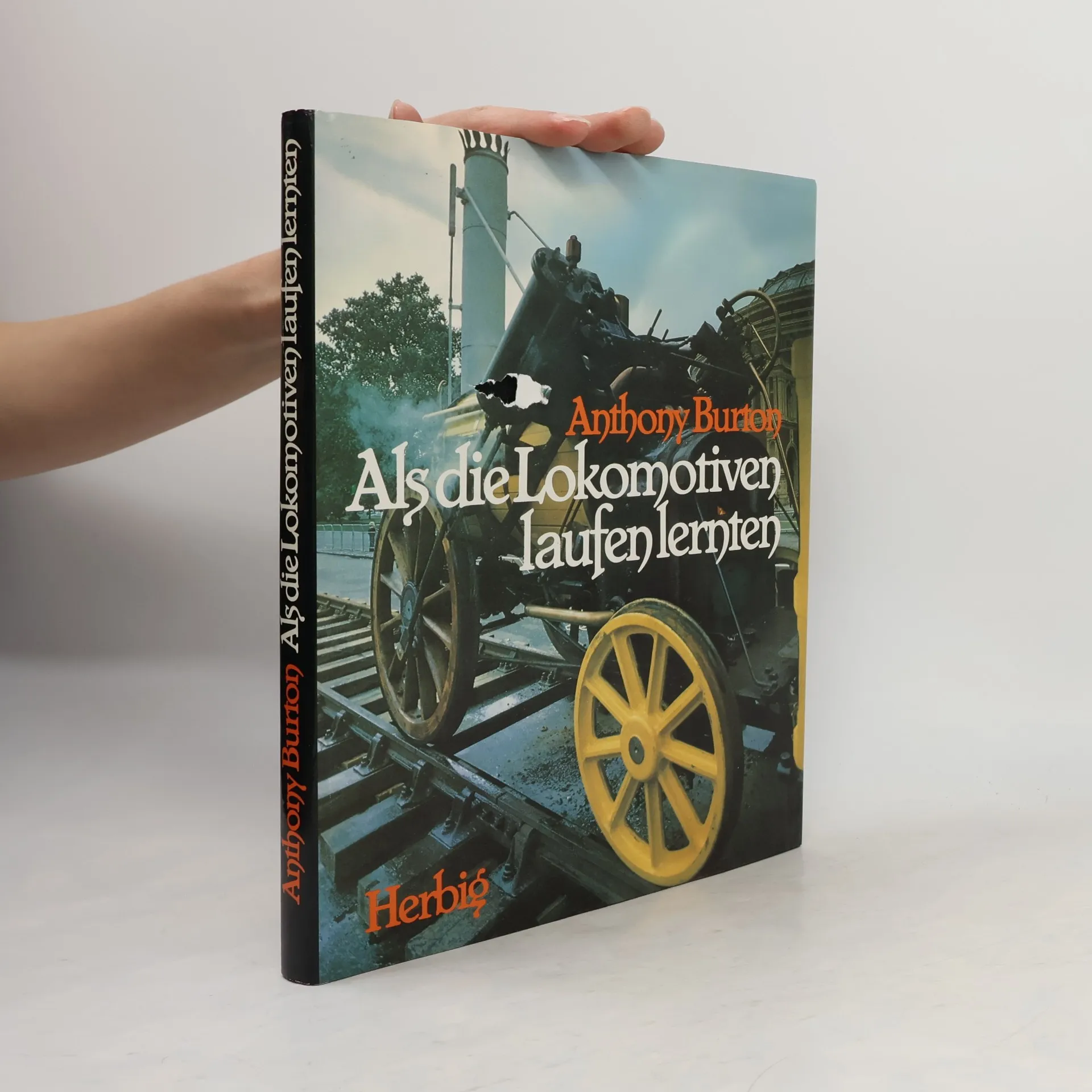
Als die Lokomotiven laufen lernten
- 183pages
- 7 heures de lecture
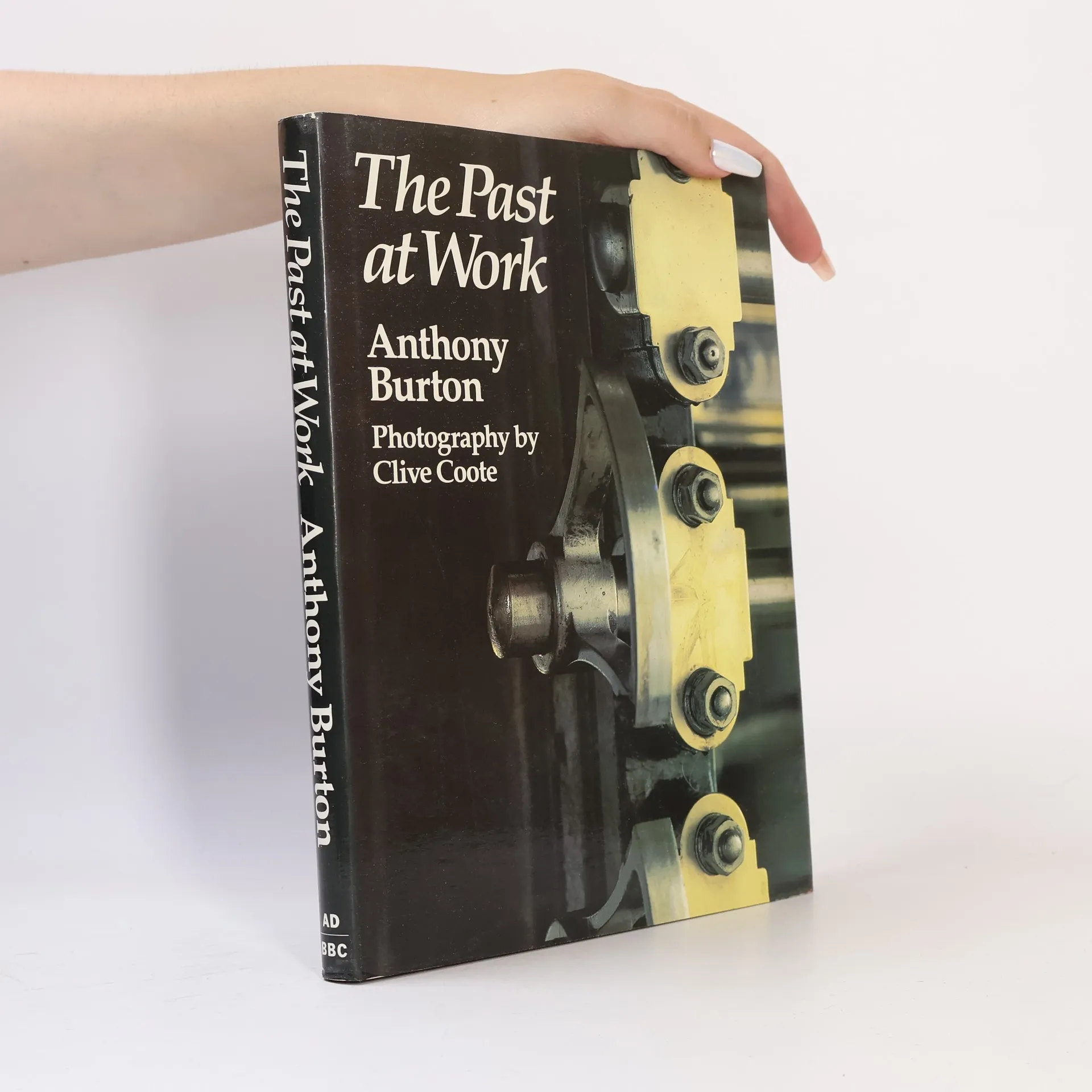
The Past at Work
- 175pages
- 7 heures de lecture
The Past at Work [hardcover] Burton, Anthony [Jan 01, 1980]… 0233971912
Canal
- 96pages
- 4 heures de lecture
Canals In Colour
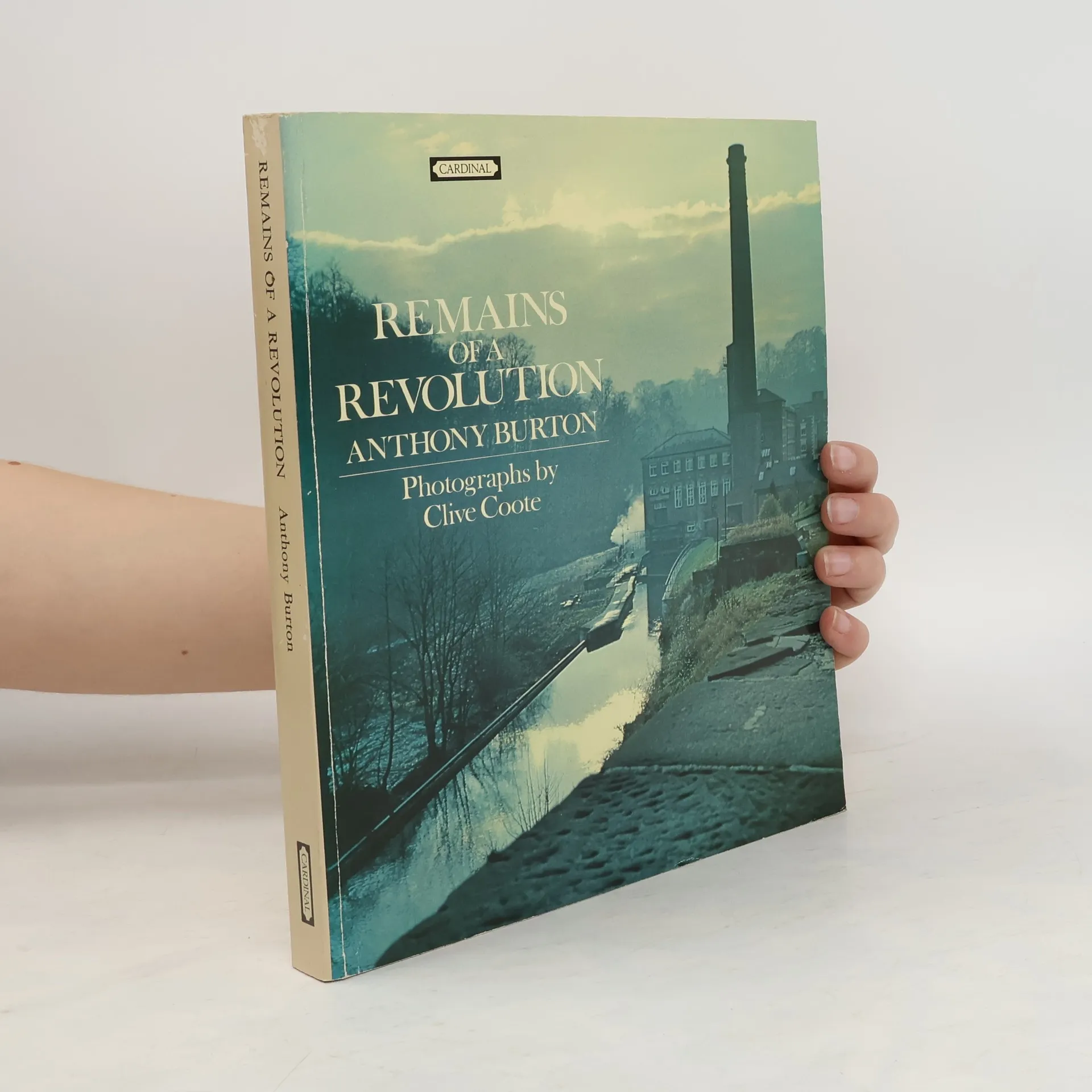
Remains of a Revolution
- 255pages
- 9 heures de lecture
The Industrial Revolution was one of the greatest changes in the history of society. It transformed Britain's "green and pleasant land" from an agricultural world into one dominated by spinning and weaving were mechanized; roads, railways and canals spread across the country; mining and factories wiped out the cottage industries and eroded a rural way of life for ever. Man's immense inventiveness and skill also created appalling suffering and cruelty, sacrificing humanity for profit in a society riven with inequalities that remian today. Yet, as the photographs in this book show, the "dark, satanic mills" and machines that changed the world are brilliantly, often beautifully designed, and the industrial landscape is haunting in its vast, imposing grandeur. Combined with lively writing and dramatic historical accounts, they transport our imaginations back to the revolutionary age of smoke and steam.