This study concerns the role of thought and knowledge. The author rejects the notion that our thinking processes neutrally report on what is out there in an objective world. He explores the manner in which thought actively participates in forming our perceptions, our sense of meaning and our daily actions. He suggests that collective thought and knowledge have become so automated that we are in large part controlled by them, with a subsequent loss of authenticity, freedom and order.
David Böhm Livres
David Bohm était un scientifique américain qui a apporté des idées novatrices et peu orthodoxes à la théorie quantique, à la neuropsychologie et à la philosophie de l'esprit. Il est considéré comme l'un des physiciens théoriciens les plus importants du XXe siècle. Ses travaux ont exploré l'interconnexion profonde entre l'univers et la conscience humaine, utilisant souvent des analogies de la mécanique quantique pour éclairer des phénomènes complexes. Bohm a cherché à comprendre la nature de l'intelligence, et ses idées continuent d'inspirer les chercheurs dans divers domaines.


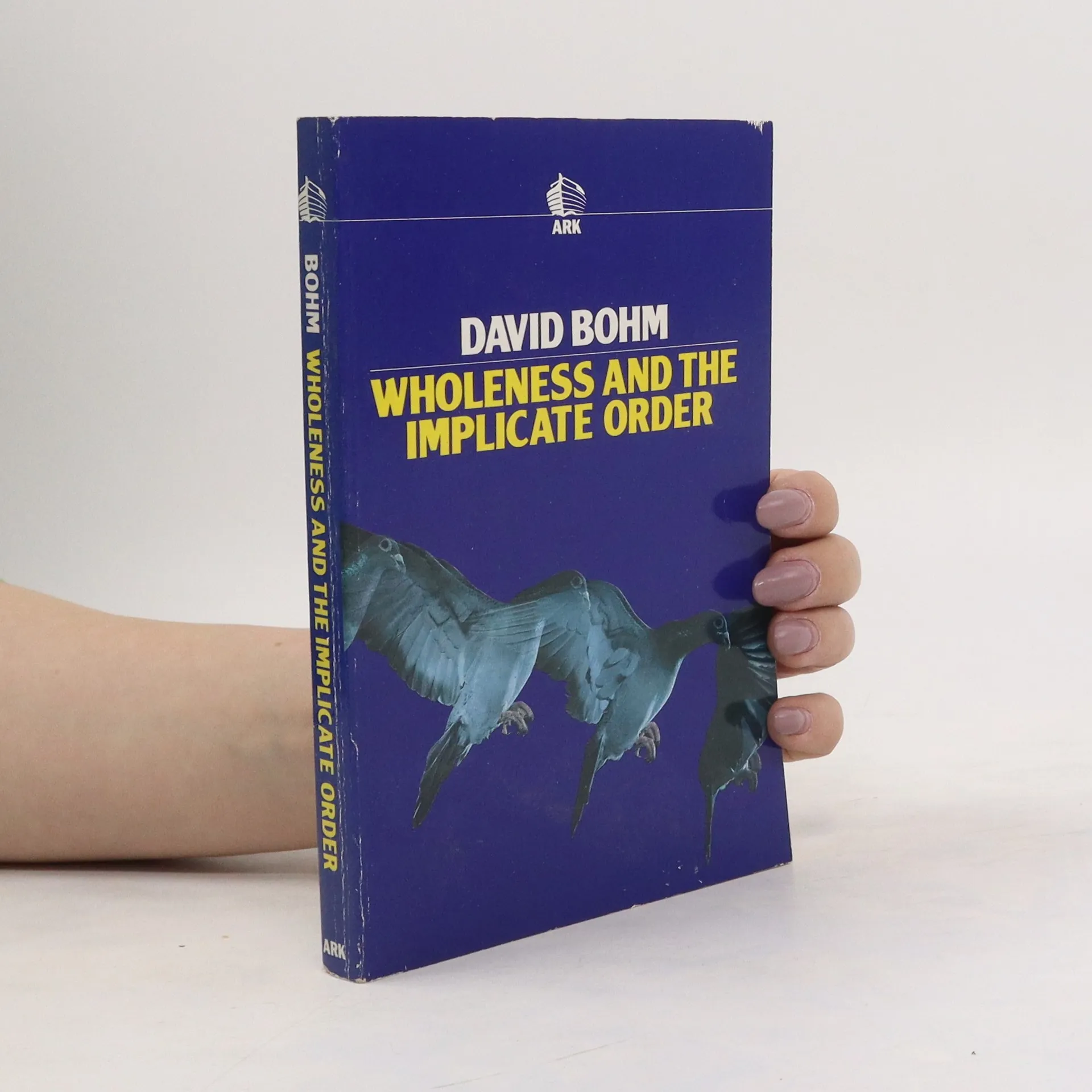
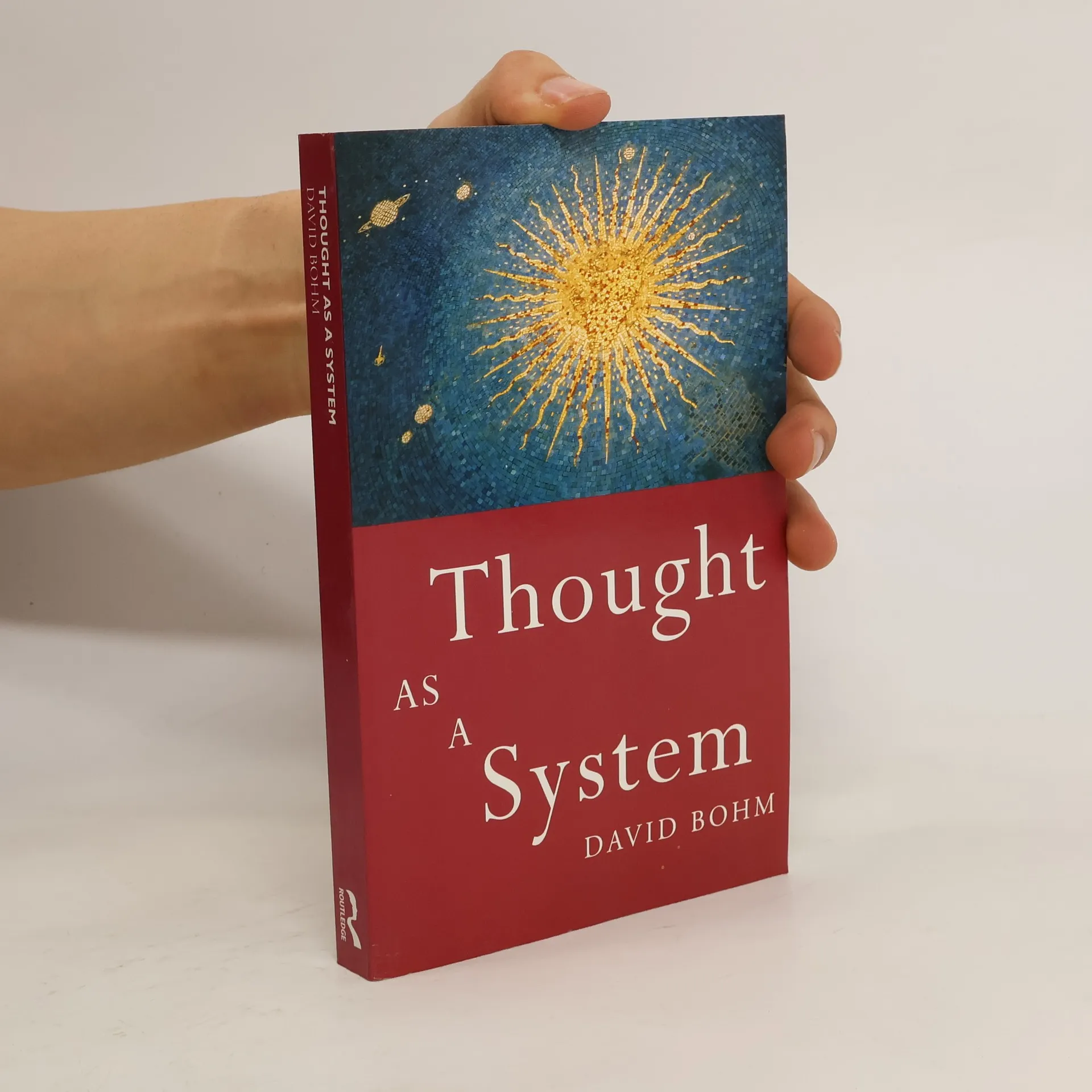
David Bohm was one of the foremost scientific thinkers and philosophers of our time. Although deeply influenced by Einstein, he was also, more unusually for a scientist, inspired by mysticism. Indeed, in the 1970s and 1980s he made contact with both J. Krishnamurti and the Dalai Lama whose teachings helped shape his work. In both science and philosophy, Bohm's main concern was with understanding the nature of reality in general and of consciousness in particular. In this classic work he develops a theory of quantum physics which treats the totality of existence as an unbroken whole. Writing clearly and without technical jargon, he makes complex ideas accessible to anyone interested in the nature of reality.
Professor Bohm discusses with a group of people of various backgrounds his most recent thoughts concerning mind, matter, meaning, the implicate order, and a host of other subjects.
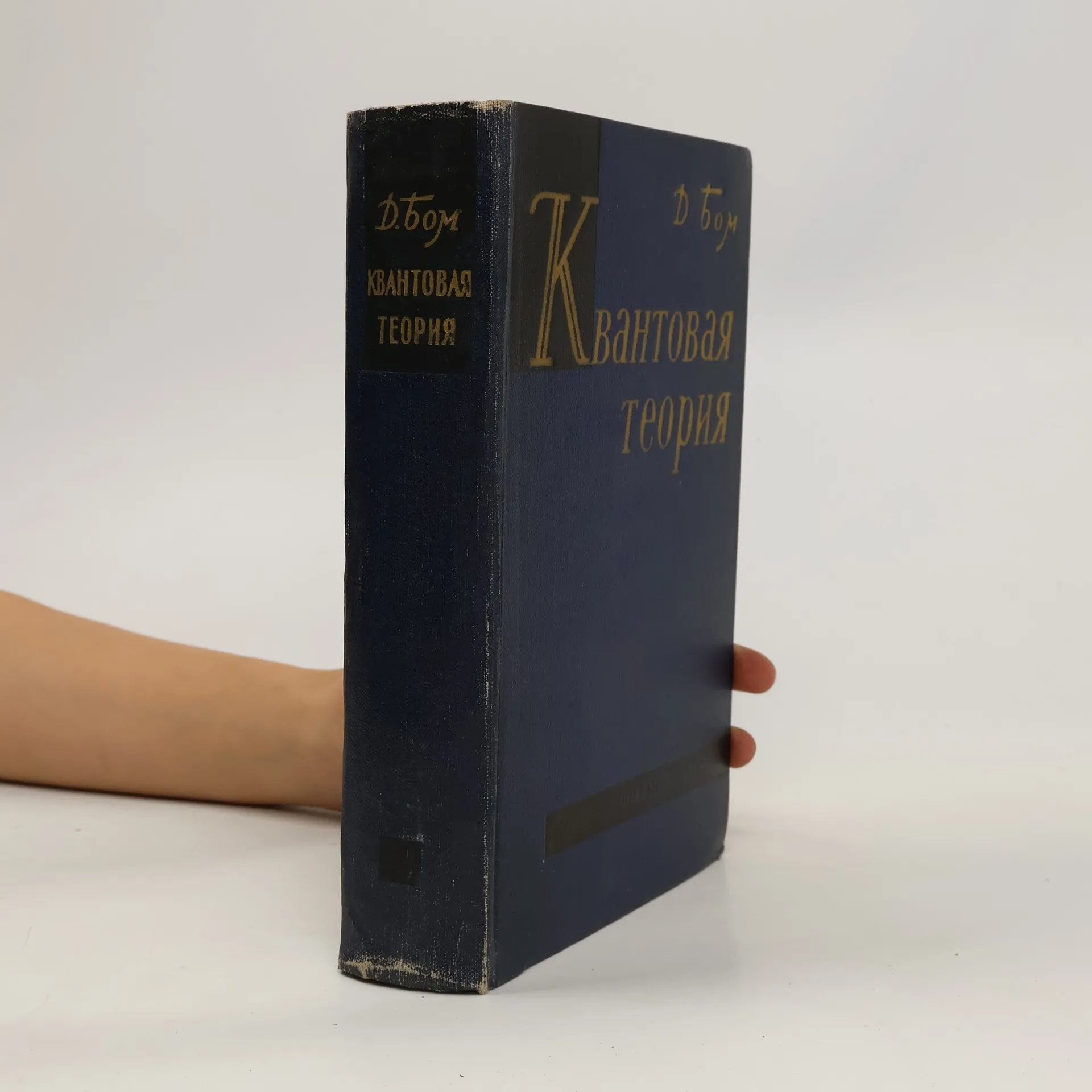
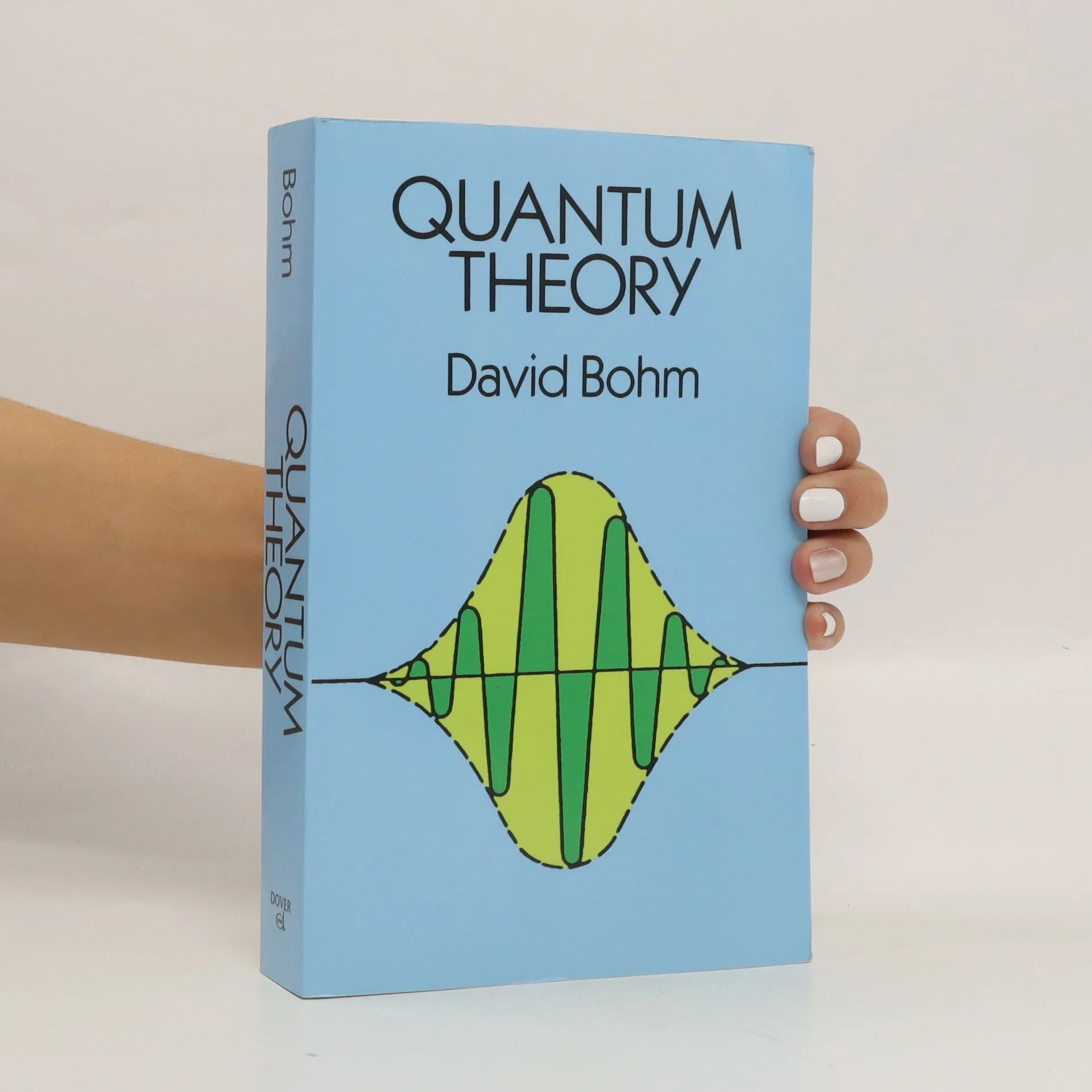
This advanced undergraduate-level text presents the quantum theory in terms of qualitative and imaginative concepts, followed by specific applications worked out in mathematical detail.
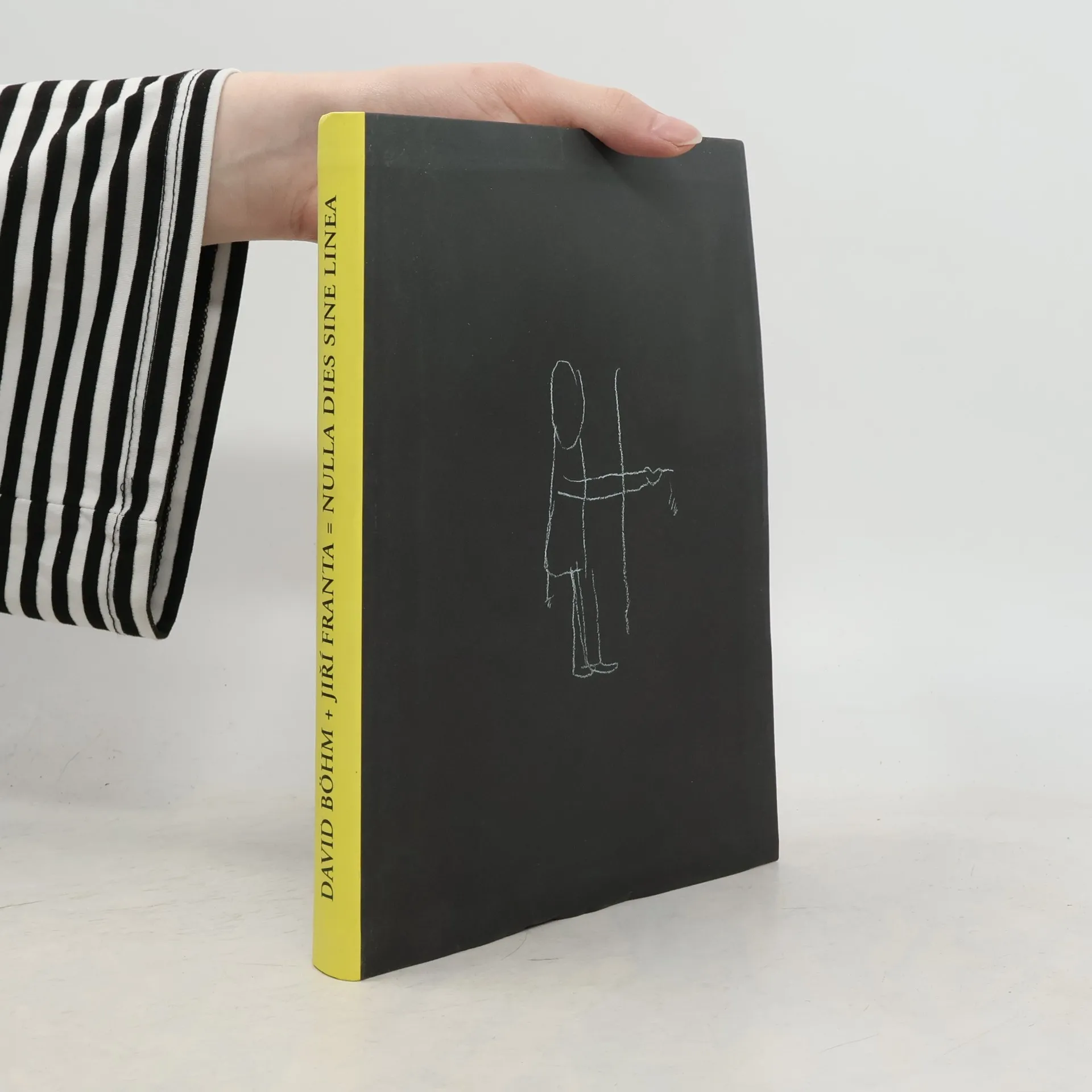
Nulla dies sine linea
- 214pages
- 8 heures de lecture
Stejně jako NULLA DIES SINE LINEA je více kniha než klasický katalog, dá se tvorba uměleckého dua Jiří Franta a David Böhm charakterizovat spíše jako záliba v dobrodružství, než touha po slpnění disciplíny klasického umění. Dobrodružství prožívané při procesu hledání a překonávání záměrně naházených překážek na cestě za kresbou, nebo při nadšeném vyhlížení chyb i omylů a jejich následném zapracování do čerstvě vznikajícího celku. Jejich nová kniha je časosběrným záznamem tohoto dobrodružství ve světě současného českého umění, není pomníkem dvojice, která srůstá v jednu mysl ve prospěch jejich práce, ale míčem, vší silou vykopnutým do dálky, směrem k horizontu. Autorem precizní grafické podoby, která zásadně ovlivňila podobu knihy, je Marek Meduna.
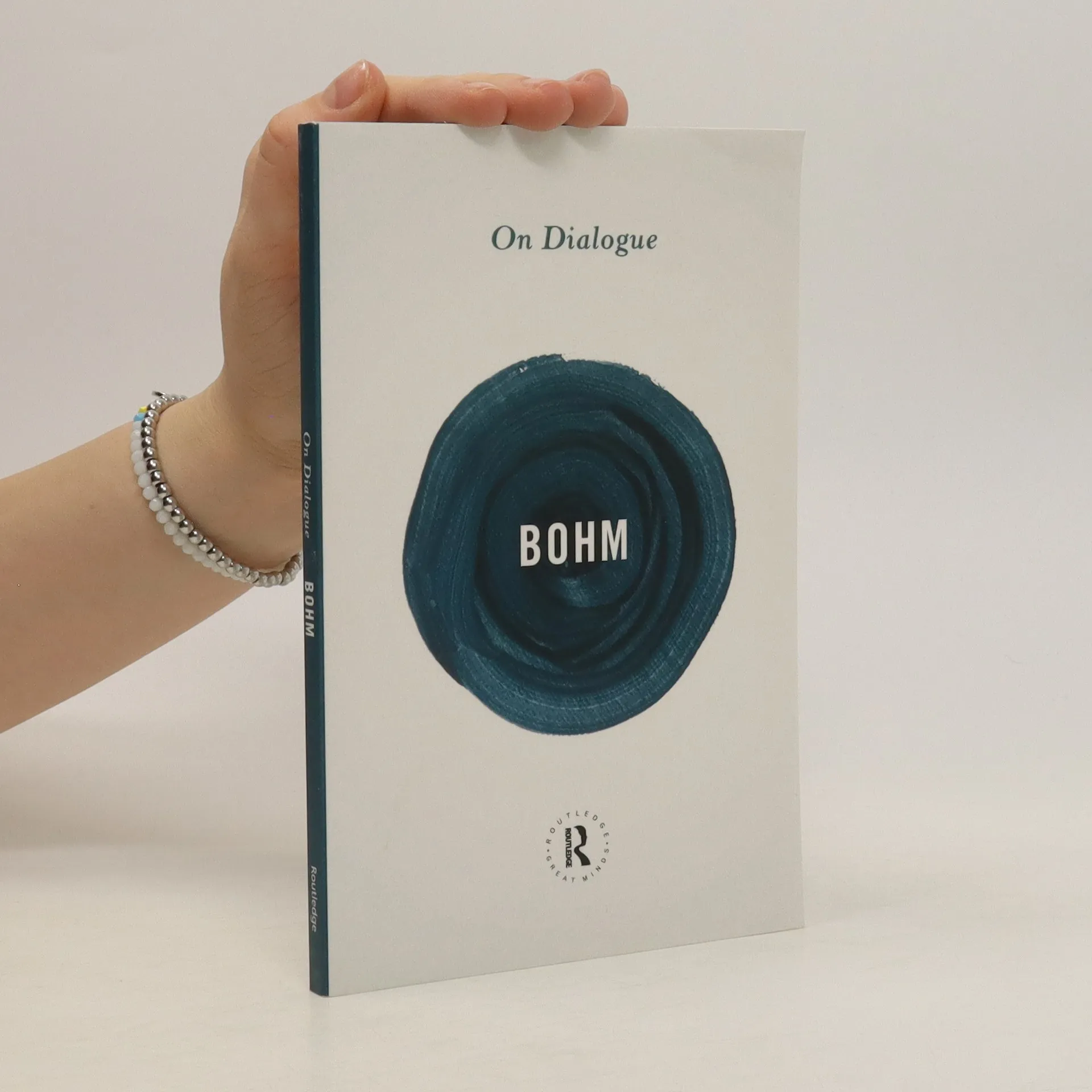
On Dialogue
- 136pages
- 5 heures de lecture
On communication -- On dialogue -- The nature of collective thought -- The problem and the paradox -- The observer and the observed -- Suspension, the body, and proprioception -- Participatory thought and the unlimited.
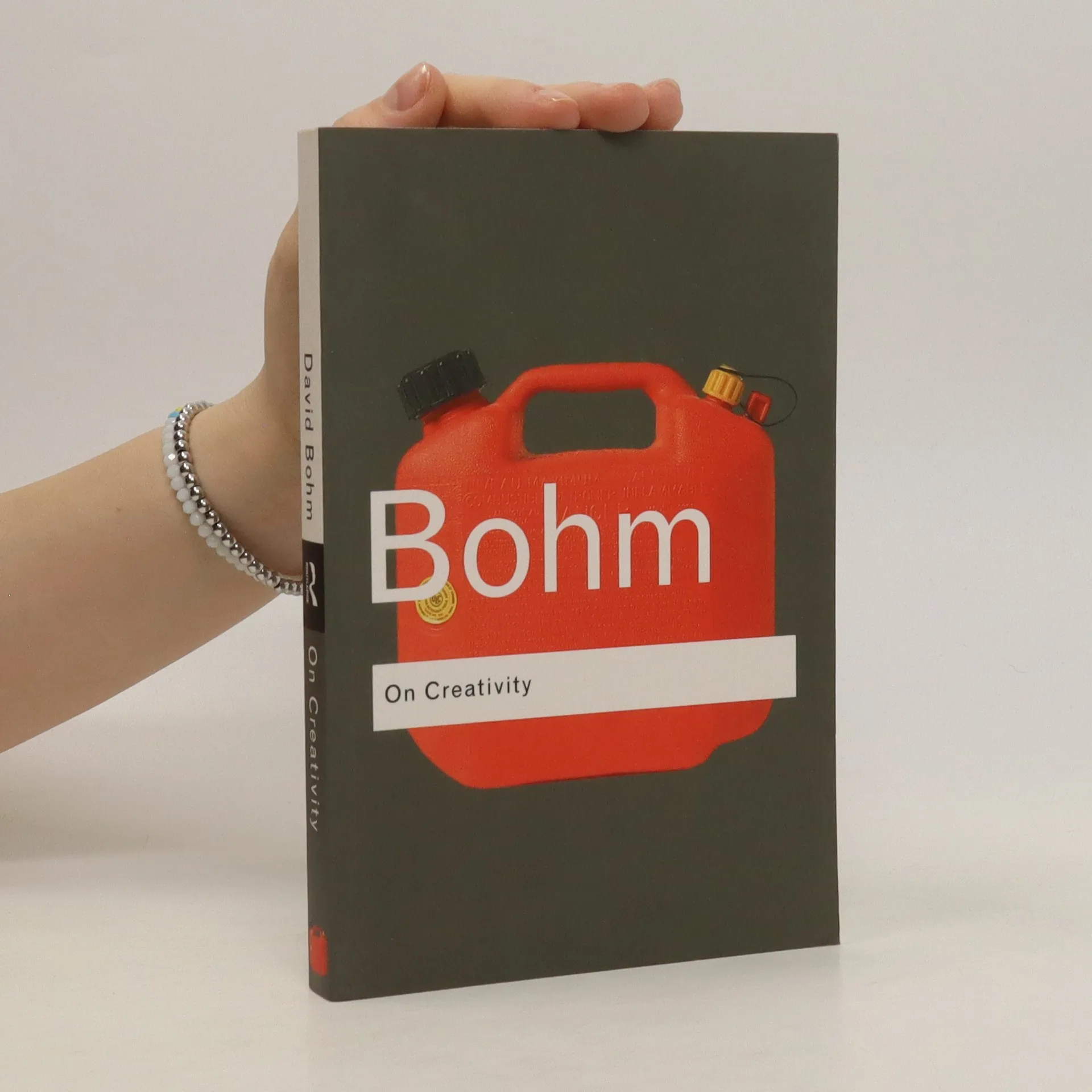
Creativity is fundamental to human experience. In On Creativity David Bohm, the world-renowned scientist, investigates the phenomenon from all sides. This is a remarkable and life-affirming book by one of the most far-sighted thinkers of modern
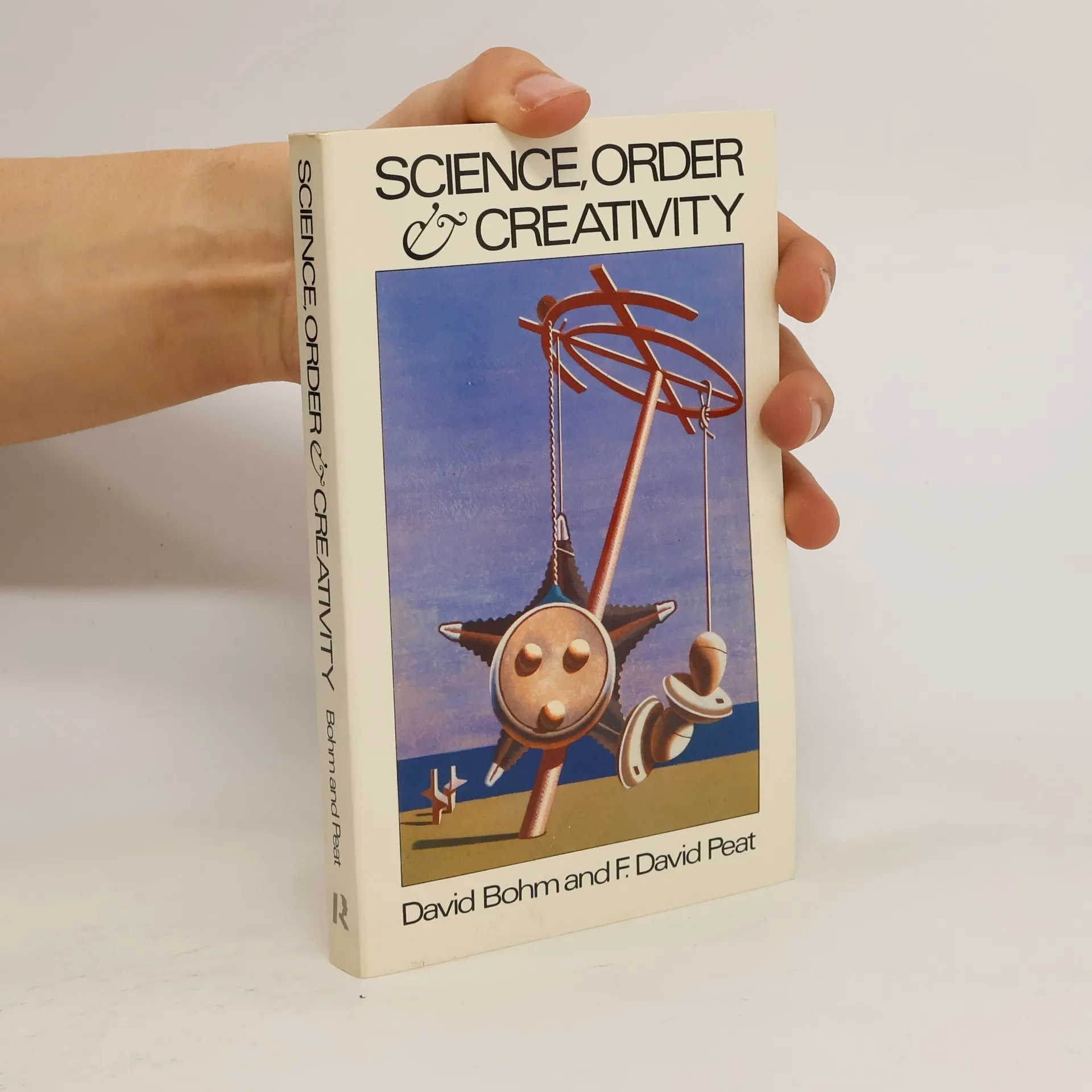
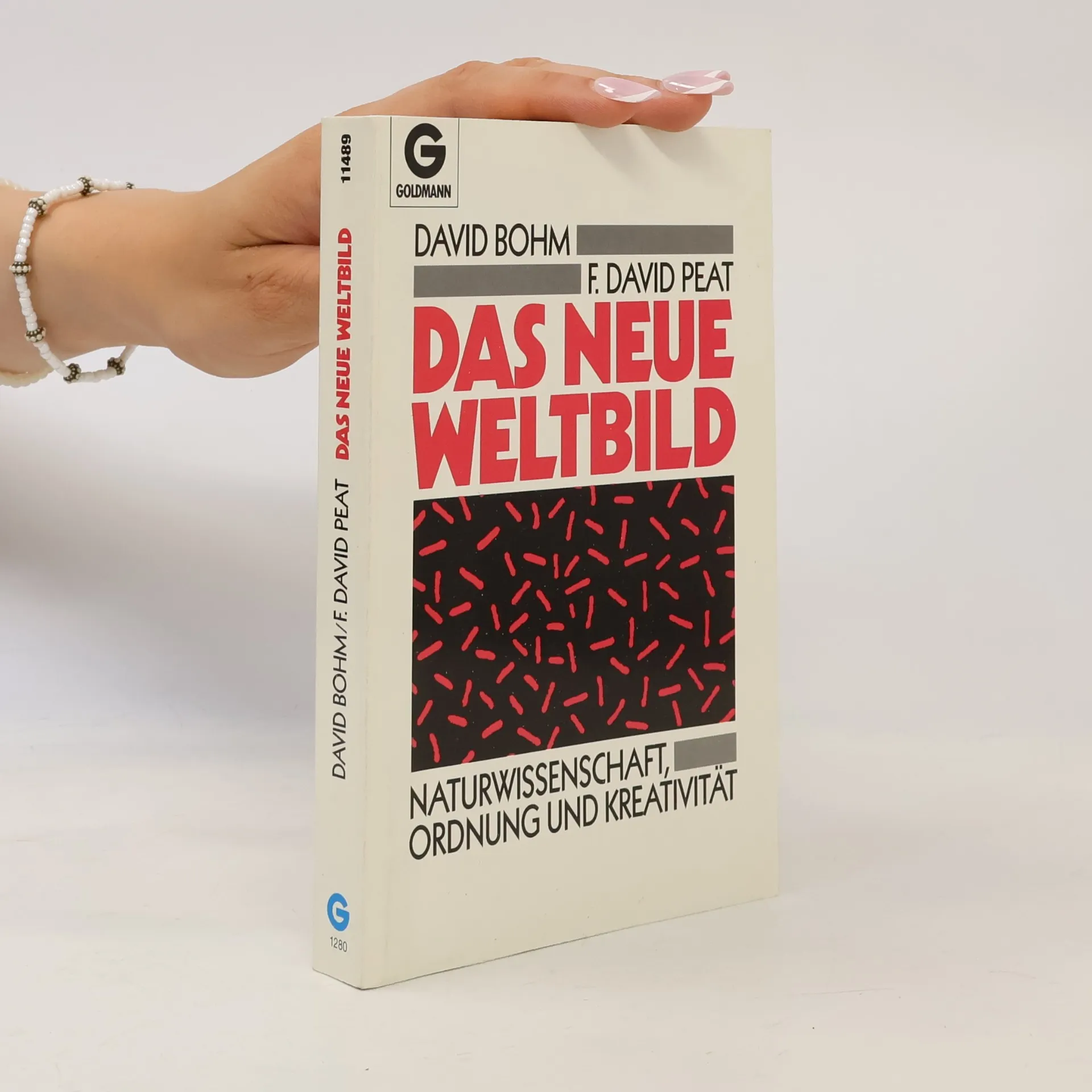
In Science, Order and Creativity, David Bohm and F. David Peat argue that science has lost its way in recent years and needs to go beyond a narrow and fragmented view of nature and embrace a wider holistic view that restores the importance of creativity and communication for all humanity - not just scientists. The result of a close collaboration by one of the 20th century's greatest physicists and thinkers, David Bohm, with leading science writer F. David Peat, provides a rare combination of profound reflection and clear exposition that can be appreciated by anyone concerned with science and its importance in our lives. This new edition includes a new preface and an extended additional chapter by Peat which draws upon further discussions with David Bohm before the latter's death in 1992. A fascinating diagnosis and considered proposal for a cure for science's ills, it is also very accessible entry point to the work of David Bohm. Bohm and Peat contend that science has lost its bearings in the last century in favour of a narrow, abstracted, fragmented approach to nature and reality. Tracing the history of science, Bohm and Peat offer intriguing new insights into how scientific theories come into being, how to eliminate blocks of creativity and how science can lead to a deeper understanding of society, the human condition and the human mind itself.
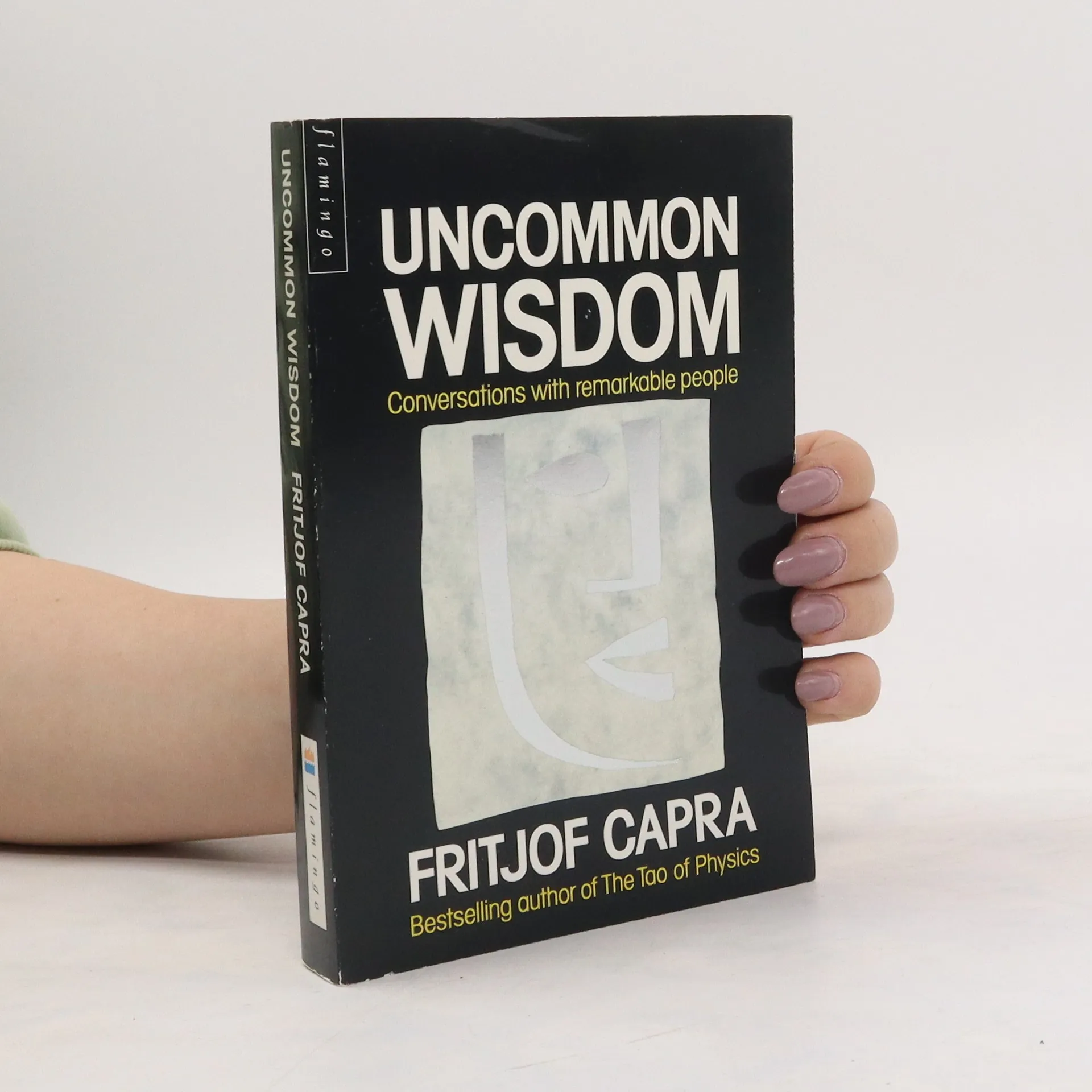
SABIDURIA CONVERSACIONES CON PERSONAJES EXCEPCIONALES
The Silence of the Hippo
- 64pages
- 3 heures de lecture
Fairy tales as reimagined by children from Central African Republic.
ADHD
- 151pages
- 6 heures de lecture
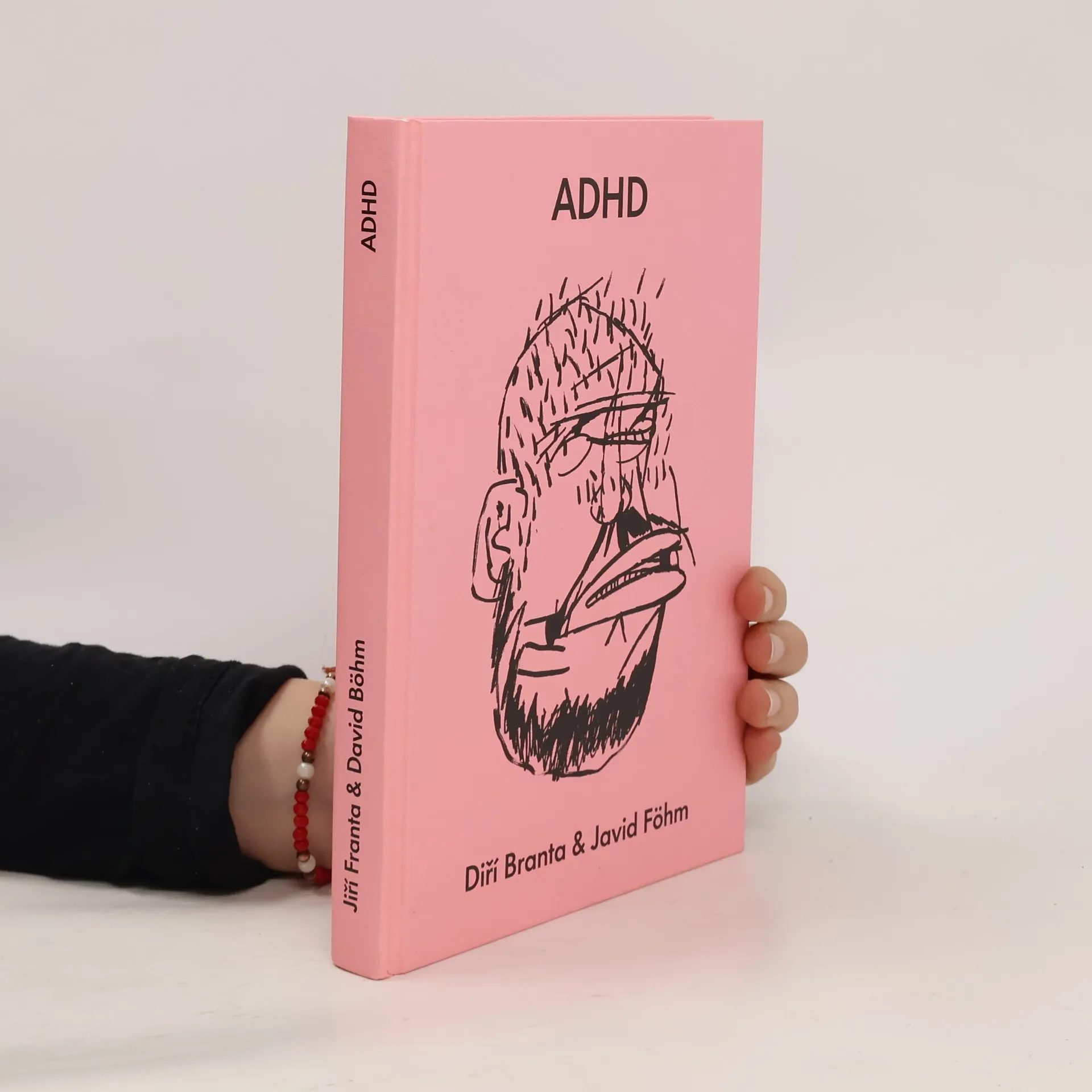
Knížka ADHD je druhá autorská knížka umělecké dvojice David Böhm, Jiří Franta.Nejedná se o nějakou souvislou informaci o jejich tvorbě, nebo chronologický katalog, jde spíš o pokus, jak popsat strategie soustředění, inspirace a způsoby jejich uměleckého uvažování.Celou knížku otvírá původní text zásadního českého hudebního kritika Karla Veselého o ADHD, kterou lze chápat kromě diagnózy neurovývojové poruchy i jako strategii k přežití. Druhým textem je rozhovor s Böhmem a Frantou, který se nikdy nestal, od umělce a kurátora Pavla Ševce.Graficky upravil Jozef Ondrík a vydal Mikuláš Nevan v galerii Nevan Contepo.
A ako Antarktída
- 80pages
- 3 heures de lecture
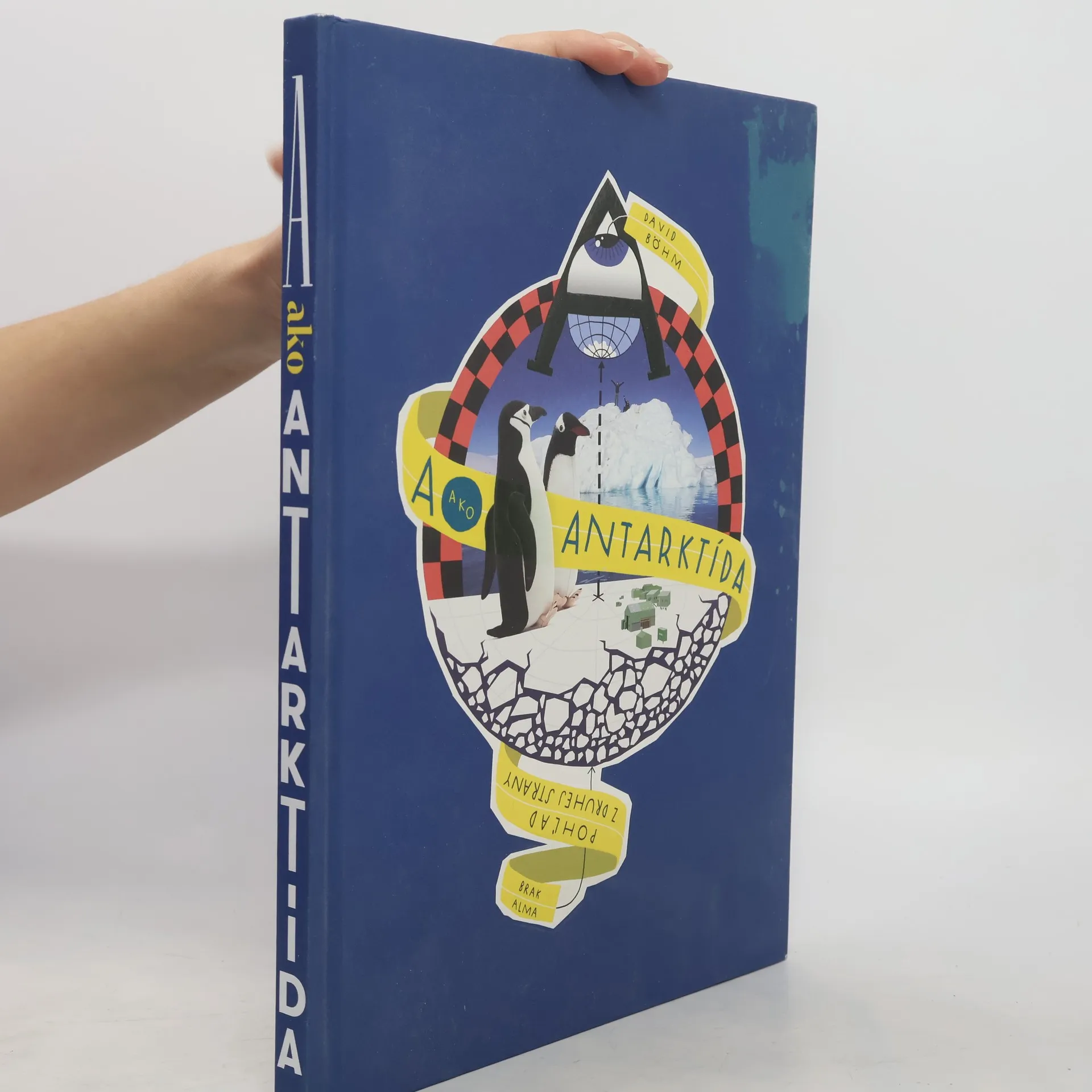
Na svete už nie je veľa miest, kam by ešte nevkročila ľudská noha. Akoby už nebolo čo objavovať. A práve to je tá najnáročnejšia úloha objavovať svet odznova a spôsobom, akým sme ho ešte nevideli. Naučiť sa užívať si jeho bohatstvo a pestrosť tak, aby sme po sebe nezanechali ekologickú katastrofu. Aby svet ostal fascinujúcim miestom aj o tisíc rokov pre tých, ktorí prídu po nás. Fenomén južného svetadielu autor David Böhm skúma z rôznych uhlov pohľadu a vždy sa snaží vypichnúť to najdôležitejšie. Nastoľuje otázky, ktoré majú presah aj do bežného nepolárneho života. Vďaka tomu, že Böhm podnikol výpravnú cestu na Antarktídu, mal možnosť zažiť nepoznané na vlastnej koži a následne to hravou formou preniesť do knihy. Tá v roku 2020 vyhrala prestížne literárne ocenenie Magnesia litera.
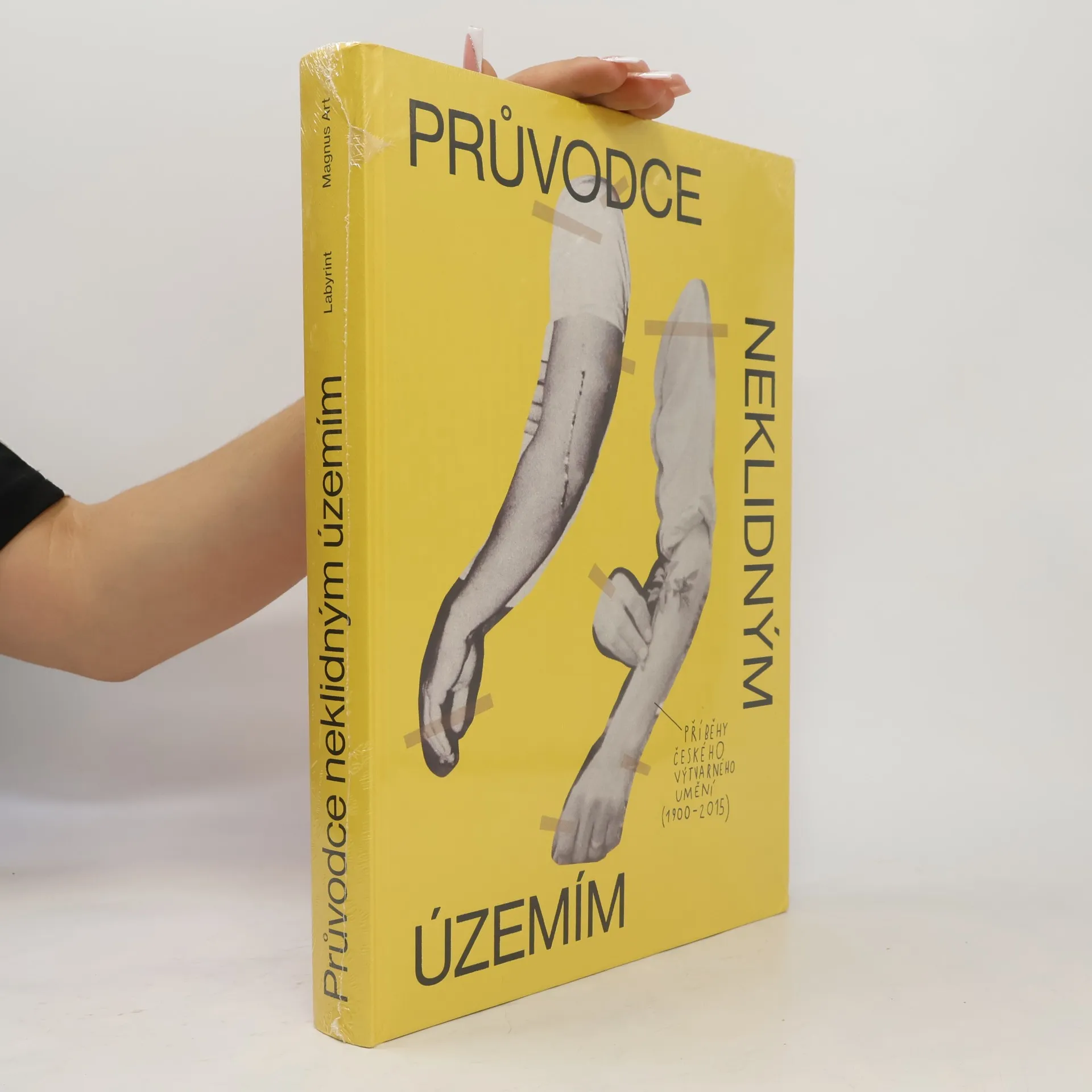
Průvodce neklidným územím. Příběhy českého výtvarného umění (1900-2015)
- 250pages
- 9 heures de lecture
Jaké tajemství skrývá slavný Chudý kraj Maxe Švabinského? Který umělec přijde ve válce o ruku, a přesto se stane světoznámým fotografem? Kdo jsou dva proslulí architekti, kteří u nás během jednoho roku postaví dvě výjimečné stavby? Který malíř maluje svůj nejslavnější obraz rovných padesát let? Kdo z našich výtvarníků inspiruje japonského režiséra k natočení Godzilly? Který český grafik změní způsob telefonování v Americe? A jak to, že znají obyvatelé Londýna tak dobře život v moravských Bedřichovicích? Odpovědi na tyto a další otázky naleznete v této výpravné publikaci, která jedinečně kombinuje text, ilustraci a komiks. Její autoři – Ondřej Horák a duo výtvarníků Jiří Franta & David Böhm – vás provedou neklidným územím českého výtvarného umění od roku 1900 až do současnosti. Po oceňovaném titulu „Proč obrazy nepotřebují názvy“ přichází nakladatelství Labyrint s další výjimečnou knihou, která srozumitelným a zábavným způsobem přibližuje komplikovaný svět moderního umění
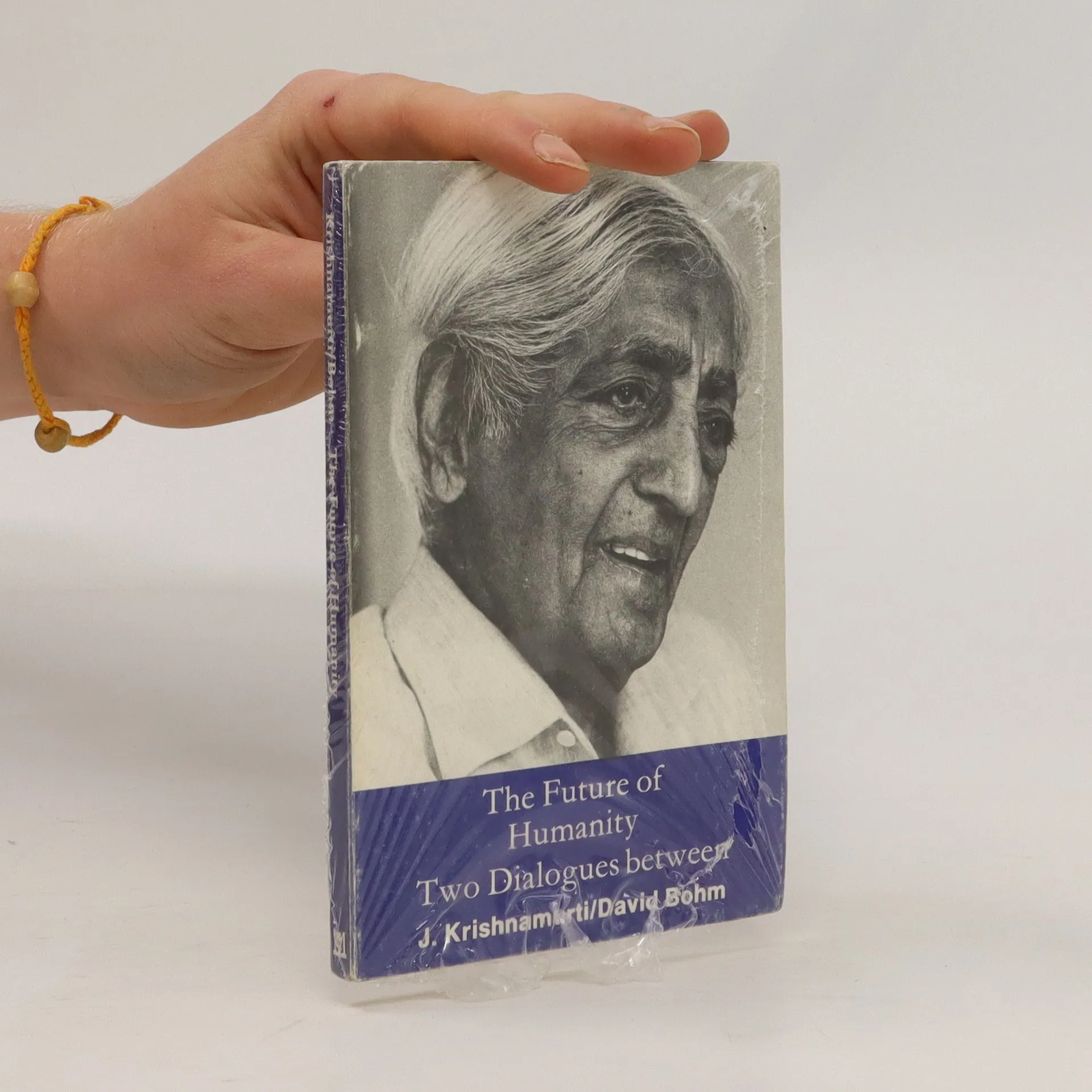
O budoucnosti lidstva
- 100pages
- 4 heures de lecture
Východiskem pro tyto rozhovory byla otázka: "Jaká je budoucnost lidstva?", říká ve své předmluvě dr. David Bohm. A pak pokračuje: "Tato otázka je nyní životně důležitá pro každého, poněvadž je naprosto zřejmé, že moderní věda a technika daly nesmírné možnosti destrukci." Tato životní moudrostí nabitá kniha vznikla na základě rozhovorů slavného fyzika Davida Bohma s indickým filosofem Džiddu Krišnamurtim, jehož dílo je někdy přirovnáváno k legendárnímu transcendentalistovi Henrymu Davidu Thoreauovi.
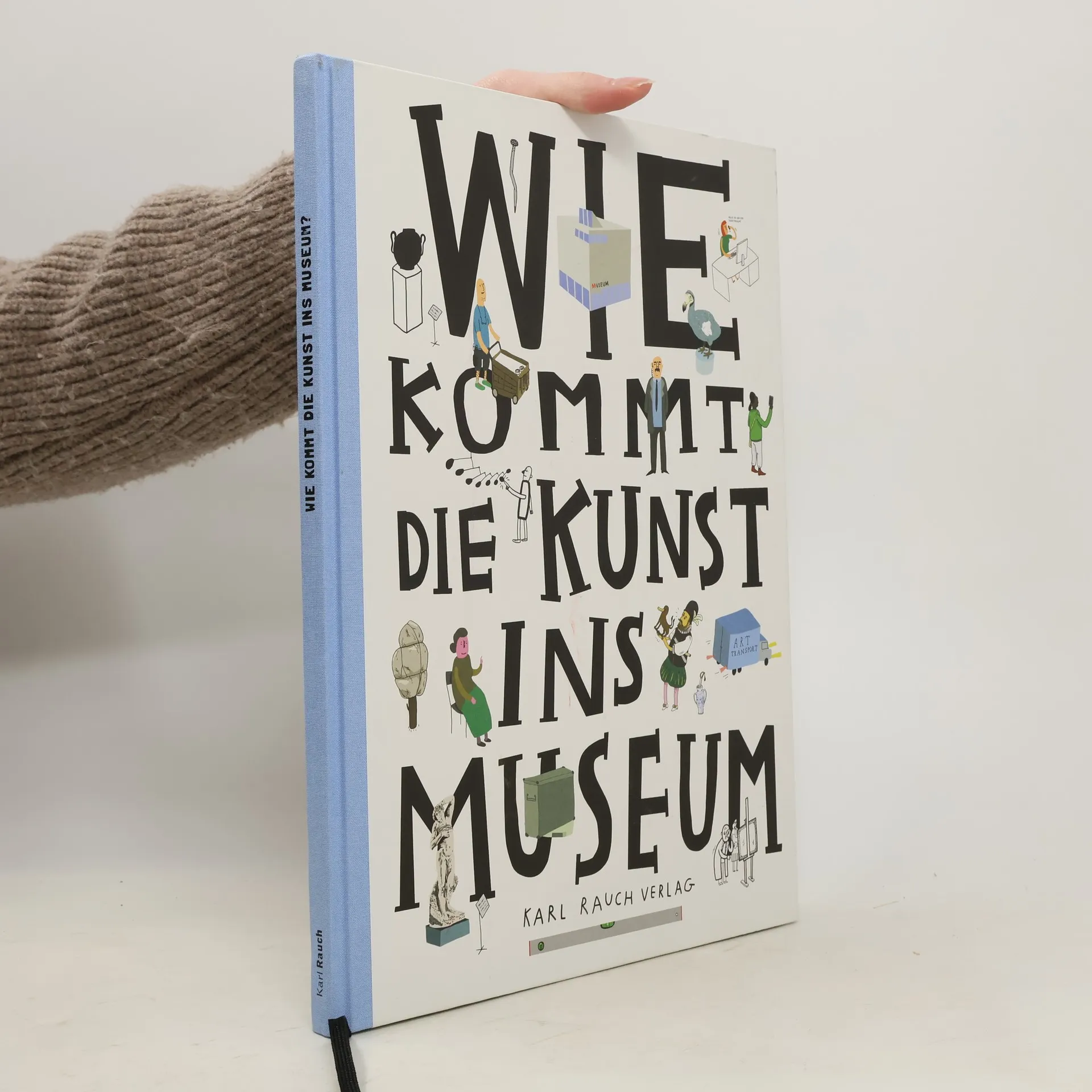
Ein Wimmelsachbuch mit vielen Seiten zum Aufklappen. Seit wann gibt es Museen? Wie wird dort gearbeitet? Wie entsteht Kunst? Ein Kunstmuseum ist ein Ort, an dem Kunstwerke ausgestellt werden. Aber seit wann gibt es eigentlich Museen und wie haben sie sich im Lauf der Zeit verändert? Wie werden die Werke präsentiert, wie kümmern sich Museen und Galerien um sie und wie organisiert man eine Ausstellung? Die Autoren - Kunsthistoriker und Kuratoren - laden uns zu einem Blick hinter die Kulissen ein, in die Welt der Museen und Galerien, wo unerwartete Begegnungen lauern und spannende Geschichten zu entdecken sind. Ausgezeichnet mit dem BOLOGNARAGAZZI AWARD - SPECIAL MENTIONS Auf der Longlist für das WISSENSCHAFTSBUCH DES JAHRES
Nic není problém
- 280pages
- 10 heures de lecture
Publikace vydaná při příležitosti stejnojmenné výstavy Nic není problém 17.6. - 1.10.2023 v zóně 8SMIČKA v Humpolci. Tři negativní slova NIC NENÍ PROBLÉM, kterými se lidé paradoxně snaží navodit atmosféru bezstarostnosti. Tři autoři tvořící společně jednu kresbu. Tři týdny práce v bytech obyvatel Humpolce. Tři místnosti s lightboxy, naplněnými pohledy do cizích interiérů. Tři hlavy. Tři štětce. 16 kreseb.
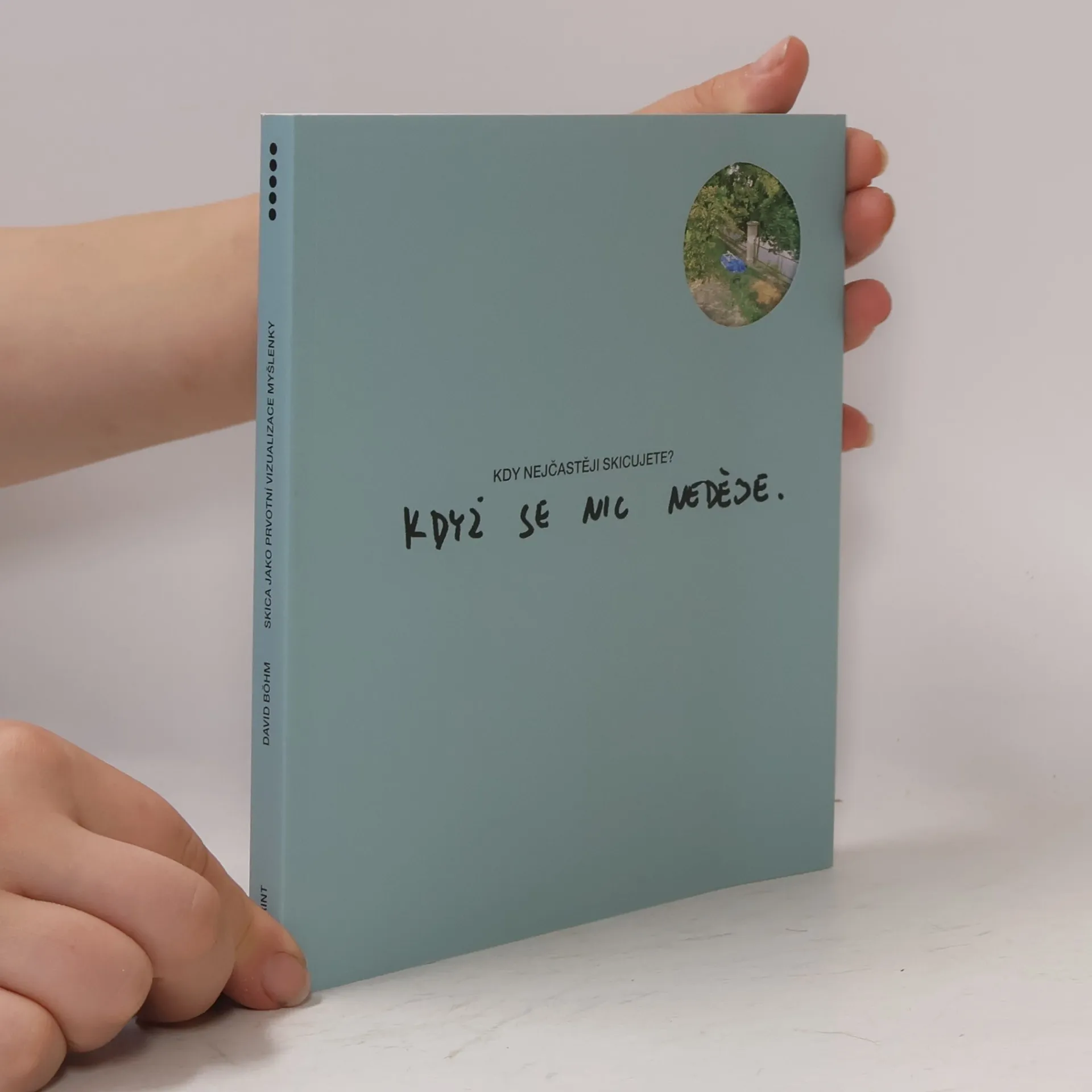
Skica jako prvotní vizualizace myšlenky
- 176pages
- 7 heures de lecture
Co je to skica? Jak vznikne něco, co ještě před chvílí neexistovalo? Jak se rodí dílo, za jakých okolností a jak se nápad formuje? Co předchází skice a jak samotná situace vypadá? Výtvarník David Böhm se snaží ve své nové autorské knize tyto otázky zodpovědět prostřednictvím originálních kresebných experimentů, teoretických úvah a rozhovorů se současnými umělci (Jiří Kovanda, Vladimír Skrepl, Kateřina Šedá, Viktor Pivovarov, Alena Kotzmannová, Pavla Sceranková a Vladimír Kokolia).
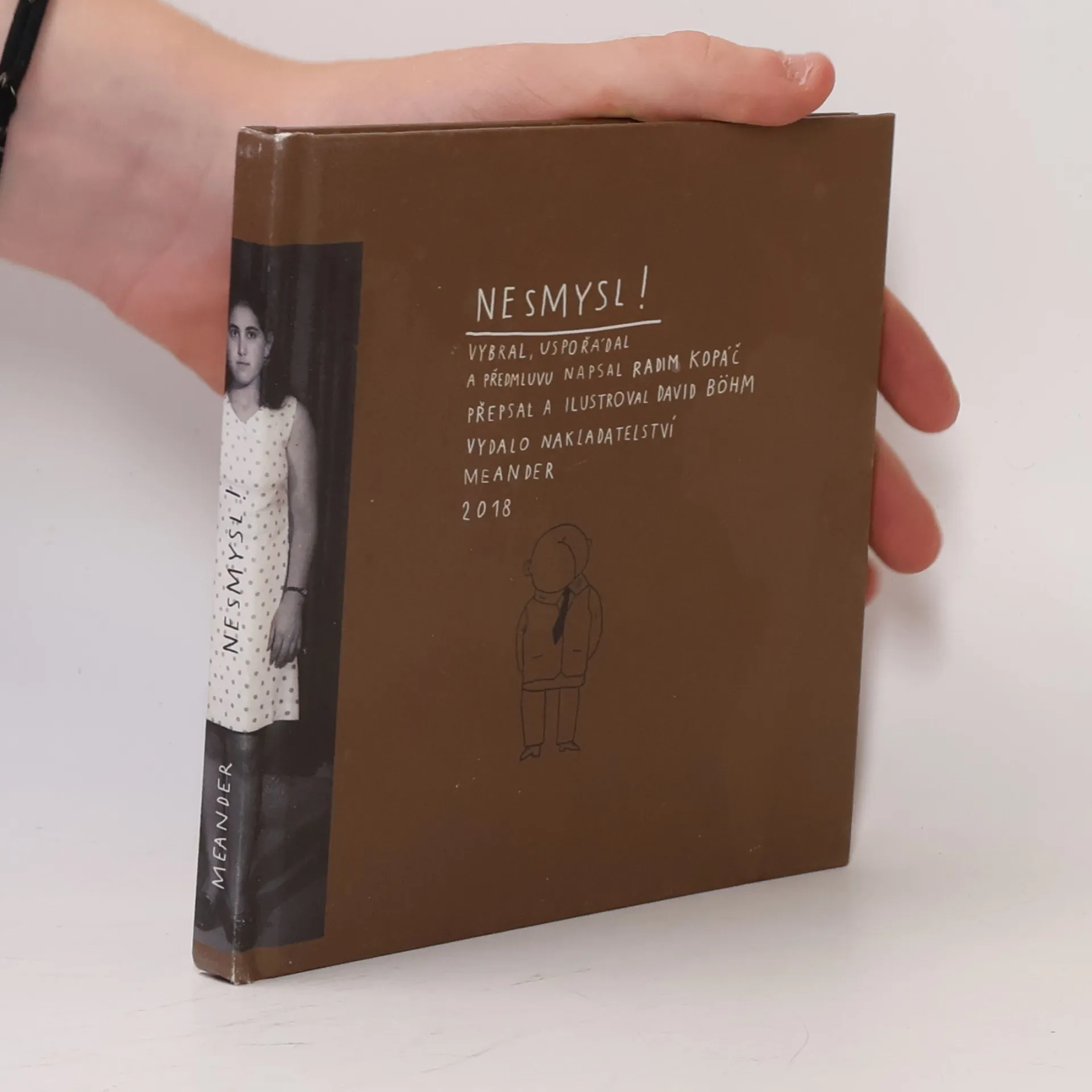
Nesmysl
- 71pages
- 3 heures de lecture
Nesmysl provází člověka odjakživa. V životě, v kultuře, ve společnosti, v politice. V literatuře, zejména v poezii, ať té domácí, nebo překladové, má velmi pěknou a bohatou tradici, kterou není na škodu čas od času připomenout. V novém výboru, s novými ilustracemi. Třeba pro srovnání s výbory staršími, jako Nonsens (1997) nebo Ostrov, kde rostou housle (1987). Některá jména se nabízela sama a nelze je pominout, za jinými bylo třeba jít a hledat. Výsledek je pak zábavným a užitečným čtením pro děti, mládež i rodiče. Nesmysl má totiž své místo v každém věku, kdekoli na světě. A škoda každého nesmyslu, který padne vedle. Protože bez nesmyslu by se smysl špatně poznal. Originální výbor nonsensové poezie od zkušeného editora Radima Kopáče ilustroval známý výtvarník několikrát nominovaný na Chalupeckého cenu, David Böhm. Jen při té spanilé jízdě dávejte dobrý pozor: Nesmysl je dobrý sluha, ale zlý pán!
Co by sis přál
- 80pages
- 3 heures de lecture
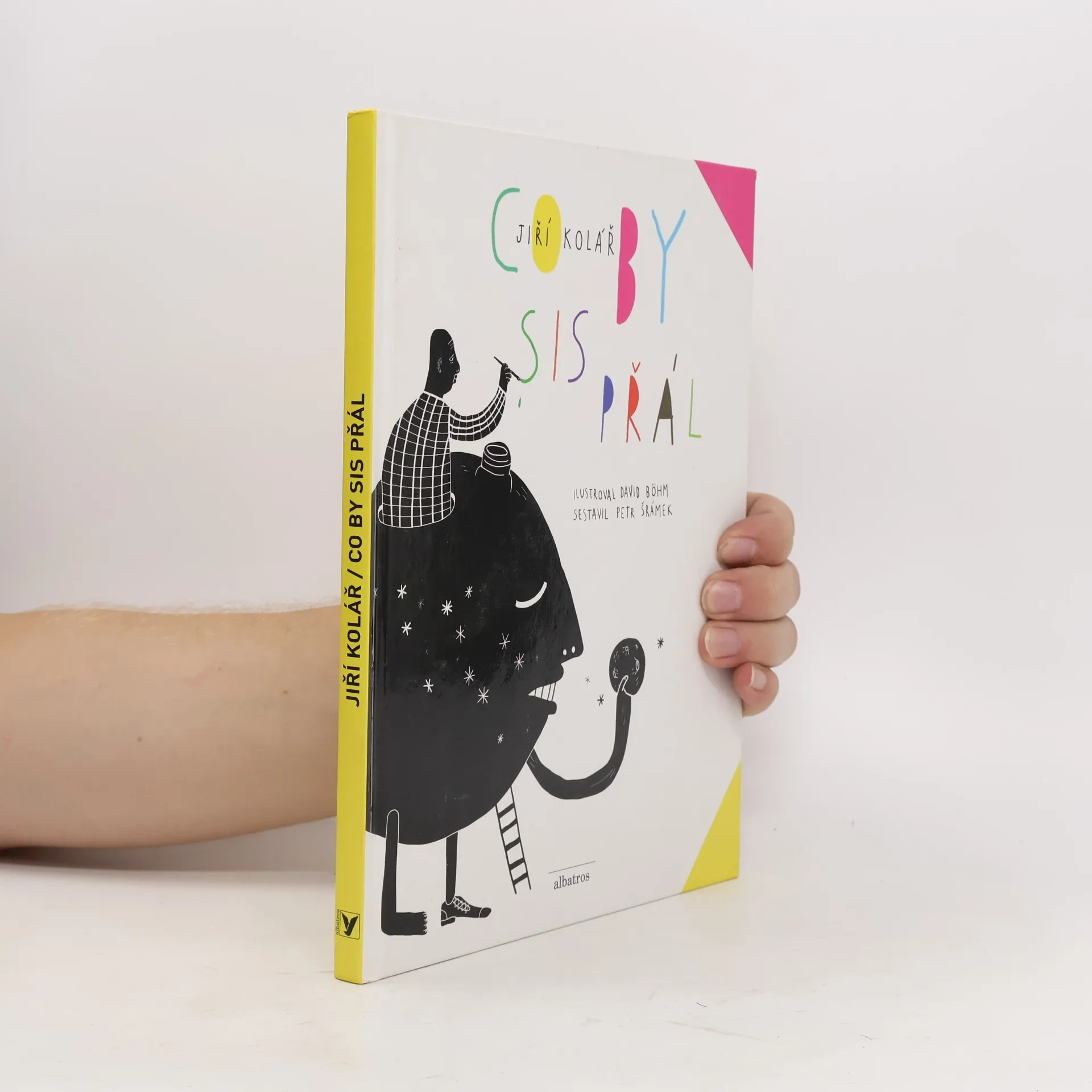
Asi těžko bychom hledali výraznější osobnost válečné generace, než jakou byl Jiří Kolář (1914–2002), básník, prozaik, dramatik a výtvarník, člen Skupiny 42 a jeden z autorů, kteří zásadním způsobem ovlivnili vývoj poválečné české literatury.Jako mnoho jiných autorů, kteří se režimu nezamlouvali, psal Kolář také pro děti, často ve spolupráci s Josefem Hiršalem – takto vznikl například Kocourkov nebo Paleček. V roce 1964 také doprovodil texty výtvarný deník Vladimíra Fuky V sedmém nebi. Spolu s dalšími autory pořídil začátkem šedesátých let výbor z dětské literatury 19. století nazvaný Zlatý věnec. Letos si připomínáme sté výročí narození Jiřího Koláře a při té příležitosti Albatros vydává třetí svazek edice Stoletý kalendář. Výbor Co by sis přál sestavil Petr Šrámek a kromě dětských knih Jiřího Koláře si vzal k ruce i sbírku z konce šedesátých let Návod k upotřebení nebo básnický deník z posledních let života Záznamy.
Kecy v kleci. Současná folklorní poezie dětí
- 304pages
- 11 heures de lecture
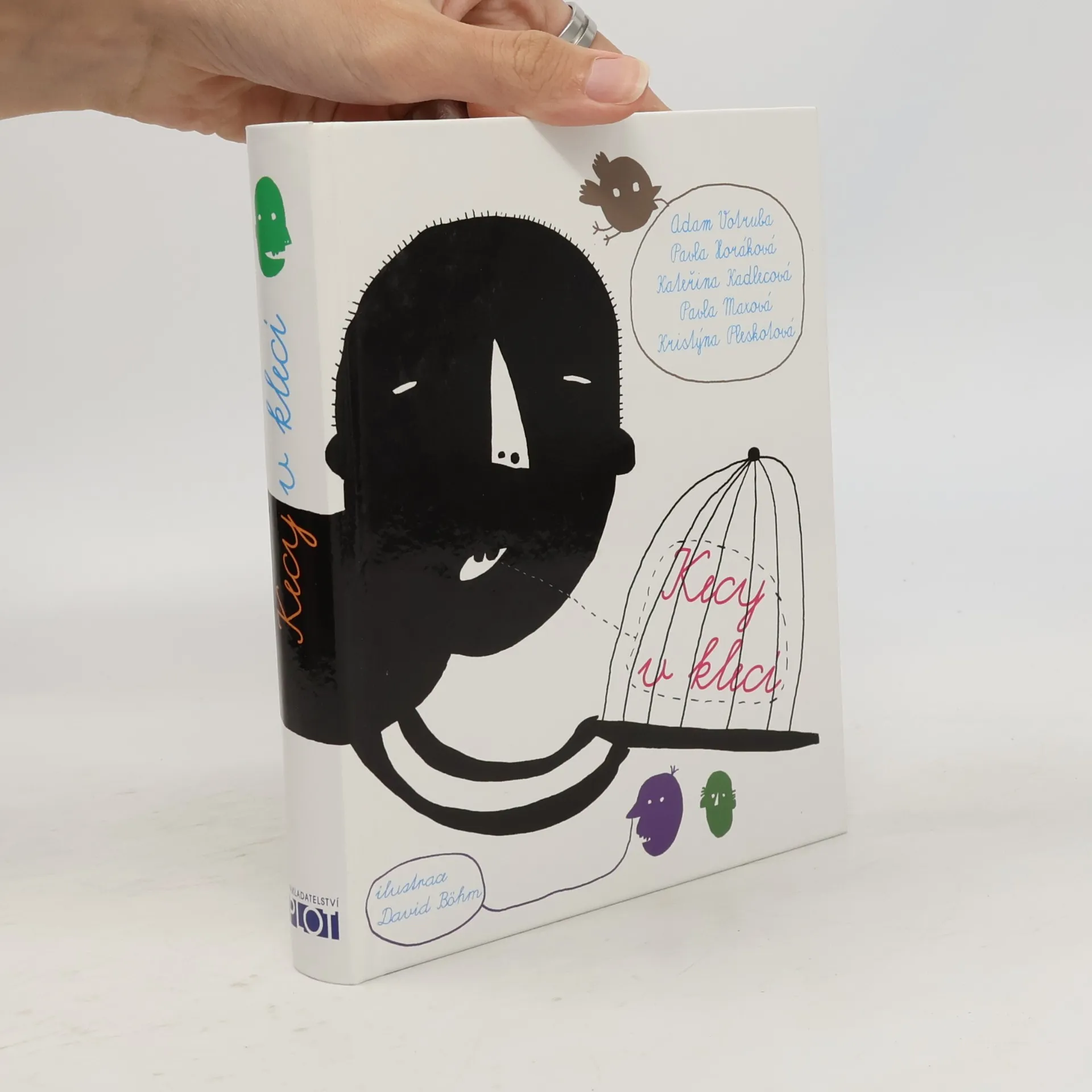
Volné pokračování sbírky dětského folkloru Namažeme školu špekem přináší čtenářům více než 200 básniček, písniček, průpovídek a posměšků, kterými se baví a škádlí české děti – tedy hlavně tehdy, když u toho nejsou dospělí. Některým se zasmějete, nad jinými zčervenáte, ale než karatelsky zvednete prst, rozpomeňte se na svá dětská léta, neboť lidová slovesnost, kterou ve školách a na hřištích žila generace dnešních rodičů, nebyla o nic slušnější, laskavější ani politicky korektnější než ta dnešní. A pokud vás nepřesvědčí ani tohle, tak vězte, že… kdo nejvíc křičí, z toho to fičí!
Tata, ktorý každý problém vyrieši, mama – hrdá dáma, babička – naša trápenie, sestra – veľmi pestrá, brat – slávny Mácha, to je rodina šesťáka Honzu. Navyše kamaráti, krásna Sandra… a Honza má hneď o čom rozprávať. A že to bude zábava, niet pochýb. Honza je totiž vtipný a obvykle má dobrú trefu! Zaujímavé čítanie nielen o chlapčenských vylomeninách a hrách, ale aj o vzťahoch a životných hodnotách.
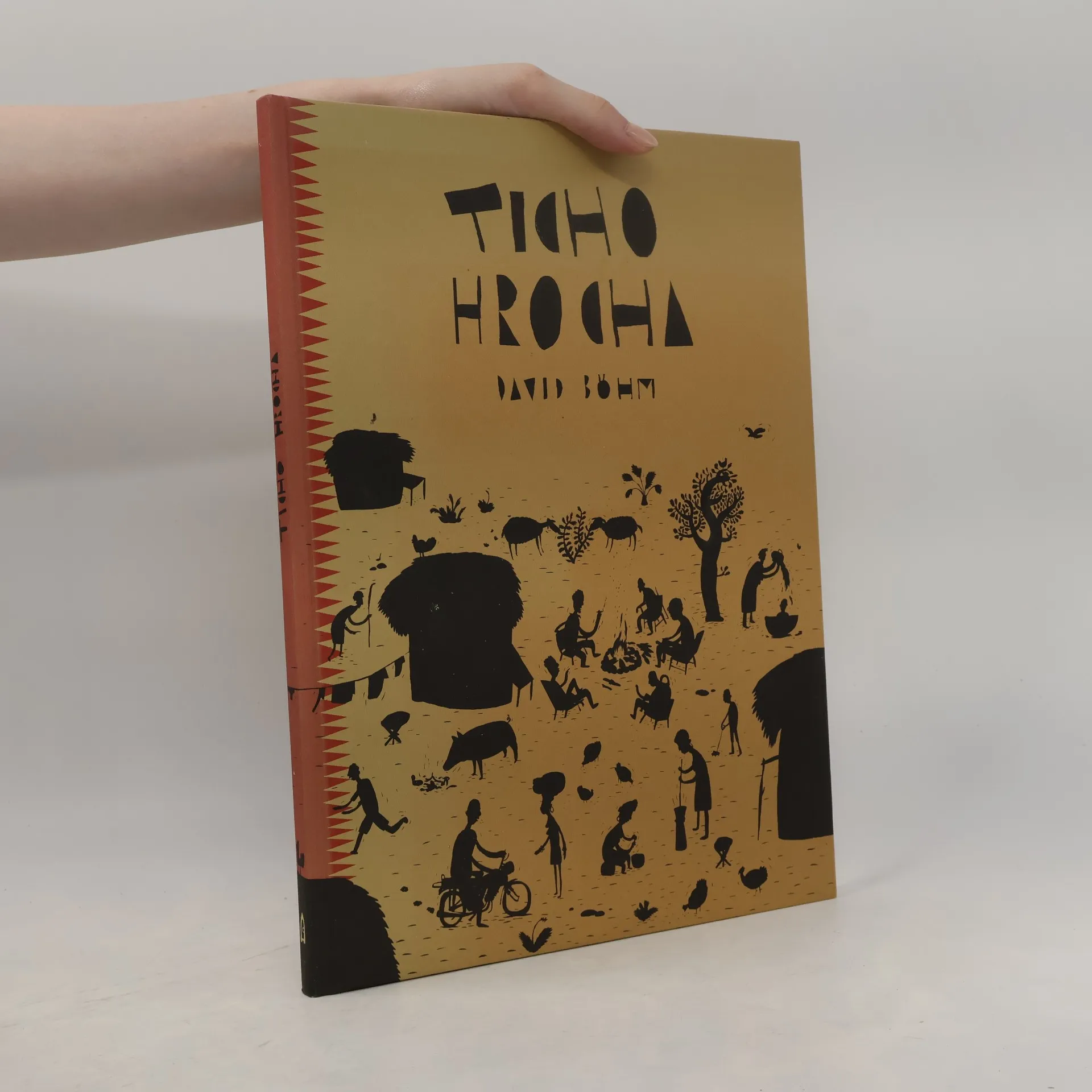
Unikátní africký komiks pro děti i dospělé od finalisty letošní Chalupeckého ceny. Poetické, trochu absurdní, místy až černé - takové jsou krátké pohádkové příběhy této knihy. Většina z nich vychází z tradičního afrického folkloru, i když v podání dětských vypravěčů dost osobitě upraveného. Do Čech ke kreslíři Davidu Böhmovi texty doputovaly v zavazadle jeho sestry Terezie jako štos slohových prací z malé středoafrické školy. Obrazotvornost černého kontinentu nemilosrdně bourá naši evropskou představu o tom, jak má vypadat pohádka. Pro děti lehce šokující, pro dospělé jednoznačně osvěžující komiks.
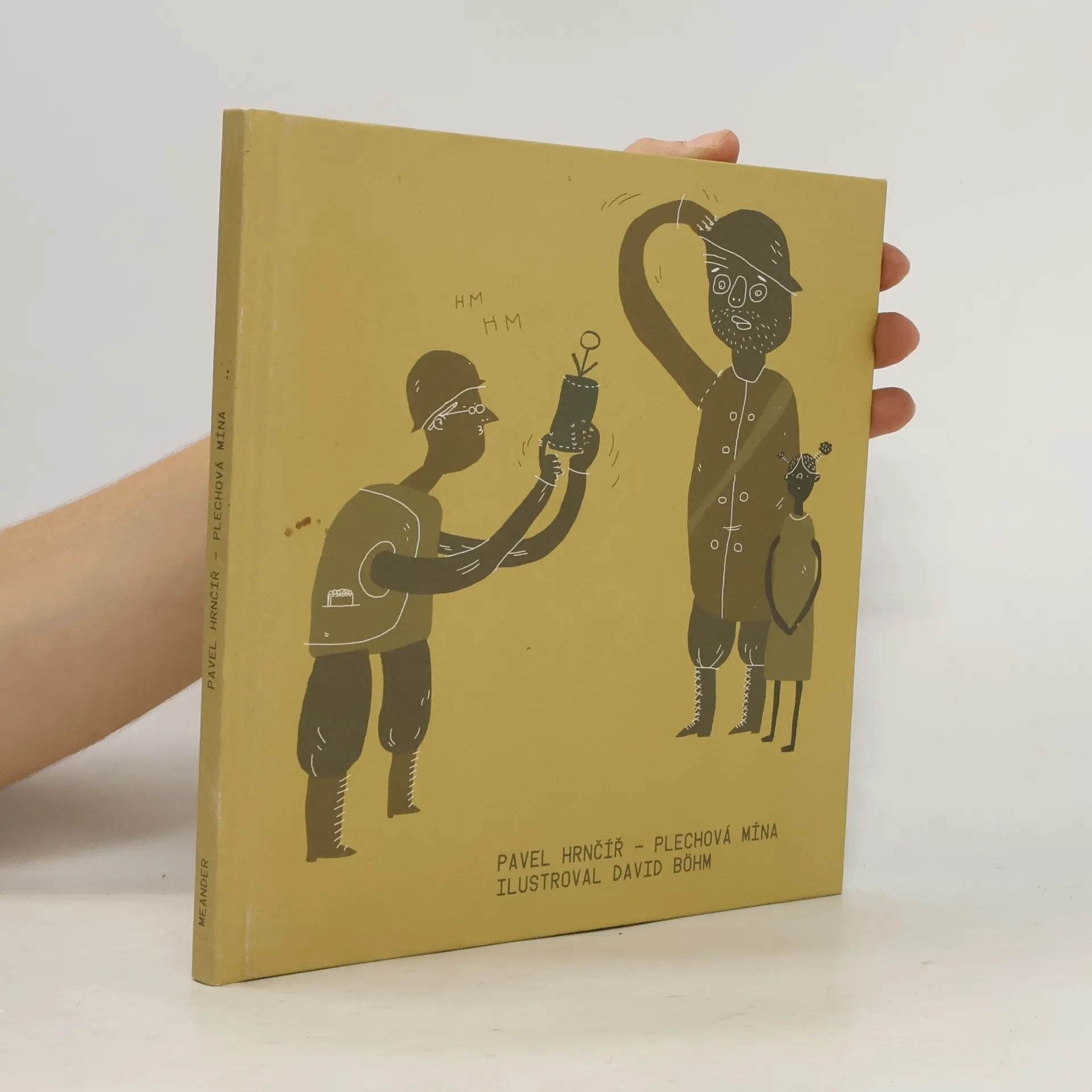
Možná jste to už zažili: chcete někam letět a na letišti musíte projít kovovým rámem. Pod ním to zapípá. Muž v uniformě vám z batůžku vytáhne s nevraživým pohledem hračku a zabaví ji - jen proto, že vypadá jako pistolka. Zbraně nejsou hračky a hračky nejsou zbraně, říkají potom rodiče a mají pravdu. Ale když kluci si tak rádi hrají na vojáky. Jsou však na světě země, kde se z dětí stanou vojáci, i když o to vůbec nestojí. Maličká Drů z téhle knížky si na vojáky hrát nechtěla - Plechovou Mínu však dostala od vojáka, a ti většinou v batůžku hračky nenosí. To se pak náš vojáček musel pěkně snažit, aby to v zeleninovém státečku dobře dopadlo. Moderní pohádku o tom, co všechno se dětem může dít v jiných koutech světa (zde v Africe) napsal Pavel Hrnčíř a velmi vtipně, místy komiksově, ilustroval letošní David Bohm, mladý výtvarník letos potřetí nominovaný na Chalupeckého cenu.
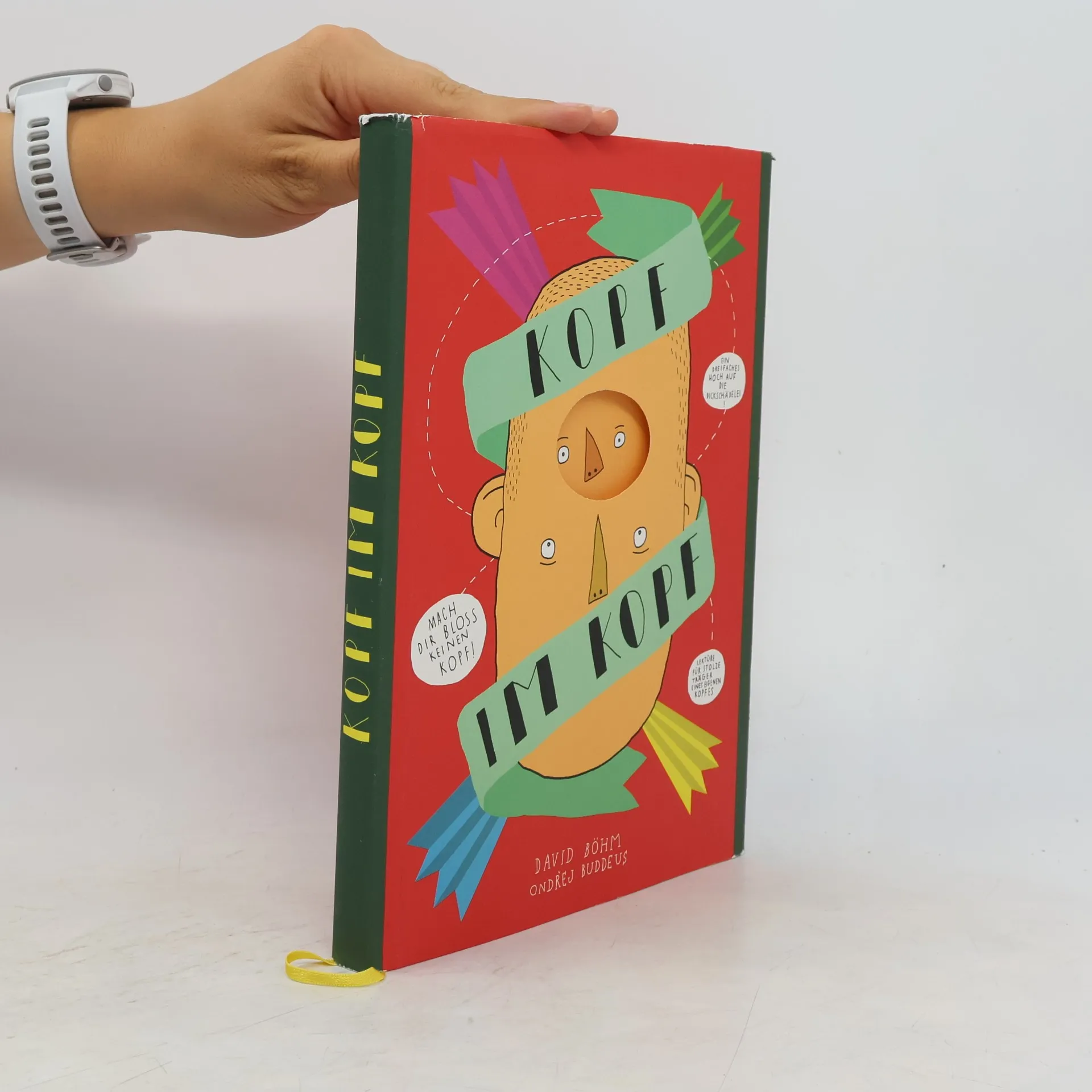
Nominiert für den Deutschen Jugendliteraturpreis 2017 Viel Wissen rund um den Kopf! So ein Kopf ist sehr faszinierend - er informiert uns darüber, was es wo zu sehen oder zu hören gibt, wie etwas riecht oder schmeckt. Im Kopf sitzt das Management unseres Körpers, weil unser Gehirn an wirklich alles denkt. Er ist unser wichtigstes Körperteil, und je länger wir uns mit ihm beschäftigen, desto klarer wird, dass wir eine kleine Enzyklopädie brauchen, die uns alles erklärt. Entstanden ist ein fantasievolles, lyrisches Werk. Durchgehend illustriert, manchmal als Comic, werden viele Kinderfragen beantwortet, unter anderem von einem Neurologen und einem Detektiv.
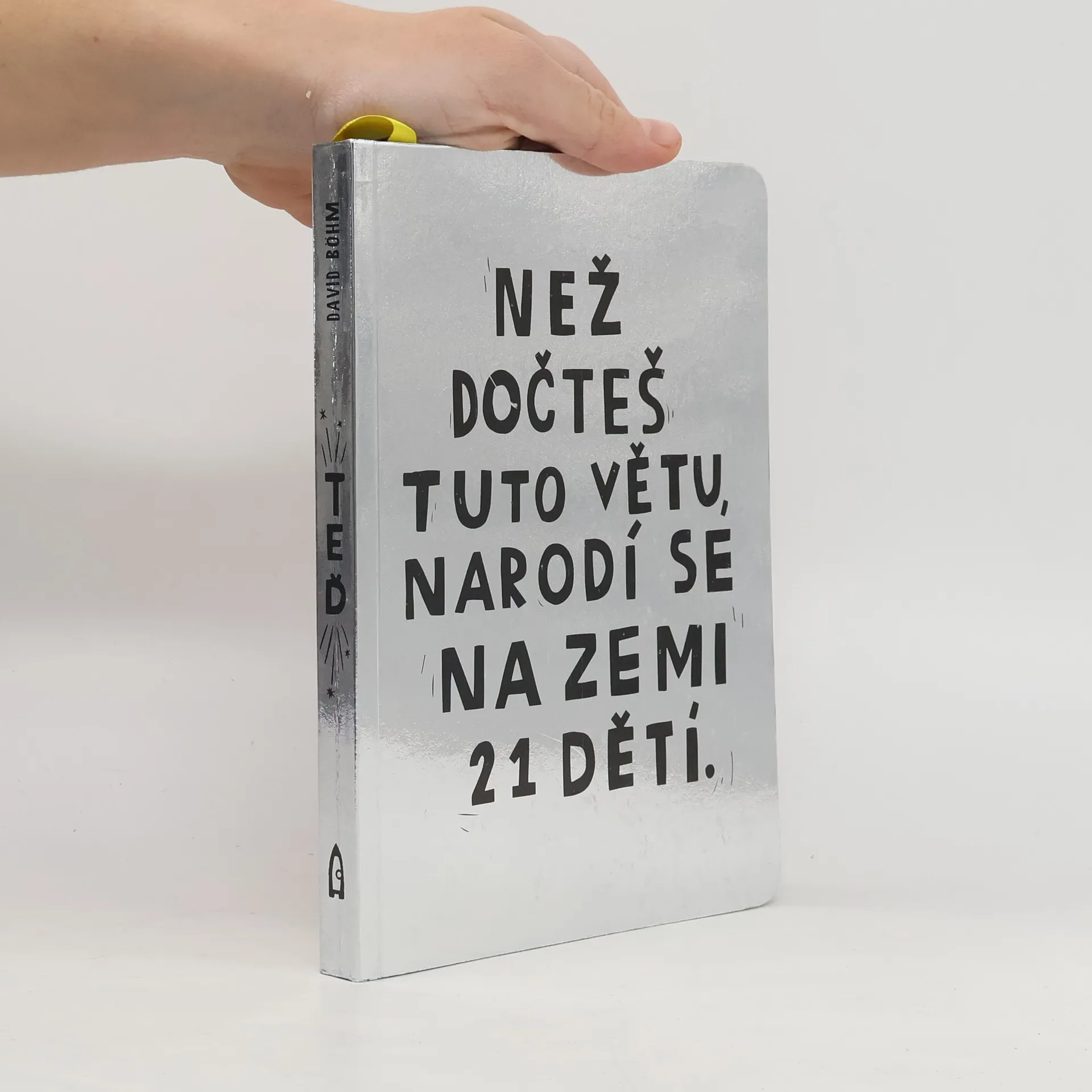
Než dočteš tuto větu, narodí se na Zemi 21 dětí.
- 120pages
- 5 heures de lecture
Jak vypadá čas? Proč si často někdo myslí, že ho nemá? Kdo vymyslel hodinky? Jak dlouho trvá TEĎ? Knížka o čase. O tom, jak se proměňuje jeho vnímání. Co trvá dlouho a co krátce. Co chceme stihnout a co většinu života děláme. Co to je čas pro žraloka, jepici nebo zeměkouli. Knížka o uvědomování si, které se vždycky děje TEĎ, a o tom jak neplýtvat vesmírem.
Tvary a patvary
- 18pages
- 1 heure de lecture
Podle nového leporela originální umělecké dvojice Davida Böhma a Jiřího Franty se děti naučí tvary! Jsou to tvary – hlavy! Kulatá, hranatá, šišatá, pořád je to hlava.
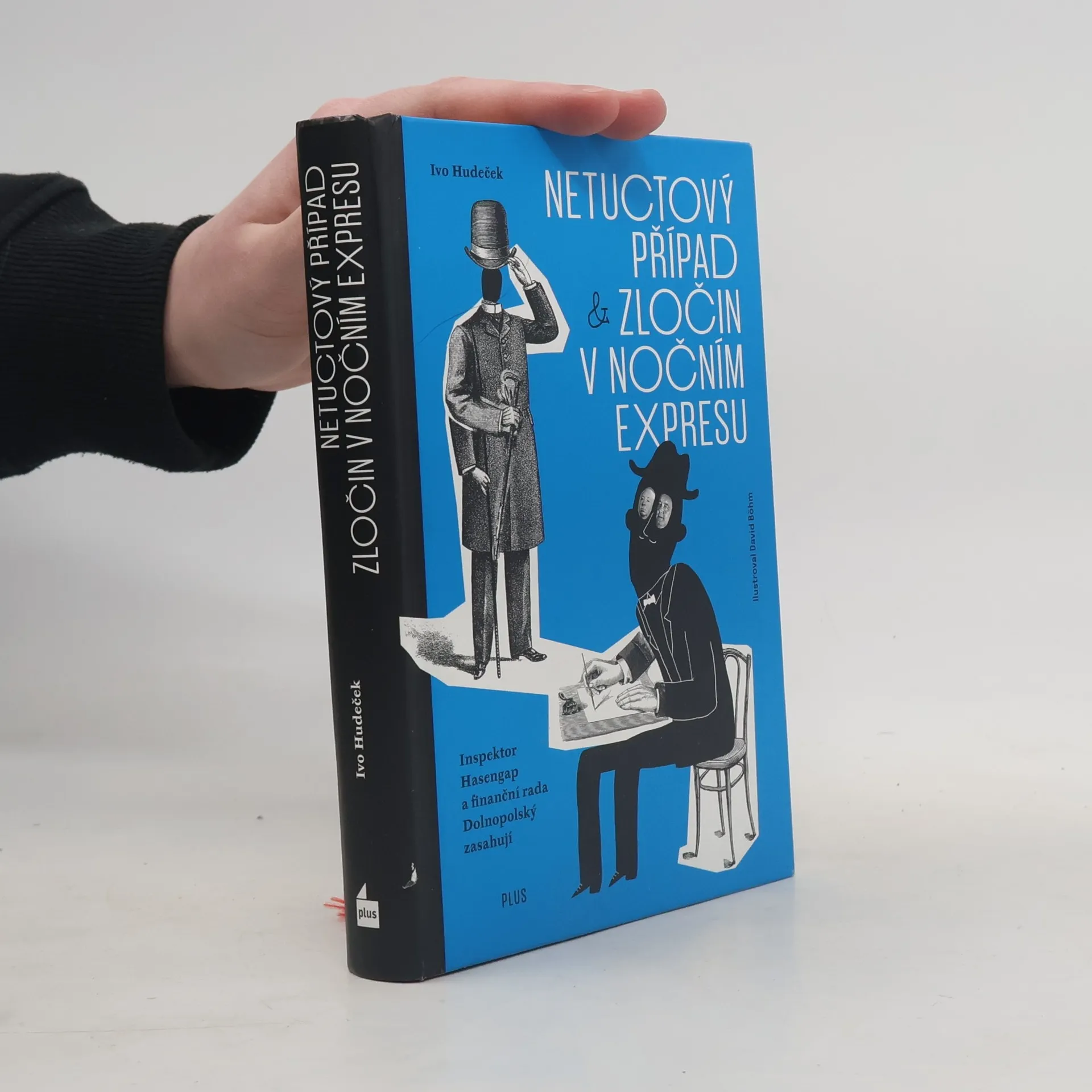
Jednoho rána kráčí finanční rada Dolnopolský do svého úřadu a najde botu. Na tom by nebylo nic podivného, pokud by v té botě nebyla i noha... Nález obuté končetiny a potažmo celého lidského těla naprosto změní panu Dolnopolskému život. Setkává se s mladým inspektorem Hasengapem, který kromě bystrého myšlení a kreativity vládne i neortodoxními vyšetřovacími metodami. Nesourodá dvojice má před sebou dobrodružné vyšetřování netuctového případu a zločinu v nočním expresu. Ve dvou humorných detektivních příbězích Ivo Hudečka narazíte nejen na kvalitní zápletku, ale tu a tam i na nějakou podivnost. Viděl například někdo z vás někdy buvoveverku?
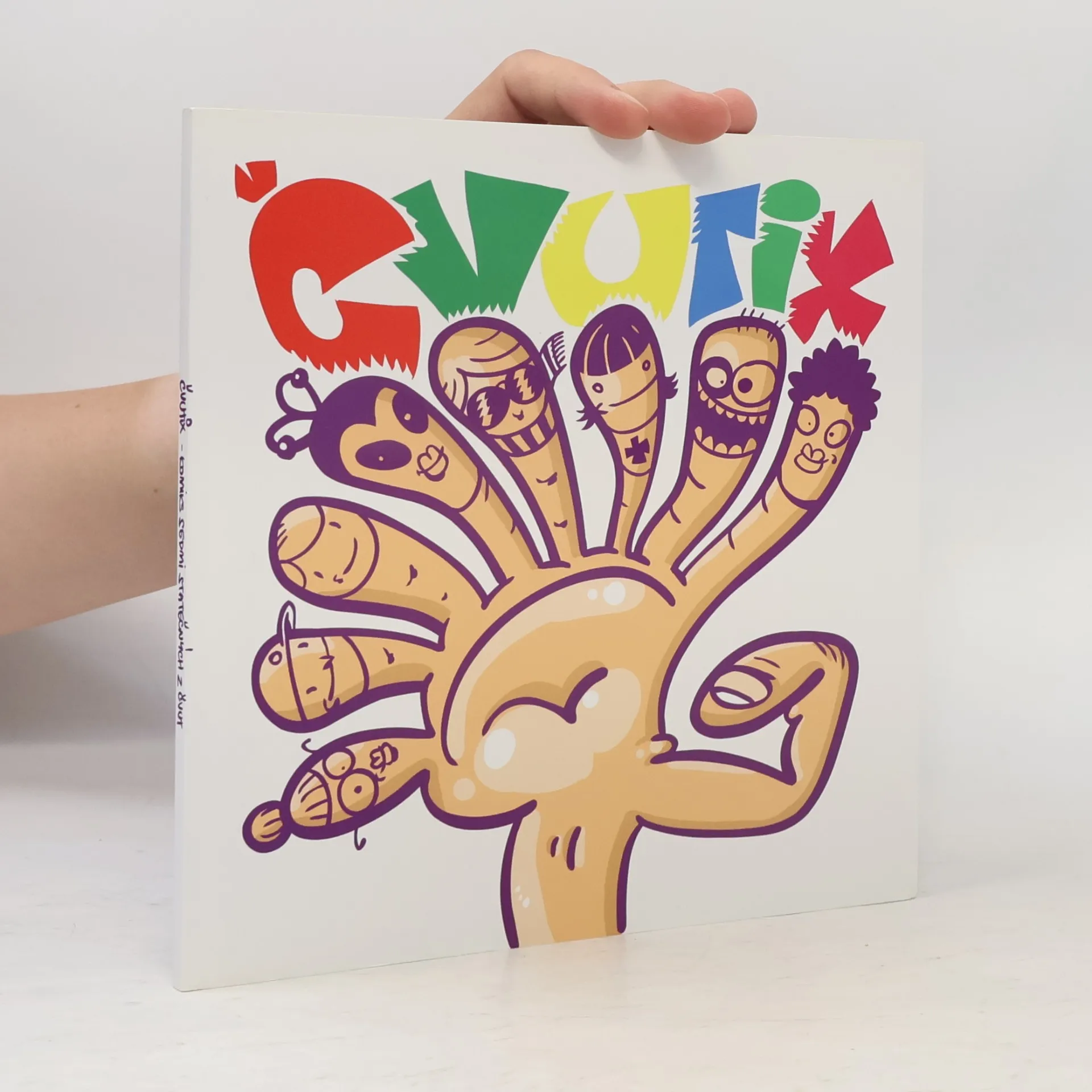
ČVUTIX: Komiks sedmi statečných z ČVUT
- 76pages
- 3 heures de lecture
České vysoké učení technické v Praze (ČVUT) historicky poprvé představuje komiksovou publikaci s názvem ČVUTIX - Komiks Sedmi statečných z ČVUT. Seznamte se s Elektrikem, Jádrem, Biomedičkou, Architektkou a dalšími postavičkami z ČVUT. Dozvíte se, jak tito superhrdinové dneška dokážou bojovat proti nebezpečným virům, zombie příšerám, černým pasažérům nebo dokonce zachránit planetu Zemi před intergalaktickou hypnohoubou! Publikace představuje celkem osm kreslených příběhů od různých autorů z ateliéru DRAWetc, prostřednictvím kterých se čtenáři můžou seznámit s osmi fakultami a vědními oblastmi ČVUT. ČVUTIX je určen žákům základních škol a za svůj si bere popularizovat vědu a techniku, potažmo studium na ČVUT, zábavnou a velice netradiční formou. Komiks ČVUT navazuje na dlouhodobý projekt Sedm statečných z ČVUT. Součástí publikace je plakát.
Jetzt. Bis Du diesen Satz zu Ende gelesen hast, werden auf der Erde 24 Kinder geboren sein.
Was ist ZEIT?
- 116pages
- 5 heures de lecture
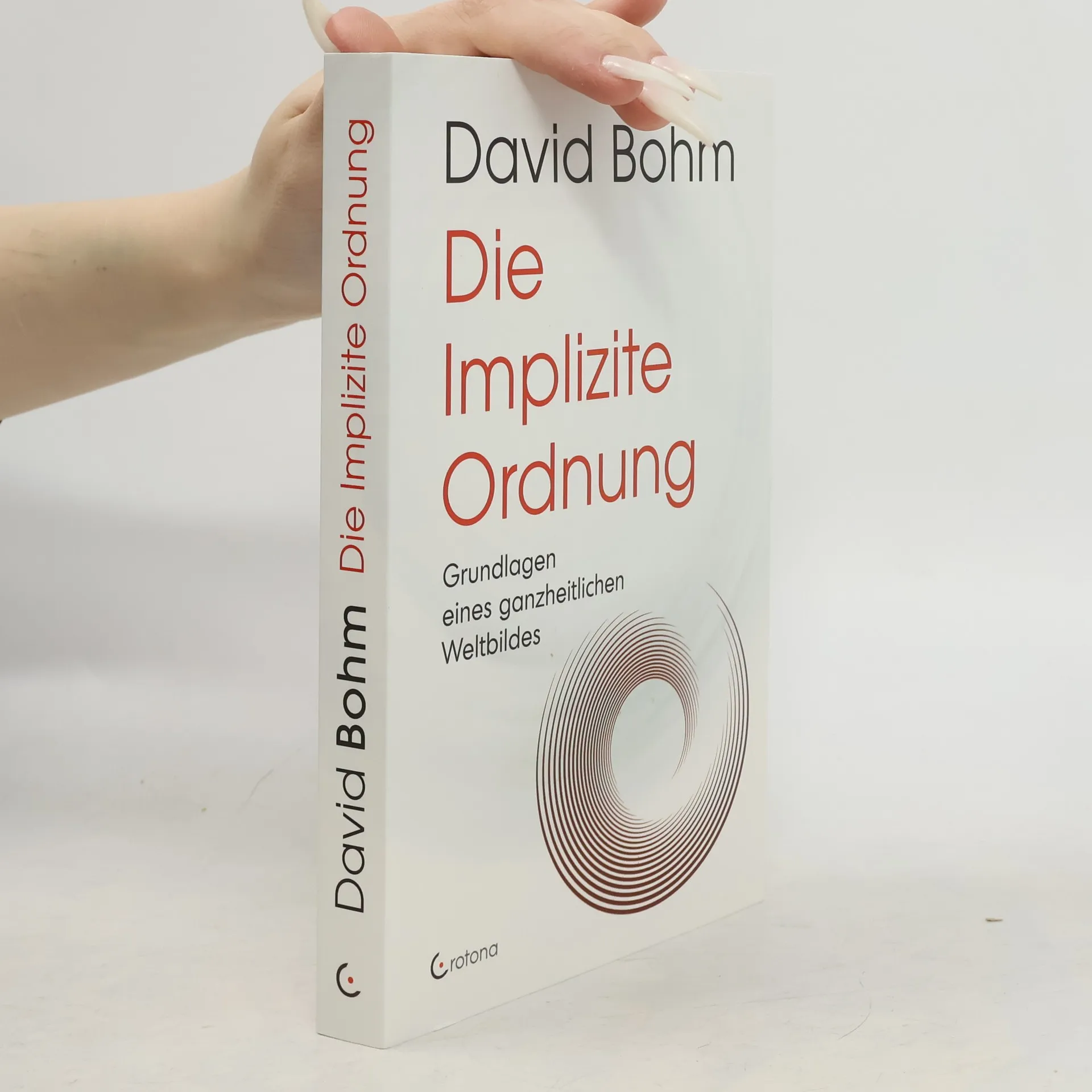
David Bohm gilt heute als einer der genialsten Vordenker einer neuen Interpretation der Quantenphysik. Seine Gedanken über eine „implizite Ordnung“ oder eine holistische Interpretation wissenschaftlicher Erkenntnisse gelten als bahnbrechend. Bohm beeinflusste mit seinen Ausführungen eine ganze Generation von Naturwissenschaftlern und erschloss durch seine enge Freundschaft sowohl mit Krishnamurti als auch mit dem Dalai Lama weite spirituelle Kreise für seine Ideen einer neuen Physik. Gerade die neuesten naturwissenschaftlichen Erkenntnisse bestätigen auf eindrucksvolle Weise, wie weitblickend Bohms außergewöhnlicher Ansatz war. Es zeigt sich immer deutlicher, welche geheimnisvolle Ordnung hinter allen Geschehnissen waltet und dass eines inzwischen feststeht: Gott würfelt nicht! Eines jener genialen Werke, die Geschichte geschrieben haben – und noch immer schreiben!
Das neue Weltbild
- 280pages
- 10 heures de lecture
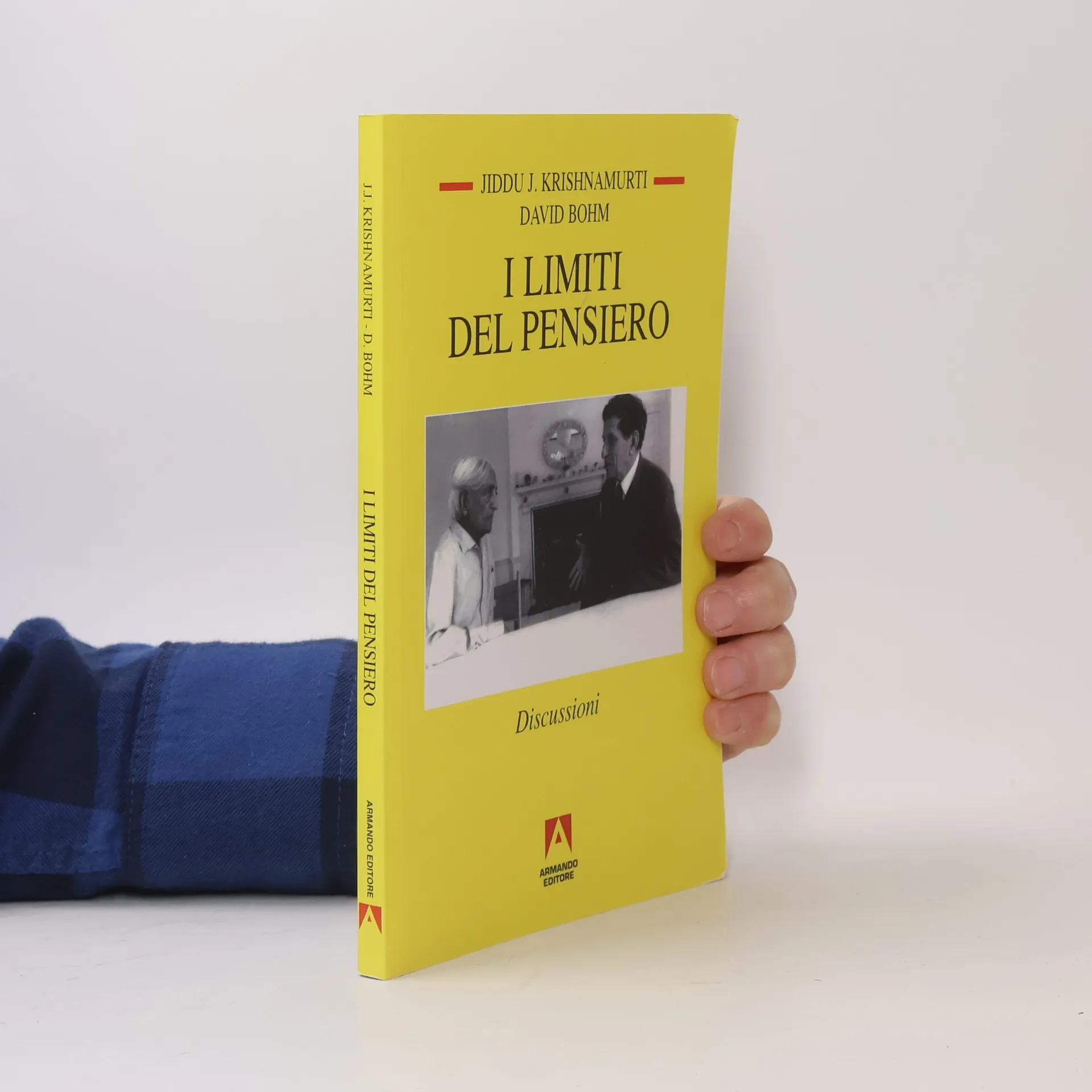
I limiti del pensiero. Discussioni
- 144pages
- 6 heures de lecture
Book by Jiddu Krishnamurti, David Böhm