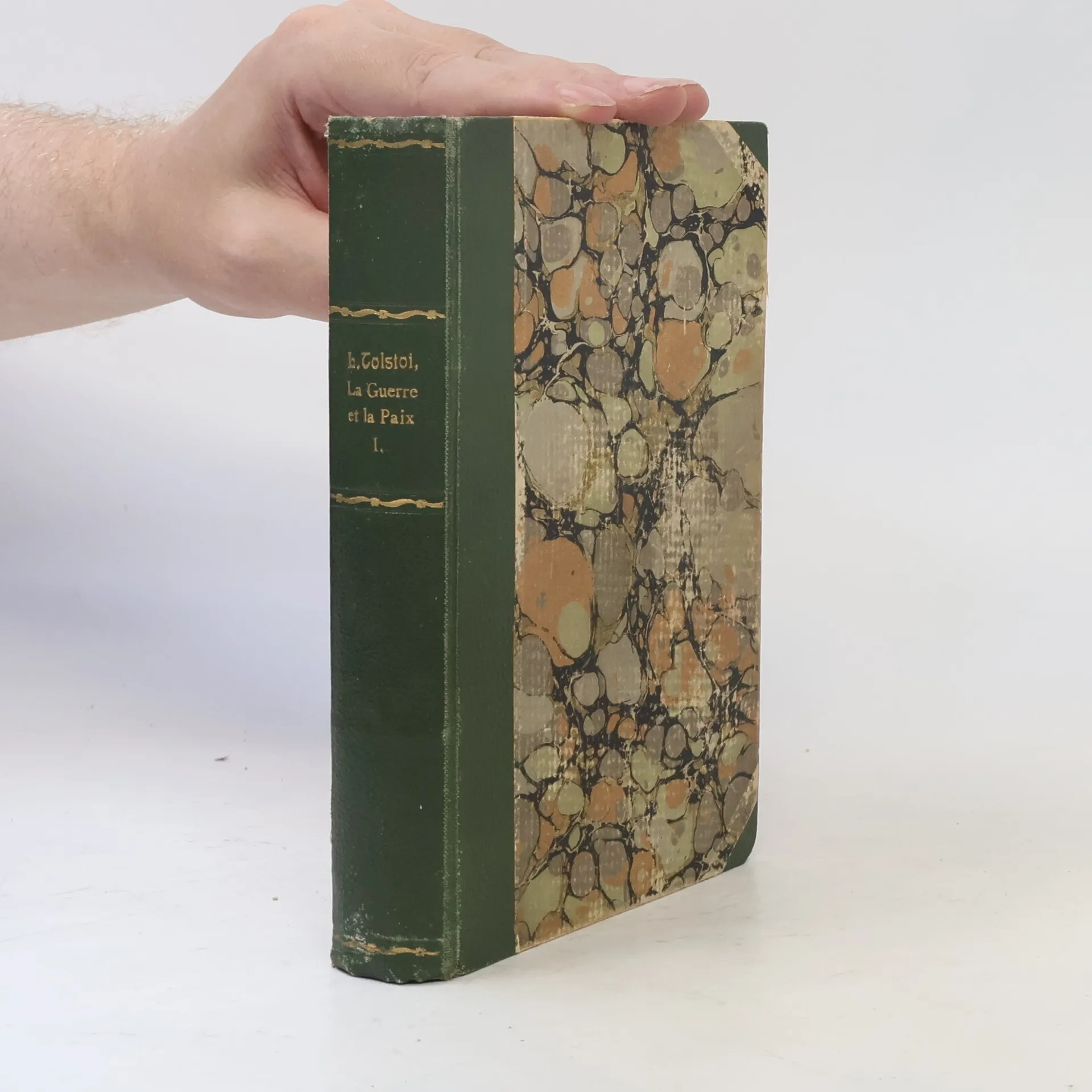
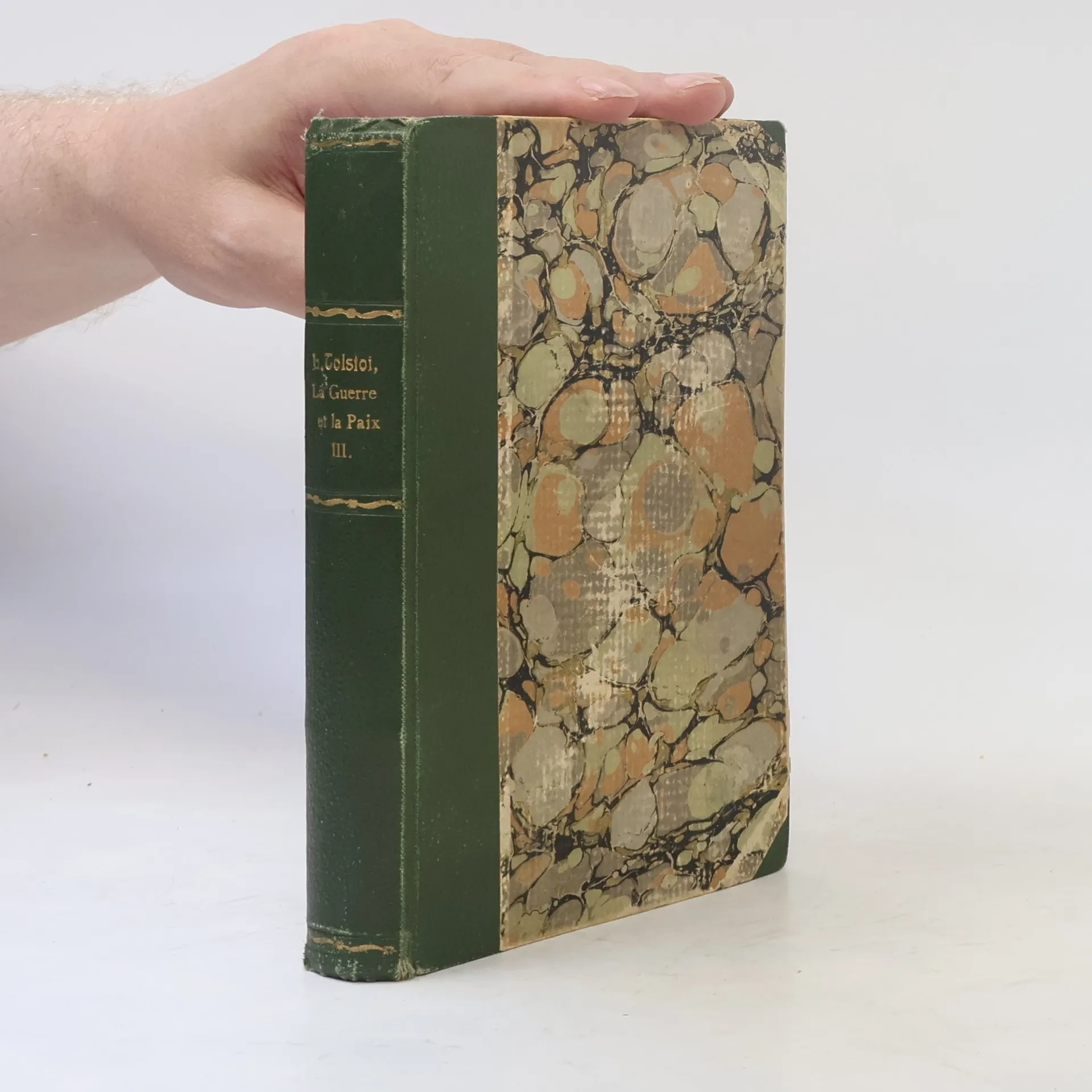
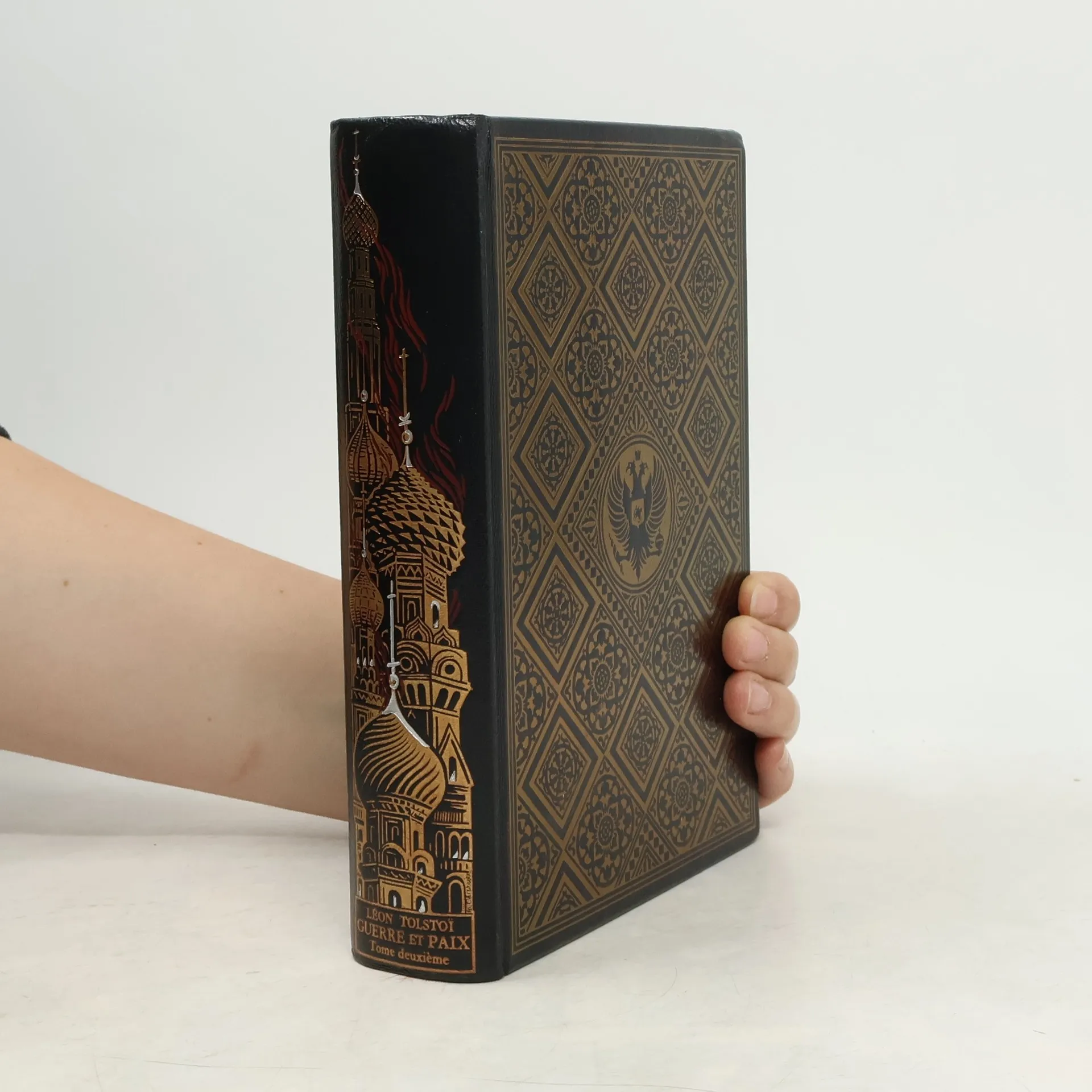
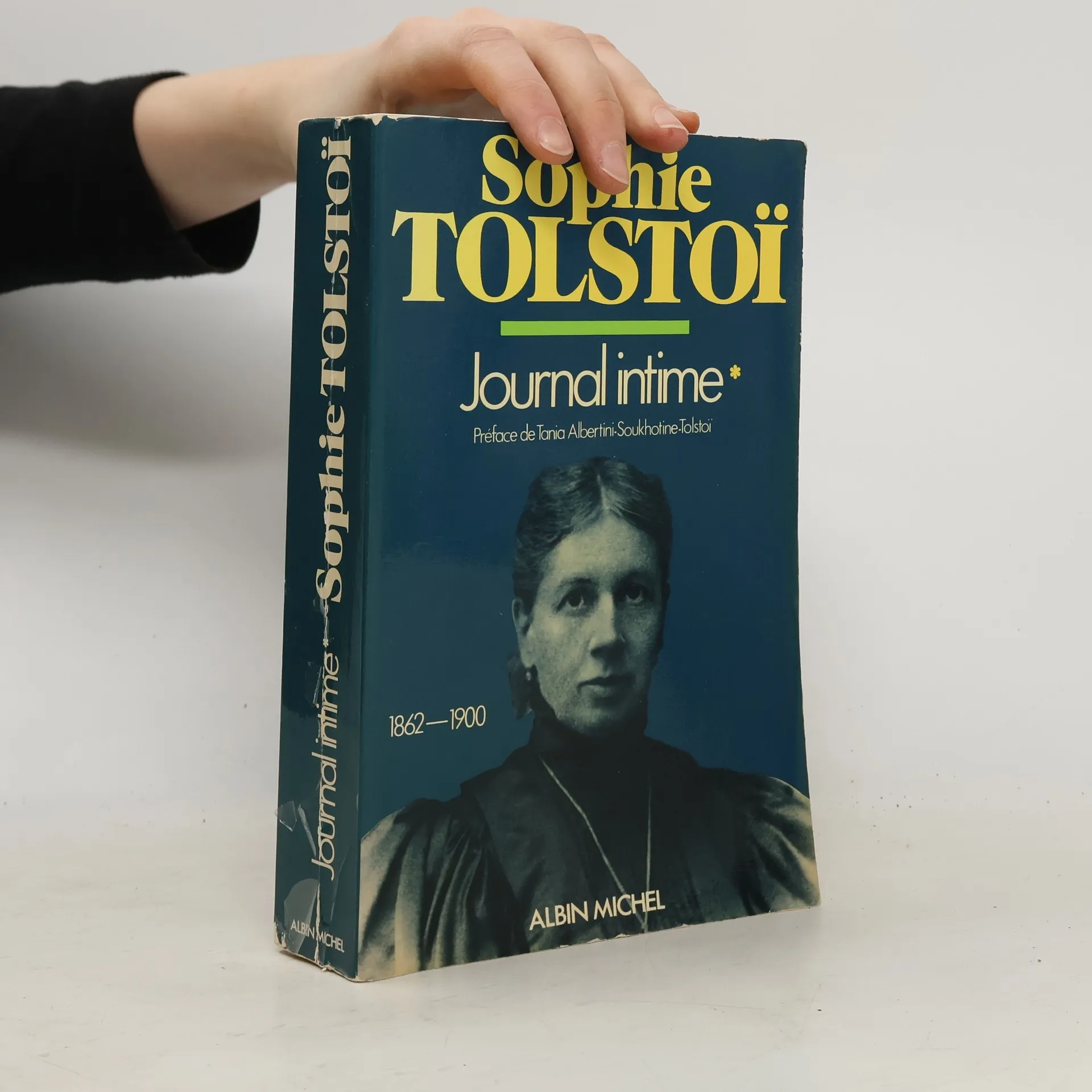
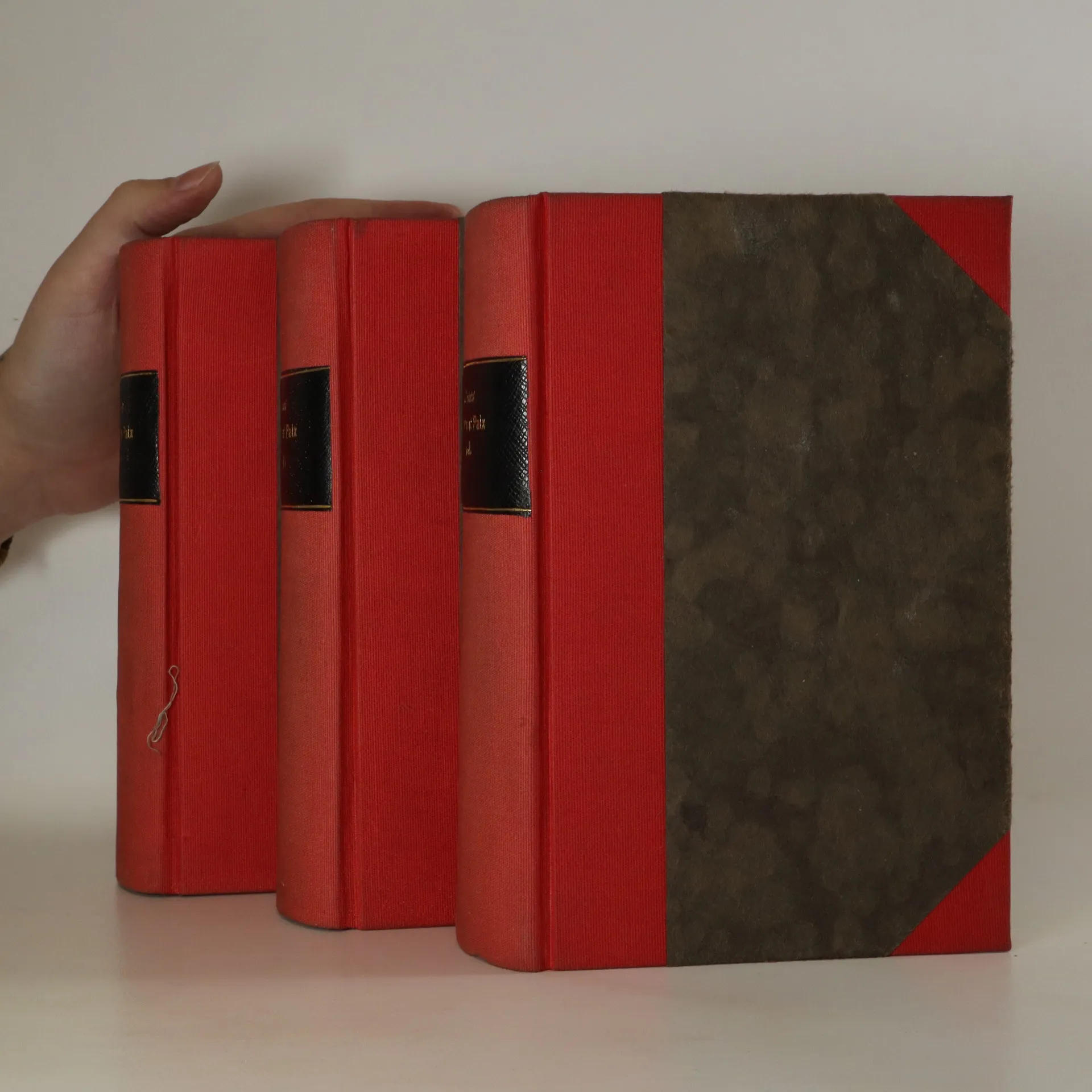
L'œuvre magistrale de Tolstoï est un livre auquel on revient sans cesse. Cette épopée nationale russe aux multiples intrigues raconte les destins des citoyens de l'Empire russe durant les guerres napoléoniennes. Un contexte historique fidèle et une intrigue captivante, mettant en scène des héros de différentes classes sociales, permettent aux lecteurs de suivre avec avidité les tumultes de la guerre, les réceptions somptueuses et les décisions politiques. Guerre et Paix est un roman incontournable, non seulement un chef-d'œuvre historique, mais aussi une source d'inspiration pour de nombreux écrivains contemporains. Il a été loué par Fiodor Dostoïevski et Gustave Flaubert, et Ernest Hemingway a appris de Tolstoï à écrire sur la guerre. En tant que classique intemporel, il a également connu de nombreuses adaptations, dont plusieurs ont été récompensées aux Oscars.
Léon Tolstoï Livres
- Л. Н.
- Л. Н. Т.

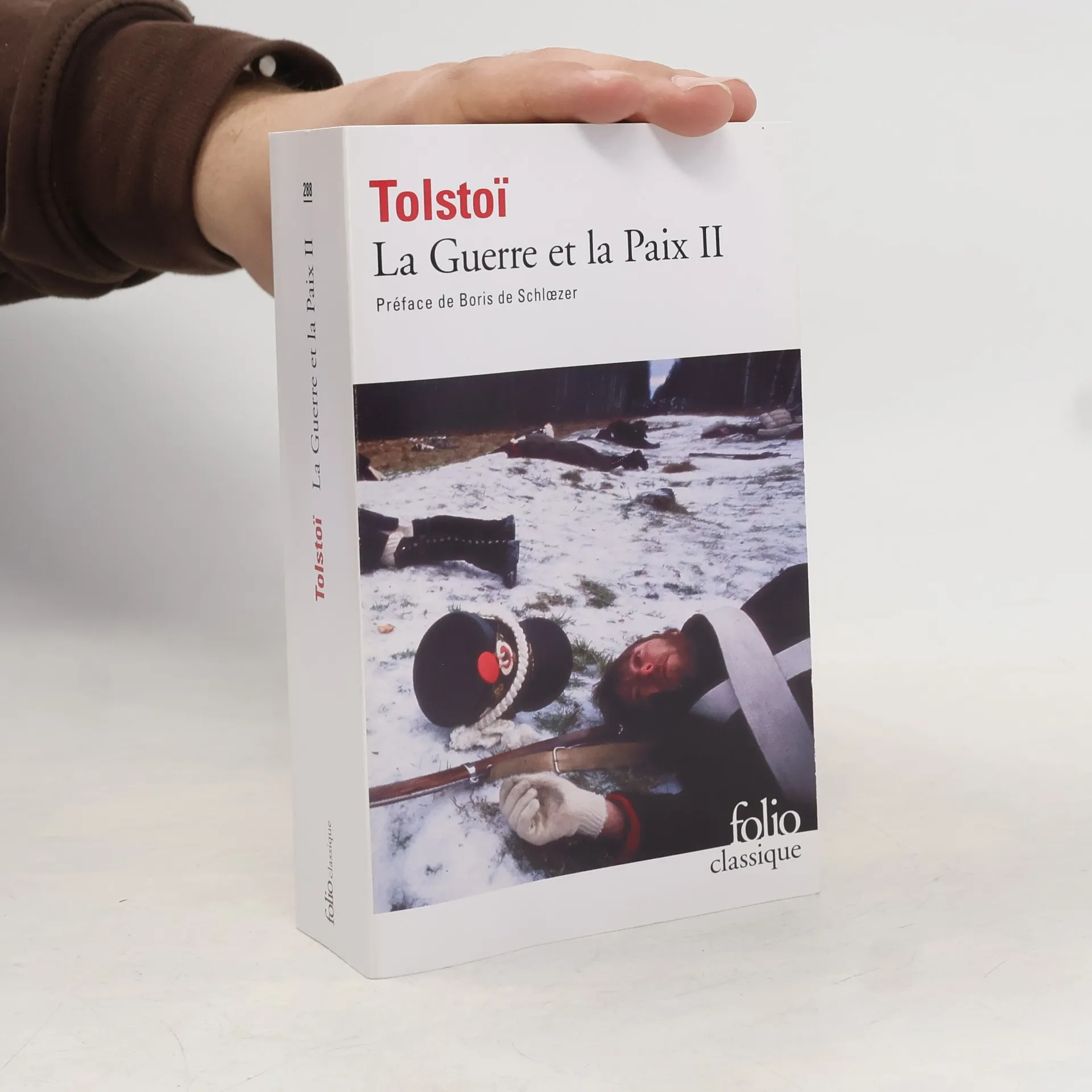
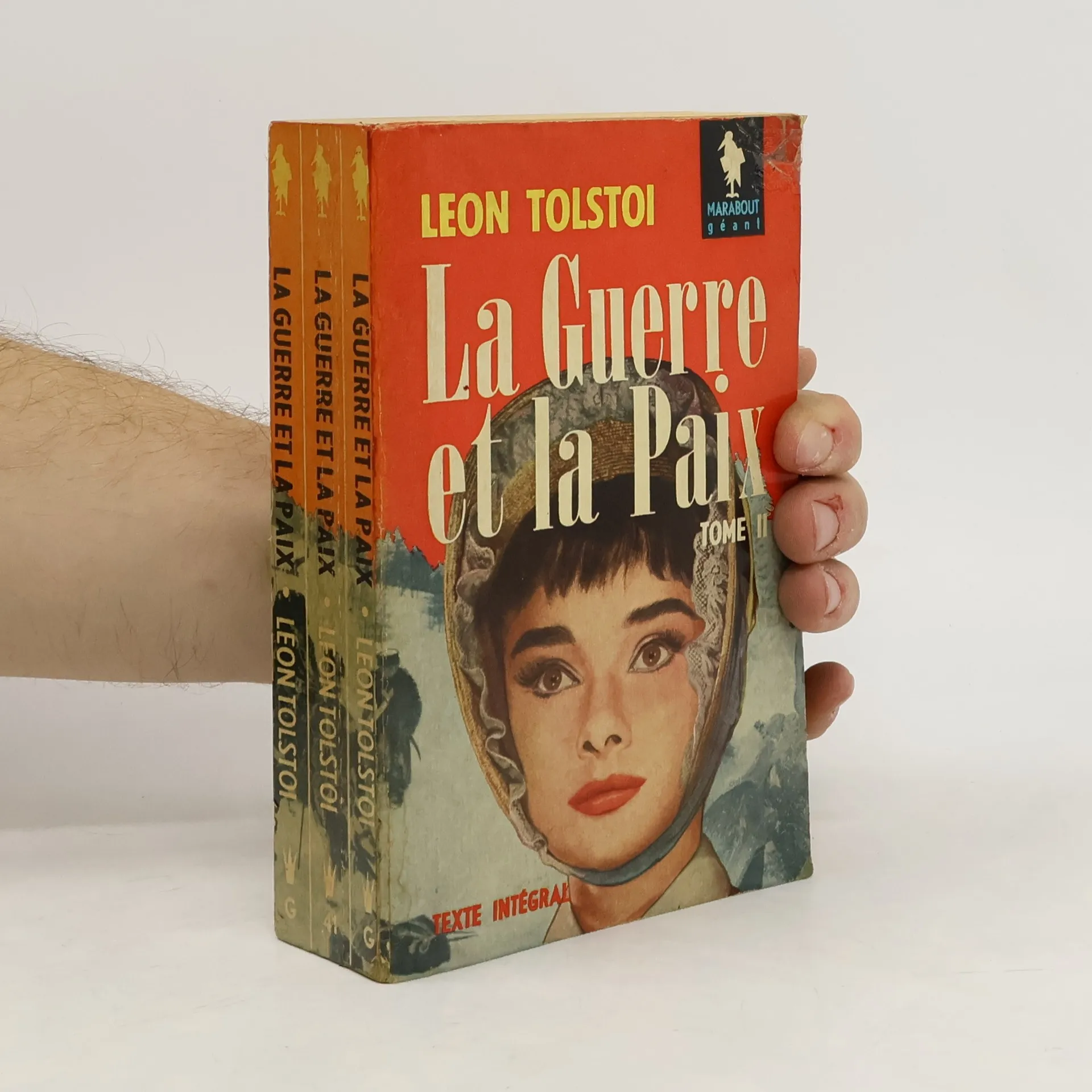
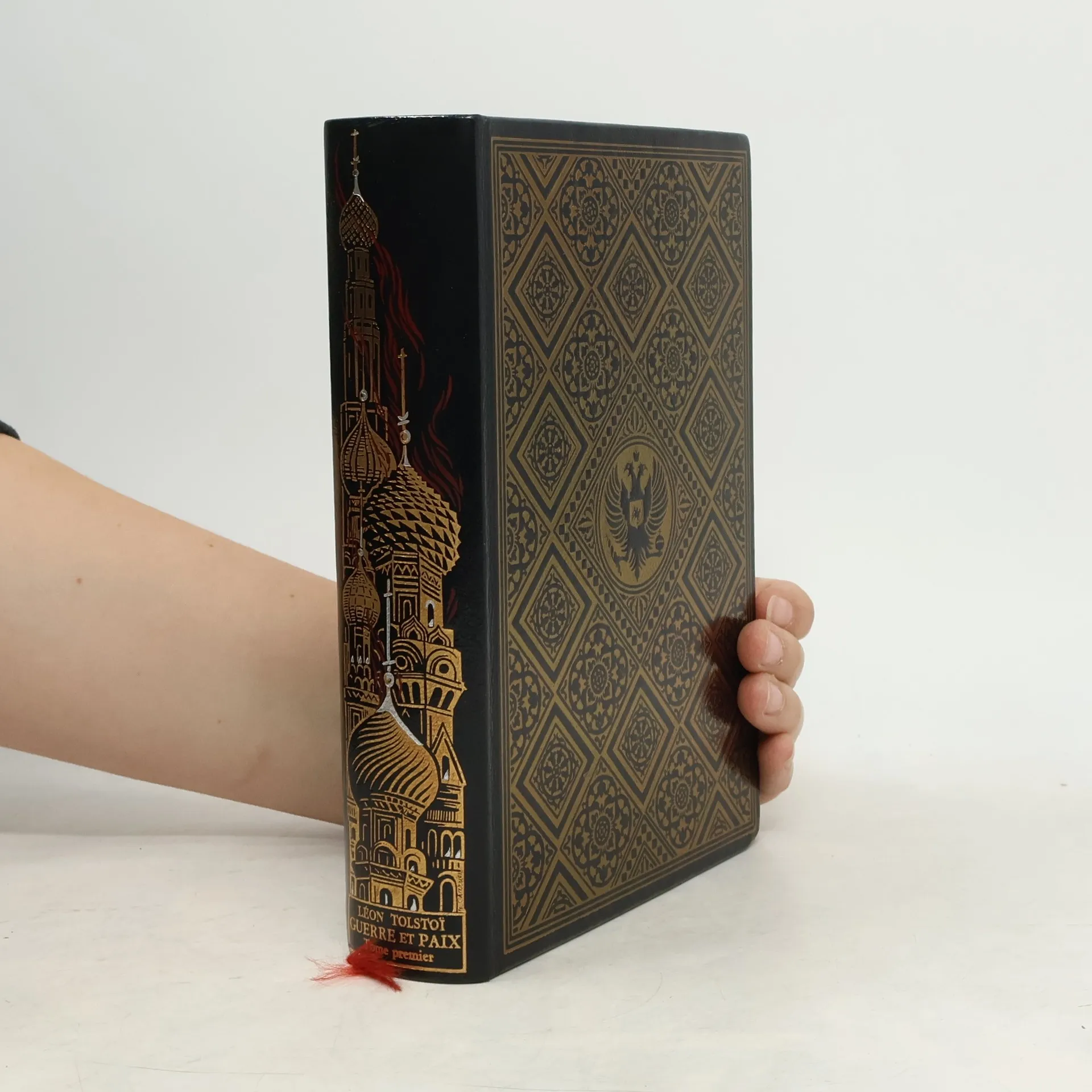
1805 à Moscou, en ces temps de paix fragile, les Bolkonsky, les Rostov et les Bézoukhov constituent les personnages principaux d'une chronique familiale. Une fresque sociale où l'aristocratie, de Moscou à Saint-Pétersbourg, entre grandeur et misérabilisme, se prend au jeu de l'ambition sociale, des mesquineries, des premiers émois. 1812, la guerre éclate et peu à peu les personnages imaginaires évoluent au sein même des événements historiques. Le conte social, dépassant les ressorts de l'intrigue psychologique, prend une dimension d'épopée historique et se change en récit d'une époque. La "Guerre" selon Tolstoï, c'est celle menée contre Napoléon par l'armée d'Alexandre, c'est la bataille d'Austerlitz, l'invasion de la Russie, l'incendie de Moscou, puis la retraite des armées napoléoniennes. Entre les deux romans de sa fresque, le portrait d'une classe sociale et le récit historique, Tolstoï tend une passerelle, livrant une réflexion philosophique sur le décalage de la volonté humaine aliénée à l'inéluctable marche de l'Histoire ou lorsque le destin façonne les hommes malgré eux. --Lénaïc Gravis et Jocelyn Blériot
L. N. Tolstoï a écrit "Guerre et Paix" entre 1863 et 1869. Ce grand roman classique dépeint la vie de la société russe au début du XIXe siècle. À travers une multitude de personnages réalistes intégrés dans des événements historiques, il illustre de manière vivante les figures du général Koutouzov et de Napoléon. Le récit couvre les guerres russo-françaises de Napoléon entre 1805 et 1812, avec des descriptions détaillées de la bataille d'Austerlitz en 1805, de la bataille de Borodino et de l'occupation de Moscou par les Français. Les protagonistes principaux sont deux nobles, Andreï Bolkonski et Pierre Bezoukhov, ainsi que les membres de la famille Rostov. Pierre Bezoukhov incarne les idées de Tolstoï, évaluant souvent de manière pertinente les événements politiques et sociaux qui l'entourent, ainsi que des figures historiques marquantes. Ce roman a été adapté avec succès à plusieurs reprises au cinéma.
La Guerre et la Paix
- 1055pages
- 37 heures de lecture
V této rozsáhlé epopeji, jejíž rámec tvoří válka s Napoleonem, jeho tažení do Ruska, požár Moskvy a bitvy u Slavkova i Borodina, nevytvořil Tolstoj jen válečný román nebo pouze román historický, ale syntetický román času a prostoru podávající souhrnný obraz ruské společnosti.
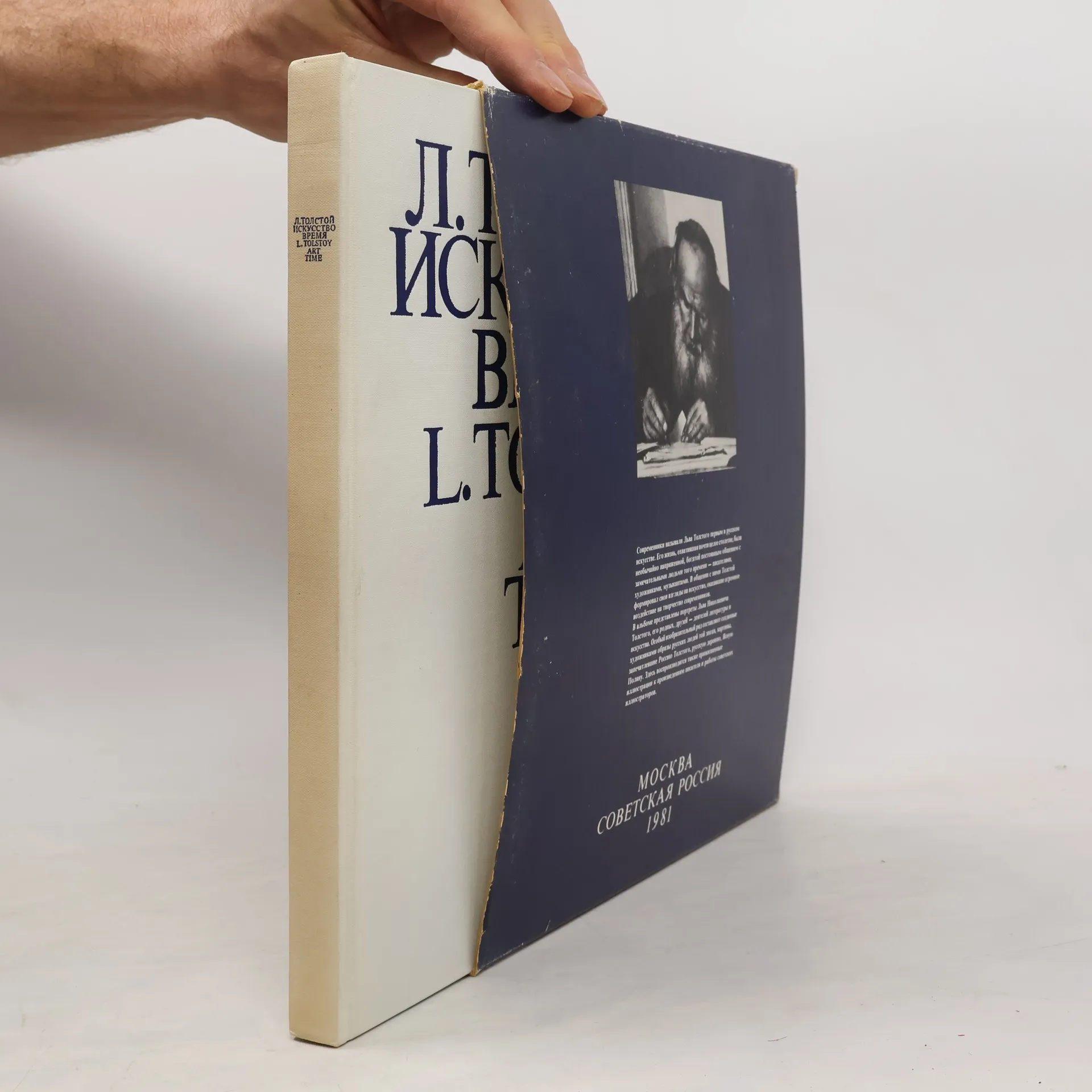
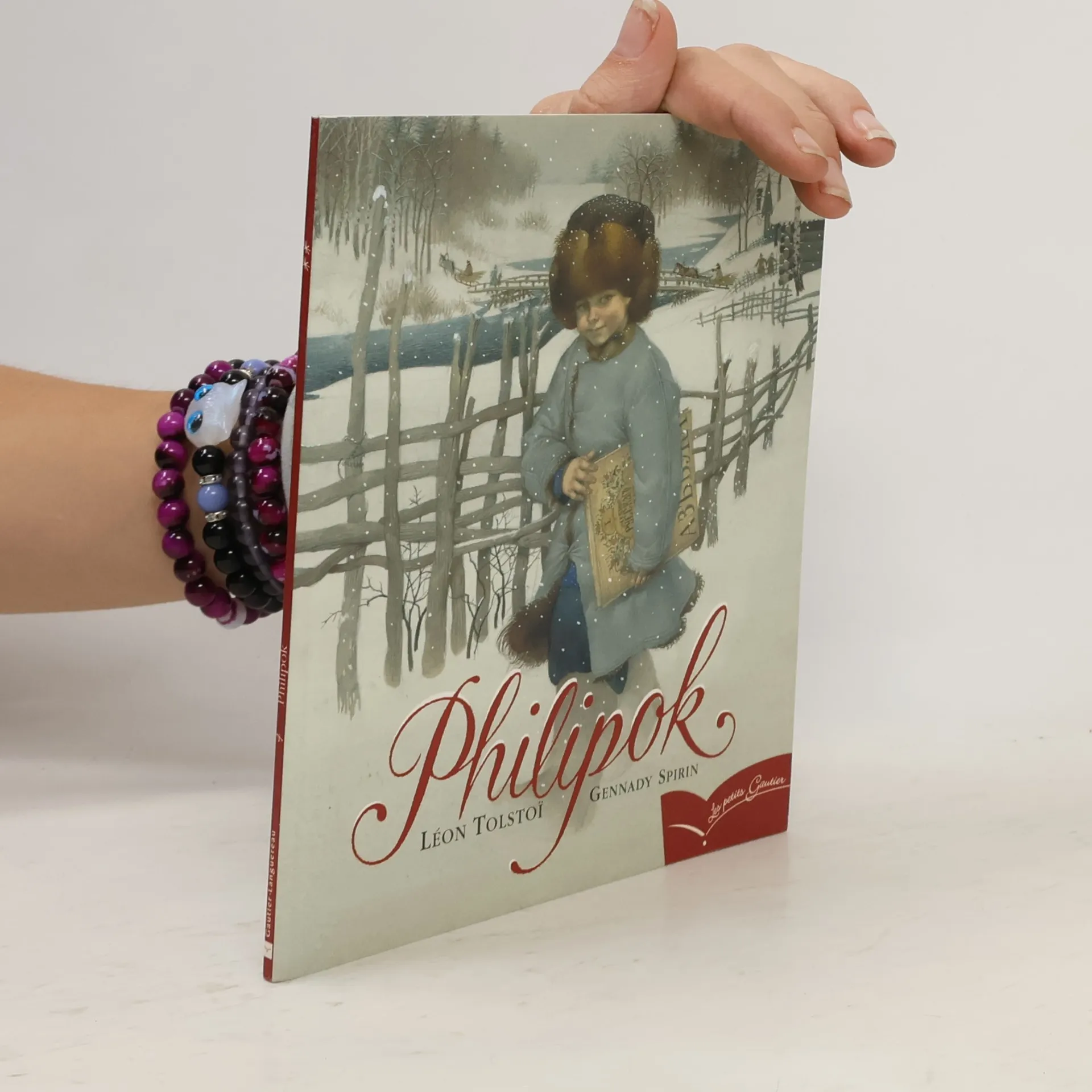
Philipok
- 32pages
- 2 heures de lecture
Philipok wants to go to school like his older brother. But his mother says no, he must stay home with Grandma. Little Philipok is determined to go and slips out of the house to make his way to school through the snow. He is cold and frightened when he arrives, and soon finds that he must earn the privilege to stay. Simple, lyrical prose, a rich palette, and fine illustrations bring Leo Tolstoy's classic tale to life. "Detailed, warm, and sumptuous, Spirin's illustrations create a romantic mood that brings richness to Beneduce's unadorned text." ( The Horn Book )
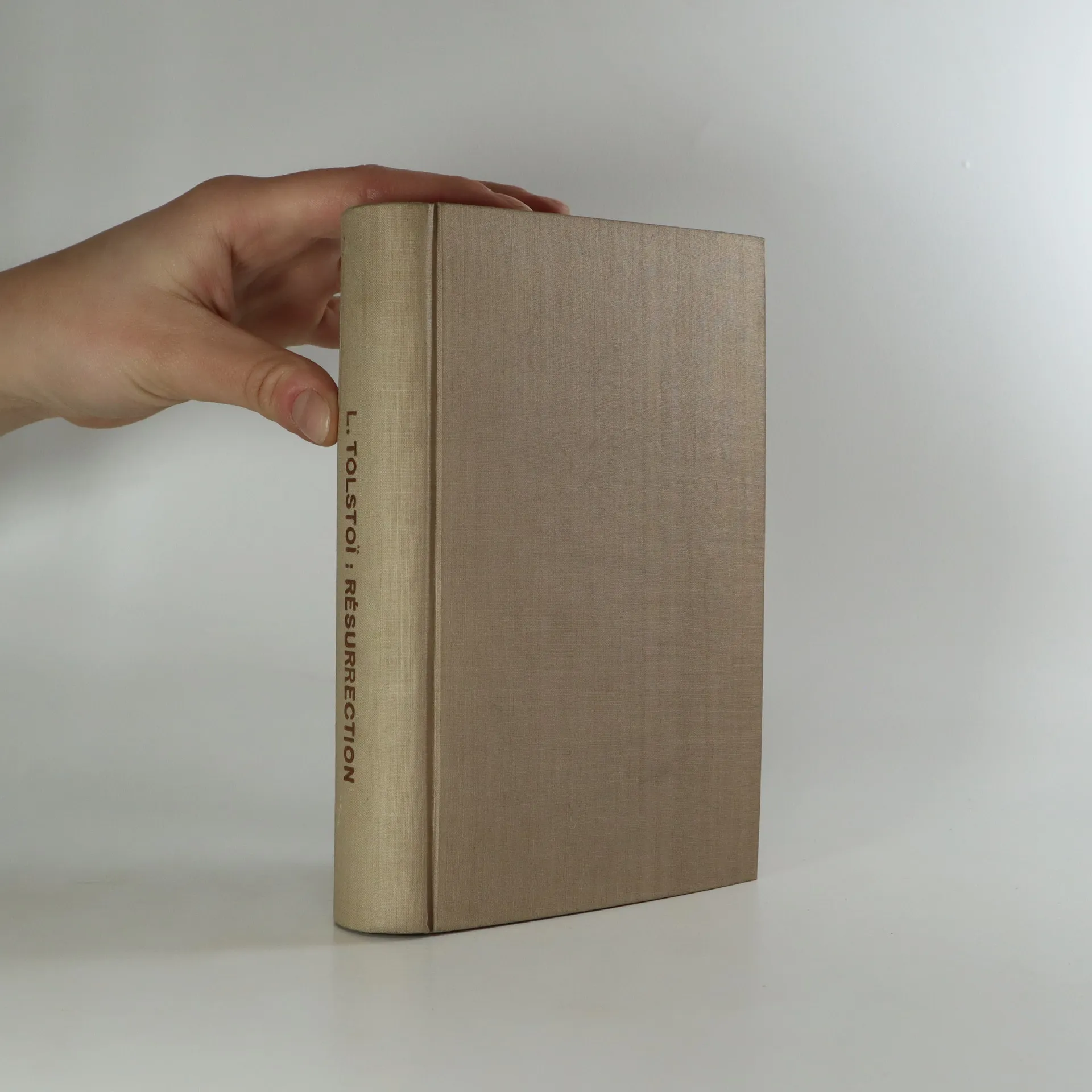
Résurrection (1899) est le dernier des grands romans de Tolstoï. Il raconte l'histoire d'un noble qui tente de racheter la souffrance infligée à une paysanne par ses infidélités juvéniles, laquelle finit par devenir prisonnière en Sibérie. La vision de Tolstoï sur la rédemption obtenue par le pardon aimant et sa condamnation de la violence dominent le roman. C'est un récit intime et psychologique de culpabilité, de colère et de pardon, tout en offrant une description panoramique de la vie sociale en Russie à la fin du XIXe siècle, reflétant l'indignation de l'auteur face aux injustices sociales du monde dans lequel il vivait.
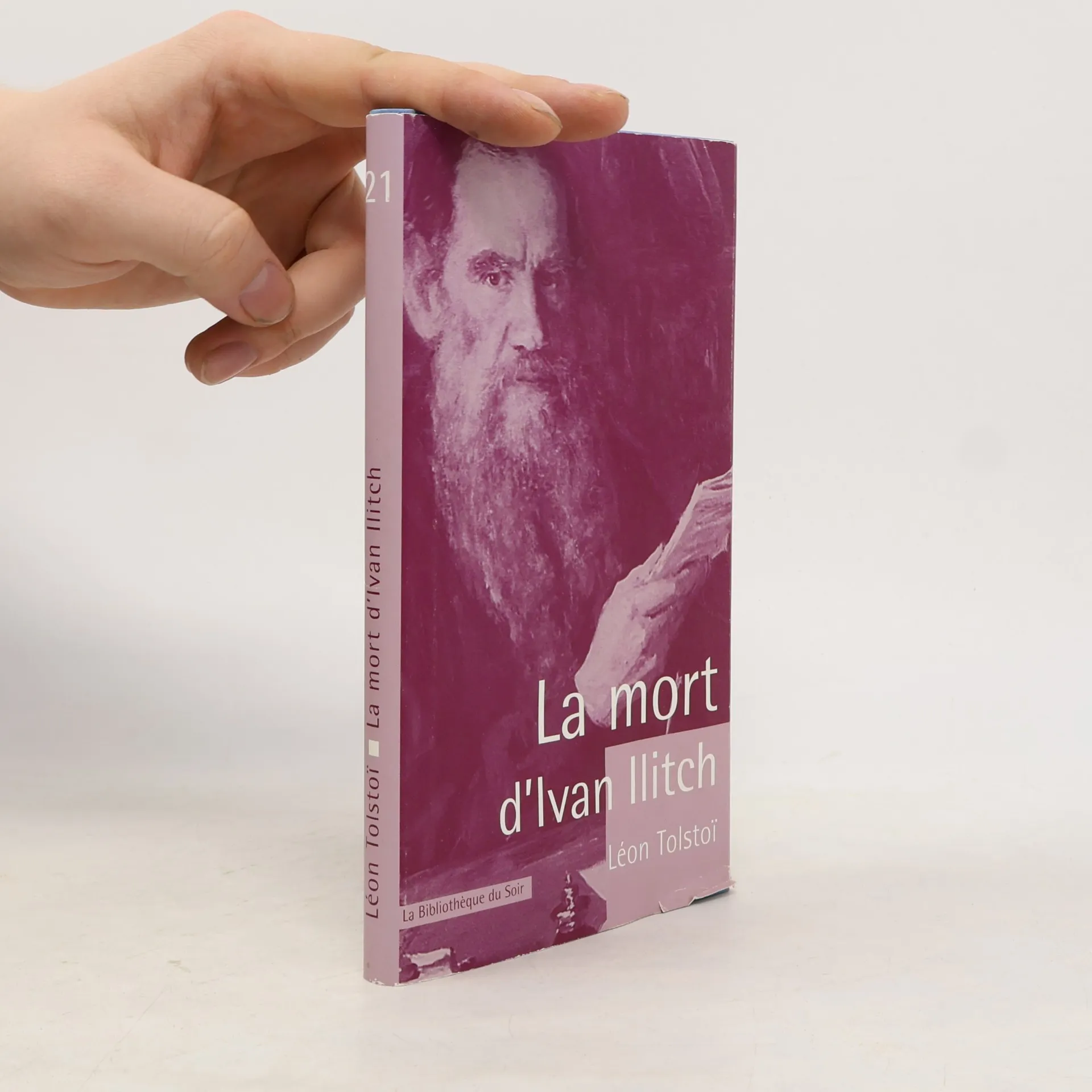
" Sois sage, ô ma douleur, et tiens-toi plus tranquille "... Hélas ! Ivan Ilitch répéterait-il ce vers de Baudelaire à l'infini qu'il n'obtiendrait ni réconfort ni répit. Car elle est là... D'abord sourde puis lancinante. Une douleur au flanc l'a précipité dans le gouffre. Une douleur pas " comme il faut ". La honte pour ce procureur qui n'aimait que les bonnes manières Et maintenant qu'elle est installée ? Question de vie ou de mort ? Comme c'est affreux et bête ! Parce que... sa vie, qu'en a-t-il fait ? Et sa mort ? N'est-ce pas un fâcheux contretemps ? Alors, à quoi se rattacher sinon à la douleur ? Mais est-ce une vie ? Et mourir dans la souffrance, est-ce une fin ? La paix est encore loin...
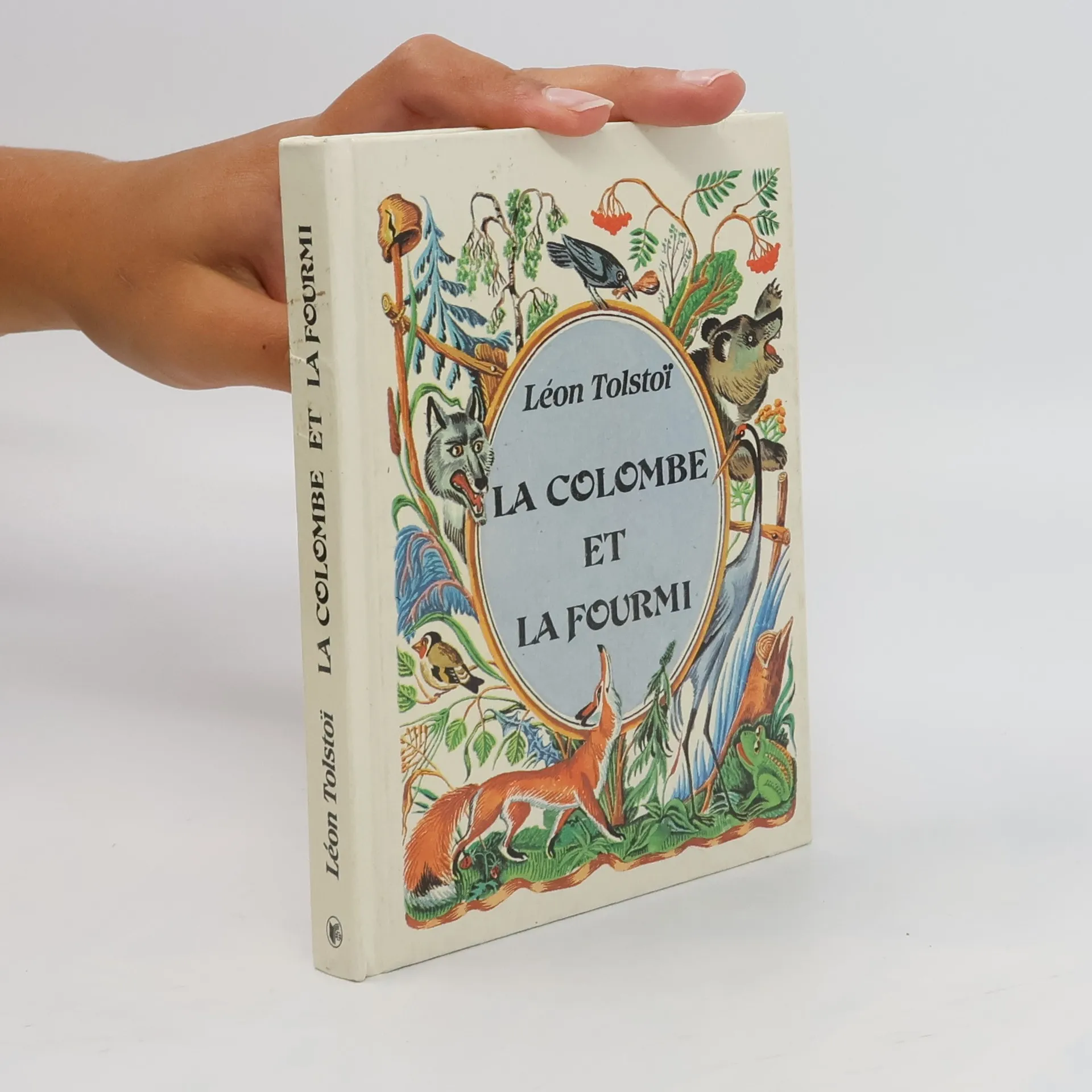
La Colombe et la fourmi
- 158pages
- 6 heures de lecture
Tolstoï écrit cette nouvelle en 1859. Elle est perçue, notamment par Romain Rolland, comme étant « l oeuvre la plus pure qui soit jamais née de lui ». Il ajoute également que « c est le miracle de l amour ». Cet ouvrage se démarque du reste de la production de Tolstoï dans le sens où pour la première fois, l'auteur choisi de se glisser dans la peau d'une femme pour raconter son récit. Avec des mots emplis d'émotions il retrace sa propre expérience du mariage et anticipe toutes les étapes qui attendent son amour : des moments les plus heureux, au doutes et aux déchirures. Cet ouvrage est en version bilingue. Il contient de nombreuses clefs pour comprendre le russe: des explications de textes et de nombreux mots de vocabulaires.
Ce livre présente des œuvres autobiographiques de Léon Tolstoï, écrivain majeur de la littérature russe. Il explore son enfance, son sentiment d'absurdité face à la vie, et ses réflexions sur l'ambition et les relations sociales. Tolstoï décrit son parcours de noble à une vie de désillusion à Moscou, marquée par le jeu et l'alcool.
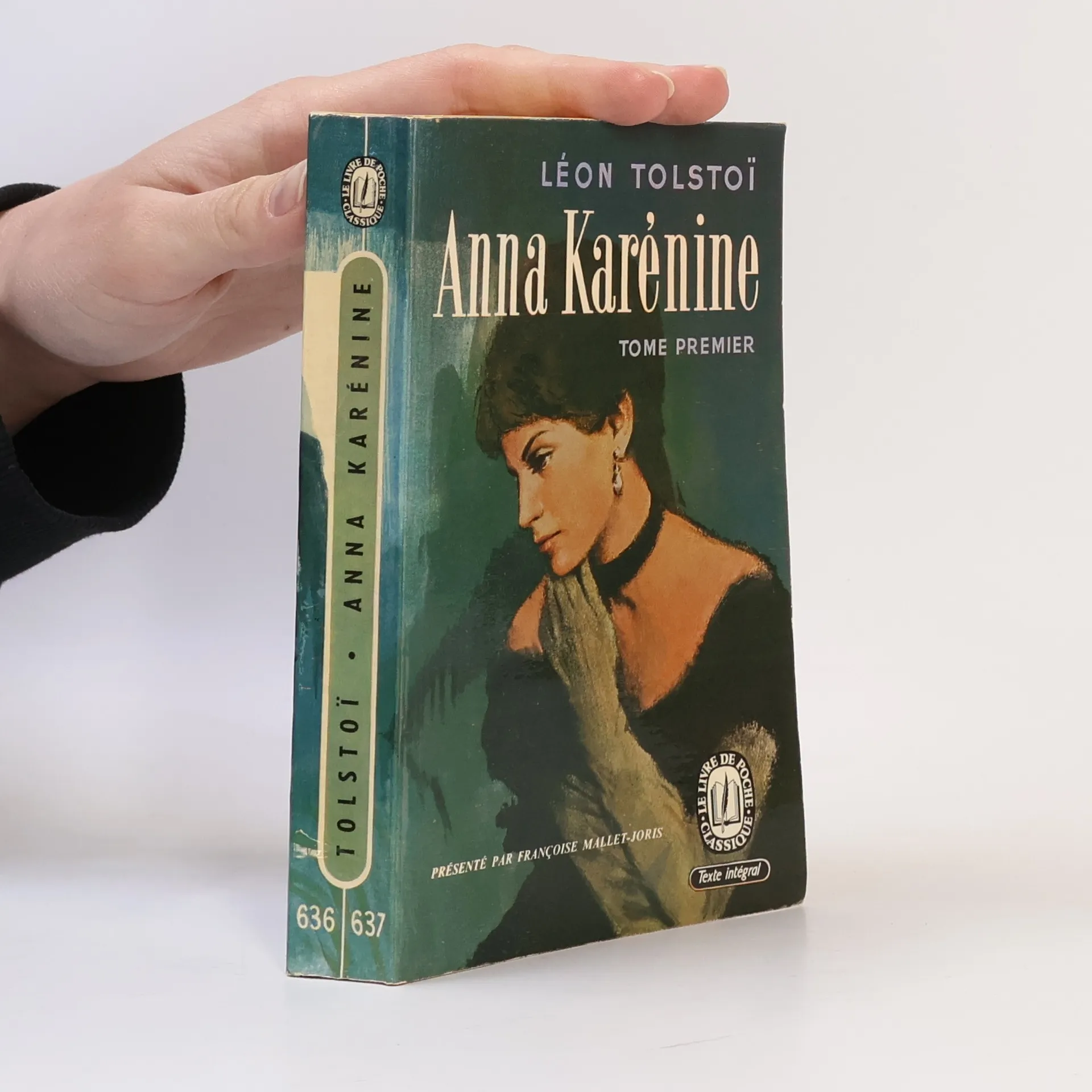
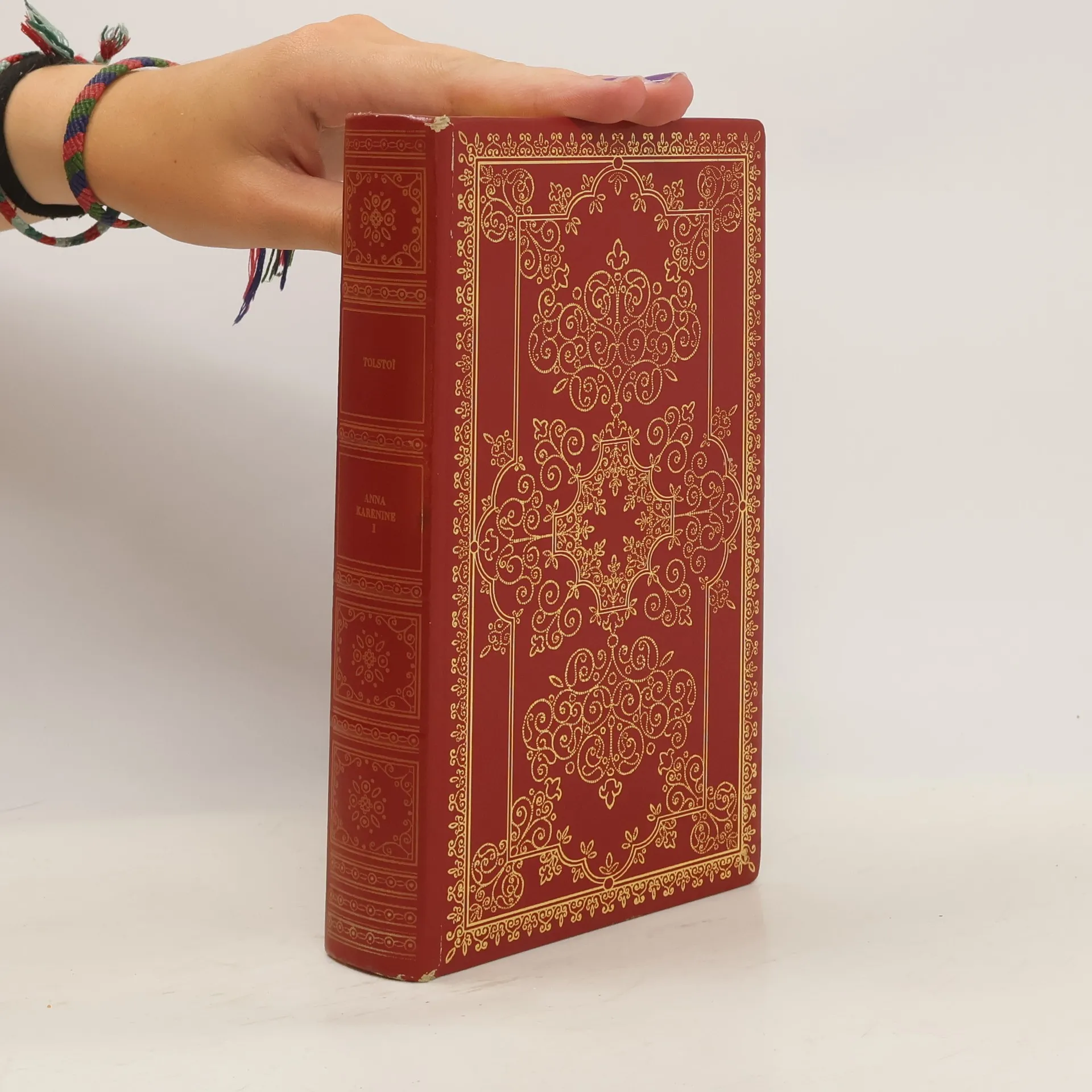
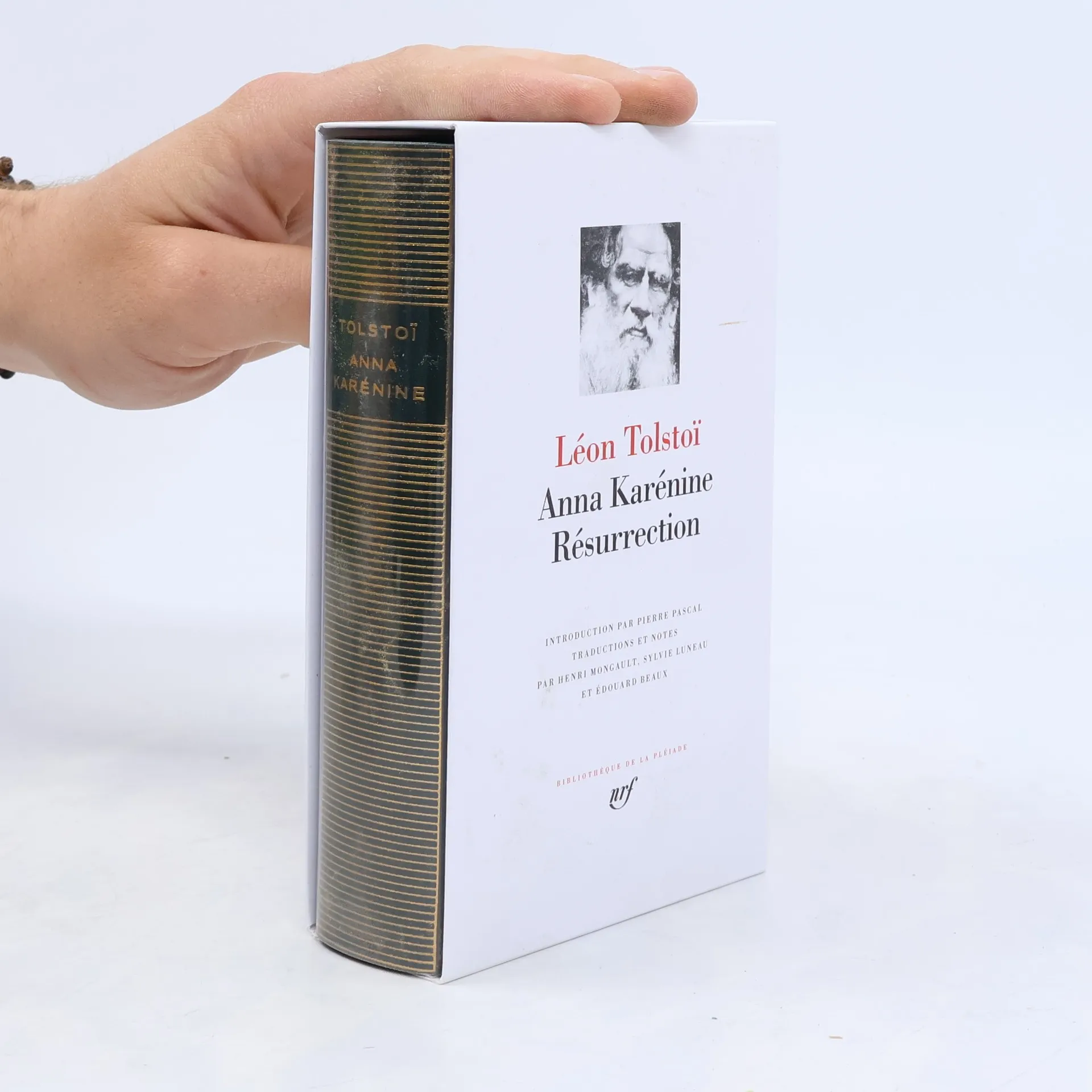
Paru en 1877, ANNA KARENINE est un roman de Léon Tolstoï qui se divise en deux tomes et comprend huit parties dont trois appartiennent au premier tome et cinq au second. Se déroulant en Russie, l'histoire est centrée sur l'amour, ses diverses formes et les conséquences dans la vie. Connaissant un grand succès, ce chef d'oeuvre marque également l'entrée triomphante de la littérature russe dans la culture européenne. Résumé: Stépan Arkadiévitch Oblonskï, surnommé Stiva est marié avec la princesse Daria Alexandrovna, surnommée Dolly, depuis huit ans. Ce dernier entretient une liaison avec une française, Mademoiselle Roland, qui avait été l'institutrice des ses enfants. Lorsque Dolly apprend cette liaison, elle envisage de le quitter, et celui-ci se demande comment s'y prendre pour rompre avec l'institutrice. Il invite à Moscou sa soeur ANNA, que sa femme apprécie pour essayer de la convaincre de rester..... Bonne lecture......
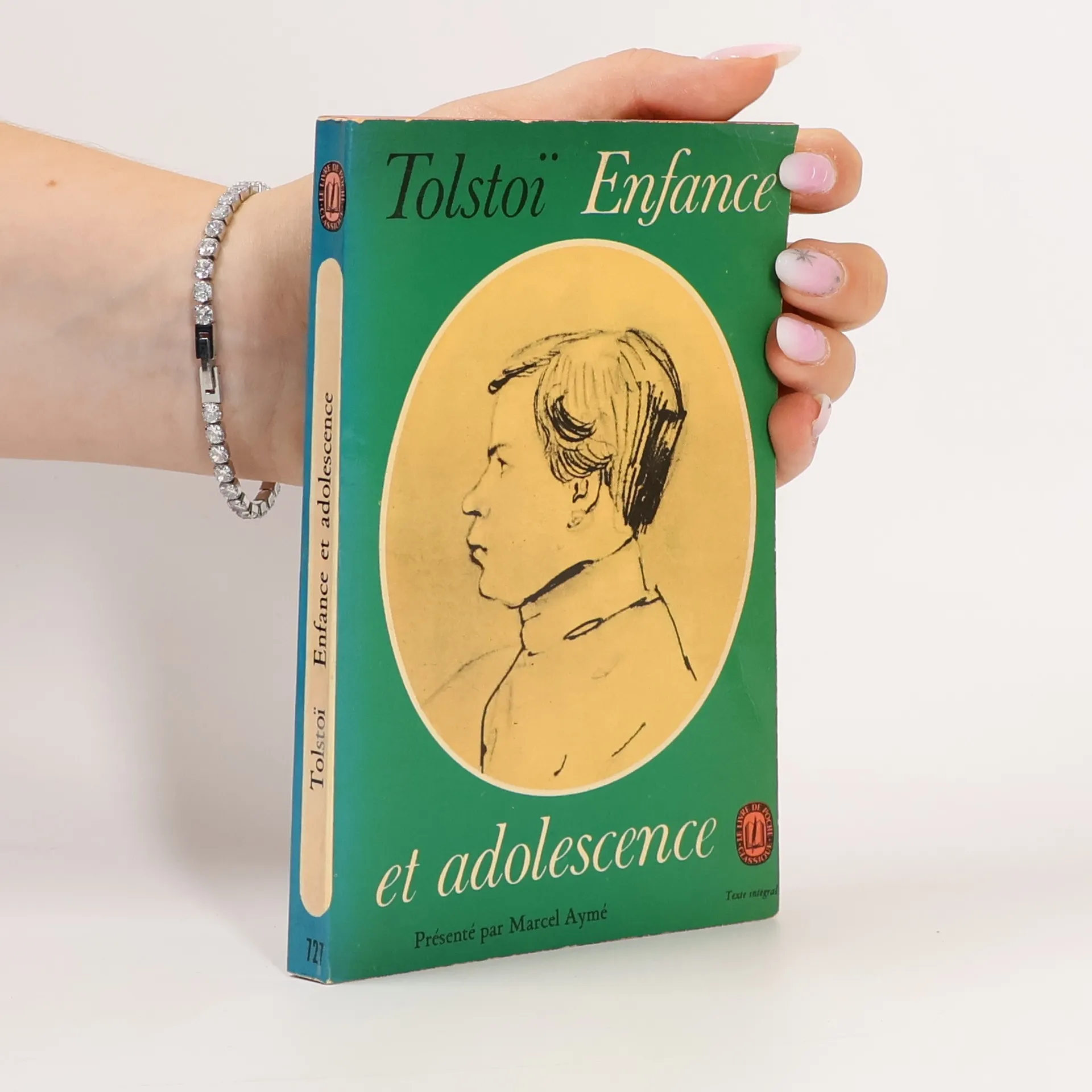
La trilogie explore les années formatrices de Nikolai, le fils d'un riche propriétaire terrien russe, capturant sa vie intérieure complexe et ses relations avec sa famille et ses amis. À travers des portraits de personnages vivants, y compris son précepteur et son père distant, Tolstoï plonge dans les rêves et les luttes morales de Nikolai alors qu'il passe de sa maison rurale à la vie urbaine à Moscou. Ce récit d'initiation met en lumière la quête d'identité et d'équilibre moral du protagoniste, illustrant le talent littéraire précoce de Tolstoï et sa capacité à créer des personnages riches et multifacettes.
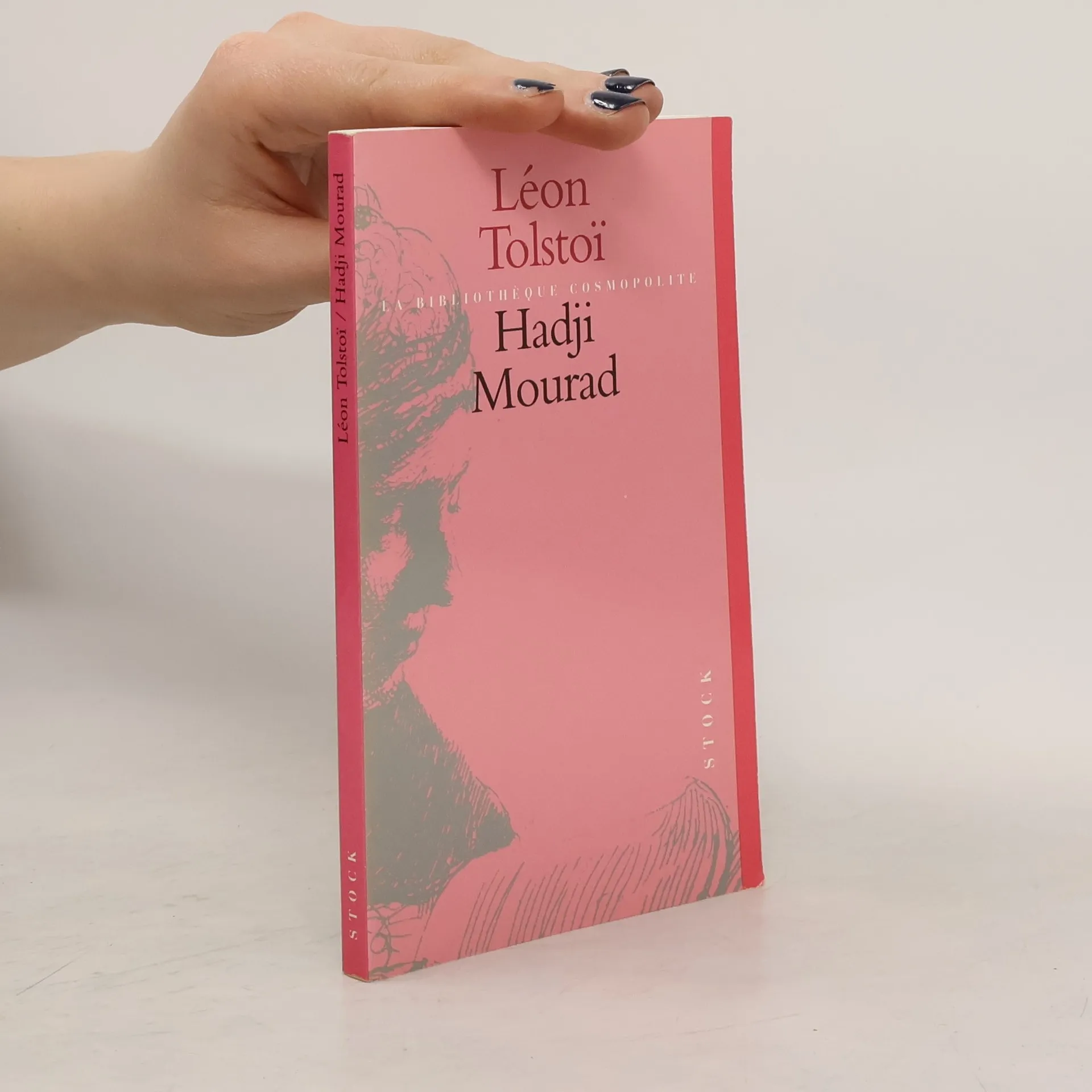
L'œuvre finale de Tolstoï est une novella captivante sur la lutte entre les Tchétchènes musulmans et leurs occupants incompétents, une fable morale puissante pour notre époque. Inspirée par une figure historique rencontrée par Tolstoï lors de son service dans le Caucase, cette histoire donne vie au célèbre guerrier Hadji Mourad, un rebelle tchétchène qui a combattu avec bravoure contre l'empire russe. Après une querelle avec son commandant, il fait défection auprès des Russes, pour découvrir qu'il n'est désormais digne de confiance ni pour l'un ni pour l'autre. D'abord accueilli, il est ensuite emprisonné par les Russes, soupçonné d'être un espion. Lorsqu'il apprend que sa femme et son fils sont retenus captifs par les Tchétchènes, Mourad risque tout pour tenter de sauver sa famille. Hadji Mourad est un portrait saisissant et provocateur d'une figure tragique qui n'a rien perdu de sa pertinence.
Les Cosaques
- 112pages
- 4 heures de lecture
Dans 'Les Cosaques', Léon Tolstoï plonge les lecteurs dans le Caucase, où l'officier Ourosjka découvre la liberté parmi les cosaques. À travers un style poétique, il aborde l'amour, la guerre et l'identité, tout en explorant des dilemmes moraux. Cette œuvre réaliste du XIXe siècle offre une réflexion sur la culture russe.
Les Récits de Sébastopol de Léon Tolstoï relatent ses expériences durant le siège de Sébastopol pendant la guerre de Crimée. Écrits entre 1855 et 1856, ils expriment son exaltation et son dégoût face à la mort et à la guerre. Ces récits touchent profondément l'impératrice et sont traduits en français.
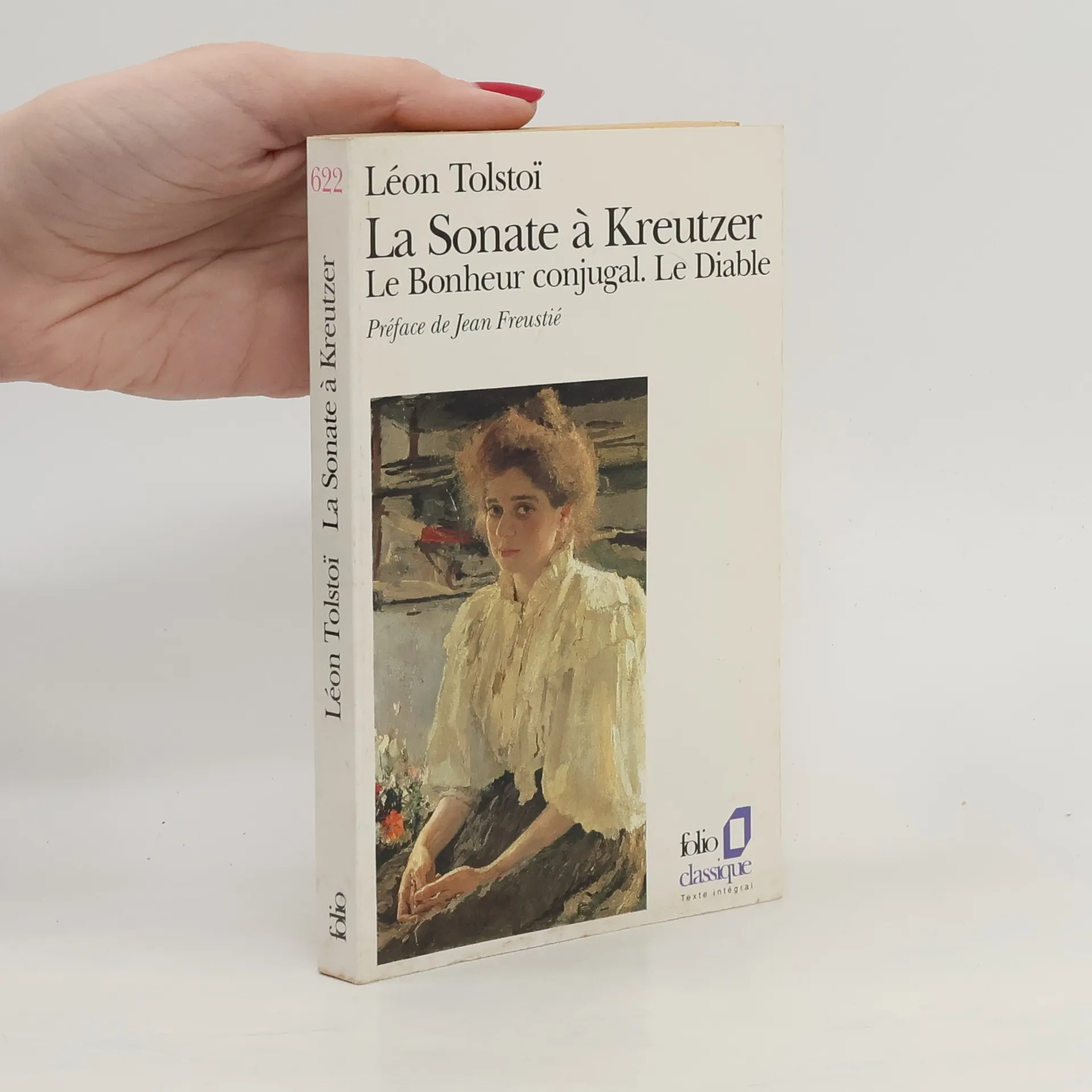
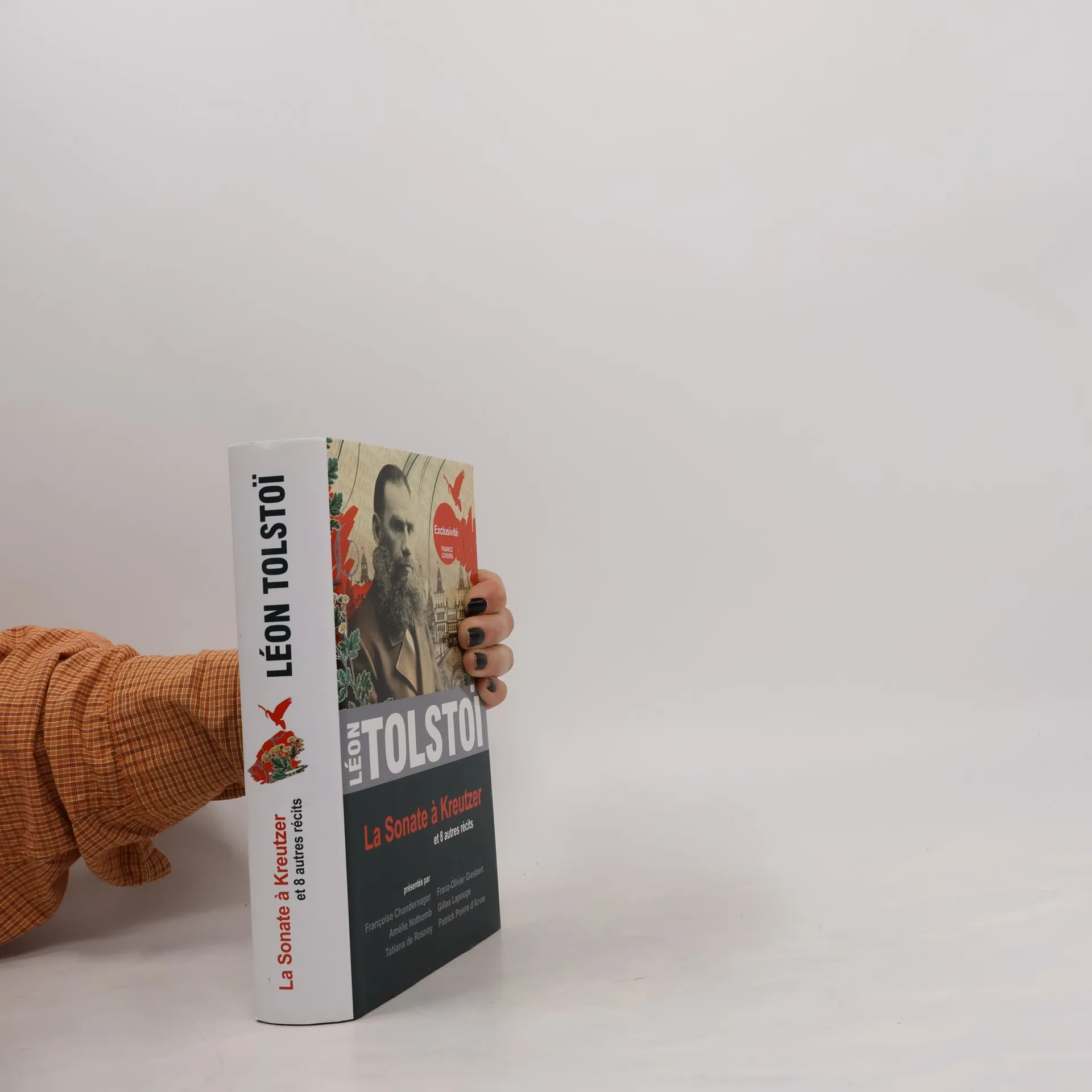
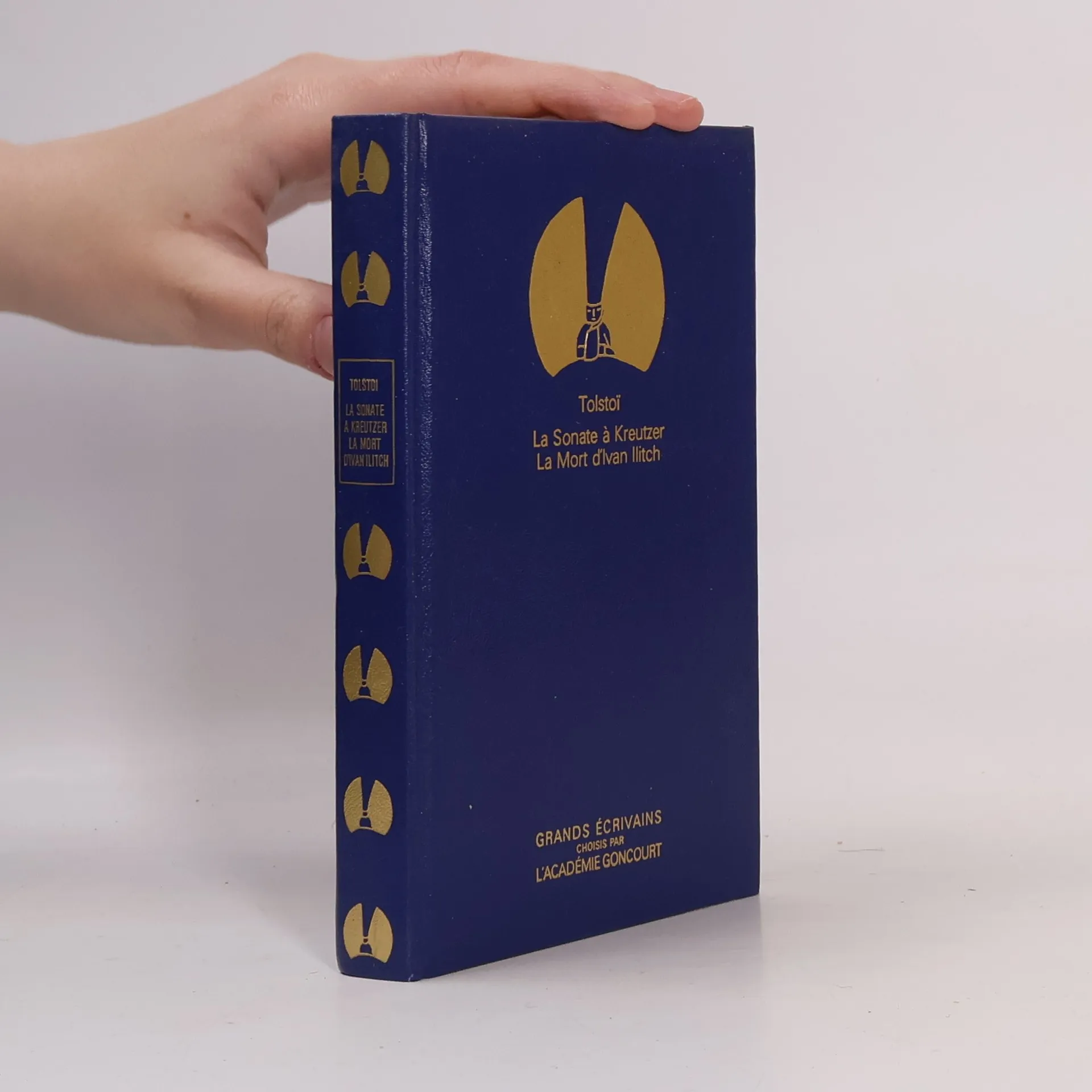
La Sonate à Kreutzer est une nouvelle de Léon Tolstoï, publiée en 1889. Elle raconte l'histoire de Pozdnychev, un homme qui, lors d'un voyage en train, partage ses réflexions sur l'amour et les relations, affirmant que l'amour n'est qu'une attirance physique. Il révèle finalement avoir tué sa femme.
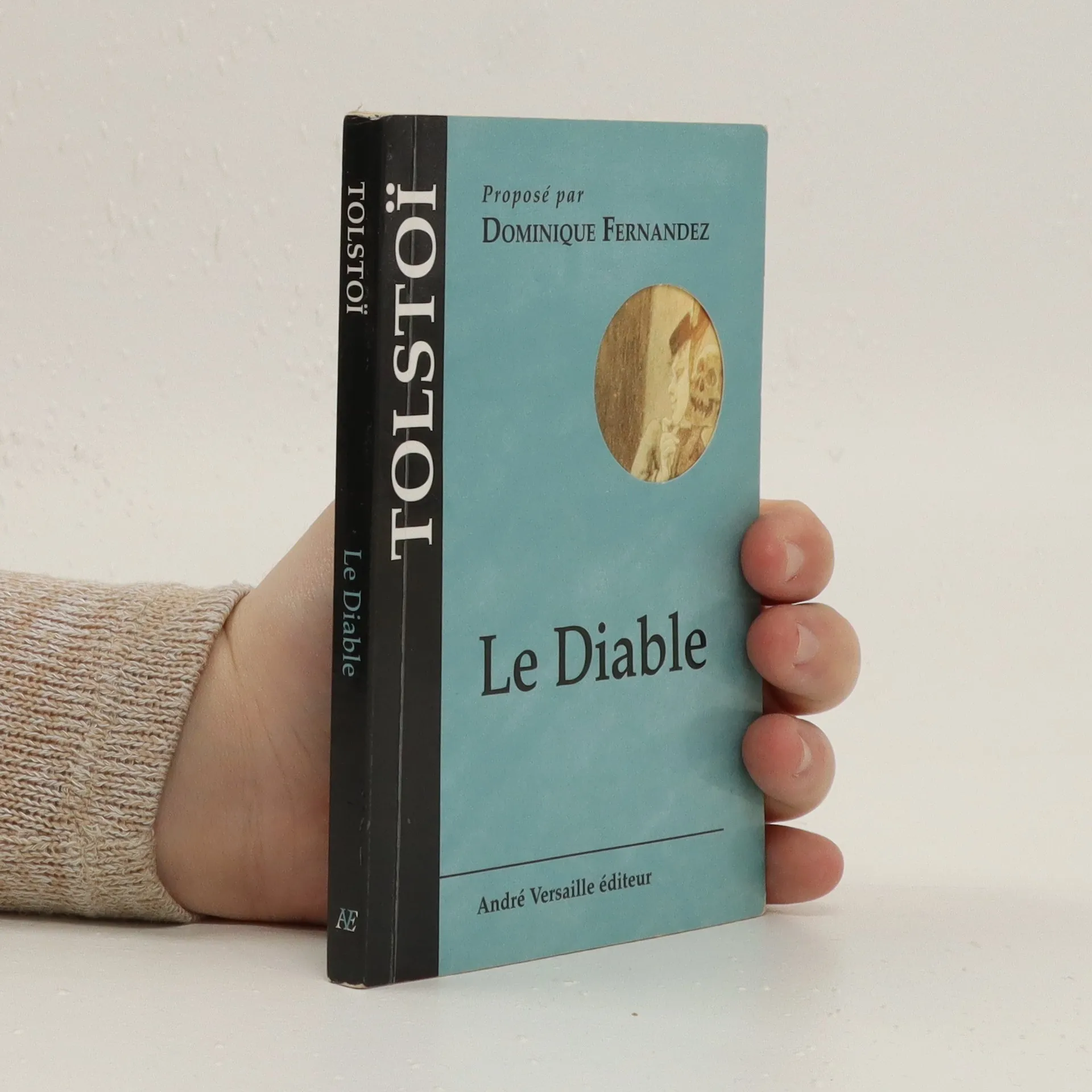
Eugène aime sincèrement sa femme, l'enfant qu'elle lui donne, mais cet amour sent un peu le devoir, la convention sociale, l'ennui. Le désir, c'est Stepanida qui l'incarne, avec sa simplicité rustique, sa spontanéité animale. Ambiguïté du désir: il est à la fois naturel, donc légitime, et perturbateur de l'ordre familial et social, donc illégitime. Stepanida, d'abord décrite avec la bienveillance qu'on a pour l'herbe, pour les fleurs, apparaît peu à peu, au cours de la nouvelle, comme une figure du " diable ". Tolstoï se contente de raconter une histoire terrible de désir, de honte, de mort. Il aligne les mots les uns à côté des autres, sans changer de voix. Il n'indique pas le sens qu'il faut donner à son texte: c'est au lecteur seul de juger: mariage, adultère, trahison, remords, tout est posé sous nos yeux, avec la même évidence lumineuse qu'un objet placé sur une table sous un rayon de soleil. C'est pourquoi, de tous les romanciers, Tolstoï me semble être le plus grand.
La Sonate à Kreutzer
Le Bonheur conjugal ; Le Diable - Préface de Jean Freustié
«Je posai le revolver et le recouvris d'un journal. Je m'approchai de la porte et l'ouvris. C'était la sœur de ma femme, une veuve à la fois bonne et stupide ...- Vassia, va la voir. Ah ! c'est affreux, dit-elle."Aller la voir ?" m'interrogeais-je. Aussitôt je me répondis qu'il fallait aller la voir, que probablement cela se faisait toujours. Quand un mari, comme moi, avait tué sa femme, il fallait certainement qu'il aille la voir. "Si cela se fait, il faut y aller, me dis-je. Et si c'est nécessaire j'aurai toujours le temps", songeai-je à propos de mon intention de me suicider...- Attends, dis-je à ma belle-sœur, c'est bête d'y aller sans bottes, laisse-moi au moins mettre mes pantoufles.»
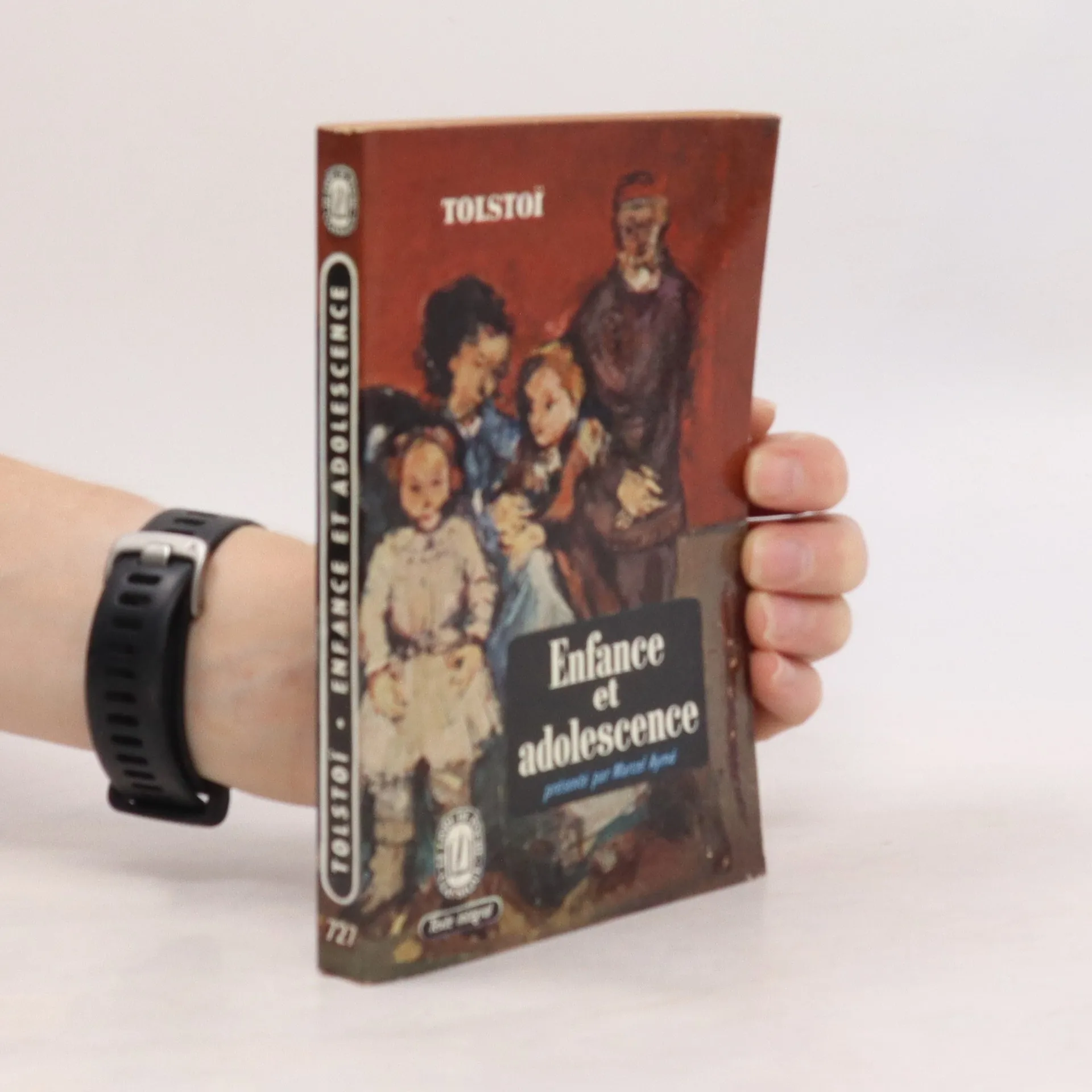
Dans le premier volet de son roman autobiographique, Tolstoï se penche sur ses jeunes années. Il peint dans un même temps la noblesse russe du XIXe siècle avec les grâces et les disgrâces de l'âge tendre.
Ce livre offre une exploration de "À la recherche du bonheur" avec une table des matières dynamique et détaillée, incluant des thèmes tels que l'origine du mal, des légendes populaires, et des histoires vraies. Les chapitres abordent des récits variés, enrichissant la quête du bonheur.
Bibliothèque de la Pléiade: Anna Karénine
- 1630pages
- 58 heures de lecture
Analyse : Roman d'amour.
French, Russian (translation)
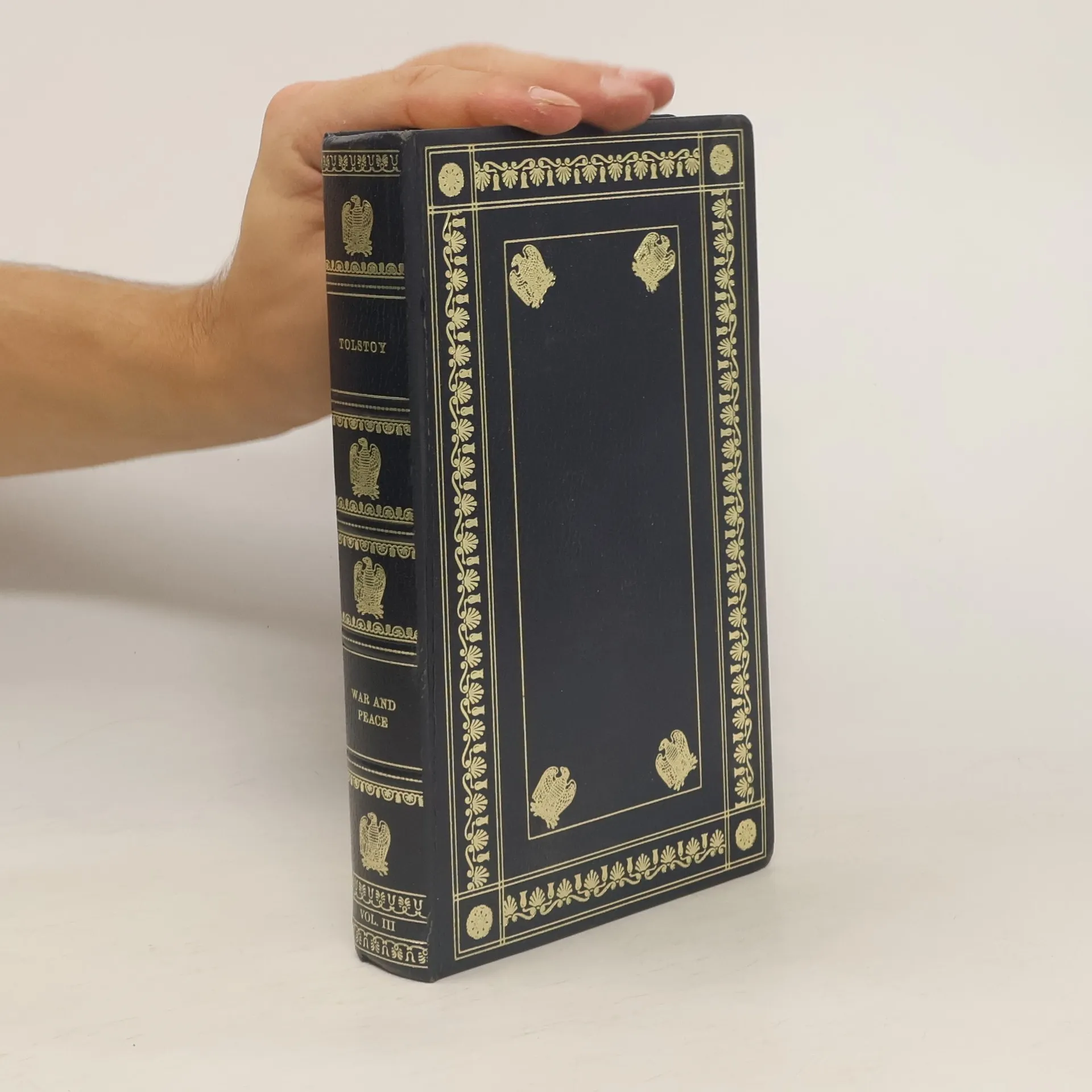
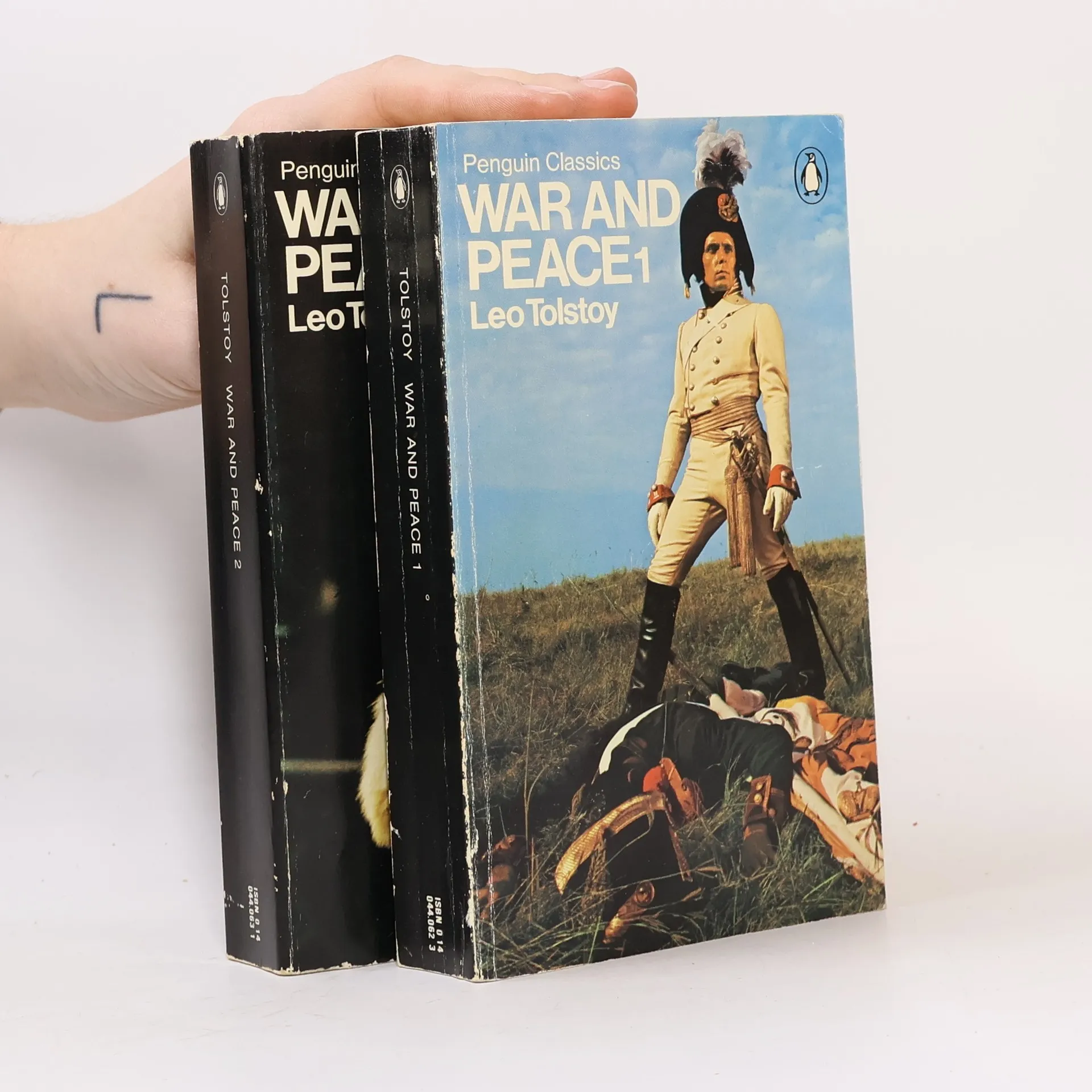
The novel "War and Peace," written between 1863 and 1869, is a four-part epic and one of the greatest works of world literature. It features over 250 characters, including historical figures such as Tsar Alexander I, Emperor Napoleon, and General Kutuzov. The extensive and vivid depictions of battles, such as those at Austerlitz and Borodino, as well as the desolate, burning Moscow, are unparalleled in literature. Intimate scenes from the lives of the upper class, along with romantic entanglements and adventures, alternate with portrayals of historical events and the struggle of the Russian people against Napoleon. Tolstoy drew inspiration not only from global historical events but also from his own family's experiences. For instance, the character Natasha Rostova and her life struggles were inspired by his sister-in-law T. A. Kuzminskaya. The third part of the epic takes place in 1812 and recounts events such as the Battle of Borodino and Napoleon's presence in Moscow.
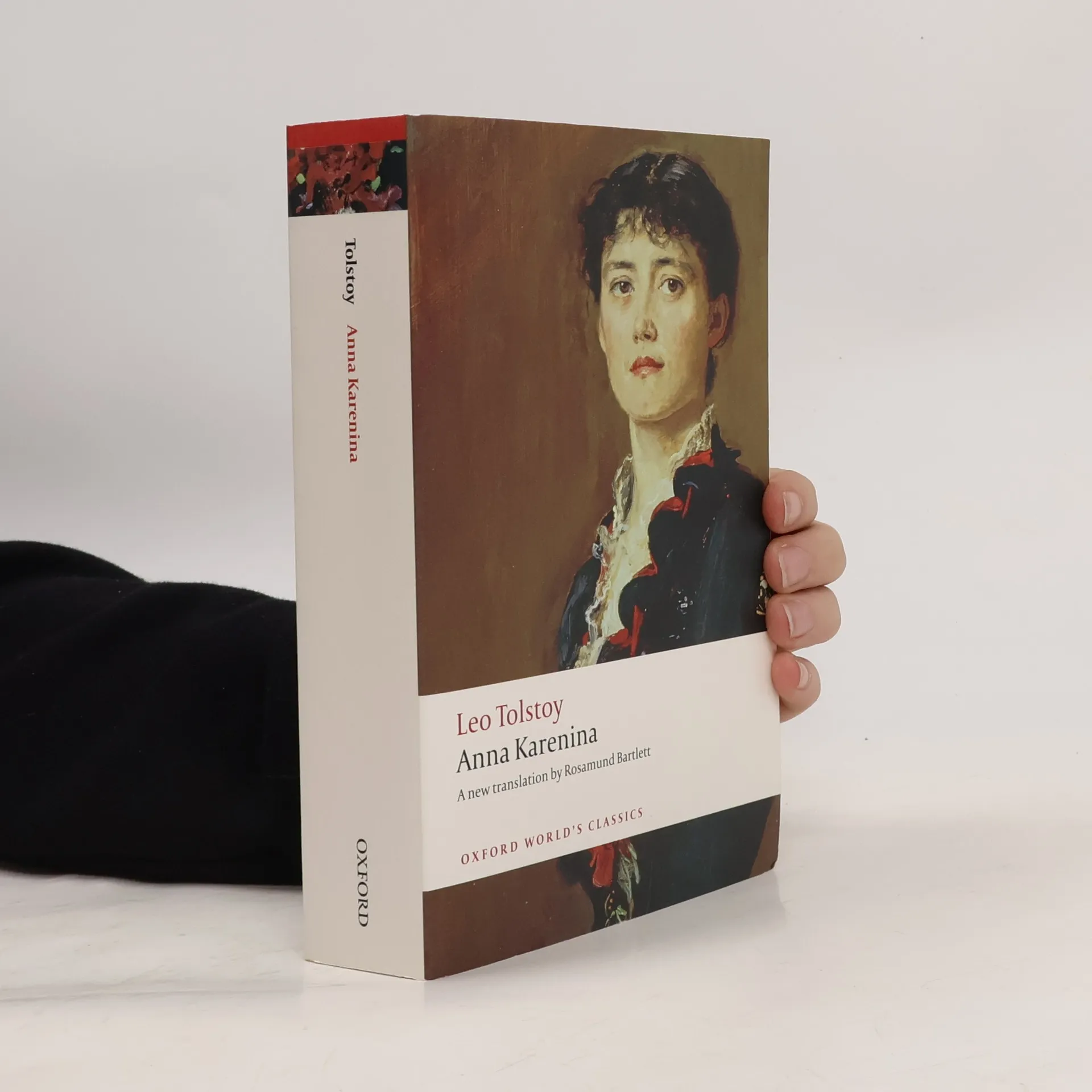
Oxford World's Classics: Anna Karenina
A New Translation by Rosamund Bartlett, English Edition
- 896pages
- 32 heures de lecture
One of the greatest novels ever written, Anna Karenina is the story of a beautiful woman whose passionate love for a handsome officer sweeps aside all other ties. This major translation conveys Tolstoy's precision of meaning and emotional accuracy in an English version that is highly readable and stylistically faithful.
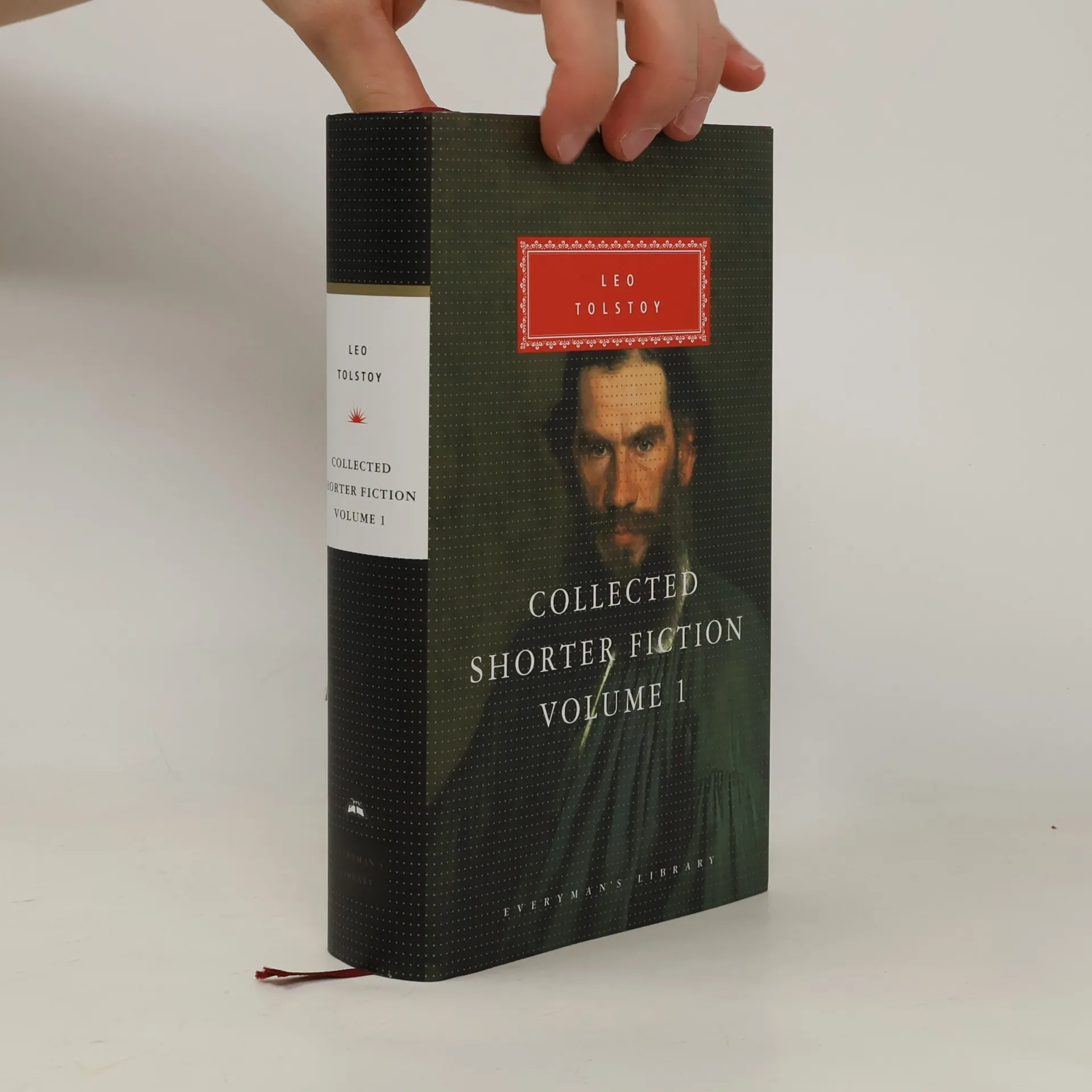
Everyman's Library: Collected Shorter Fiction Volume 1
- 848pages
- 30 heures de lecture
Volume 1 of the Everyman Collected Shorter Fiction is dominated by the characteristic experiences of his early life as soldier, land-owner, husband and father, the life which shaped Anna Karenina and War and Peace. schovat popis
Malashka and Akulka, two little girls, are playing together happily when they get into a disagreement... and before you know it, the entire village is involved! This adapted classic about conflict and resolution is printed with Tara Books' vintage letterpress.
War and Peace Book 4
- 80pages
- 3 heures de lecture
Set against the backdrop of the 1812 French invasion of Russia, the narrative intricately weaves the lives of various Russian families, highlighting the impact of the Napoleonic era on society. Beyond its historical framework, the book delves into philosophical discussions and character explorations, showcasing individuals from diverse backgrounds as they navigate the complexities of their time. It employs innovative narrative techniques reminiscent of early 19th-century literature, ultimately presenting a profound analysis of humanity's emotional and psychological evolution.
Youth
- 182pages
- 7 heures de lecture
Focusing on the transition from adolescence to adulthood, the novel explores Nikolenka's experiences as he navigates friendship, love, and personal growth while preparing for university. Through his relationship with Dmitri and the emotional challenges he faces, readers witness his awakening to complex feelings and moral revelations. This semi-autobiographical work captures the essence of youth, nostalgia, and the bittersweet nature of memories, showcasing Tolstoy's emerging literary prowess and philosophical depth that would characterize his later masterpieces.
Master and Man
- 48pages
- 2 heures de lecture
Set during a harsh Russian winter, the narrative follows the journey of Vasili Andreevich Brekhunov and his servant, Nikita. Through their interactions, the story delves into profound themes of human nature, morality, and the relentless pursuit of material wealth. Despite its short length, it offers a thought-provoking exploration of the dynamics between master and servant, highlighting the philosophical complexities of their relationship.
Great Short Works of Leo Tolstoy
- 685pages
- 24 heures de lecture
The brilliant shorter novels of Tolstoy, including The Death of Ivan Ilych and Family Happiness, collected and reissued with a beautiful updated design. Of all Russian writers Leo Tolstoy is probably the best known to the Western world, largely because of War and Peace, his epic in prose, and Anna Karenina, one of the most splendid novels in any language. But during his long lifetime Tolstoy also wrote enough shorter works to fill many volumes. Here reprinted in one volume are his eight finest short novels, together with "Alyosha the Pot", the little tale that Prince Mirsky described as "a masterpiece of rare perfection."
A Confession by Leo Tolstoy, Religion, Christian Theology, Philosophy
- 108pages
- 4 heures de lecture
Exploring profound existential questions, Tolstoy delves into his spiritual journey and the search for life's meaning. He reflects on his abandonment of Russian Orthodox faith, his achievements, and the subsequent sense of emptiness that followed. Through encounters with science, philosophy, and the insights of fellow writers, he finds no satisfactory answers. Ultimately, Tolstoy concludes that the deep religious convictions of ordinary people hold the key to understanding life's purpose. This essay offers a poignant examination of melancholia, philosophy, and faith from the esteemed author.
The Greatest Short Stories of Leo Tolstoy
- 610pages
- 22 heures de lecture
Recognized as one of the greatest novelists and moral philosophers, Leo Tolstoy's works delve deeply into the complexities of human nature and morality. His narratives often explore themes of love, faith, and the search for meaning in life, reflecting his profound philosophical insights. Tolstoy's ability to weave intricate character studies within sweeping historical contexts has left a lasting impact on literature, influencing countless writers and thinkers across generations. His legacy continues to resonate in discussions of ethics and the human condition.
The Death of Ivan Ilyich and Master and Man
- 160pages
- 6 heures de lecture
Exploring profound themes of mortality and life's meaning, this edition features two significant works by Tolstoy. "The Death of Ivan Ilyich" follows a bureaucrat reflecting on his seemingly wasted life as he faces death, while "Master and Man" depicts a landowner and his servant navigating a perilous snowstorm, forcing them to reassess their values and relationships. Both stories, newly translated by Ann Pasternak Slater, offer moving insights into the human experience of dying and the quest for spiritual redemption.
The Forged Coupon and Other Stories
- 146pages
- 6 heures de lecture
Featuring a variety of narratives, this collection highlights Tolstoy's profound understanding of human nature and the complexities of social issues. Each story delves into moral dilemmas, reflecting the author's philosophical inquiries and ethical reflections. Published in 1911, these tales continue to resonate with readers, offering timeless insights into the human condition.
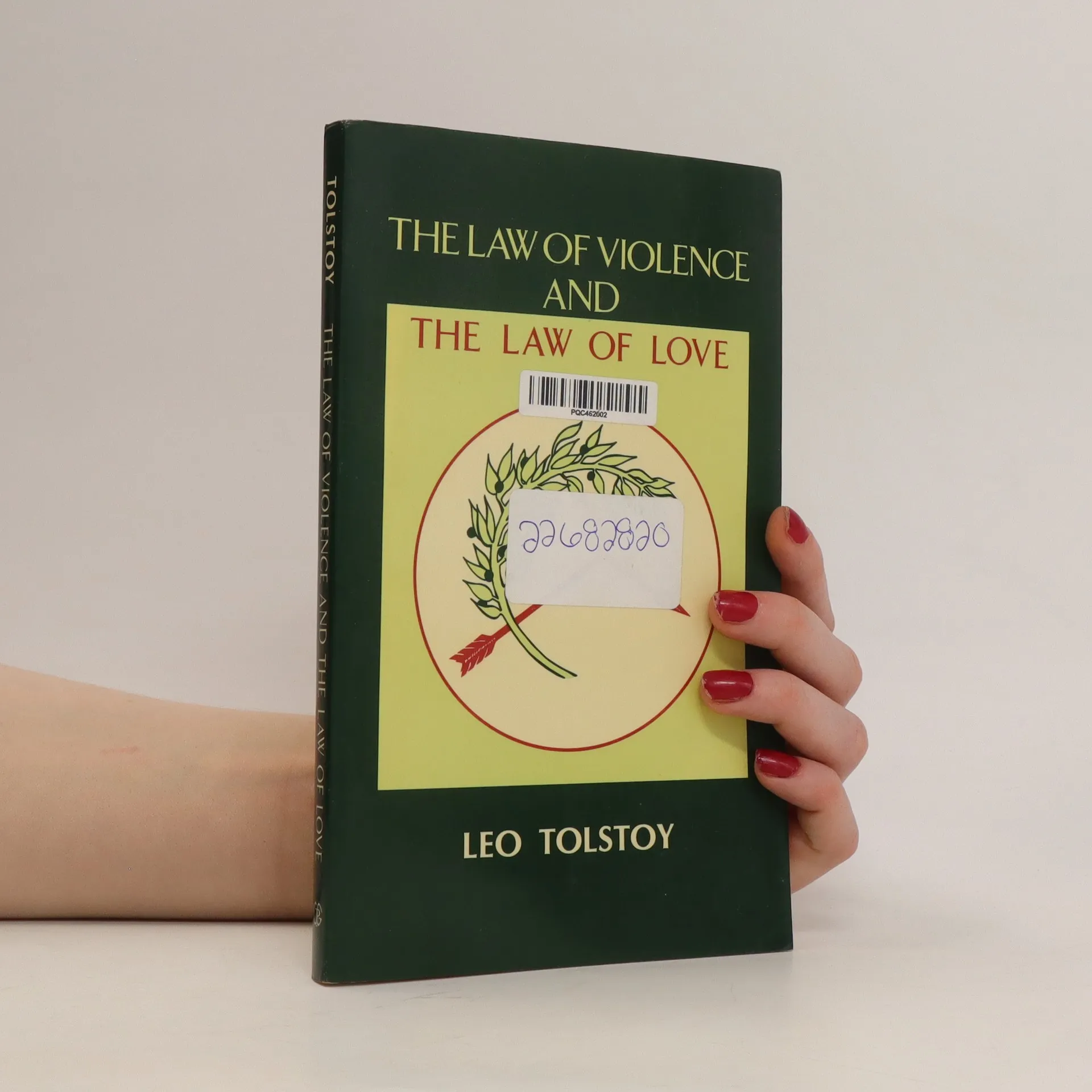
The Law of Violence and The Law of Love
- 87pages
- 4 heures de lecture
This treatise expresses and explores a philosophy that has inspired Gandhi, Martin Luther King, Jr., and countless others. Written just before World War I, it examines the conflicts within and among nations and articulates Tolstoy's famous dictum that it is morally superior to suffer violence than to do violence.
TOLSTOY ON SHAKESPEARE
- 136pages
- 5 heures de lecture
The author reflects on his profound disillusionment with Shakespeare's works, initially expecting aesthetic pleasure but instead experiencing repulsion and tedium. As he revisits the plays at seventy-five, his conviction deepens that the veneration surrounding Shakespeare distorts both aesthetic and ethical understanding. He argues that this misplaced admiration constitutes a significant cultural deception, challenging the notion of Shakespeare's genius and its impact on literary and moral perceptions.
Father Sergius
- 50pages
- 2 heures de lecture
The story explores Father Sergius's moral journey within a society rife with stereotypes, from the ambitious young soldier captivated by the emperor's grandeur to the idealized beauty of his fiancée, embodying innocence. As he transitions to monastic life, he encounters the abbot, a learned and aristocratic figure, representing a lineage of monks. This narrative delves into themes of identity, ambition, and the contrast between societal expectations and personal growth.
Set in the years leading up to and culminating in Napoleon's disastrous Russian invasion, this novel focuses upon an entire society torn by conflict and change. Here is humanity in all its innocence and corruption, its wisdom and folly.
The Death of Ivan Ilyich: New Translation
- 192pages
- 7 heures de lecture
'The Death of Ivan Ilyich - is usually regarded as an amazing narrative of the experience of dying, a search for the meaning of death. It is all that, and more: it's a great questioning of what is and what ought to be in a human life.' Nadine Gordimer
This is a reader covering Tolstoy's later beliefs after he had rejected orthodox religion. The book mainly draws on Confession (1879), What is My Faith? (1884) and other occasional pieces.
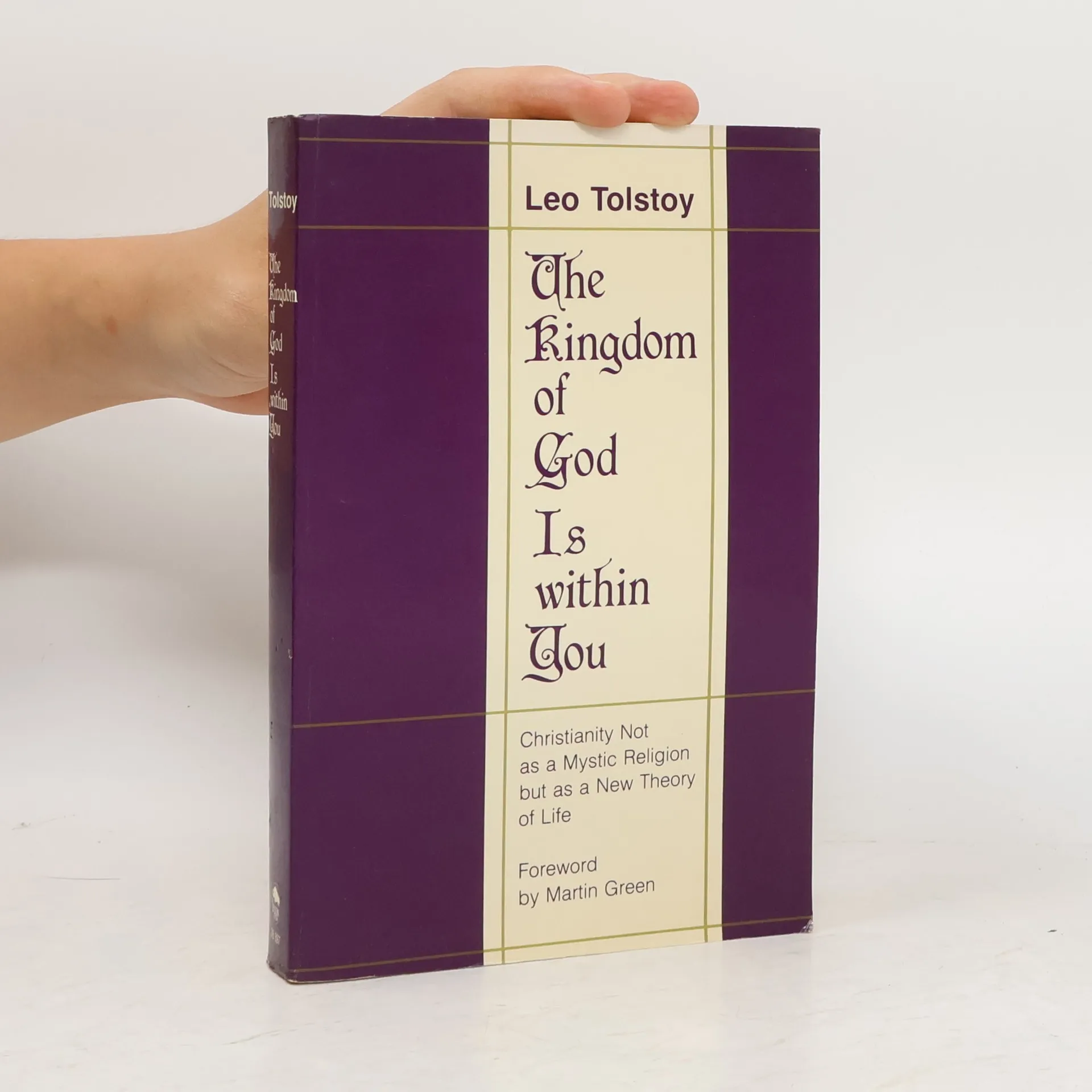
The Kingdom of God is Within You
Christianity Not as a Mystic Religion But as a New Theory of Life
- 398pages
- 14 heures de lecture
First published in Germany in 1894, after being banned in Russia, The Kingdom of God Is within You reveals Tolstoy’s world outlook after his conversion to Christianity. He argues that the kingdom of God is within reach of all. The core of the book deals with his nonresistance to evil, a principle Tolstoy passionately advocated. Gandhi was won over by the book. Tolstoy clearly describes the hazards that bullying governments and false beliefs produced. “The situation of the Christian part of humanity—with its prisons, forced labor, gallows, saloons, brothels, constantly increasing armaments, and millions of confused people ready like trained hounds to attack anyone against whom their masters set them—this situation would be terrible if it were the product of coercion, but it is above all the product of public opinion.” Abhorring the violence of revolution, Tolstoy calls on Christians to remember that the only guide for their actions is to be found in the divine principle dwelling within them, which in no sense can be checked or governed by anyone or anything else.
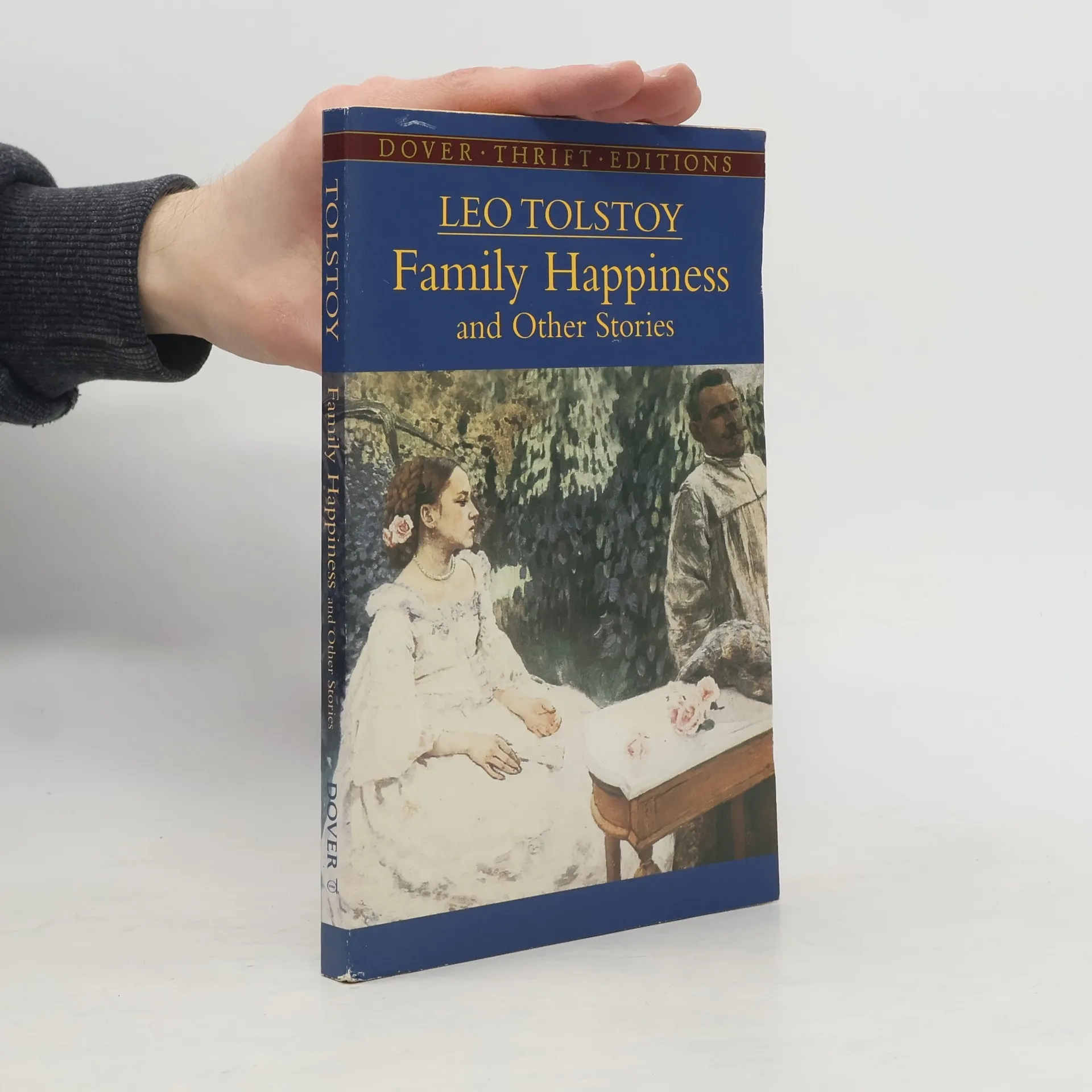
Dover Thrift Editions: Family Happiness and Other Stories
- 208pages
- 8 heures de lecture
Each of the 6 powerful tales in this collection exhibits the rich detail, shrewd observations, and vivid narration that characterize Tolstoy's famous novels. In addition to the title story, this compilation includes "Three Deaths," "The Three Hermits," "The Devil," "Father Sergius," and "Master and Man."
My Religion
- 160pages
- 6 heures de lecture
"I have not always been possessed of the religious ideas set forth in this book. For thirty-five years of my life I was, in the proper acceptation of the word, a nihilist,--not a revolutionary socialist, but a man who believed in nothing. Five years ago faith came to me; I believed in the doctrine of Jesus, and my whole life underwent a sudden transformation". Leo Tolstoy
The Death of Ivan Ilyich and Confession
- 224pages
- 8 heures de lecture
A pairing of Tolstoy's most spiritual and existential works of fiction and nonfiction from the renowned translator of Turgenev and Chekhov.
A Calendar of Wisdom
- 384pages
- 14 heures de lecture
Over the last fifteen years of his life, Tolstoy collected and published the maxims of some of the world's greatest masters of philosophy, religion and literature, adding his own contributions to various questions that preoccupied him in old age, such as faith and existence, as well as matters of everyday life. Banned in Russia under Communism, A Calendar of Wisdom was Tolstoy's last major work, and one of his most popular both during and after his lifetime. This new translation by Roger Cockrell will offer today's generation of readers the chance to discover, day by day, these edifying and carefully selected pearls of wisdom.
How Much Land Does A Man Need?
- 64pages
- 3 heures de lecture
A parable of a Russian peasant's bargain with the devil - considered by James Joyce to be the world's greatest story.
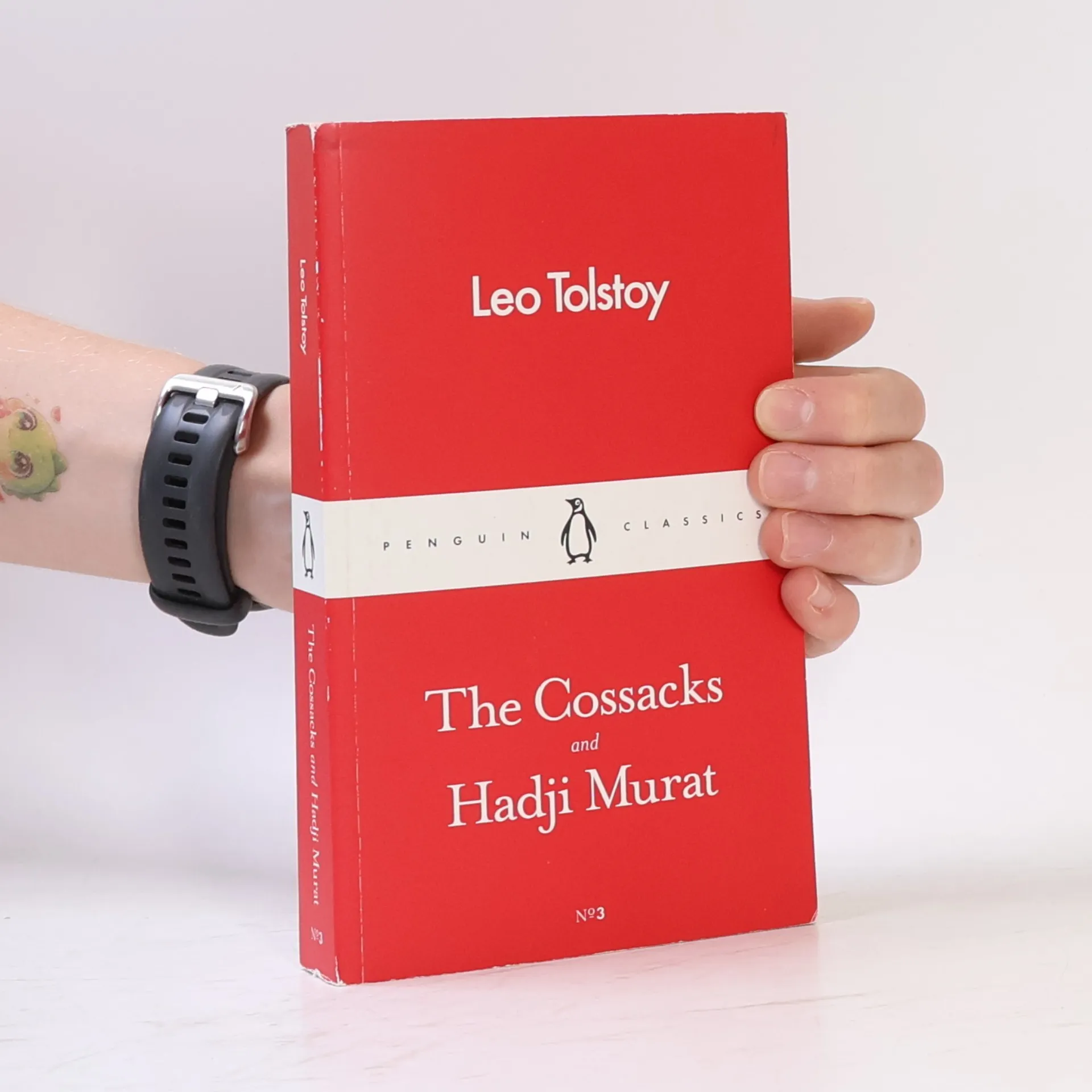
The Cossacks and Hadji Murat
- 720pages
- 26 heures de lecture
'He said that Shamil had ordered Hadji Murat to be taken dead or alive....' Two masterly Russian tales of freedom, fighting and great warriors in the majestic mountains of the Caucasus, inspired by Tolstoy's years as a soldier living amid the Cossack people. A new series of twenty distinctive, unforgettable Penguin Classics in a beautiful new design and pocket-sized format, with coloured jackets echoing Penguin's original covers.
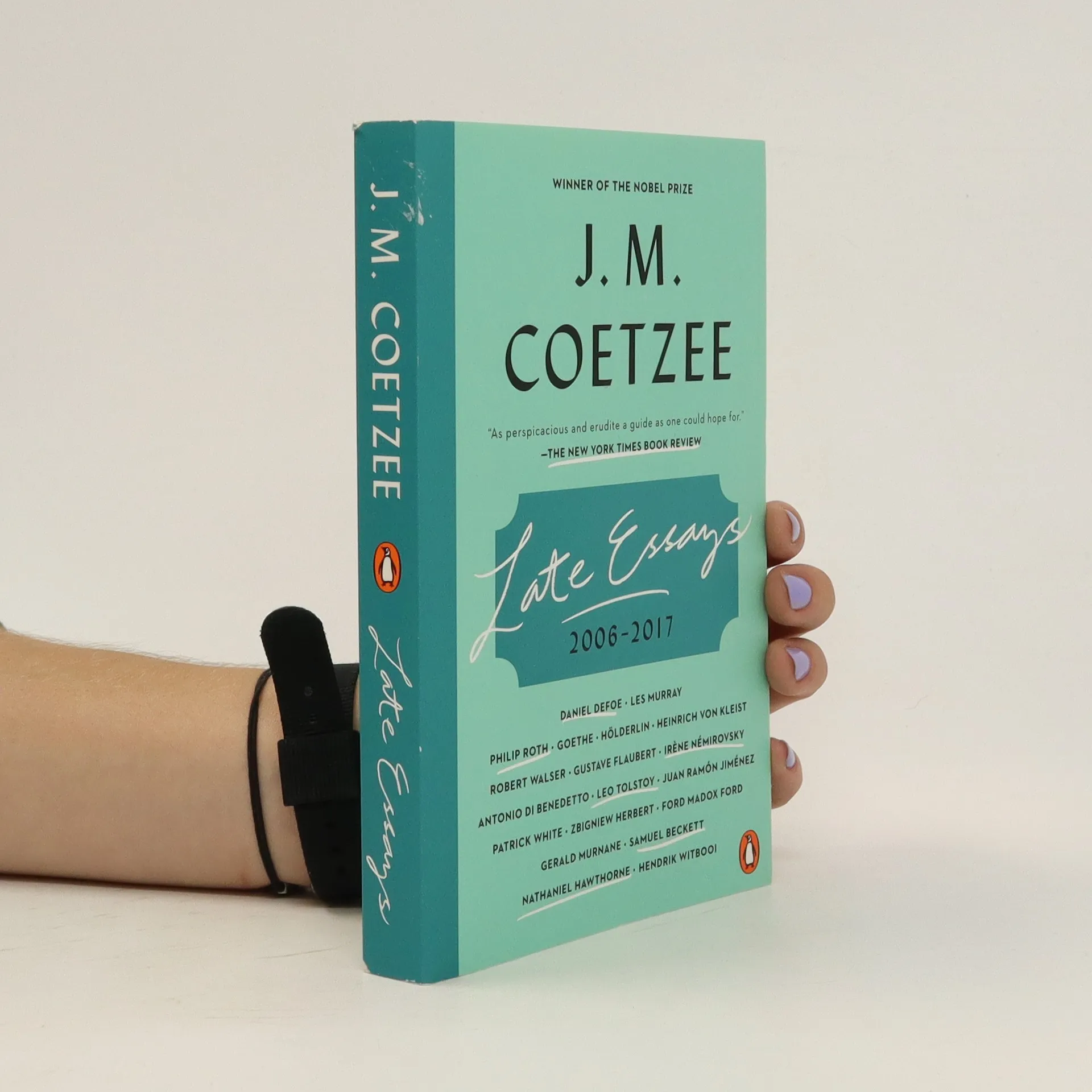
Late Essays, 2006-2017
- 304pages
- 11 heures de lecture
A new collection of twenty-three literary essays from the Nobel Prize–winning author. J. M. Coetzee’s latest novel, The Schooldays of Jesus, is now available from Viking. J. M. Coetzee is not only one of the most acclaimed fiction writers in the world, he is also an accomplished and insightful literary critic. In Late Essays: 2006–2016, a thought-provoking collection of twenty-three pieces, he examines the work of some of the world’s greatest writers, from Daniel Defoe in the early eighteenth century to Goethe and Irène Némirovsky to Coetzee’s contemporary Philip Roth. Challenging yet accessible, literary master Coetzee writes these essays with great clarity and precision, offering readers an illuminating and wise analysis of a remarkable list of works of international literature that span three centuries.
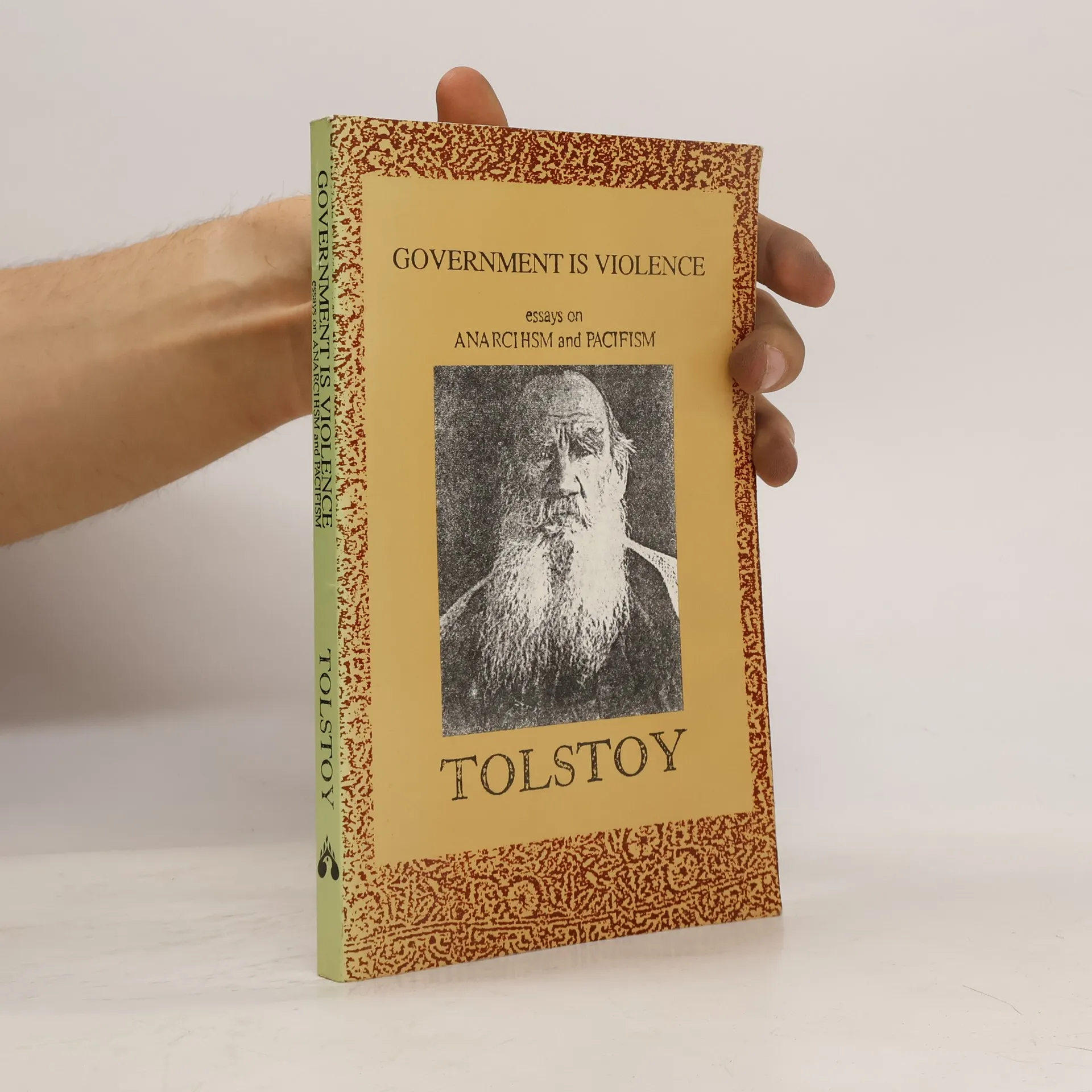
A collection of the man's writings on anarchism and pacifism.
Anna Karenina, Part 1
- 162pages
- 6 heures de lecture
Exploring themes of betrayal, faith, and the complexities of marriage, this novel delves into the lives of its numerous characters against the backdrop of Imperial Russian society. Spanning over 800 pages, it intricately contrasts rural and urban experiences, reflecting the social dynamics of the time. Tolstoy's narrative style marks a significant transition between realism and modernism, establishing the work as a pivotal piece in literary history. Celebrated as one of the greatest novels, it showcases the depth of human emotion and societal critique.
War and Peace Book 8
- 104pages
- 4 heures de lecture
Set against the backdrop of the 1812 French invasion of Russia, the narrative delves into the lives of aristocratic families and the broader societal impacts during the Napoleonic era. The book intertwines philosophical discussions with character-driven stories, showcasing individuals from various backgrounds grappling with the challenges of their time. It employs innovative narrative techniques reminiscent of early 19th-century literature, highlighting the complexity of human experience and the enduring relevance of emotional resilience and personal growth in society.
What Men Live By
- 96pages
- 4 heures de lecture
Remember; There is only one moment that matter, and that is now. Because it is the only one we can rule over...Lev Tolstoy, the author of masterpieces such as Anna Karenina, War and Peace, and Resurrection, spent the last thirty years of his life working on subjects such as human beings, family, religion, state, society, freedom, rebellion and aesthetics. In the works he produced during this period, he addressed human problems within a literary fiction.What Men live by? stating that the most important virtue that an individual should have is love, the great writer was inspired by holy book texts and folk tales and invited humanity to truth. Tolstoy, who left very important works in world literature, has managed to reach readers of all ages.
War and Peace Book 12
- 80pages
- 3 heures de lecture
Set against the backdrop of the French invasion of Russia in 1812, the narrative intricately weaves the lives of various Russian families, showcasing the effects of the Napoleonic era on Tsarist society. It delves into philosophical discussions intertwined with character development, highlighting the struggles of individuals from diverse backgrounds—aristocrats, soldiers, and commoners. The book employs innovative narrative techniques reminiscent of early 19th-century literature, ultimately presenting a profound exploration of humanity's emotional and psychological evolution.
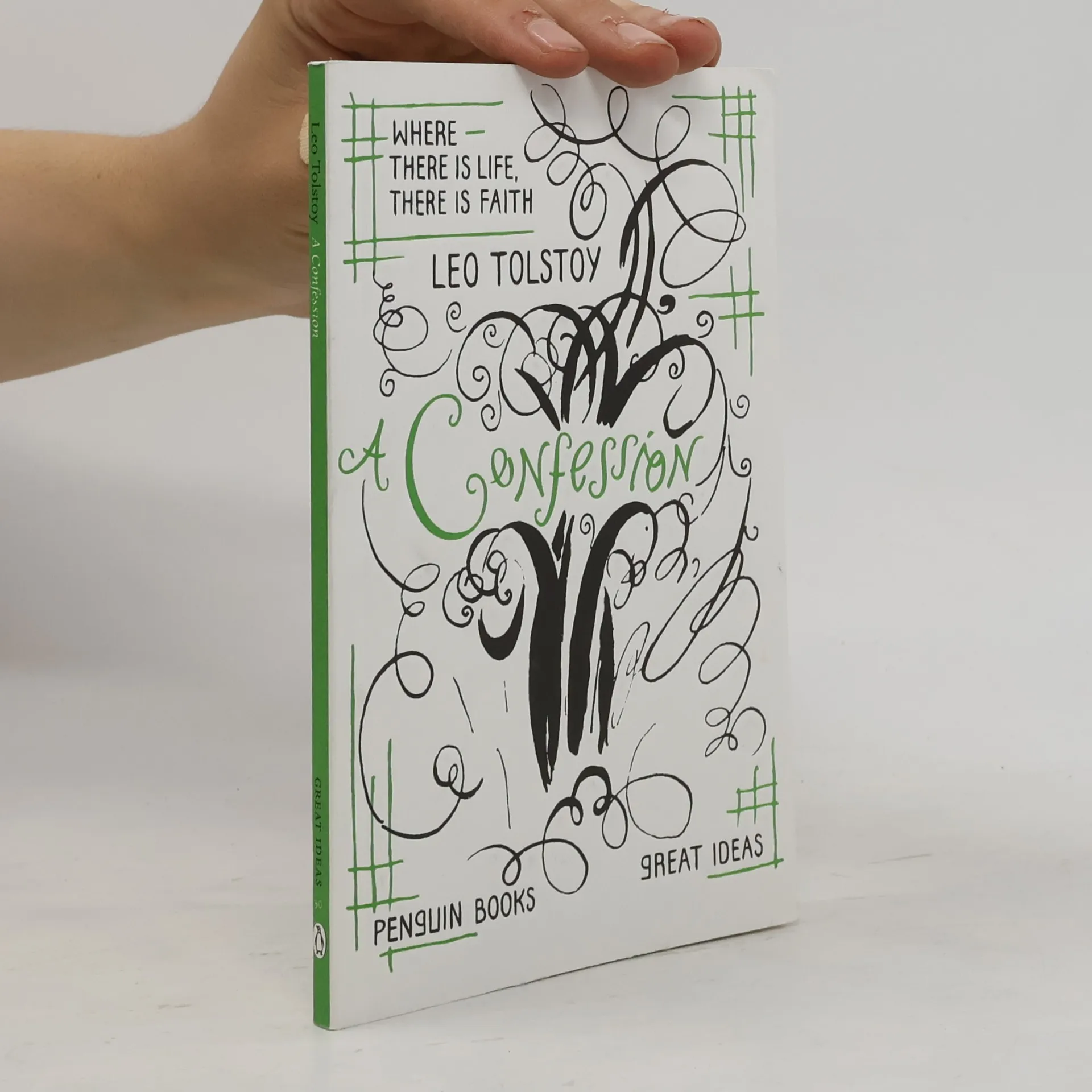
A confession
- 112pages
- 4 heures de lecture
Describing Tolstoy's crisis of depression and estrangement from the world, A Confession is an autobiographical work of exceptional emotional honesty. It describes his search for 'a practical religion not promising future bliss but giving bliss on earth'. Although the Confession led to his excommunication, it also resulted in a large following of Tolstoyan Christians springing up throughout Russia and Europe. Throughout history, some books have changed the world. They have transformed the way we see ourselves – and each other. They have inspired debate, dissent, war and revolution. They have enlightened, outraged, provoked and comforted. They have enriched lives – and destroyed them. Now Penguin brings you the works of the great thinkers, pioneers, radicals and visionaries whose ideas shook civilization and helped make us who we are.
Nine stories portray the harsh realities of the Crimean War, their impact on the participants, and other moments of spiritual crisis
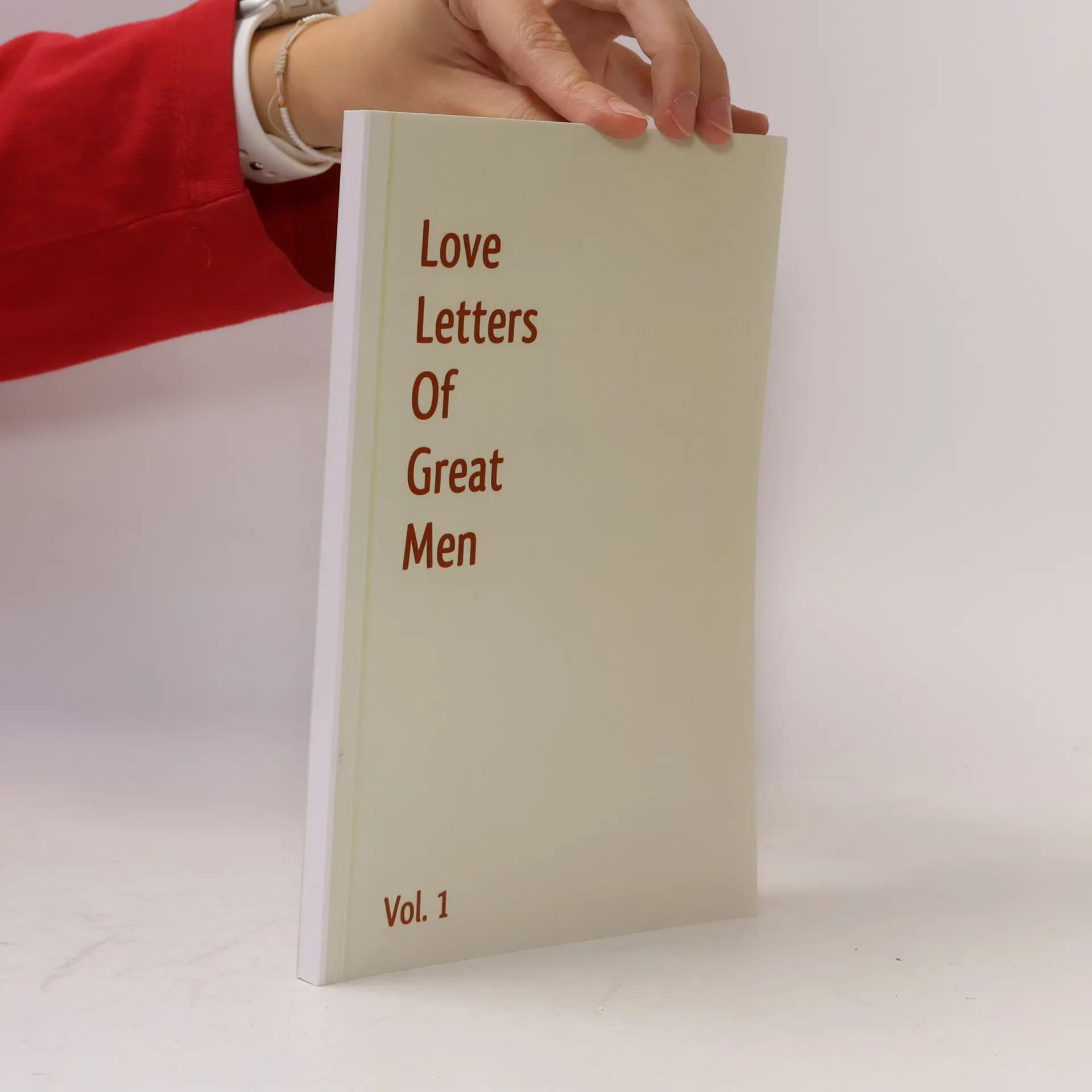
Love Letters Of Great Men
- 136pages
- 5 heures de lecture
LOVE LETTERS OF GREAT MEN (Volume 1) is an anthology of romantic love letters written by leading male historical figures. *** The book plays a key role in the plot of the US movie Sex and the City. *** When Carrie Bradshaw in the "Sex and the City" movie began reading the book Love Letters of Great Men, millions of women wanted to get their hands on the book. Of course, what could be more romantic than an entire book of love letters, written by men! *** The book includes love letters written by Ludwig van Beethoven, Pietro Bembo, Napolean Bonaparte, Rupert Brooke, Robert Browning, Robert Burdette, Lord Byron, Lord Randolph Churchill, Winston Churchill, Mark Twain, John Constable, Cuff Cooper, Oliver Cromwell, Pierre Curie, Alfred de Musset, F. Scott Fitzgerald, Gustave Flaubert, Johann Wolfgang von Goethe, Lyman Hodge, Count Gabriel Honore de Mirbeau, Victor Hugo, James Joyce, Franz Kafka, John Keats, Henry IV of France, Henry VIII, Franz Liszt, Jack London, Wolfgang Amadeus Mozart, Thomas Otway, Robert Peary, Sir Walter Raleigh, Theodore Roosevelt, Jr., John Ruskin, Robert Schumann, George Bernard Shaw, Richard Steele, Alfred de Musset, Dylan Thomas, Count Leo Tolstoy, Vincent Van Gogh, Voltaire, Henry von Kleist, and Woodrow Wilson.
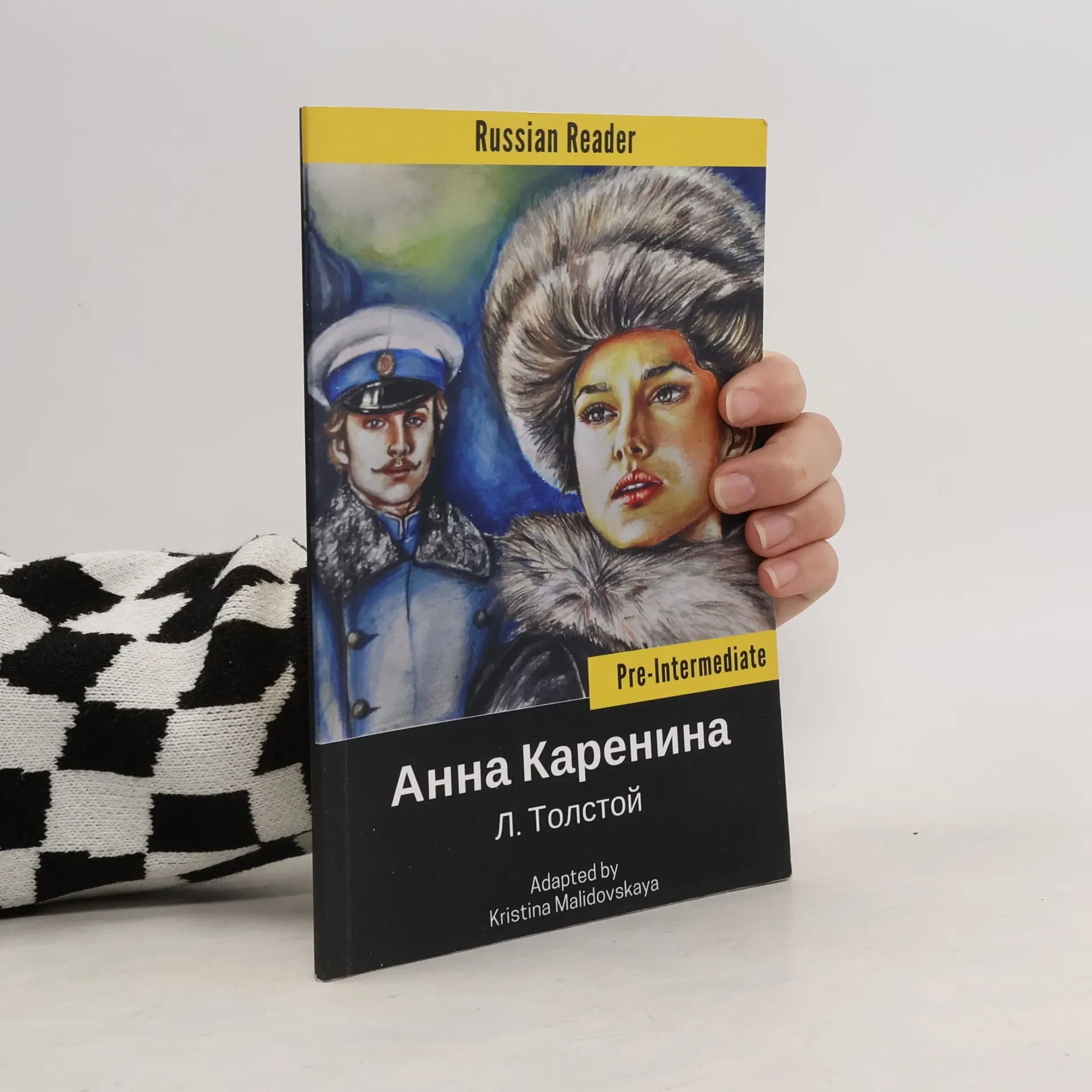
Russian Readers are a range of contemporary and classic Russian and foreign titles specially retold for learners of Russian. Finishing a novel in another language will give you a real sense of achievement, and will motivate you to go on reading more and more. And the more you read, the more your language proficiency increases, the more confident you feel and the more motivated you are! All Russian Readers include stress accents in the Russian text, Russian-English vocabulary and understanding questions at the end of each chapter. The series is published at six levels - Starter, Elementary, Pre-intermediate, Intermediate; Upper-intermediate and Advanced. The number of words at each level: Starter (A1) - 300-600 headwords; Elementary (A2) - 600-1000 headwords; Pre-intermediate (A2-B1) - 1000-1400 headwords; Intermediate (B1) - 1400-1700 headwords; Upper-intermediate (B2) - 1700-2200 headwords; Advanced (C1) - 2200-3000 headwords.
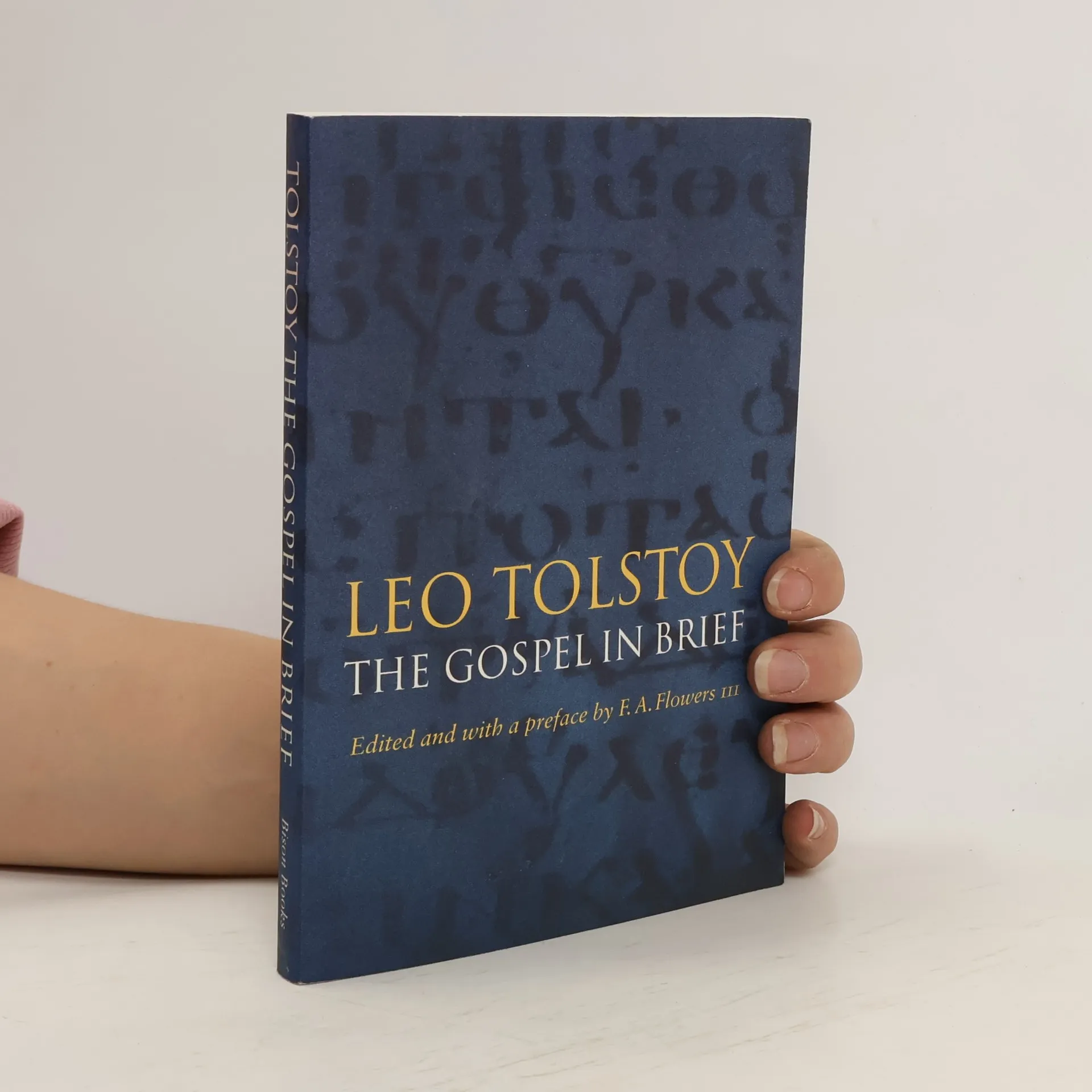
"Are you acquainted with Tolstoy's The Gospel in Brief? At its time, this book virtually kept me alive... If you are not acquainted with it, then you cannot imagine what an effect it can have upon a person." – Ludwig Wittgenstein, in a letter to Ludwig von Ficker.The Gospel in Brief is Leo Tolstoy's integration of the four biblical Gospels into a single account of the life of Jesus. Inspired in large measure by Tolstoy's meticulous study of the original Greek versions of the Bible, The Gospel in Brief is a highly original fusion of biblical texts and Tolstoy's own influential religious views. Tolstoy explains that his goal is a solution to "the problem of life," not an answer to theological or historical questions. As a result, he sets aside such issues as Jesus' genealogy and divinity, or whether Jesus in fact walked on water. Instead, he focuses on the words and teachings of Jesus, stripped of what Tolstoy regarded as the Church's distortions and focus on dogma and ritual. The result is a work that emphasizes the individual's spiritual condition in a chaotic and indifferent world. Like Tolstoy's celebrated literary achievements, The Gospel in Brief has the distinct bearing of a classic; in its urgency and directness it is remarkably current, as if it were written only yesterday rather than a century ago.
Classic / British EnglishAnna Karenina, one of world literature’s greatest novels, tells the story of a beautiful young woman who is unhappily married to a man much older than herself. When she falls in love with a handsome young soldier, life suddenly seems wonderful. But real happiness is not so easily found ...
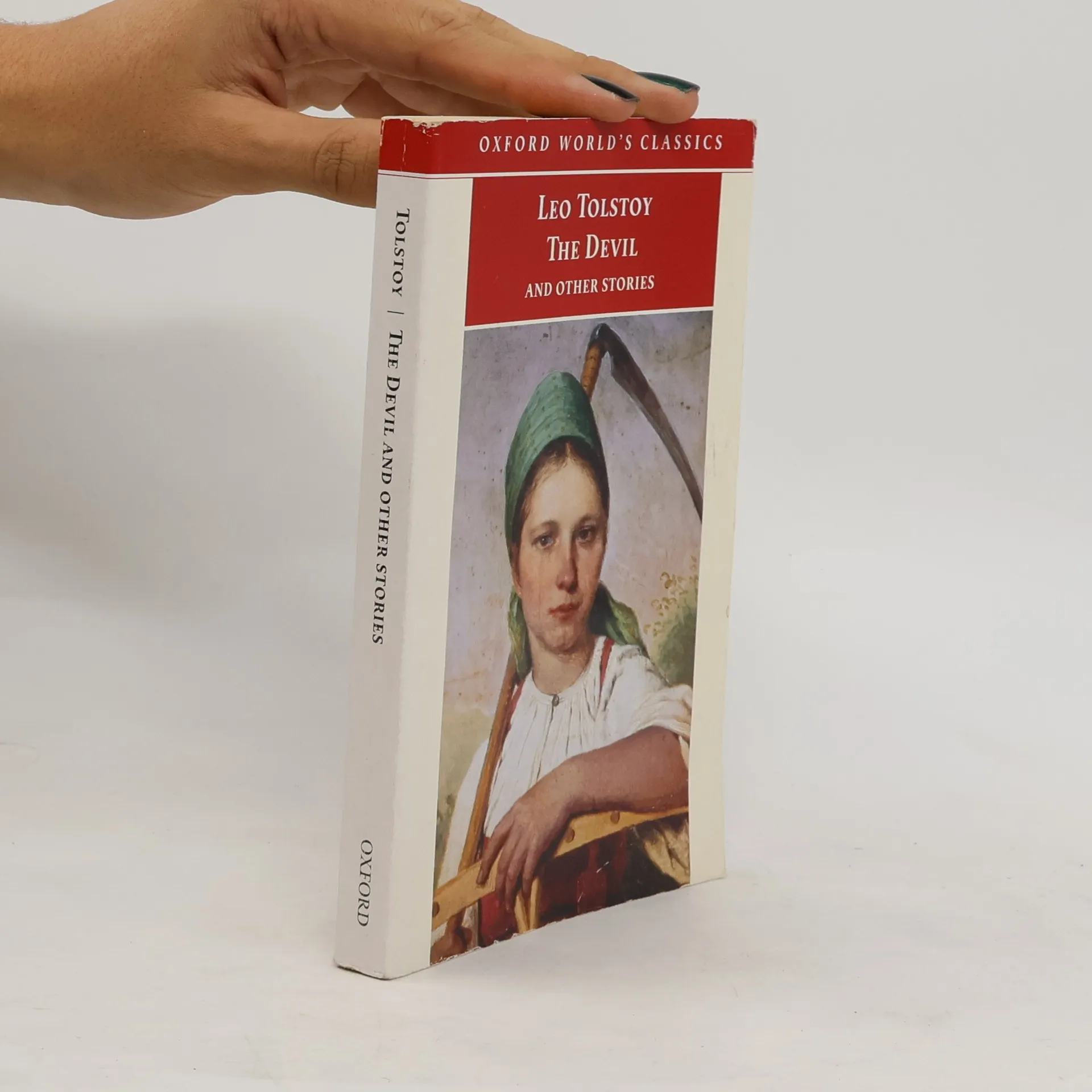
The Devil and Other Stories
- 296pages
- 11 heures de lecture
This collection of eleven stories spans virtually the whole of Tolstoy's creative life. While each is unique in form, as a group they are representative of his style, and touch on the central themes that surface in War and Peace and Anna Karenina. Stories as different as The Snowstorm, Lucerne, The Diary of a Madman and The Devil are grounded in autobiographical experience. They deal with journeys of self-discovery and the moral and religious thought that characterizes Tolstoy's works of criticism and philosophy. Strider and Father Sergy, as well as reflecting Tolstoy's own experiences, also reveal profound psychological insights. These stories range over much of the nineteenth-century Russian world, from the nobility to the peasantry, the military to the clergy, from merchants and cobblers to a horse and a tree. Together they present a fascinating picture of Tolstoy's skill and artistry.The snowstorm --Lucerne --Three deaths --Polikushka --Strider : the story of a horse --God sees the truth, but waits --The notes of a madman --Where love is, God is --The devil --Father Sergy --After the ball.
What is Art?
- 208pages
- 8 heures de lecture
Introduction -- Further Reading -- What is Art? -- Editor's Notes.
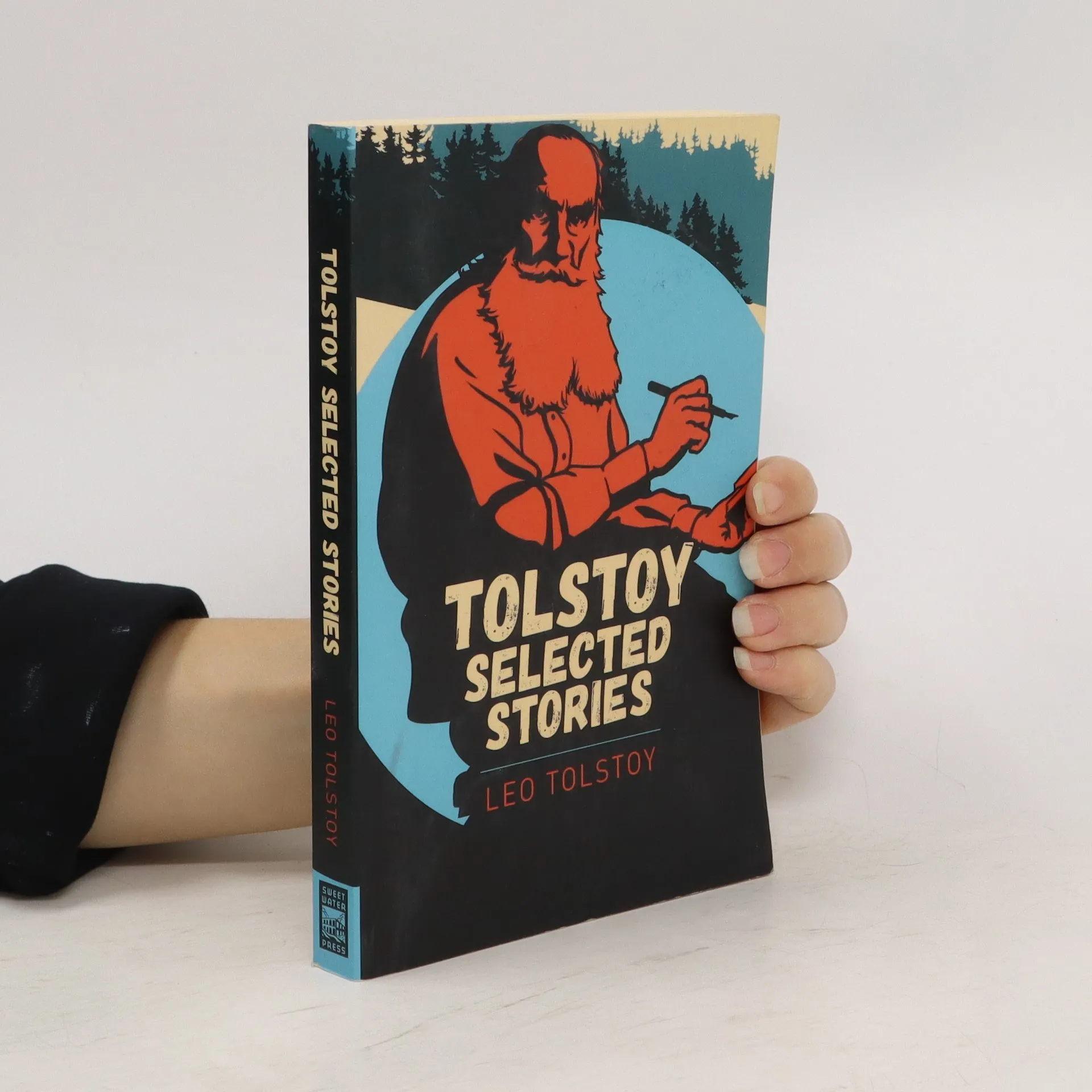
One of the most accomplished authors in history, Tolstoy has inspired and influenced generations of readers. While celebrated for his masterpieces Anna Karenina and War and Peace, his short stories are just as compelling. This collection includes 'The Story of Ivan the Fool', 'Ilys', and many more of Tolstoy's finest tales, and it demonstrates the raw power and emotion of his narrative genius.
Anna Karenina, Part 3
- 156pages
- 6 heures de lecture
Exploring themes of betrayal, faith, and the complexities of marriage, this expansive novel delves into the lives of more than a dozen characters against the backdrop of Imperial Russian society. With a rich narrative structure in eight parts, it contrasts rural and urban life, highlighting the struggles of its protagonist, Anna. Tolstoy's writing style marks a significant shift in literary tradition, bridging realism and modernism, making it a pivotal work in the landscape of literature.
Anna Karenina, Part 6
- 160pages
- 6 heures de lecture
Exploring themes of betrayal, faith, and the complexities of marriage, this novel intricately weaves the lives of over a dozen characters against the backdrop of Imperial Russian society. Spanning eight parts, it contrasts rural and city life, delving into the desires and moral dilemmas faced by its characters. Tolstoy's narrative style marks a significant shift in literature, bridging realism and modernism, and is celebrated as one of the greatest literary works, reflecting profound insights into human nature and societal norms.
This publication focuses on making historical works accessible by using large print, catering specifically to individuals with impaired vision. The initiative by the Megali publishing house emphasizes inclusivity in reading, ensuring that classic texts are available to a broader audience.