

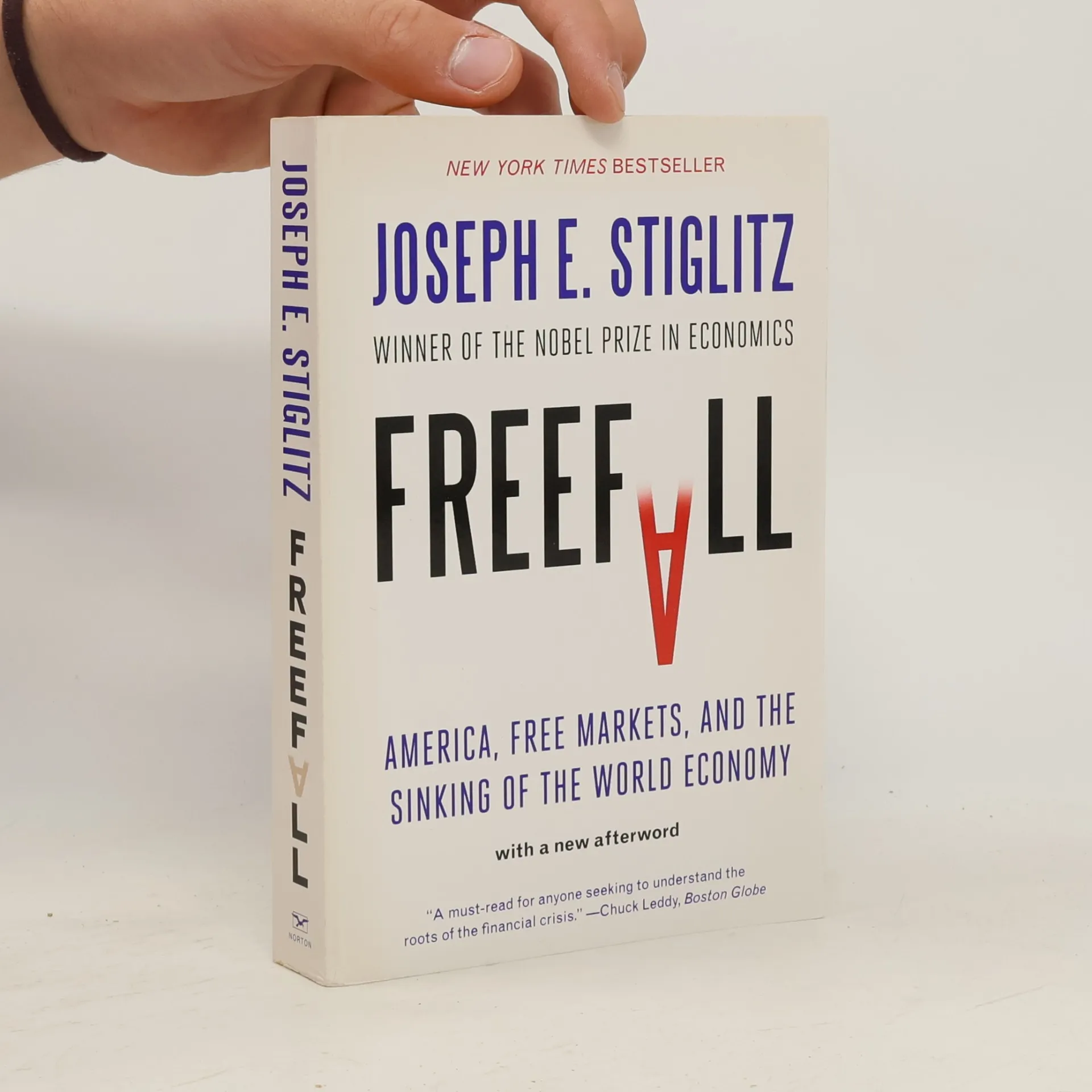
A "New York Times" bestseller, "Freefall" recounts the recent financial crisis and the way forward by a Nobel Prize-winning economist. This edition includes a new Afterword.
Daria Cavallini Ordre des livres (chronologique)

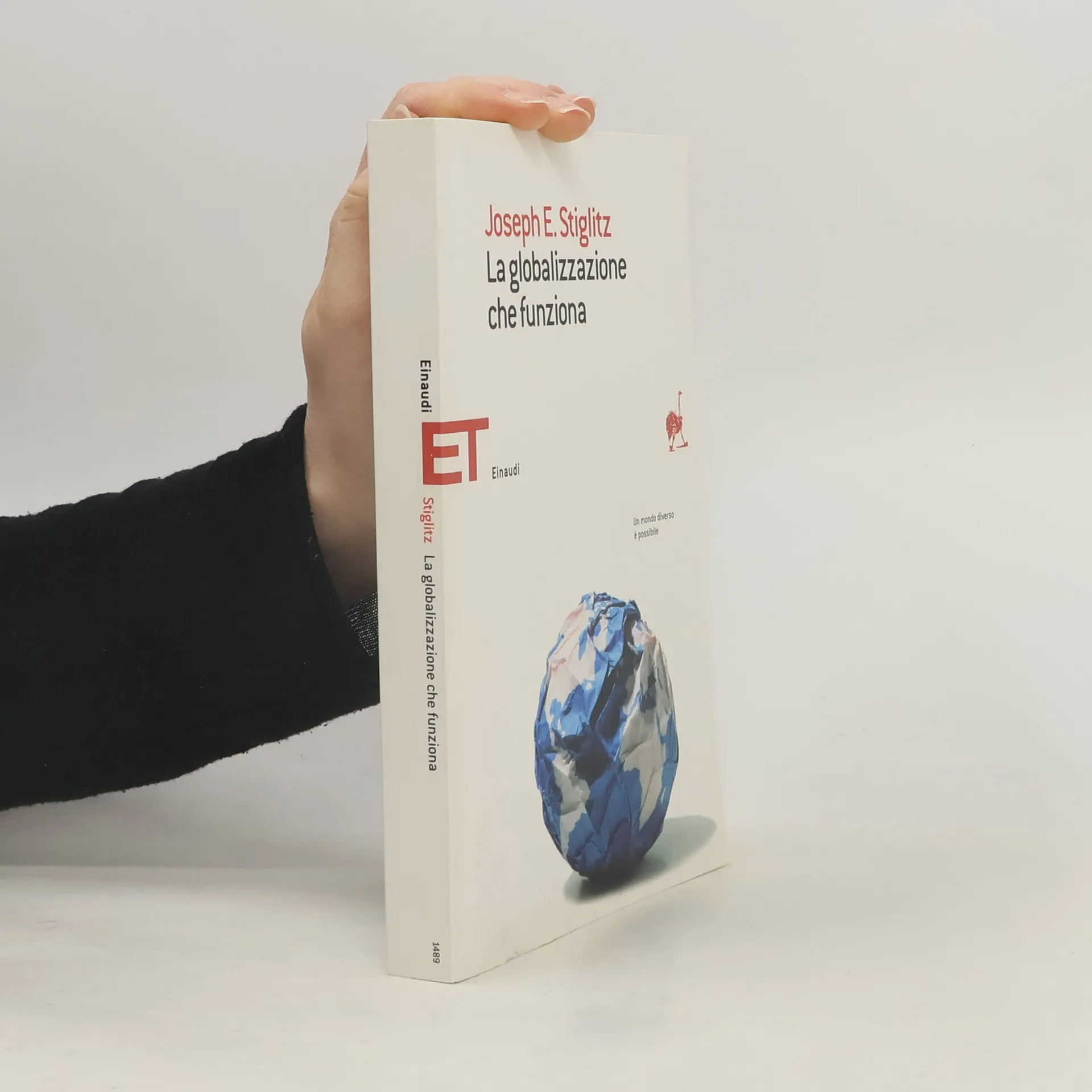
Einaudi tascabili. Saggi - 1489: La globalizzazione che funziona
- 336pages
- 12 heures de lecture
La globalizzazione non è un male e va abbracciata. A sostenere questa tesi è Stiglitz, autorevole sostenitore della critica alla globalizzazione liberista. Si tratta forse di una ritrattazione del Premio Nobel? In realtà, è il frutto di una constatazione: se la globalizzazione è un processo inevitabile, è possibile farla funzionare in direzione del benessere dei paesi più arretrati e dei cittadini dei paesi avanzati attraverso un mix di politiche di solidarietà e di intervento delle istituzioni internazionali.
La Grande Désillusion
- 324pages
- 12 heures de lecture
" Aujourd'hui, la mondialisation, ça ne marche pas. Ça ne marche pas pour les pauvres du monde. Ça ne marche pas pour l'environnement. Ça ne marche pas pour la stabilité de l'économie mondiale. " L'auteur de ces lignes ? Le professeur Joseph Stiglitz, prix Nobel d'économie, ancien conseiller de Bill Clinton, qui en novembre 1999 a démissionné de son poste d'économiste en chef et vice-président de la Banque mondiale : " Plutôt que d'être muselé, j'ai préféré partir ", expliquera-t-il. Son livre est un constat qui vaut réquisitoire : preuves à l'appui, il démontre que les règles du jeu économique mondial ne sont souvent fixées qu'en fonction des intérêts des pays industrialisés avancés - et de certains intérêts privés en leur sein -, et non de ceux du monde en développement. Car, en effet, la mondialisation n'a pas seulement mis l'économie au-dessus de tout, mais aussi une vision particulière de l'économie, le fanatisme du marché. Politique d'austérité, libéralisation des marchés des capitaux et privatisations sont appliquées aveuglément, en dépit de leur échec avéré, à tous les pays, en particulier aux pays en transition et du Sud. A lire Joseph Stiglitz, on a le sentiment de comprendre les vrais enjeux du monde d'aujourd'hui, de saisir toute l'urgence d'une réforme en profondeur du statut et des politiques préconisées par les institutions financières internationales.