
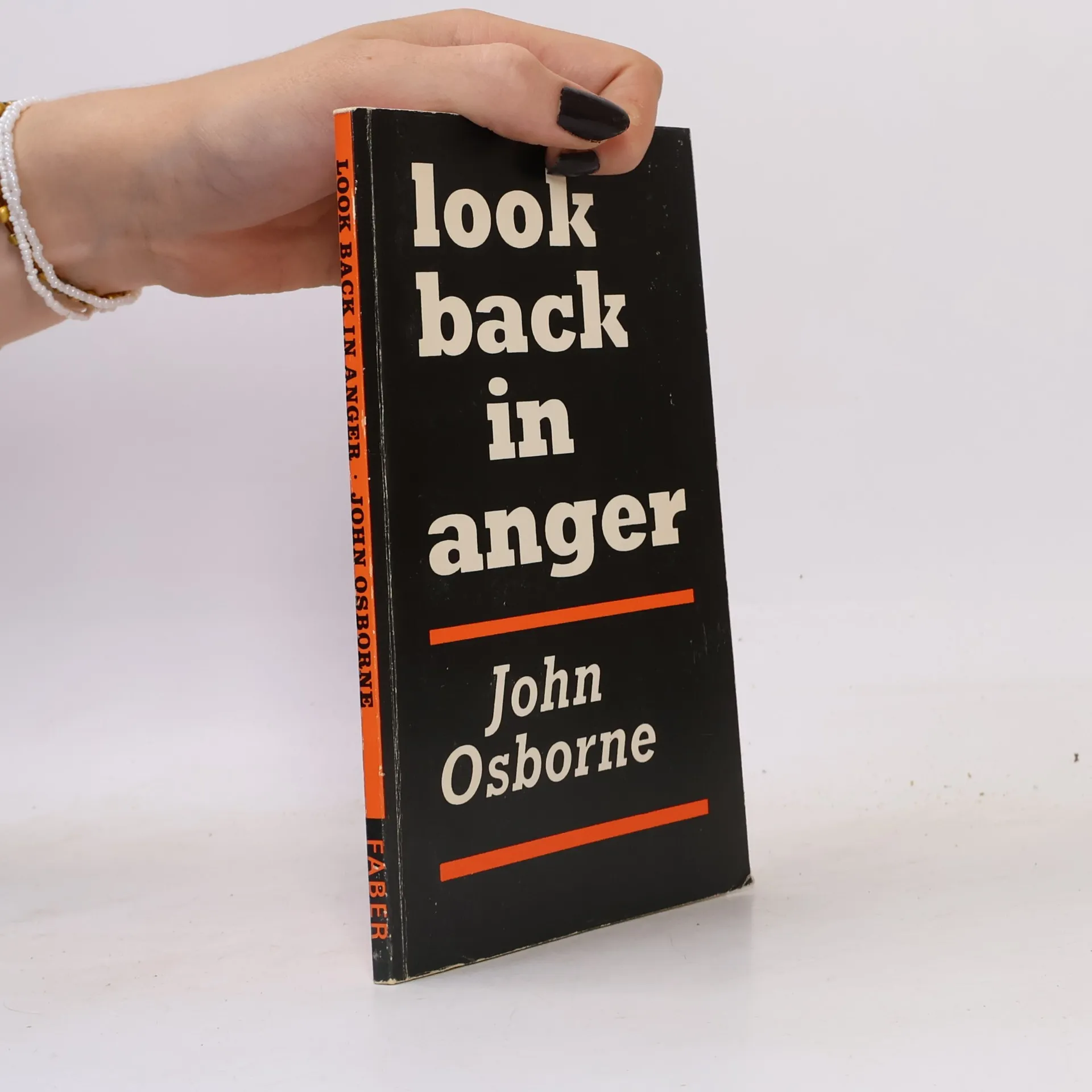

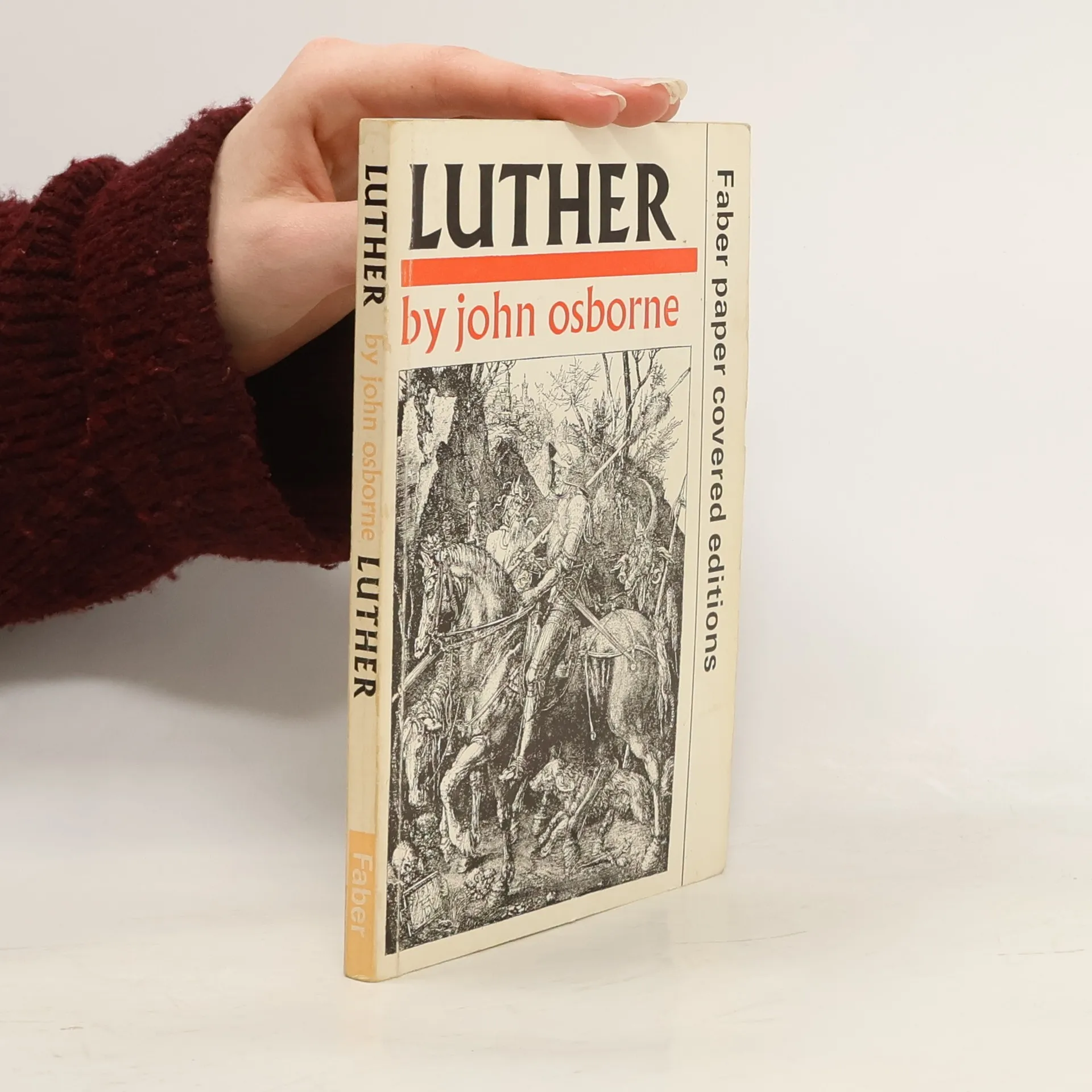
Luther
A Play
Luther is a play by John James Osborne that explored the forces that were involved in the life of the famous reformer. Osborne was influenced by Erik Erikson's book, Young Man Luther, which had been published 3 years prior in 1958. In the play, Luther's reputed constipation played a part in the course of Luther's life & career. Osborne takes Luther to task for his Against the Murderous, Thieving Hordes of Peasants (1525) & its call for vigorous suppression of the peasants in the Peasants' Revolt (1524-26). Osborne has Luther giving a philosophically & theologically good answer to the challenge, consistent with Luther's own thinking. This would seem to exculpate Osborne of any accusation of being totally one-sided against Luther. Luther seems to have been a disappointment to Osborne, since he could have followed thru in his life as a revolutionary. He does have Johann von Staupitz, although at a time when the historical person would have been dead at least a year, telling Luther: "We owe so much to you." The play was made into a film, starring Stacy Keach, Judi Dench, Maurice Denham, Hugh Griffith, Patrick Magee, & Robert Stephens in 1974.