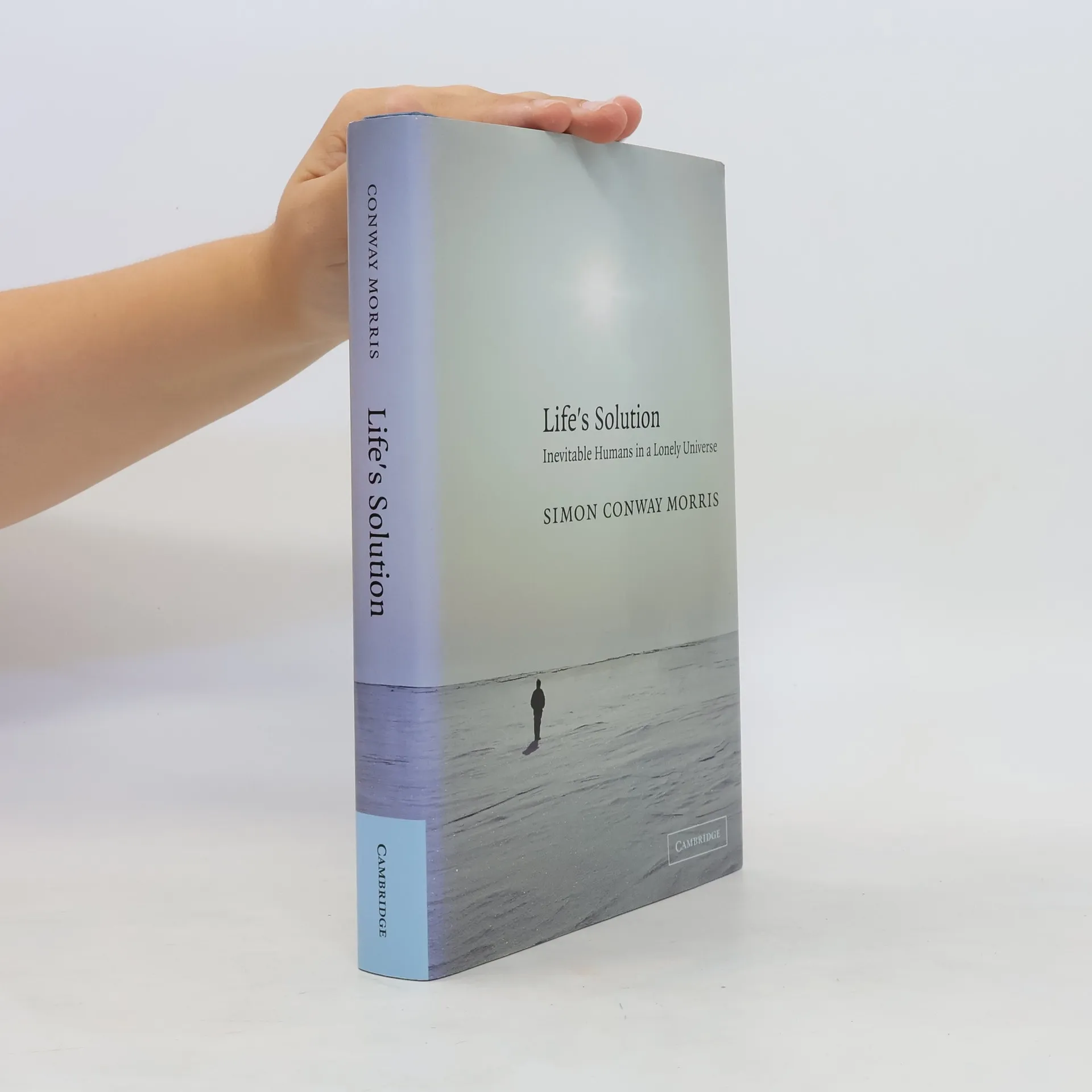
This book presents a provocative perspective on evolution, questioning established theories and encouraging readers to reconsider commonly accepted ideas. It aims to engage a general audience with accessible language and thought-provoking arguments, inviting them to explore the complexities and controversies surrounding evolutionary science.
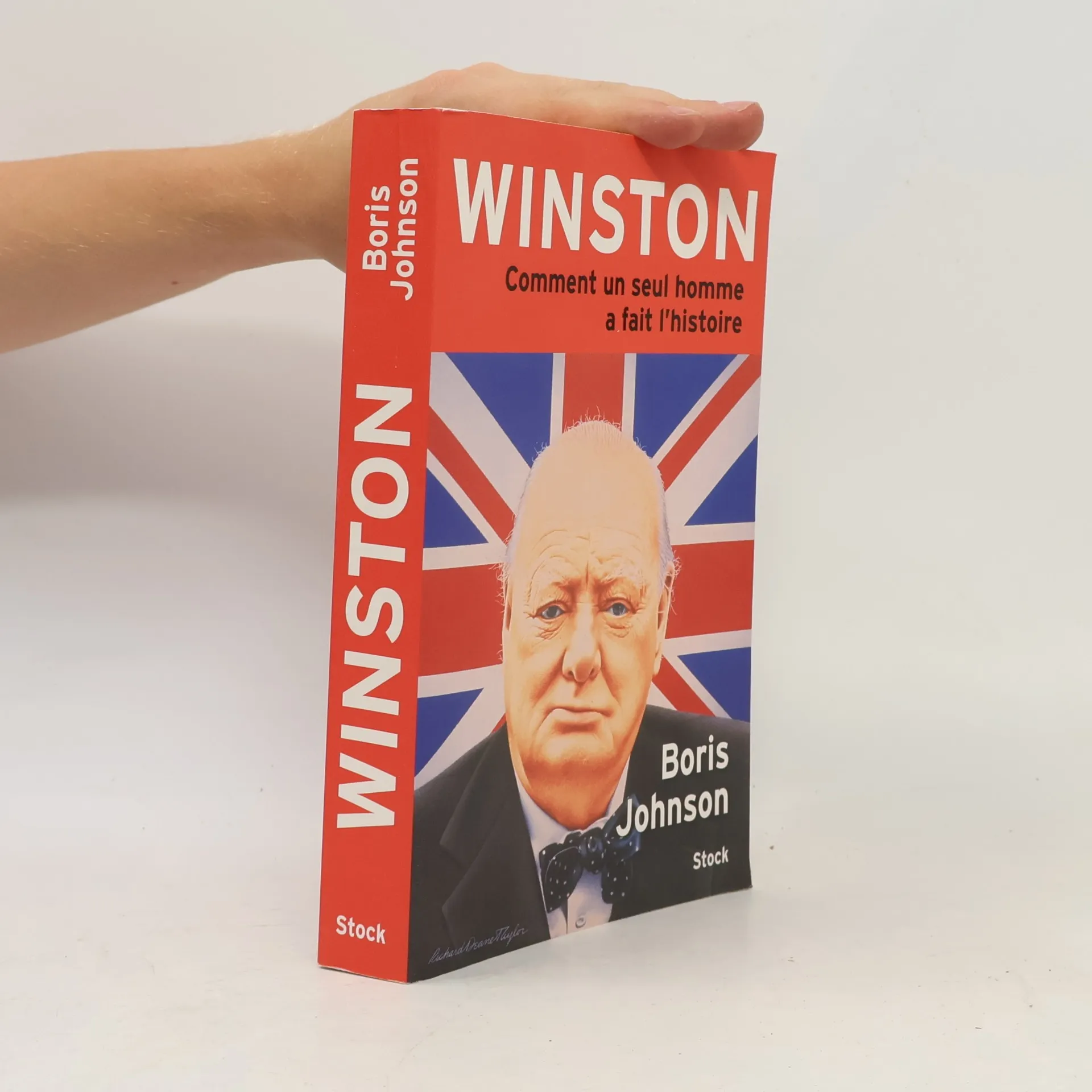
Boris Johnson, maire de Londres, cherche à transmettre le génie de Winston Churchill à la nouvelle génération, non pas par une biographie classique, mais en racontant "son" Winston et son impact durable sur le monde. L'auteur examine le rôle essentiel de Churchill dans des conflits majeurs, de la guerre des Boers à la Guerre froide. Ignoré par son père aristocratique et à peine remarqué par sa mère, le jeune Churchill a pourtant développé une foi indéfectible en ses capacités. Johnson analyse sa personnalité, mettant en lumière son tempérament de joueur, sa prise de risques et sa capacité à changer d'avis lorsque nécessaire. Héritant d'un dédain pour la pensée rigide de son père, Churchill a marqué l'histoire de la diplomatie. Son nom continue de briller dans le monde moderne, du Moyen-Orient à la Guerre froide, et il a même inventé le terme « rideau de fer ». Ses écrits lui ont valu un prix Nobel de la littérature. Les critiques louent le livre pour son intelligence et son style captivant, soulignant que Johnson réussit à rendre hommage à Churchill avec panache et humour, tout en offrant une lecture accessible et enrichissante.
A sweeping overview of civil resistance movements around the world that explains what they are, how they work, why they are often effective, and why they can fail.Civil resistance is a method of conflict through which unarmed civilians use a variety of coordinated methods (strikes, protests, demonstrations, boycotts, and many other tactics) to prosecute a conflict without directly harming or threatening to harm an opponent. Sometimes called nonviolentresistance, unarmed struggle, or nonviolent action, this form of political action is now a mainstay across the globe. It was been a central form of resistance in the 1989 revolutions and in the Arab Spring, and it is now being practiced widely in Trump's America. If we are going to understand themanifold protest movements emerging around the globe, we need a thorough understanding of civil resistance and its many dynamics and manifestations.In Civil Resistance: What Everyone Needs to Know(R) , Erica Chenoweth -- one of the world's leading scholars on the topic--explains what civil resistance is, how it works, why it sometimes fails, how violence and repression affect it, and the long-term impacts of such resistance. Featuring bothhistorical cases of civil resistance and more contemporary examples such as the Arab Awakenings and various ongoing movements in the United States, this book provides a comprehensive yet pithy overview of this enormously important subject.
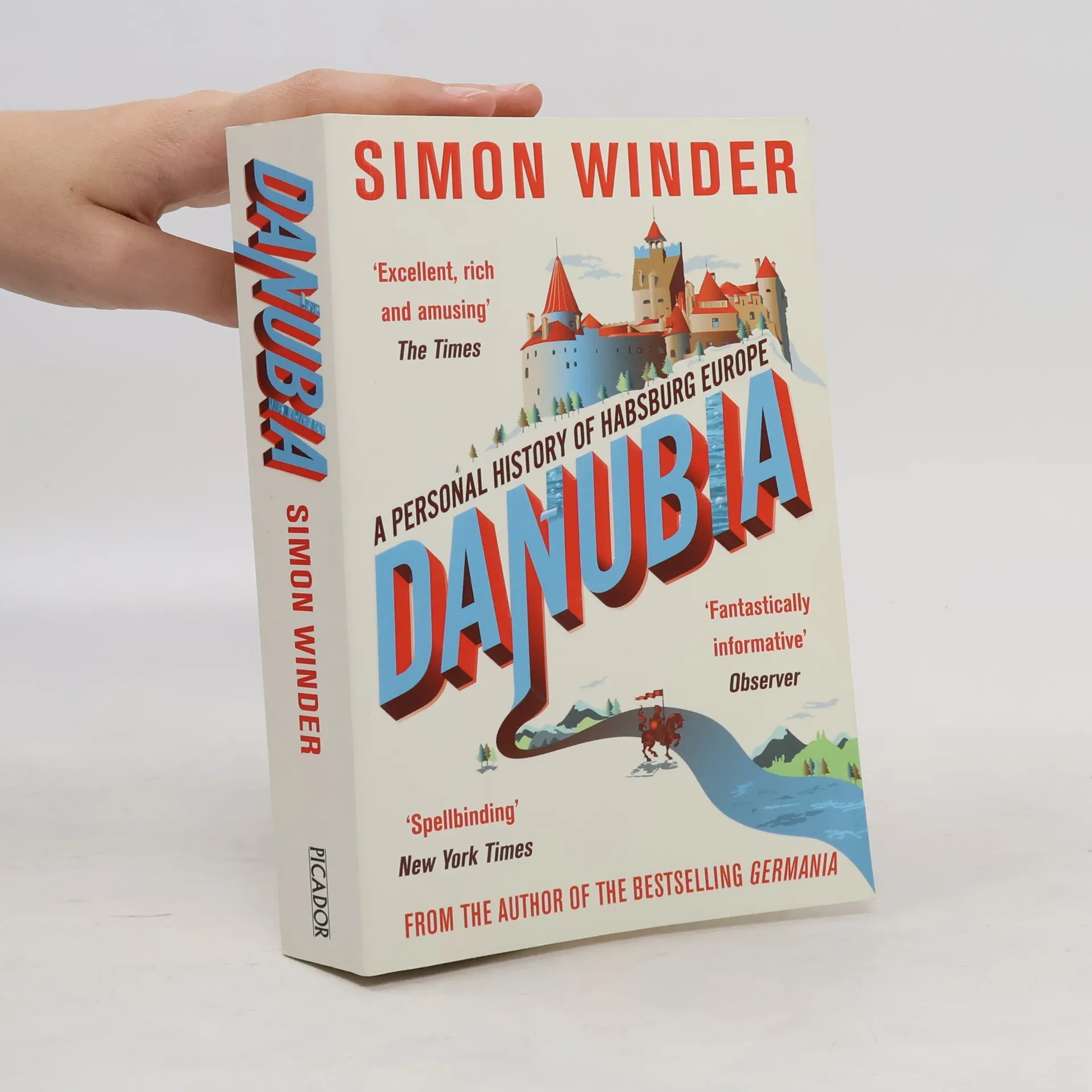
For centuries, much of Europe was in the hands of the peculiar Habsburg family. An unstable mixture of wizards, obsessives, melancholics, bores, musicians and warriors, they saw off a number of rivals until finally packing up in 1918. Simon Winder's account of the rule of the Habsburgs plunges the reader into a maelstrom of alchemy, skeletons, jewels, bear-moats, unfortunate marriages - and even a guinea-pig village.
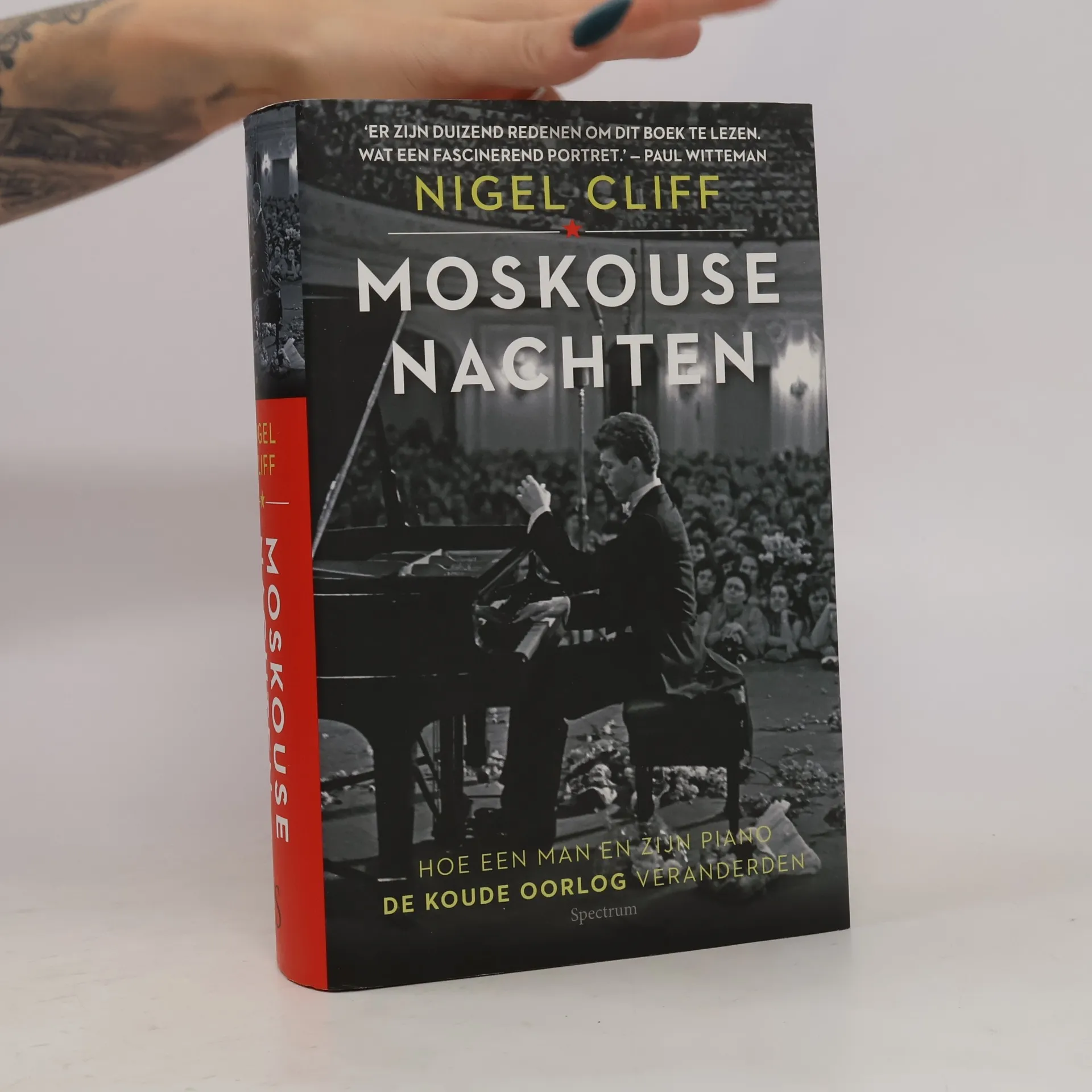
Hoe een man en zijn piano de Koude Oorlog veranderden
542pages
19 heures de lecture
Met zijn liefde voor de Russische klassieke muziek, stal Van Cliburn de harten van zowel de Amerikanen als de Russen, en zorgde hij voor een onverwachte verlaging van de spanningen tussen de supermachten, terwijl ze op het randje van een nucleaire oorlog stonden. In 1958 reisde de volledig onbekende 23-jarige Cliburn naar Moskou om daar mee te doen aan het eerste ‘Internationale Tsjaikovski Concours’. De Sovjets waren uiteraard niet van plan om die begeerde prijs aan een onbekende Amerikaan toe te kennen, maar toen de slungelige Texaan met zijn verlegen grijns het podium opliep en begon te spelen, had hij het hele land ogenblikkelijk in zijn ban. ‘Is hij de beste?’ vroeg Chroesjtsjov na afloop aan een van de juryleden. ‘In dat geval... geef hem die prijs!’ In dit spannende, onderhoudende en ontroerende verhaal vertelt Nigel Cliff het drama en de spanning van de Koude Oorlog. In deze uitzonderlijke tijd waren een getalenteerde musicus en de tijdloze klassieke muziek tijdelijk de enige brug tussen twee destructieve nucleaire grootmachten.