



Bookbot

Charles Taylor

    5 novembre 1931
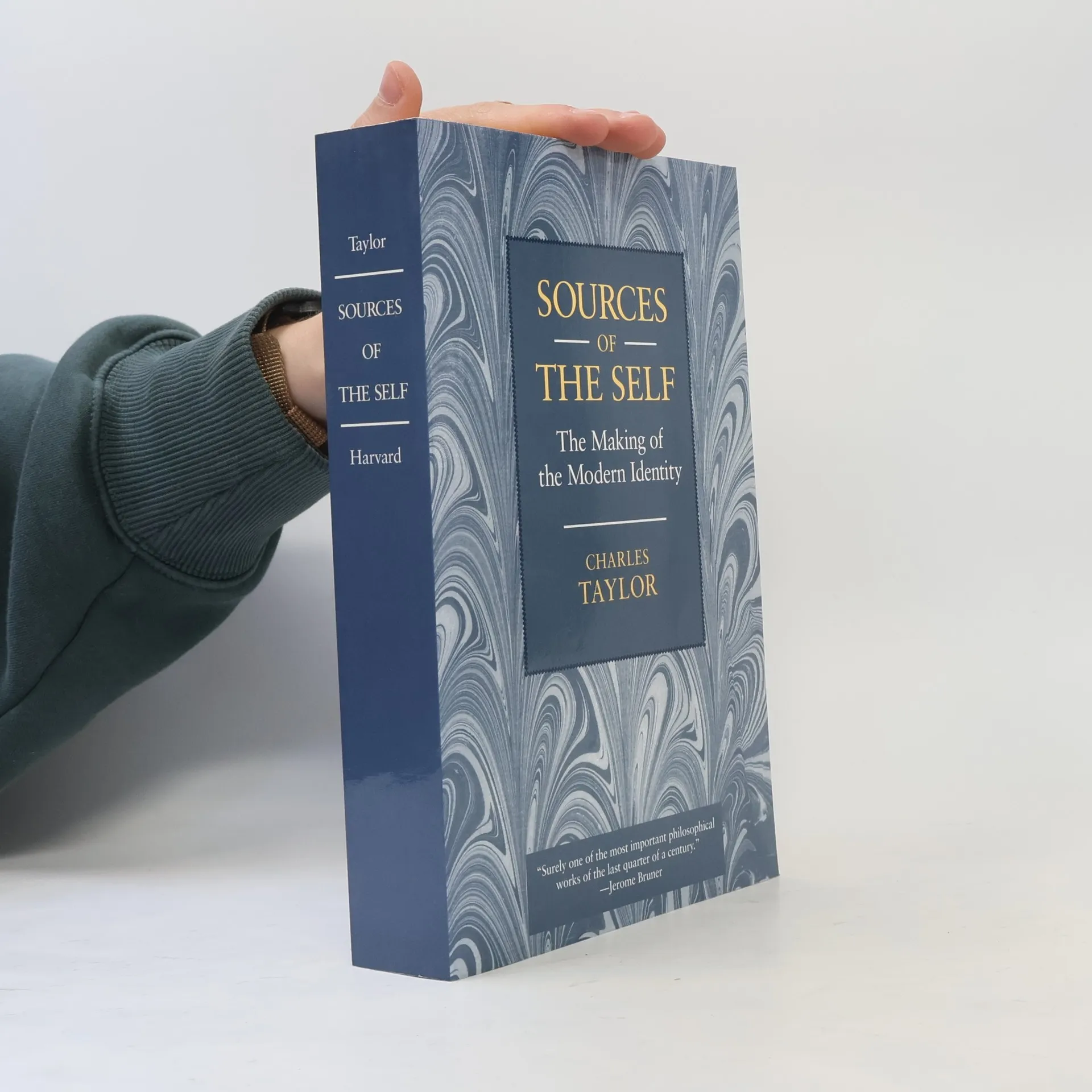
    Sources of the self : the making of the modern identity
    The Kingfisher Science Encyclopedia
    Philosophical Papers
    Multiculturalisme. Différence et démocratie
    Le troisième jumeau
    Hegel et la société moderne
    • Hegel et la société moderne

      • 182pages
      • 7 heures de lecture
      3,0(2)Évaluer

      " La quête moderne d'une subjectivité en situation nous renvoie inévitablement à Hegel [...] L'image même de cette quête, à quoi s'ajoute la conscience de plus en plus aiguë d'une crise écologique, fait de la pensée hégélienne une incontournable référence. " Cette " incontournable référence " est ici présentée avec une clarté surprenante parce que tout entière questionnée, interpellée par les problèmes contemporains. Ce livre est une occasion unique de pénétrer dans l'univers hégélien. L'auteur y cherche en effet des éléments de réponse à des questions qui ont marqué toute l'histoire de la philosophie occidentale et qui prennent un nouveau visage dans la société actuelle. Ce livre annonce les travaux ultérieurs de Charles Taylor sur les sources de l'identité moderne. Il représente une introduction d'une limpidité exemplaire aux principaux dilemmes de la philosophie et de la science politique contemporaines.


      Hegel et la société moderne
    • Comment deux vrais jumeaux, dotés du même code ADN, peuvent-ils être nés de parents différents, à des dates différentes ? Tel est pourtant l'extraordinaire cas de Steve, brillant étudiant en droit, et de Dennis, un dangereux criminel qui purge une peine de prison à vie. Pour s'être intéressée de trop près à cette "impossibilité biologique, Jeannie Ferrami, jeune généticienne de Baltimore, va déchaîner contre elle l'Université et la presse, cependant que Steve, dont elle s'est éprise, est accusé de viol, sa victime l'ayant formellement reconnu... Une seule hypothèse : l'existence d'un troisième jumeau. En s'orientant vers cette piste étrange, Jeannie ne se doute pas qu'elle touche à de formidables secrets, qui intéressent l'Amérique au plus haut niveau. Avec la même vérité et le même souffle que dans Les Piliers de la terre, Ken Follett nous entraîne ici, au rythme d'un sus-pense haletant, au cœur des enjeux les plus inquiétants de la science moderne.

      Le troisième jumeau
    • Philosophical Papers

      Volume 2, Philosophy and the Human Sciences

      • 352pages
      • 13 heures de lecture
      4,5(48)Évaluer

      The book features a curated collection of published papers organized into two volumes, highlighting the cohesive themes and overarching direction of the author's research. Each volume aims to showcase the essential unity of the work, providing readers with a comprehensive understanding of the subject matter.

      Philosophical Papers
    • The Kingfisher Science Encyclopedia

      • 488pages
      • 18 heures de lecture
      4,6(17)Évaluer

      Accurate, approachable, and indispensable, this illustrated science encyclopedia is arranged in such categories as "Planet Earth", "Living Things", "Chemistry and the Elements", "Materials and Technology", "Space and Time", and "Conservation and the Environment". 2,000+ full-color photos & illustrations.

      The Kingfisher Science Encyclopedia
    • Almost everyone would agree that the place of religion in our societies has changed profoundly over the years. This book takes up the question of what these changes mean—of what, precisely, happens when a society in which it is virtually impossible not to believe in God becomes one in which faith is only one human possibility among others.

      A secular age
    • The Explanation of Behaviour was the first book written by the renowned philosopher Charles Taylor. A vitally important work of philosophical anthropology, it is a devastating criticism of the theory of behaviourism, a powerful explanatory approach in psychology and philosophy when Taylor's book was first published. However, Taylor has far more to offer than a simple critique of behaviourism. He argues that in order to properly understand human beings, we must grasp that they are embodied, minded creatures with purposes, plans and goals, something entirely lacking in reductionist, scientific explanations of human behaviour. Taylor's book is also prescient in according a central place to non-human animals, which like human beings are subject to needs, desires and emotions. However, because human beings have the unique ability to interpret and reflect on their own actions and purposes and declare them to others, Taylor argues that human experience differs to that of other animals. Furthermore, the fact that human beings are often directed by their purposes has a fundamental bearing on how we understand the social and moral world. Taylor's classic work is essential reading for those in philosophy and psychology as well as related areas such as sociology and religion. This Routledge Classics edition includes a new Preface by the author and a new Foreword by Alva No , setting the book in philosophical and historical context.

      The Explanation of Behaviour
    • Everywhere we hear talk of decline, of a world that was better once, maybe fifty years ago, maybe centuries ago, but certainly before modernity drew us along its dubious path. While some lament the slide of Western culture into relativism and nihilism and others celebrate the trend as a liberating sort of progress, Charles Taylor calls on us to face the moral and political crises of our time, and to make the most of modernity’s challenges. “The great merit of Taylor’s brief, non-technical, powerful book...is the vigor with which he restates the point which Hegel (and later Dewey) urged against Rousseau and Kant: that we are only individuals in so far as we are social...Being authentic, being faithful to ourselves, is being faithful to something which was produced in collaboration with a lot of other people...The core of Taylor’s argument is a vigorous and entirely successful criticism of two intertwined bad ideas: that you are wonderful just because you are you, and that ‘respect for difference’ requires you to respect every human being, and every human culture—no matter how vicious or stupid.” —Richard Rorty, London Review of Books

      The ethics of authenticity