
Bookbot

Charles B. Schmitt

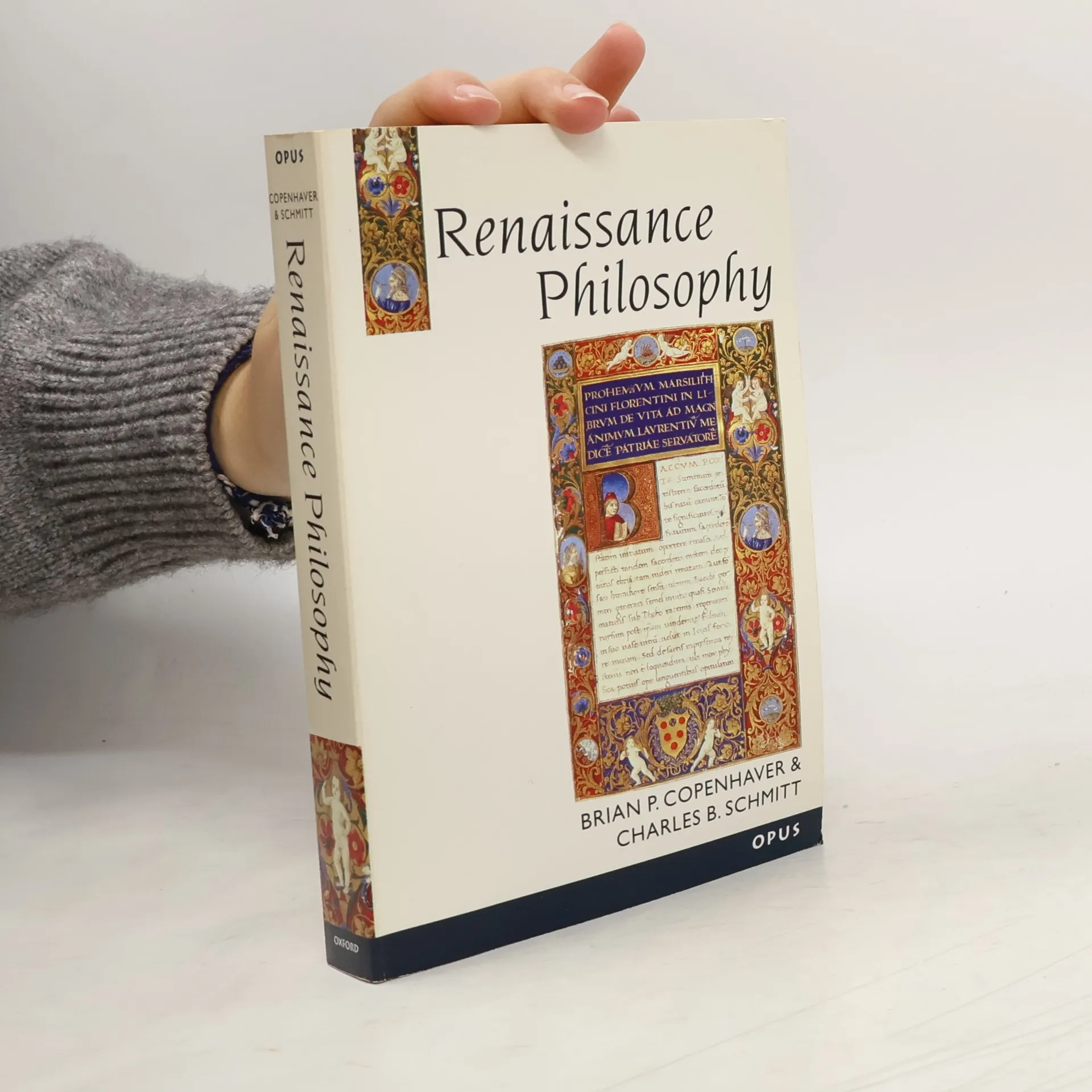
    Opus: Renaissance Philosophy
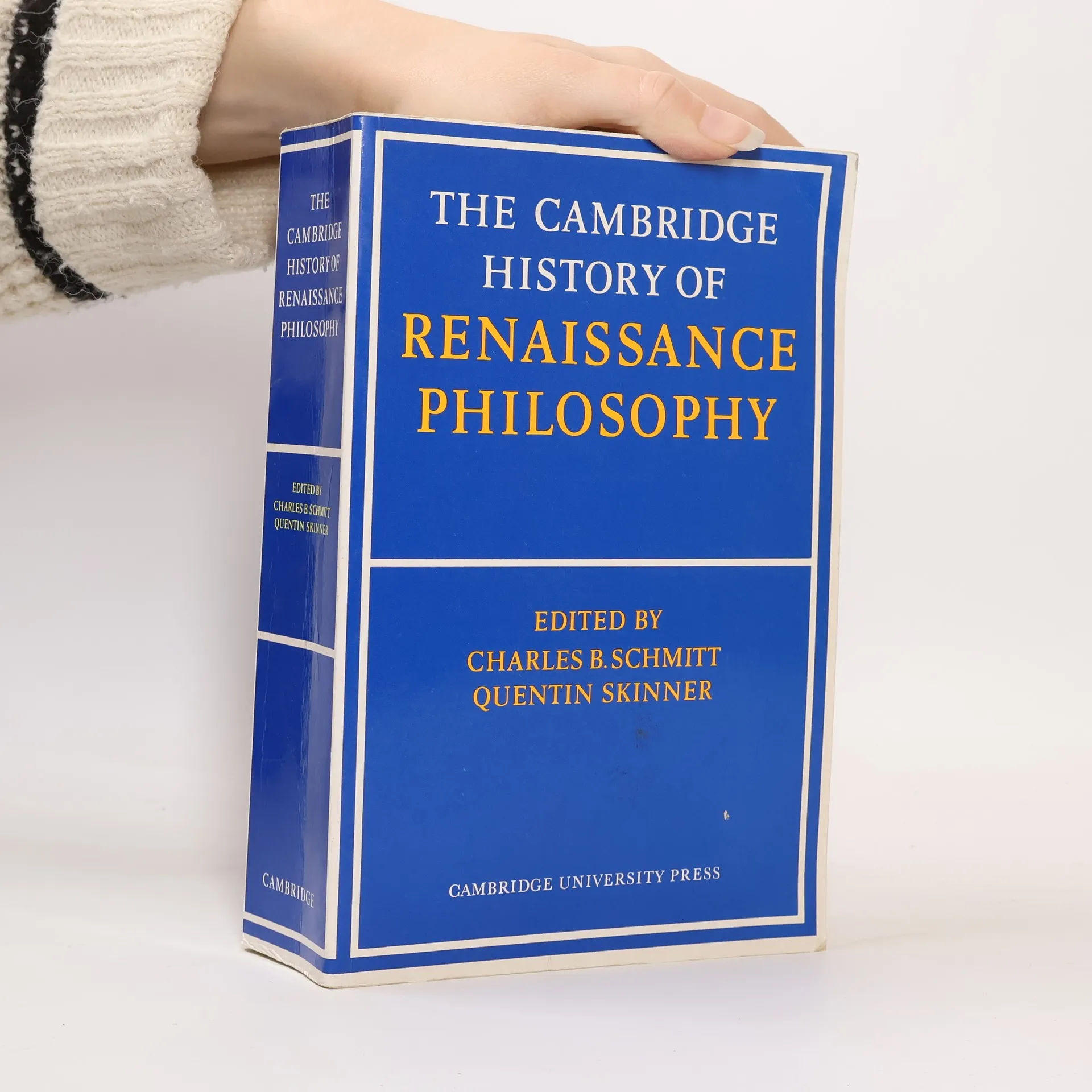
    The Cambridge History of Renaissance Philosophy
    • The Cambridge History of Renaissance Philosophy offers a balanced and comprehensive account of philosophical thought from the middle of the fourteenth century to the emergence of modern philosophy at the turn of the seventeenth century. The Renaissance has attracted intense scholarly attention for over a century, but in the beginning the philosophy of the period was relatively neglected and this is the first volume in English to synthesize for a wider readership the substantial and sophisticated research now available. The volume is organized by branch of philosophy rather than by individual philosopher or by school. The intention has been to present the internal development of different aspects of the subject in their own terms and within their historical context. This structure also emphasizes naturally the broader connotations of "philosophy" in that intellectual world.

      The Cambridge History of Renaissance Philosophy
    • Opus: Renaissance Philosophy

      • 450pages
      • 16 heures de lecture

      The Renaissance has long been recognized as a brilliant moment in the development of Western civilization. Little attention has been devoted, however, to the distinct contribution of philosophy to Renaissance culture. This volume introduces the reader to the philosophy written, read, taught, and debated during the period traditionally credited with the "revival of learning." Beginning with original sources still largely inaccessible to most readers, and drawing on a wide range of secondary studies, the author examines the relation of Renaissance philosophy to humanism and the universities, the impact of rediscovered ancient sources, the recovery of Plato and the Neoplatonists, and the evolving ascendancy of Aristotle. Renaissance Philosophy also explores the original contributions of major figures including Bruni, Valla, Ficino, Pico della Mirandola, Pomponazzi, Machiavelli, More, Vitoria, Montaigne, Bruno, and Camapanella.

      Opus: Renaissance Philosophy