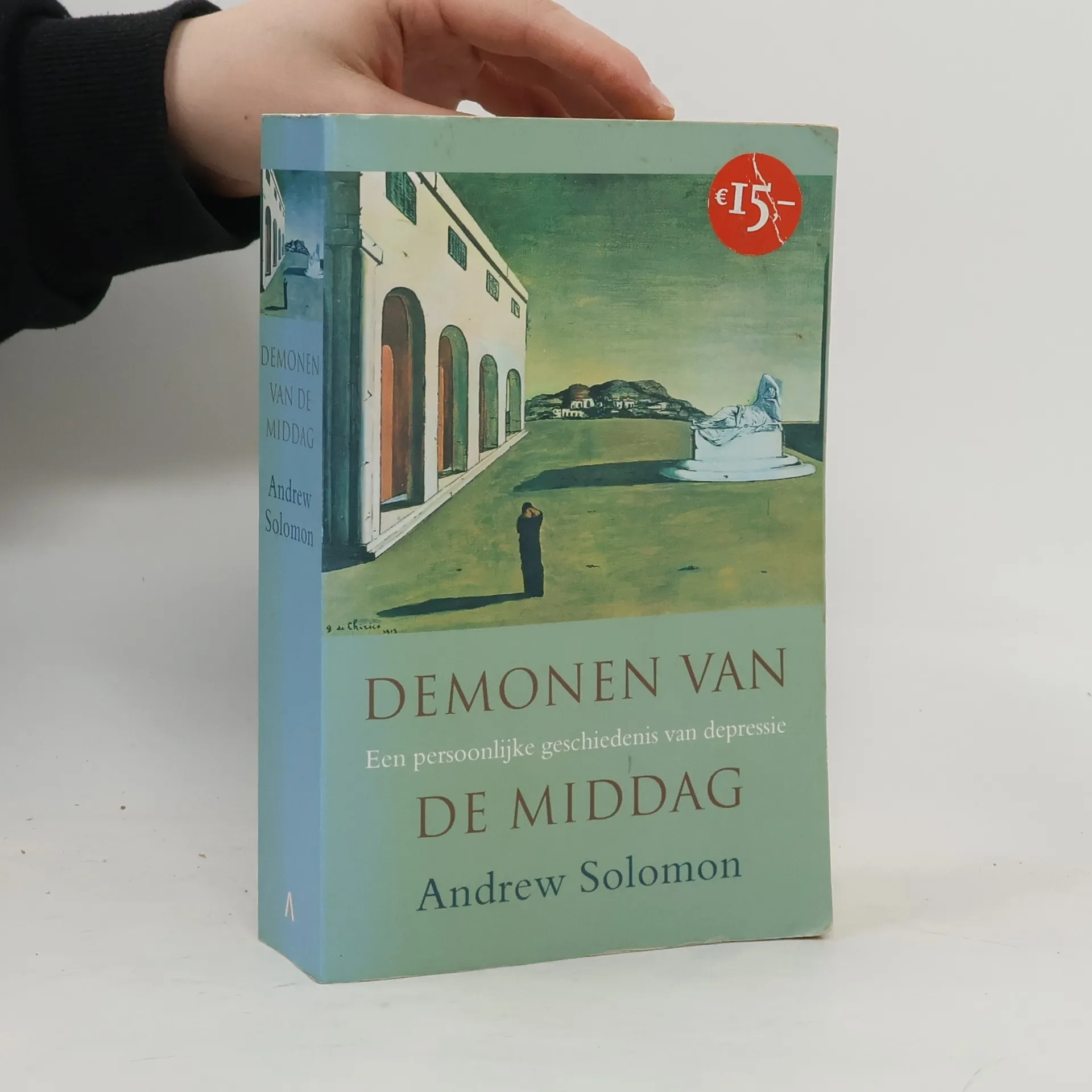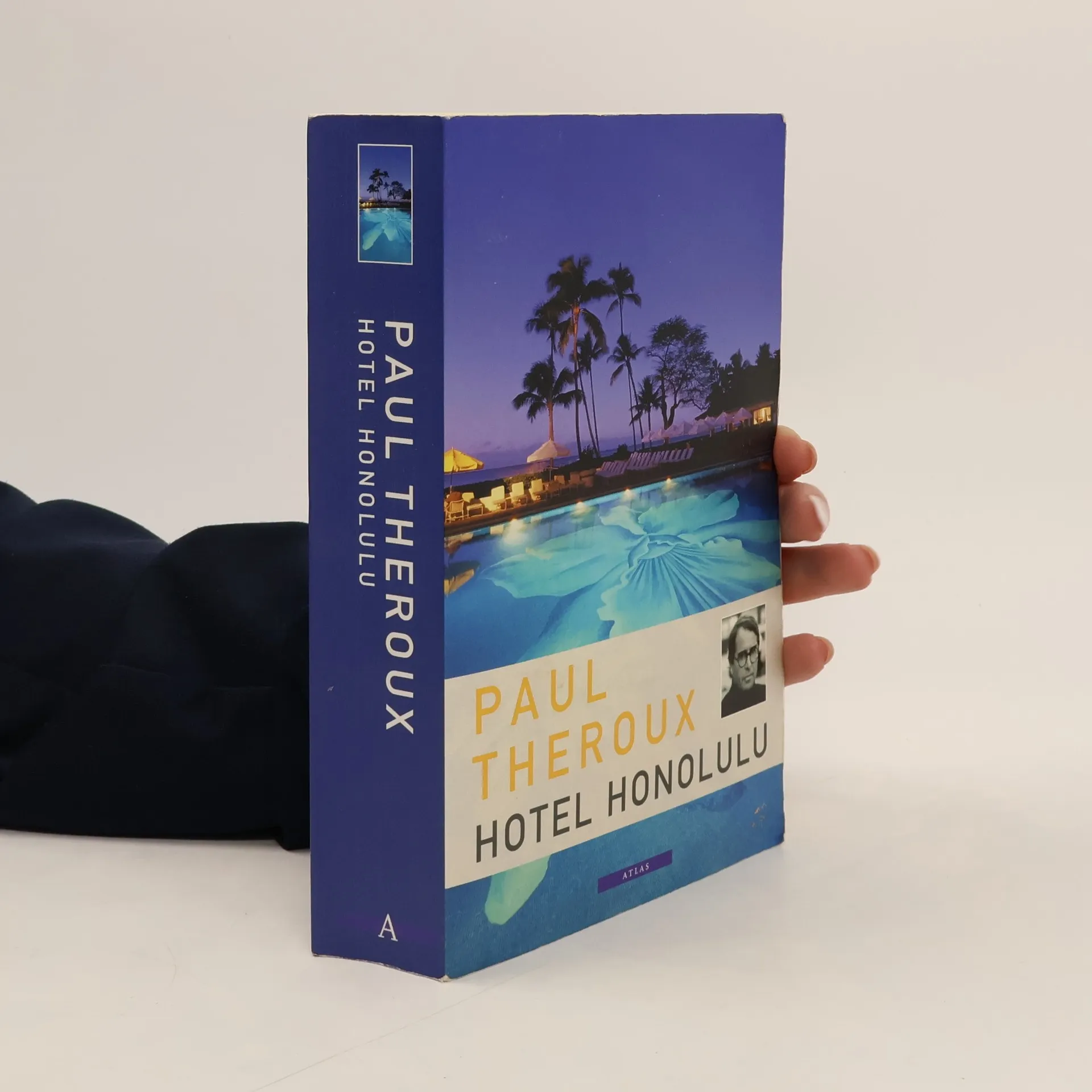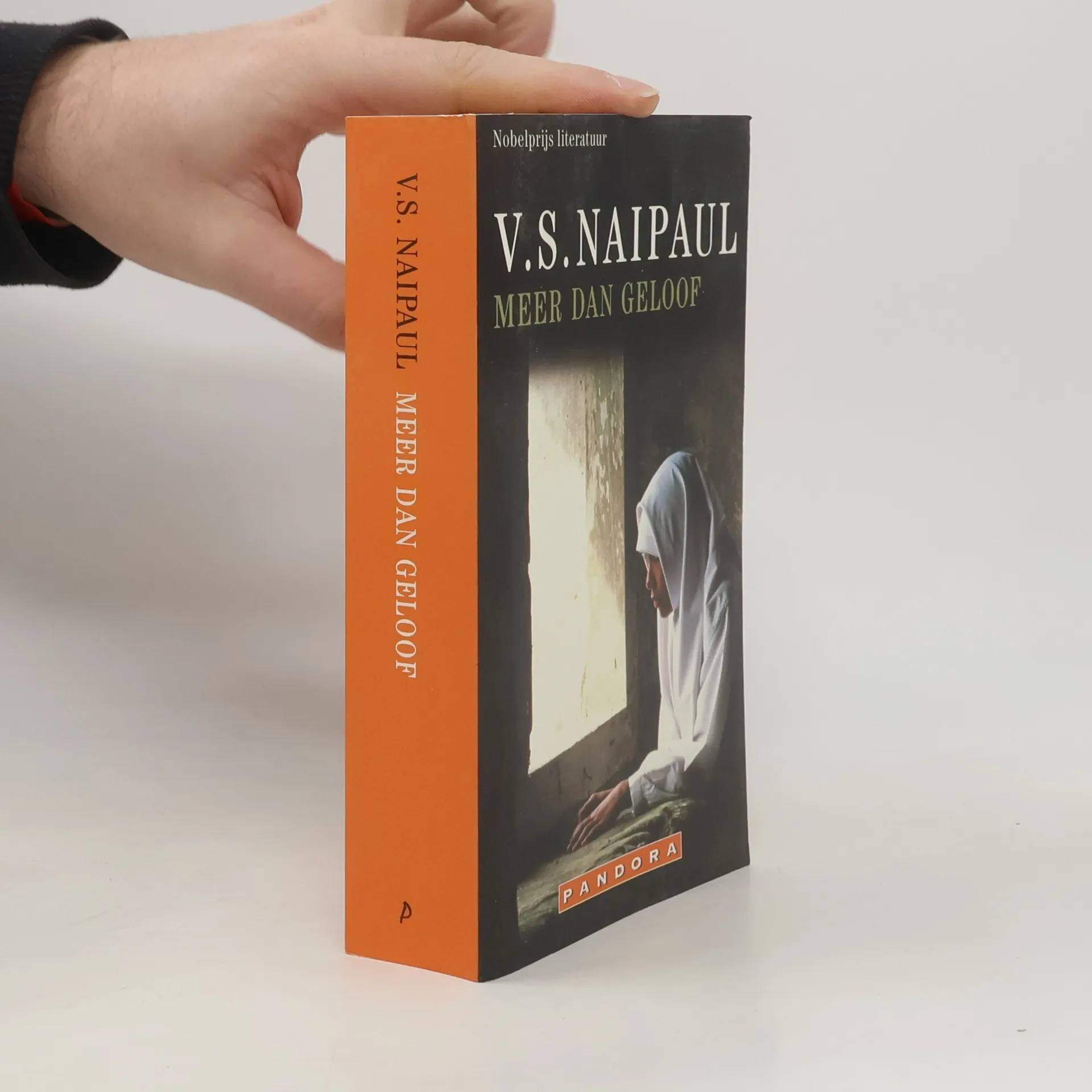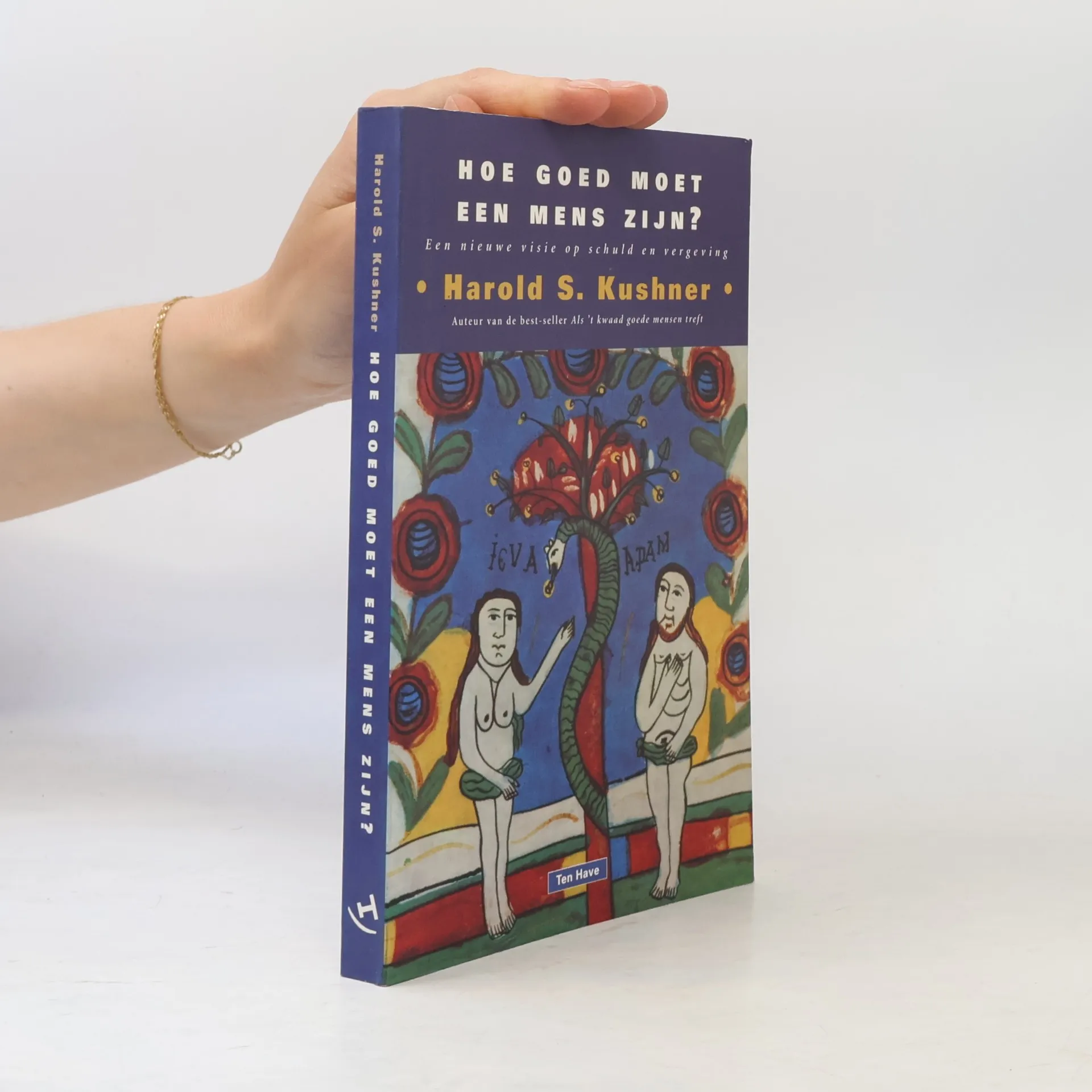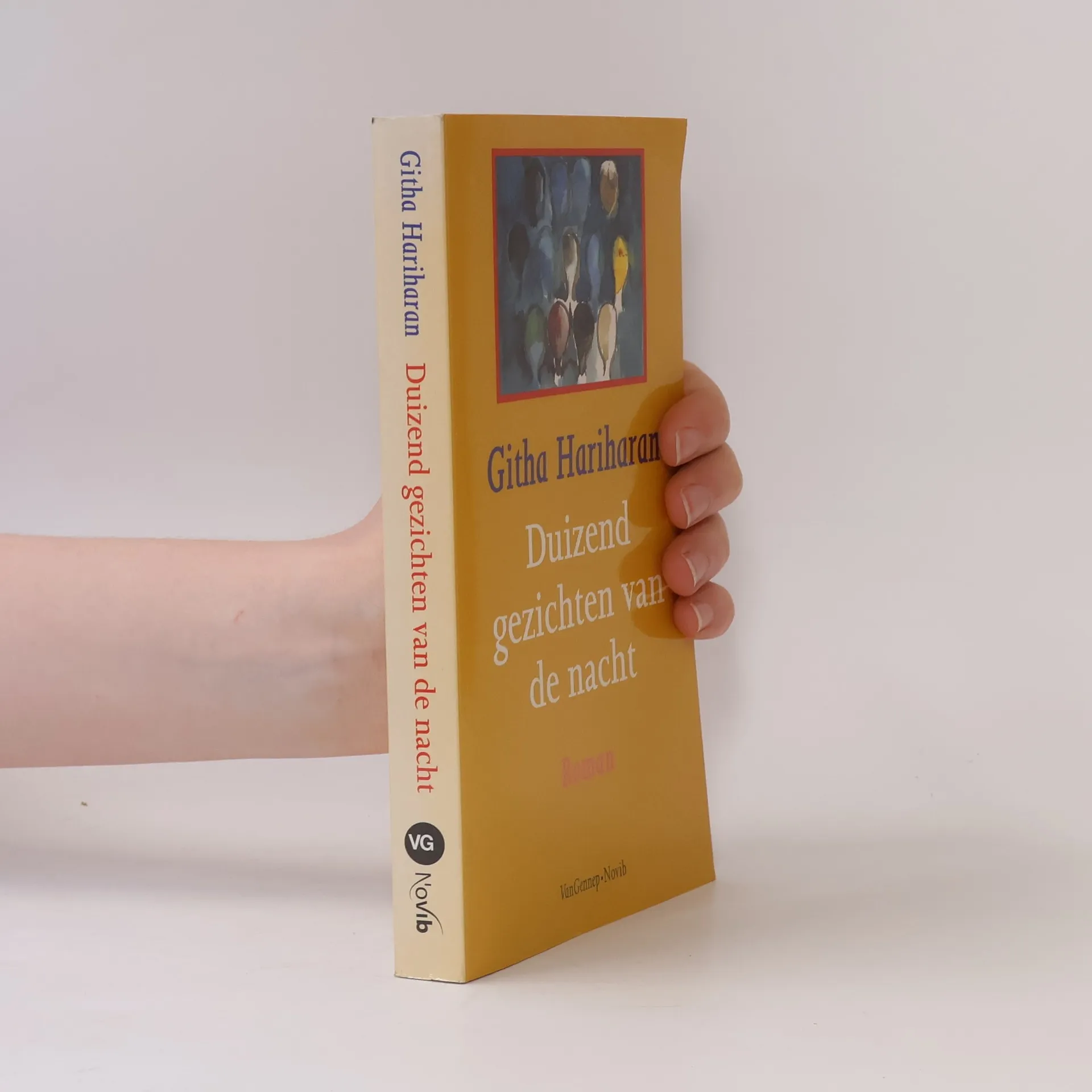
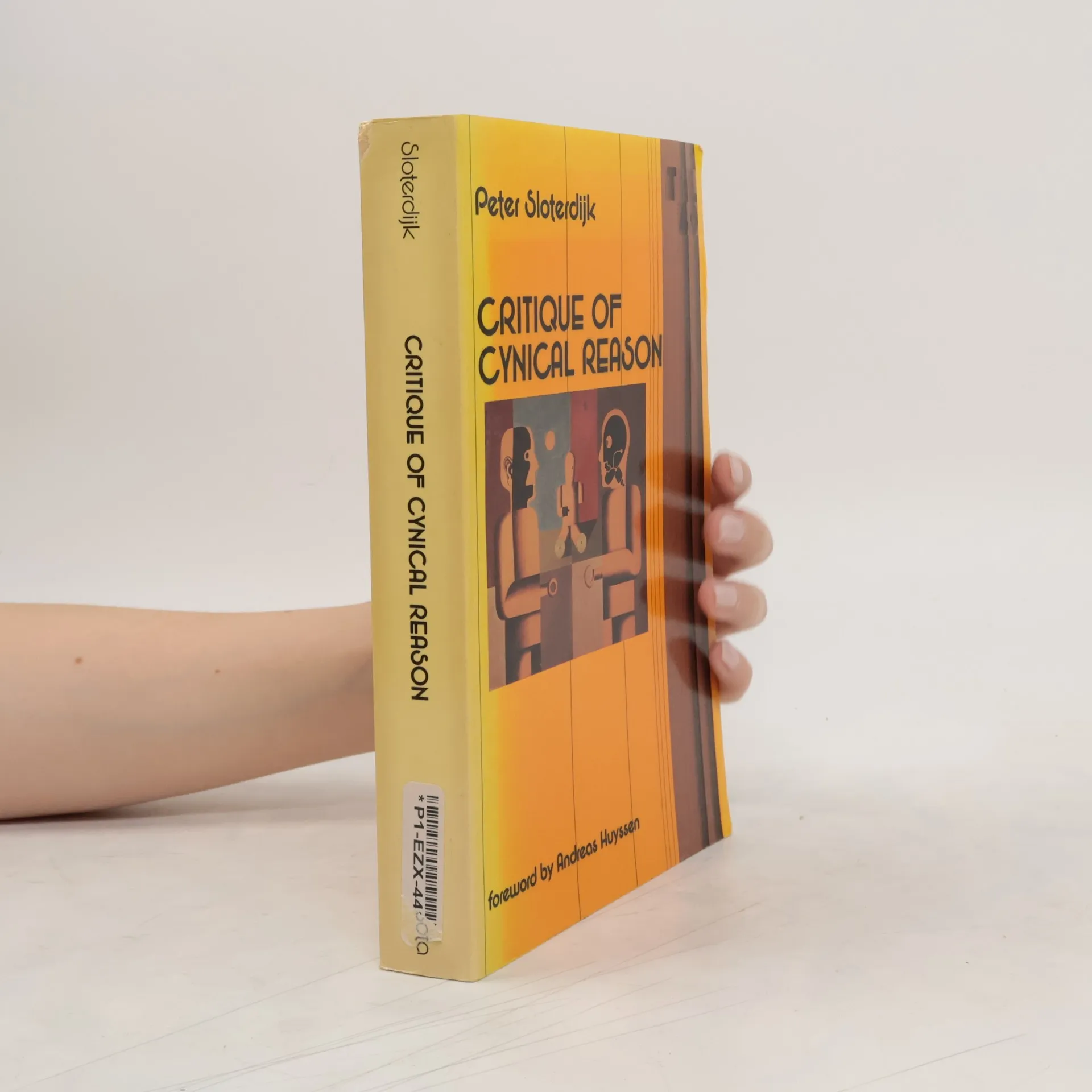


Upon its publication in Germany in 1983, this author's book stirred both critical acclaim and consternation, attracting a wide readership. He finds cynicism the dominant mode in contemporary culture, in personal and institutional settings; his book is both a history of the impulse and an investigation of its role today, among those whose earlier hopes for social change have crumbled and faded away.

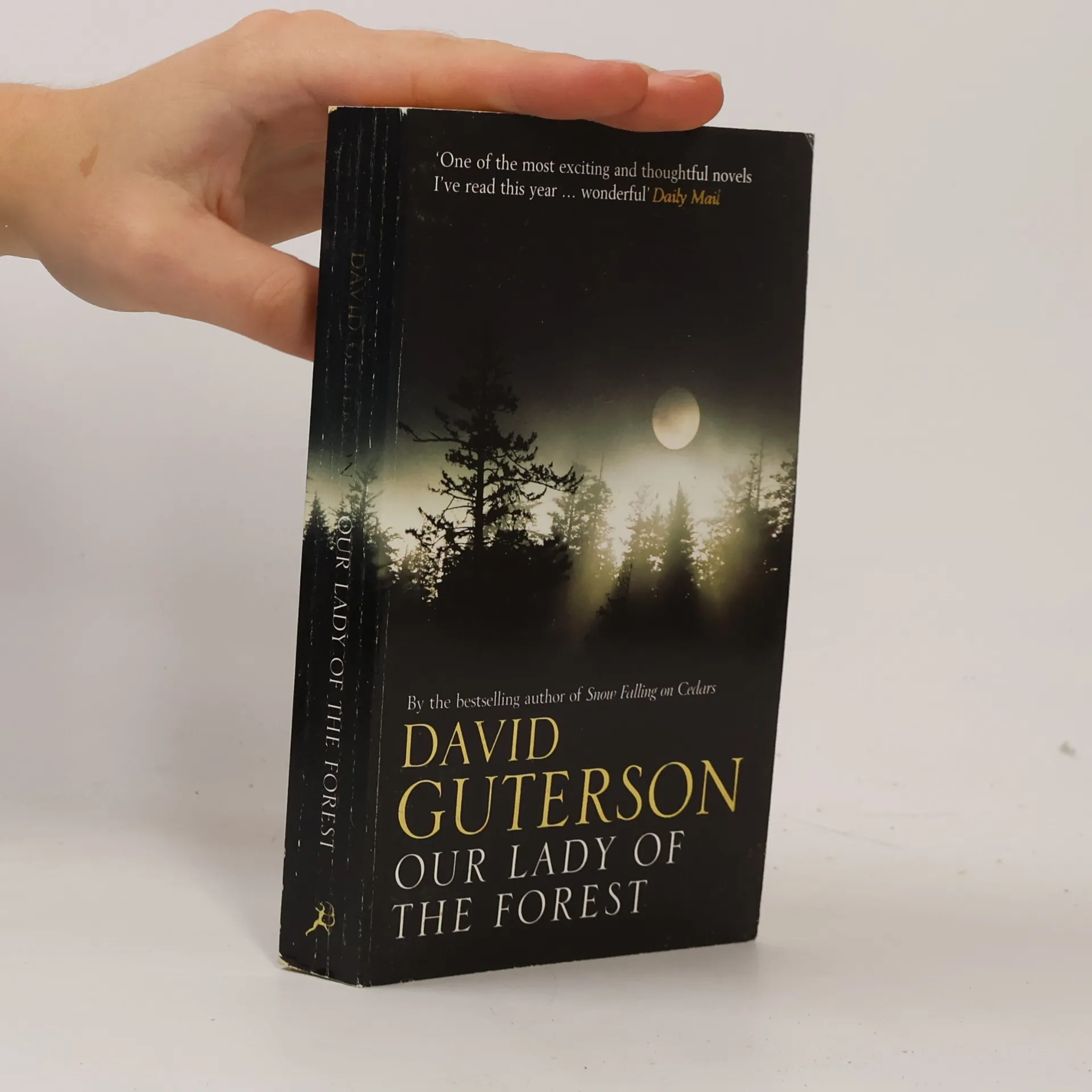
The story of a teenage girl who sees a vision of the Virgin Mary. Ann Holmes seems an unlikely candidate for revelation. A sixteen-year-old runaway, she is an itinerant mushroom picker who lives in a tent. Her past has been hardscrabble. Then one November afternoon, in the foggy woods of North Fork, Washington, the Virgin comes to her, clear as day. Is this delusion, a product of her occasional drug use, or a true calling to God? Gradually word spreads, and thousands converge upon the already troubled town. For Tom Cross, an embittered logger who's been out of work since his son was paralyzed in a terrible accident, the possibility that Ann's visions are real offers a last chance for him and his son. As Father Collins searches both his own soul and Ann's; as Carolyn struggles with her less than admirable intentions; as Tom alternates between despair and hope; OUR LADY OF THE FOREST combines suspense, grit and humour in a story of faith at a contemporary crossroad.
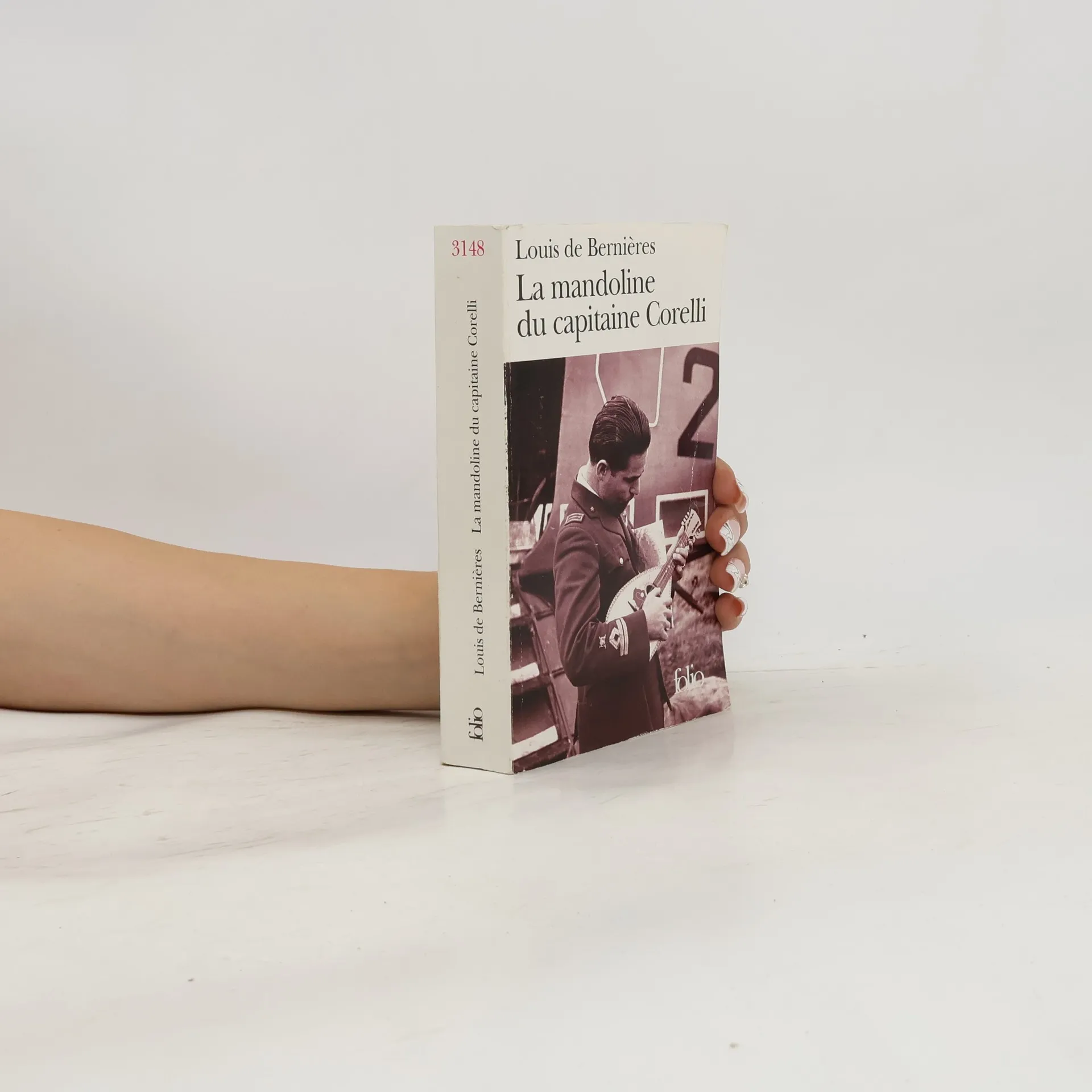
"L'île à moitié oubliée de Céphalonie s'élève imprudemment de la mer Ionienne. Elle est tellement chargée d'antiquité que les pierres elles-mêmes exhalent la nostalgie et que la terre rouge reste hébétée non seulement par le soleil mais aussi par le poids insupportable de la mémoire." Sur cette île en apparence bénie des dieux, des ouragans vont pourtant se déchaîner dès 1939; à l'occupation italienne va succéder l'invasion allemande et son cortège d'exactions. Puis, à partir de 1945, les maquis rouges feront régner leur terrible loi. Et quand enfin la paix semble revenue, le meurtrier tremblement de terre de 1953 dévaste Céphalonie à son tour. Que deviennent les destins individuels au cœur de tant de drames ? Un amour aussi fragile que celui de Pélagia, la jolie petite Grecque, et du séduisant capitaine Corelli peut-il leur résister ? Car comment résiste-t-on à la haine, la peur, la faim, la folie, la mort ? Est-il possible de continuer à vivre quand il ne reste plus que le souvenir, la tendresse, la musique - ah, la musique d'une certaine mandoline... à leur opposer ?
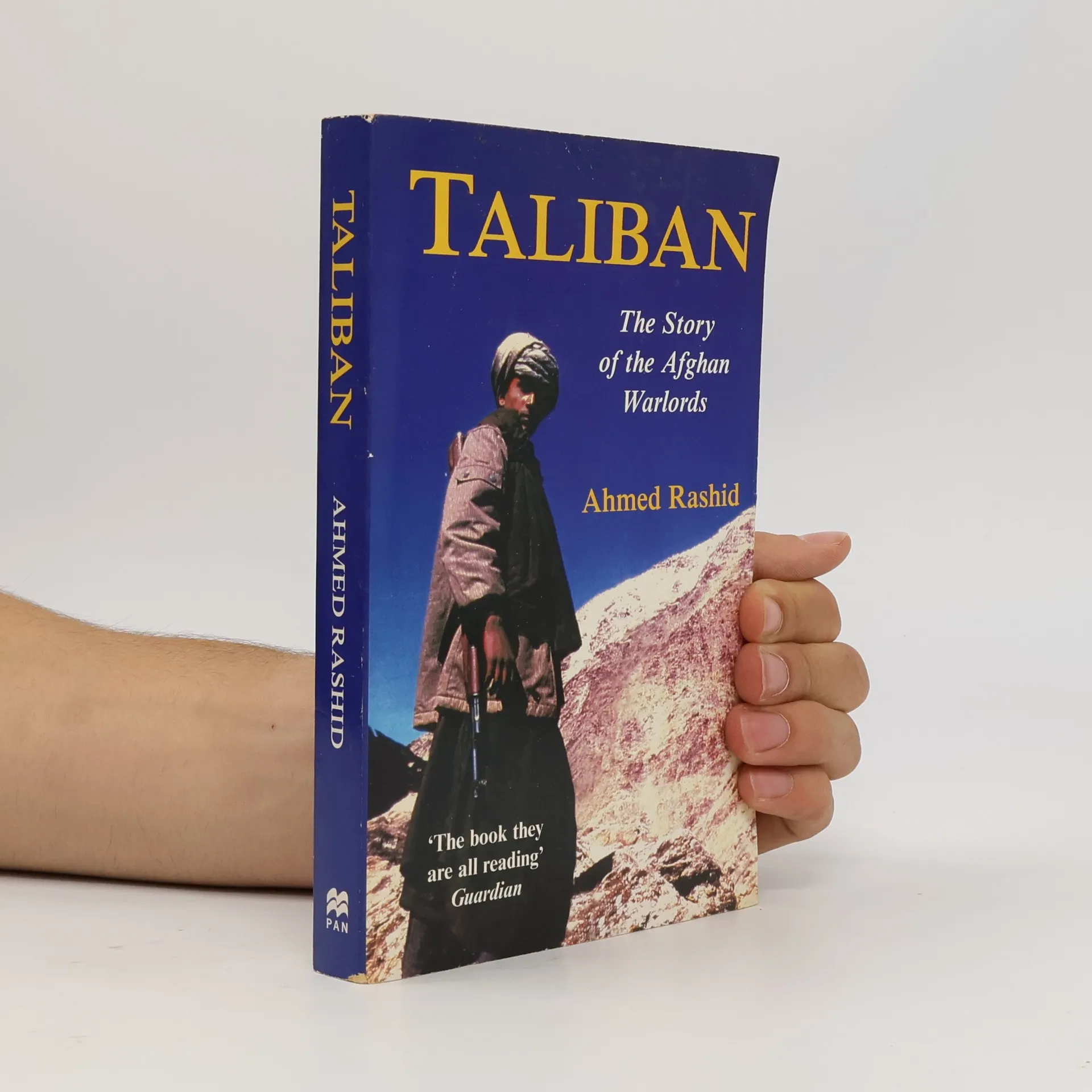
Examines the Taliban and its form of Islamic fundamentalism, explains how the organization rose to power, and discusses its impact on Afghanistan and why the country has become a center for international terrorism.
De tous les carrefours important, le visage à la moustache noire vous fixait du regard. Il y en avait un sur le mur d'en face. Big Brother vous regarde, répétait la légende, tandis que le regard des yeux noirs pénétrait les yeux de Winston... Au loin, un hélicoptère glissa entre les toits, plana un moment, telle une mouche bleue, puis repartir comme une flèche, dans un vol courbe. C'était une patrouille qui venait mettre le nez aux fenêtres des gens. Mais les patrouilles n'avaient pas d'importance. Seule comptait la Police de la Pensée.
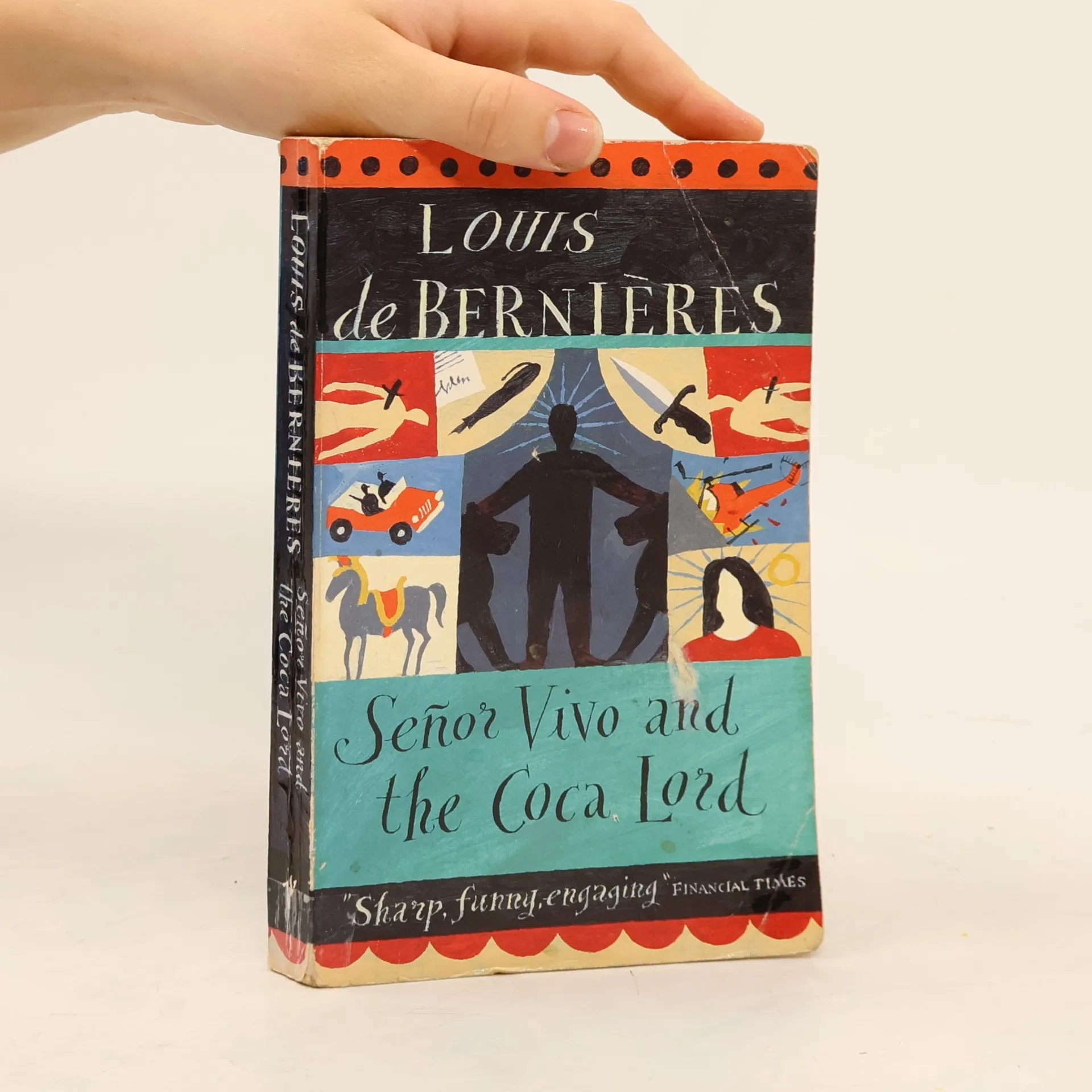
Dionisio Vivo, a young South American lecturer in philosophy, is puzzled by the hideously mutilated corpses that keep turning up outside his front door. To his friend, Ramon, one of the few honest policemen in town, the message is all too clear: Dionisio's letters to the press, exposing the drug barons, must stop; and although Dionisio manages to escape the hit-men sent to get him, he soon realizes that others are more vulnerable, and his love for them leads him to take a colossal revenge. "Senor Vivo and the Coca Lord is the second novel in a trilogy set in South America. It won a Commonwealth Writers Prize in 1992.
Vertaald naar het Nederlands door / Translated into Dutch by Tinke Davids / 9789029508896 / Literature translated into Dutch / Nederlands / Dutch / Néerlandais / Niederländisch / paperback / 13 x 21 cm / 251 .pp /
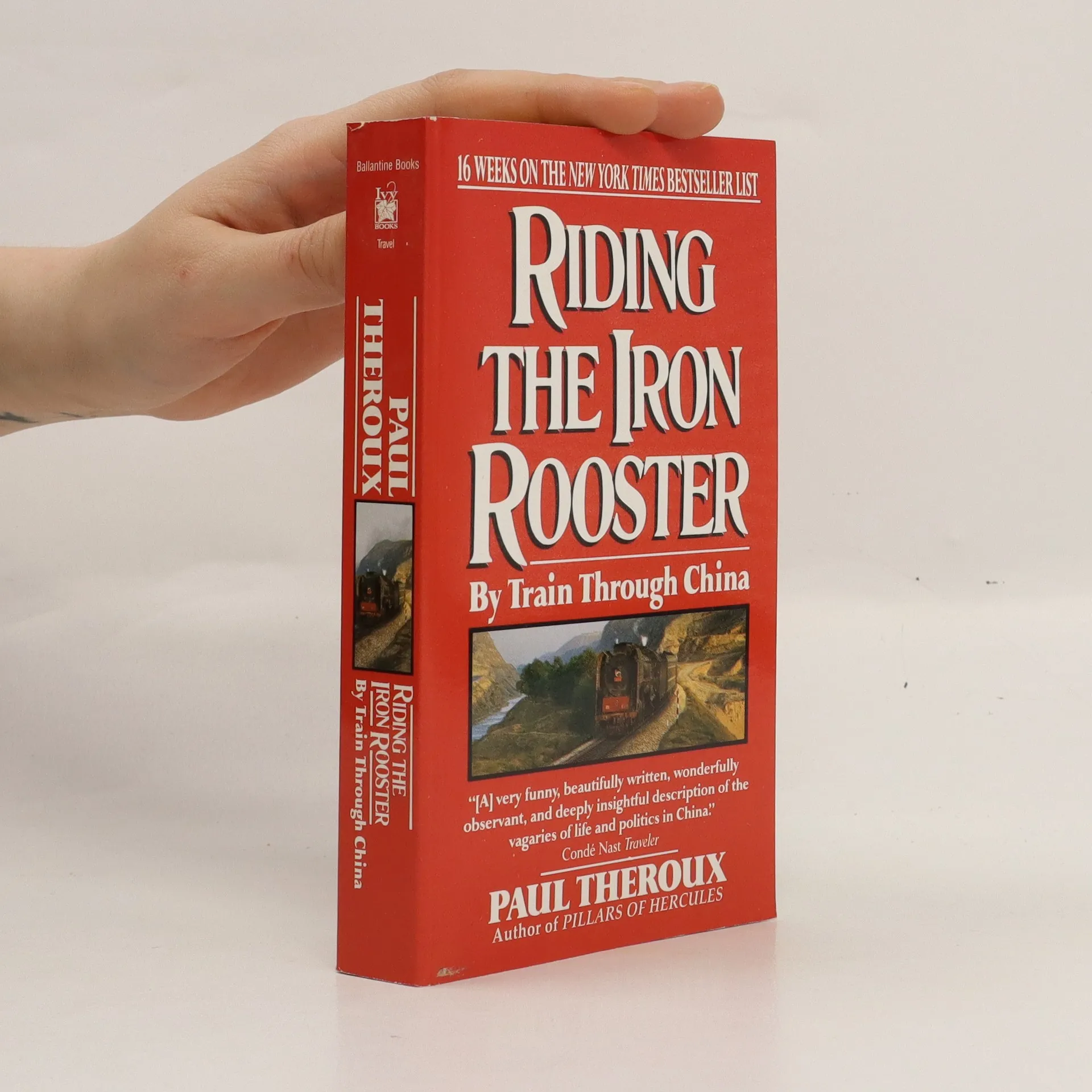
In 'China, per trein' reist Paul Theroux door alle provincies van de Volksrepubliek China. Hij legt de tegenstellingen en de strijd tussen traditie en vernieuwing vast. Terwijl de trein door dit gigantische rijk voortpuft, praat Theroux met talloze Chinezen, die soms zeer uitgesproken meningen geven.
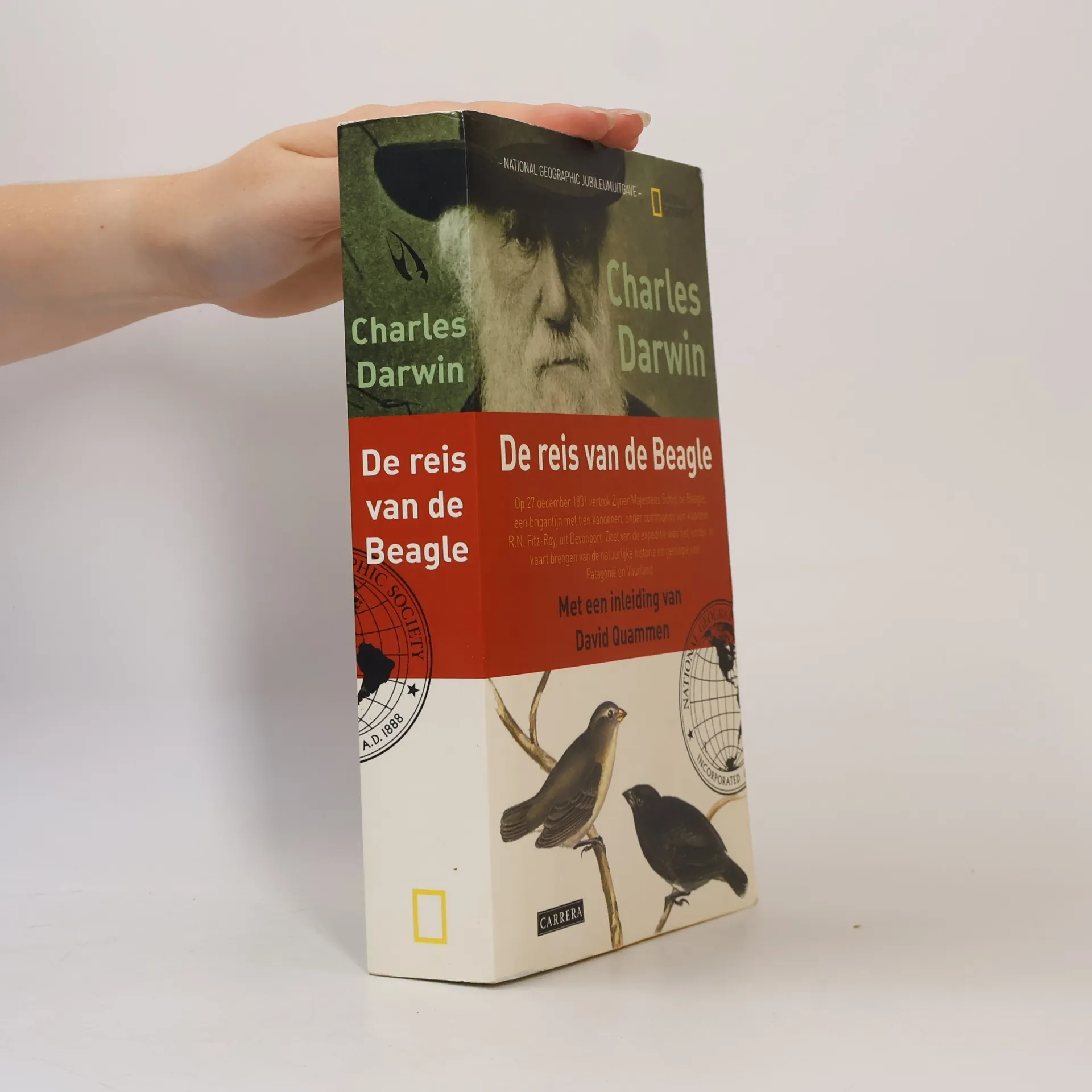
Verslag van de zeereis die de Engelse natuuronderzoeker maakte van 1831-1836 waarop hij materiaal verzamelde voor zijn latere boek over oorsprong en ontwikkeling van de soorten.
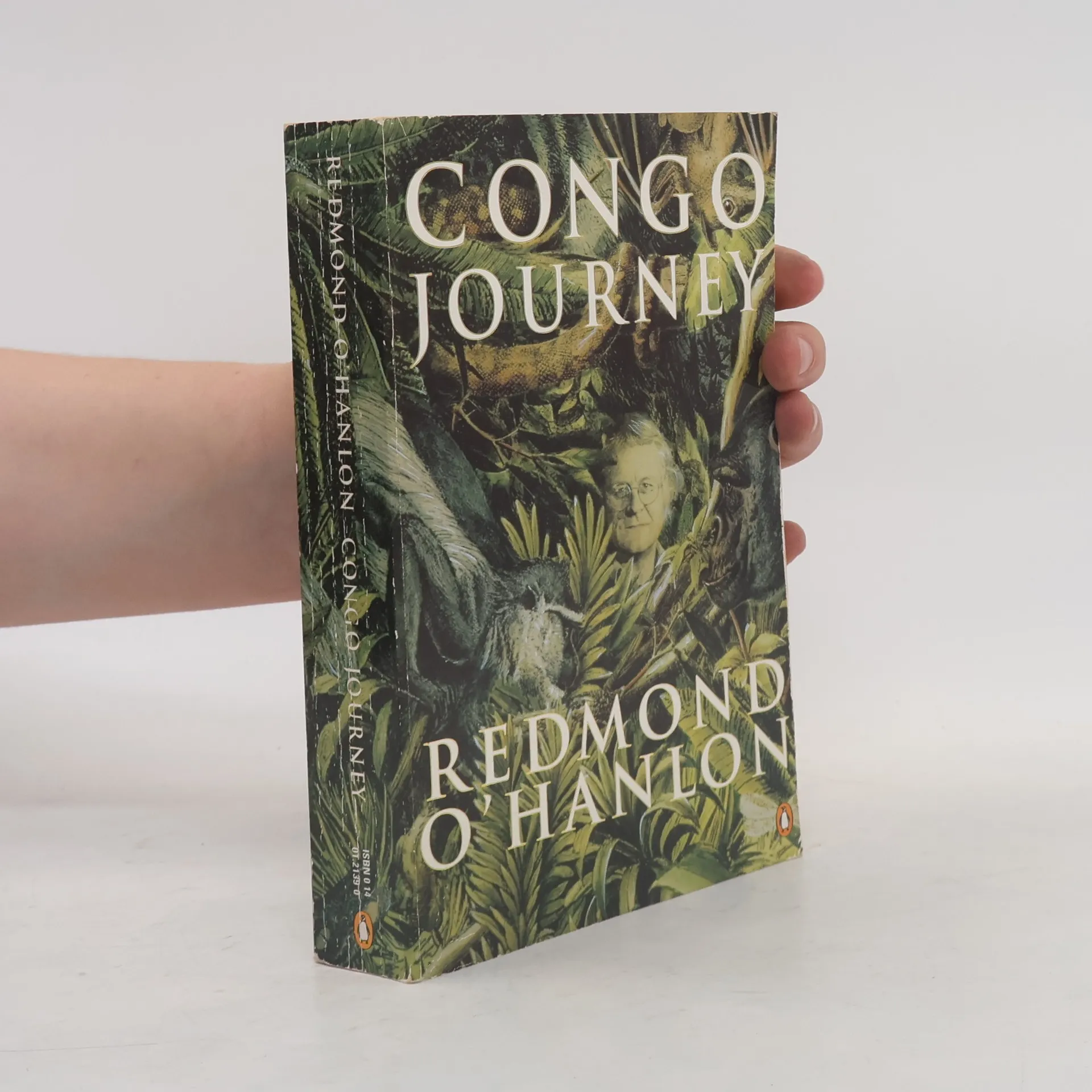
Combining the acute observation of a nineteenth-century missionary, and the wit of a Monty Python player, Redmond O'Hanlon is famous for his adventurous travel. His new challenge is the Congo, the most dangerous and inhospitable jungle in the world.
By Train Through the Americas - With a New Introduction by the Author
404pages
15 heures de lecture
Starting with a rush-hour subway ride to South Station in Boston to catch the Lake Shore Limited to Chicago, Theroux winds up on the poky, wandering Old Patagonian Express steam engine, which comes to a halt in a desolate land of cracked hills and thorn bushes. But with Theroux the view along the way is what matters: the monologuing Mr. Thornberry in Costa Rica, the bogus priest of Cali, and the blind Jorge Luis Borges, who delights in having Theroux read Robert Louis Stevenson to him.
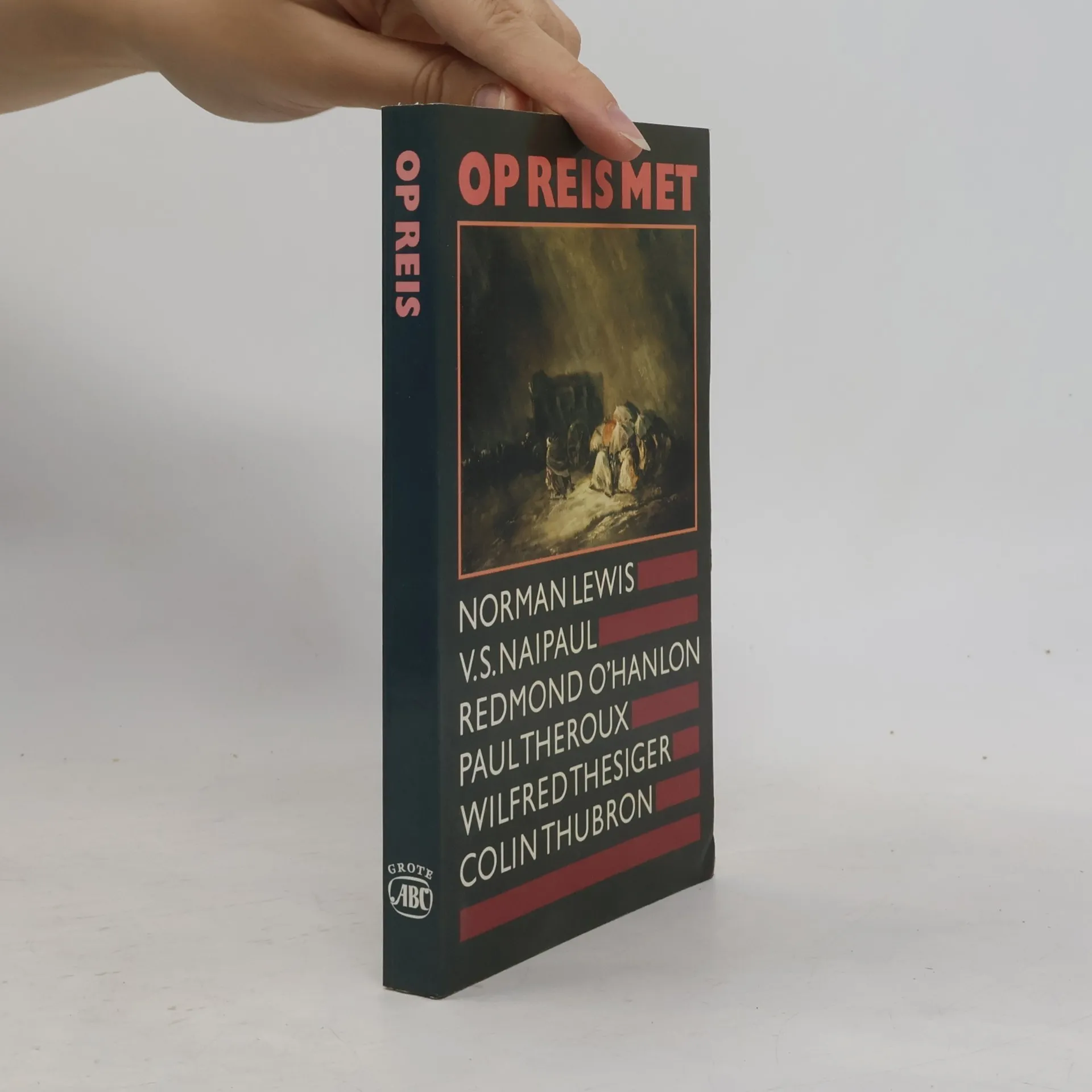
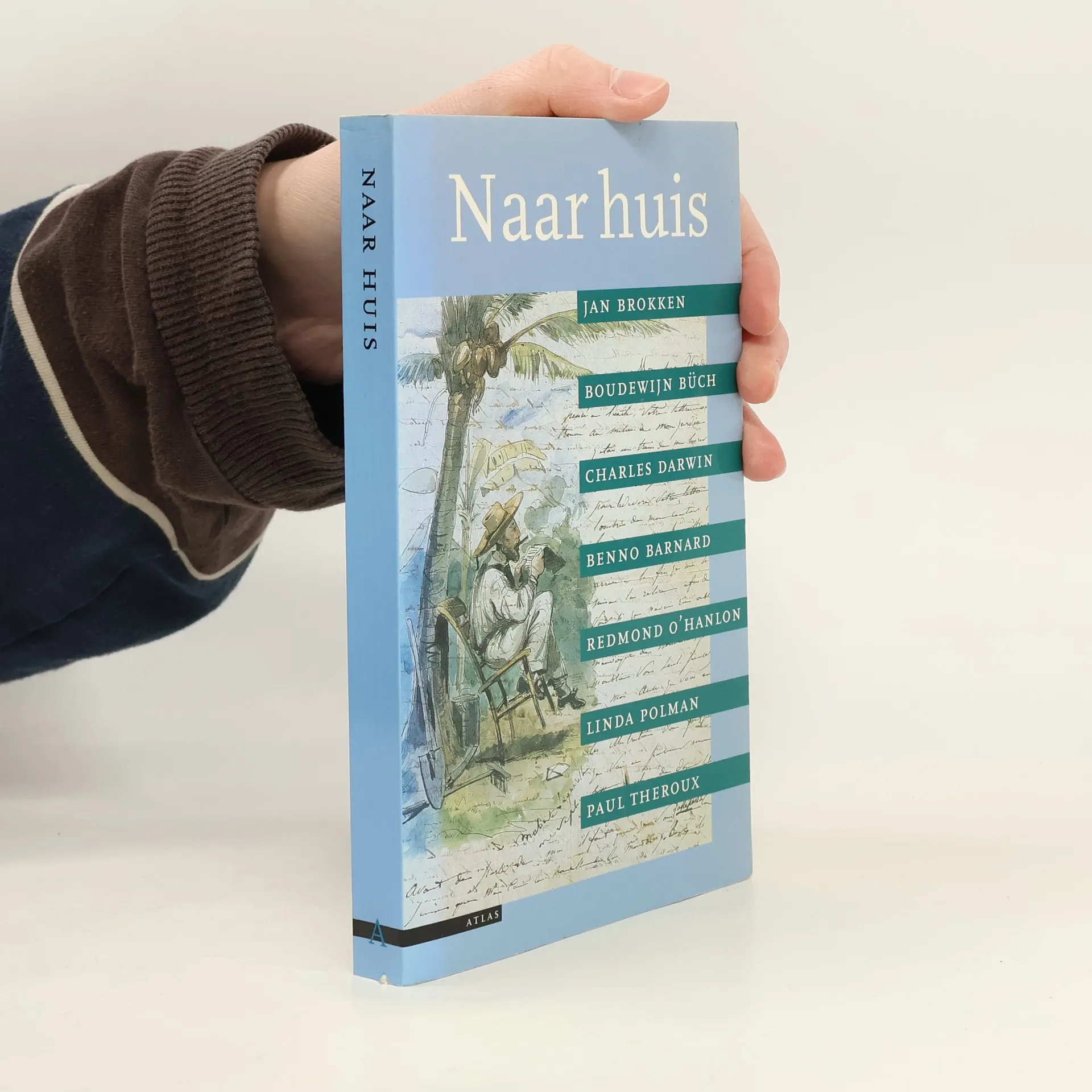
Van de Rio Negro naar Buenos Aires - Charles Darwin Goedenavond, mrs. Thys - Jan Brokken Drie maanden in de West - W. Wijnaendts Francken-Syserinck Paaseiland: voorbij de branding van Rapa Nui - Paul Theroux Kongo - Redmond O'Hanlon Filfla - Boudewijn Büch Het dorp van Ratu Dinges - Johnny Frisbie Bot Pippel - Linda Polman De Kakaanse seismograaf - Benno Barnard
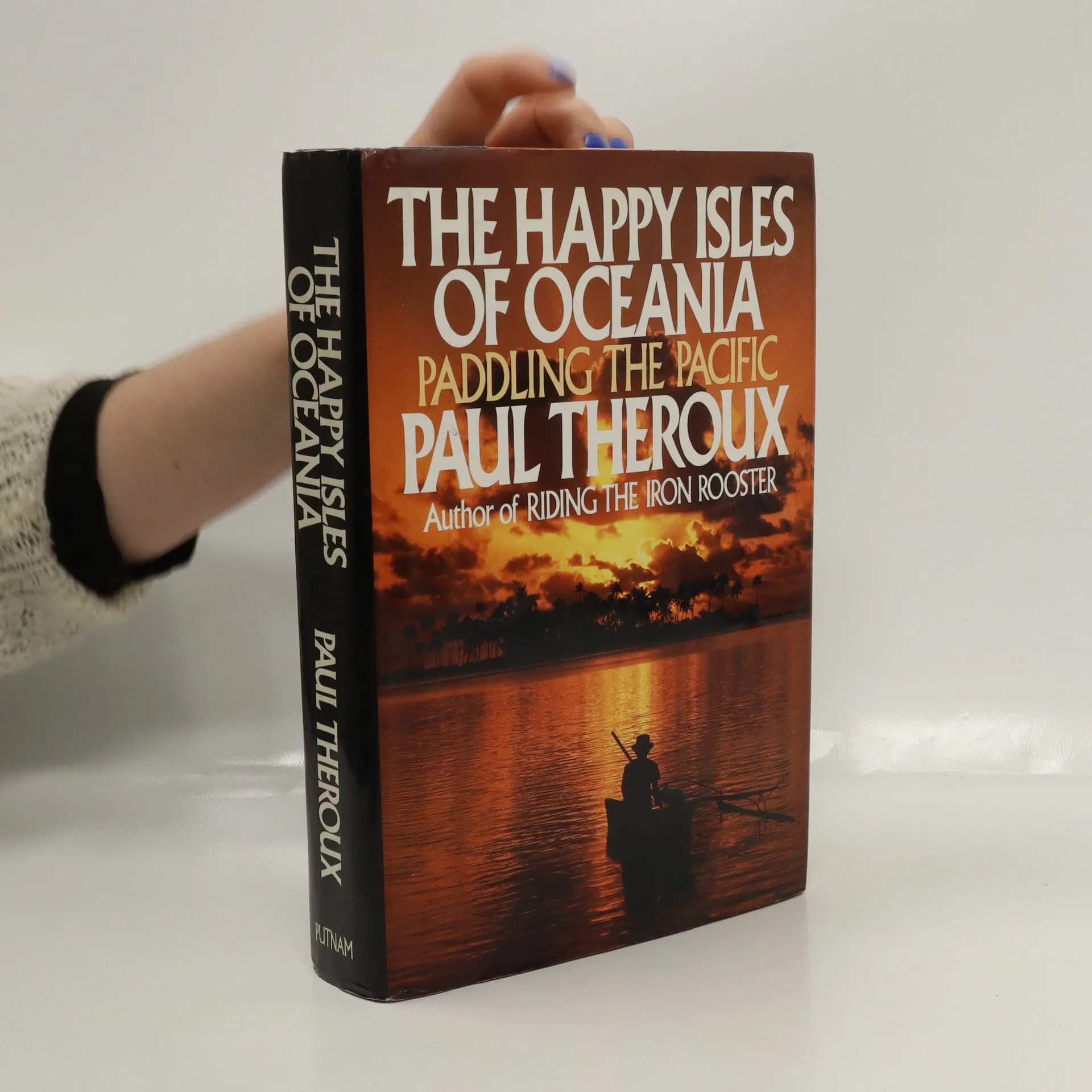
One of the world's premier travel writers launches his most exotic and tantalizing adventure yet, as he kayaks the shimmering Pacific, exploring the islands, and taking up residence to discover the secrets of these happy isles.
Na zijn reis van twee maanden naar het hart van Borneo dacht Redmond O'Hanlon dat een reis van vier maanden over de Orinoco naar het hart van het Amazonegebied geen enkel probleem zou opleveren. Niets bleek minder waar: naast de gevaren die hij al kende uit Borneo, deden zich nog heel andere voor: een op aids lijkende ziekte, rivierblindheid, geelzucht en niet te vergeten een minuscuul visje dat maar één wens heeft: een penis binnenzwemmen en zich daar nestelen, waarna slechts één remedie rest: afhakken. Al deze gevaren verbleken echter bij het grootste van alle: zijn medereizigers. Het heeft O'Hanlon niet belet terug te komen met een even geestig als erudiet verslag van zijn reis. Van exotische vogels en otters tot indianen met zeer ongewone gebruiken. En wie kan zeggen dat hij aanwezig is geweest bij het uitsterven van een taal?
Waarom zou een Israëlische jood zich voordoen als een Arabier? Het was volgens mij (de schrijver) de beste manier om in de huid van een Palestijn te kruipen.` Joram Binoer stak zijn licht op in de Gazastrook, in de vluchtelingenkampen op de Westoever en in het centrum van Tel Aviv. Een gewaagde onderneming.
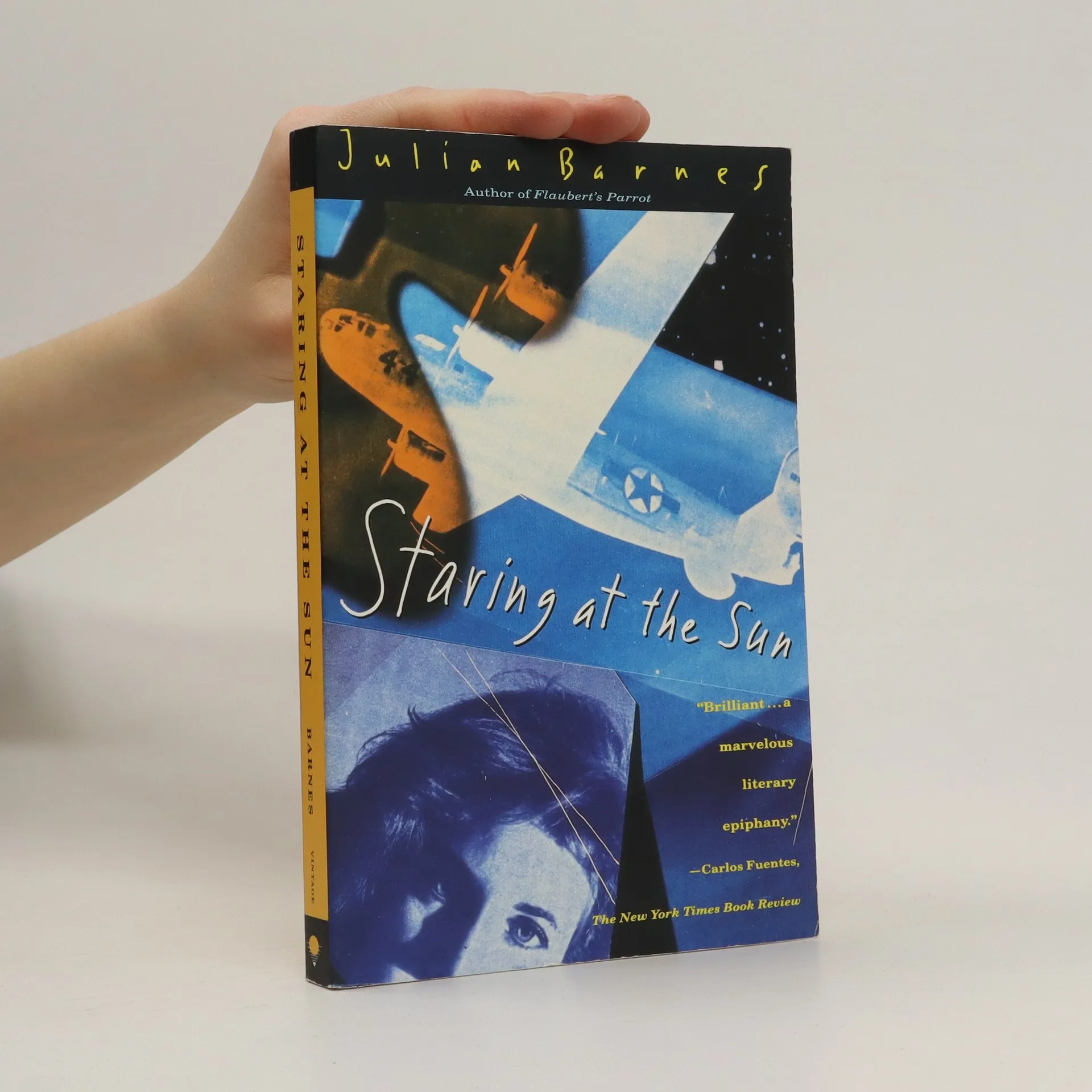
The bestselling, Booker Prize-winning author of The Sense of an Ending traces the life of a seemingly ordinary woman with an extraordinary disdain for wisdom in this “marvelous literary epiphany” (The New York Times Book Review). In this wonderfully provocative novel, Barnes follows Jean Serjeant from her childhood in the 1920s to her flight into the sun in the year 2021, confronting readers with the fruits of her relentless curiosity: pilgrimages to China and the Grand Canyon; a catalogue of 1940s sexual euphemisms; and a glimpse of technology in the twenty-first century (when The Absolute Truth can be universally accessed). Elegant, funny and intellectually subversive, Staring at the Sun is Julian Barnes at his most dazzlingly original.