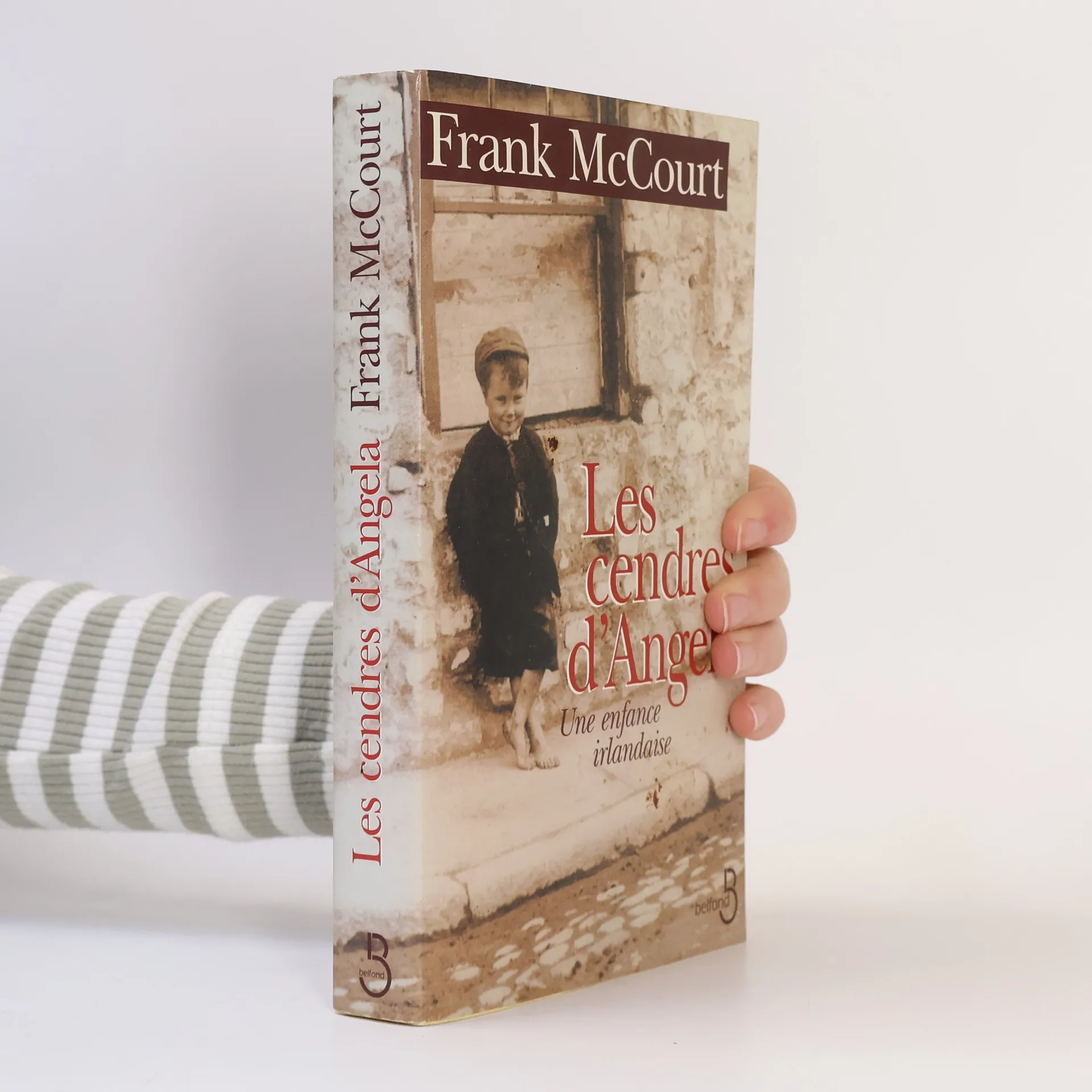
« Quand je revois mon enfance, le seul fait d'avoir survécu m'étonne. Ce fut, bien sûr, une enfance misérable : l'enfance heureuse vaut rarement qu'on s'y arrête. Pire que l'enfance misérable ordinaire est l'enfance misérable en Irlande. Et pire encore est l'enfance misérable en Irlande catholique ».
Le dixième cas du commissaire William Wisting pourrait coûter la vie à sa fille : un polar scandinave captivant de l'auteur norvégien Jørn Lier Horst. Dans le sous-sol de son grand-père récemment décédé, un trafiquant de drogue sans scrupules, Sofie Lund découvre un vieux revolver parmi divers documents. Ne souhaitant pas être associée à son grand-père et à ses activités criminelles, elle demande à son amie d'enfance, Line Wisting, de remettre le revolver à la police de manière anonyme. Les deux femmes ignorent les conséquences de leur acte. L'examen balistique du revolver à Oslo révèle qu'il a été utilisé dans un meurtre non résolu. Le commissaire William Wisting, père de Line, prend en charge l'enquête, mettant ainsi sa fille en grand danger. La série de romans policiers de Jørn Lier Horst autour du commissaire William Wisting se distingue par ses personnages authentiques et une tension captivante, alimentée par l'ajout habile de nouveaux éléments d'intrigue.
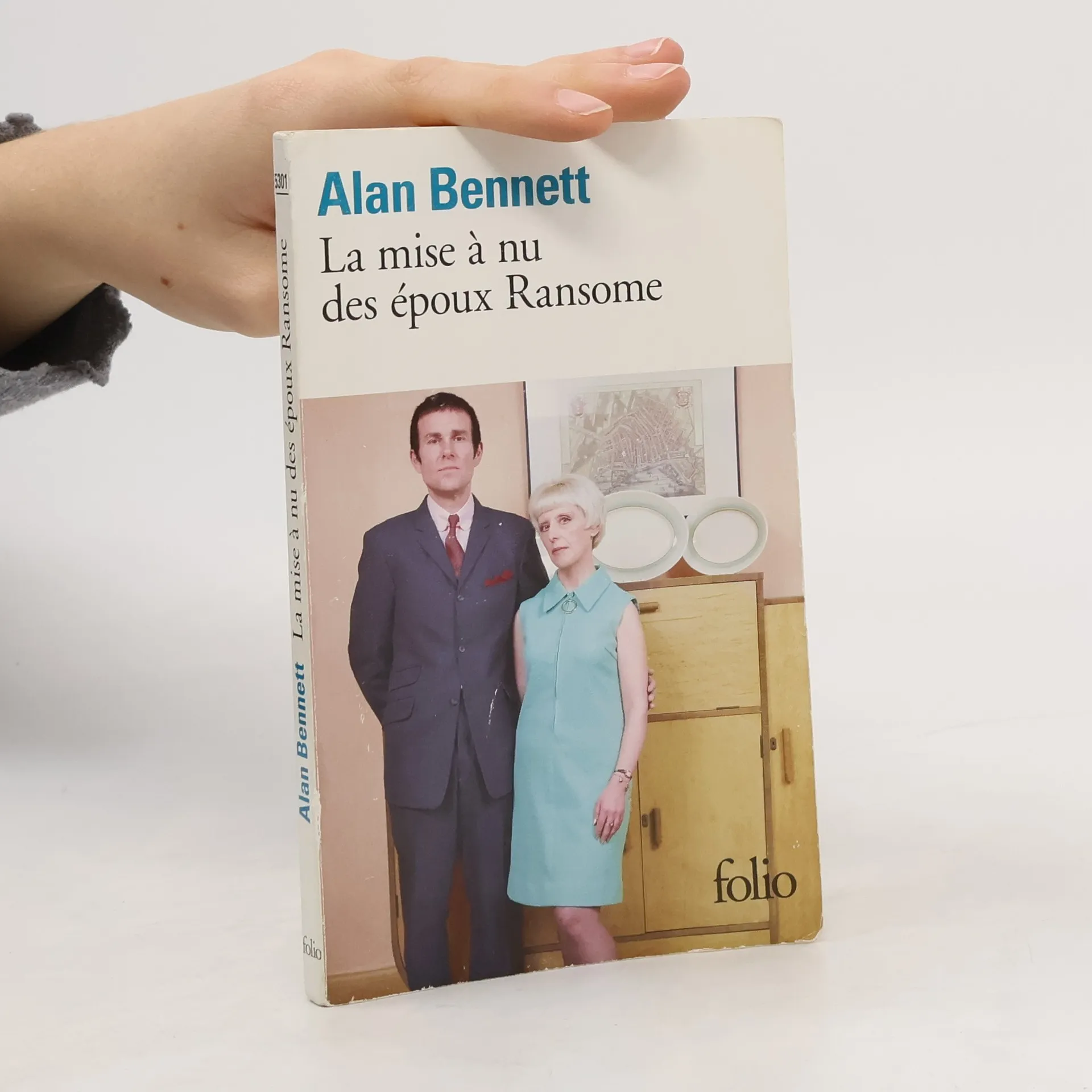
Un soir, en rentrant de l'opéra, Mr et Mme Ransome, incarnation d’une bourgeoisie britannique pétrie de convenances, retrouvent leur appartement cambriolé, ou plutôt vidé. Tout a disparu, jusqu'aux plinthes et au papier toilette. Monsieur cherche les coupables, Madame, d'abord effondrée, se rêve peu à peu une nouvelle vie. Le fragile voile des conventions se déchire. Il va falloir trouver du linge, des meubles et affronter le monde extérieur, ce grand inconnu peuplé d'individus aux manières extravagantes, épicier pakistanais, grossier inspecteur de police, ménagère abrutie de télévision…. Alan Bennet, l’auteur de La reine des lectrices, nous offre une satire réjouissante, égratignant sans vergogne le snobisme d’un couple anglais et ses petits compromis.
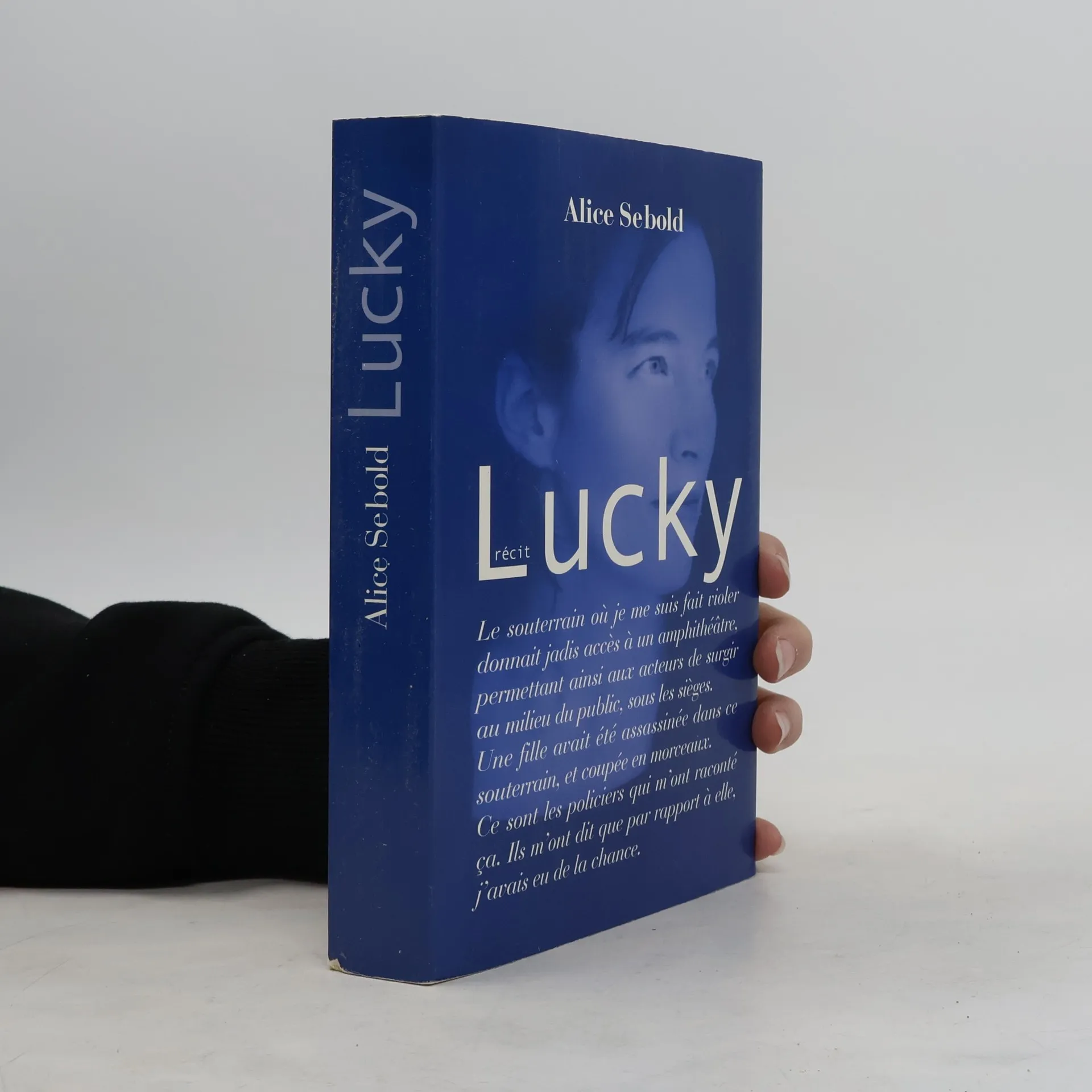
Le 8 mai 1981, la journaliste américaine Alice Sebold a été violée dans un tunnel, à un endroit où une jeune fille avait été brutalement assassinée auparavant. Un policier a cyniquement commenté qu'elle avait "de la chance" par rapport à la fille morte. Cette réalité cruelle est au cœur de l'œuvre de Sebold. À 18 ans, elle se sentait plus liée à la victime qu'au policier ou à ses camarades de classe choquées, car elles avaient toutes souffert au même endroit. Son récit ne se limite pas à décrire l'acte violent, mais explore également son approche singulière de l'enfer qui a suivi. Plutôt que de se retirer, elle a cherché activement à dialoguer avec le crime. La transformation de ses expériences par le langage est présentée comme une étape cruciale. Ce livre, qui aborde le traumatisme et la résilience, souligne l'importance de confronter de telles expériences sombres. Les descriptions puissantes de Sebold montrent que ce qu'elle a vécu mérite une place dans la littérature.
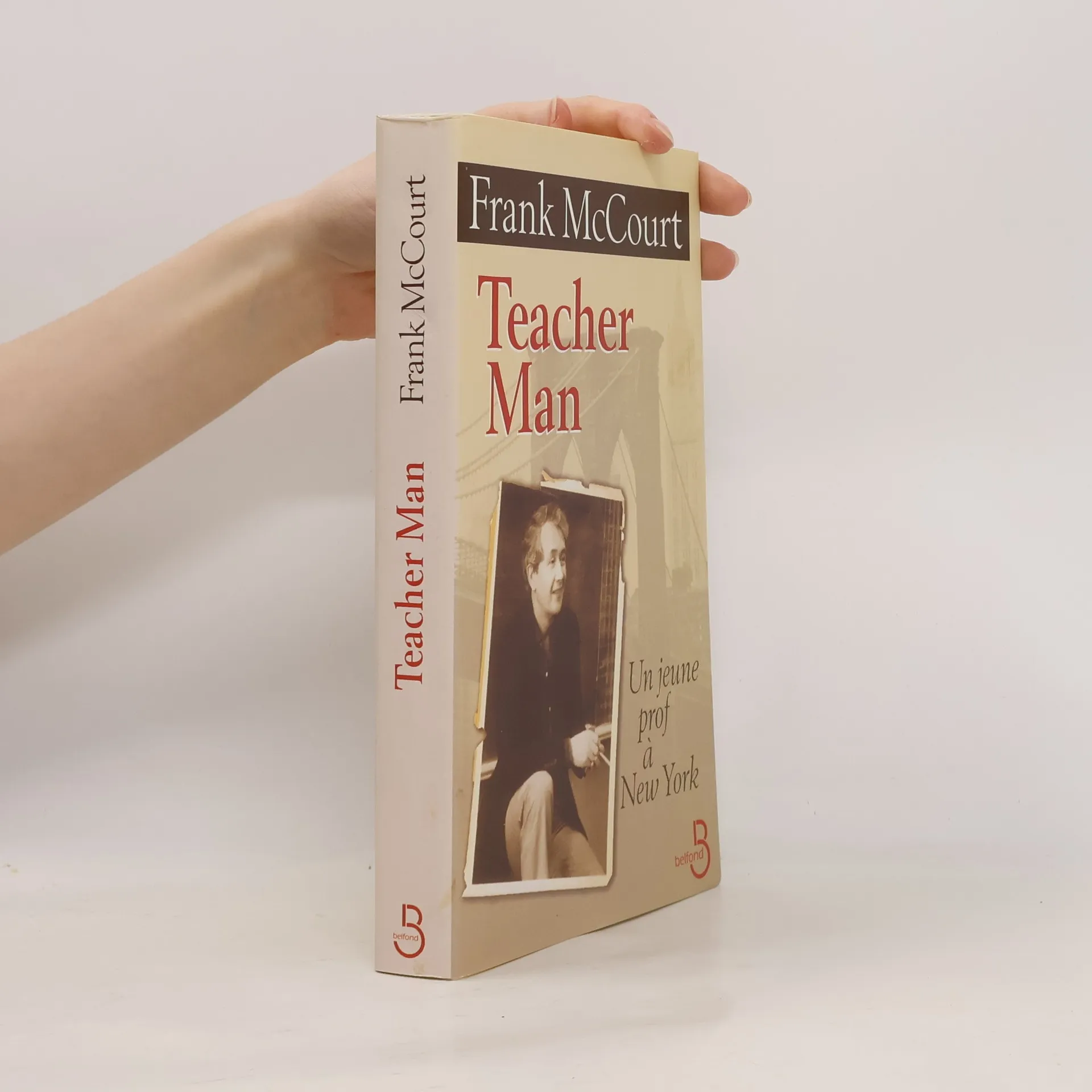
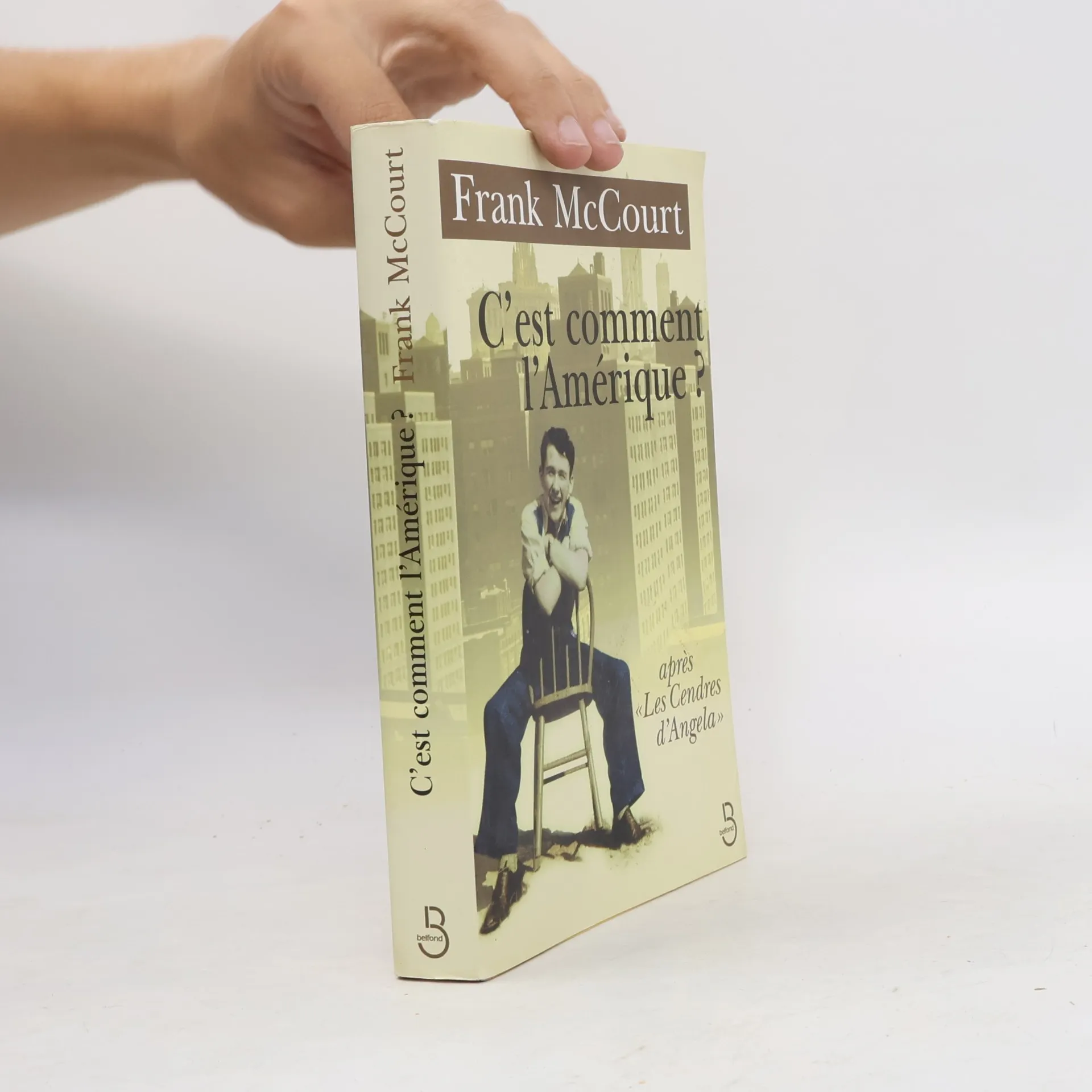
New York, des années 1960 aux années 1990. Après avoir exercé différents métiers, F. McCourt se décide à utiliser son diplôme d'enseignant. Premier poste : un lycée technique de Staten Island. Quelle attitude adopter face à ces élèves particulièrement difficiles? L'auteur relate son parcours d'enseignant.
Après avoir bouleversé le monde entier avec Les Cendres d'Angela, Frank McCourt poursuit son récit autobiographique dans C'est comment l'Amérique ? Un livre événement dont la parution a soulevé partout un égal enthousiasme. A dix-neuf ans, en 1949, fuyant la misère de sa jeunesse à Limerick, Franck McCourt s'embarque seul pour New York, cette terre promise. Pris en charge dès son arrivée par un vieux prêtre irlandais qui le met en garde contre cette ville dépravée, il s'enfuit à toutes jambes pour échapper aux avances du saint homme aviné. L'Amérique, il devra la conquérir seul. Tour à tour balayeur dans un hôtel de luxe, docker et gratte-papier, soldat puis jeune prof déboussolé, il va cependant découvrir un pays très éloigné de celui qu'il a rêvé... C'est comment l'Amérique ? raconte l'histoire d'une ascension extraordinaire, celle d'un émigré pauvre, sans éducation et marqué par la honte de ses origines, qui va finalement s'imposer comme un professeur hors du commun puis un des grands écrivains de cette fin de siècle. De cette aventure américaine, McCourt fait un récit inoubliable, émaillé de cocasses anecdotes et de personnages pittoresques qu'il croque avec une ironie irrésistible. Son prodigieux talent de conteur est ici intact, sa prose imagée, pleine de verve, teintée de bout en bout d'un humour mordant.
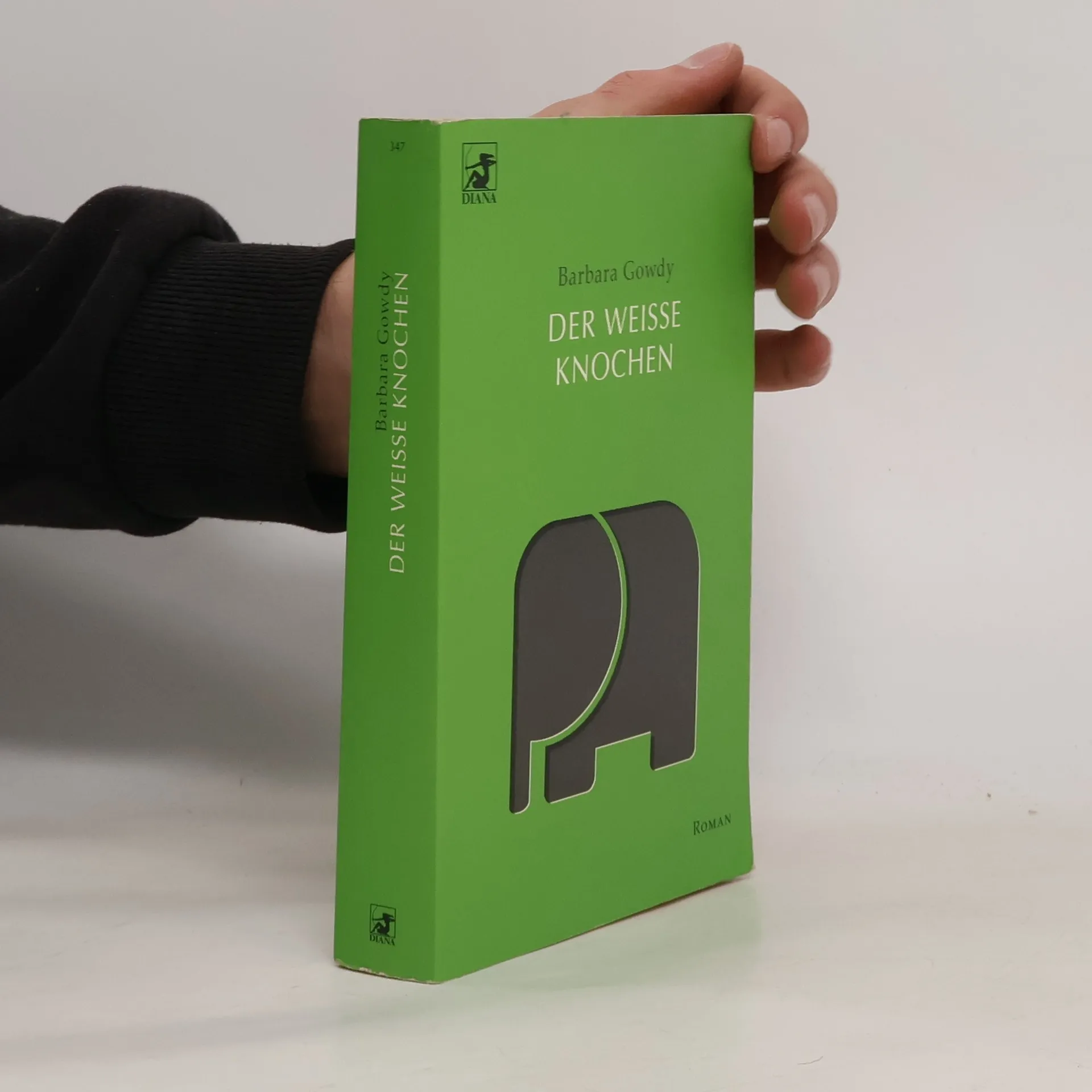
A thrilling journey into the minds of African elephants as they struggle to survive. If, as many recent nonfiction bestsellers have revealed, animals possess emotions and awareness, they must also have stories. In The White Bone, a novel imagined entirely from the perspective of African elephants, Barbara Gowdy creates a world whole and separate that yet illuminates our own.For years, young Mud and her family have roamed the high grasses, swamps, and deserts of the sub-Sahara. Now the earth is scorched by drought, and the mutilated bodies of family and friends lie scattered on the ground, shot down by ivory hunters. Nothing-not the once familiar terrain, or the age-old rhythms of life, or even memory itself-seems reliable anymore. Yet a slim prophecy of hope is passed on from water hole to water hole: the sacred white bone of legend will point the elephants toward the Safe Place. And so begins a quest through Africa's vast and perilous plains-until at last the survivors face a decisive trial of loyalty and courage.In The White Bone, Barbara Gowdy performs a feat of imagination virtually unparalleled in modern fiction. Plunged into an alien landscape, we orient ourselves in elephant time, elephant space, elephant consciousness and begin to feel, as Gowdy puts it, what it would be like to be that big and gentle, to be that imperiled, and to have that prodigious memory.
"L’altro mio problema era che mi stavo innamorando di Gretchen, la mia amica del cuore, che secondo tutti quanti (pensavo io) era una cicciona. Stavamo cantando in quel catorcio della sua macchina e alla fine del pezzo – White Riot dei Clash – mi resi conto dal modo in cui le guardavo la bocca corrugata che faceva un sorriso e gli occhi ammiccanti, complici, che eravamo molto più che amici, almeno per me". Brian, diciasettenne di Chicago, ama i videogiochi, la musica metal e la sua amica Gretchen, un’attaccabrighe con i capelli tinti di rosa, cicciona e sboccata. Nel frattempo Gretchen ama i Ramones e i Clash e il delinquente razzista Tony Degan di ventisei anni. Inoltre è famosa per picchiare le altre ragazze, come quando aveva rotto un braccio a Amy Schaffer a una festa di Halloween: "Gretchen s’era vestita da Kennedy post-attentato col completo nero, il sangue e i buchi delle pallottole, e Amy Schaffer aveva stralunato gli occhi e aveva detto: Mamma mia, sembri proprio un uomo e allora Gretchen si era girata, l’aveva presa per un braccio e gliel’aveva storto forte dietro la schiena”. Un romanzo violento, tenero e divertente che ha conquistato l’America.
'I am dazzled by The Bachelors. It is the cleverest and most elegant of all
Spark's clever and elegant books' Evelyn WaughNow available in print and eBook
as a gorgeous canon
Two lesser characters from Carter's bestselling first novel, "The Emperor of Ocean Park"--husband and wife Lemaster and Julia Carlyle--take center stage in this compelling, literate page-turner that blends a gripping whodunit with complex discussions of politics and race in contemporary America.