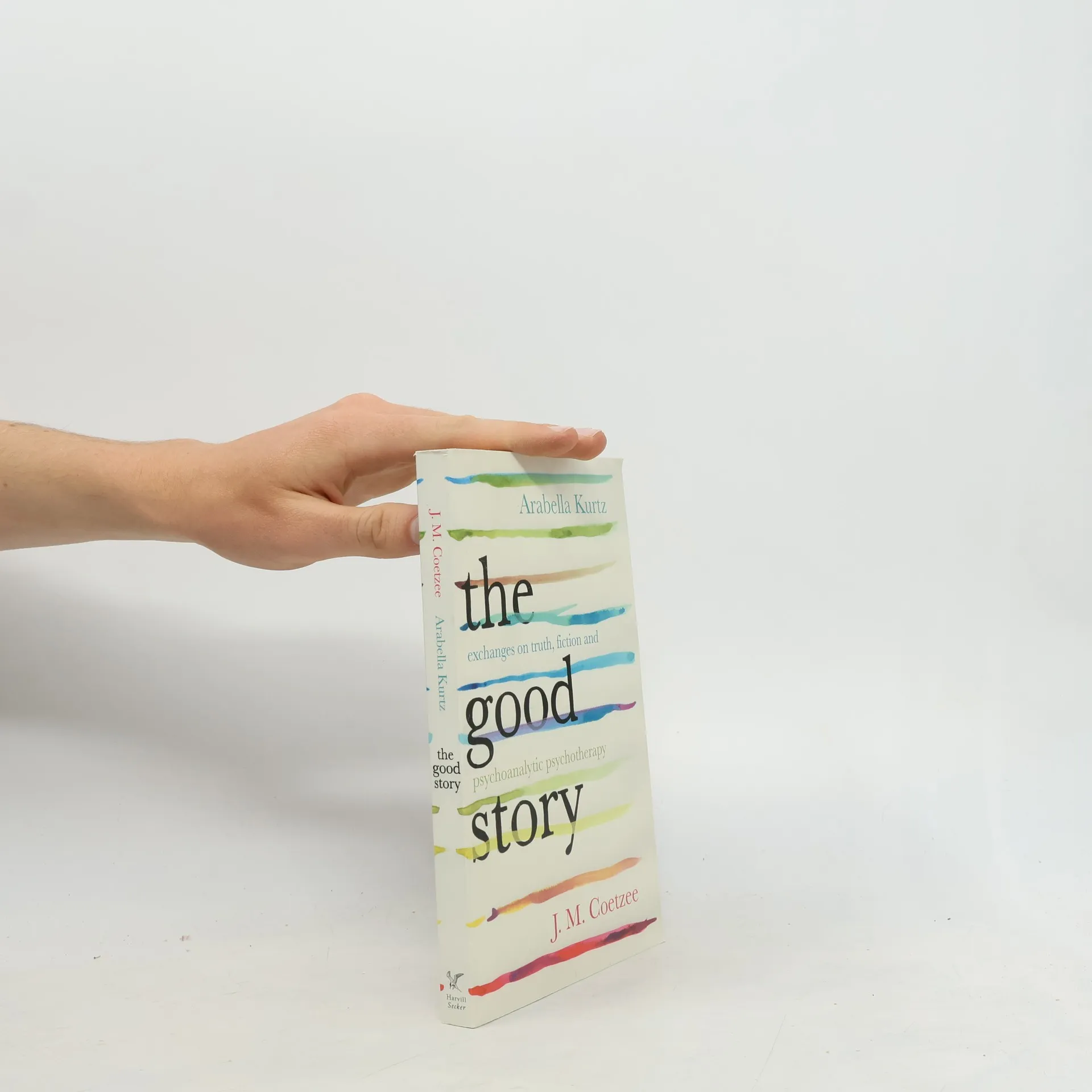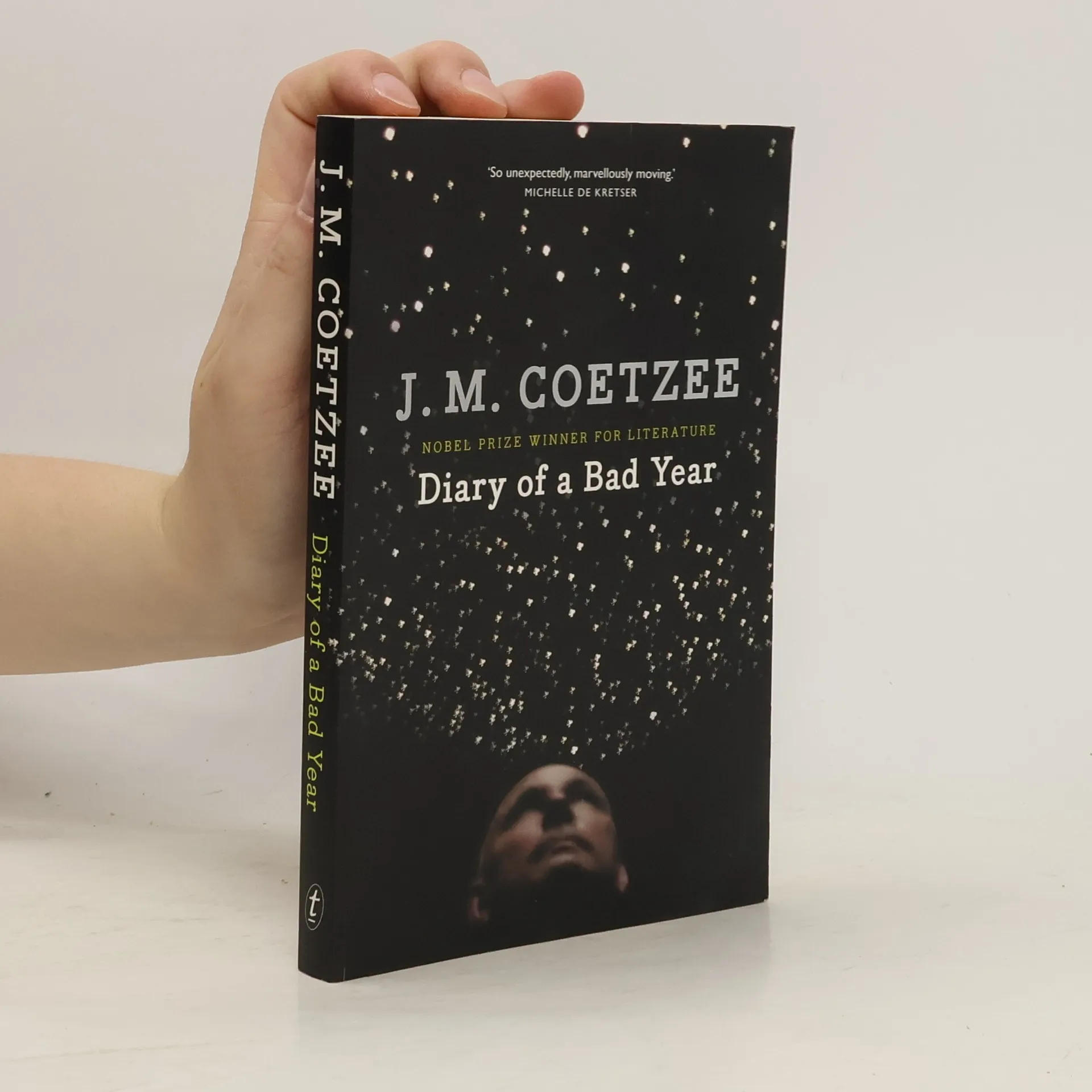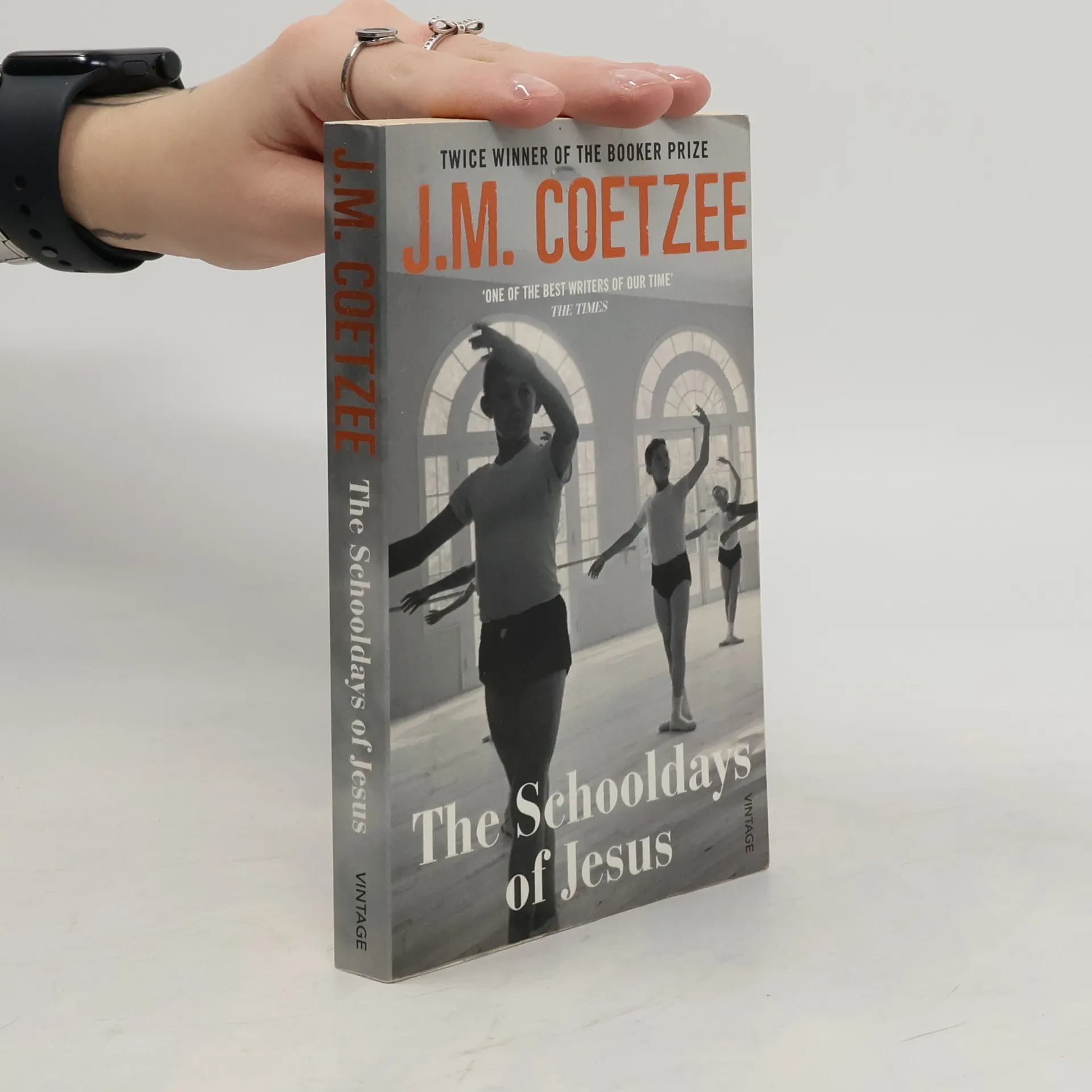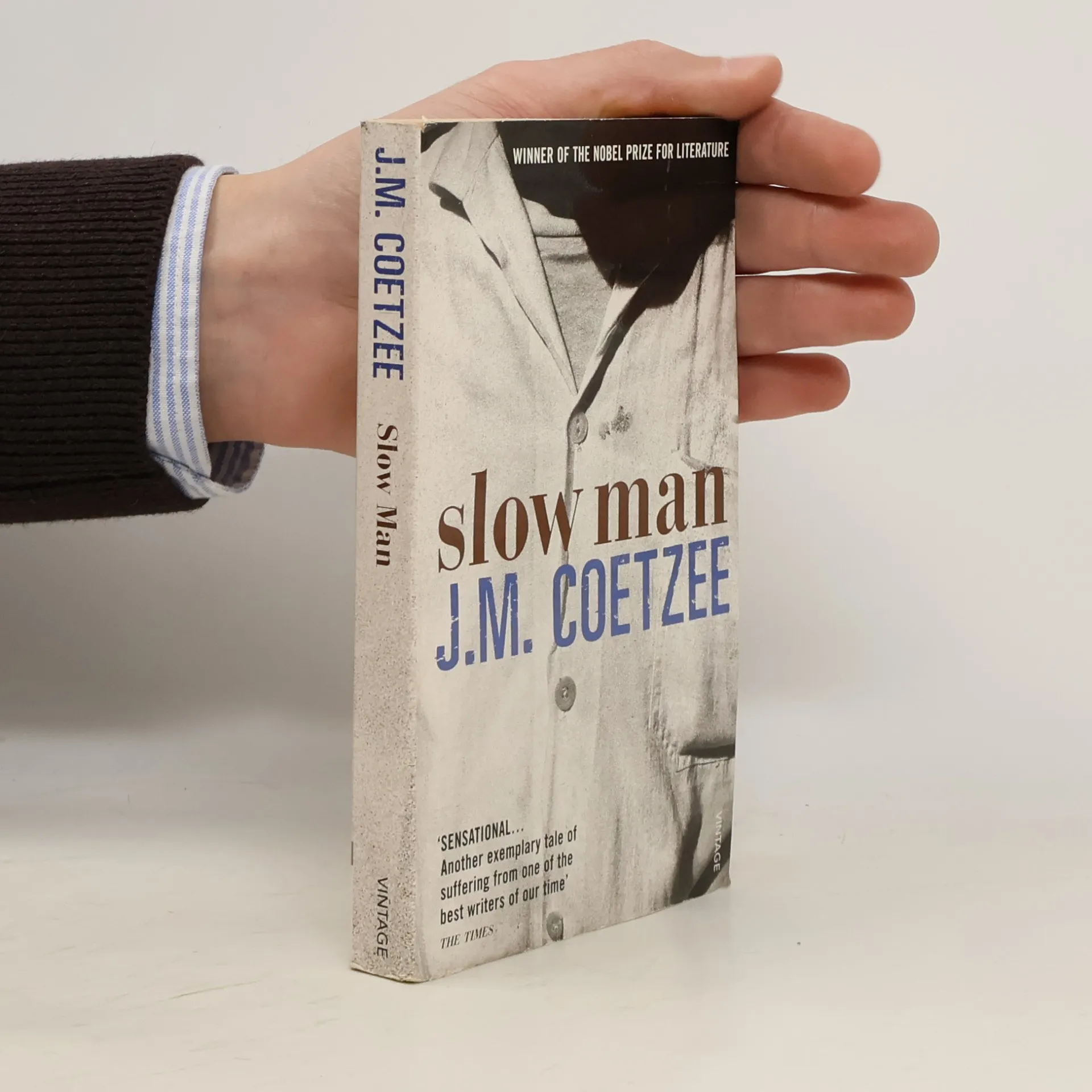
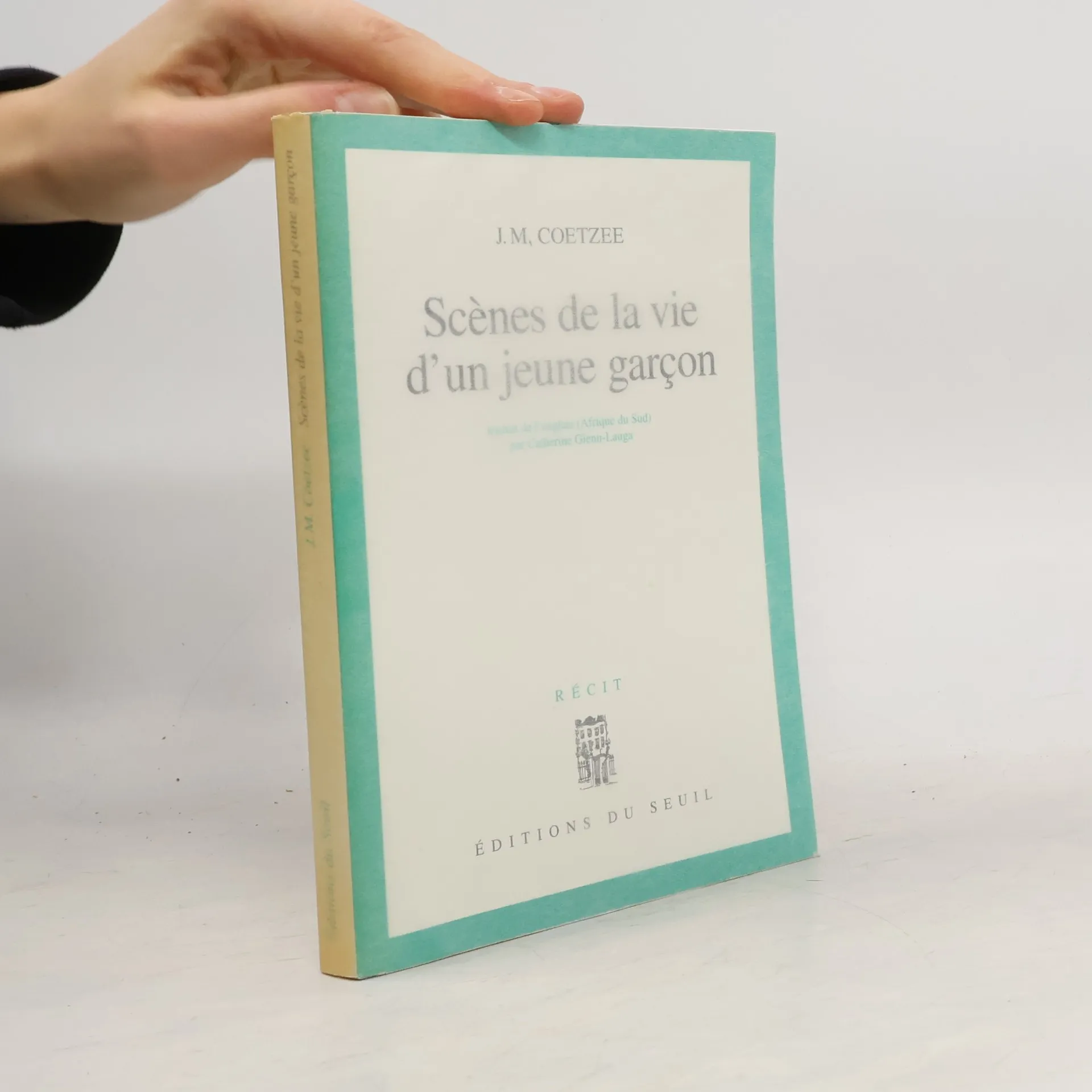
Foe
- 192pages
- 7 heures de lecture
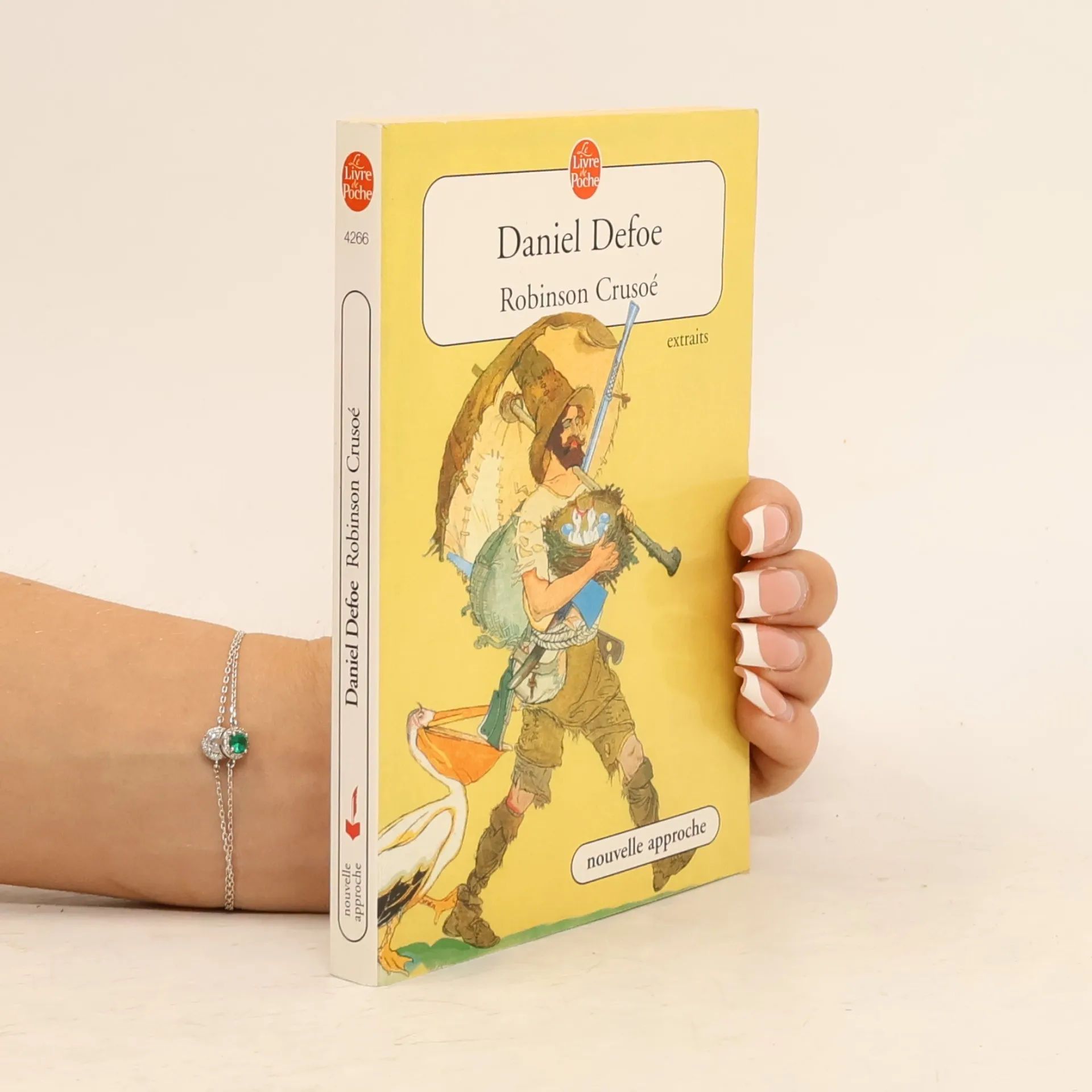
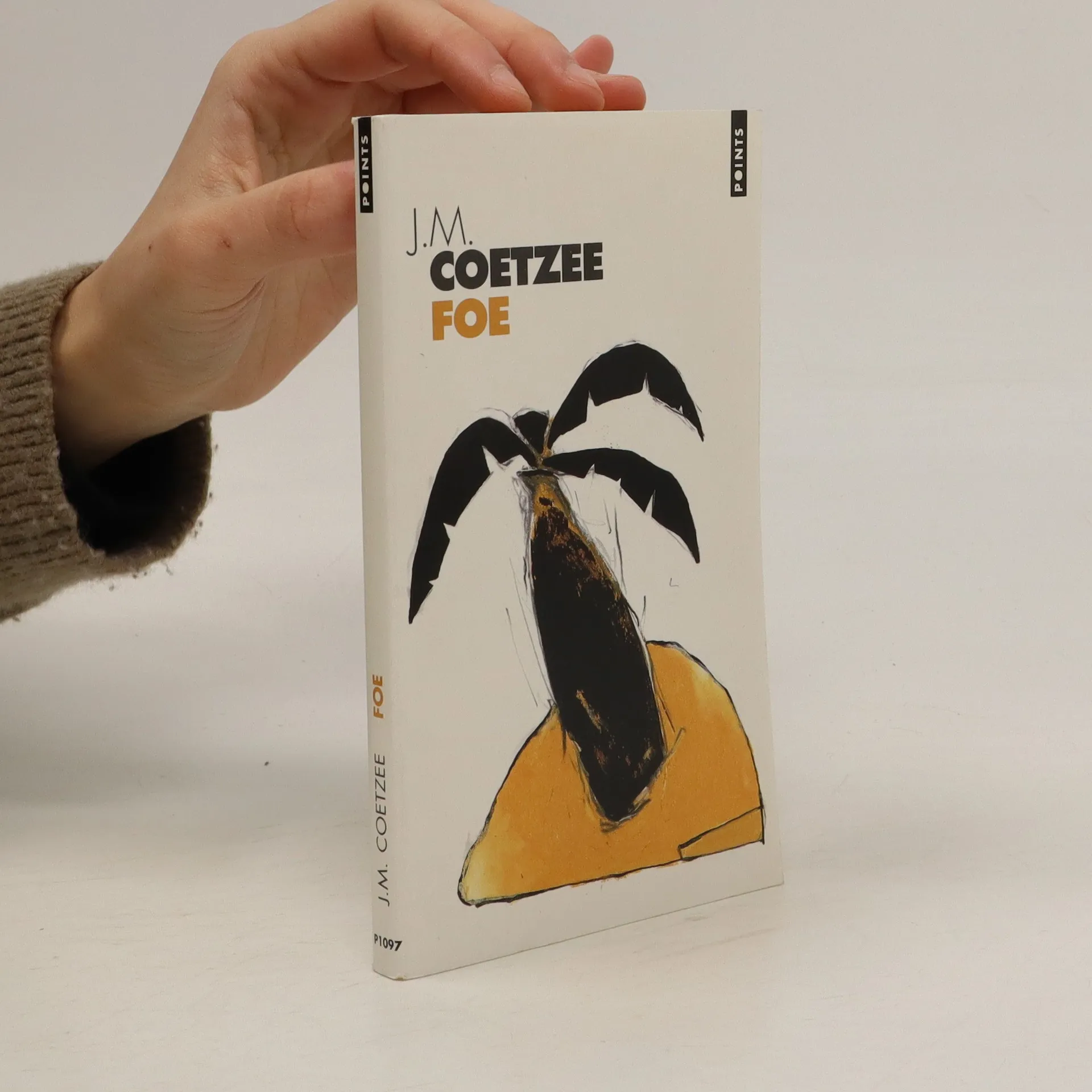
Fable, allégorie, palimpseste littéraire, ce roman explore et interprète les extrêmes vers lesquels nos vies sont poussées, à travers les relations imaginées entre l'auteur et Daniel Foe alias Defoe


Fable, allégorie, palimpseste littéraire, ce roman explore et interprète les extrêmes vers lesquels nos vies sont poussées, à travers les relations imaginées entre l'auteur et Daniel Foe alias Defoe
Author J.M. Coetzee sold his house in Cape Town, unaware that he was leaving behind unique documents from his teenage years. In the attic of his former home, the new owners discovered a forgotten brown suitcase and a large cardboard box, containing a complete photographic archive of old prints and negatives from Coetzee’s childhood never seen before. The book also has an exclusive interview with John Coetzee about his boyhood and photo experiments.
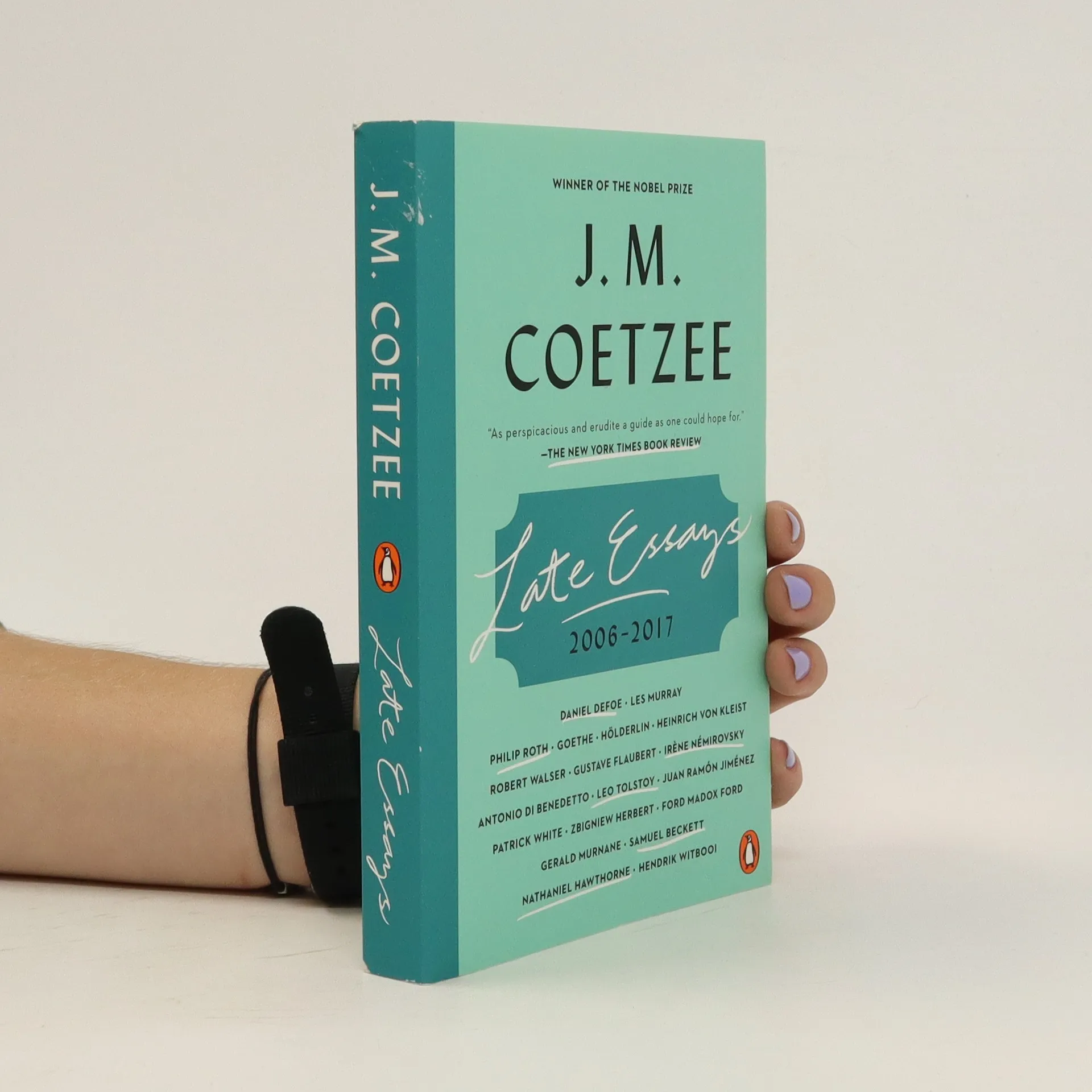
A new collection of twenty-three literary essays from the Nobel Prize–winning author. J. M. Coetzee’s latest novel, The Schooldays of Jesus, is now available from Viking. J. M. Coetzee is not only one of the most acclaimed fiction writers in the world, he is also an accomplished and insightful literary critic. In Late Essays: 2006–2016, a thought-provoking collection of twenty-three pieces, he examines the work of some of the world’s greatest writers, from Daniel Defoe in the early eighteenth century to Goethe and Irène Némirovsky to Coetzee’s contemporary Philip Roth. Challenging yet accessible, literary master Coetzee writes these essays with great clarity and precision, offering readers an illuminating and wise analysis of a remarkable list of works of international literature that span three centuries.
Celebrated author J. M. Coetzee delivers a radiant new novel that showcases his masterful storytelling. Known for his profound exploration of complex themes, Coetzee weaves a narrative that captivates and challenges readers. The book reflects on the human condition, blending introspection with social commentary, making it a significant addition to contemporary literature. Through rich prose and compelling characters, it invites readers to engage with its thoughtful insights and emotional depth.
J.M. Coetzee presents a coherent, unorthodox analysis of censorship from the perspective of one who has lived and worked under its shadow. The essays collected here attempt to understand the passion that plays itself out in acts of silencing and censoring. He argues that a destructive dynamic of belligerence and escalation tends to overtake the rivals in any field ruled by censorship. From Osip Mandelstam commanded to compose an ode in praise of Stalin, to Breyten Breytenbach writing poems under and for the eyes of his prison guards, to Aleksander Solzhenitsyn engaging in a trial of wits with the organs of the Soviet state, Giving Offense focuses on the ways authors have historically responded to censorship. It also analyzes the arguments of Catharine MacKinnon for the suppression of pornography and traces the operations of the old South African censorship system.
Coetzee's essays from 1986 to 1999, Inner Workings gathers together his literary essays from 2000 to 2005. Coetzee further explores the work of six of twentieth-century German literature's greatest writers: Robert Musil, Robert Walser, Walter Benjamin (the Arcades Project), Joseph Roth, Gunter Grass, W.G.
A writer of JM Coetzee's stature needs no preamble... This book emerges as an engaging series of master classes in novel writing, from which we might distil a selection of dos and don'ts Lauren Elkin Guardian
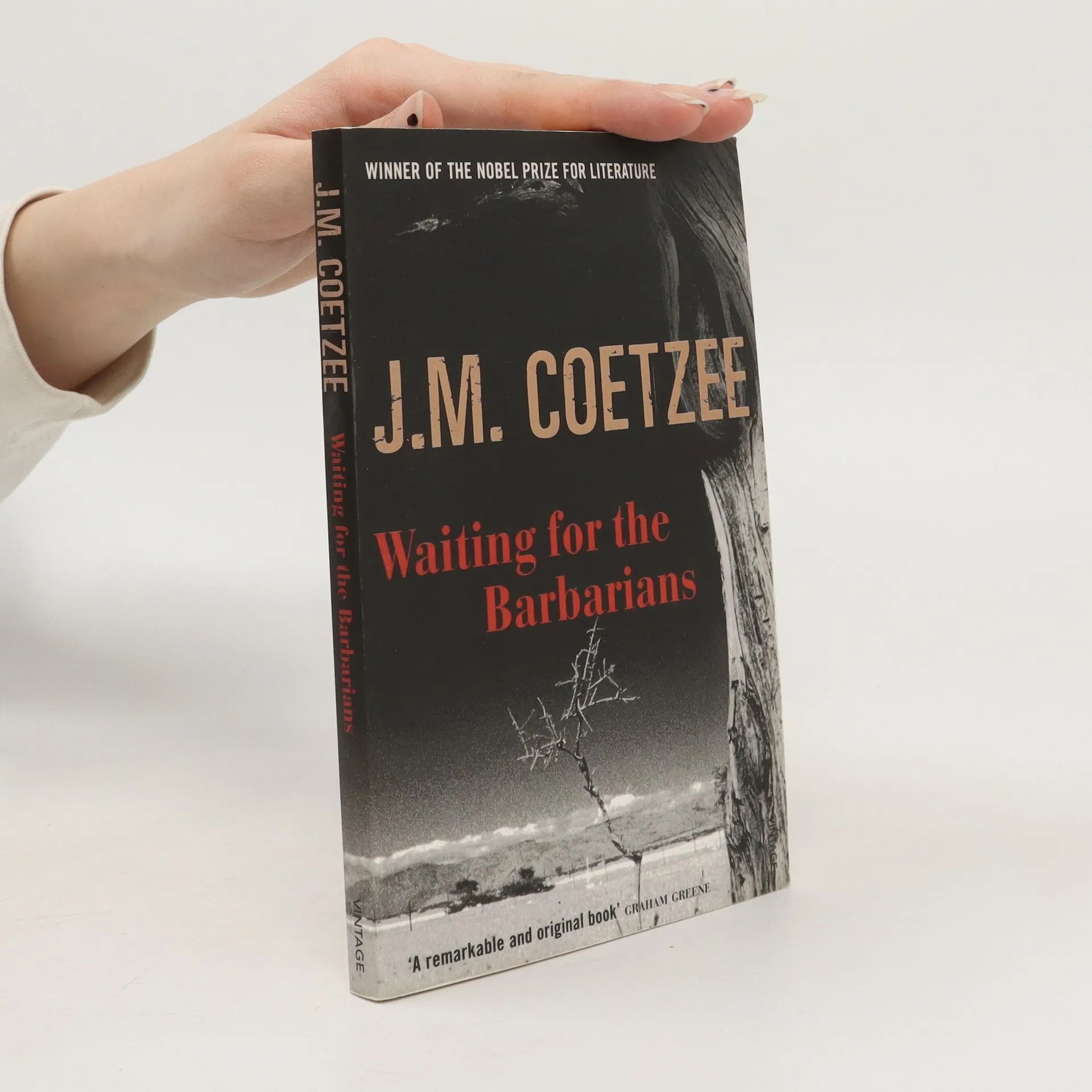
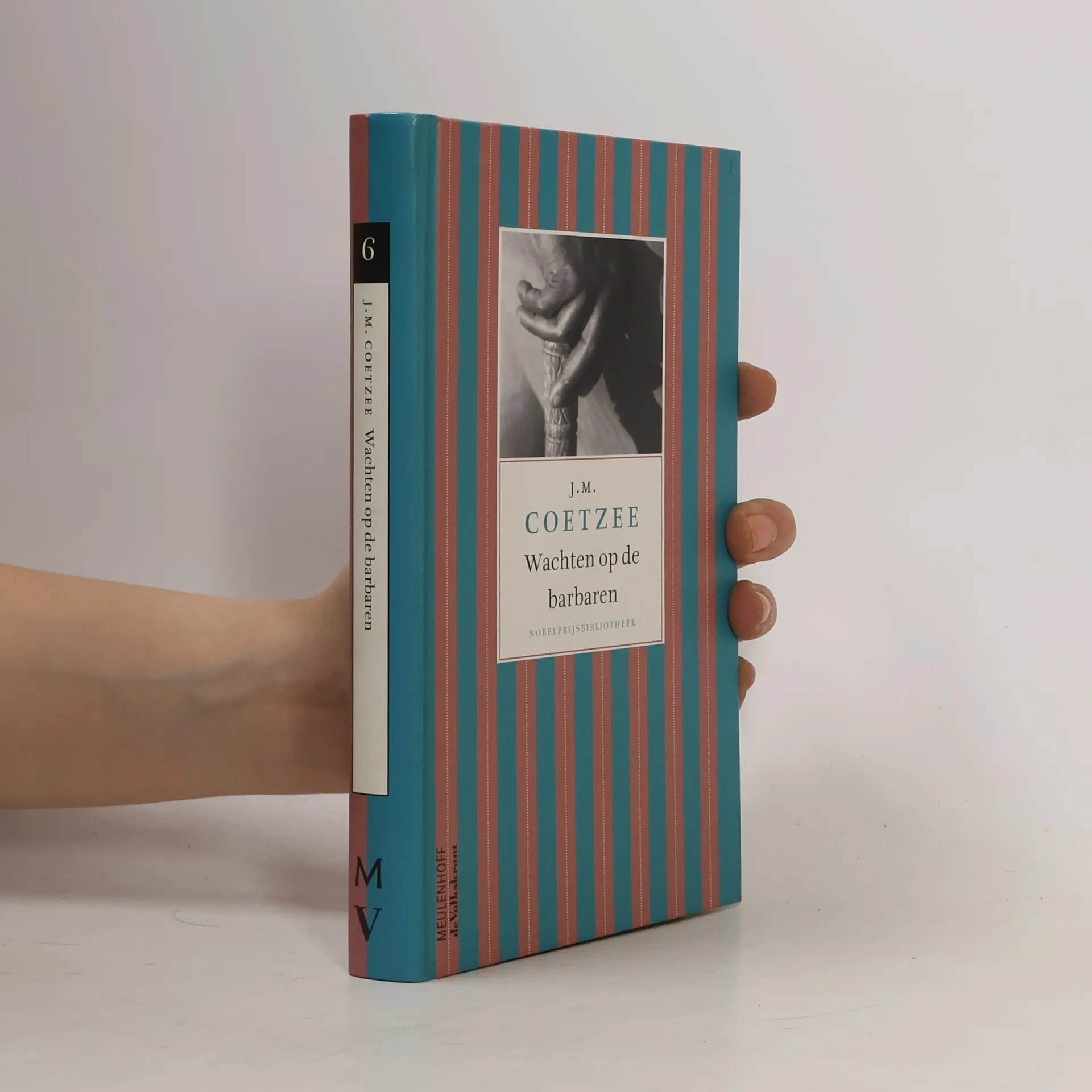
A magistrate in a country village protests the army's treatment of members of the barbarian tribes taken prisoner during a civil war and finds himself arrested as a traitor.
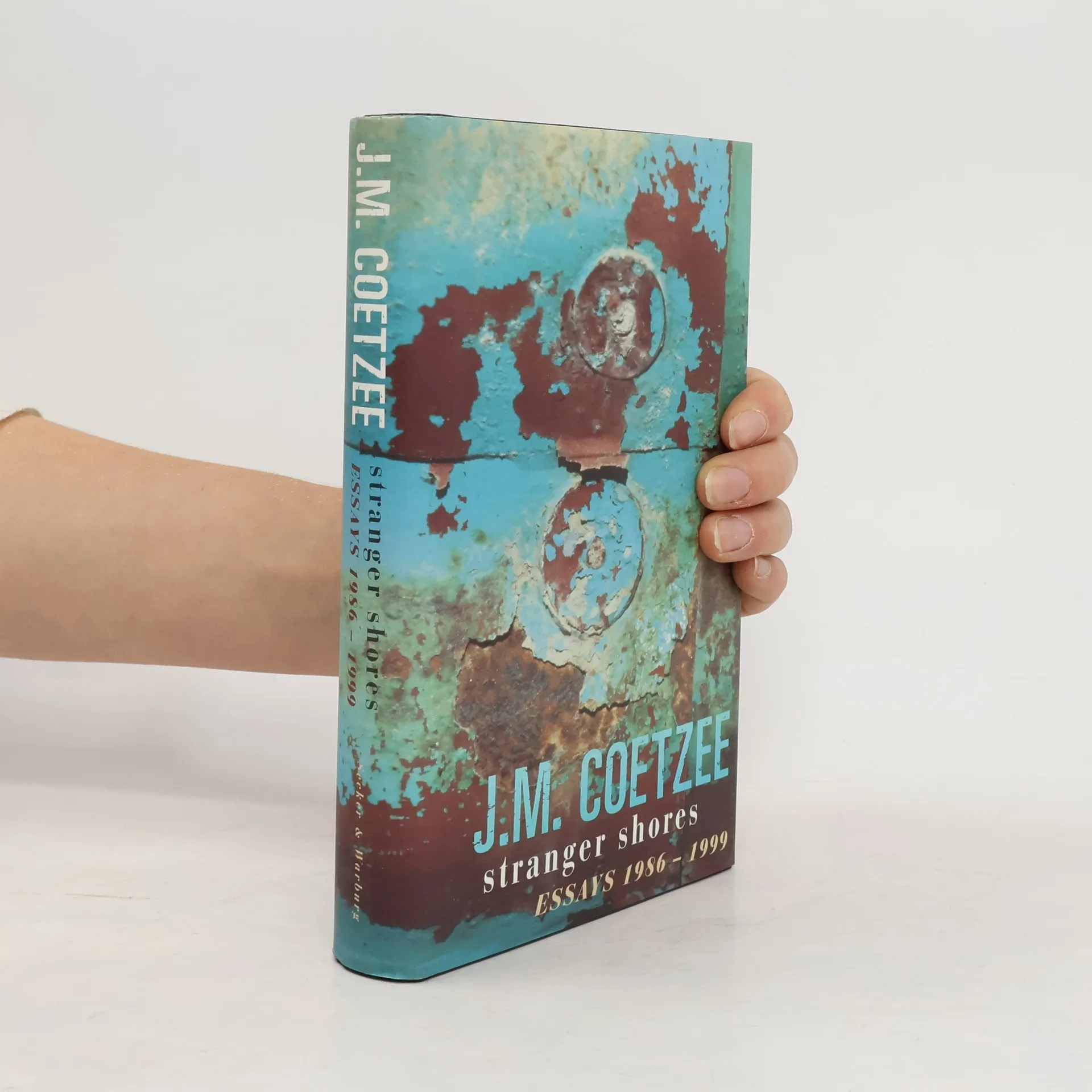
J.M Coetzee is, without question, one of the world's greatest novelists. Now his many admirers will have the pleasure of reading his significant body of literacy criticism. This volume gathers together for the first time in book form twenty nine pieces on books, writing, photography and the 1995 Rugby World Cup in South Africa. Stranger Shores opens with What is a classic? In which Coetzee explores the answer to his own question what does it mean in living terms to say that the classic is what survives? By way of T.S Eliot, Johann Sebastian Bach and Zbigniew Herbert. His subjects range from the great eighteenth and nineteenth century writer Daniel Defoe, Samuel Richardson and Ivan Turgenev, to the great German modernists Rilke, Kafka and Musil, to the giants of late twentieth century literature, among them Haryy Mulisch, Joseph Brodsky, Jorge Luis Borges, Salman Rushdie, Amos Oz, Naguib Mahfouz, Nadine Gordimer and Doris Lessing.
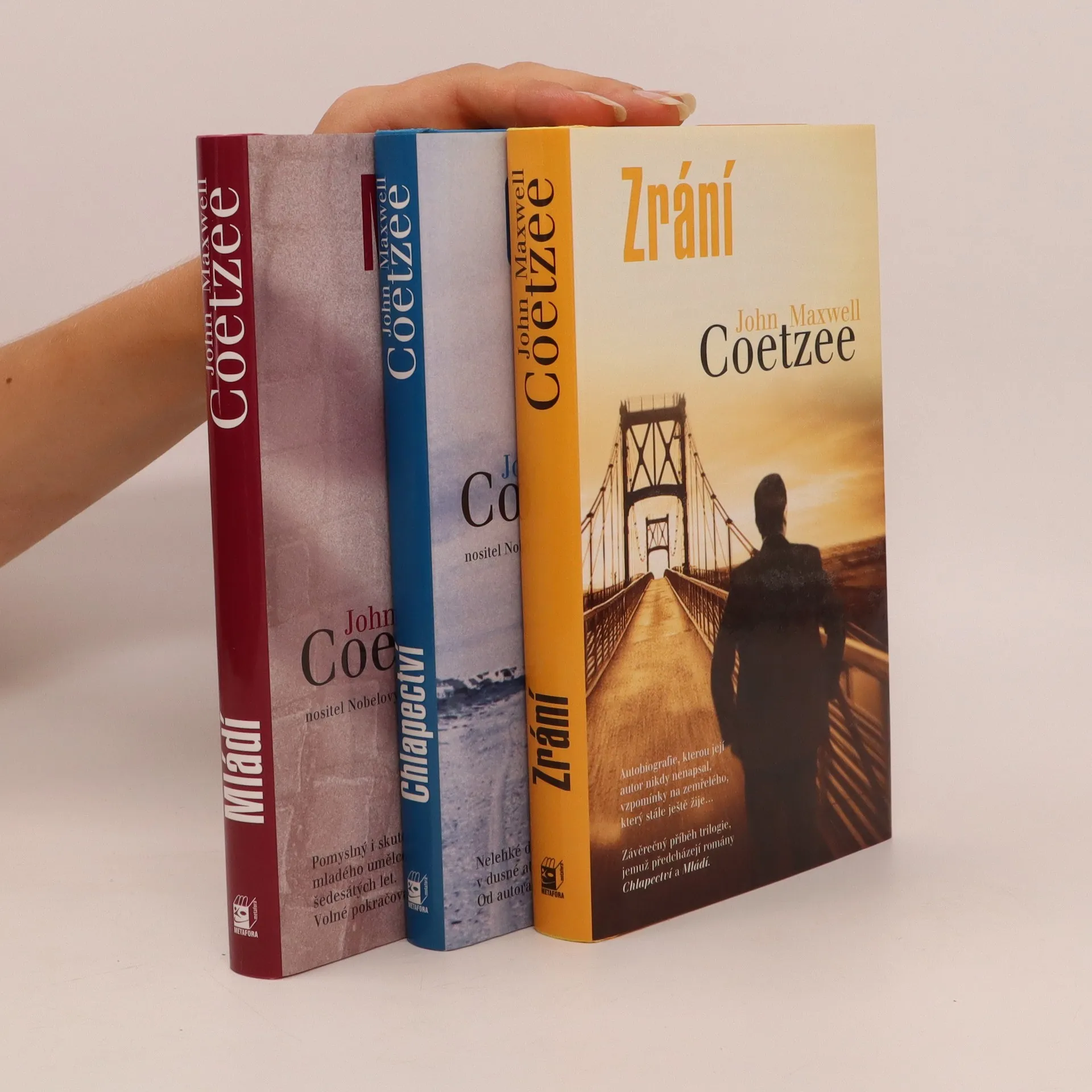
Coetzee's majestic trilogy of fictionalised memoir, Boyhood, Youth and SummertimeIt opens in a small town in the South Africa of the 1940s. As he interviews important figures in Coetzee's life, a portrait emerges of an awkward outsider who - even after death - remains dogged by rumours.