
Bookbot

D. Rickwood

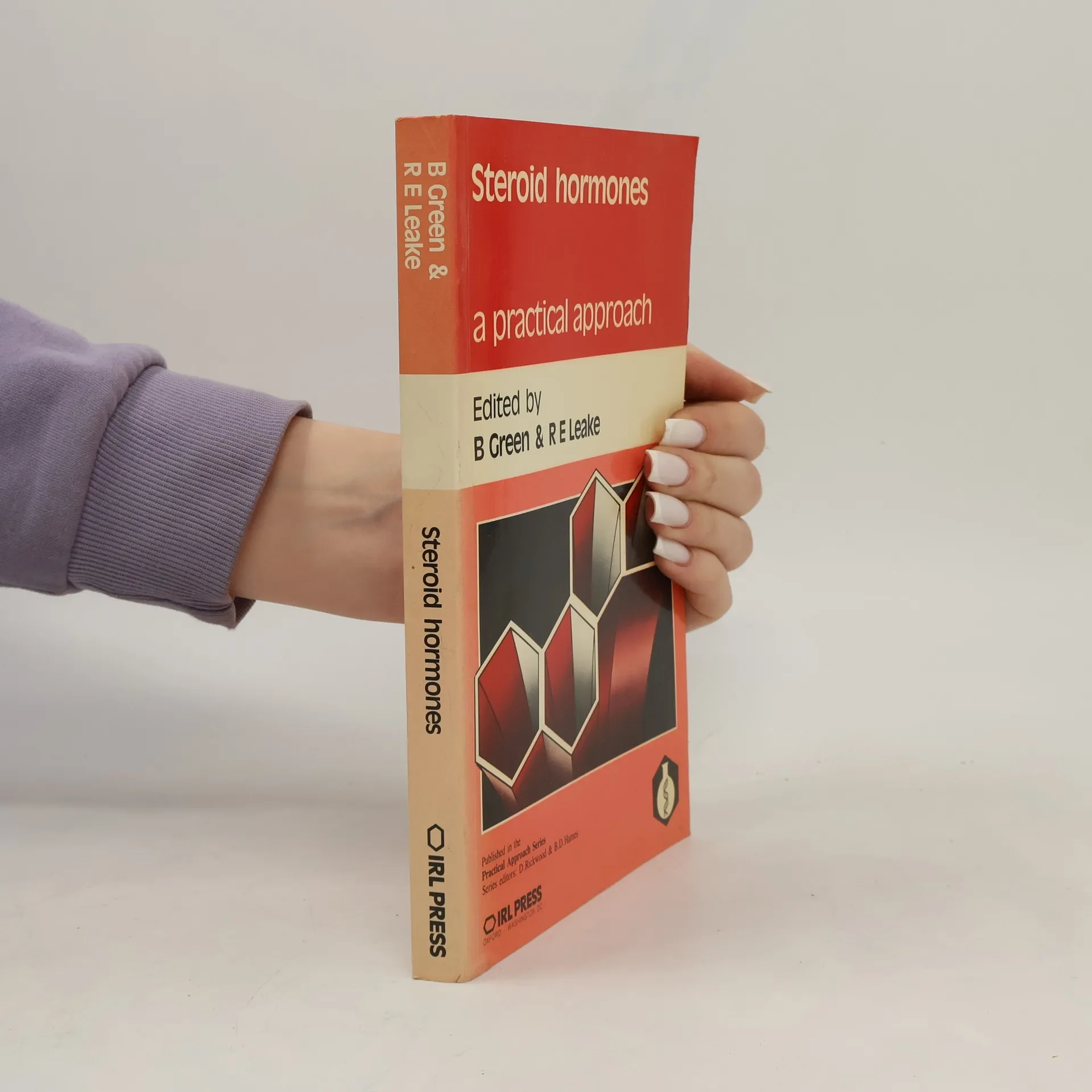
    The Practical Approach Series - 170: Protein Structure Prediction
    The Practical Approach Series: Oligonucleotides and Analogues
    Practical Approach Series: Lymphokines and Interferons
    The Practical Approach Series - 69: Postimplantation Mammalian Embryos
    Practical Approach Series: Gene Targeting
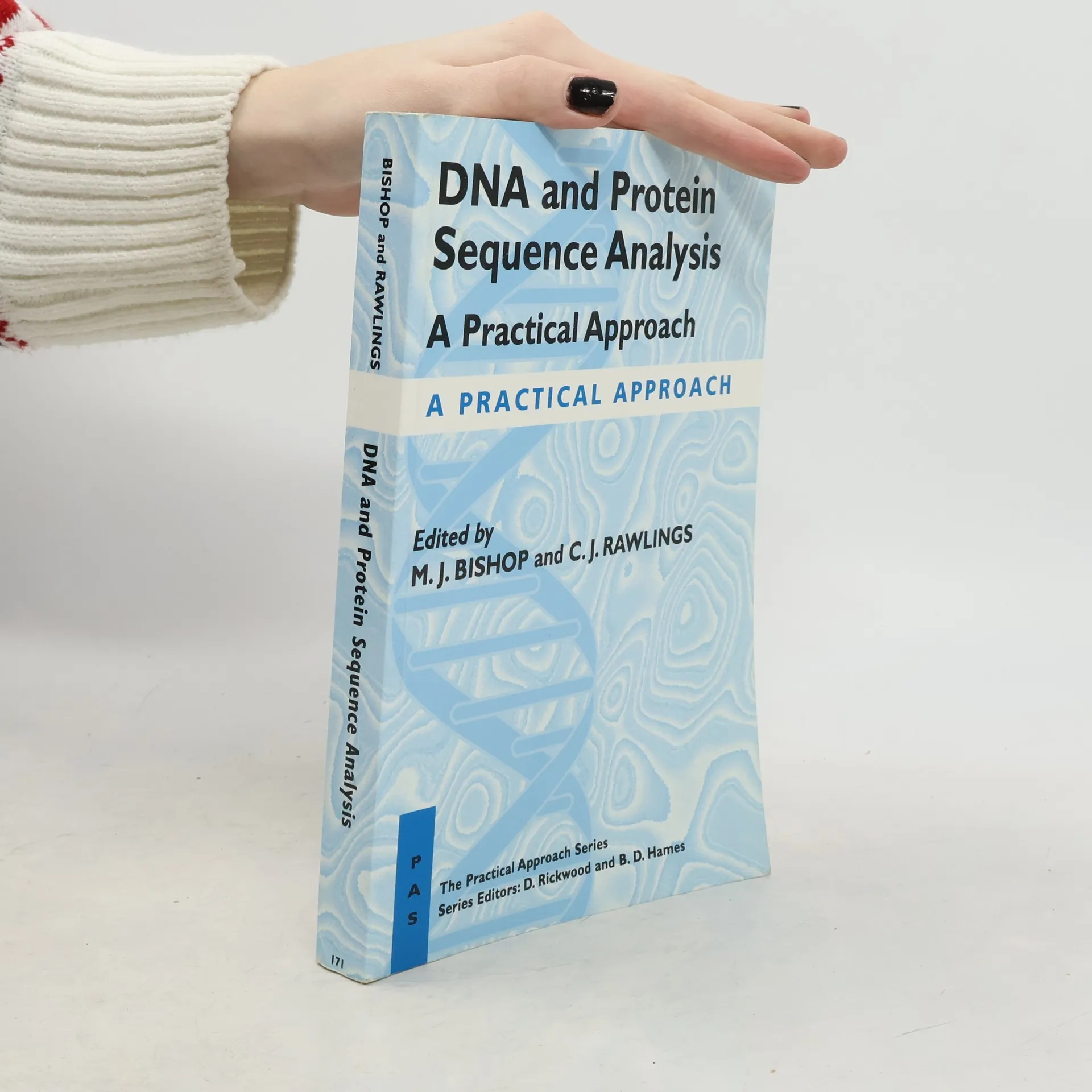
    The Practical Approach Series: DNA and Protein Sequence Analysis
    • The Practical Approach Series: DNA and Protein Sequence Analysis

      A Practical Approach

      • 374pages
      • 14 heures de lecture

      Sequence data--either lists of nucleotides or of amino acids--are now easily gathered using automated equipment; the real effort is involved in interpreting the data to produce predictions of protein structure or function. With the advent of worldwide computer networks, a plethora of software is now available for sequence analysis. This book describes the techniques for computer analysis of sequence data, with the emphasis on general issues rather than specific algorithms. Unlike many books on these topics, which focus on the "how-to" aspects of software packages, this one places more emphasis on the science behind the packages and on interpretation of the results.
      The Practical Approach Series: DNA and Protein Sequence Analysis
      2,0
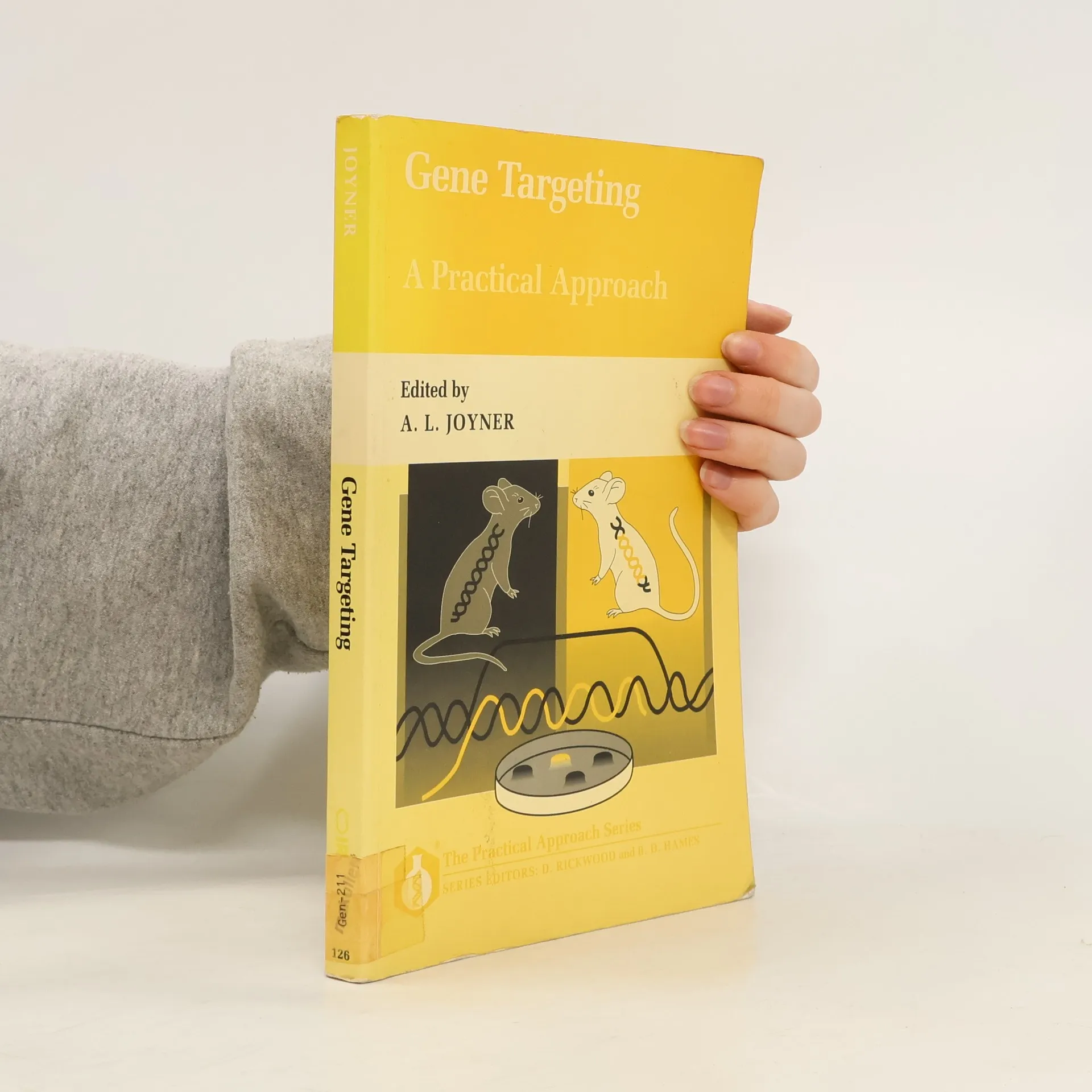
    • Practical Approach Series: Gene Targeting

      A Practical Approach

      • 264pages
      • 10 heures de lecture

      The book details the rationale behind designing gene targeting vectors, focusing on basic replacement vectors for null mutations and advanced two-step methods for subtle mutations. It covers the latest techniques for culturing and manipulating embryonic stem (ES) cells, as well as approaches for identifying rare targeted cell clones. The text discusses culturing and assaying mouse and human hematopoietic progenitors both in vitro and in vivo, and outlines the design and use of retrovirus vectors for gene introduction and expression in bone marrow cells. Two methods for creating ES cell chimeras are presented: the standard approach of injecting ES cells into blastocysts and morula injection, alongside techniques for making aggregation chimeras, particularly using tetraploid host embryos to generate entirely ES cell-derived embryos and mice. Critical steps for achieving germline chimeras are also examined. The book concludes with a discussion on the various applications of enhancer, gene, and promoter trap vectors, detailing the advantages of each and the techniques for producing and analyzing "trap" vector insertions in ES cells. The protocols are designed to be accessible for novices, serving as a manual for producing mutant mice, from embryonic stem cells to chimeric mice suitable for breeding.

      Practical Approach Series: Gene Targeting
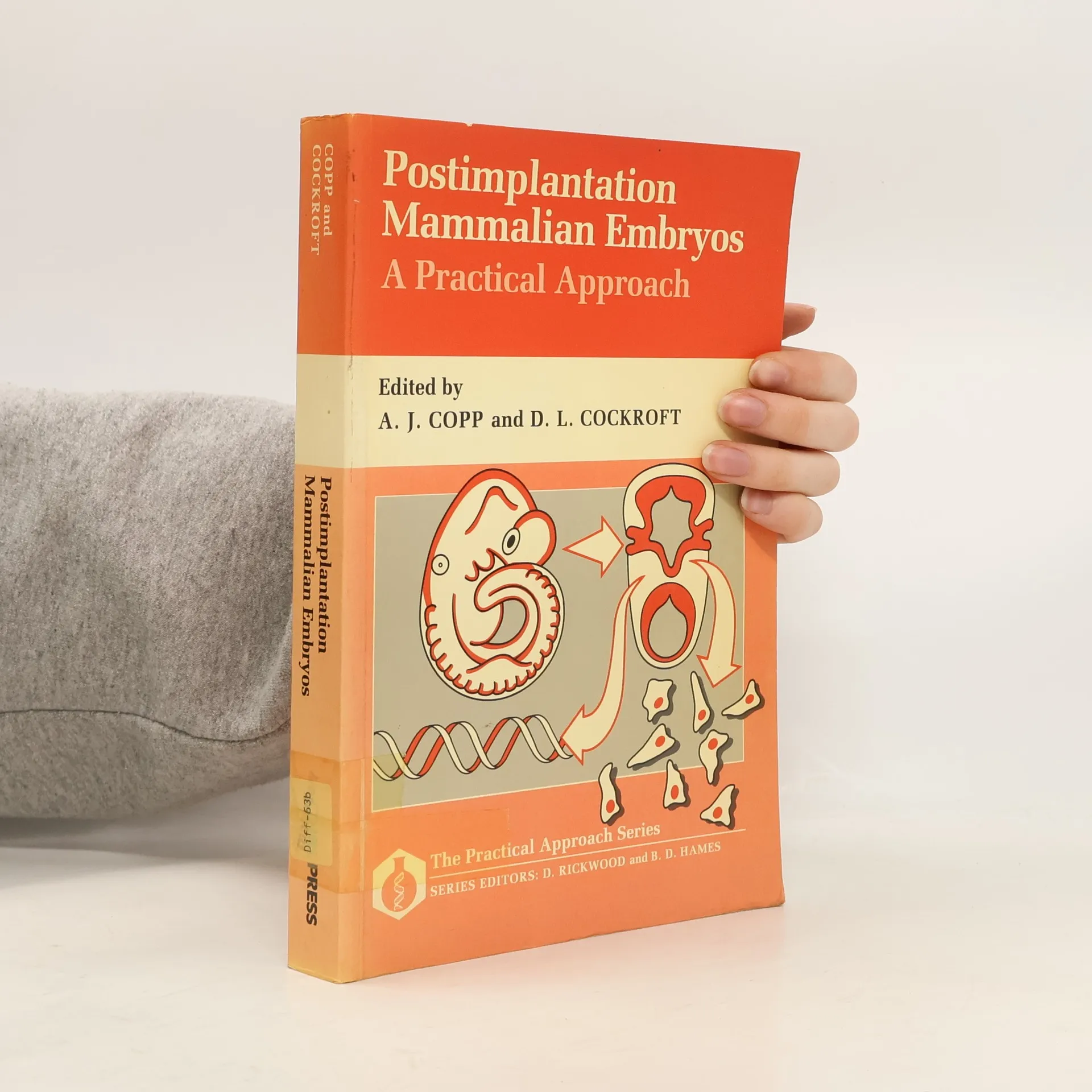
    • The Practical Approach Series - 69: Postimplantation Mammalian Embryos

      A Practical Approach

      • 408pages
      • 15 heures de lecture

      In recent years, the quest for greater understanding of postimplantation mammalian development has led research workers to devise techniques which overcome the problems of inaccessibility posed by embryos in the uterus, and to adapt analytic techniques such as in situ hybridization andantibody labelling to the unique requirements of mammalian embryonic material. This book fulfills the need for a detailed practical instruction in these methods, providing an illustrated account of the morphological stages of postimplantation development. Research workers in mammalian embryologywill find this book invaluable both as a laboratory manual and reference work.

      The Practical Approach Series - 69: Postimplantation Mammalian Embryos
    • Practical Approach Series: Lymphokines and Interferons

      A Practical Approach

      • 376pages
      • 14 heures de lecture

      A practical response to the increase of interest in the fields of interferon and lymphokine research, this volume presents the techniques involved with these independent areas of research. Reflecting recent progress in these fields, contributors describe protocols for working with interferons including antibody preparation, immuno-assay, purification, expressing recombinant genes in heterologous systmes and quantitating mRNA with cDNA probes; the chapters on techniques for lymphokines address aspects unique to each different lymphokine. Readership: immunology, biology researchers, postgraduates.

      Practical Approach Series: Lymphokines and Interferons
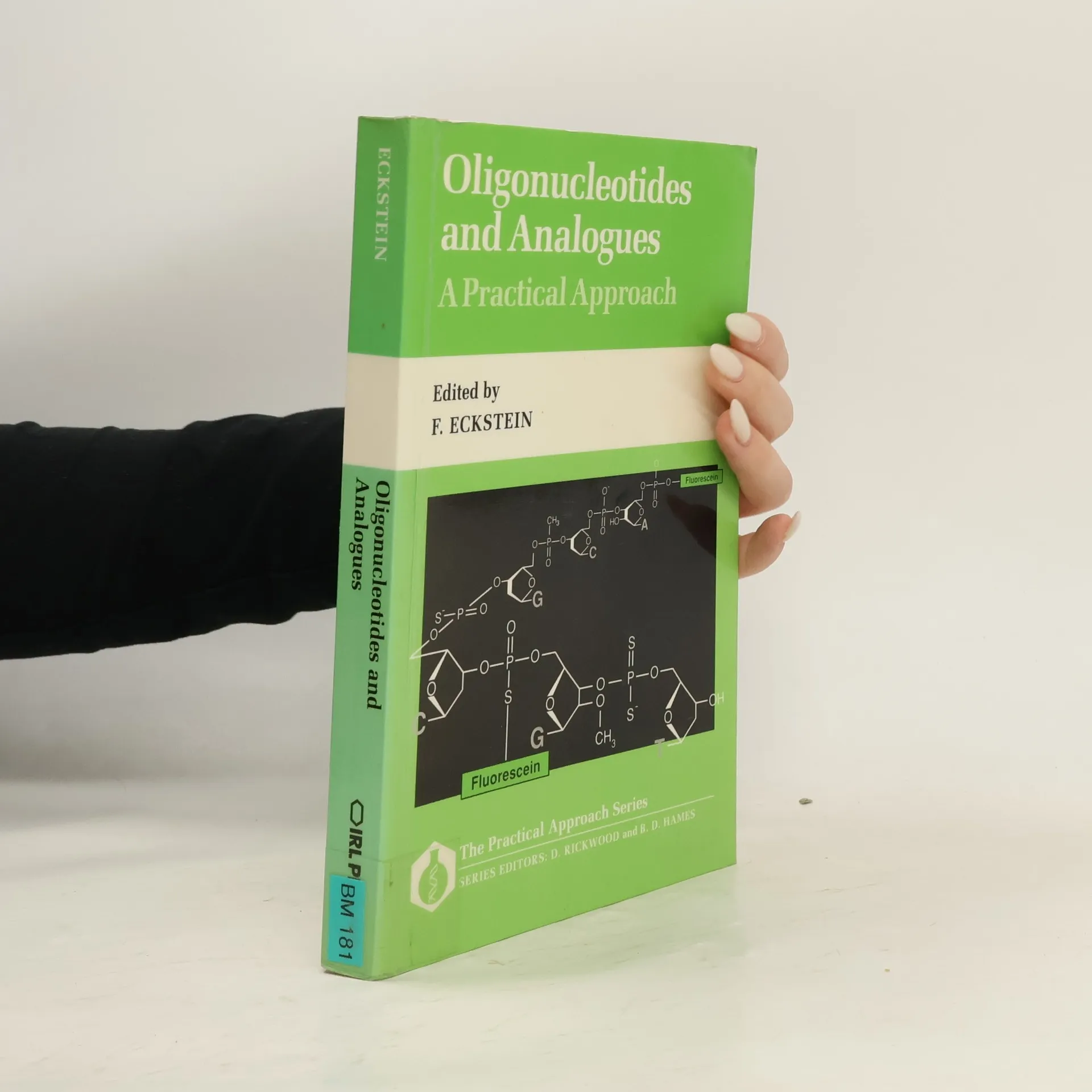
    • The Practical Approach Series: Oligonucleotides and Analogues

      A Practical Approach

      • 344pages
      • 13 heures de lecture

      Interest in oligonucleotide synthesis has expanded dramatically since the publication of M. Gait's book in this series in 1984. The process has been automated, new reagents have been developed, and the range of uses for the compounds produced has increased and continues to grow. This volume provides practical guidance on oligonucleotide synthesis and methods for introducing modifications into these molecules. State- of-the-art techniques for automated synthesis are covered in two chapters on the production of oligodeoxynucleotides and oligoribonucleotides. Synthesis of modified oligodeoxynucleotides is also detailed, including modification of the phosphate backbone to produce phosphorothioates, phosphorodithiolates and methyl phosphonates, all of which are of considerable importance due to their potential therapeutic applications. Other chapters describe production of sugar-modified ilgodeoxynucleotides and the attachment of various reported groups; these techniques are useful to those interested in non-radioactive probes for hybridization and for the study of DNA-DNA and DNA protein interactions. This book will be of interest to academic and industrial researchers, enabling both chemists and non-chemists to synthesize oligonucleotides and analogues for a wide variety of experimental purposes.

      The Practical Approach Series: Oligonucleotides and Analogues
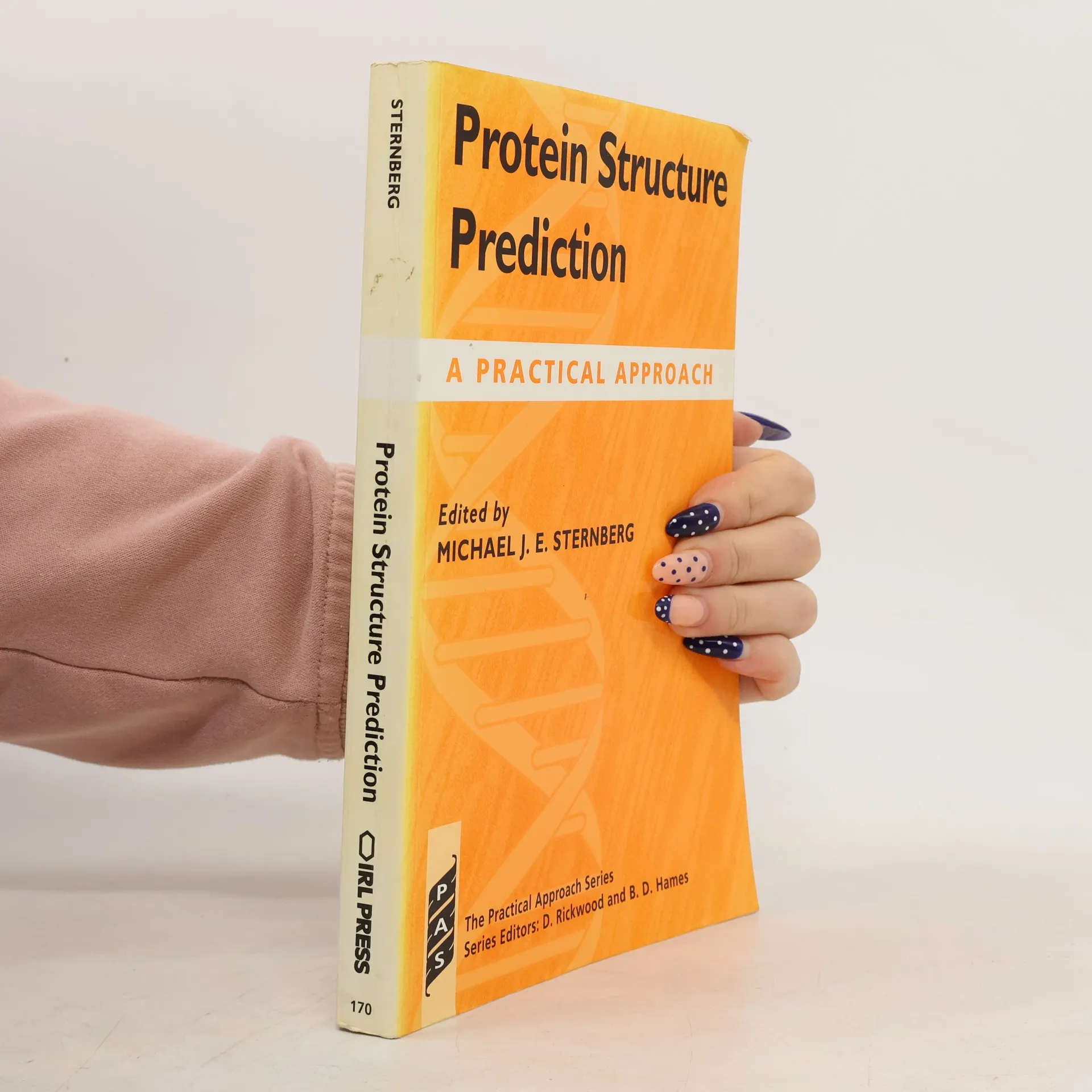
    • The Practical Approach Series - 170: Protein Structure Prediction

      A Practical Approach

      • 320pages
      • 12 heures de lecture

      The prediction of the three-dimensional structure of a protein from its amino acid sequence is a problem faced by an increasing number of biological scientists. This book provides a practical guide to making these predictions by reviewing strategies of different computer modeling algorithms and highlighting the degree of confidence attributed to them. Also in the volume are descriptions of the the principles of protein folding; sequence homology and motif searches; prediction of secondary structure; homology modeling; modeling of antibody combining sites; tertiary fold recognition; modeling of transmembrane proteins; ab initio prediction; protein-ligand docking simulations; and the use of molecular mechanics and dynamics. both non-specialists who require guidance to identify and evaluate appropriate strategies and experts who require a contemporary view of the field, will find this volume a worthy addition to their research libraries.

      The Practical Approach Series - 170: Protein Structure Prediction
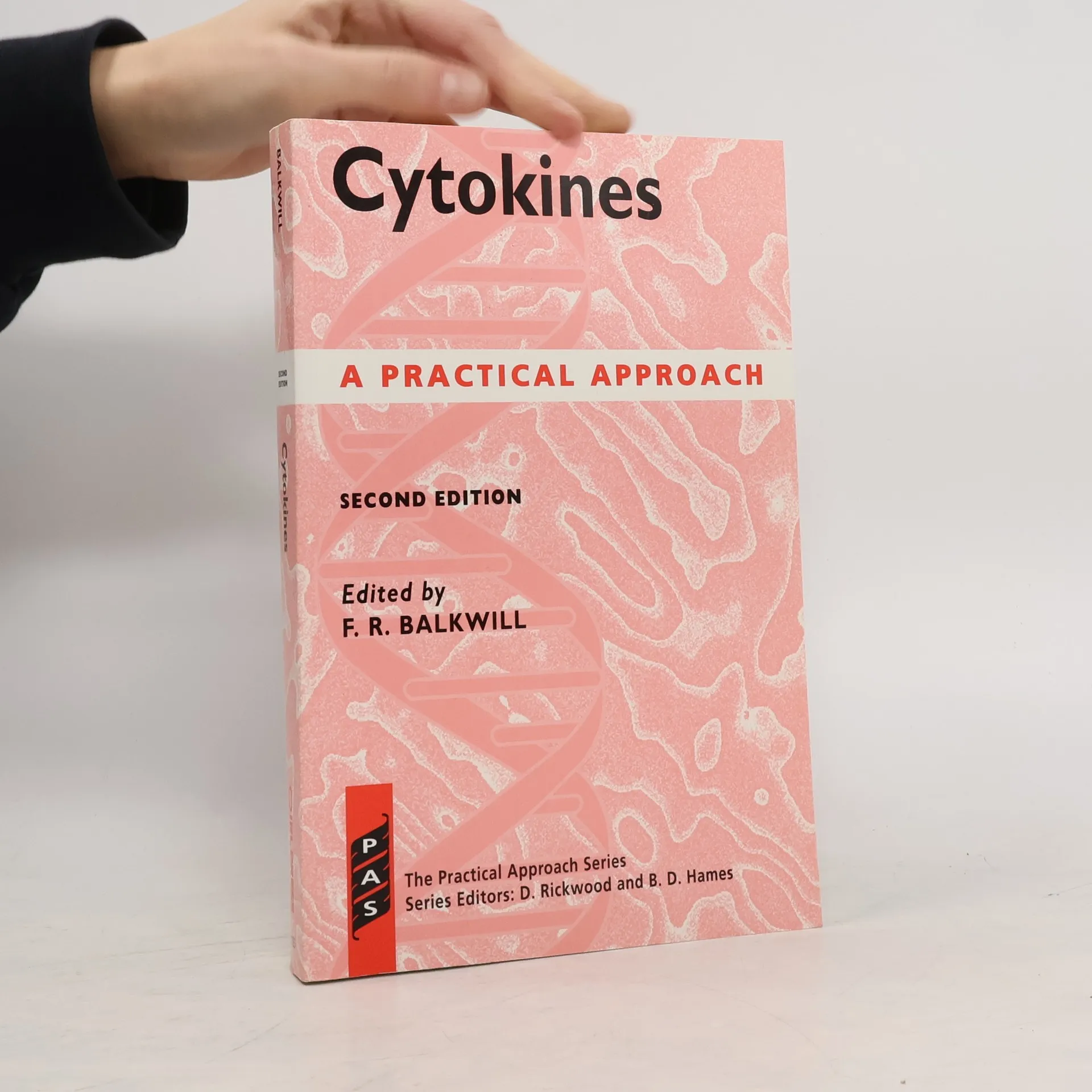
    • The Practical Approach Series: Cytokines

      A Practical Approach - Second Edition

      • 456pages
      • 16 heures de lecture

      Cytokines are important mediators of immunity, inflammation, and cell growth and are relevant to many areas of biomedical research. This book, now in its second edition, provides detailed up-to-date practical information for the study of cytokines and their receptors, including guides to manyof the most useful current techniques in cell and molecular biology, immunology, and biochemistry. In all it contains 184 protocols, providing a comprehensive resource for researchers in many disciplines of biomedical research. This book will be essential for graduate students, researchers andprofessionals in immunology, infectious diseases, autoimmunity, oncology and biomedical research.

      The Practical Approach Series: Cytokines
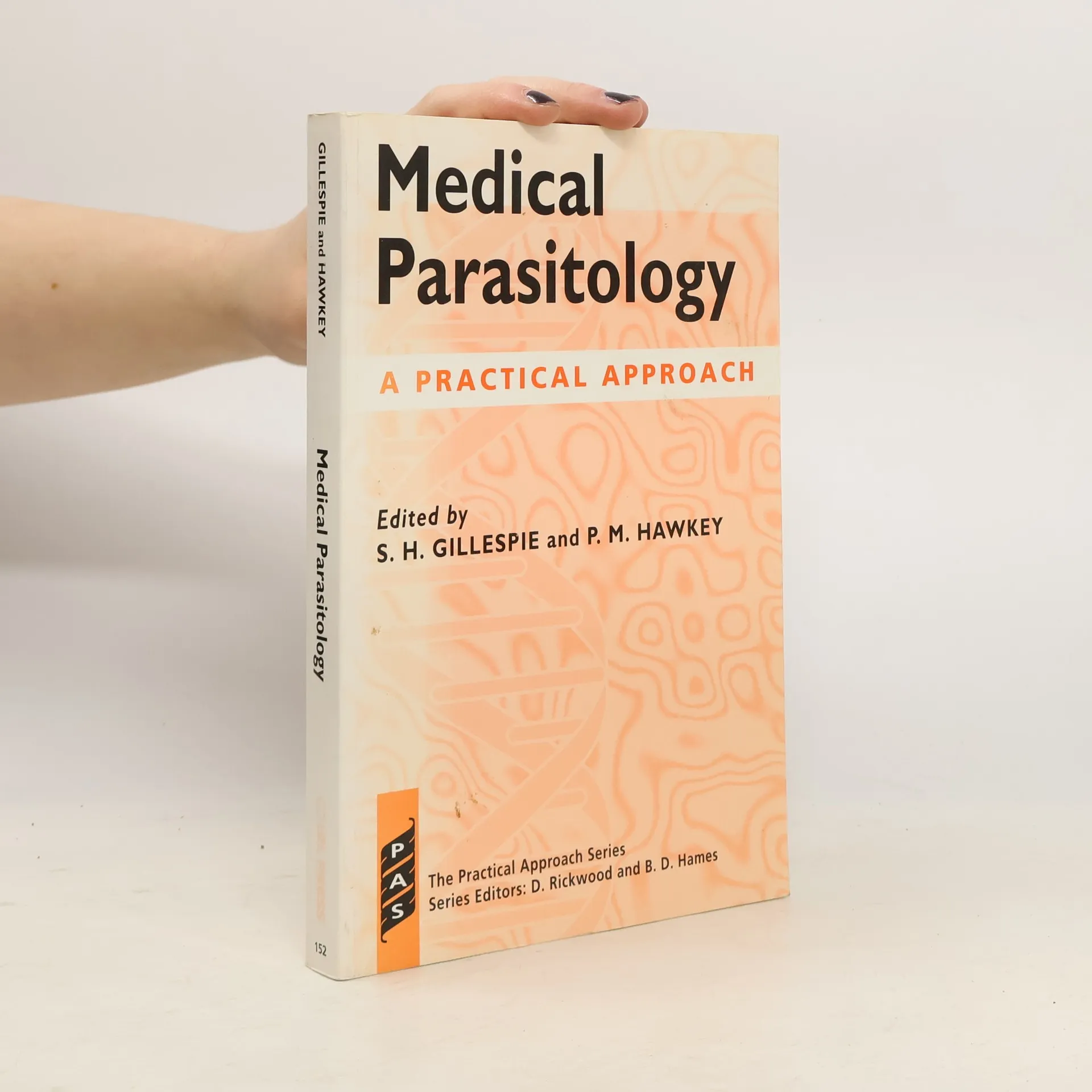
    • The Practical Approach Series: Medical Parasitology

      A Practical Approach

      • 314pages
      • 11 heures de lecture

      The last ten years have seen an increase in travel to tropical countries and, as a consequence, infections such as malaria and schistosomiasis are more common. It is therefore essential that physicians, microbiologists, and scientists are familiar with the diagnosis of these parasitic diseases. There is a growing recognition of the importance of "temperate" parasites, and this has been emphasized by the HIV epidemic.This book is a practical manual for use in both routine diagnostic microbiology laboratories and more specialists laboratories diagnosing human parasites. All of the major groups of parasites are dealt with in individual chapters which include detailed protocols and recommendation for the diagnosis of infections caused by those parasites, together with color and black and white illustrations. The authors provide information and practical guidance appropriate for both the developed and developing world. This informative new book will be of great use to clinical pathologists, laboratory technicians, and students and researchers in tropical medicine.

      The Practical Approach Series: Medical Parasitology