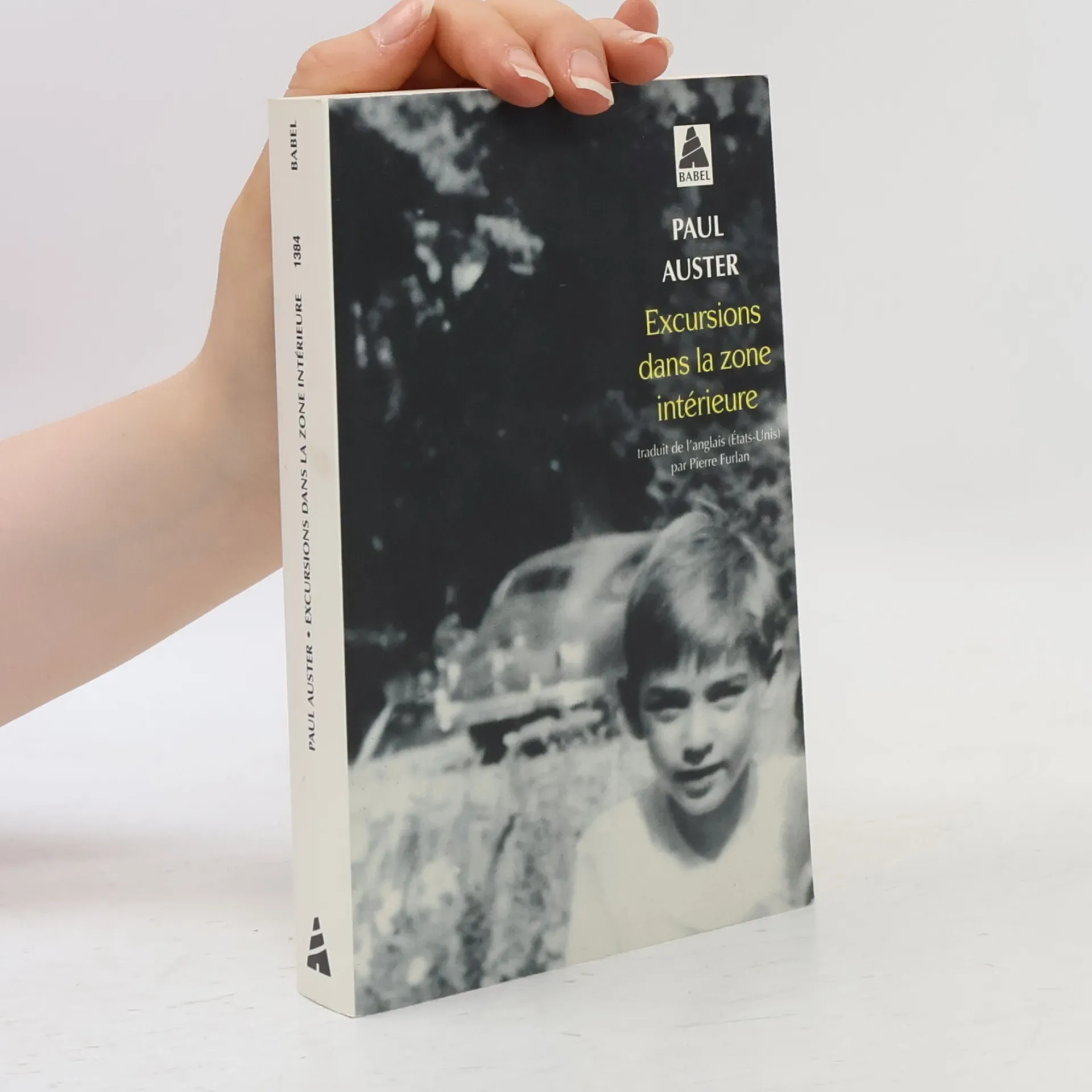
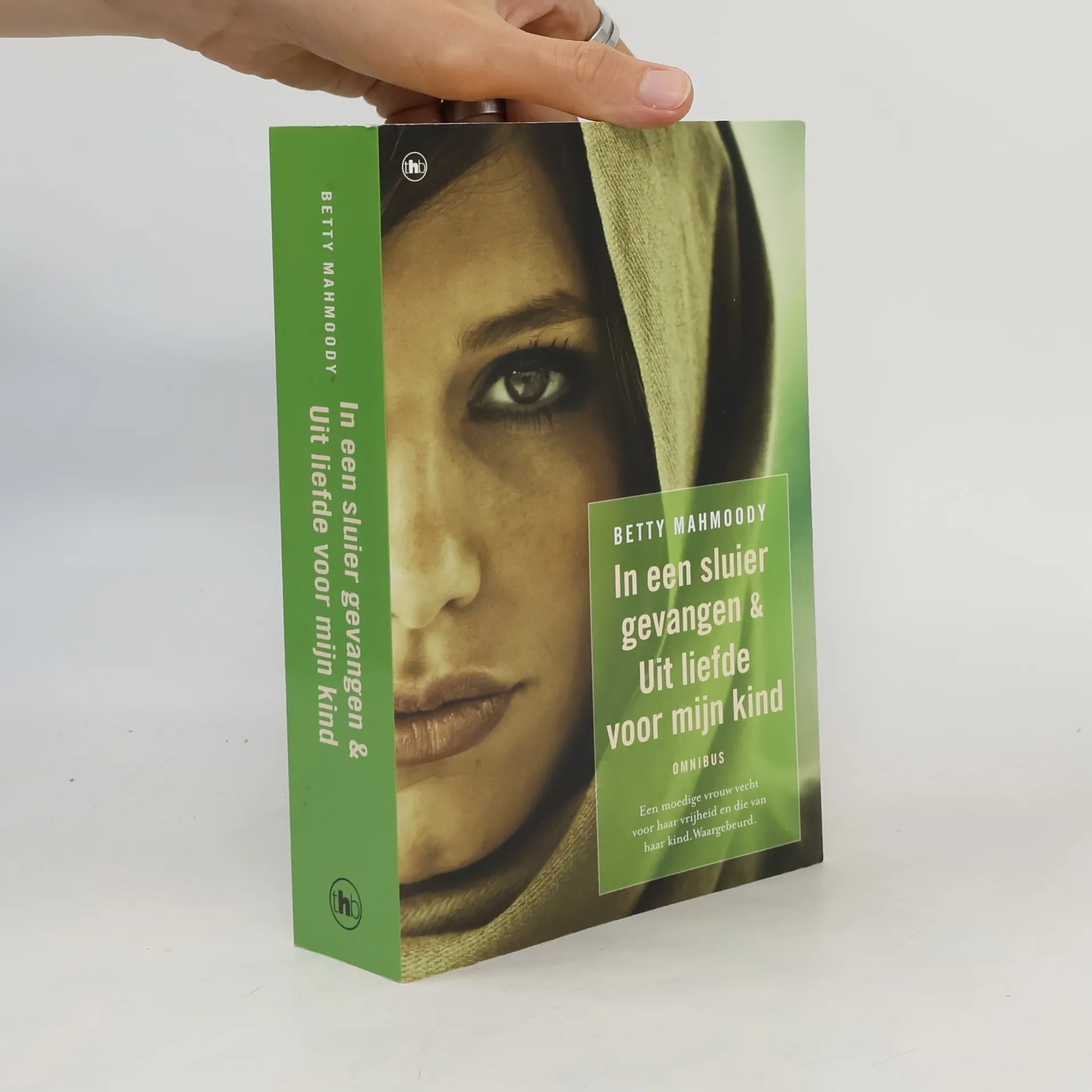
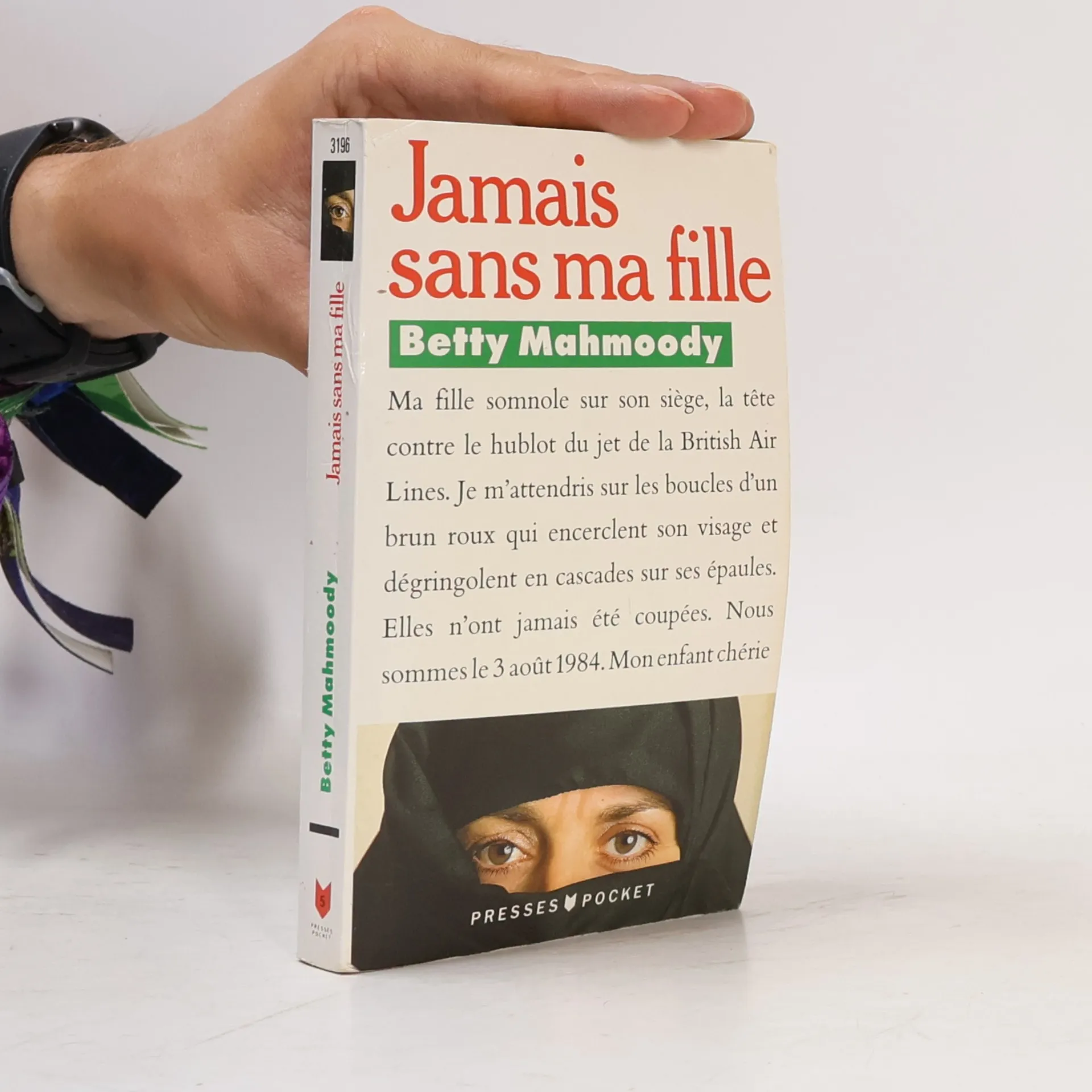
Une jeune Américaine, son mari, d'origine iranienne, et sa fille partent en vacances en Iran. Le père décide de rester pour y faire sa vie avec elles, et se transforme en musulman fanatique. Et c'est le long combat de la mère et de la fille pour revenir aux USA.
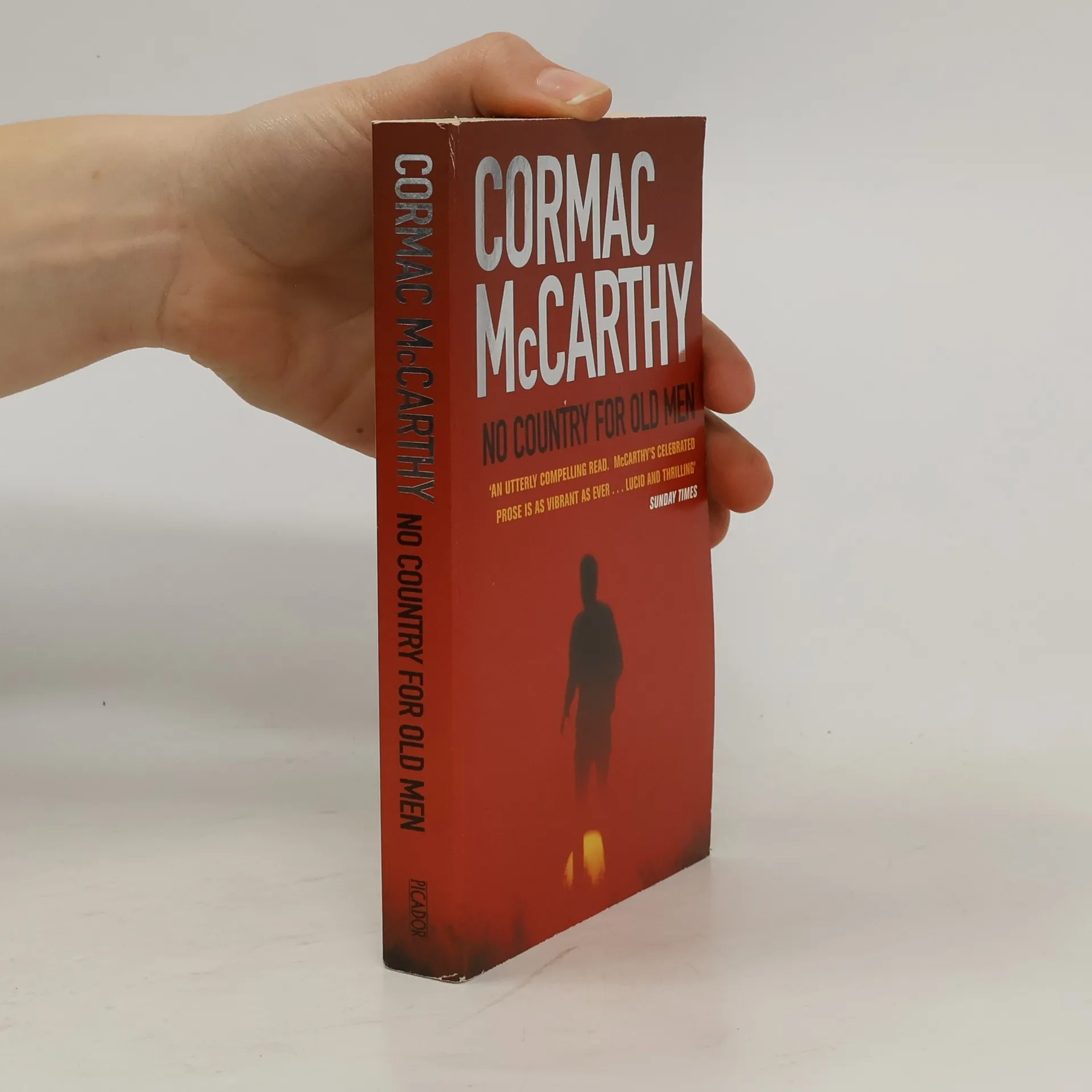
Texas welder Llewelyn Moss makes a dubious discovery while out hunting antelope near the banks of the Rio Grande: a dead man, a stash of heroin, and more than $2 million in cash. Moss packs out the money, knowing his actions will imperil him for the rest of his life. He's soon on the run, left to his own devices against vengeful drug dealers, a former Special Forces agent, and a psychopathic freelance killer with ice blue eyes. Shades of Dostoyevsky, Hemingway, and Faulkner resonate in McCarthy's blend of lyrical narrative, staccato dialogue, and action-packed scenes splattered with bullets and blood. McCarthy fans will revel in the author's renderings of the raw landscapes of Mexico and the Southwest and the precarious souls scattered along the border that separates the two. Many are the men here who maim in the name of drugs. "If you killed 'em all," says the local sheriff, "they'd have to build an annex onto hell."
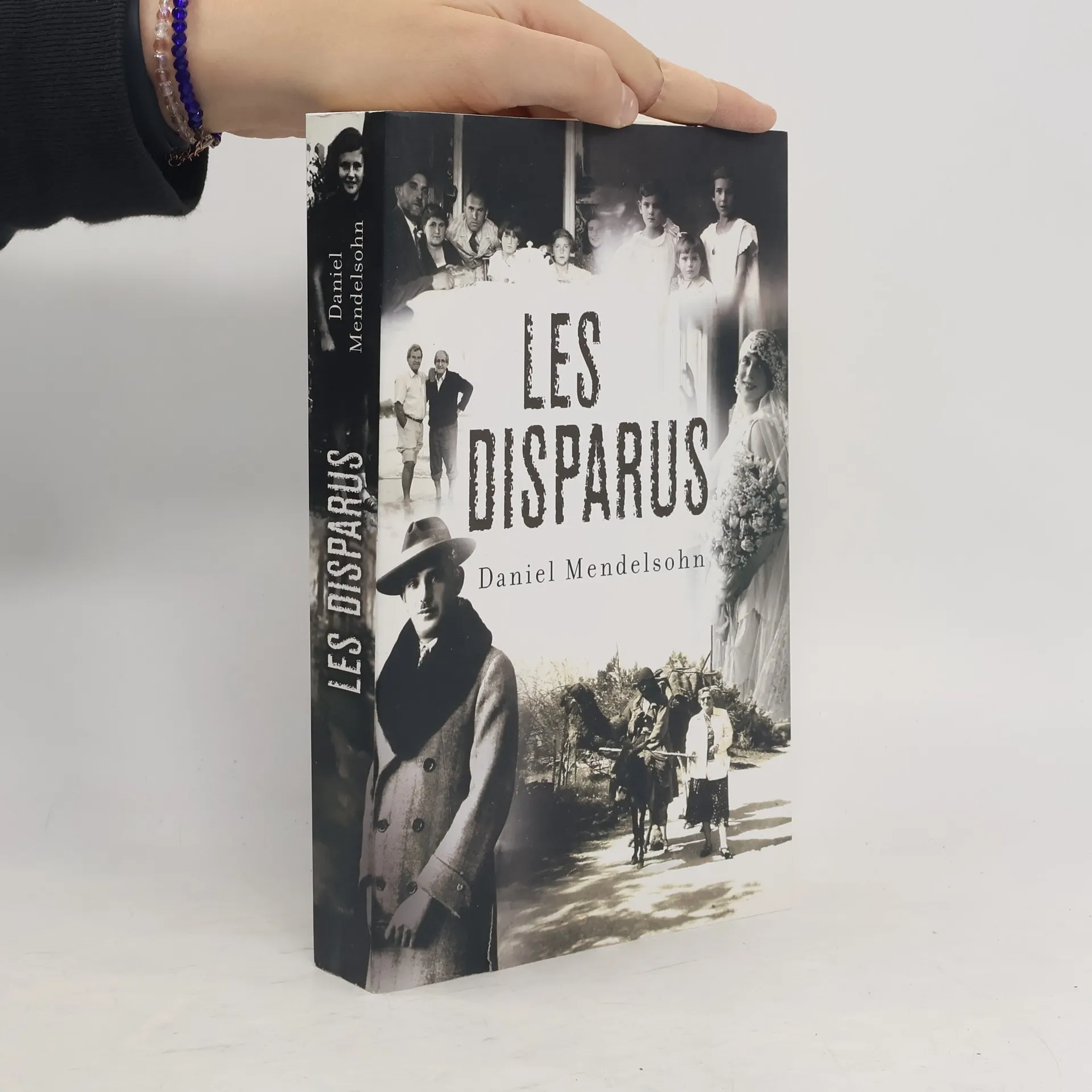
In this compelling narrative, a writer embarks on a quest to uncover the truth behind his family's tragic past during World War II, blending memoir, reportage, mystery, and scholarly detective work. The story begins with a boy haunted by the disappearance of six relatives during the Holocaust, a topic that captivated him from childhood. Years later, after discovering desperate letters written to his grandfather in 1939 and hearing fragmented stories of betrayal, he seeks out the remaining eyewitnesses to his relatives' fates. This journey spans a dozen countries across four continents, revealing the painful discrepancies between lived history and the narratives we construct. Ultimately, it leads him back to the small Ukrainian town where his family's story began, where answers to a long-standing mystery await. The narrative deftly intertwines past and present, blending a world-spanning odyssey with childhood memories of a lost generation of immigrant Jews, alongside reflections on biblical texts and Jewish history. This exploration transforms a family's tale into a profound meditation on our tenuous connection to the past. Deeply personal and beautifully written, this literary work illuminates the themes of loss and discovery over time.
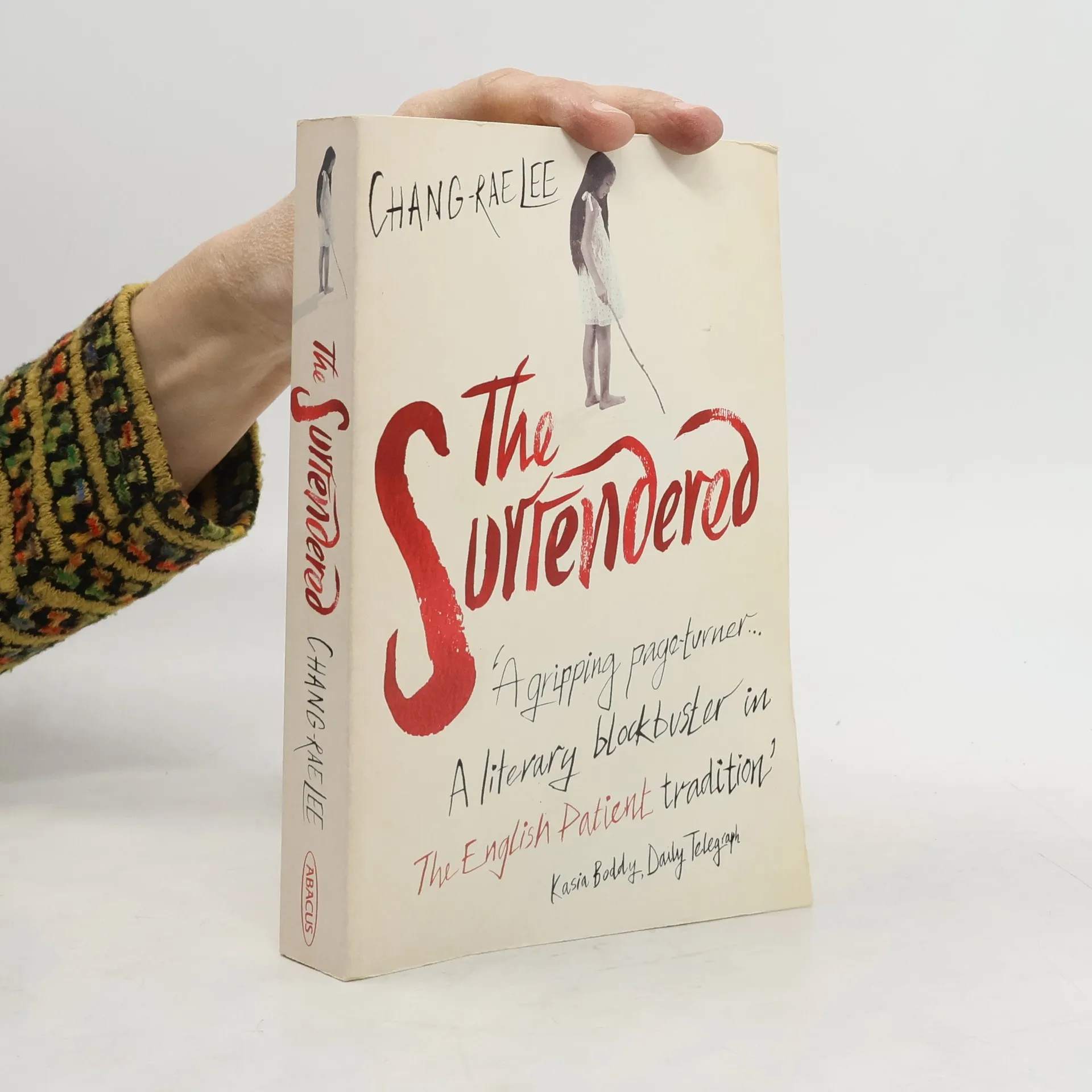
Overgave is een verbijsterende roman over hoe levens door liefde en oorlog onherstelbaar veranderen. Het verhaal voert ons snel heen en weer in de tijd, van Korea naar New Jersey, naar Mantsjoerije en Italië. June Han is nog maar een jong meisje als de oorlog in Korea haar tot wees maakt; Hector Brennan is een jonge Amerikaanse soldaat die de kleingeestige drama’s van zijn stadje is ontvlucht om zijn land te dienen. Als de oorlog is afgelopen komen hun levens samen in een Koreaans weeshuis waar ze beiden naar de gunsten van Sylvie Tanner dingen, de mooie maar ernstig getraumatiseerde domineesvrouw, wier onvatbare liefde alles op losse schroeven zet. Pas dertig jaar later worden June en Hector aan de andere kant van de wereld tot elkaar veroordeeld en moeten ze de mysterieuze geheimen van hun verleden, de schokkende daden van liefde en geweld die hen verbinden, onder ogen zien. Overgave is schitterend, bloedstollend en onvergetelijk: een diepzinnige bespiegeling over het wezen van heldenmoed en opoffering, de kracht van de liefde, en de mogelijkheden tot genade en verlossing.
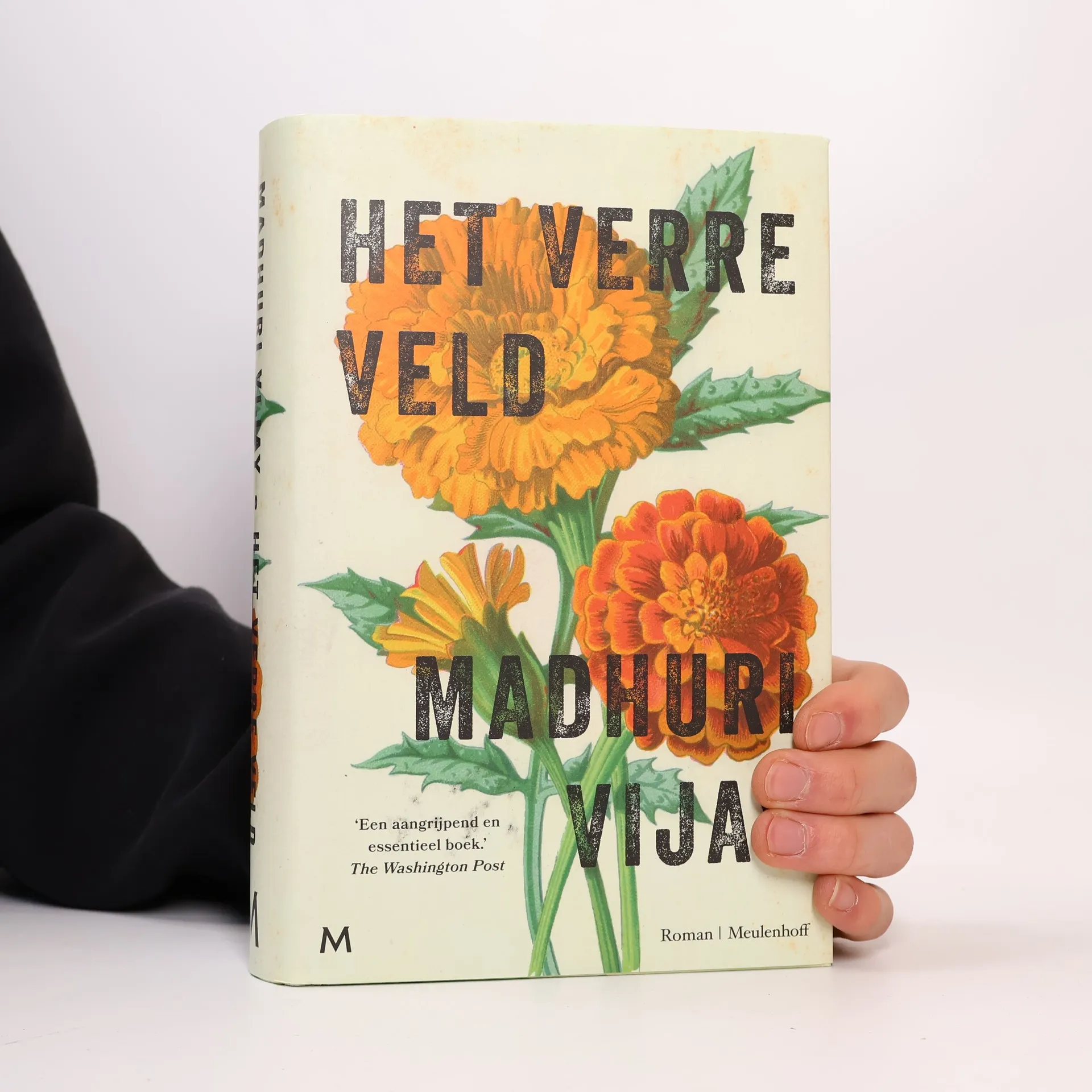
Madhuri Vijay beschrijft op prachtige wijze de zoektocht van een jonge vrouw naar een verloren figuur uit haar kindertijd. Na haar moeders dood reist Shalini, een bevoorrechte en rusteloze jonge vrouw uit Bangalore, naar een afgelegen himalayadorp in Kasjmir, de woelige noordelijke regio van India. Ze gelooft dat het verlies van haar moeder verband houdt met de verdwijning van Bashir Ahmed tien jaar geleden. Deze charmante kasjmierverkoper bezocht vroeger regelmatig haar ouderlijk huis. Maar hij blijkt niet gemakkelijk te vinden en tijdens haar reis wordt Shalini geconfronteerd met de politieke onrust in Kasjmir, en de consequenties voor de familie die haar in huis neemt. Wanneer het leven in het dorp steeds meer beladen wordt en oude conflicten dreigen uit te barsten in geweld, voelt Shalini zich gedwongen keuzes te maken. Keuzes die gevaarlijke gevolgen hebben voor de mensen van wie ze is gaan houden. In Het verre veld verweeft Madhuri Vijay op meesterlijke wijze de Indiase politiek in meeslepend proza over verdriet, schuld en de grenzen van mededogen.
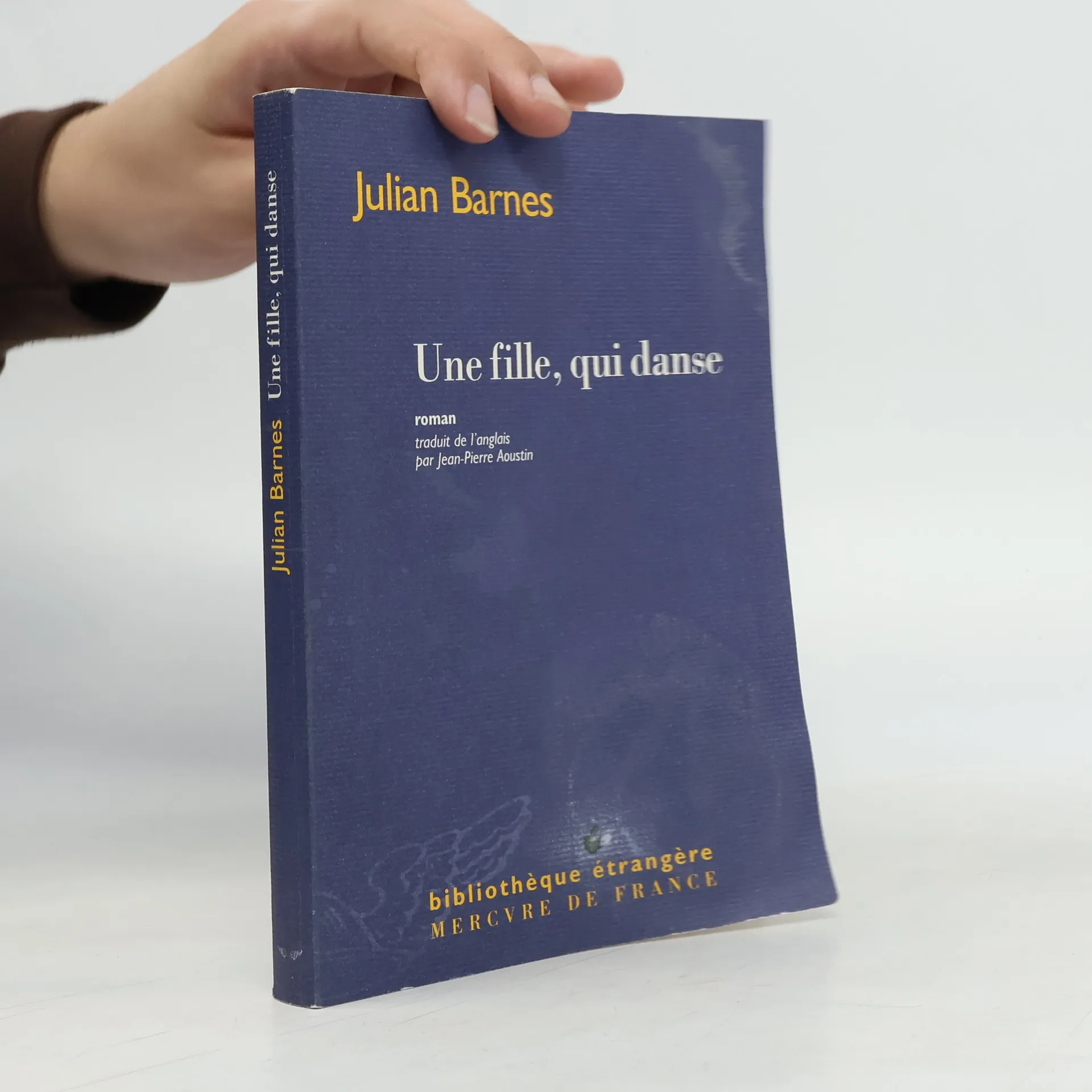
Ceux qui veulent nier le passage du temps disent : quarante ans, ce n’est rien, à cinquante ans on est dans la fleur de l’âge, la soixantaine est la nouvelle quarantaine et ainsi de suite. Je sais pour ma part qu’il y a un temps objectif, mais aussi un temps subjectif… le vrai, qui se mesure dans notre relation à la mémoire. Alors, quand cette chose étrange est arrivée, quand les nouveaux souvenirs me sont soudain revenus, ça a été comme si, pendant ce moment-là, le temps avait été inversé… Comme si le fleuve avait coulé vers l’amont. Tony, la soixantaine, a pris sa retraite. Il a connu une existence assez terne, un mariage qui l’a été aussi. Autrefois il a beaucoup fréquenté Veronica, mais ils se sont éloignés l’un de l’autre. Apprenant un peu plus tard qu’elle sortait avec Adrian, le plus brillant de ses anciens condisciples de lycée et de fac, la colère et la déception lui ont fait écrire une lettre épouvantable aux deux amoureux. Peu après, il apprendra le suicide d’Adrian. Pourquoi Adrian s’est-il tué ? Quarante ans plus tard, le passé va ressurgir, des souvenirs soigneusement occultés remonter à la surface – Veronica dansant un soir pour Tony, un weekend dérangeant chez ses parents à elle… Et puis, soudain, la lettre d’un notaire, un testament difficile à comprendre et finalement, la terrible vérité, qui bouleversera Tony comme chacun des lecteurs d’Une fille, qui danse.
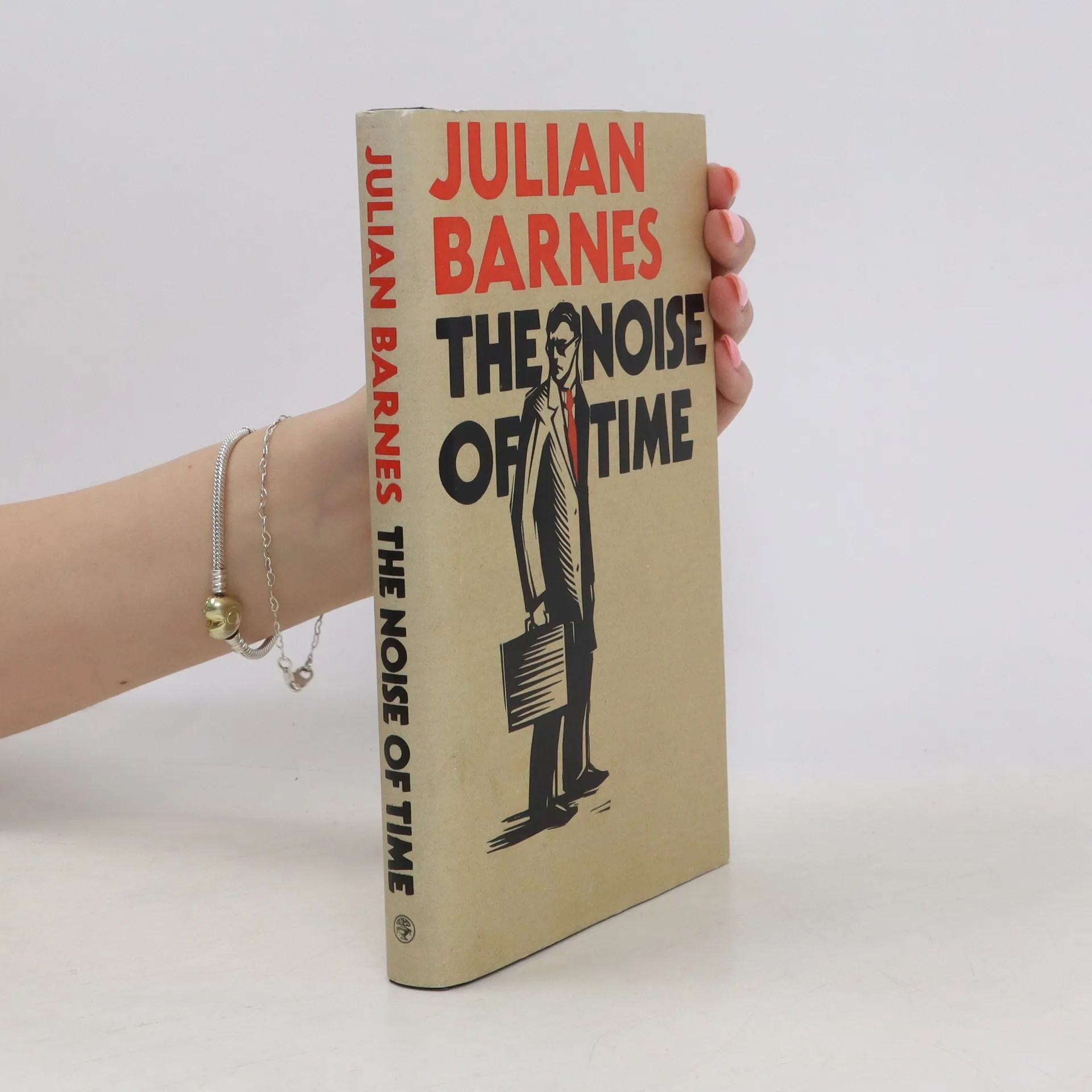
** The Sunday Times Number One bestseller ** A Daily Telegraph / Financial Times / Guardian / Sunday Times / The Times / New Statesman / Observer Book of the Year 'BARNES'S MASTERPIECE.' - OBSERVER In May 1937 a man in his early thirties waits by the lift of a Leningrad apartment block. He waits all through the night, expecting to be taken away to the Big House. Any celebrity he has known in the previous decade is no use to him now. And few who are taken to the Big House ever return. So begins Julian Barnes's first novel since his Booker-winning The Sense of an Ending. A story about the collision of Art and Power, about human compromise, human cowardice and human courage, it is the work of a true master.
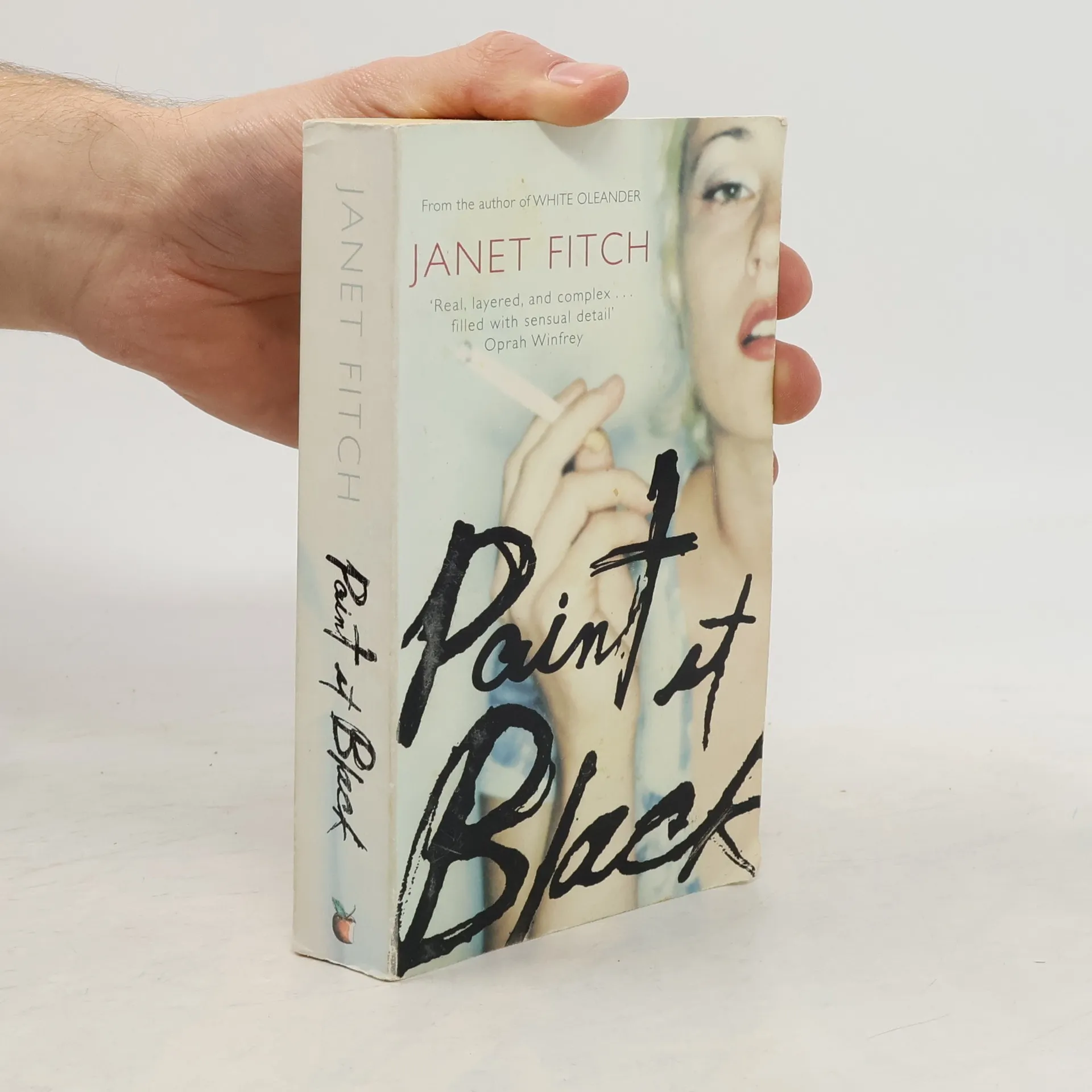
Na de zelfmoord van haar vriend probeert een 20-jarig punkmeisje zich in het Los Angeles van begin jaren tachtig van de 20e eeuw wanhopig door het leven te slaan.
In the beginning, everything was alive. The smallest objects were endowed with beating hearts. Paul Auster recalls his life through the story of his physical self in Winter Journal, now reflecting on his inner development and experiences with the outer world, alongside revealing letters to his first wife, Lydia Davis. This impressionistic portrait of a writer coming of age captures Auster's journey from a baby's-eye view of the moon to his childhood admiration for movie cowboy Buster Crabbe, the composition of his first poem at nine, and his growing awareness of American injustices. It charts his moral, political, and intellectual evolution as he navigates the post-war fifties and the turbulent sixties. Auster evokes the sounds, smells, and sensations of his early life, filled with moving images and his love for cartoons and films. The book culminates uniquely, breaking from prose into pure imagery, with the final section recapitulating the earlier parts through an album of pictures. This four-part work not only tells the story of Auster's times but also of the emerging consciousness of a renowned literary artist, addressing the challenge of autobiography in an unprecedented manner.
"Préféreriez-vous aimer davantage, et souffrir davantage ; ou aimer moins, et moins souffrir ? C'est, je pense, finalement, la seule vraie question." Angleterre, années 1960. Paul a dix-neuf ans lorsqu'il rencontre Susan, une femme mariée de trente ans son aînée. Sur le court de tennis où ils disputent des parties en double, une passion se noue, totale, absolue. Ils la vivent fièrement, conscients de défier les conventions sociales. Mais les années passent, sans bruit, tandis que l'amour et la jeunesse de Paul se heurtent aux démons de Susan...
In het najaar van 1900 verliet Dr. Gustav Uyterhoeven de schaaktuin die hij samen met zijn vrouw, Sonja, had gecreëerd in Dayton, Ohio, en reisde naar Zuid-Afrika om als arts te dienen in de Britse concentratiekampen van de Boerenoorlog. Gedurende de daaropvolgende tien maanden stuurde hij twaalf schaakstukken en twaalf brieven terug naar Sonja. Zij stelde de geschenken van haar man tentoon naarmate ze arriveerden en verwelkomde alle trouwste gasten van de tuin om te horen wat hij had geschreven - brieven die niets vertelden over zijn ervaringen in de kampen, maar een verbeend land genaamd de Antipoden beschreef, waar alle spelstukken die de sets en lades van de tuincollectie vulden tot leven kwamen om de arts door zijn noodlottige en wonderlijke laatste avontuur te begeleiden. Brooks Hansen biedt een verhaal van spirituele vooruitgang vermomd in de meest exotische visioenen van de verbeelding. En toch omvat De schaaktuin ook een zeer reële wereld. Naast de visioenen van de arts over de Antipoden ontvouwt het verhaal van zijn leven zich geleidelijk. Geschiedenis en allegorie zijn vakkundig verweven totdat uiteindelijk beide terugleiden naar de schaaktuin zelf, een plek waar ideeën plaatsmaken voor visie, rede de geloof ontmoet, en feit en fictie uiteindelijk worden verzoend.