

Bookbot

Roberto C. Sonaglia

    Portnoy's Complaint
    L'intelligenza dei cani
    • L'intelligenza dei cani

      • 288pages
      • 11 heures de lecture

      Il sodalizio dell'uomo con il cane dura da ben quattordicimila anni: non solo il cane ci tiene compagnia e si dimostra collaboratore insostituibile per le più varie attività, ma anche, con un "quoziente intellettivo" di livello insospettato, presenta precise differenze caratteriali tra razza e razza. Di tutte Stanley Coren, docente di psicologia ed espertissimo addestratore, fornisce una puntualissima descrizione; con il piglio sistematico dello scienziato e la passione del cinofilo spiega i quozienti intellettivi dei vari cani e le diverse inclinazioni per le attività sportive e lavorative. Non solo: partendo dal presupposto che, indipendentemente dalla razza, ogni esemplare è un individuo a sé, l'autore propone una divertente serie di test che chiunque potrà eseguire in casa per misurare l'intelligenza del proprio cane.

      L'intelligenza dei cani
      4,2
    • Portnoy's Complaint

      • 320pages
      • 12 heures de lecture

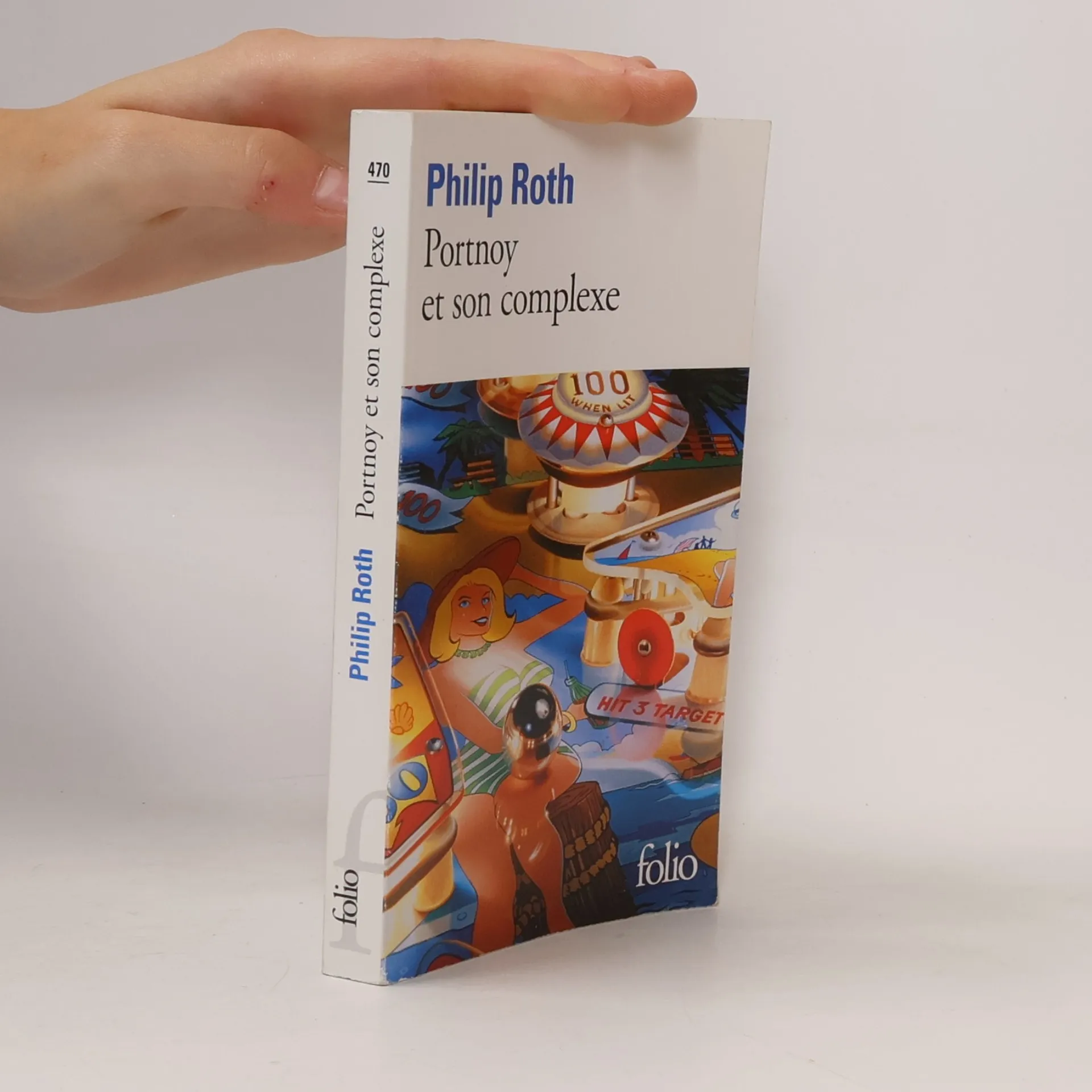
      The famous confession of Alexander Portnoy, who is thrust through life by his unappeasable sexuality, yet held back at the same time by the iron grip of his unforgettable childhood. Hilariously funny, boldly intimate, startlingly candid, Portnoy’s Complaint was an immediate bestseller upon its publication in 1969, and is perhaps Roth’s best-known book. Portnoy's Complaint n. [after Alexander Portnoy (1933-)] A disorder in which strongly-felt ethical and altruistic impulses are perpetually warring with extreme sexual longings, often of a perverse nature. Spielvogel says: 'Acts of exhibitionism, voyeurism, fetishism, auto-eroticism and oral coitus are plentiful; as a consequence of the patient's "morality," however, neither fantasy nor act issues in genuine sexual gratification, but rather in overriding feelings of shame and the dread of retribution, particularly in the form of castration.' (Spielvogel, O. 'The Puzzled Penis', Internationale Zeitschrift fur Psychoanalyse, Vol. XXIV, p. 909.) it is believed by Spielvogel that many of the symptoms can be traced to the bonds obtaining in the mother-child relationship.

      Portnoy's Complaint
      3,7