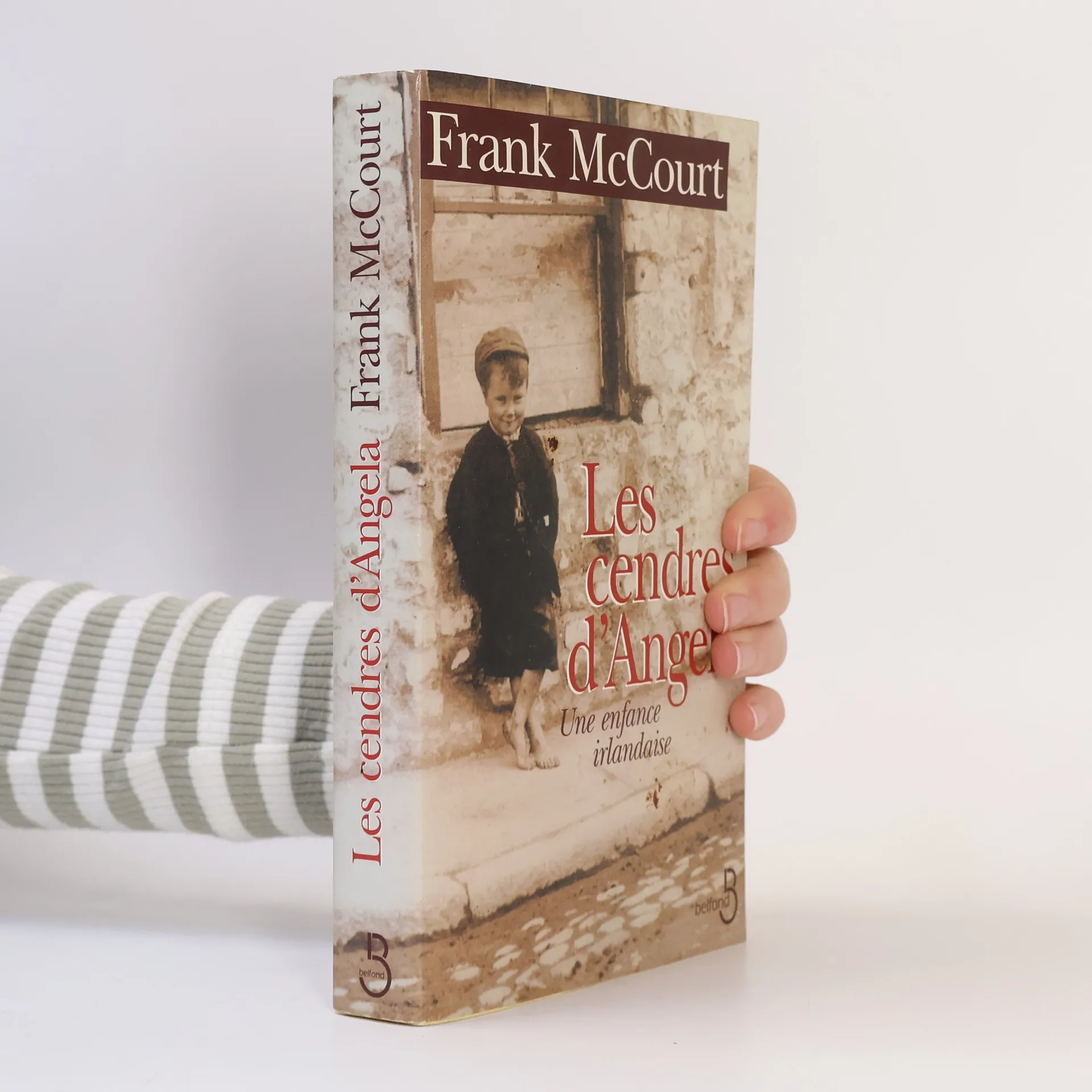

« Quand je revois mon enfance, le seul fait d'avoir survécu m'étonne. Ce fut, bien sûr, une enfance misérable : l'enfance heureuse vaut rarement qu'on s'y arrête. Pire que l'enfance misérable ordinaire est l'enfance misérable en Irlande. Et pire encore est l'enfance misérable en Irlande catholique ».
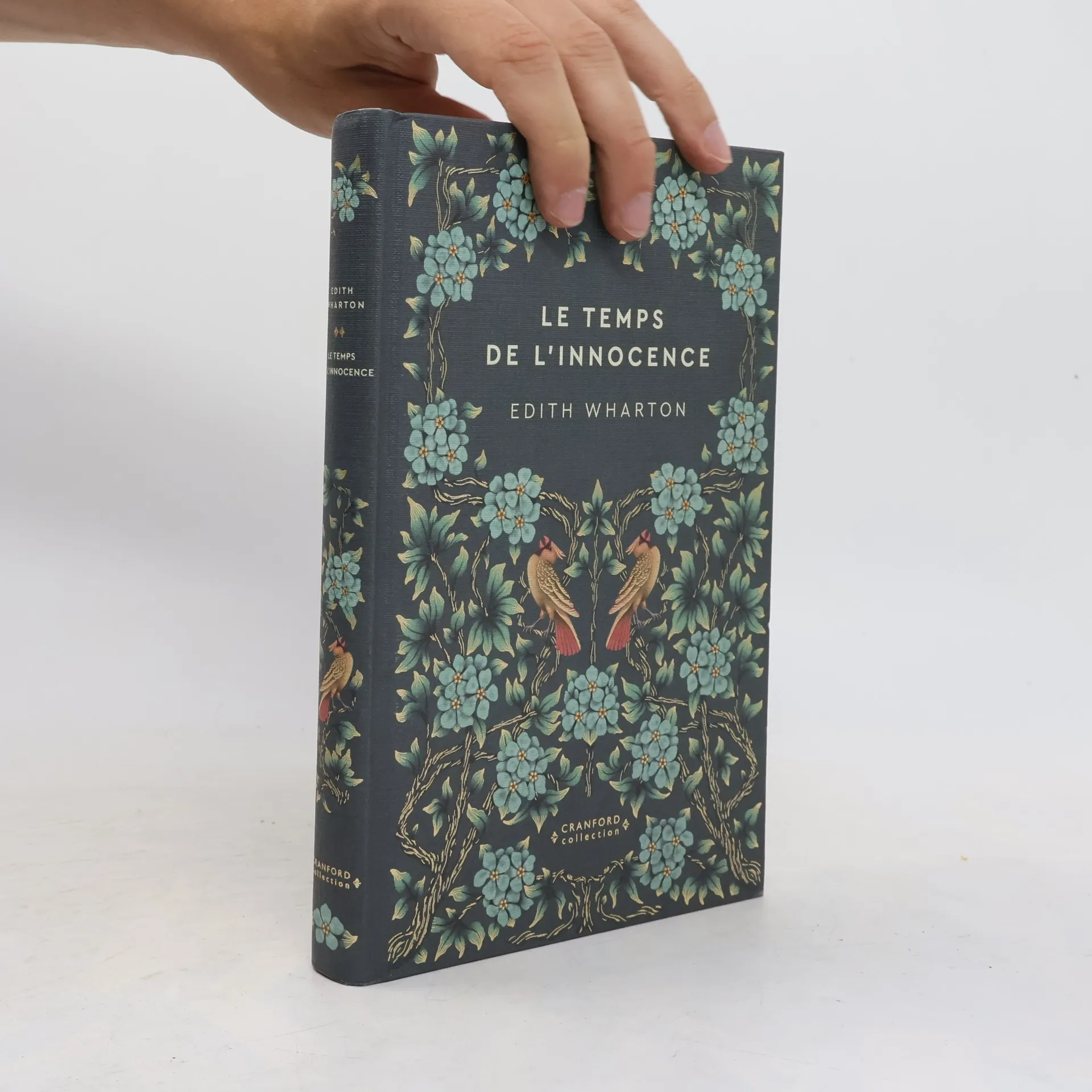
New York, eind negentiende eeuw. Als Newland Archer gravin Olenska ontmoet, heeft hij zich juist verloofd met May Welland, 'het schrikwekkende product van het maatschappelijk systeem waartoe hij behoorde en waar hij in geloofde: het jonge meisje dat niets wist en alles verwachtte.' De welopgevoede Archer raakt onder de indruk van het ongebruikelijke, impulsieve optreden van Olenska. Tegen de achtergrond van de dramatische ontwikkelingen die dit met zich meebrengt, schetst Wharton met ragfijne ironie een anstaanjagend scherp portret van mensen die zijn opgesloten in een milieu waarin menselijkheid wordt geloochend, terwijl de eigen 'beschaving' tegelijkertijd wanhopig wordt gecultiveerd.
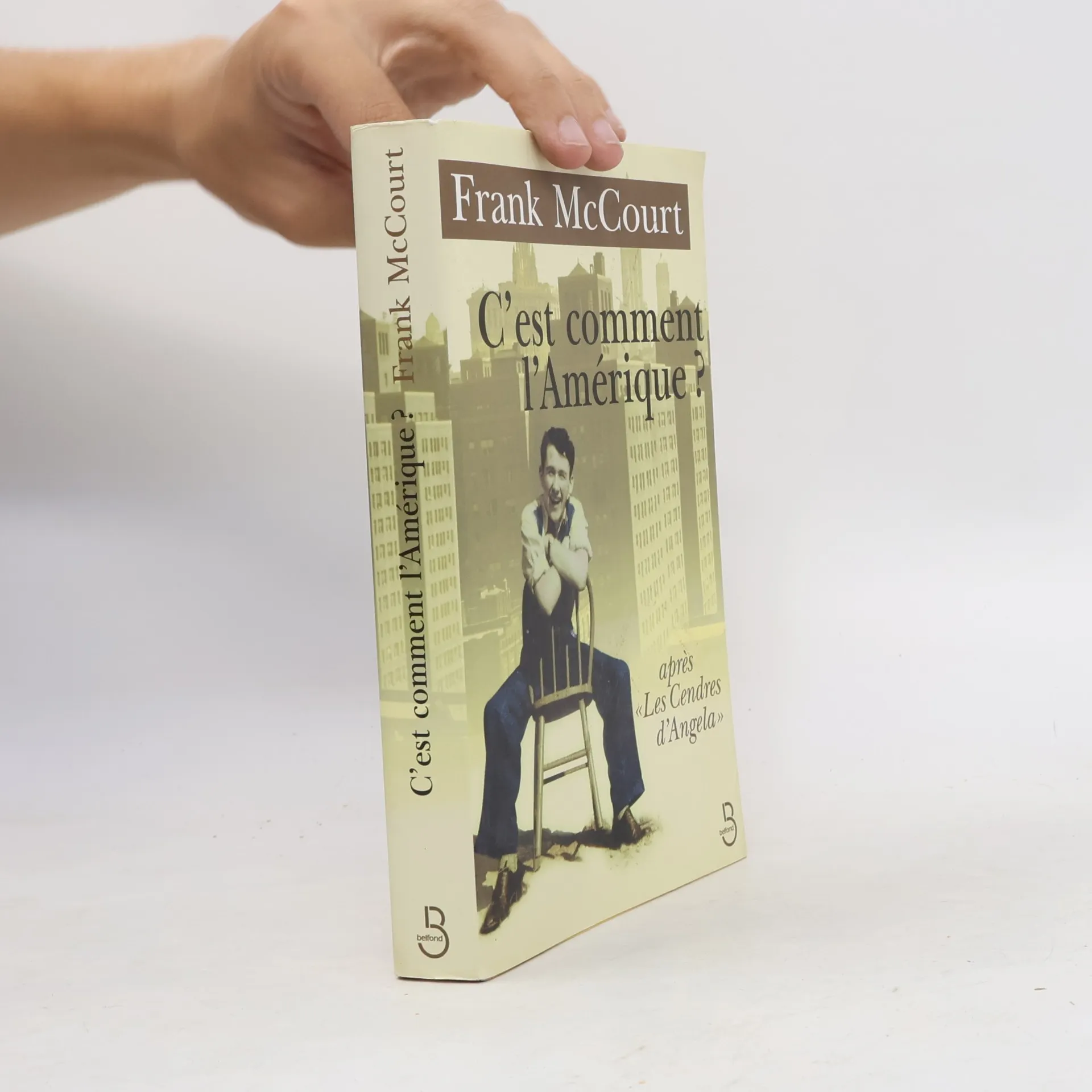
The sequel to Frank McCourt's memoir begins in October 1949, when he returns to America at 19, having previously moved to Ireland due to his family's struggles. Now back in New York, he feels out of place among confident college students, burdened by his "pimply face, sore eyes, and bad teeth." His early American experiences mirror the hardships of his youth in Ireland, marked by two of the bleakest Christmases ever depicted. With his characteristic sharp eye and dark humor, McCourt explores themes of race prejudice, casual cruelty, and dead-end jobs, all while seeking a way forward. A glimmer of hope emerges through the army, where he gains valuable skills, and New York University, which accepts him despite his lack of a high school diploma. However, his path to becoming a creative writing teacher at Stuyvesant High School is fraught with challenges. McCourt's ability to capture a wide range of human emotions makes even the most troubled individuals relatable. His lyrical prose, infused with Irish cadences, elevates even the most sorrowful moments, culminating in a poignant final scene set in a Limerick graveyard.