
The Color Purple
- 295pages
- 11 heures de lecture
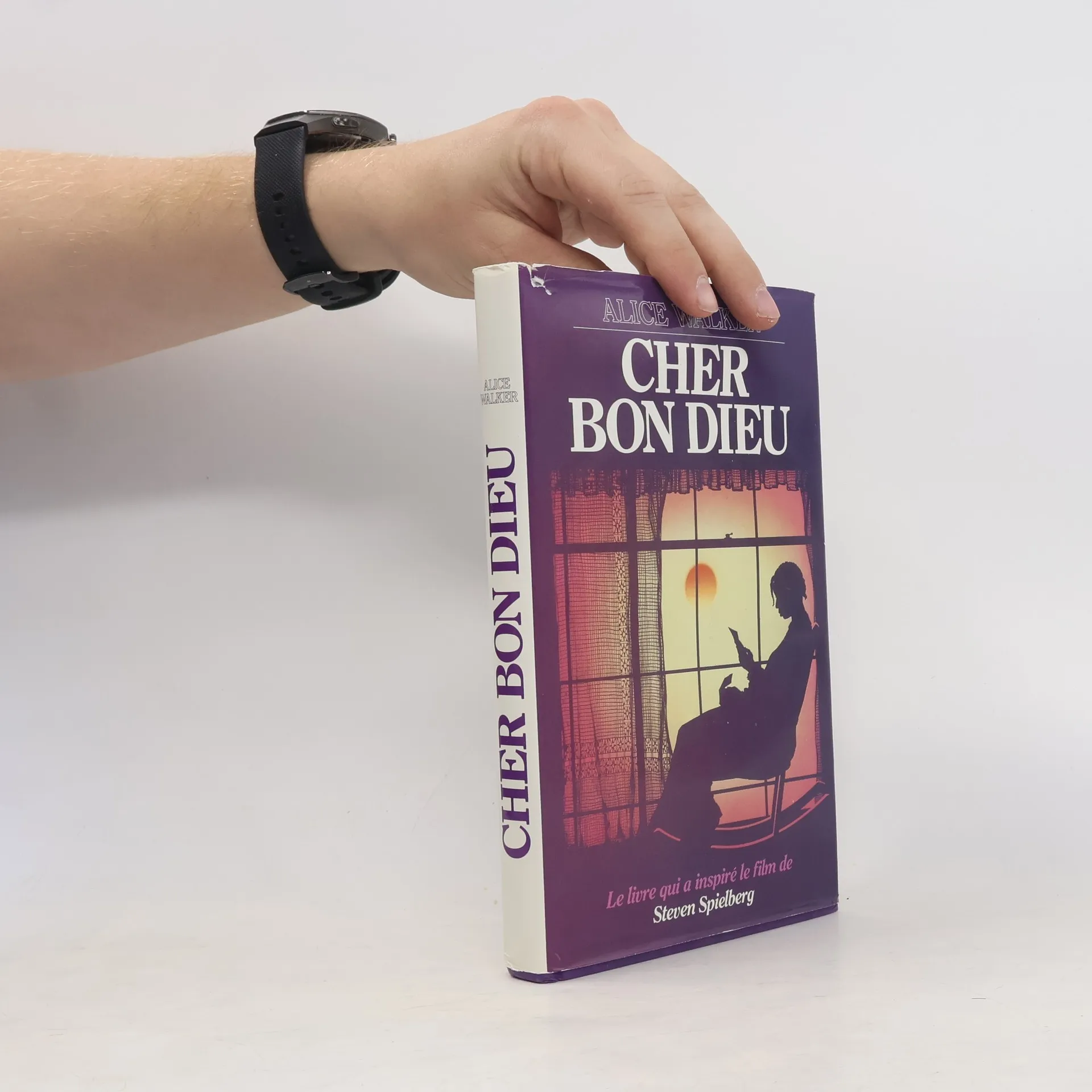
Set in the period between the world wars, this novel tells of two sisters, their trials, and their survival.


Set in the period between the world wars, this novel tells of two sisters, their trials, and their survival.
Janna, bella ed elegante, con alle spalle un solido successo professionale, conosce una piccola e vecchia signora, Maudie, e da questo incontro casuale nasce una stretta amicizia, un legame quasi simbiotico. La prima comincia a condividere le manie e le abitudini della seconda, i suoi malanni senili, e viene così a contatto con un mondo disordinato e dolente ma anche affascinante, che le permette di scoprire dimensioni esistenziali da lei ignorate fino a quel momento. Il diario di Jane Somers si configura, nel panorama contemporaneo della letteratura in lingua inglese, come uno dei più impietosi esperimenti di autoanalisi mai compiuti da uno scrittore.
When Alice B. Toklas was asked to write a memoir, she initially refused. Instead, she wrote The Alice B. Toklas Cook Book, a sharply written, deliciously rich cookbook memorializing meals and recipes shared by Hemingway, Fitzgerald, Wilder, Matisse, and Picasso. And of course by Alice and Gertrude themselves
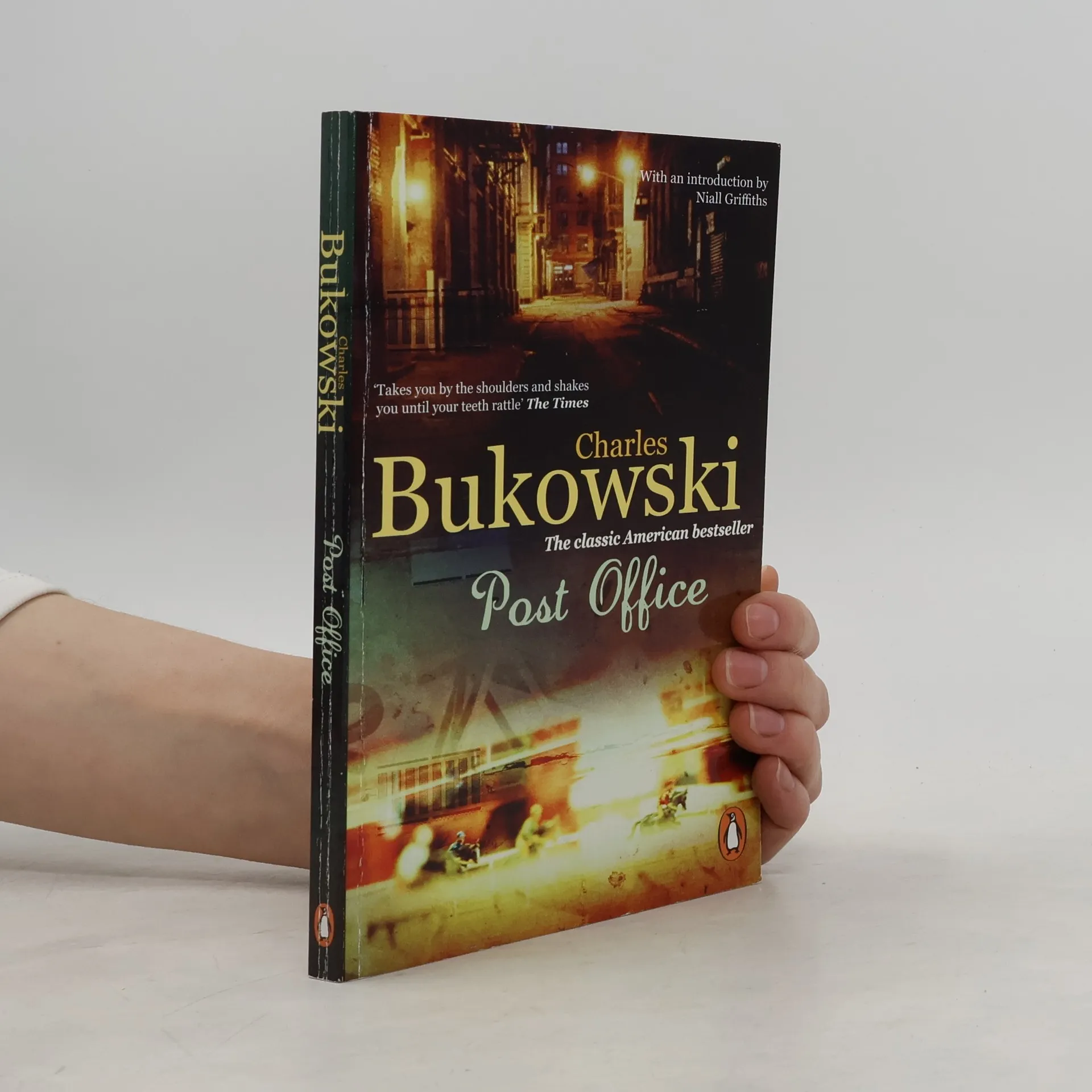
Charles Bukowski's debut novel introduces his alter ego Henry Chinaski. Chinaski is a low life loser with a hand-to-mouth existence. His menial Post Office job supports his life of beer, one-night stands and race-tracks.
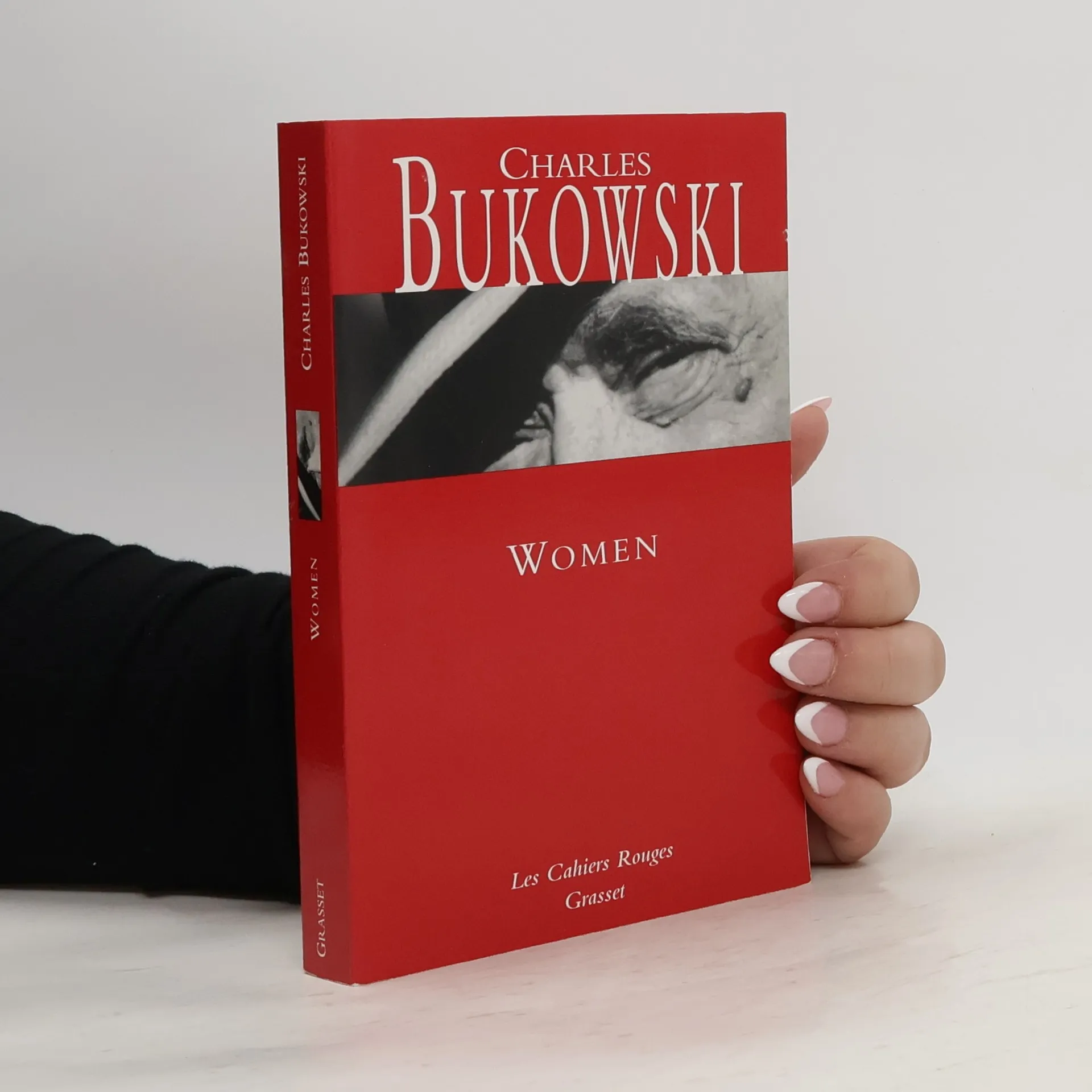
Alternate cover for this ISBN can be found here Low-life writer and unrepentant alcoholic Henry Chinaski was born to survive. After decades of slacking off at low-paying dead-end jobs, blowing his cash on booze and women, and scrimping by in flea-bitten apartments, Chinaski sees his poetic star rising at last. Now, at fifty, he is reveling in his sudden rock-star life, running three hundred hangovers a year, and maintaining a sex life that would cripple Casanova. With all of Bukowski's trademark humor and gritty, dark honesty, this 1978 follow-up to Post Office and Factotum is an uncompromising account of life on the edge.
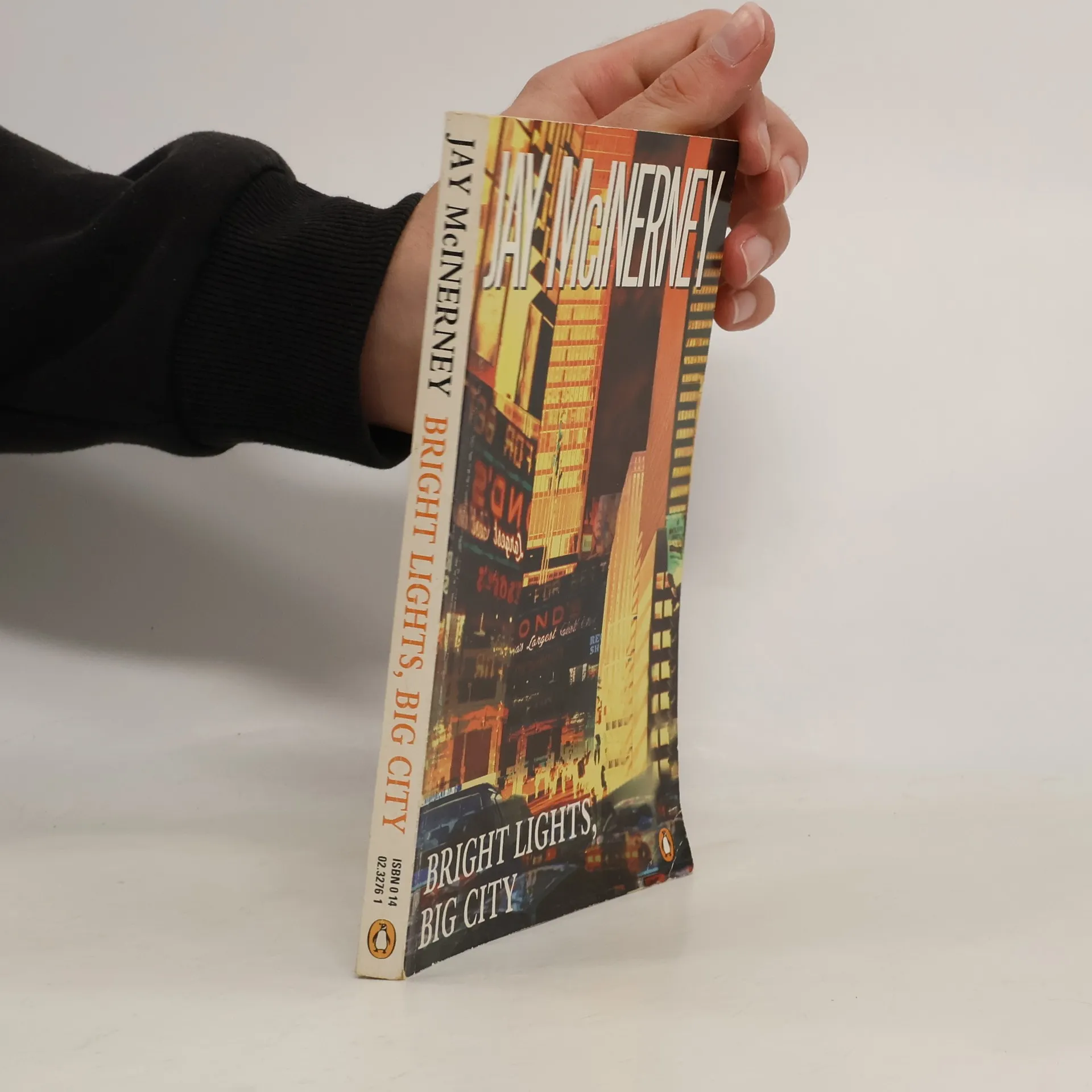
The tragicomedy of a young man in NYC, struggling with the reality of his mother's death, alienation and the seductive pull of drugs.
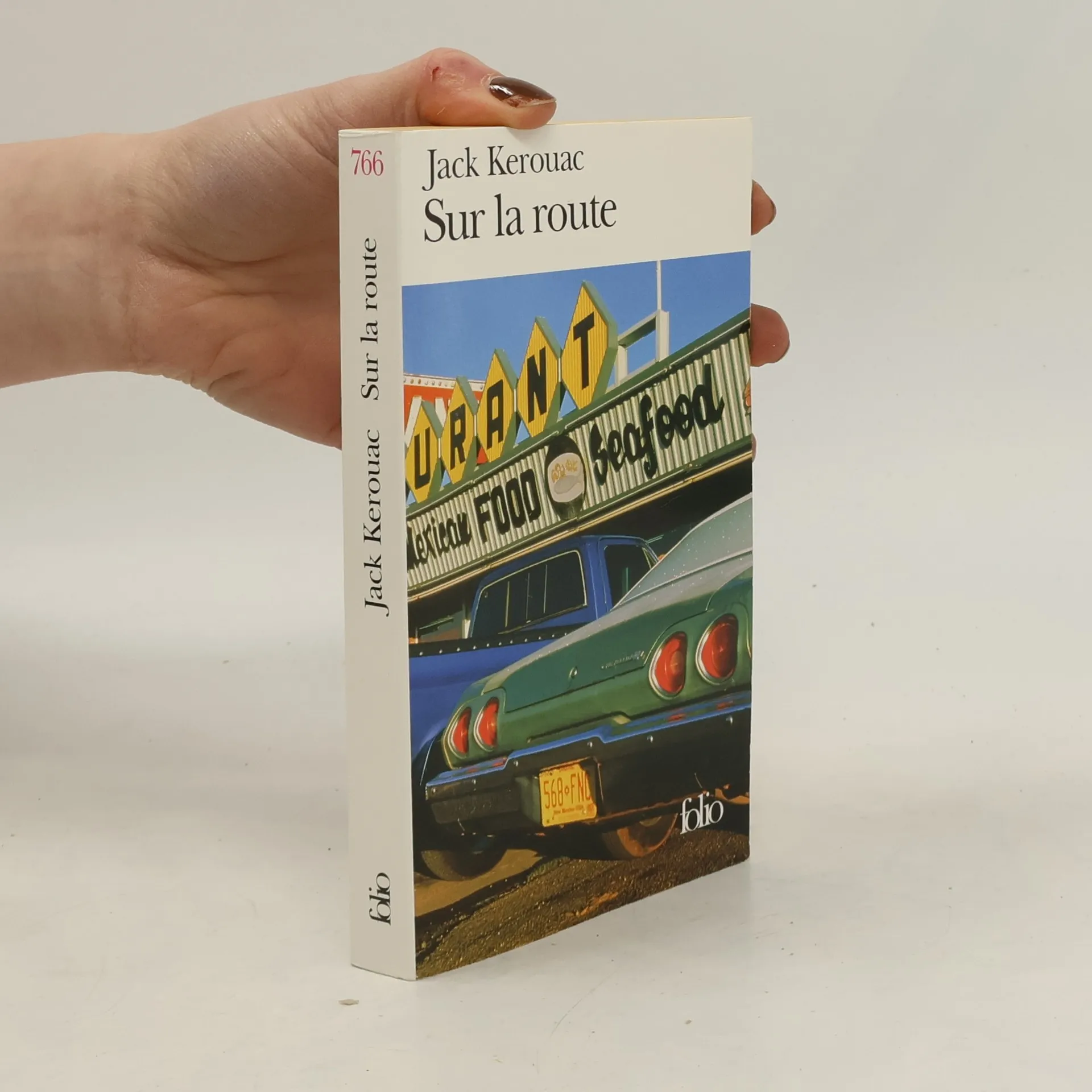
Le roman "Sur la route" a provoqué un bouleversement culturel aux États-Unis à la fin des années cinquante, faisant de Jack Kerouac une icône de la littérature spontanée et détabouisée. Considéré comme la bible légendaire de la génération beat, ce livre est une déclaration générationnelle et une réponse au paradoxe social de son époque : bien que l'Amérique fût à son apogée économique, ses maux devenaient de plus en plus visibles. Jack Kerouac (1922 – 1969) est l'un des représentants les plus significatifs de la beat generation, auteur de trois recueils de poésie et de plus de quinze romans souvent autobiographiques. À dix-sept ans, il s'installe à New York, une ville qui lui révèle une passion pour le jazz et le désir d'écrire, tout en l'entraînant dans l'expérimentation avec les drogues. Son amitié avec Allan Ginsberg et William Burroughs a donné naissance à un nouveau mouvement littéraire. L'œuvre de Kerouac est marquée par des influences de la foi catholique, de la méditation bouddhiste et des improvisations jazz. Malgré son aspiration à la liberté et à la spontanéité, il a souffert de dépressions et de solitude, et est décédé à quarante-sept ans à cause de problèmes de santé liés à l'alcool.
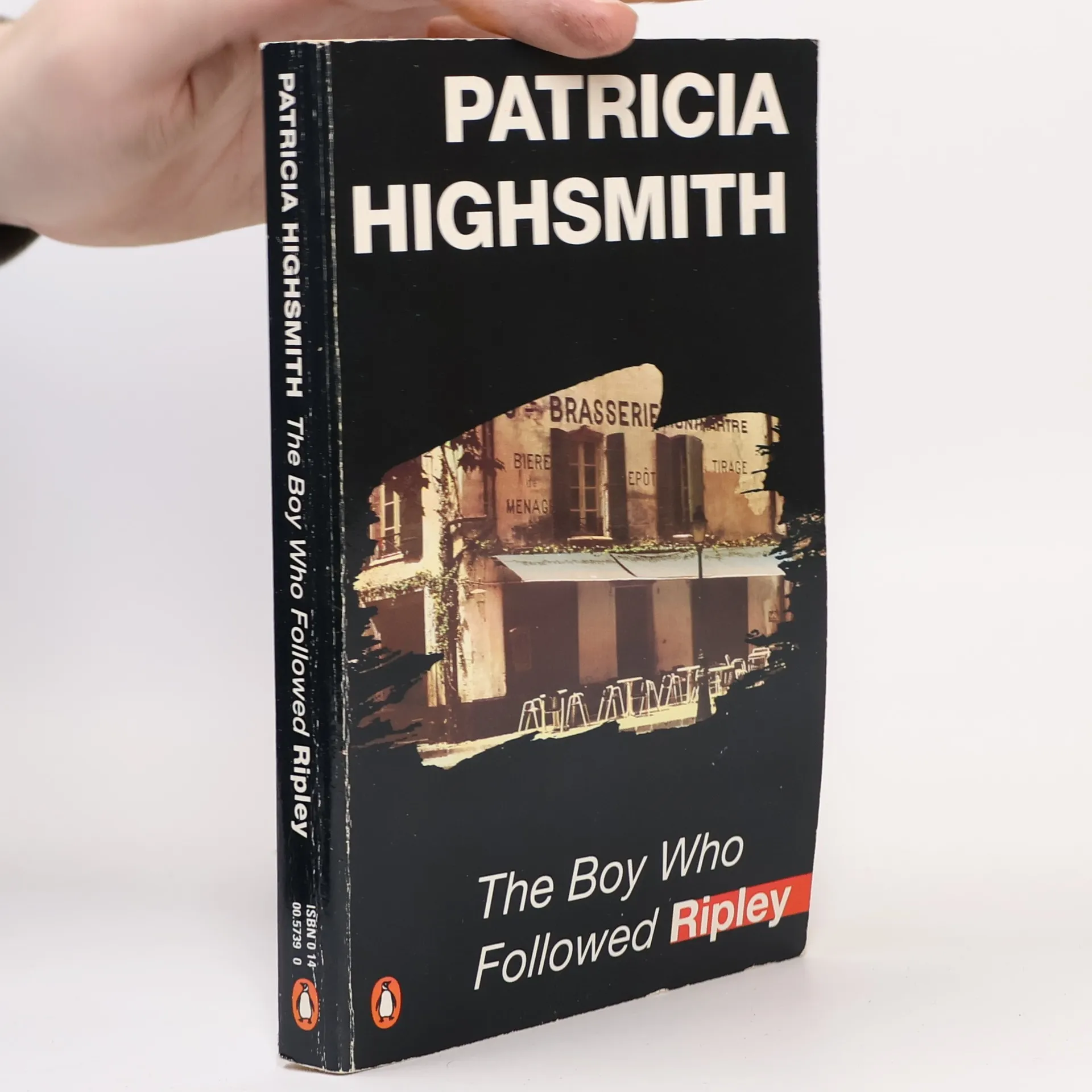
Fearing that he was directly responsible for the death of his father, an American multimillionaire food magnate, sixteen-year-old Frank Pierson learns of a plot to kidnap him and enlists the aid of Tom Ripley, an American expatriate in Paris
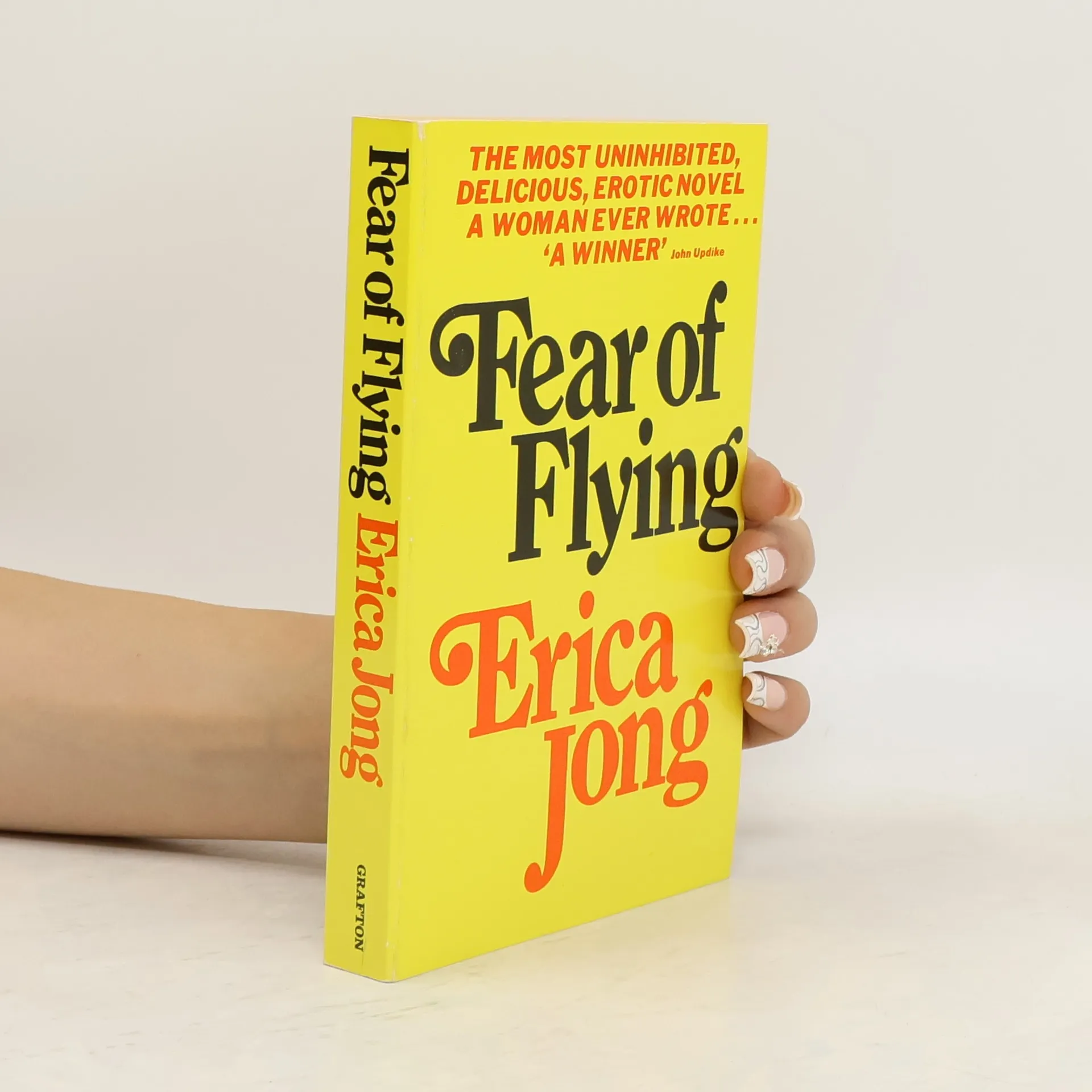
A 29-year-old woman writer, still chasing the rainbows of her dreams, is finally forced to face up to the realities of life.