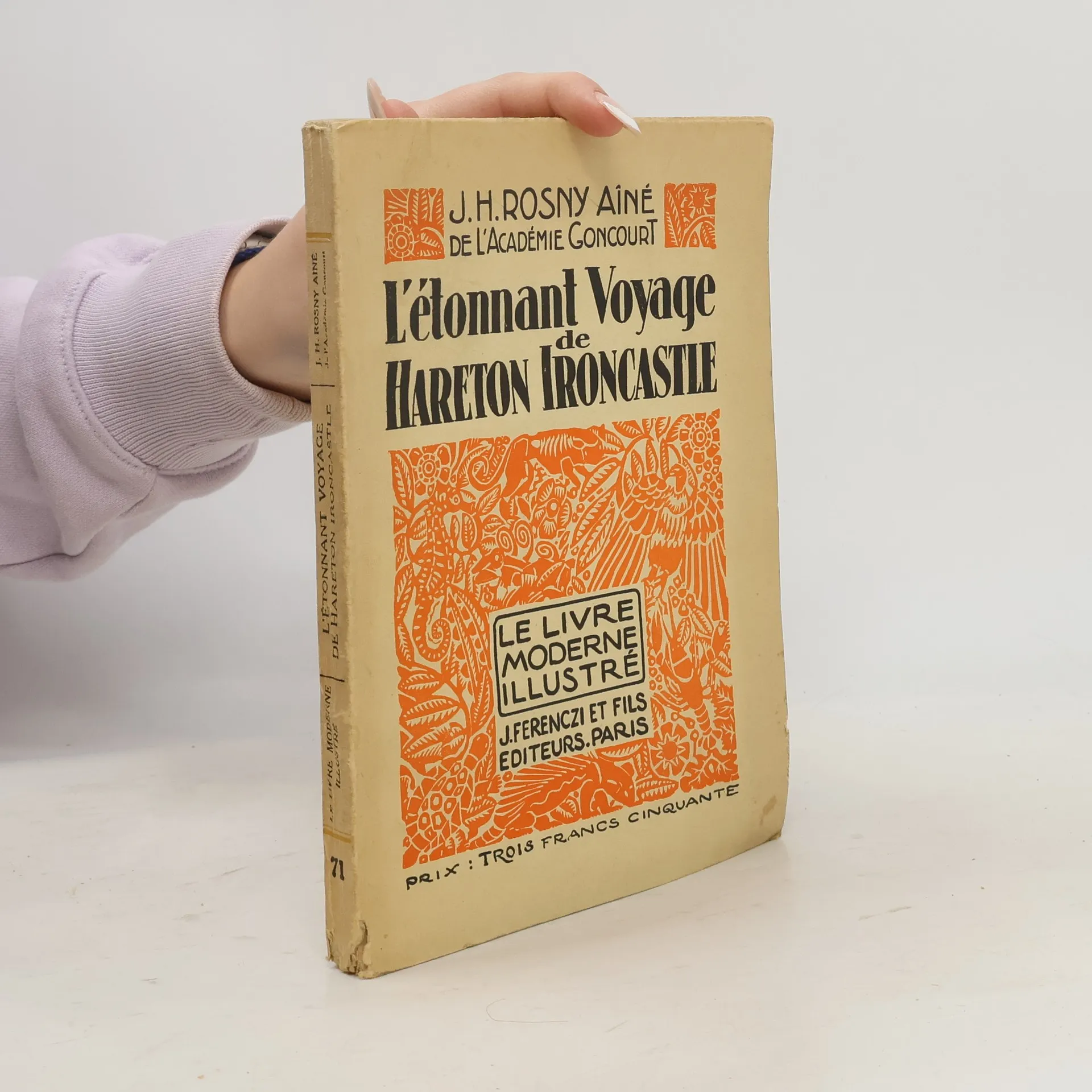
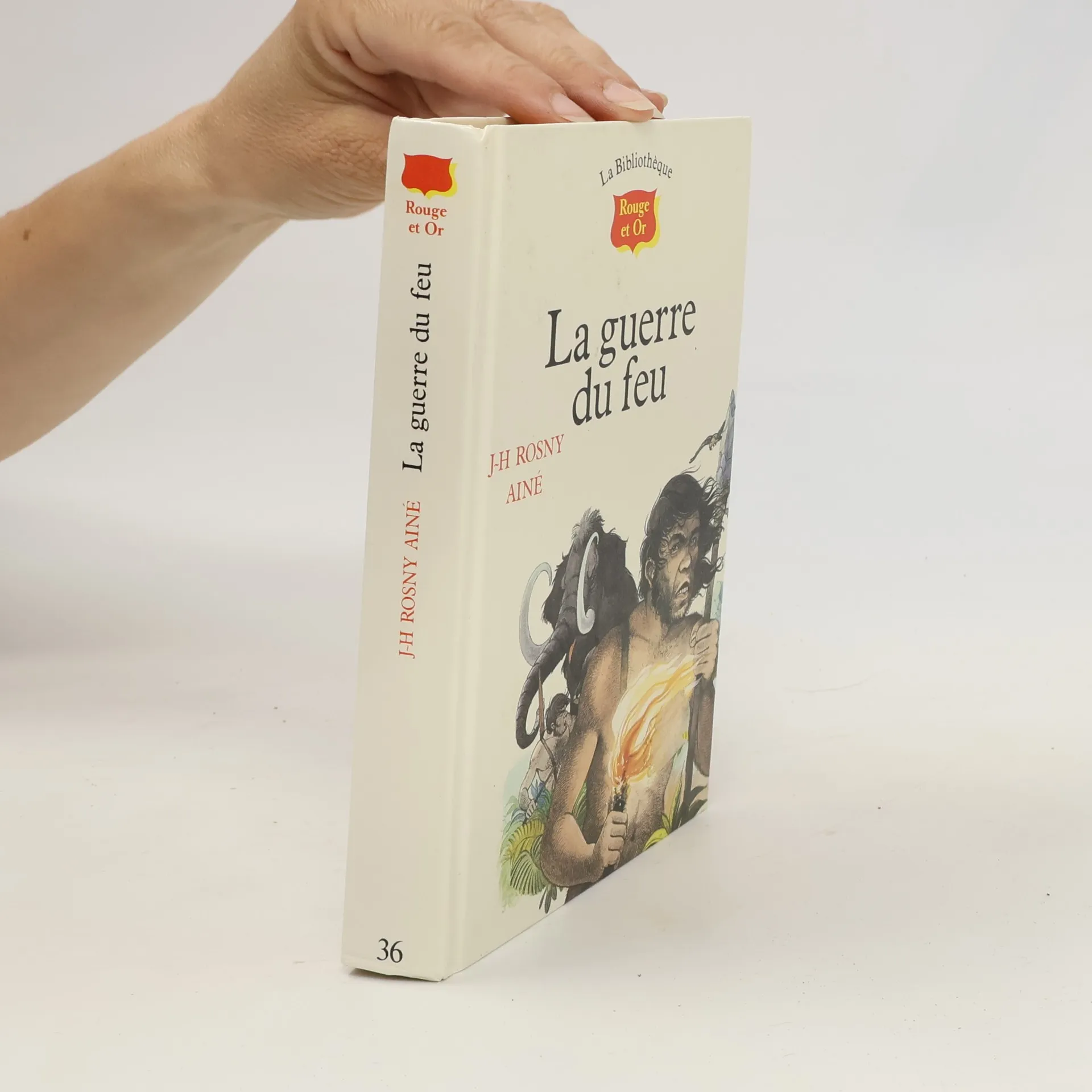
J.-H. Rosny aîné est reconnu comme une figure fondatrice de la science-fiction moderne. Ses œuvres explorent les complexités de la condition humaine et notre place dans l'immensité du cosmos. Avec une remarquable capacité à imaginer les avancées technologiques futures aux côtés des désirs et des fragilités humaines persistantes, il a créé des récits qui captivent et invitent à la réflexion. Son écriture offre un mélange unique d'imagination spéculative et de profonde perspicacité, rendant ses contributions essentielles au canon de la science-fiction.
Il y a cent mille ans, le feu était le bien le plus précieux pour les hommes. Adapté en bande dessinée à partir du roman de J.H. Rosny en 1950 et 1951, cette histoire raconte comment le courageux Naoh parviendra à faire revivre la précieuse flamme tout en découvrant l'amour auprès de la jolie Gammla.
In The Young Vampire (1920), a London girl is possessed by an extra-dimensional entity which mutates her body and turns her into a living vampire. The Supernatural Assassin (1923) tells the tale of a murderous wraith. Finally, Companions of the Universe (1934) is Rosny's last, great novel, a brilliant scientific romance in which a secret group of physicists attempts to breach the limits of the universe beyond photons, sub-particles and wave-sequences; while at the same time offering an in-depth study of the perversity of human sexual relationships. This is the sixth in a series of seven volumes translated and annotated by Brian Stableford presenting the classic works of J.-H. Rosny Aine, the second most important figure in French science fiction after Jules Verne. Until now, Rosny, a member of the Goncourt literary academy, has best been known to the English-speaking public for his prehistoric thriller, Quest for Fire.