
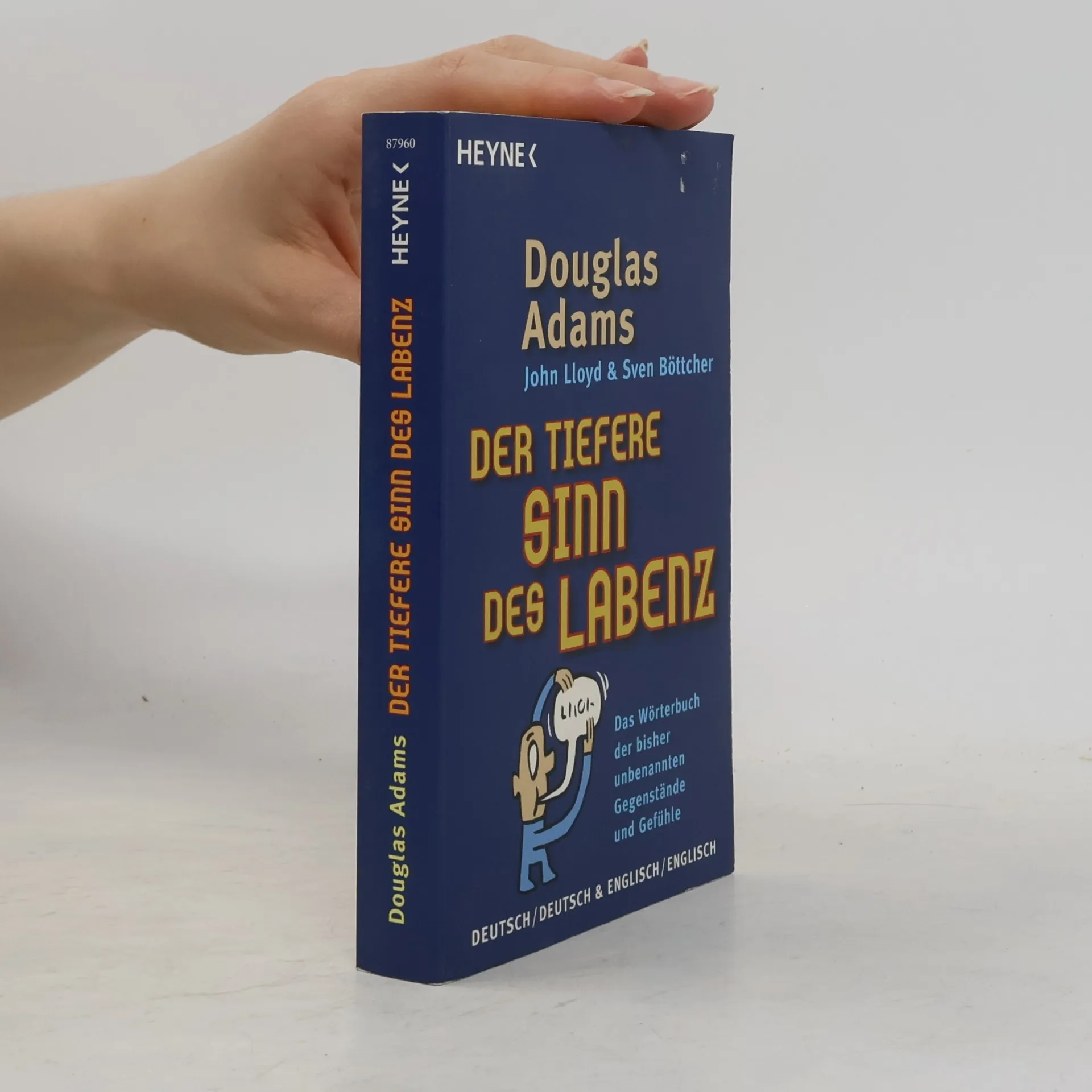
The updated, revised edition of "The Meaning of Liff", with illustrations from "Private Eye" cartoonist Bert Kitchen.
Bert Kitchen Livres
Bert Kitchen est un illustrateur accompli avec une formation artistique diversifiée, y compris l'animation et le design textile. Son travail considérable dans la littérature jeunesse présente un style visuel unique qui captive les jeunes lecteurs. Le parcours artistique de Kitchen, d'animateur à artiste plasticien, informe les riches détails et la qualité imaginative que l'on retrouve dans ses illustrations. Il apporte une perspective distinctive à chaque projet, faisant de ses livres un plaisir visuel pour tous les âges.


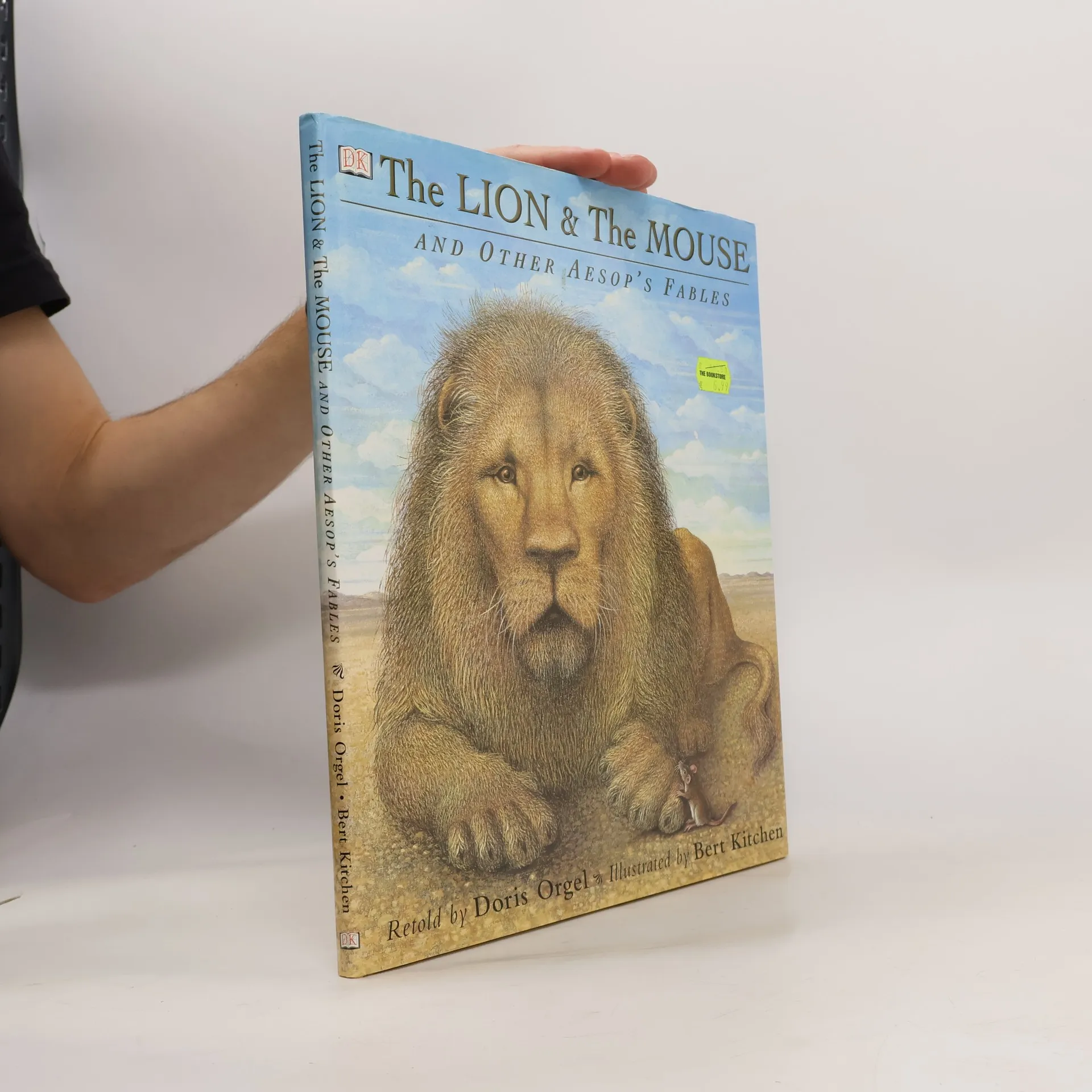
The Lion and the Mouse and Other Aesop Fables
- 32pages
- 2 heures de lecture
Aesop's fables are as wise and true today as they were more than 2,600 years ago. Now, distinguished author Doris Orgel retells these timeless stories for the next generation. A brave little mouse extracts a thorn from a lion's paw, steady tortoise beats cocky hare in a footrace, a boy cries wolf too many times.... Elegantly and economically told against a backdrop of expressive, detailed illustrations, this gift book presents Aesop's kindly lessons for today's children in a book sure to become an essential addition to any youngster's library. Each story is accompanied by an interesting fact about Aesop and his time; these build to an accessible history of the legendary figure.
A counting book in which animals both exotic and familiar are shown with the specified number of infants.
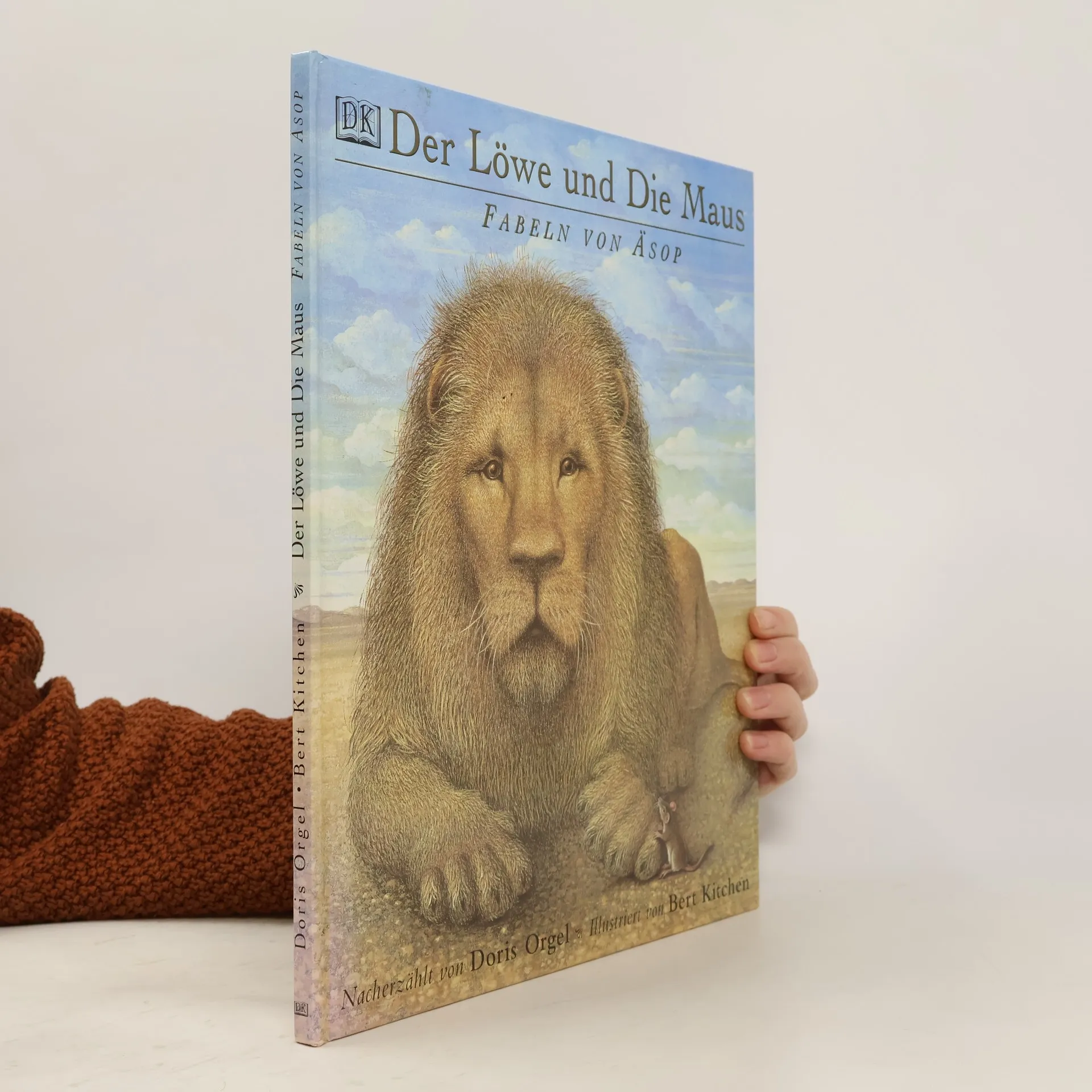
Der Löwe und die Maus
- 29pages
- 2 heures de lecture
12 Fabeln von Äsop – kurze, prägnante Lebensweisheiten meist aus dem Mund sprechender Tiere -, ein Vorwort der Nacherzählerin, in dem sie den Kindern erklärt, was eine Fabel ist und wer Äsop war. Zu jeder Geschichte gibt es noch einen kurzen Sachhinweis mit Bild, der passende Erläuterungen liefert. In unserem Buch erschließt sich die „Moral“ aus dem Text – z. B. bei der titelgebenden Geschichte, dass auch kleine Tiere große Hilfe leisten können. Den antiquiert wirkenden Reim am Ende der Fabeln gibt es nicht mehr.