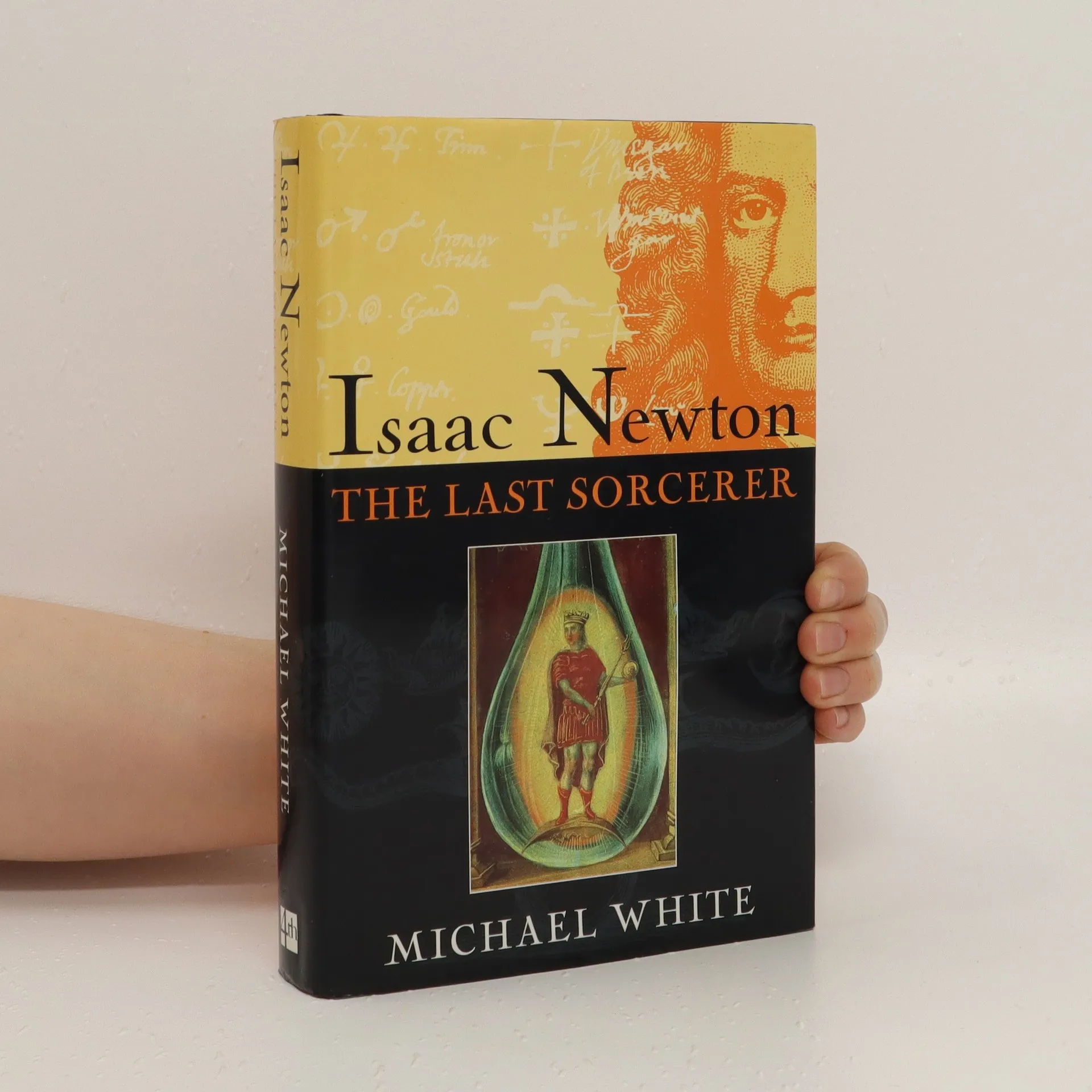
A biography of Isaac Newton which challenges the traditionally held portrait of him as the first modern scientist and reveals his interest in alchemy and magic, presenting an alternative view of him as a sorcerer. Originally published in 1997.
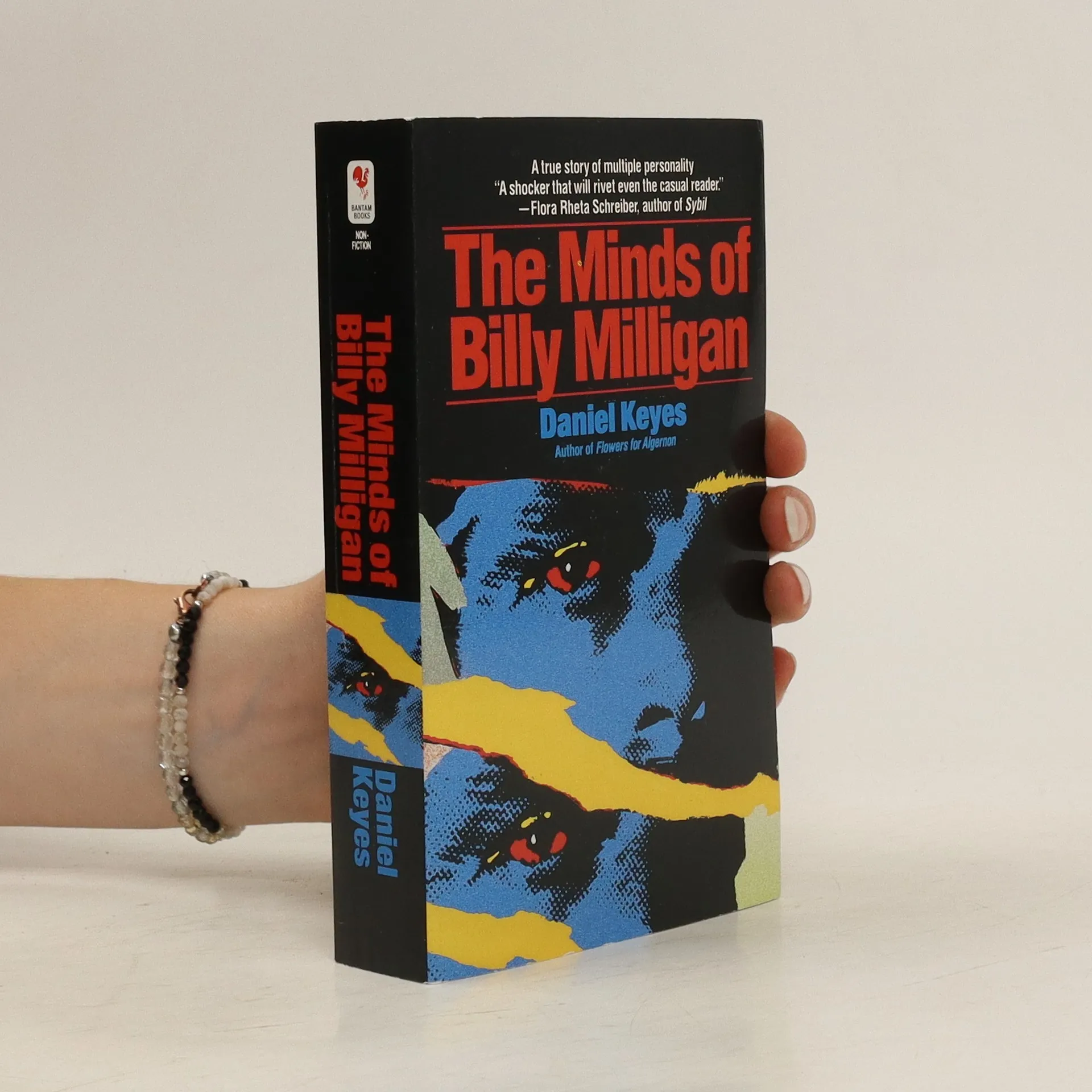
A portrait of a tortured young man, arrested for a series of kidnappings and rapes, explores the world of a multiple personality, whose traumatic childhood shattered his mind into twenty-four distinct personalities
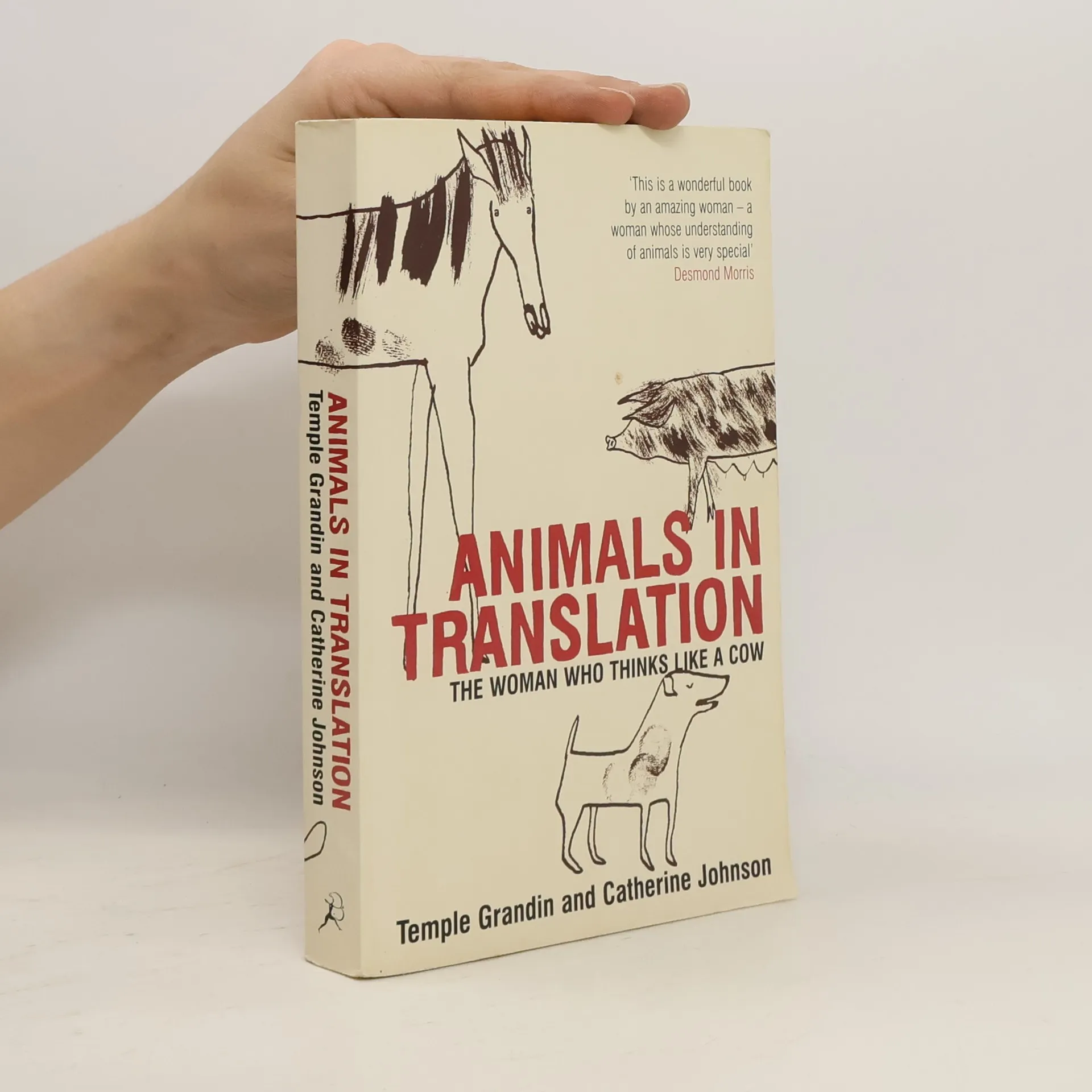
Animals in Translation is the culmination of Temple Grandin's extraordinary life's work, drawing upon the latest research, her distinguished career as an animal scientist and her own experience of being autistic. With co-author Catherine Johnson, Grandin argues that while 'normal people' convert experience into words and abstractions, animals and autistics process the world as sensory information - specific pictures, sights and sounds. This difference is the key to understanding how animals see, think and feel. As much a revelation about life with autism as it is about life with animals, Animals in Translation explores pain, fear, aggression, love, friendship, communication and learning in a startling book that will change the way you think about animals.
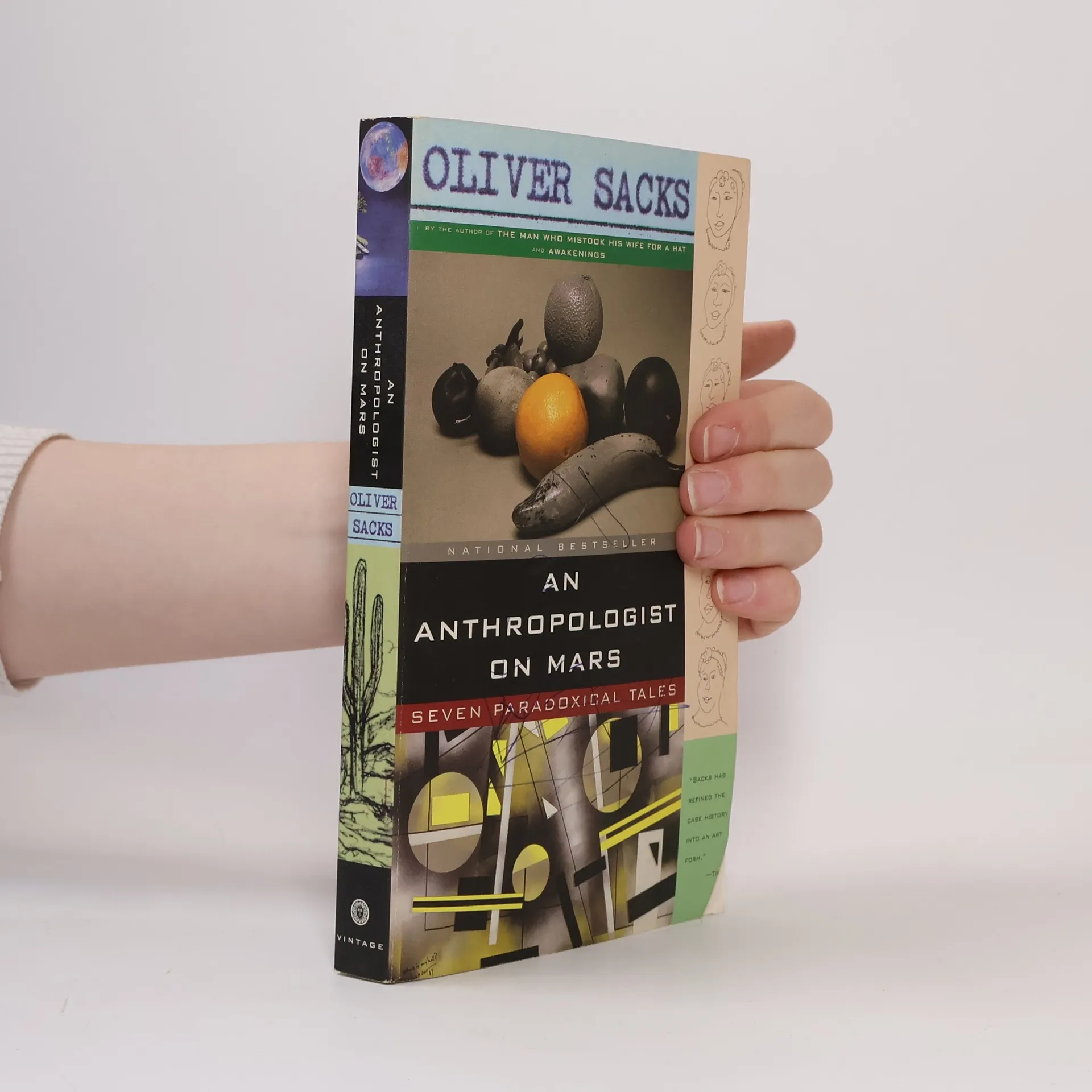
THE INSPIRATION FOR THE NBC SERIES BRILLIANT MINDS • From the bestselling author of The Man Who Mistook His Wife for a Hat • Fascinating portraits of neurological disorder in which men, women, and one extraordinary child emerge as brilliantly adaptive personalities, whose conditions have not so much debilitated them as ushered them into another reality. Here are seven detailed narratives of neurological patients, including a surgeon consumed by the compulsive tics of Tourette's syndrome unless he is operating; an artist who loses all sense of color in a car accident, but finds a new sensibility and creative power in black and white; and an autistic professor who cannot decipher the simplest social exchange between humans, but has built a career out of her intuitive understanding of animal behavior. Sacks combines the well honed mind of an academician with the verve of a true storyteller.
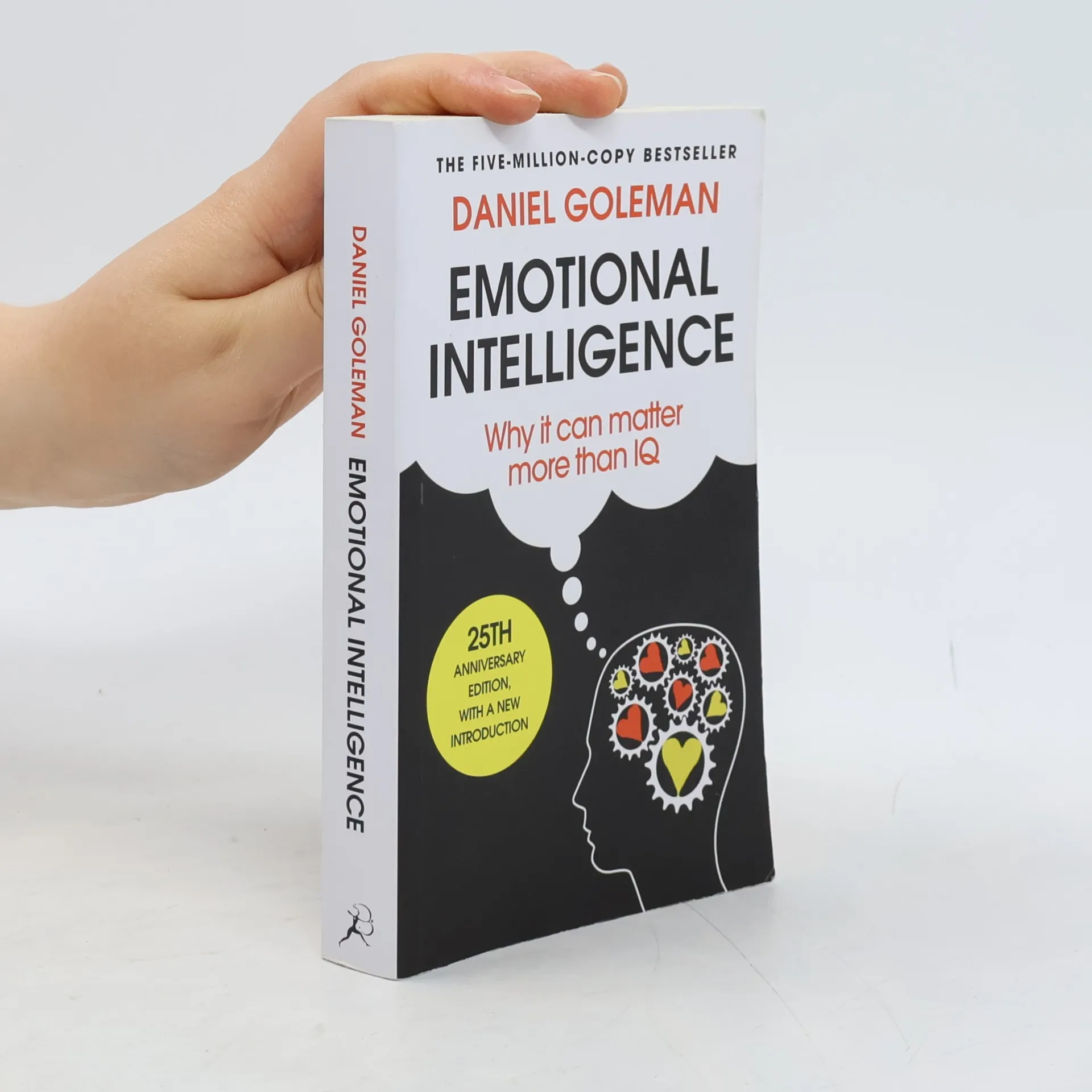
The groundbreaking bestseller that redefines intelligence and success Does IQ define our destiny? Daniel Goleman argues that our view of human intelligence is far too narrow, and that our emotions play major role in thought, decision making and individual success. Self-awareness, impulse control, persistence, motivation, empathy and social deftness are all qualities that mark people who excel: whose relationships flourish, who are stars in the workplace. With new insights into the brain architecture underlying emotion and rationality, Goleman shows precisely how emotional intelligence can be nurtured and strengthened in all of us.
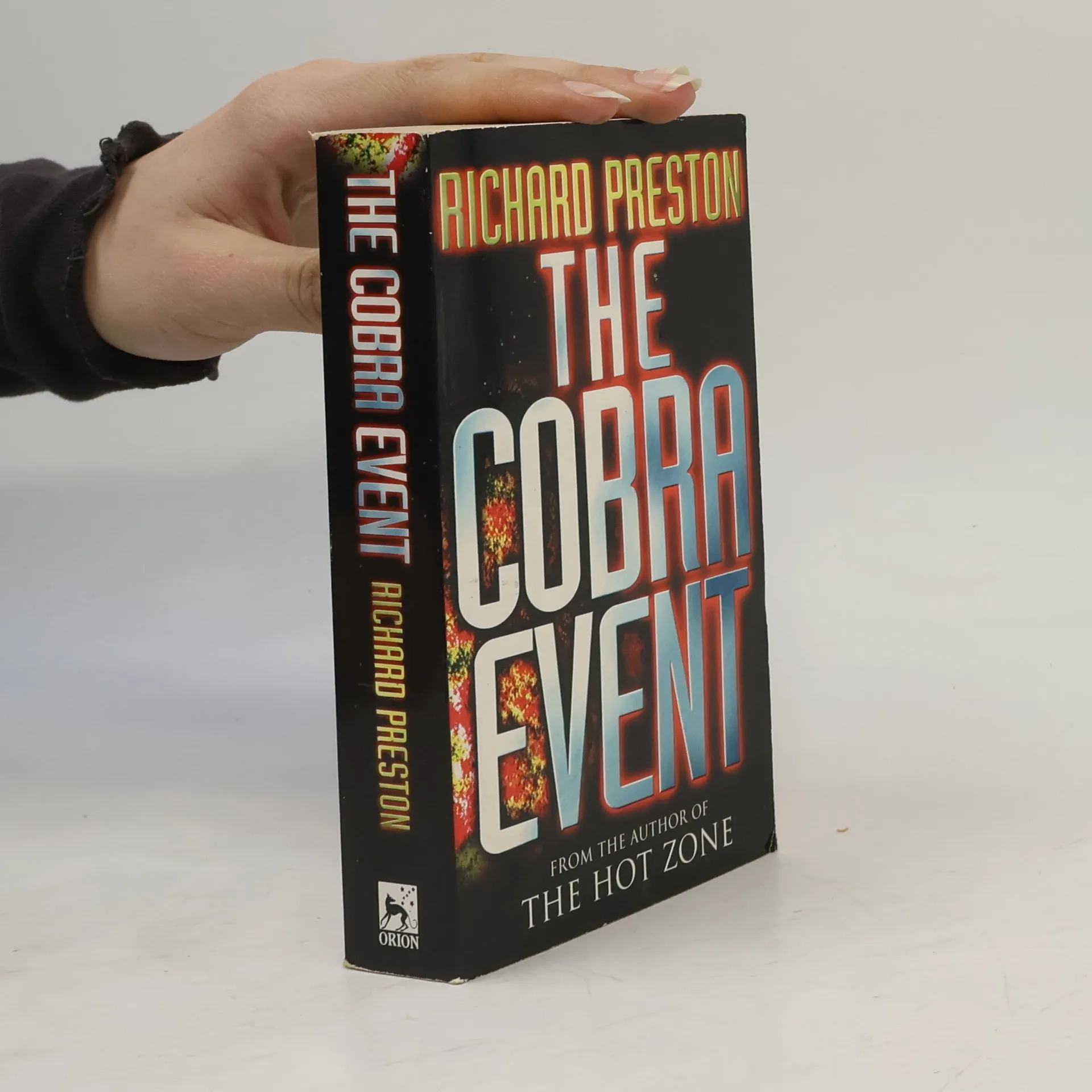
The Cobra Event is a chilling fictional narrative that explores the very real threat of biological terrorism. Seventeen-year-old Kate Moran dismisses the onset of a cold but soon experiences violent seizures and a horrific death. Following a similar fate befalling a homeless man, the Centers for Disease Control dispatches pathologist Alice Austen to investigate. She discovers a sinister plot by a man named Archimedes, who aims to unleash a deadly Cobra virus across New York City. As panic spreads, Austen and a secret FBI forensic team work urgently to uncover the terrorist's identity. The narrative's frightening premise is grounded in extensive research, as the author notes that the nonfiction roots of the story run deep. His sources include eyewitnesses familiar with biological weapons installations and experts in strategic bioweapons, though none would speak on the record. Interspersed throughout the novel are nonfiction segments that expose the grim realities of biological weapon development and covert operations in Russia and Iraq. The author conducted three years of research and over 100 interviews with high-level figures in the FBI, military, and scientific community, culminating in a work designed to shock and inform readers.
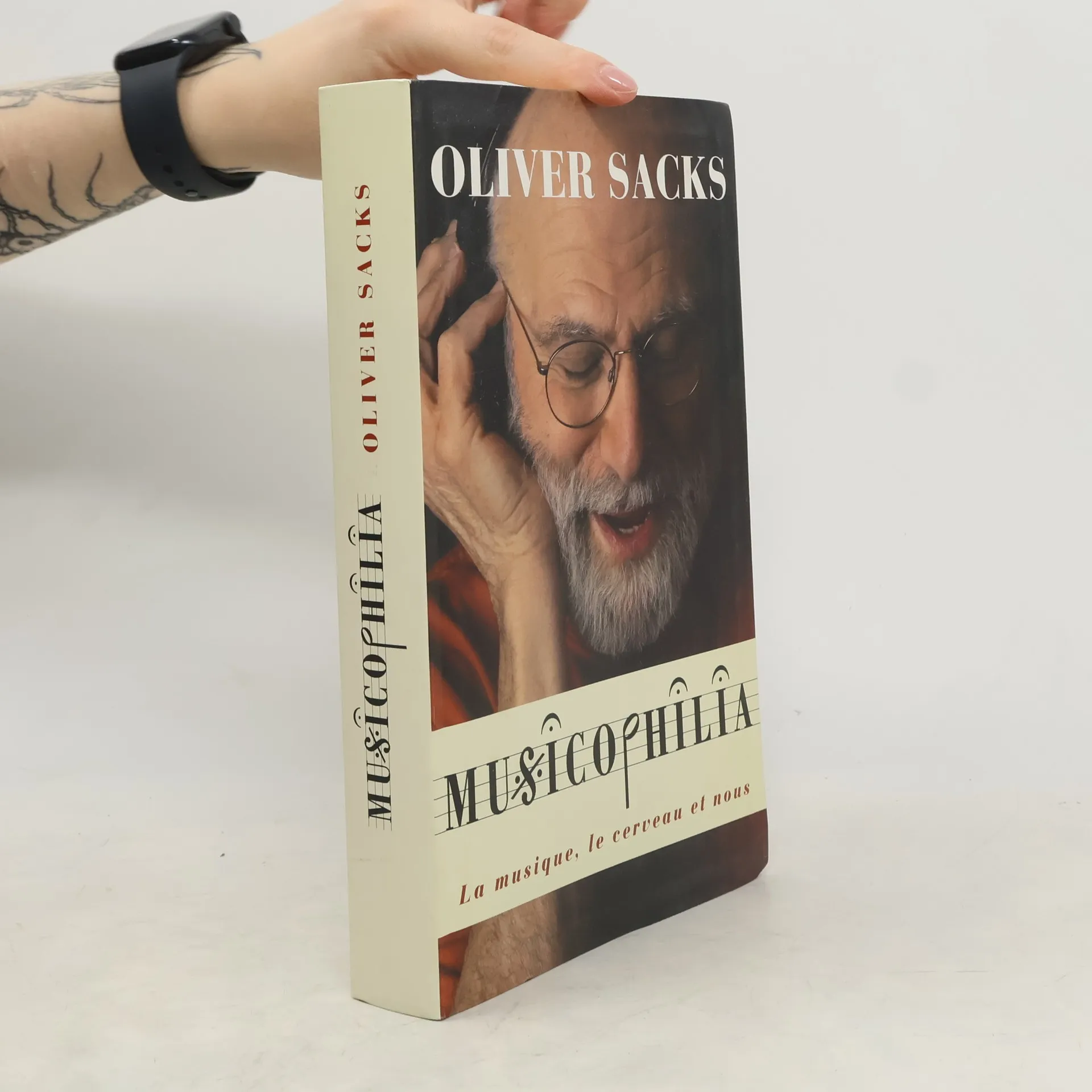
La musique peut nous émouvoir, nous inciter à danser, ou nous rendre tristes et nostalgiques. Quand on est un neurologue aussi compétent qu'Oliver Sacks, et surtout mélomane de longue date, comment peut-on comprendre et décrire ce pouvoir ? Plus d'aires cérébrales sont affectées au traitement de la musique qu'à celui du langage : l'homme est donc véritablement une espèce musicale. Et c'est en déployant une galerie de portraits - du chirurgien devenu pianiste après avoir été frappé par la foudre au frère manchot de Wittgenstein, en passant par les handicapés mentaux mélomanes - que l'auteur questionne les rapports du cerveau et de la musique. Notre dimension musicale est ici décrite dans son étendue et sa profondeur, d'un point de vue scientifique, philosophique et spirituel.
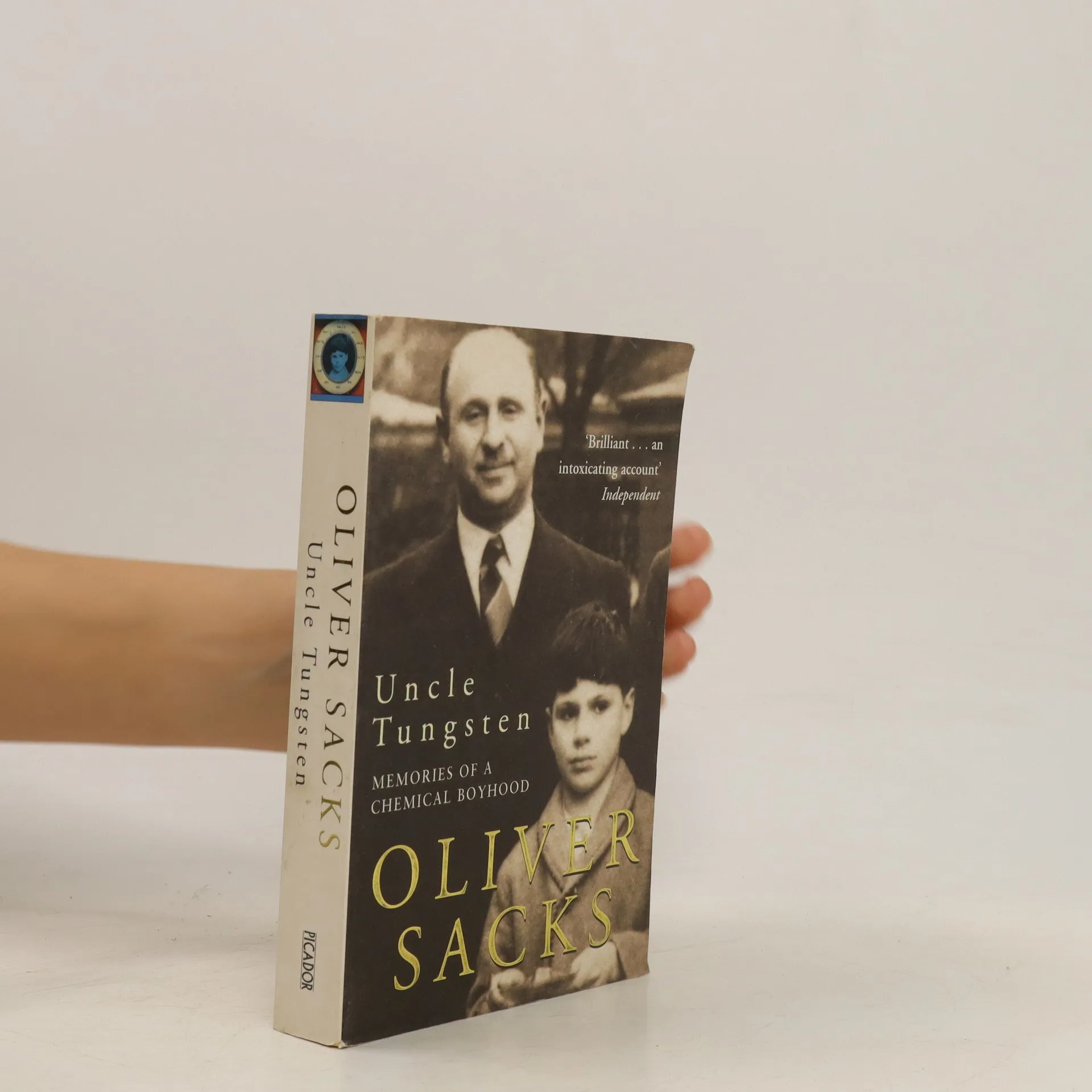
A memoir of the scientific wonder of youth by the distinguished neurologist and author describes his fascination with metals, gasses, and chemicals, especially "Uncle Tungsten," and with unravelling the complex mysteries of the world around him.
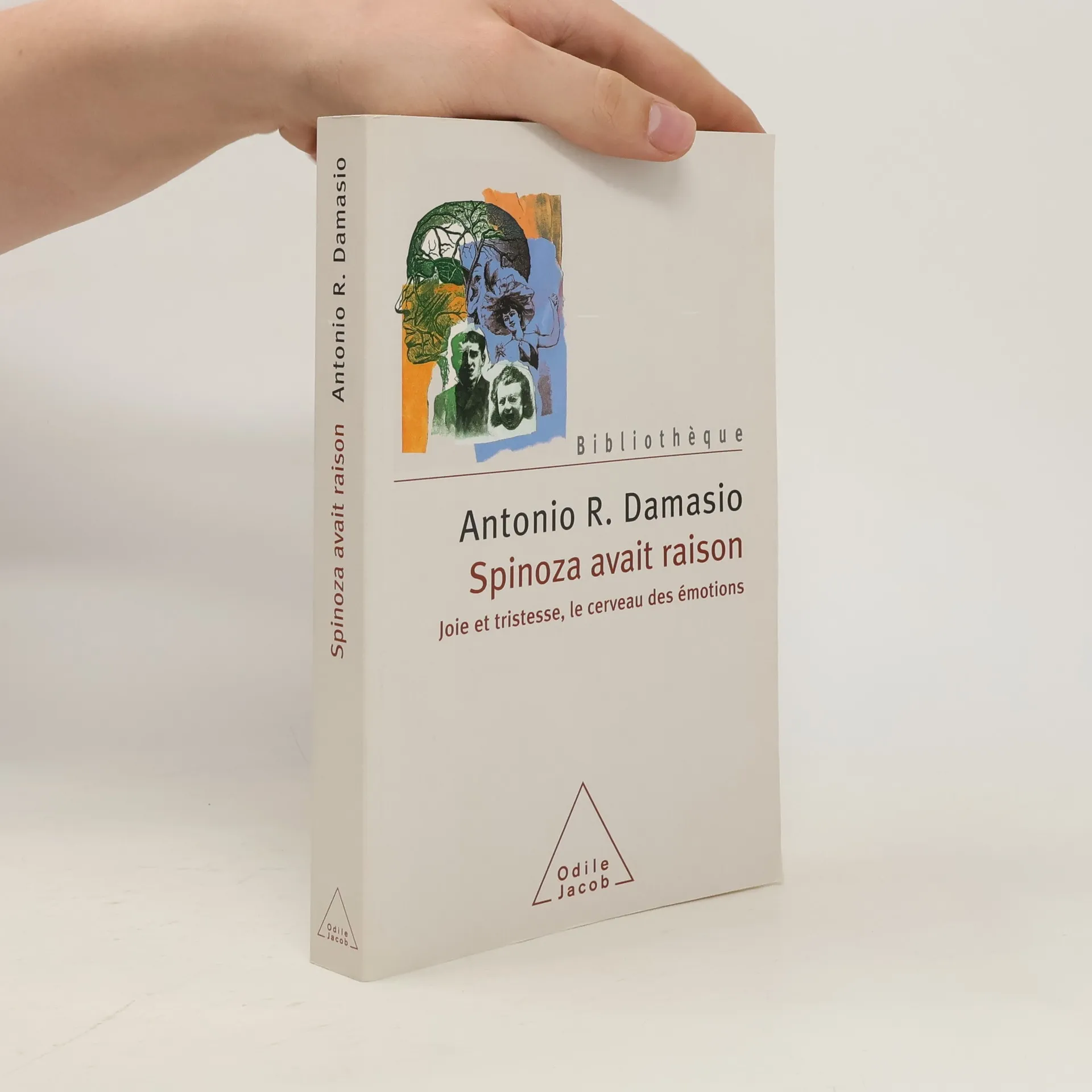
Qu'est-ce qu'une émotion et qu'est-ce qu'un sentiment ? Quelle en est leur valeur pour l'être humain? La joie et la tristesse en particulier sont les clés de notre survie et de notre bien-être. Non seulement les processus qui les expliquent préservent la vie en nous, mais ce sont elles qui nous motivent et nous aident à produire nos créations les plus admirables. Descartes a instauré la grande coupure entre le corps et l'esprit; Spinoza les a réunis et a su voir dans les émotions le fondement même de la survie et de la culture humaines. D'où ce voyage afin de découvrir le génie visionnaire de l'Éthique. Car c'est Spinoza qui préfigure le mieux ce que doit être pour Antonio R. Damasio la neurobiologie moderne de l'émotion, du sentiment et du comportement social. Elle fournit les concepts et les perspectives nécessaires au progrès de notre connaissance de nous-mêmes
Après son premier best-seller, Daniel Goleman se penche sur les vraies raisons de la réussite professionnelle. Là encore, il ne s'agit pas de Q.I., de diplômes ou d'expertise technique, mais bien de nos aptitudes émotionnelles. Il nous aide à améliorer nos compétences personnelles - le self-control, la motivation, l'intégrité - et nos compétences sociales - la capacité de communiquer, d'évoluer, de stimuler les autres - en nous apprenant à gérer nos émotions dans le cadre du travail. Pour nous permettre de nous épanouir pleinement dans notre vie professionnelle.
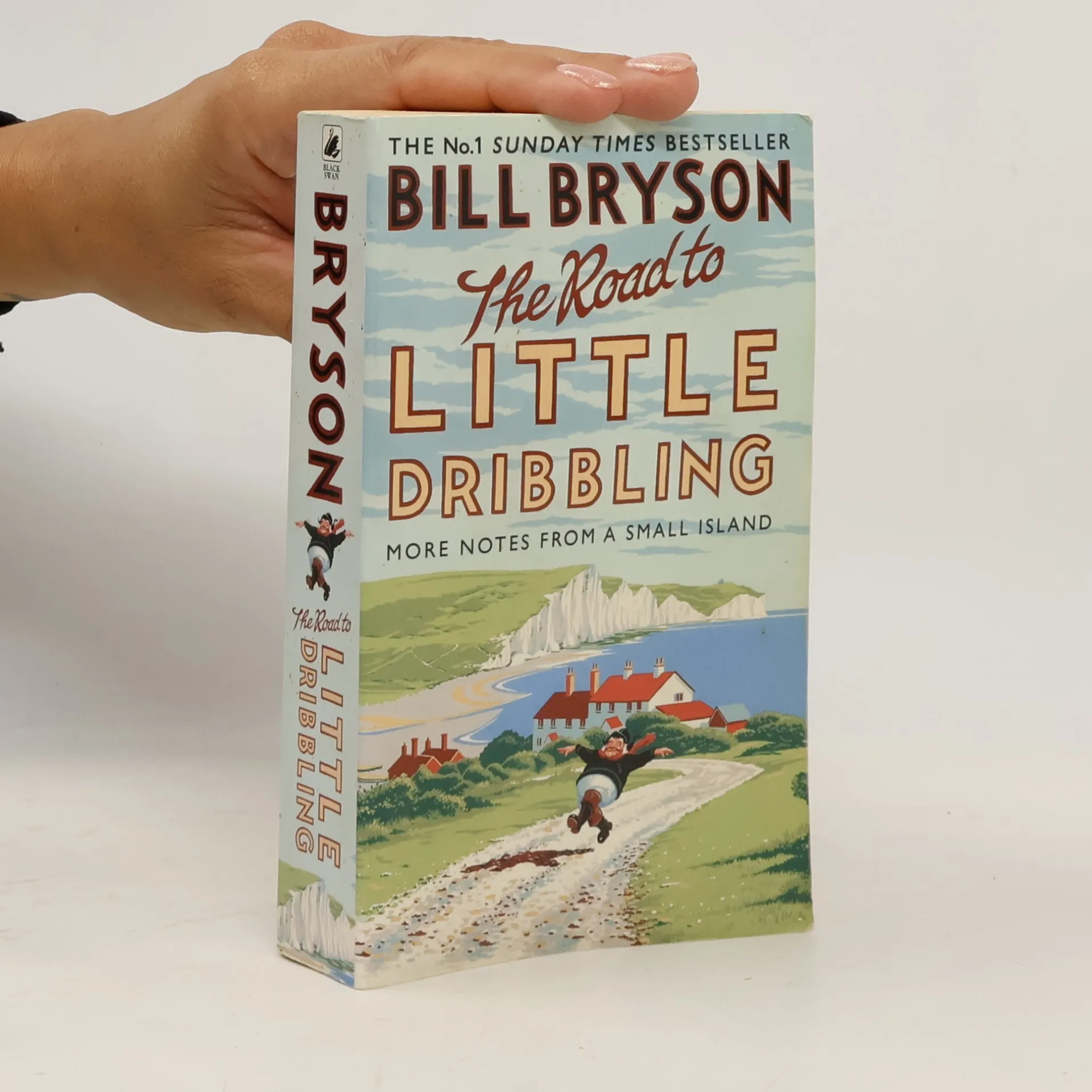
Twenty years ago, Bill Bryson went on a trip around Britain to celebrate the green and kindly island that had become his adopted country. The hilarious book that resulted, Notes from a Small Island, was taken to the nation's heart and became the bestselling travel book ever, and was also voted in a BBC poll the book that best represents Britain.Now, to mark the twentieth anniversary of that modern classic, Bryson makes a brand-new journey round Britain to see what has changed. Following (but not too closely) a route he dubs the Bryson Line, from Bognor Regis to Cape Wrath, by way of places that many people never get to at all, Bryson sets out to rediscover the wondrously beautiful, magnificently eccentric, endearingly unique country that he thought he knew but doesn't altogether recognize any more. Yet, despite Britain's occasional failings and more or less eternal bewilderments, Bill Bryson is still pleased to call our rainy island home. And not just because of the cream teas, a noble history, and an extra day off at Christmas. Once again, with his matchless homing instinct for the funniest and quirkiest, his unerring eye for the idiotic, the endearing, the ridiculous and the scandalous, Bryson gives us an acute and perceptive insight into all that is best and worst about Britain today.
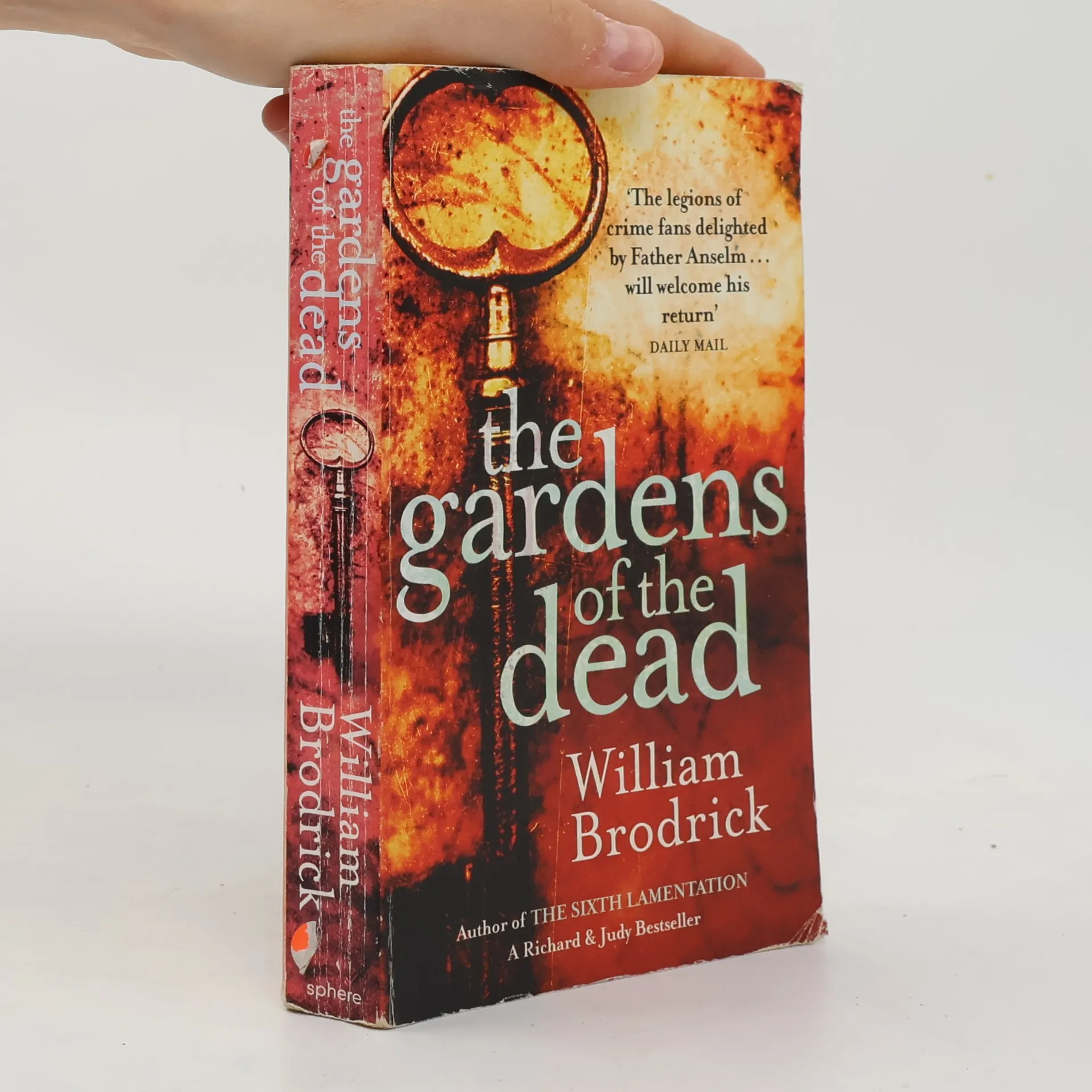
When Elizabeth Glendinning QC dies of a sudden heart attack while making a desperate phone call to the police, her colleagues and family are devastated and mystified. What was she doing in east London at the time of her death, and what was she trying to tell Inspector Cartwright in her last phone call?