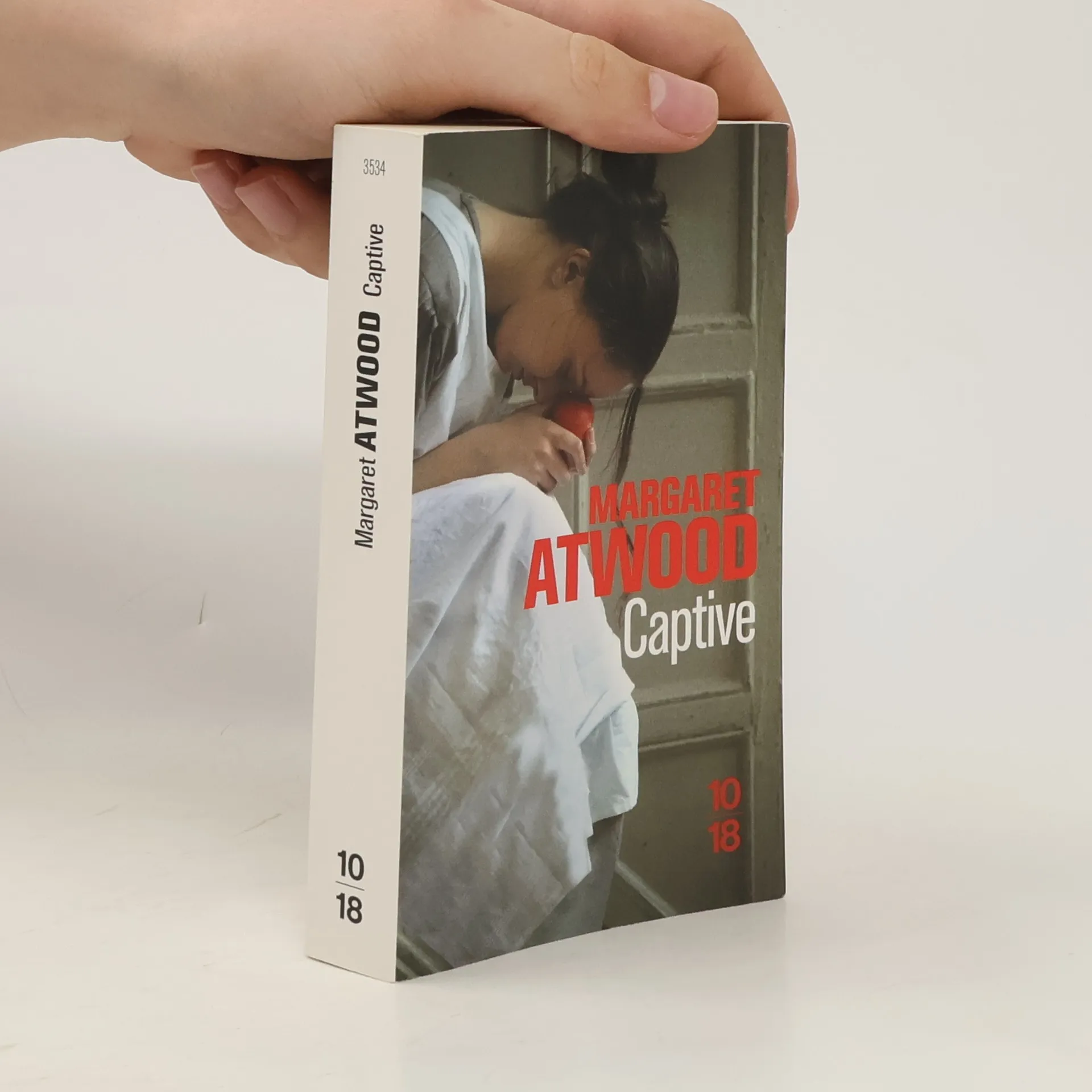
"1859 : Grace Marks, condamnée à perpétuité, s'étiole dans un pénitencier canadien. A l'âge de seize ans, Grace a été accusée de deux horribles meurtres. Personne n'a jamais su si elle était coupable, innocente ou folle. Lors de son procès, après avoir donné trois versions des faits, Grace s'est murée dans le silence : amnésie ou dissimulation ? Le docteur Simon Jordan veut découvrir la vérité. Gagnant sa confiance, Jordan découvre peu à peu la personnalité de Grace, qui ne semble ni démente ni criminelle. Mais pourquoi lui cache-t-elle les troublants rêves qui hantent ses nuits ? Inspiré d'un sanglant fait divers qui a bouleversé le Canada du XIXe siècle, Margaret Atwood nous offre un roman baroque où le mensonge etla vérité se jouent sans fin du lecteur."--Résumé de l'éditeur
Tjadine Stheeman Livres




Le Portrait de mariage
- 416pages
- 15 heures de lecture
Après Hamnet, Maggie O'Farrell nous entraîne dans la Renaissance italienne pour redonner vie à une femme libre, rebelle, incomprise. Portée par une écriture d'une beauté inouïe, une oeuvre lumineuse et poignante. C'est un grand jour à Ferrare. On y célèbre les noces du duc Alfonso et de Lucrèce de Médicis. La fête est extravagante et la foule n'a d'yeux que pour le couple. La mariée a quinze ans. Rien ne l'avait préparée à ce rôle. Elle n'était que la troisième fille du grand duc de Toscane, la discrète, la sensible, celle dont ses parents ne savaient que faire. Mais le décès soudain de soeur aînée a changé son histoire. La fête est finie, Lucrèce est seule dans un palais immense et froid. Seule face aux intrigues de la cour. Seule face à cet homme aussi charismatique que terrifiant qu'est son mari. Et tandis que Lucrèce pose pour le portrait de mariage qui figera son image pour l'éternité, elle voit se dessiner ce que l'on attend d'elle : donner vie à un héritier. Son propre destin en dépend... [Payot]
Extrêmement fort et incroyablement près
- 512pages
- 18 heures de lecture
Oskar, 9 ans, est surdoué, ultrasensible, fou d’astrophysique, fan des Beatles et collectionneur de cactées miniatures. Son père est mort dans les attentats du World Trade Center en lui laissant une clé. Persuadé qu’elle expliquera cette disparition injuste, le jeune garçon recherche la serrure qui lui correspond. Sa quête désespérée l’entraîne aux quatre coins de la ville où règne le climat délétère de l’après 11 septembre.
The Sea Cloak
- 106pages
- 4 heures de lecture
The Sea Cloak is a collection of 14 stories by the author, journalist, and women's rights campaigner, Nayrouz Qarmout. Drawing from her own experiences growing up in a Syrian refugee camp, as well as her current life in Gaza, these stories stitch together a patchwork of different perspectives into what it means to be a woman in Palestine today. Whether following the daily struggles of orphaned children fighting to survive in the rubble of recent bombardments, or mapping the complex, cultural tensions between different generations of refugees in wider Gazan society, these stories offer rare insights into one of the most talked about, but least understood cities in the Middle East. Taken together, the collection affords us a local perspective on a global story, and it does so thanks to a cast of (predominantly female) characters whose vantage point is rooted, firmly, in that most cherished of things, the home.
Alain de Botton pairs six philosophers - Socrates, Epicurus, Seneca, Montaigne, Schopenhauer and Nietzsche - with six everyday problems to which they are able to give the most helpful and fascinating answers.
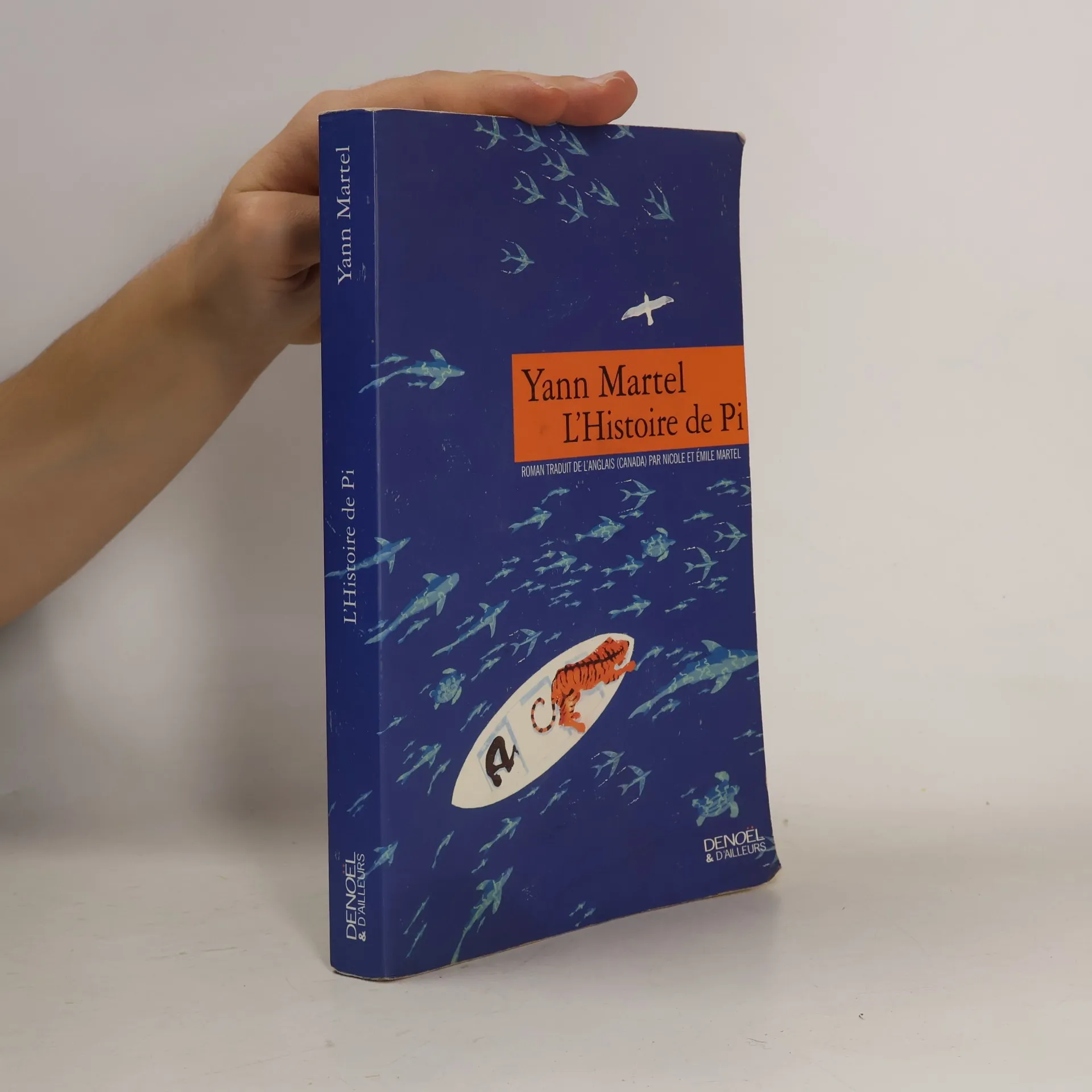
Piscine Molitor Patel, dit Pi, est fils du directeur du zoo de Pondichéry. Lorsque son père décide de quitter l'Inde, la famille liquide ses affaires et embarque, accompagné d'une étonnante ménagerie, sur un cargo japonais : direction le Canada. Le navire fait naufrage, et Pi se retrouve seul survivant à bord d'un canot de sauvetage. Seul, ou presque... Richard Parker, splendide tigre du Bengale, est aussi du voyage. Comment survit-on pendant 227 jours en tête à tête avec un fauve de trois cents kilos ? C'est l'incroyable histoire de Pi Patel. Fable métaphysique, roman d'aventures, L'Histoire de Pi - vendu à plus de quatre millions d'exemplaires dans le monde - est un miracle tant littéraire que commercial. Lauréat du Man Booker Prize 2002.
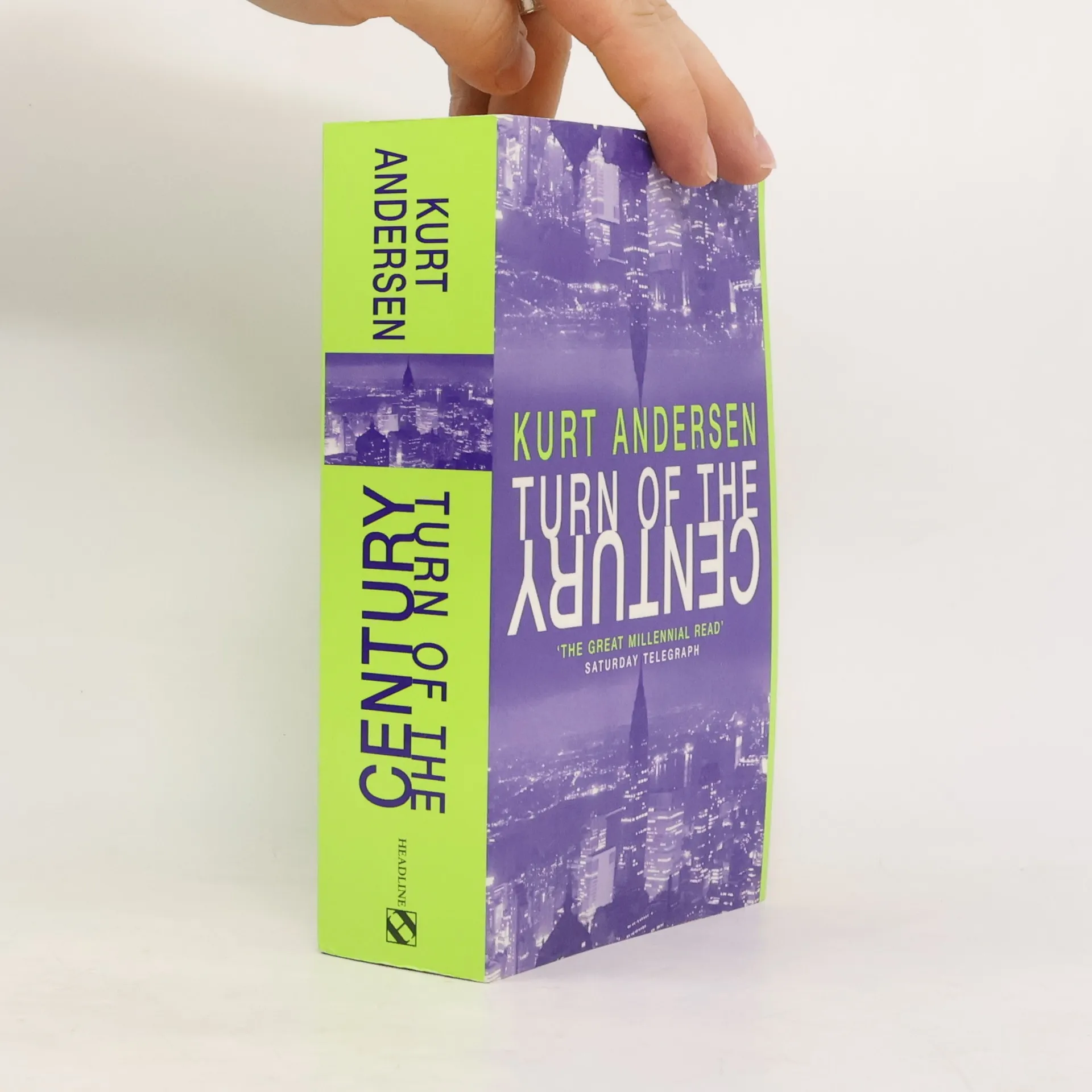
Turn of the Century. Tollhaus der Möglichkeiten, engl. Ausgabe
- 736pages
- 26 heures de lecture
Kurt Andersen's Millennium novel mirrors Tom Wolfe's "Bonfire of the Vanities," depicting a year in the life of a New York family while offering a satirical glimpse into America's potential future, focusing on media and big business.
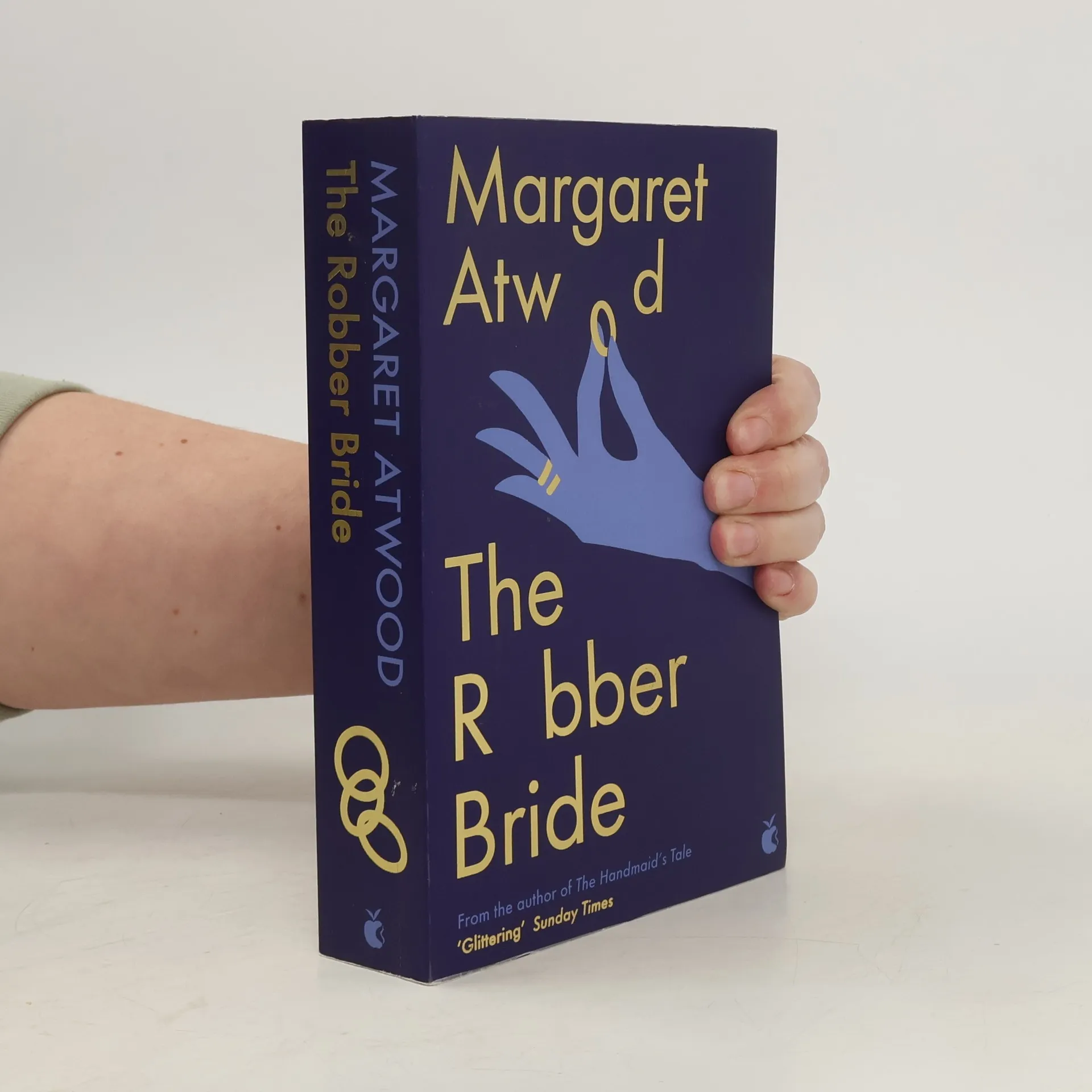
The Robber Bride
- 576pages
- 21 heures de lecture
By the author of The Handmaid's Tale and Alias Grace Zenia is beautiful, smart and greedy, by turns manipulative and vulnerable, needy and ruthless; a man's dream and a woman''s nightmare. She is also dead. Just to make sure Tony, Roz andd Charis are there for the funeral. But five years on, as the three women share an indulgent, sisterly lunch, the unthinkable happens; 'with waves of ill will flowing out of her like cosmic radiation', Zenia is back...
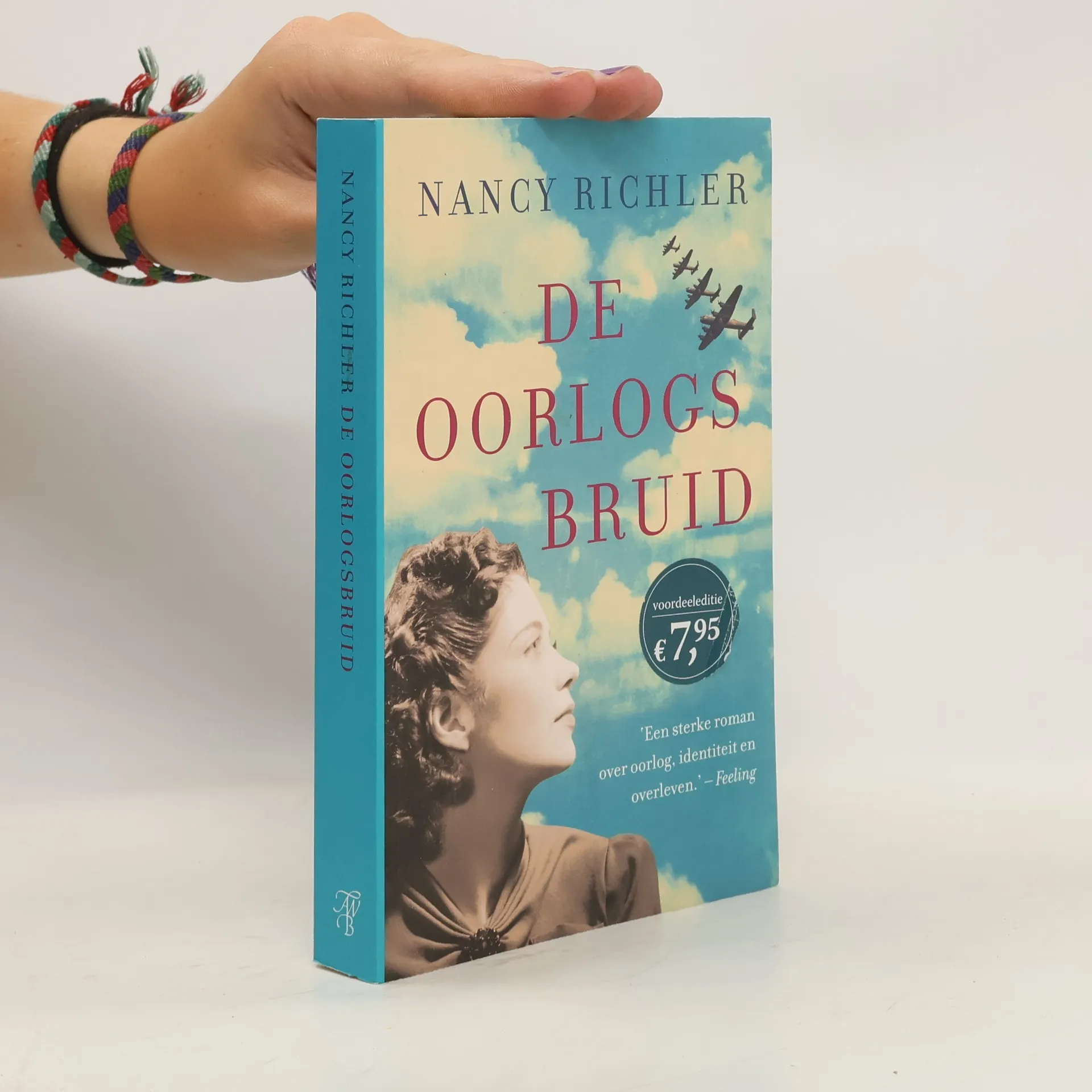
Een jonge, mysterieuze vrouw komt net na de Tweede Wereldoorlog in Montreal aan, in de verwachting te trouwen met Sol Kramer. Maar wanneer Sol haar ziet staan op het station, wijst hij haar af. Uit medelijden trouwt zijn broer Nathan met haar. Al snel wordt duidelijk dat Lily Azerov niet degene is die ze beweert te zijn. Ze verdwijnt spoorloos en laat haar man en pasgeboren dochtertje verbijsterd achter met slechts een dagboek en een grote ongeslepen diamant. Wie is Lily en wat is er gebeurd met de jonge vrouw wier identiteit ze heeft gestolen? Waarom is ze weggegaan en waarheen? Jaren later wil Ruth het antwoord op deze vragen weten en begint aan een zoektocht naar haar moeder.
What Dementia Teaches Us about Love
- 272pages
- 10 heures de lecture
After her own father's death from dementia, the writer and campaigner Nicci Gerrard set out to explore the illness that now touches millions of us, yet which we still struggle to speak about. What is it to be oneself, and what is it to lose one's self. Who are we when we are not ourselves, and where do we go? This is book is an attempt to understand thorough a touching exploration of dementia, structured around the stages of the disease from the outside and, as far as possible, from the inside as well. Full of people's stories, both sad and optimistic, it is a journey into the dusk and then the darkness - and then out on to the other side, where, once someone is dead, a life can be seen whole again.
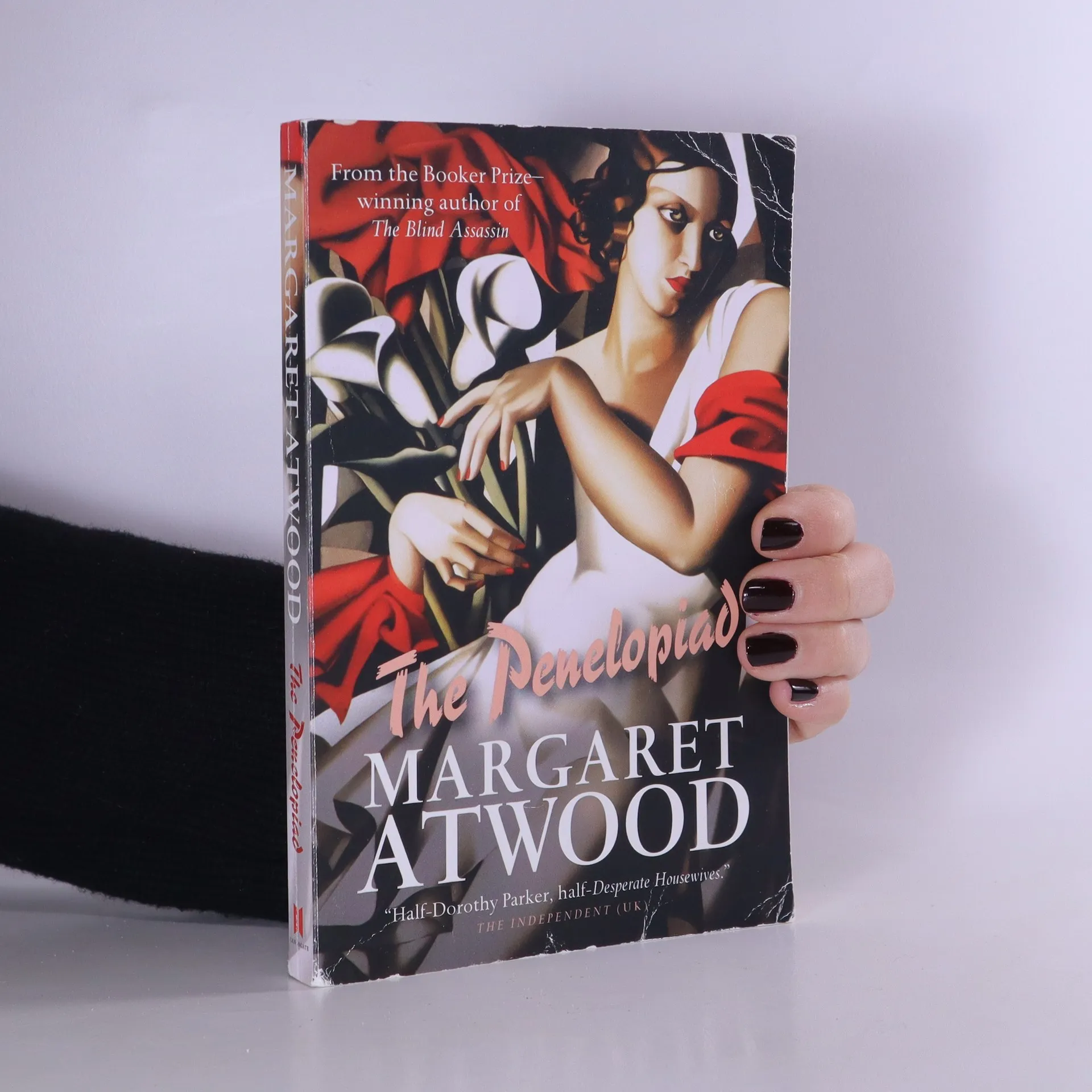
Now that all the others have run out of air, it's my turn to do a little story-making.In Homer's account in The Odyssey, Penelope—wife of Odysseus and cousin of the beautiful Helen of Troy—is portrayed as the quintessential faithful wife, her story a salutary lesson through the ages. Left alone for twenty years when Odysseus goes off to fight in the Trojan War after the abduction of Helen, Penelope manages, in the face of scandalous rumors, to maintain the kingdom of Ithaca, bring up her wayward son, and keep over a hundred suitors at bay, simultaneously. When Odysseus finally comes home after enduring hardships, overcoming monsters, and sleeping with goddesses, he kills her suitors and—curiously—twelve of her maids.In a splendid contemporary twist to the ancient story, Margaret Atwood has chosen to give the telling of it to Penelope and to her twelve hanged maids, asking: "What led to the hanging of the maids, and what was Penelope really up to?" In Atwood's dazzling, playful retelling, the story becomes as wise and compassionate as it is haunting, and as wildly entertaining as it is disturbing. With wit and verve, drawing on the story-telling and poetic talent for which she herself is renowned, she gives Penelope new life and reality—and sets out to provide an answer to an ancient mystery.
The Girls
- 336pages
- 12 heures de lecture
Nord de la Californie, fin des années 1960. Evie Boyd, quatorze ans, vit seule avec sa mère. Fille unique et mal dans sa peau, elle n'a que Connie, son amie d'enfance. Lorsqu'une dispute les sépare au début de l'été, Evie se tourne vers un groupe de filles dont la liberté, les tenues débraillées et l'atmosphère d'abandon qui les entoure la fascinent. Elle tombe sous la coupe de Suzanne, l'aînée de cette bande, et se laisse entraîner dans le cercle dune secte et de son leader charismatique, Russell. Caché dans les collines, leur ranch est aussi étrange que délabré, mais, aux yeux de l'adolescente, il est exotique, électrique, et elle veut à tout prix s y faire accepter. Tandis qu elle passe de moins en moins de temps chez sa mère et que son obsession pour Suzanne va grandissant, Evie ne s'aperçoit pas quelle s'approche inéluctablement dune violence impensable. Dense et rythmé, le premier roman d Emma Cline est saisissant de perspicacité psychologique. Raconté par une Evie adulte mais toujours cabossée, il est un portrait remarquable des filles comme des femmes qu'elles deviennent.
22 Britannia Road
- 444pages
- 16 heures de lecture
22 Britannia Road : c'est ici que, au lendemain de la Seconde Guerre mondiale, Janusz, soldat polonais réfugié en Angleterre, s'apprête à retrouver sa femme Silvana et leur fils Aurek. Mais après sept ans de séparation, comment renouer le fil ? Et si l'amour n'était plus là ? Silvana a beau répéter que "le temps ne change rien", l'exode, la faim et la souffrance ont imprimé de la tristesse dans ses yeux, et Aurek considère son père comme un étranger. La guerre a laissé bien des traces, et semé des secrets, qui pourraient achever de détruire cette famille.
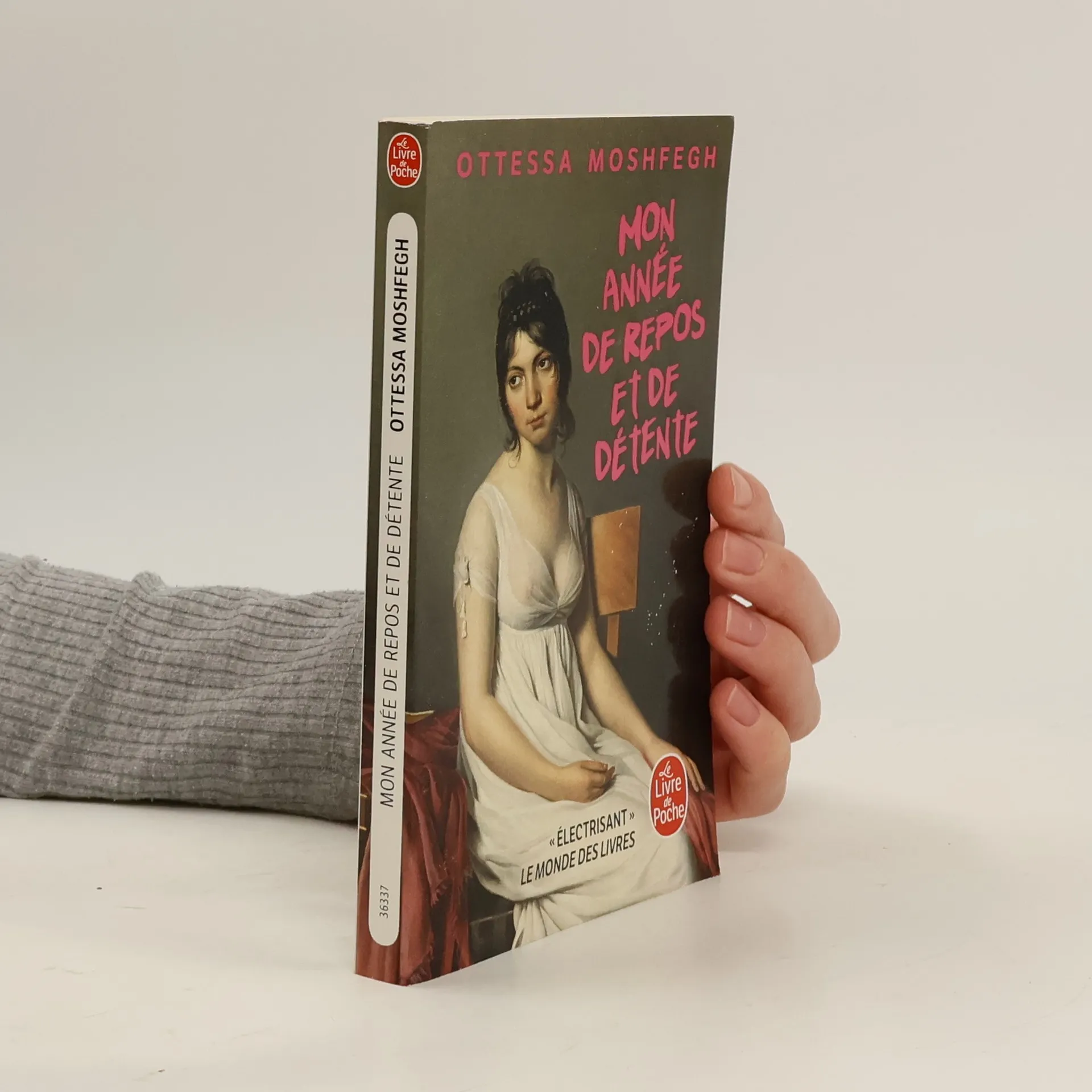
Mon année de repos et de détente
- 320pages
- 12 heures de lecture
Jeune, belle, riche, fraîchement diplômée de l’université de Columbia, l’héroïne du nouveau roman d’Ottessa Moshfegh décide de tout plaquer pour entamer une longue hibernation en s’assommant de somnifères. Tandis que l’on passe de l’hilarité au rire jaune en découvrant les tribulations de cette Oblomov de la génération Y qui somnole d’un bout à l’autre du récit, la romancière s’attaque aux travers de son temps avec une lucidité implacable, et à sa manière, méchamment drôle.
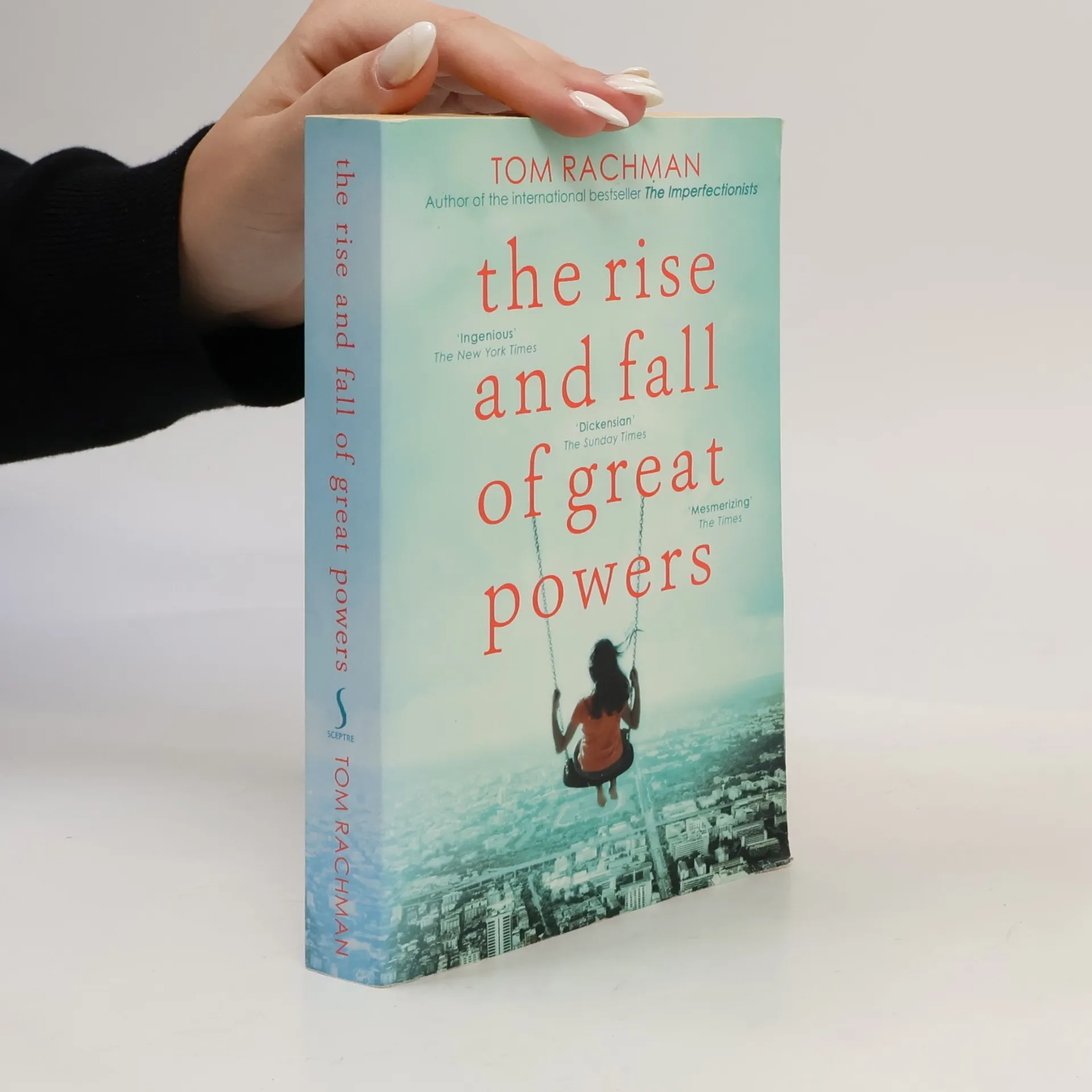
The Rise and Fall of Great Powers
- 406pages
- 15 heures de lecture
Tooly Zylberberg, the American owner of an isolated bookshop in the Welsh countryside, conducts a life full of reading, but with few human beings. Books are safer than people, who might ask awkward questions about her life. She prefers never to mention the strange events of her youth, which mystify and worry her still. Taken from home as a girl, Tooly found herself spirited away by a group of seductive outsiders, implicated in capers from Asia to Europe to the United States.
You Know You Want This
- 240pages
- 9 heures de lecture
From the author of the global sensation Cat Person comes You Know You Want This, a compulsive short story collection about sex, dating and modern life that will thrill you before it chills you. You Know You Want This is about the ways in which women are horrifying as much as it is about the horrors that are done to them. There's a couple who becomes obsessed with their friend hearing them have sex, then seeing them have sex... until they can't have sex without him; a woman who finds a book of spells half hidden at the library and summons her heart's desire: a nameless, naked man; a ten-year-old whose birthday party takes a sinister turn when she wishes for "something mean"; and a self-proclaimed "biter" who dreams of sneaking up behind and sinking her teeth into a green-eyed, long-haired, pink-cheeked coworker. Though the stories span a range of genres--covering territory from the mundane to the murderous and supernatural--they are all, in the end, horror stories. They are stories about sex and punishment, guilt and anger, the pleasure and terror of inflicting and experiencing pain. They fascinate and repel, revolt and arouse, scare and delight in equal measure. And, as a collection, they point a finger at the reader, daring them to feel uncomfortable... or, worse, understood, as if to say, "You want this, right? You know you want this."
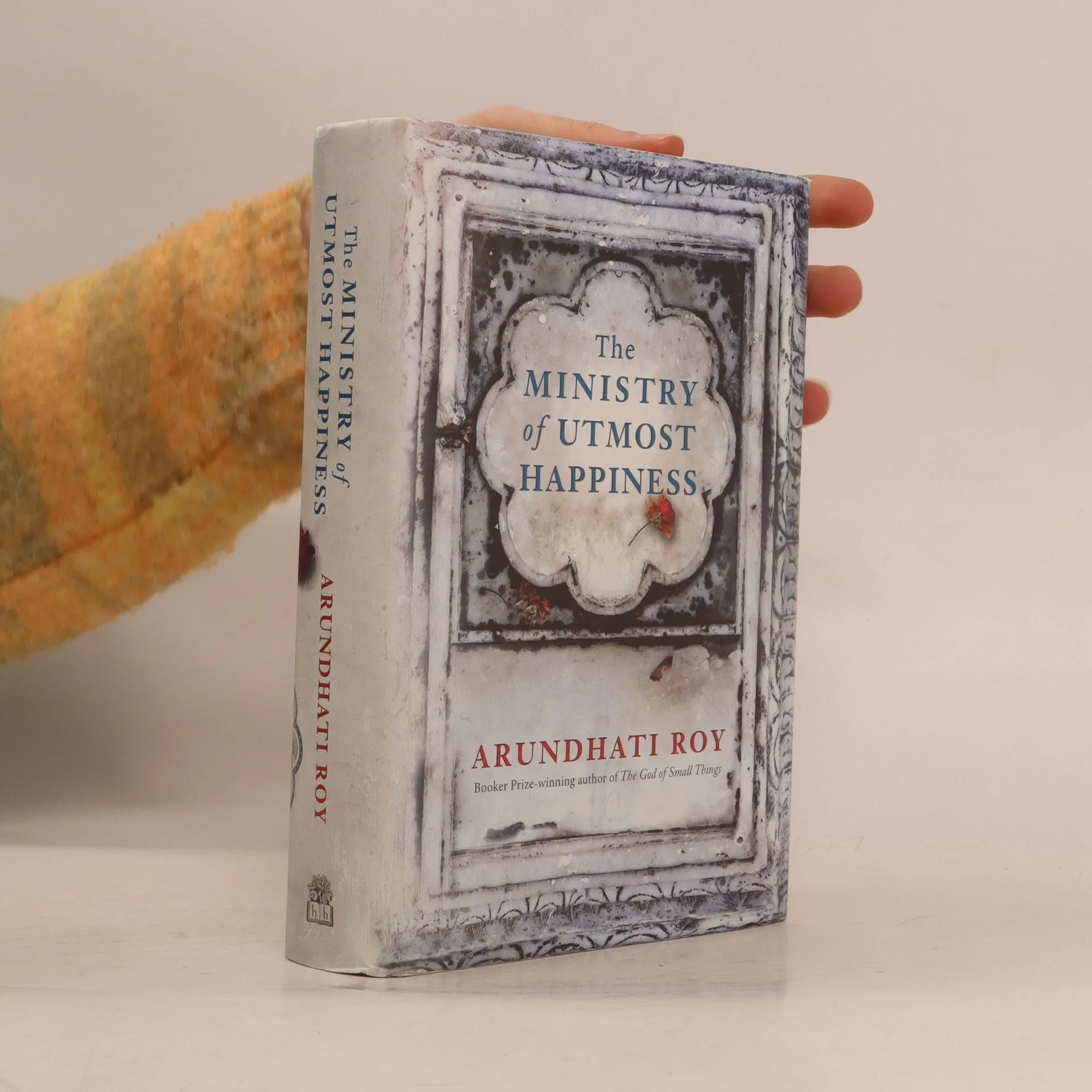
The Ministry of Utmost Happiness
- 464pages
- 17 heures de lecture
'How to tell a shattered story? By slowly becoming everybody. No. By slowly becoming everything.'In a city graveyard, a resident unrolls a threadbare Persian carpet between two graves. On a concrete sidewalk, a baby appears quite suddenly, a little after midnight, in a crib of litter. In a snowy valley,a father writes to his five-year-old daughter about the number of people that attended her funeral.And in the Jannat Guest House, two people who've known each other all their lives sleep with their arms wrapped around one another as though they have only just met. Here is a cast of unforgettable characters caught up in the tide of history. Told with a whisper, with a shout, with tears and with laughter, it is a love story and a provocation. Its heroes, present and departed, human and animal, have been broken by the world we live in and then mended by love -- and for this reason, they will never surrender.
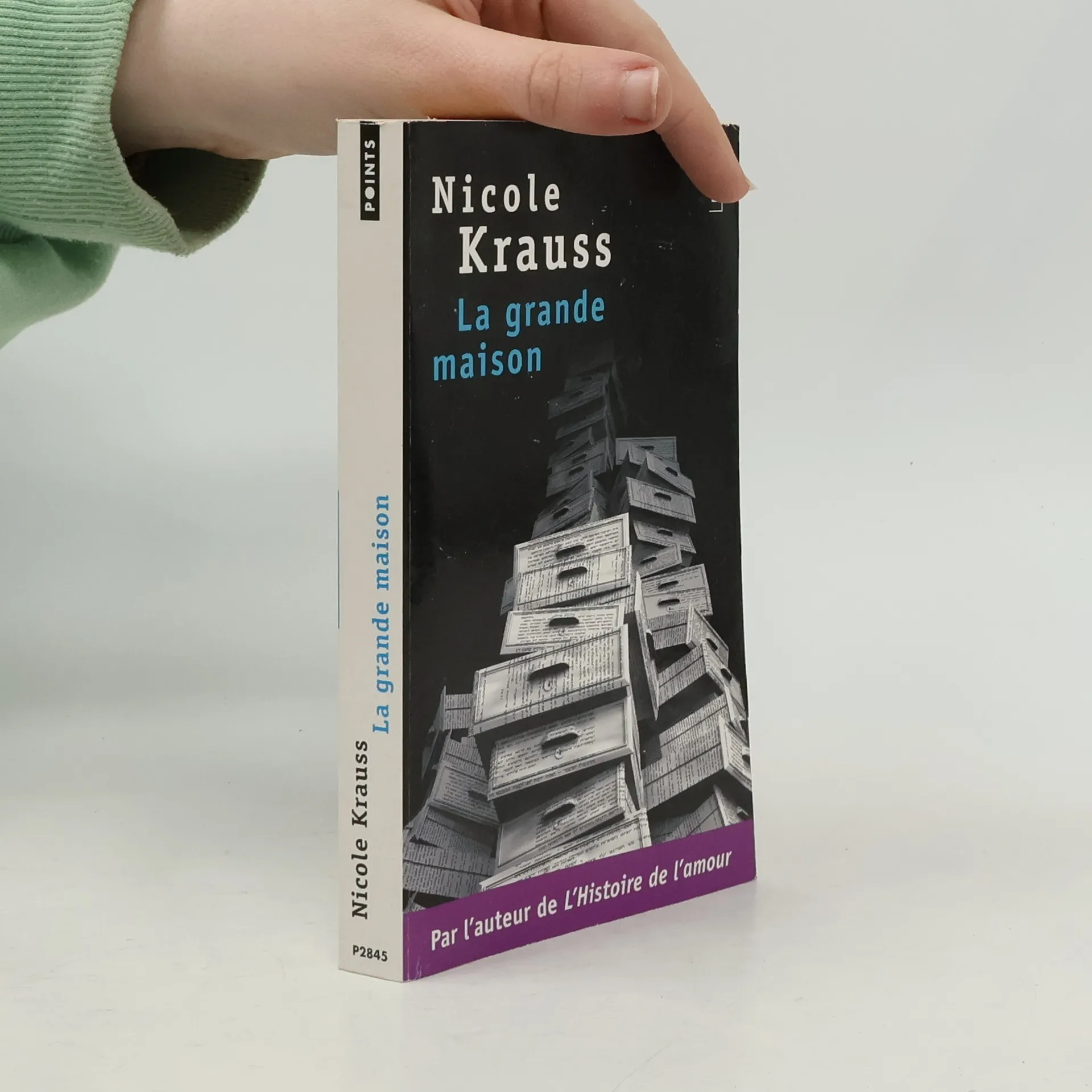
La grande maison
- 405pages
- 15 heures de lecture
À New York, un poète, Daniel Varsky, confie à une jeune romancière, Nadia, un bureau très particulier : ce meuble imposant (il possède 19 tiroirs) et entouré d’une véritable légende (il aurait appartenu à Federico Garcia Lorca) semble posséder une âme. Plus de vingt ans après, la fille de Daniel vient réclamer son héritage. À Londres, Arthur Bender doit affronter la mort de sa femme. Dans ses papiers, il découvre que celle qu’il croyait si bien connaître lui a caché toute une partie de sa vie. À Oxford, Isabelle, une américaine venue étudier en Angleterre, tombe amoureuse du fils d’un étrange antiquaire qui oeuvre pour la restitution des biens juifs confisqués par les Nazis. À Jérusalem, un père s’adresse à son fils, Dov, qu’il a tenté d’empêcher par tous les moyens de devenir écrivain, par peur des liens éternels entre souffrance et écriture. Trois villes, quatre histoires, un bureau : construit autour du secret et de la mémoire, ce roman à tiroirs célèbre le pouvoir du Livre et la puissance de la littérature.
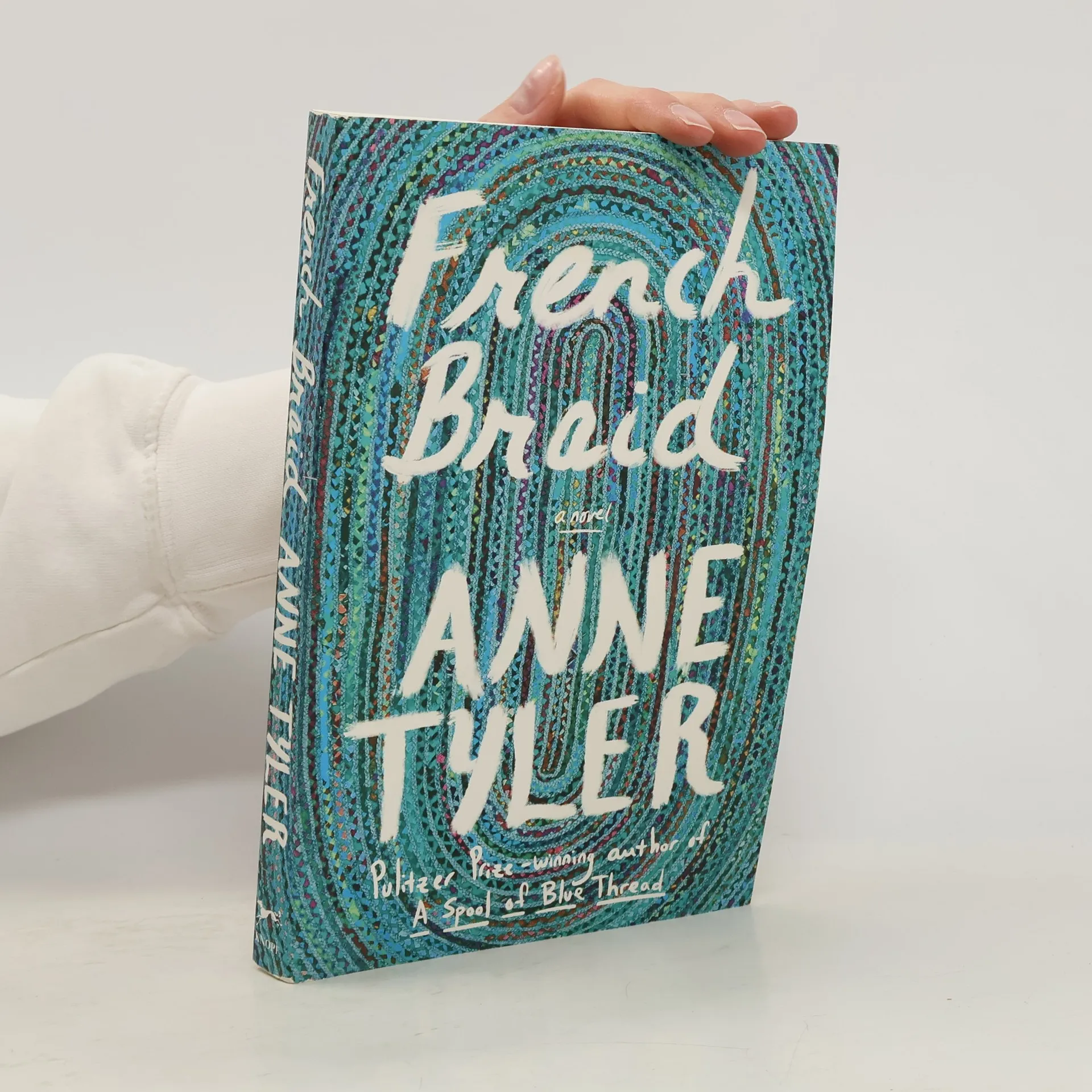
French Braid
- 256pages
- 9 heures de lecture
The Garretts take their first and last family vacation in the summer of 1959. They hardly ever venture beyond Baltimore, but in some ways they have never been farther apart. Mercy has trouble resisting the siren call of her aspirations to be a painter, which means less time keeping house for her husband, Robin. Their teenage daughters, steady Alice and boy-crazy Lily, could not have less in common. Their youngest, David, is already intent on escaping his familys orbit, for reasons none of them understand. Yet, as these lives advance across decades, the Garretts influences on one another ripple ineffably but unmistakably through each generation. Full of heartbreak and hilarity, French Braid is classic Anne Tyler: a stirring, uncannily insightful novel of tremendous warmth and humor that illuminates the kindnesses and cruelties of our daily lives, the impossibility of breaking free from those who love us, and how closeyet how unknowableevery family is to itself
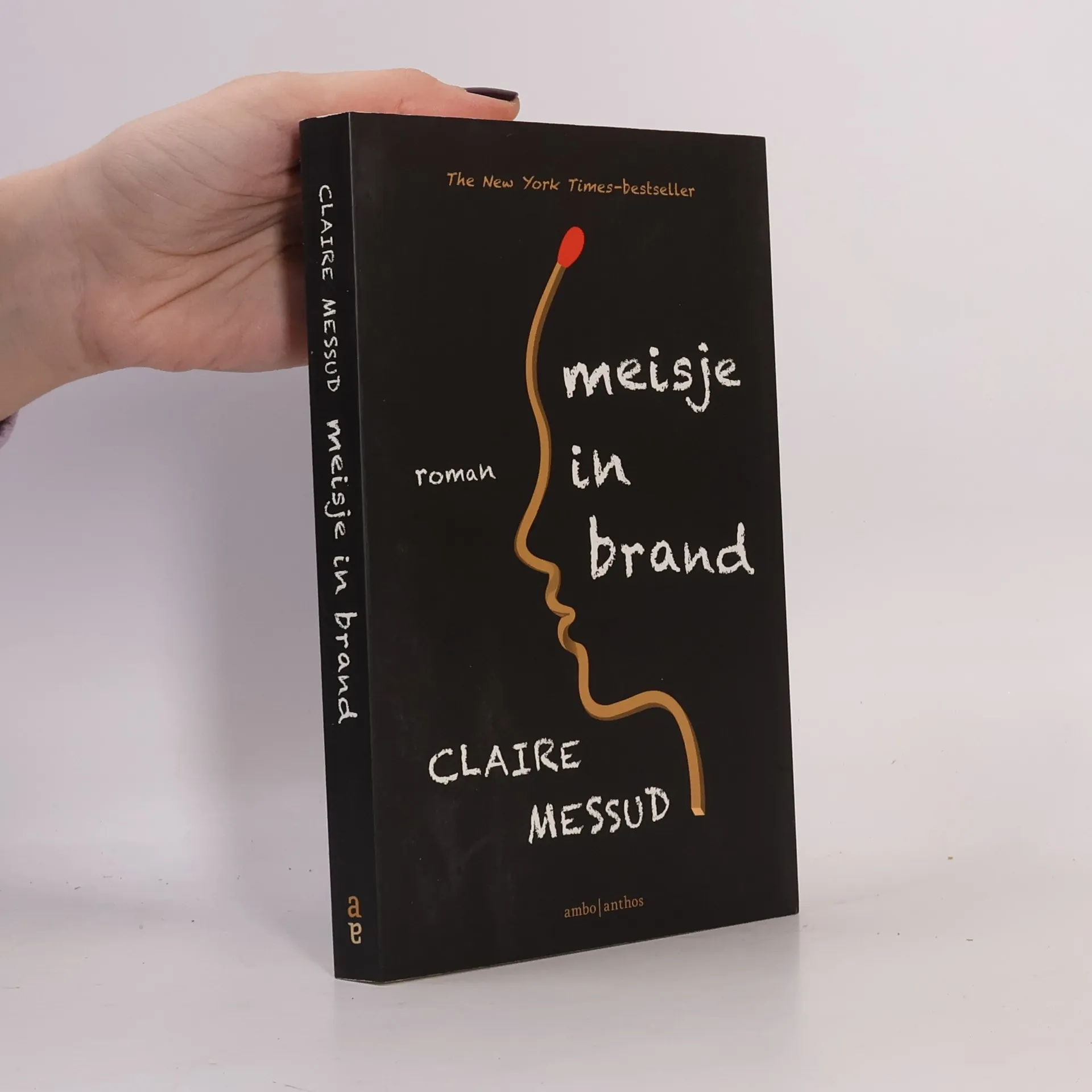
Meisje in brand
- 208pages
- 8 heures de lecture
Julia Robertson en Cassie Burnes zijn als sinds de kleuterklas bevriend; een vriendschap waarin ze alles met elkaar delen, ook de wens om te vertrekken uit hun geboortestad Royston, Massachusetts. Naarmate de meisjes ouder worden, tekenen de verschillen zich af. Julia lijkt voorbestemd een typische middenklasseburger te worden: ze doet haar best op school en omringt zich met verstandige vriendinnen. Cassie heeft echter een steeds turbulentere relatie met haar alleenstaande moeder, Bev, en wordt beschouwd als de rotte appel. Wanneer Bev een nieuwe man ontmoet, wordt de toekomst van Cassie ongewisser, terwijl Julia’s pad steeds duidelijkere contouren krijgt. Ze kan niet anders dan toekijken hoe Cassie, die ze ooit beter kende dan wie ook, steeds verder van haar verwijderd raakt.
Prochain arrêt le paradis
- 374pages
- 14 heures de lecture
Rien ne va de soi pour Sophie Applebaum, la nouvelle héroïne terriblement attendrissante de Melissa Bank. Enfant espiègle, elle s'applique à faire plaisir ; jeune diplômée fascinée par New York, elle peine à trouver un emploi ; amie fidèle, elle découvre que la loyauté n'est pas forcément la chose la mieux partagée au monde ; amoureuse impétueuse, elle rompt aussi souvent ou presque qu'elle s'éprend. D'un médecin, père de famille et divorcé ; d'un serveur, poète à ses heures et en rupture de ban ou encore d'un musicien à peine sorti de l'enfance. Sophie est ainsi : toujours, elle relève le gant. Avec d'autant plus d'ardeur que sa famille, véritable tribu où l'on rit, s'aime, se chamaille et pleure, n'est jamais loin. Drôle, émouvant, agité, Prochain arrêt, le paradis raconte avec entrain les tribulations d'une fille bien décidée à conquérir le monde ou pour le moins à y trouver sa place.