

Exploring the interplay between print and new media, this second edition delves into how hypertext and electronic writing transform traditional forms. It reflects significant advancements in technology since the original release, incorporating contemporary standards like the Web. Aimed at students in composition and information studies, the book offers a distinctive perspective on the computer's role as a tool for reading and writing, emphasizing the evolving nature of communication in the digital age.
Jay David Bolter Ordre des livres (chronologique)
Jay David Bolter explore l'interaction entre les médias et l'interaction, en soulignant comment les nouveaux médias se refaçonnent sur la base de formes plus anciennes. Son travail plonge dans l'art numérique et le mythe de la transparence, analysant l'évolution de la conception de l'interaction. L'examen de Bolter des nouveaux médias offre des aperçus profonds sur la nature de la communication numérique et son impact sur l'art et la culture.


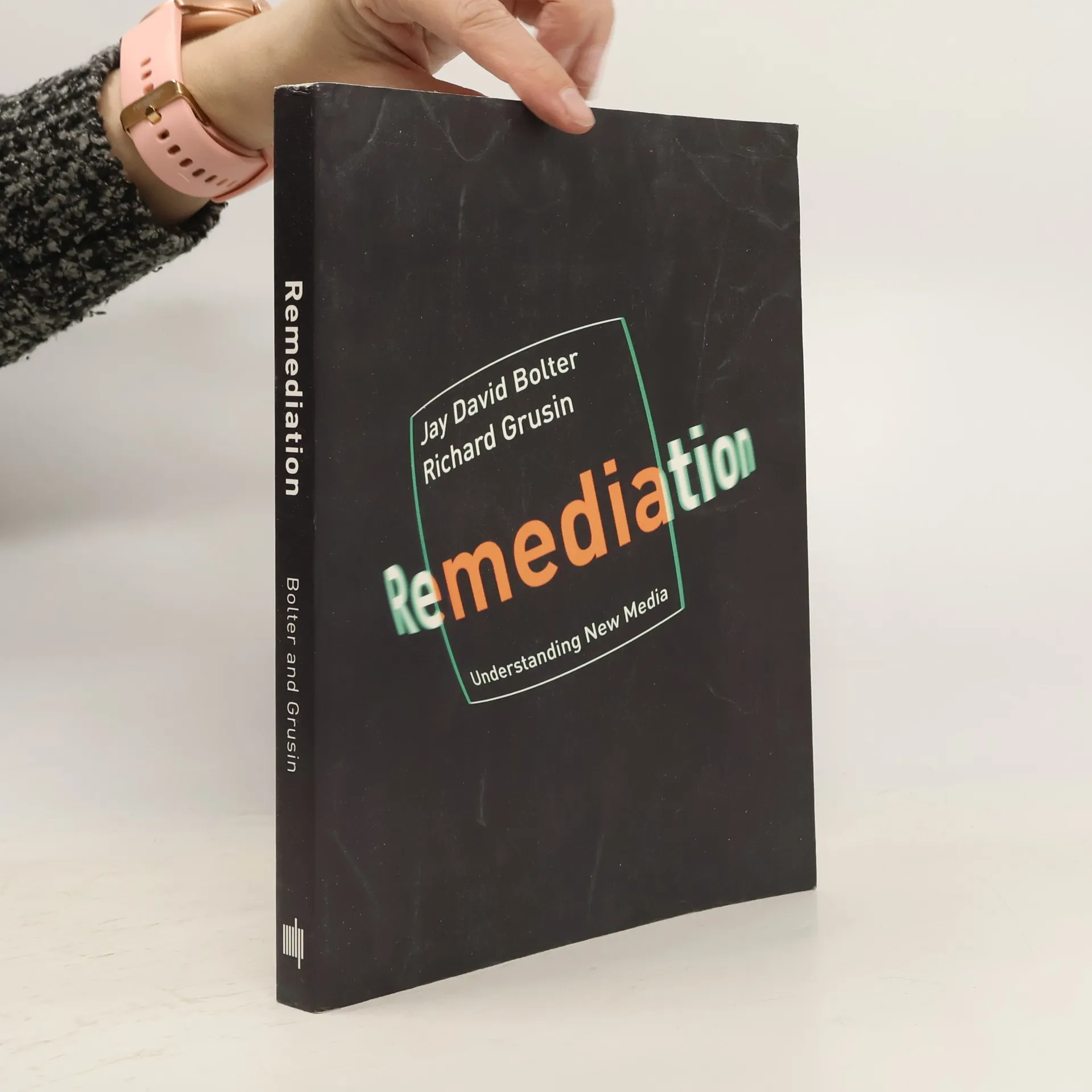
Remediation: Understanding new media
- 307pages
- 11 heures de lecture
A new framework for considering how all media constantly borrow from and refashion other media. Media critics remain captivated by the modernist myth of the new: they assume that digital technologies such as the World Wide Web, virtual reality, and computer graphics must divorce themselves from earlier media for a new set of aesthetic and cultural principles. In this richly illustrated study, Jay David Bolter and Richard Grusin offer a theory of mediation for our digital age that challenges this assumption. They argue that new visual media achieve their cultural significance precisely by paying homage to, rivaling, and refashioning such earlier media as perspective painting, photography, film, and television. They call this process of refashioning "remediation," and they note that earlier media have also refashioned one another: photography remediated painting, film remediated stage production and photography, and television remediated film, vaudeville, and radio.
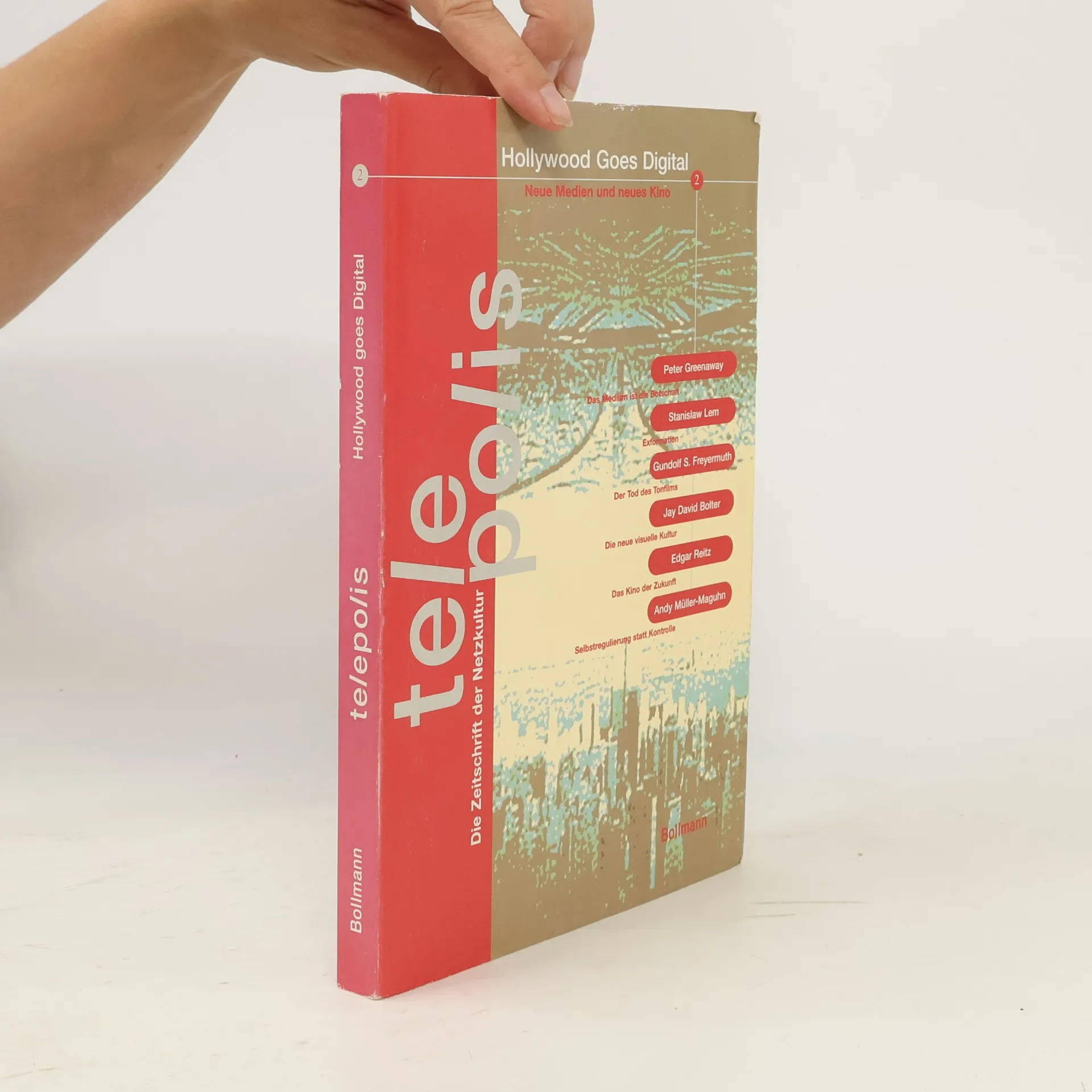
Telepolis: Die Zeitschrift der Netzkultur - 2: Hollywood goes digital
Neue Medien und neues Kino
- 191pages
- 7 heures de lecture