Paul Auster Ordre des livres (chronologique)
3 février 1947 – 30 avril 2024
Paul Auster est un auteur dont les œuvres explorent l'intrication complexe du destin, de l'identité et du hasard. Avec un talent narratif exceptionnel, il crée des histoires qui abordent souvent des thèmes tels que la perte, la mémoire et la recherche de sens dans un monde absurde. Son écriture se caractérise par des aperçus profonds de la psyché humaine et des réflexions existentielles qui poussent le lecteur à s'interroger sur la nature de la réalité et de la narration.



New-York-Trilogie
Stadt aus Glas • Schlagschatten • Hinter verschlossenen Türen
- 400pages
- 14 heures de lecture
1994 wurde Paul Austers STADT AUS GLAS von Paul Karasik und David Mazzucchelli als Comic adaptiert und ist inzwischen zum Klassiker avanciert. Nun sind auch die beiden anderen Romane von Paul Austers gefeierter NEW-YORK-TRILOGIE grafisch umgesetzt: SCHLAGSCHATTEN und HINTER VERSCHLOSSENEN TÜREN. In drei brillanten Variationen klassischer Detektivgeschichten macht sich Paul Auster New York City zu eigen. Die Stadt wird zu einer seltsamen, fesselnden Landschaft, in der Identitäten verschmelzen oder verschwinden, Verfolgte zu Verfolgten werden und sich in ein Spiel mit den eigenen Erwartungen verstricken. Paul Karasik ist die treibende Kraft hintern allen drei Comicadaptionen und hatte die künstlerische Leitung inne. STADT AUS GLAS wurde vom preisgekrönten Zeichner David Mazzucchelli illustriert, SCHLAGSCHATTEN von Lorenzo Mattotti, der u. a. als Coverzeichner für The New Yorker arbeitet, und HINTER VERSCHLOSSENEN TÜREN wurde von Paul Karasik selbst adaptiert und gezeichnet.
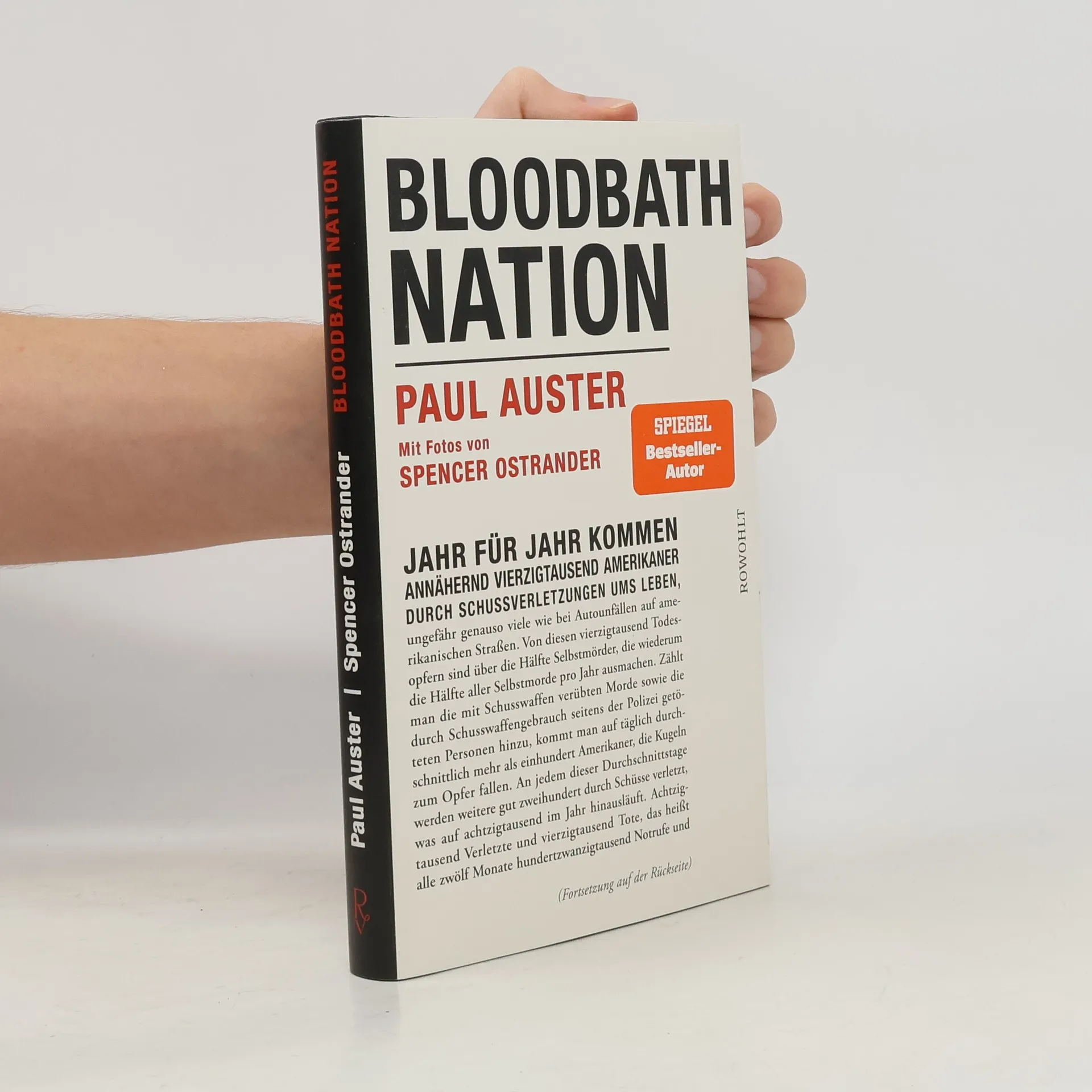
Dies ist Paul Austers sehr persönliche Abrechnung mit der Vergottung des Waffentragens in der amerikanischen Kultur und Gesellschaft. Er erzählt davon zunächst in biografischen Vignetten, beginnend bei den Spielzeugcolts der Kindheit und den Western im Fernsehen. Es folgen die ersten Einschläge im näheren Umfeld, der von der Großmutter erschossene Großvater – lange Zeit ein Familiengeheimnis, von dem Auster nur durch Zufall erfuhr. Von da aus geht er zurück in die amerikanische Geschichte und erklärt, warum die Waffe in der Hand des freien Bürgers in direkter Linie aus der Gewalt der Sklavenhaltergesellschaft hervorgegangen ist. Der Streit ums Waffentragen führt ins Zentrum der aktuellen Auseinandersetzungen um die Gestaltung des amerikanischen Gesellschaftssystems. Auster zeigt sich hier als ebenso polemischer wie klarsichtiger politischer Beobachter und Kommentator. Der Text wird begleitet von Fotos des US-Fotografen Spencer Ostrander – in ihrer Stille gespenstisch eindrückliche Schwarz-Weiß-Aufnahmen der Schauplätze bekannter Massaker.
Bloodbath Nation
- 136pages
- 5 heures de lecture
BLOODBATH NATION is about the Epidemic that is tearing apart the fabric of American society.An Epidemic caused - not by Covid - but by Guns.Among its victims are men, women, teenagers, children, and even babies. The massacres have taken place in churches, schools, movie theatres, and at rock concerts. Auster establishes how America's love affair with guns goes all the way back to the arrival of the first British settlers - guns in hand - who used these guns to eradicate the Native Americans who occupied the country. This history of carnage continues to this day.Interwoven into the text are photographs taken by Spencer Ostrander of the locations of the mass killlngs - which serve as mute testaments to the lives that have been lost.Guns have become one of the issues dividing America today, but Auster doesn't take sides. The book is a plea for both sides to find a way of avoiding more death and grief. Accompanying Auster's text is a series of photographs of the locations of these mass killings. There are no bodies - only the empty spaces which stand as mute memorials to the lives that have been lost.
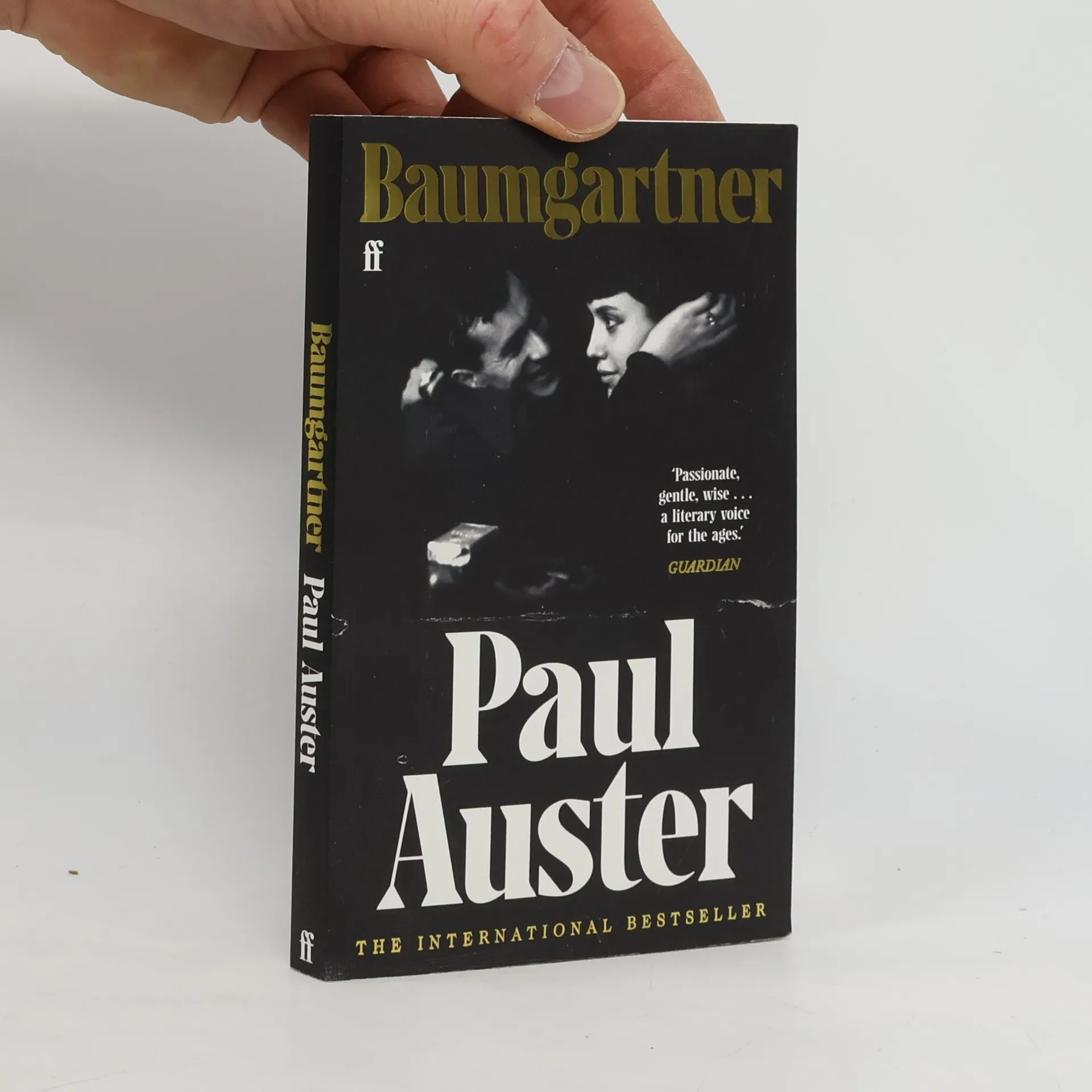
Baumgartner's life has been defined by his deep, abiding love for his wife, Anna. But now Anna is gone, and Baumgartner is embarking on his seventies whilst trying to live with her absence. Rich with compassion, wit and Auster's keen eye for beauty in the smallest, most transient episodes of ordinary life, 'Baumgartner' is a tender late masterpiece of the ache of memory. It asks: why do we find such meaning in certain moments, and forget others?
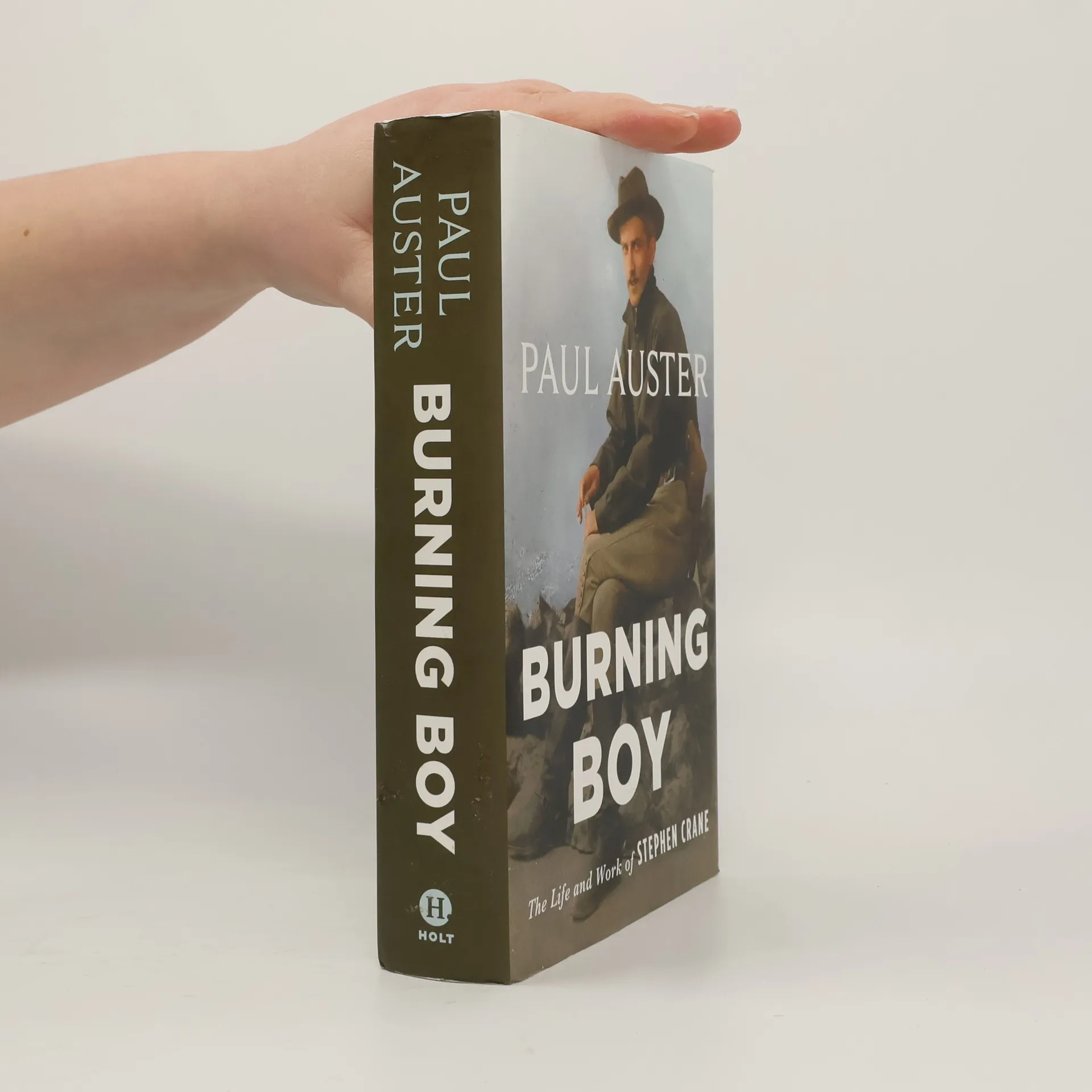
Burning Boy
- 800pages
- 28 heures de lecture
"A landmark biography of the great American writer Stephen Crane"--
Talking to Strangers
- 399pages
- 14 heures de lecture
Talking to Strangers is a freshly-curated collection of prose, spanning fifty years of work and including famous as well as never-before-published early writings, from 2018 Man Booker-finalist Paul Auster.
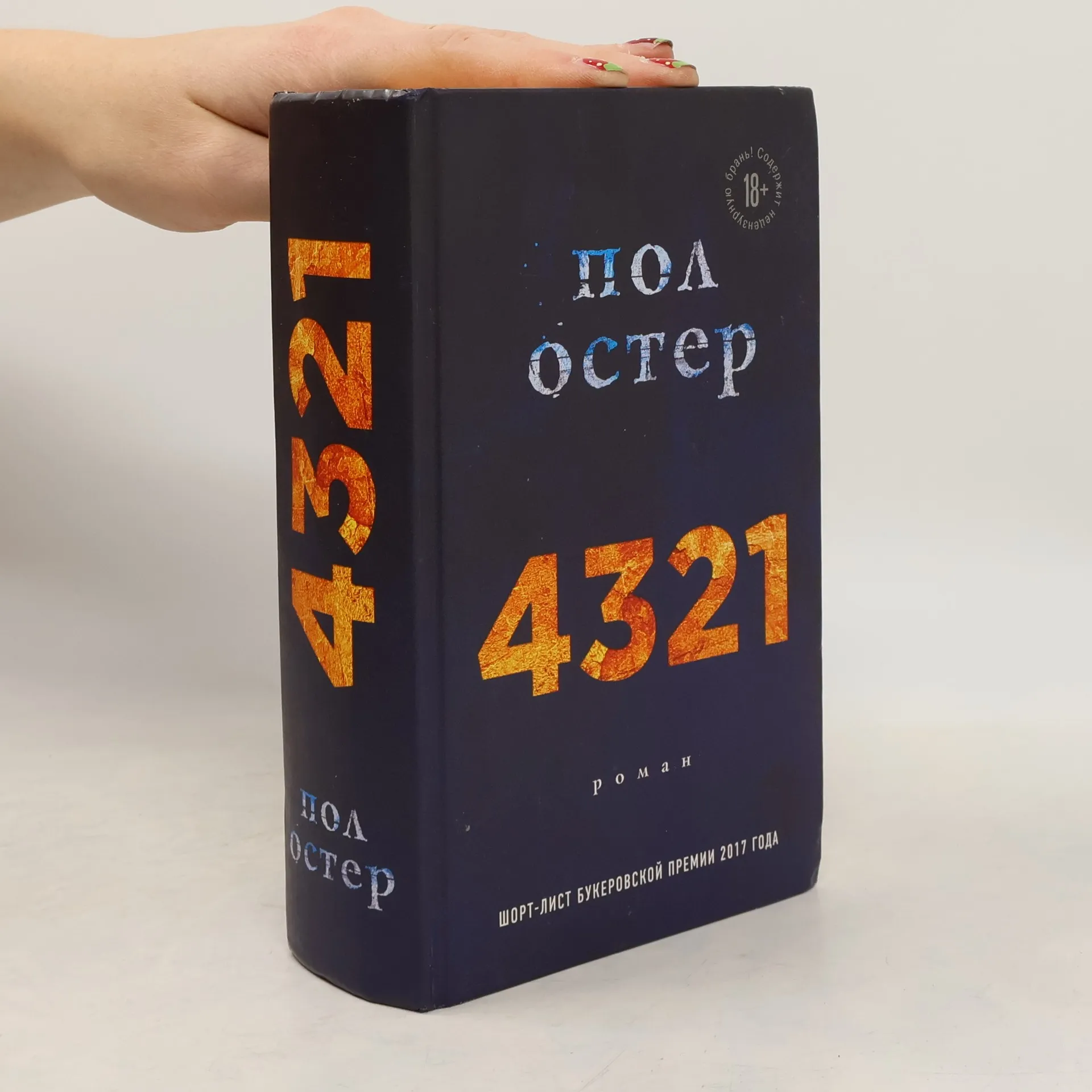
Odin chelovek. Chetyre parallelnye zhizni. Archi Ferguson budet rozhden odnazhdy. Iz edinogo nachala vyjdut chetyre realnye po svoemu vymyslu zhizni - parallelnye i nezavisimye drug ot druga. Chetyre Fergusona, sdelannye iz odnoj DNK, prozhivut sovershenno po-raznomu. Semejnye sudby budut varirovatsja. Druzhby, vljublennosti, intellektualnye i fizicheskie sposobnosti budut kontrastirovat. Pri kazhdom povorote sudby chitatel ispytaet radost ili bol vmeste s geroem.
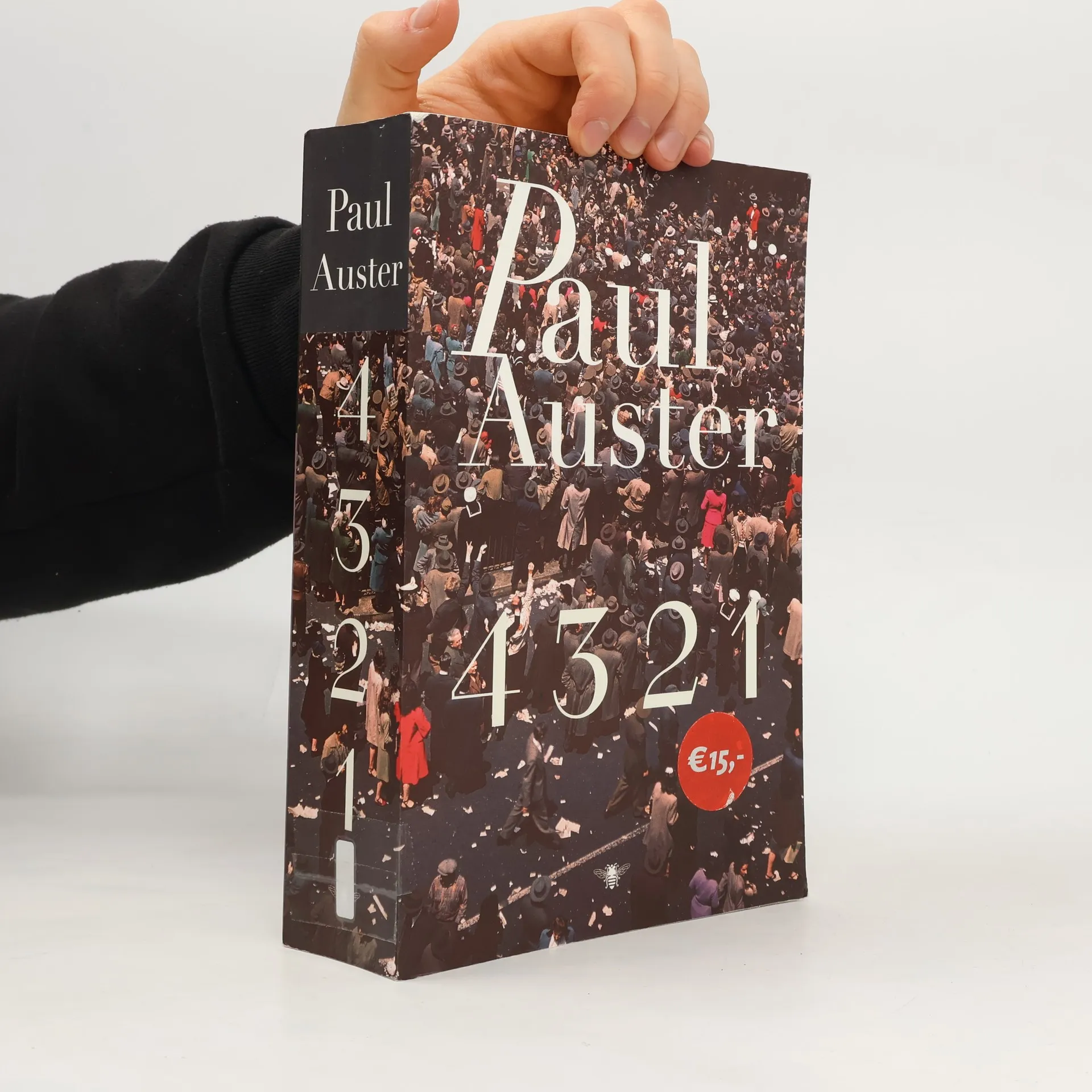
4321, Niederländische Ausgabe
- 941pages
- 33 heures de lecture
Op 3 maart 1947 wordt, twee weken te vroeg, Archibald Isaac Ferguson geboren, het enige kind van Rose en Stanley Ferguson. Archibalds leven zal gelijktijdig vier verschillende paden volgen. Vier identieke Archibalds, bestaand uit hetzelfde dna, vier jongens die fysiek een en dezelfde zijn, leiden vier parallelle en volstrekt verschillende levens. Elk levenspad neemt een andere richting. Liefdes en vriendschappen en intellectuele interesses contrasteren. Een jongen groeit keer op keer op. Iedere Archibald zal verliefd worden op Amy Schneiderman, maar hun relatie zal steeds een andere zijn. Lezers zullen meegenieten van Archibalds successen, en meeleven met de tragische gebeurtenissen die hem overkomen. Zo ontvouwen de levensverhalen van de vier Archibalds zich.
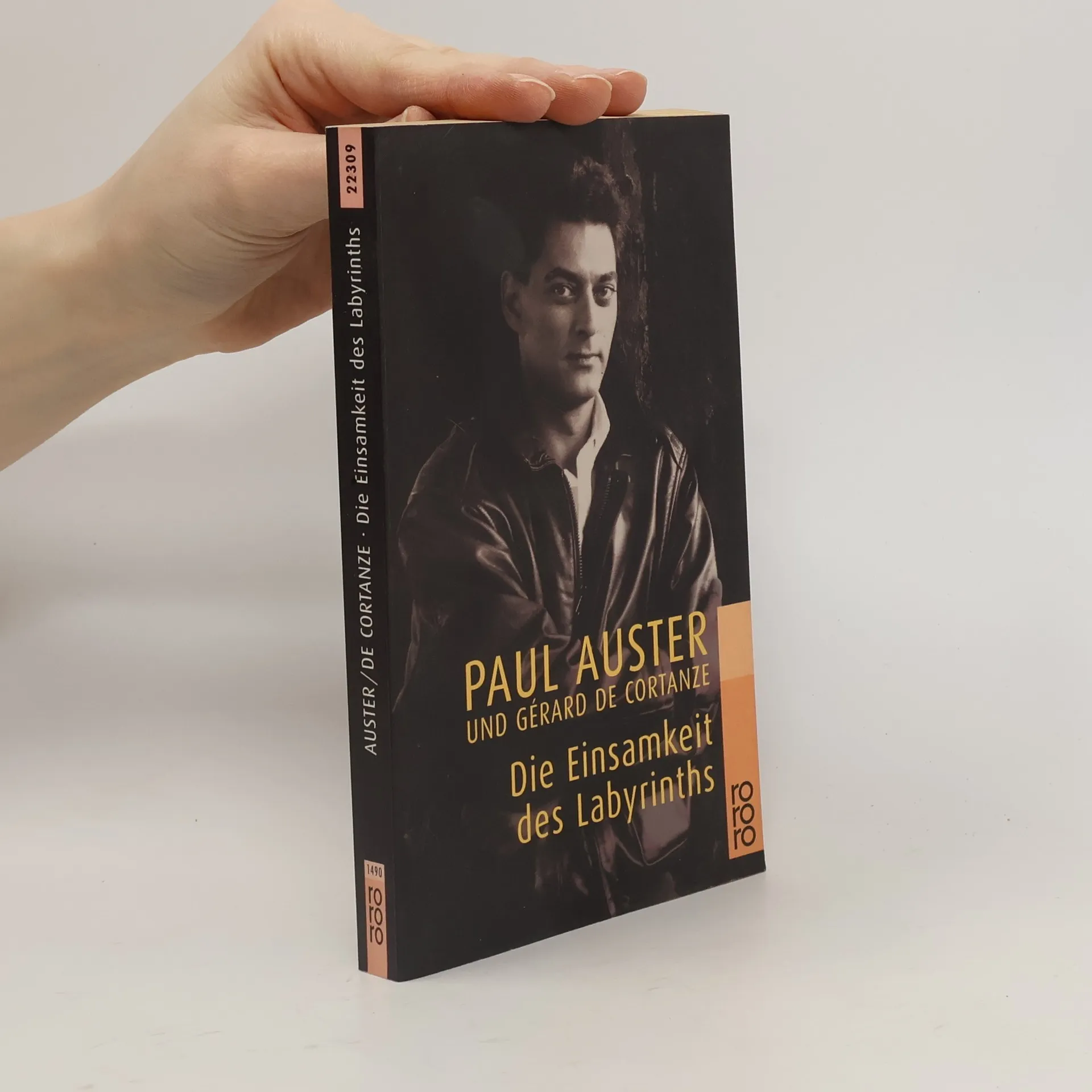
Ein einzigartiger Zugang zu Austers Werk Jedes seiner Bücher ist für Paul Auster eine Reise auf einer unbekannten Straße. Zusammen mit der Professorin Inge Birgitte Siegumfeldt hat er sich aufgemacht, diese Reisen noch einmal aus der Rückschau zu betrachten. Drei Jahre lang trafen sich beide zu Gesprächen über Austers Bücher. In einem intensiven, persönlichen Dialog erkunden sie seine großen Romane und die autobiographischen Texte. Auster gibt dabei einen intimen Einblick in seine Arbeit, erzählt amüsante Anekdoten und spricht offen wie selten über Inspirationsquellen und Motivation. Die scharfsinnigen Fragen und Gedanken Siegumfeldts fordern den Autor heraus, und so entsteht ein überraschender, kluger Austausch zweier Literaturliebhaber.
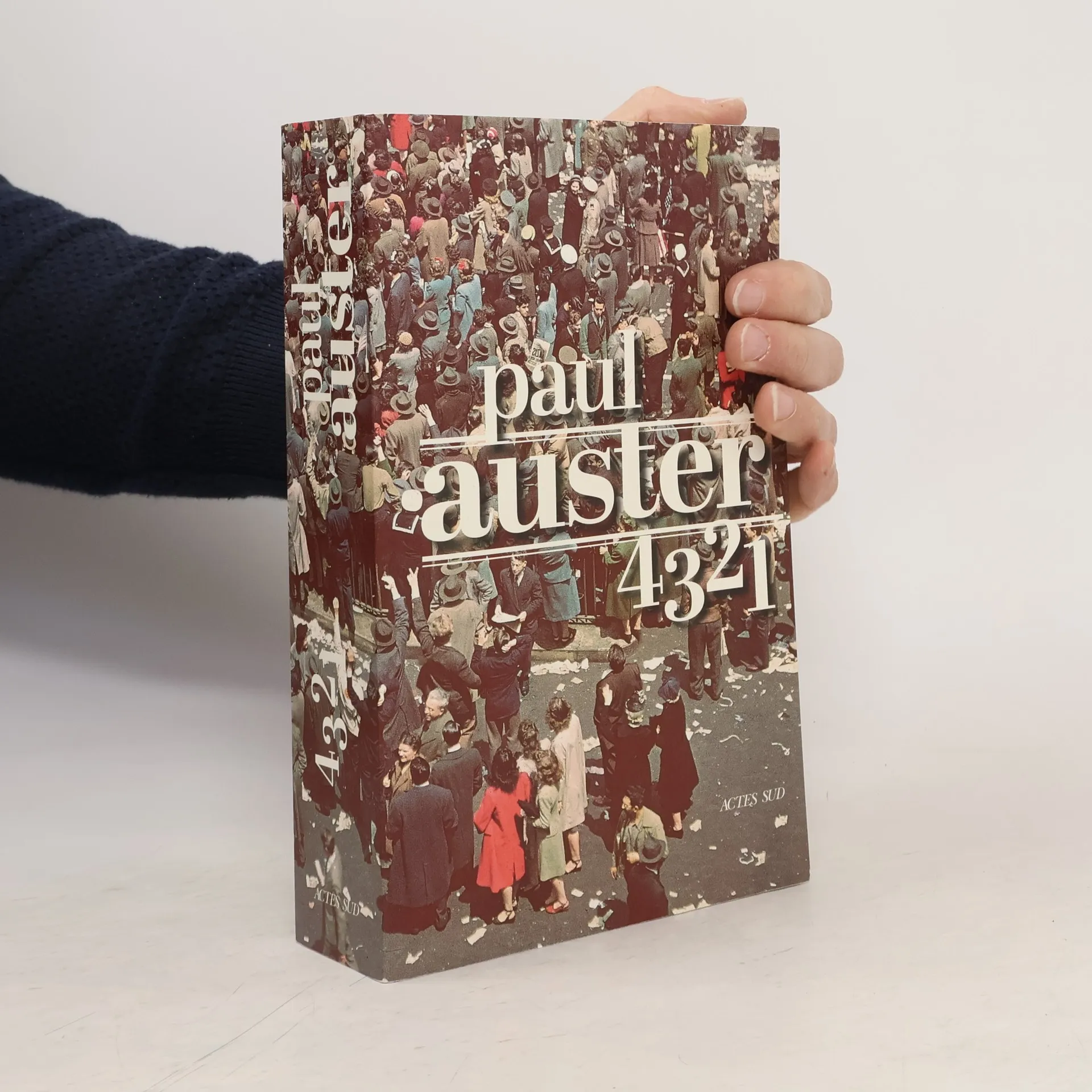
4321
- 1024pages
- 36 heures de lecture
A en croire la légende familiale, le grand-père nommé Isaac Reznikoff quitta un jour à pied sa ville natale de Minsk avec cent roubles cousus dans la doublure de sa veste, passa Varsovie puis Berlin, atteignit Hambourg et s'embarqua sur l'Impératrice de Chine qui franchit l'Atlantique en essuyant plusieurs tempêtes, puis jeta l'ancre dans le port de New York au tout premier jour du XXe siècle. A Ellis Island, par une de ces bifurcations du destin chères à l'auteur, le nouvel arrivant fut rebaptisé Ferguson. Dès lors, en quatre variations biographiques qui se conjuguent, Paul Auster décline les parcours des quatre possibilités du petit-fils de l'immigrant. Quatre trajectoires pour un seul personnage, quatre répliques de Ferguson qui traversent d'un même mouvement l'histoire américaine des fifties et des sixties. Quatre contemporains de Paul Auster lui-même, dont le "maître de Brooklyn" arpente les existences avec l'irrésistible plaisir de raconter qui fait de lui l'un des plus fameux romanciers de notre temps.
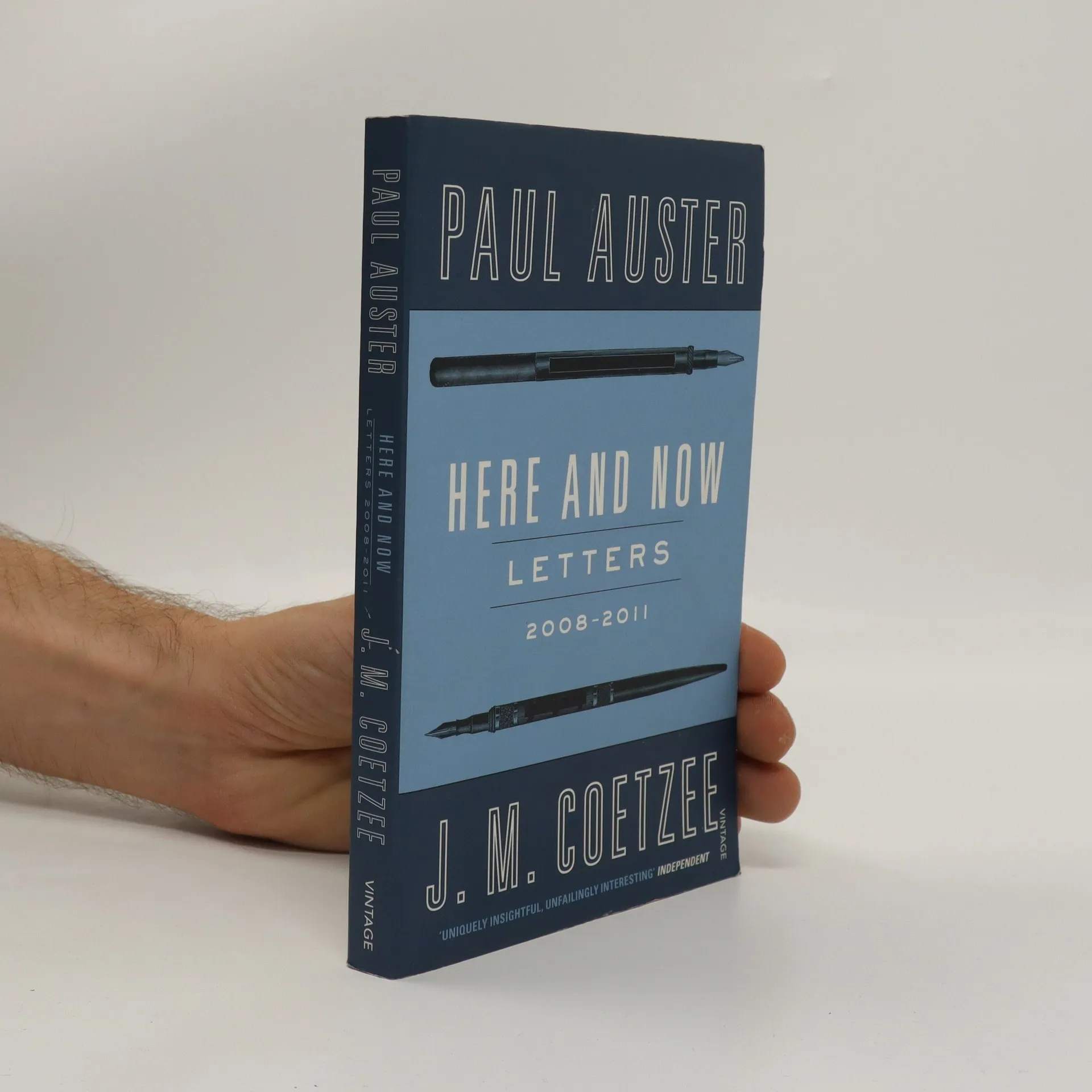
Here and now : letters 2008-2011
- 256pages
- 9 heures de lecture
Although Paul Auster and J.M. Coetzee had been reading each other's books for years, the two writers did not meet until February 2008. Not long after, Auster received a letter from Coetzee, suggesting they begin exchanging letters on a regular basis and, 'God willing, strike sparks off each other.' Here and Now is the result of that proposal: an epistolary dialogue between two great writers who became great friends. Over three years their letters touched on nearly every subject, from sports to fatherhood, film festivals to incest, philosophy to politics, from the financial crisis to art, family, marriage, friendship, and love. Their correspondence offers an intimate and often amusing portrait of these two men as they explore the complexities of the here and now and is a reflection of two sharp intellects whose pleasure in each other's friendship is apparent on every page.
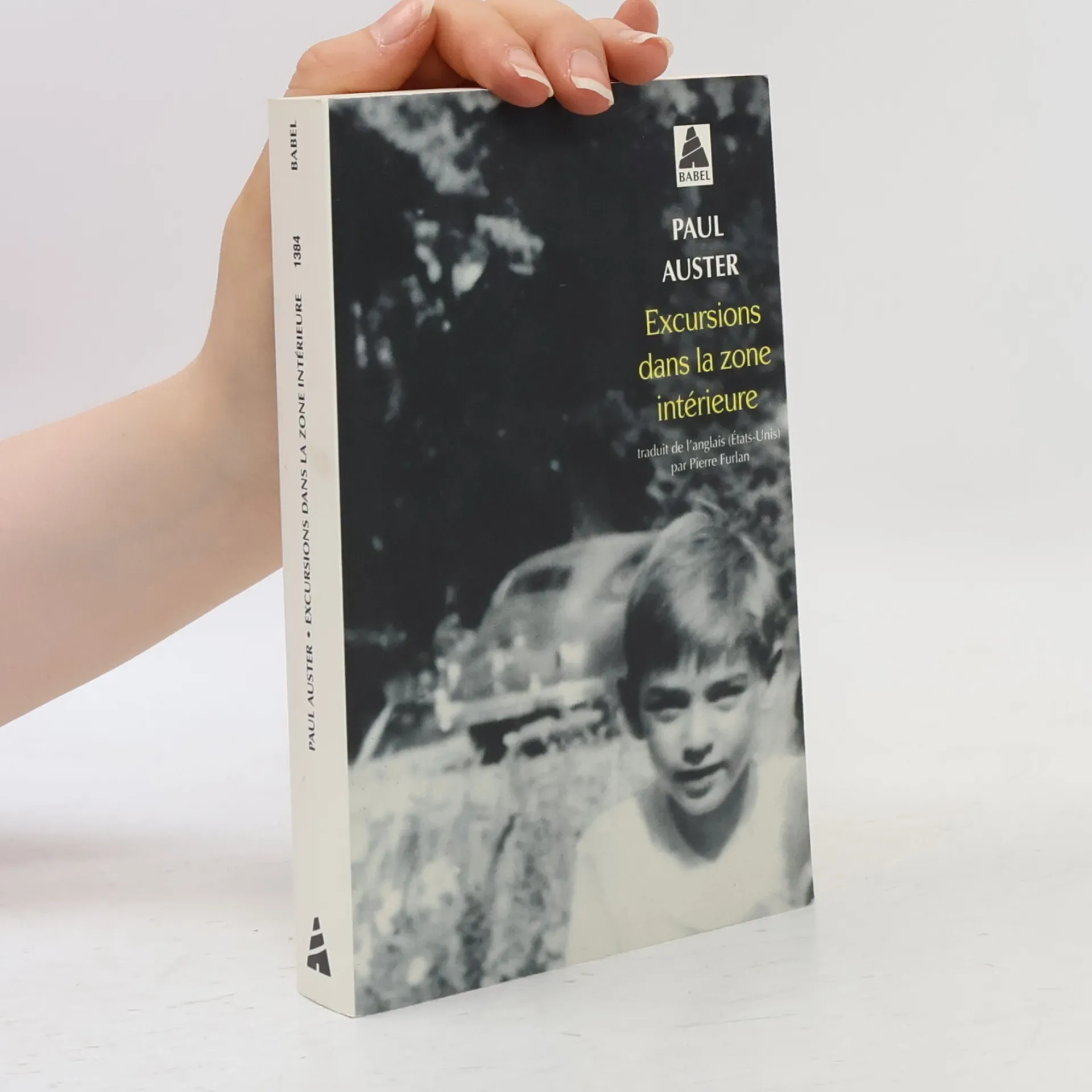
Babel - 1384: Excursions dans la zone intérieure - Traduit de l'anglais (États-Unis) par Pierre Furlan
- 368pages
- 13 heures de lecture
Après avoir, dans Chronique d'hiver, revisité son passé sous l'angle du corps et de la sensation, Paul Auster s'attache ici à arpenter le paysage mental de son enfance peuplé d'objets doués de vie, de héros de romans, de créatures cinématographiques, et hanté par un Dieu fréquemment courroucé et toujours culpabilisant. D'illuminations en incertitudes, de longues rêveries en moments d'exaltation, un jeune garçon s'initie au monde tandis que son identité d'adulte se façonne sous le signe de l'imaginaire et en regard de l'environnement socioculturel des Etats-Unis de la seconde moitié du XXe siècle, dont plus de cent illustrations sélectionnées par l'écrivain viennent, en fin de volume, incarner figures tutélaires et temps forts. Outre la reconstitution a posteriori d'un itinéraire intellectuel, les lettres jadis adressées par Paul Auster à sa future première épouse – la romancière Lydia Davis – donnent à entendre la voix de ce jeune homme solitaire et obstiné qui allait bâtir une oeuvre littéraire d'exception.
I Remember
Je me souviens - Traduit de l'américain et préfacé par Marie Chaix
- 240pages
- 9 heures de lecture
Le texte qui servit de modèle au "Je me souviens" de Perec constitue une croisière dans l'Amérique de Joe Brainard (mort en 1994) et une traversée dans la littérature de son pays.
Chronique d'hiver
- 256pages
- 9 heures de lecture
Trente ans après L'Invention de la solitude, Paul Auster pose sur son parcours le regard du sexagénaire qu'il est devenu en convoquant la mémoire de son corps et des multiples sensations qui n'ont cessé de l'habiter et de nourrir son imaginaire tout au long de son existence au sein de la matière du monde. De cet homme-cicatrice dont le corps exulte ou somatise, de ce fils hanté par la mort prématurée de son père et tourmenté par le destin chaotique de sa mère, de l'heureux citoyen de Brooklyn, époux et père aujourd'hui comblé, de cet héritier d'une lointaine Europe, grand amateur de base-ball, fumeur invétéré et romancier fécond, de cet homme, enfin, qui souffre de ne pouvoir ou de ne savoir pleurer, le lecteur entendra s'élever la voix profonde, au fil de ce subtil autoportrait qui s'affranchit des règles du récit autobiographique classique pour mieux inviter à une rencontre aussi intime que loyale sous le signe d'une humanité partagée.
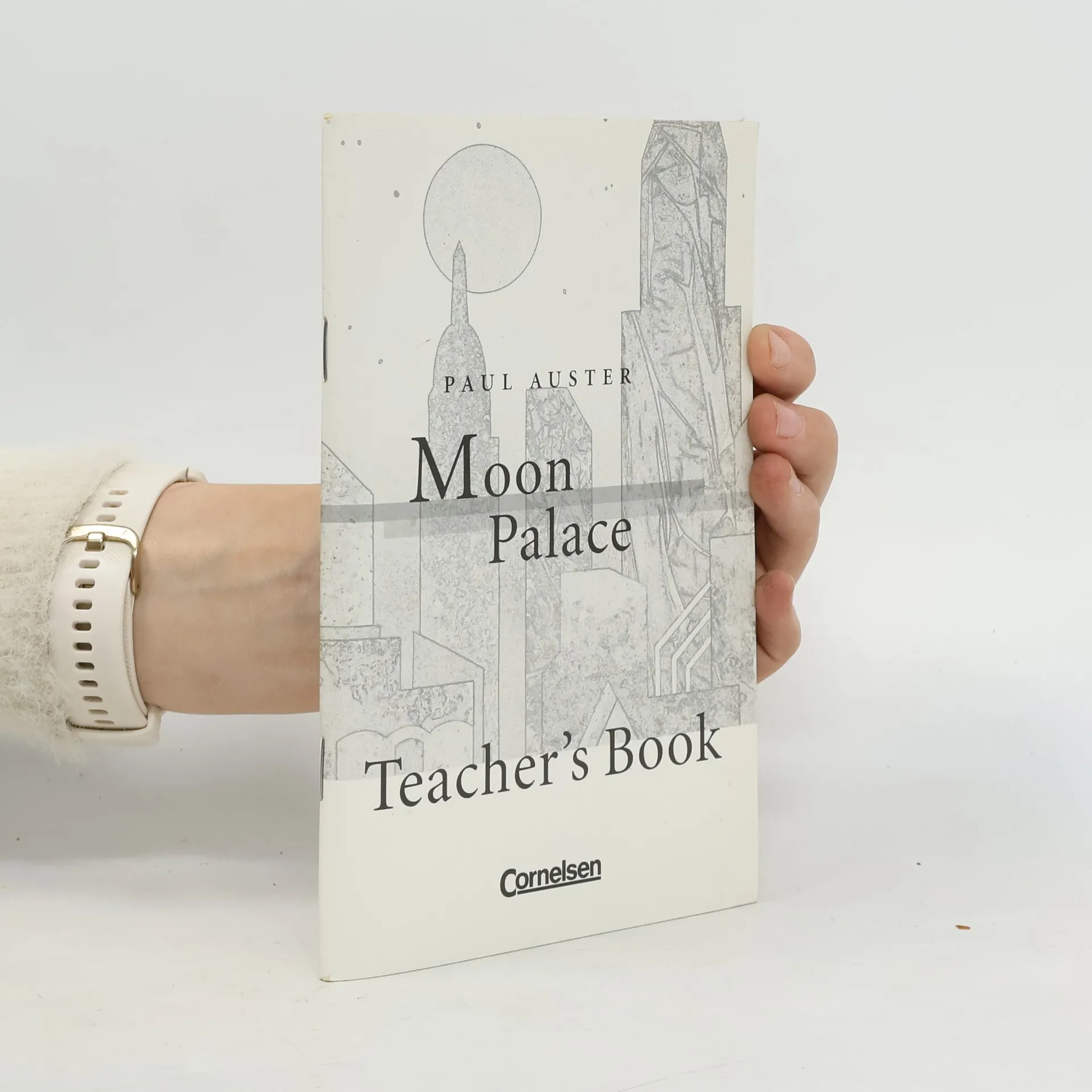
Paul Auster Moon Palace
- 80pages
- 3 heures de lecture
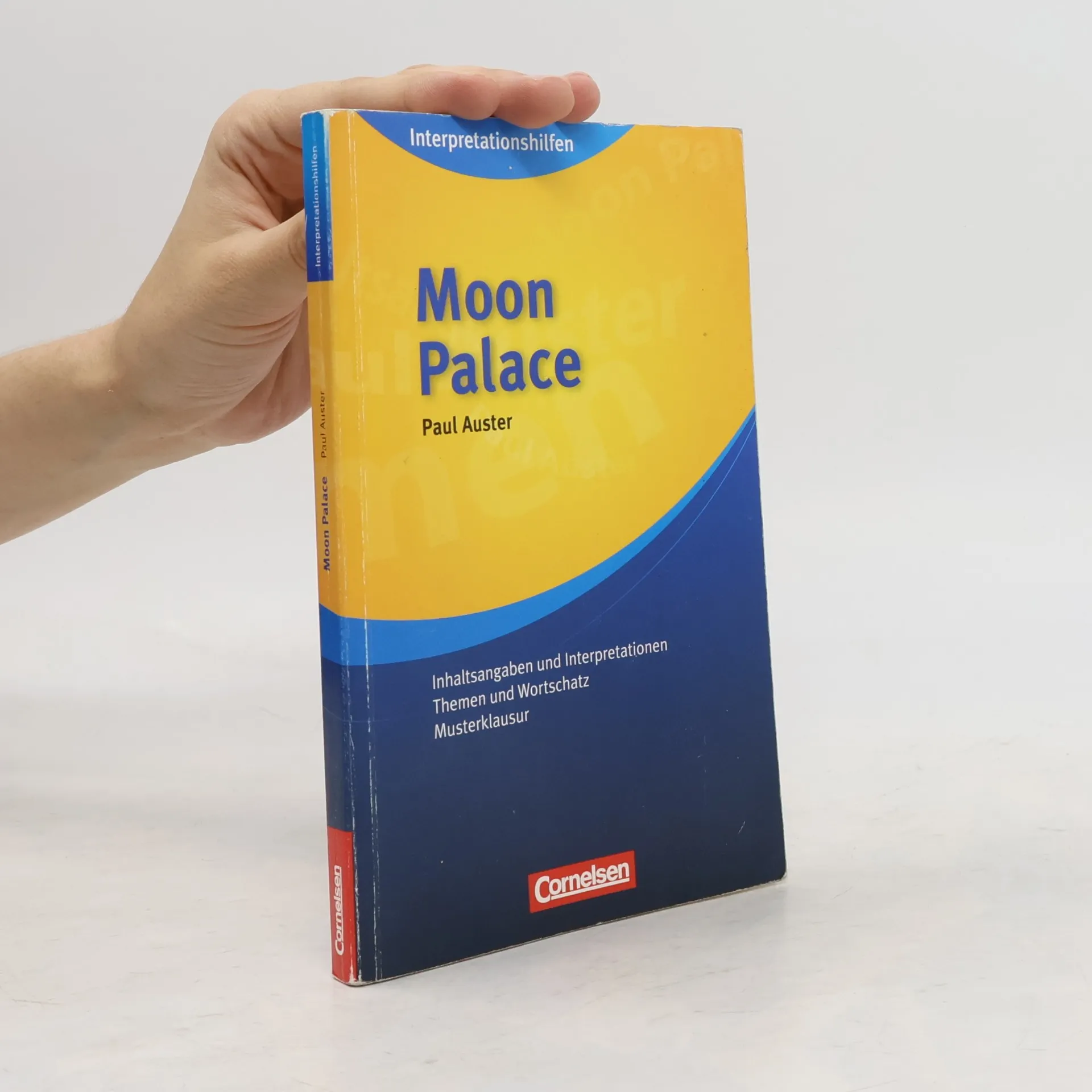
Diese Interpretationshilfe in deutscher Sprache erleichtert den Einstieg in die Lektüre und vertieft das Verständnis des Romans. Optimal für die Vorbereitung auf Unterricht, Klausuren und das Abitur. Mit Hintergrundinformationen zu Autor und Werk, Inhaltsangabe und einer ausführlichen Interpretation des Textes unter folgenden Gesichtspunkten: literarische Einordnung; Personenkonstellation und Charakterisierung; zentrale Themen und Motive; Aufbau und Textstruktur; Interpretation von Schlüsselstellen.
Pubblicati per la prima volta tra il 1985 e il 1987, i tre romanzi Città di vetro, Fantasmi, La stanza chiusa, che compongono Trilogia di New York, sono diventati dei classici della letteratura contemporanea americana. Sono tre detectives-stories eccentriche e avvincenti in cui Auster inventa una sua New York fantastica, un "nessun luogo" in cui ciascuno può ritrovarsi e perdersi all'infinito. Anna Blume era partita alla ricerca del fratello giornalista, scomparso senza lasciare traccia durante un reportage, ed è approdata "Nel paese delle ultime cose", ormai per lei e per tutti non c'è più possibilità di salvezza, di fuga. La definitiva catastrofe si è compiuta ma nonostante tutto Anna resiste e si aggrappa a tutte le sue forze per sopravvivere salvando in qualche luogo della sua coscienza una traccia di irrinunciabile umanità, una testimonianza di amicizia, persino d'amore. Il protagonista di "Moon Palace", Marco Stanley Fogg, orfano di un padre mai conosciuto ma eternamente cercato, tra coincidenze improbabili e intricati itinerari della memoria, dipana il suo mistero familiare, con un gusto per l'intreccio di sapore ottocentesco, ripercorrendo a ritroso il proprio e altrui passato lungo l'arco di tre generazioni: dall'estate del primo allunaggio fino agli albori del ventesimo secolo.
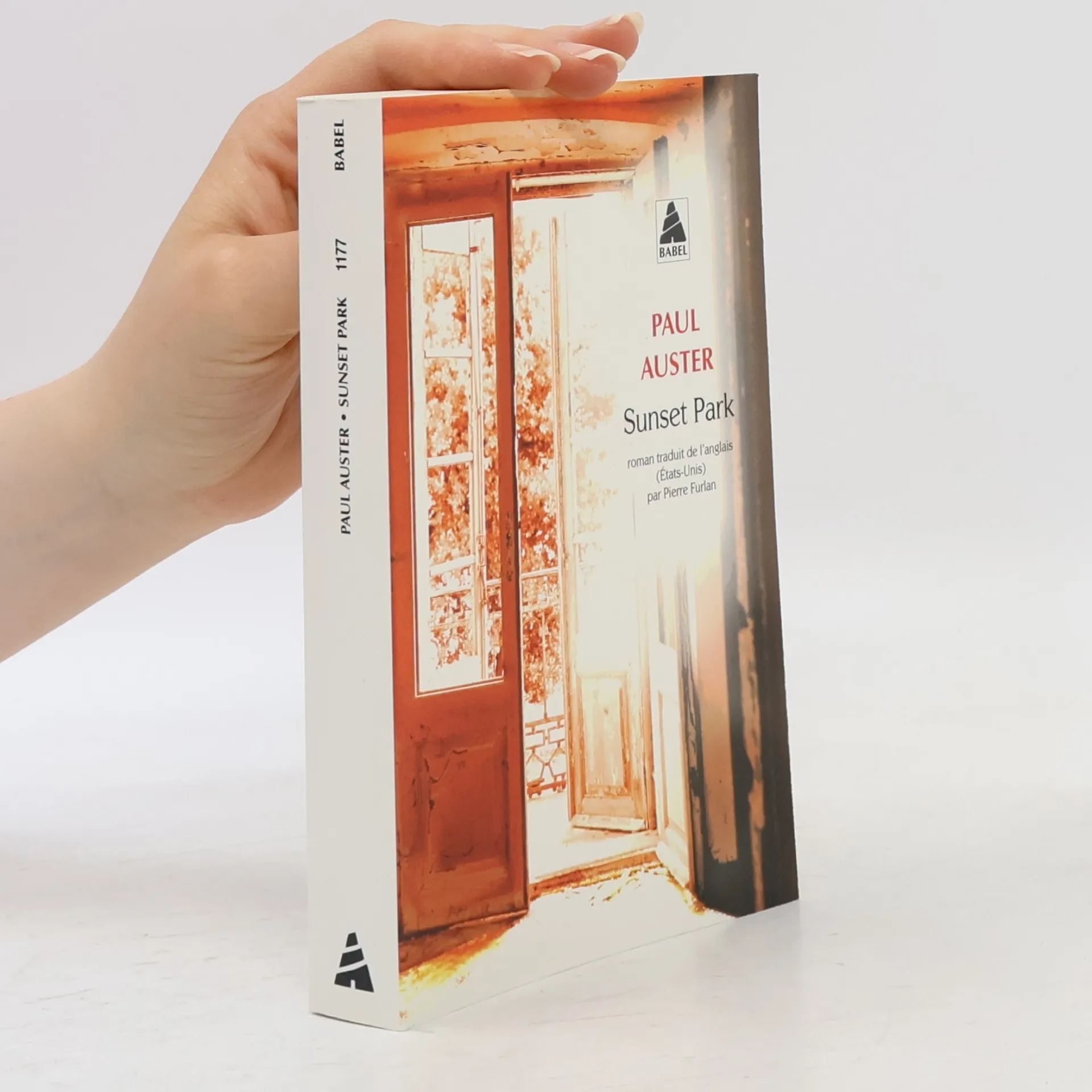
Sunset Park
- 336pages
- 12 heures de lecture
Parce qu'il s'est toujours senti coupable de la mort accidentelle de son demi-frère, Miles s'est banni de sa propre histoire. Il a quitté sa famille, abandonné ses études, et travaille, en Floride, à débarrasser les maisons désertées par les victimes des subprimes. Amoureux d'une fille trop jeune, passible de détournement de mineure, Miles fait bientôt l'objet d'un chantage et est obligé — encore une fois — de partir. Il trouve alors refuge à Brooklyn où son fidèle ami Bing Nathan squatte une maison délabrée, en compagnie de deux jeunes femmes, elles aussi condamnées à la marge par l'impossibilité d'exprimer ou de faire valoir leurs talents respectifs. Désormais Miles se trouve géographiquement plus proche de son père, éditeur indépendant qui tente de traverser la crise financière, de sauver sa maison d'édition et de préserver son couple. Confronté à l'écroulement des certitudes de toute une génération, il n'attend qu'une occasion pour renouer avec son fils afin de panser des blessures dont il ignore qu'elles sont inguérissables... Avec ce roman, Paul Auster rend hommage à une humanité blessée en quête de sa place dans un monde interdit de mémoire et qui a substitué la violence à l'espoir.
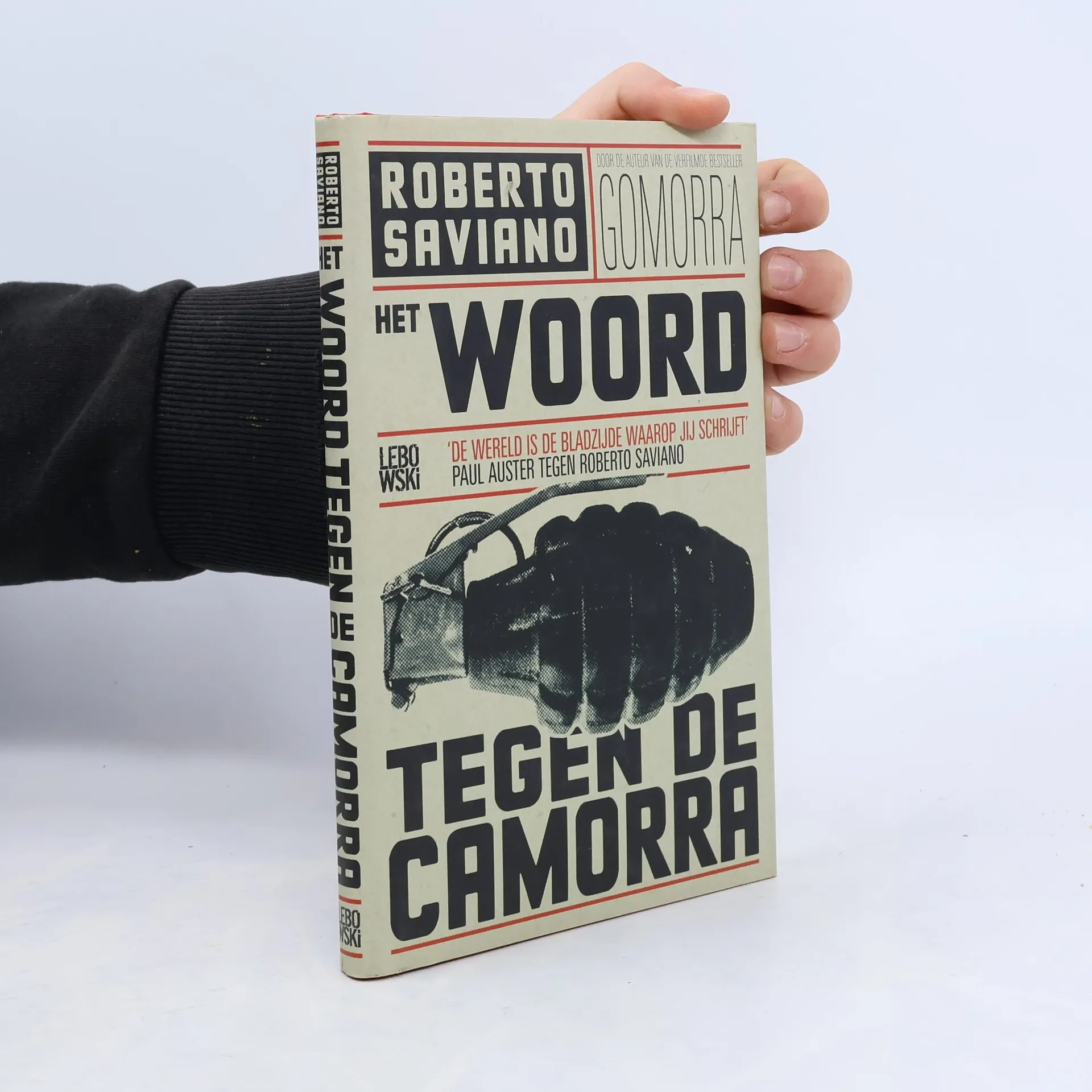
Het woord tegen de camorra
- 96pages
- 4 heures de lecture
Bijdragen van en over de Italiaanse journalist Roberto Saviano (1979- ) en zijn strijd tegen de Camorra.
It begins with a writer's dilemmaQhe's been asked by "The New York Times" to write a story that will appear in the paper on Christmas morning. The writer agrees, but he has a problemQhow does one write an unsentimental Christmas story? The result is Auster's timeless, utterly charming Christmas fable, beautifully illustrated and destined to become a classic. 0-8050-7723-5$17.50 / Henry Holt & Company
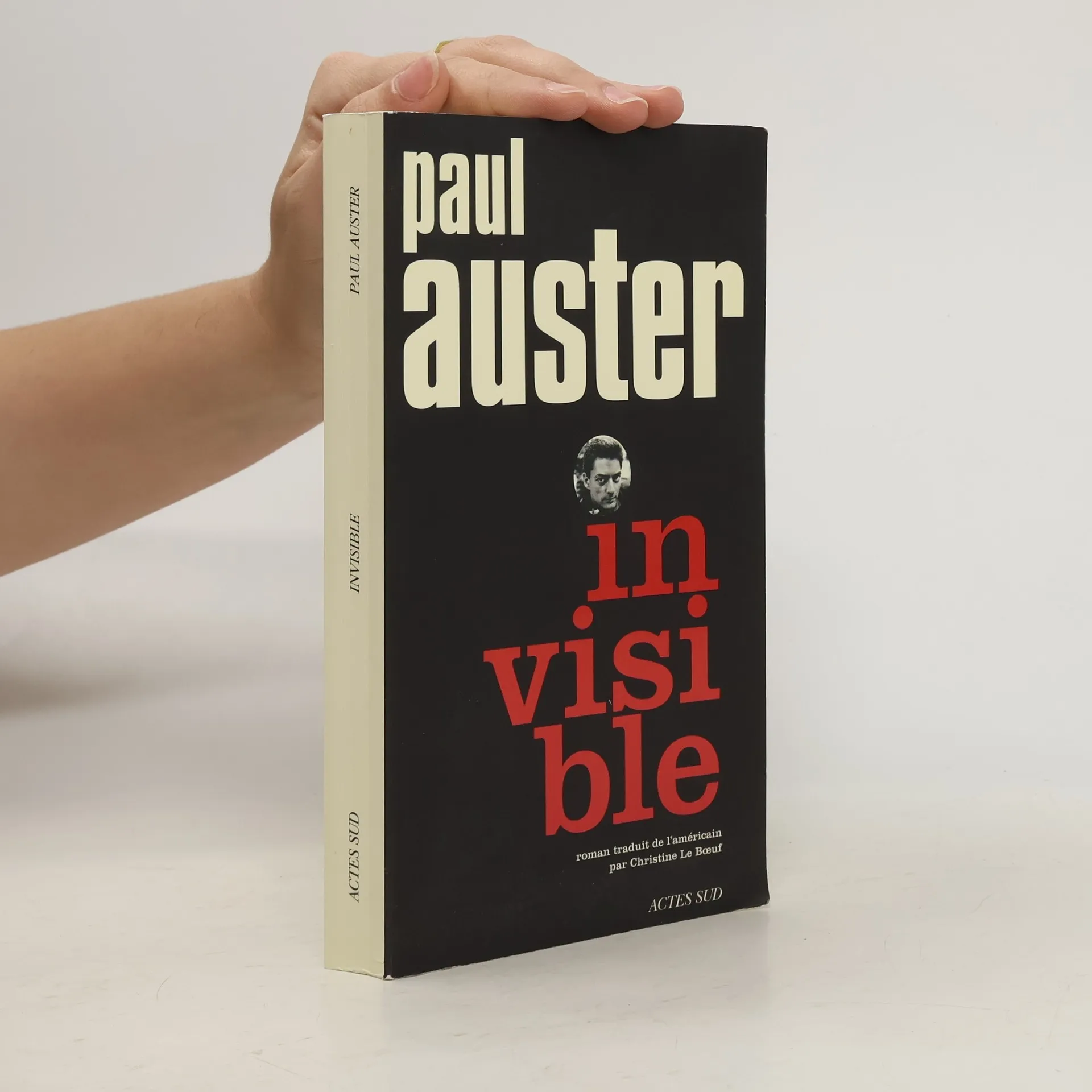
Invisible
- 293pages
- 11 heures de lecture
Roman d'autofiction. Roman psychologique (intime).
Babel: Seul dans le noir
- 179pages
- 7 heures de lecture
Contraint à l'immobilité par un accident de voiture, un septuagénaire se protège des souvenirs qui l'assaillent lors de ses innombrables insomnies en se racontant l'histoire d'un monde parallèle où le 11 Septembre n'aurait pas eu lieu et où l'Amérique ne serait pas en guerre contre l'Irak mais en proie à la plus dévastatrice des guerres civiles... Un tour de force romanesque au service d'un projet d'une exceptionnelle ambition.
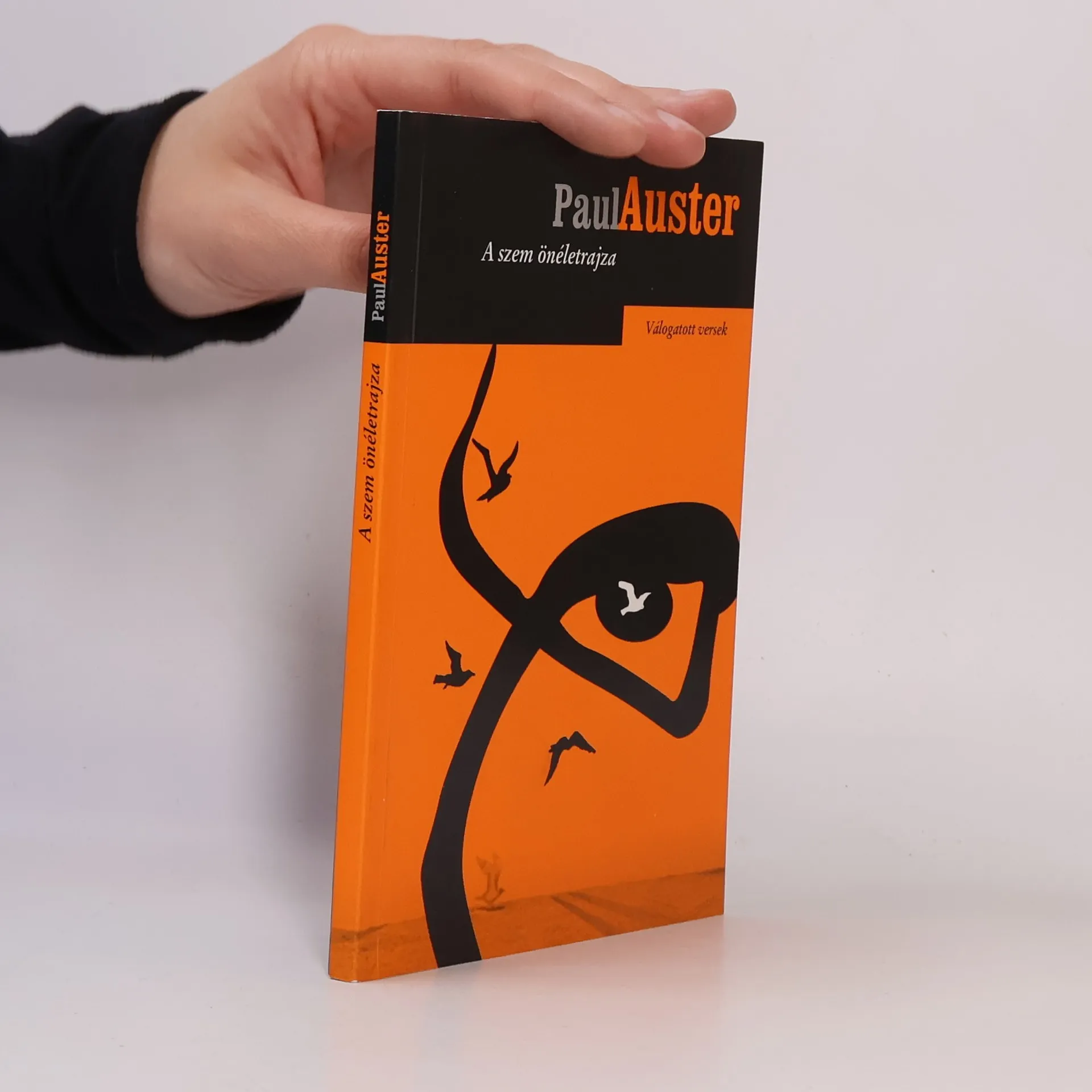
A nálunk is kedvelt amerikai regényíró verseinek válogatott kötetével indul a Barrus Könyvkiadó szépirodalmi sorozata. A fal, a kő, a föld, a hús, a vér, a csend visszatérő motívumok e versekben, melyek sokkal inkább emlékeztetnek a francia szürrealisták alkotásaira, mint a modern amerikai költészetre. A véletlen, a fogódzók nélküli, múlt és jövő nélküli jelen terében visszhangzó szavak különös világba vezetik az olvasót: a néma szem és a kimondott szó közötti senki földjére.
Interpretationshilfen. Moon Palace
- 127pages
- 5 heures de lecture
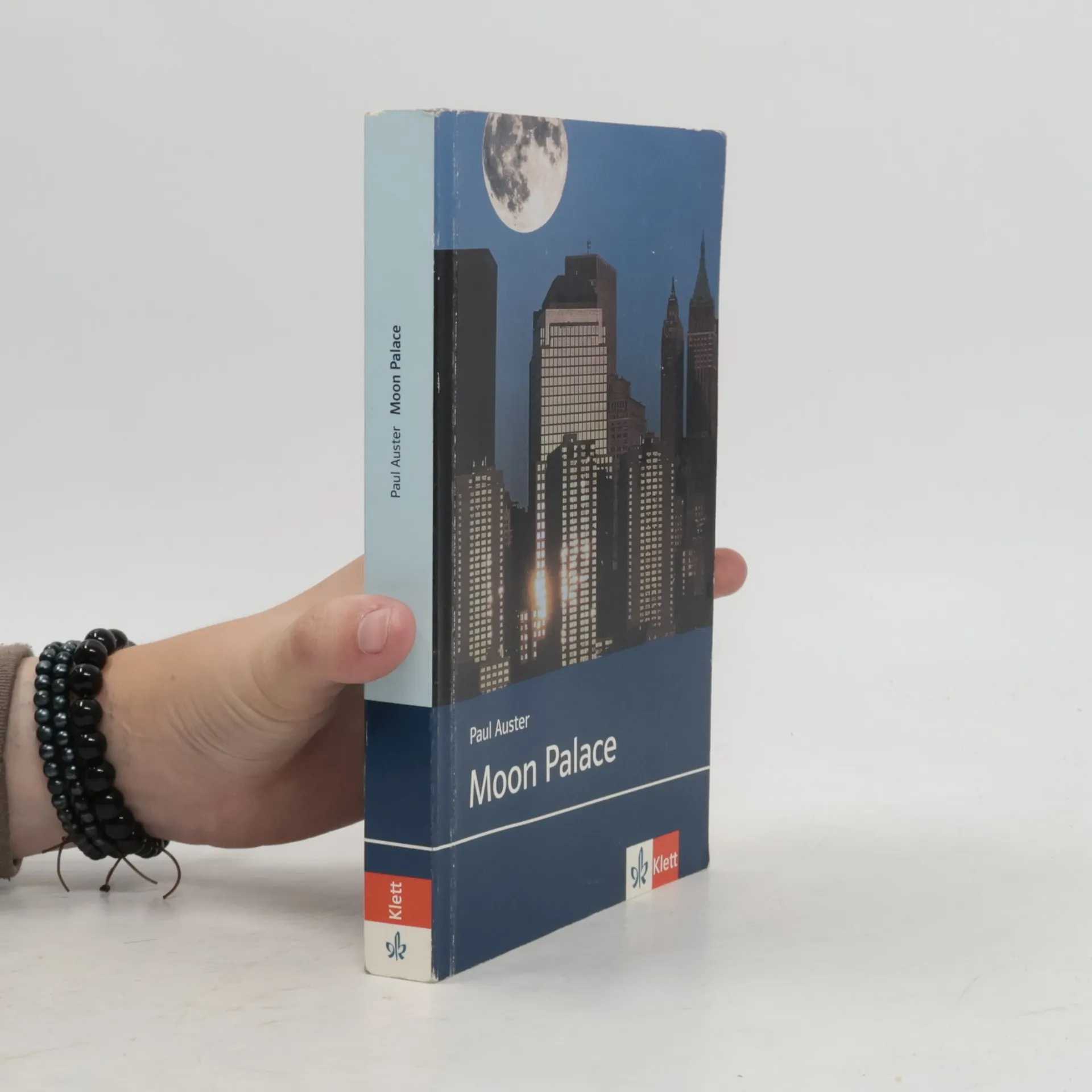
Eingeführte Reihe. Interpretationsband in englischer Sprache für Schüler. Das 1989 erschienene Werk ("Mond über Manhattan") wird mit ausführlicher Inhaltsangabe vorgestellt, Charakteristiken, Sprache und Struktur analysiert. Zum Inhalt: Auf geheimnisvolle Weise macht ein junger Aussteiger in New York die späte Bekanntschaft mit den exzentrischen Gestalten seines Vaters und Großvaters.Im Anhang ein Glossar mit literarischen Fachbegriffen und Hinweise zur Abfassung einer literarischen Facharbeit. Mit Zwischenfragen zur Wiederholung. Zuletzt wurde zu "Moon Palace" der Band von MariaFelicitas Herforth (Königs Erläuterungen, BA 4/07) vorgestellt. .
Moon Palace
Schulausgabe für das Niveau B2, ab dem 6. Lernjahr. Ungekürzter englischer Originaltext mit Annotationen
- 311pages
- 11 heures de lecture
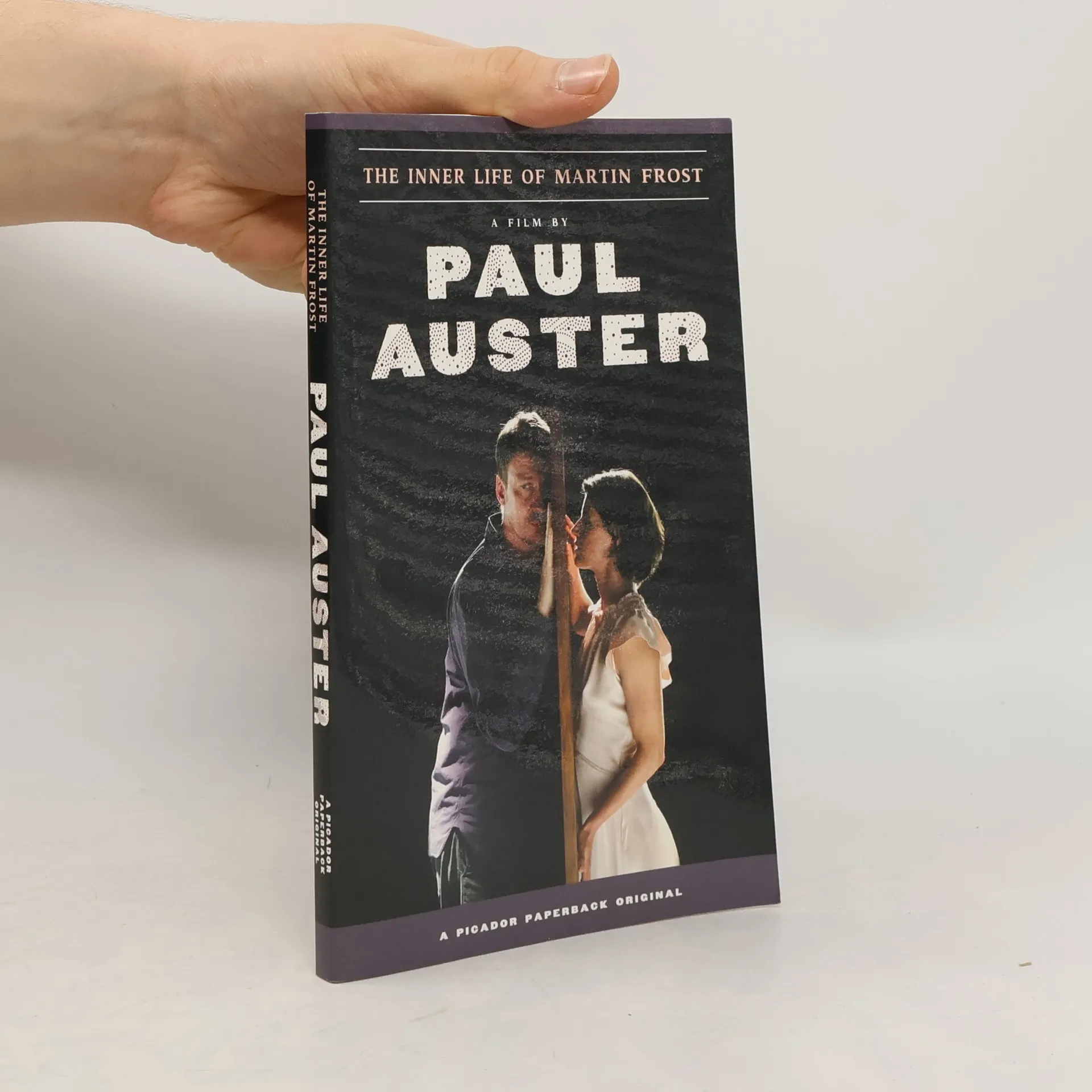
Searching for solitude, the writer Martin Frost borrows a friend's country house. Waking up one morning, he is shocked to find a nearly naked young woman beside him in bed. She also has a key to the house and claims to be the owner's niece. Martin's initial annoyance at Claire's intrusion is rapidly forgotten as he falls passionately in love with her. Even when it is revealed that Claire is not who she claims to be, their idyllic passion continues--until she suddenly falls ill. The Inner Life of Martin Frost is based on an imaginary film that appears in his novel The Book of Illusions
Dans le scriptorium
- 146pages
- 6 heures de lecture
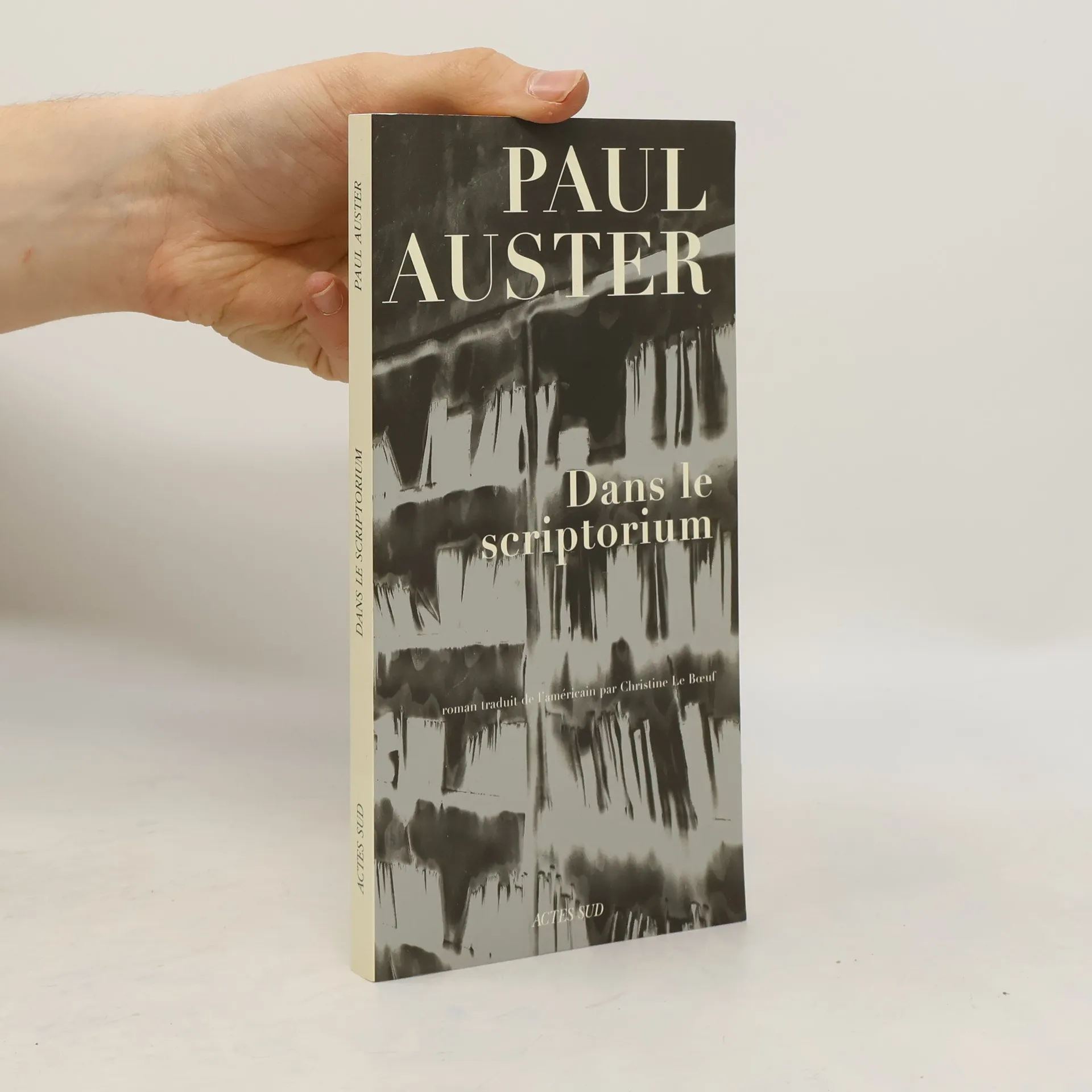
Un homme, âgé et désorienté, se réveille dans une chambre inconnue, sans mémoire de son identité ni de la raison de son assignation à résidence. La pièce, dotée d'une fenêtre condamnée et d'une porte par laquelle des "visiteurs" entrent et sortent, devient le cadre d'une introspection troublante. Sur un bureau, des photographies en noir et blanc, deux manuscrits et un stylo l'invitent à réfléchir. Ses interlocuteurs, dont une certaine Anna qui l'appelle "Mr. Blank", évoquent des comprimés, un traitement en cours, ainsi que des thèmes d'amour et de promesses. D'autres personnages, filmés par une caméra, lui reprochent des missions passées qui ont laissé des séquelles irréparables. En explorant des territoires d'inquiétante étrangeté, l'auteur propose une réflexion sur la relation entre un romancier et ses personnages, tout en interrogeant les responsabilités de l'Amérique contemporaine face à son Histoire. Ce récit témoigne d'une volonté de réinvention d'un écrivain à la notoriété établie, qui s'engage à explorer les labyrinthes du langage et à affronter les exigences fondamentales de la fiction.
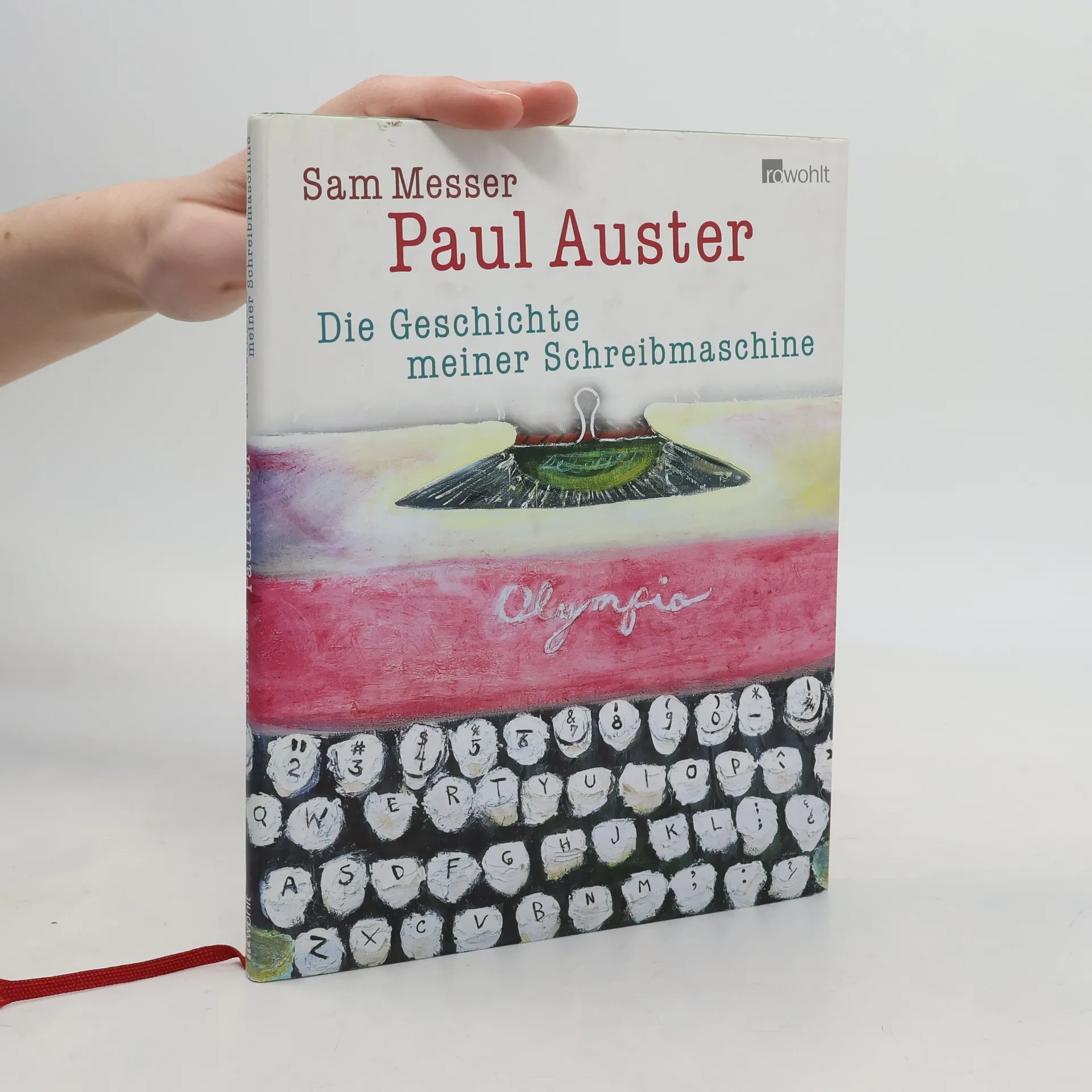
Die Geschichte meiner Schreibmaschine
- 62pages
- 3 heures de lecture
Dies ist die Geschichte vielfältiger Beziehungen: Zwischen einem Schriftsteller und einem Maler. Zwischen einem Schriftsteller und seiner Schreibmaschine. Zwischen einem Maler und seiner Besessenheit von dieser Schreibmaschine. Dies ist auch das Ergebnis einer Zusammenarbeit: entstanden aus Paul Austers Geschichte seiner 25 Jahre alten mechanischen Olympia und Sam Messers willkommenem, aber ziemlich beunruhigendem Auftritt in dieser Geschichte. Auf Austers Olympia entstanden alle seine Texte seit 1974, ein Gesamtwerk, das zu den kreativsten und anerkanntesten der jüngeren US-Literaturgeschichte gehört. Messers kraftvolle, eindringliche Zeichnungen und Ölbilder sowohl des Autors als auch seiner Schreibmaschine haben, wie Auster schreibt, ein «eigentlich unbelebtes Objekt in ein beseeltes Wesen mit fühlbarer Präsenz verwandelt». Der durchgehend vierfarbige Band mit seinen opulenten Bildern ist ein Fest fürs Auge und ein Muss für alle Auster-Fans.
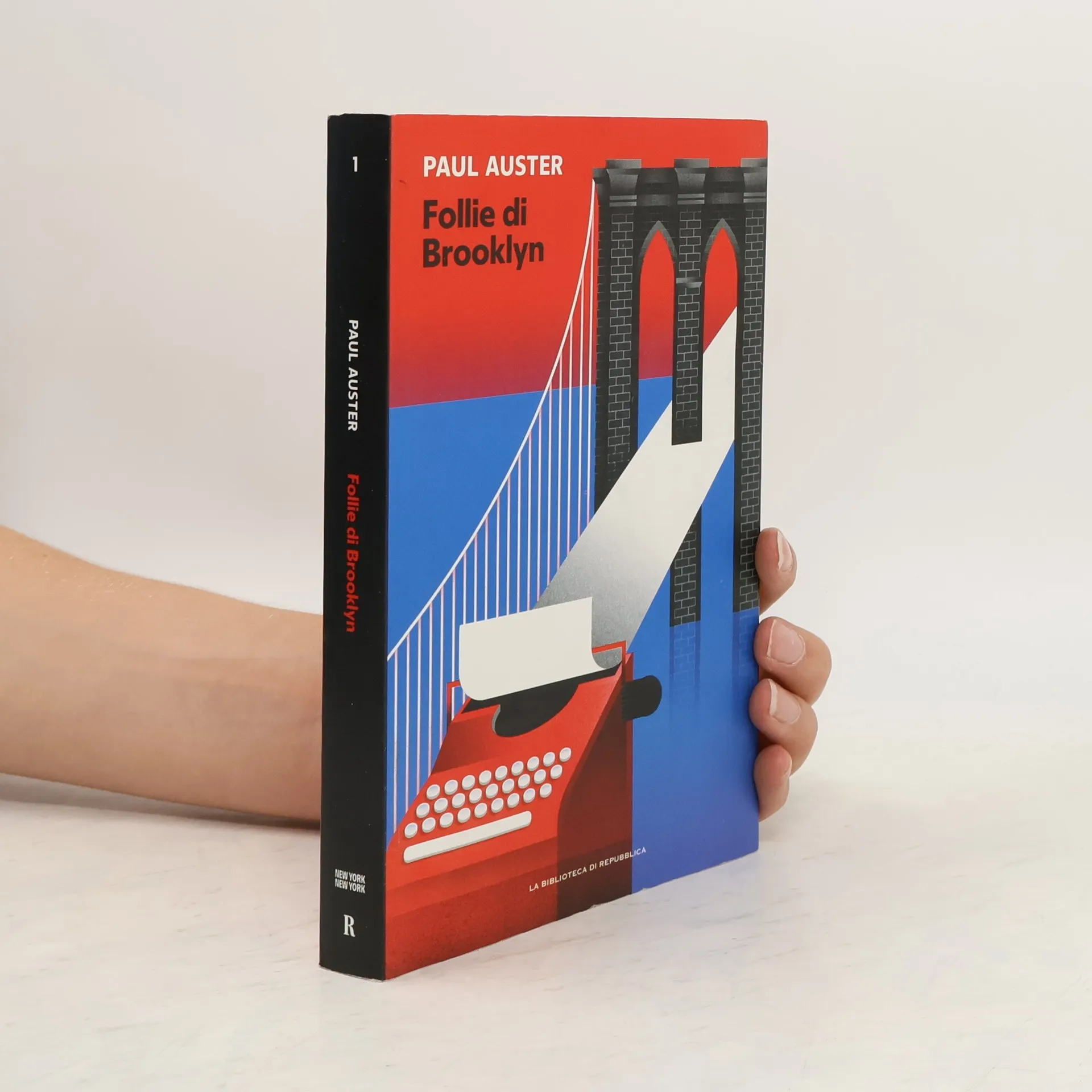
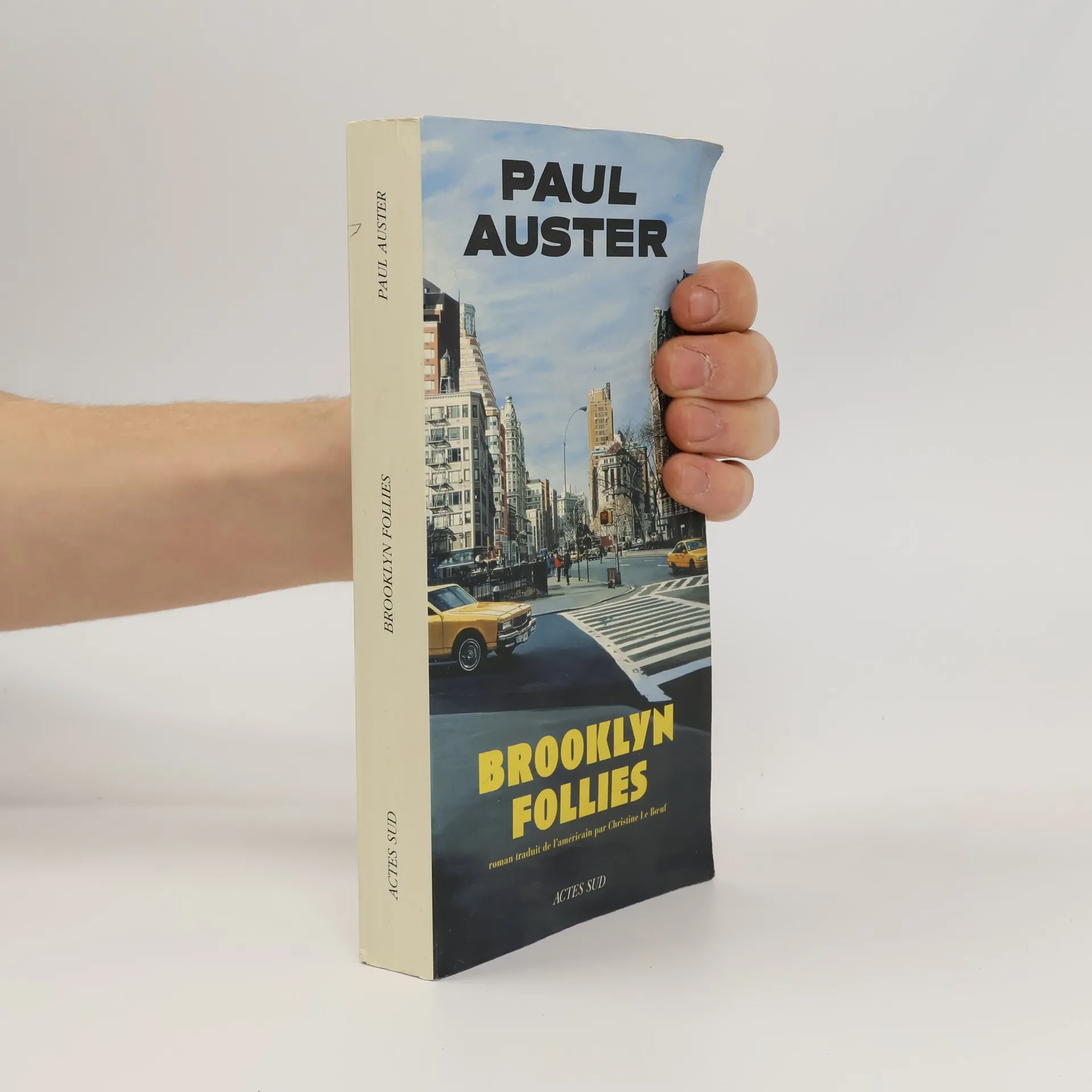
Brooklyn follies
- 363pages
- 13 heures de lecture
Nathan Glass a soixante ans. Un divorce, un cancer en rémission, trente ans de carrière dans une compagnie d'assurances à Manhattan et une certaine solitude qui ne l'empêche pas d'aborder le dernier versant de son existence avec sérénité. Chaque jour, Brooklyn et ses habitants le séduisent davantage, il prend ses habitudes, tombe sous le charme d'une serveuse et décide de faire un livre dans lequel seraient consignés ses souvenirs, ses lapsus, ses faiblesses de langage, ses grandes et petites histoires mais aussi celles des gens qu'il a croisés, rencontrés ou aimés. Un matin de printemps, le 23 mai de l'an 2000, ce livre intitulé Brooklyn Follies prend une autre dimension. Ce jour-là, dans une librairie, Nathan Glass retrouve son neveu Tom Wood. Perdu de vue depuis longtemps, ce garçon de trente ans reprend très vite la place qui fut la sienne dans le cœur de son oncle. Et c'est ensemble qu'ils vont poursuivre leur histoire, partager leurs émotions, leurs faiblesses, leurs utopies mais aussi et surtout, le rêve d'une vie meilleure à l'hôtel Existence... Un livre sur le désir d'aimer. Un roman chaleureux, à travers lequel tous les grands thèmes austériens se répondent, où les personnages reprennent leur vie en main, choisissent leur destin, vivent le meilleur des choses - mais pour combien de temps encore, en Amérique ?....
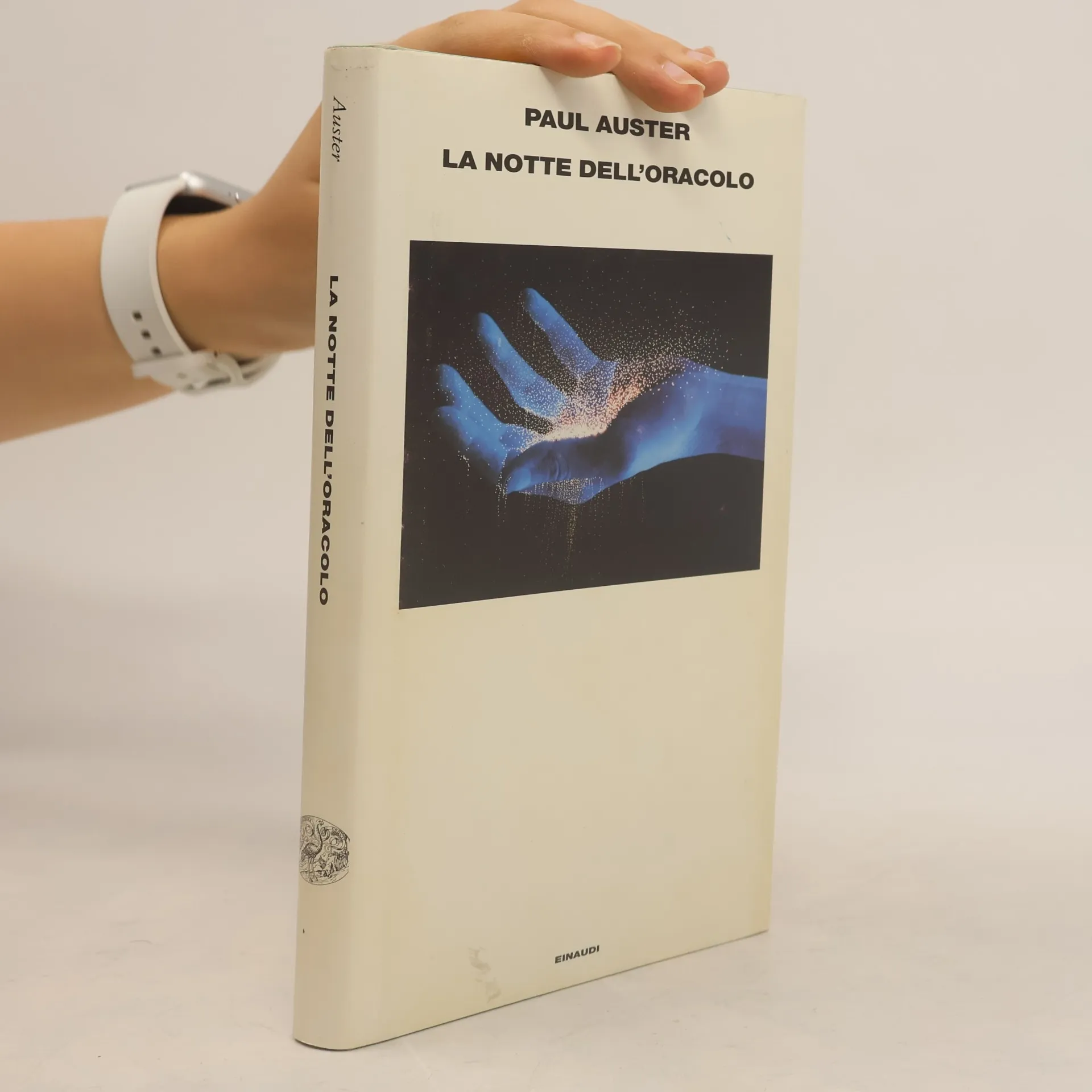
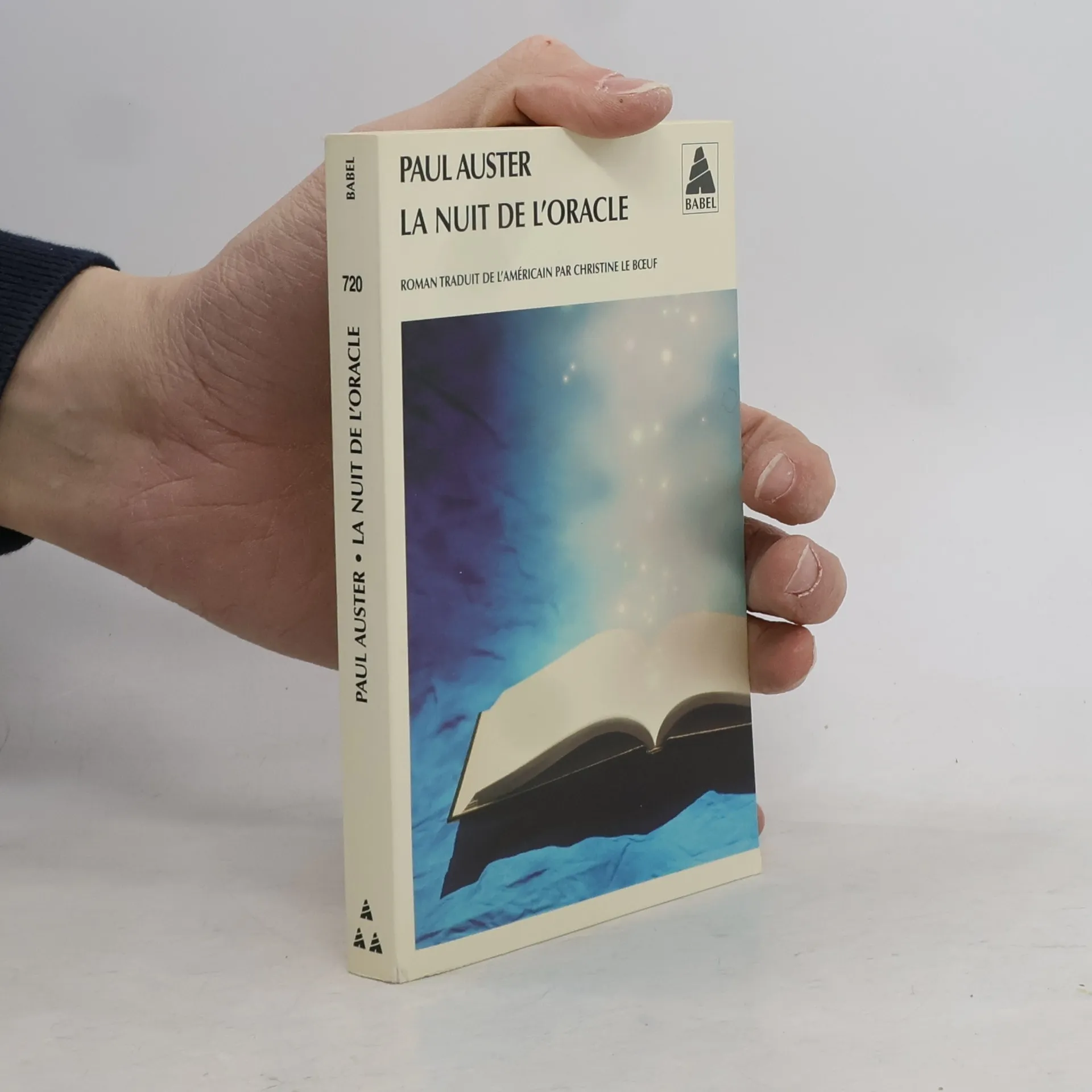
La notte dell'oracolo
- 207pages
- 8 heures de lecture
Dopo aver superato per miracolo una malattia che lo ha quasi ucciso, Sidney Orr, scrittore trentenne, ricomincia faticosamente a vivere. Un giorno, passeggiando per le vie di Brooklyn, entra per caso in una cartoleria e trova tra gli scaffali un taccuino blu di fabbricazione portoghese. È un oggetto solido, banale, senza frivolezze. Ma nel momento stesso in cui Sidney lo prende in mano sa che lo comprerà. Con il taccuino blu Sidney si sente capace di ritornare a scrivere. E per i successivi nove giorni vive sotto l'incantesimo dell'ispirazione: scrive l'inizio di un romanzo, lavora a un trattamento cinematografico, butta giù alcune riflessioni su un tragico fatto di cronaca, e trova una possibile spiegazione ad alcuni fatti misteriosi che rischiano di distruggere la sua vita e quella di sua moglie, Grace. A poco a poco la finzione lascia il passo alla realtà, le vicende del romanzo che Sidney ha iniziato a scrivere si dimostrano premonizioni enigmatiche e oracolari del futuro che lo aspetta. Grace gli ha sempre nascosto qualcosa, l'amico e scrittore John Trause gli ha sempre nascosto qualcosa, perfino il proprietario della cartoleria, l'inquietante Mr Chang, sembra nascondergli qualcosa. Così Sidney si trasforma in detective e seguendo il consiglio di Trause ("Viviamo nel presente, ma il futuro è dentro di noi in ogni momento"), inizia a decifrare il mistero. E quando ormai la verità affiora in tutta la sua cruda violenza, Sidney decide, per amore di Grace, di rinunciare per sempre all'oracolo del taccuino blu.
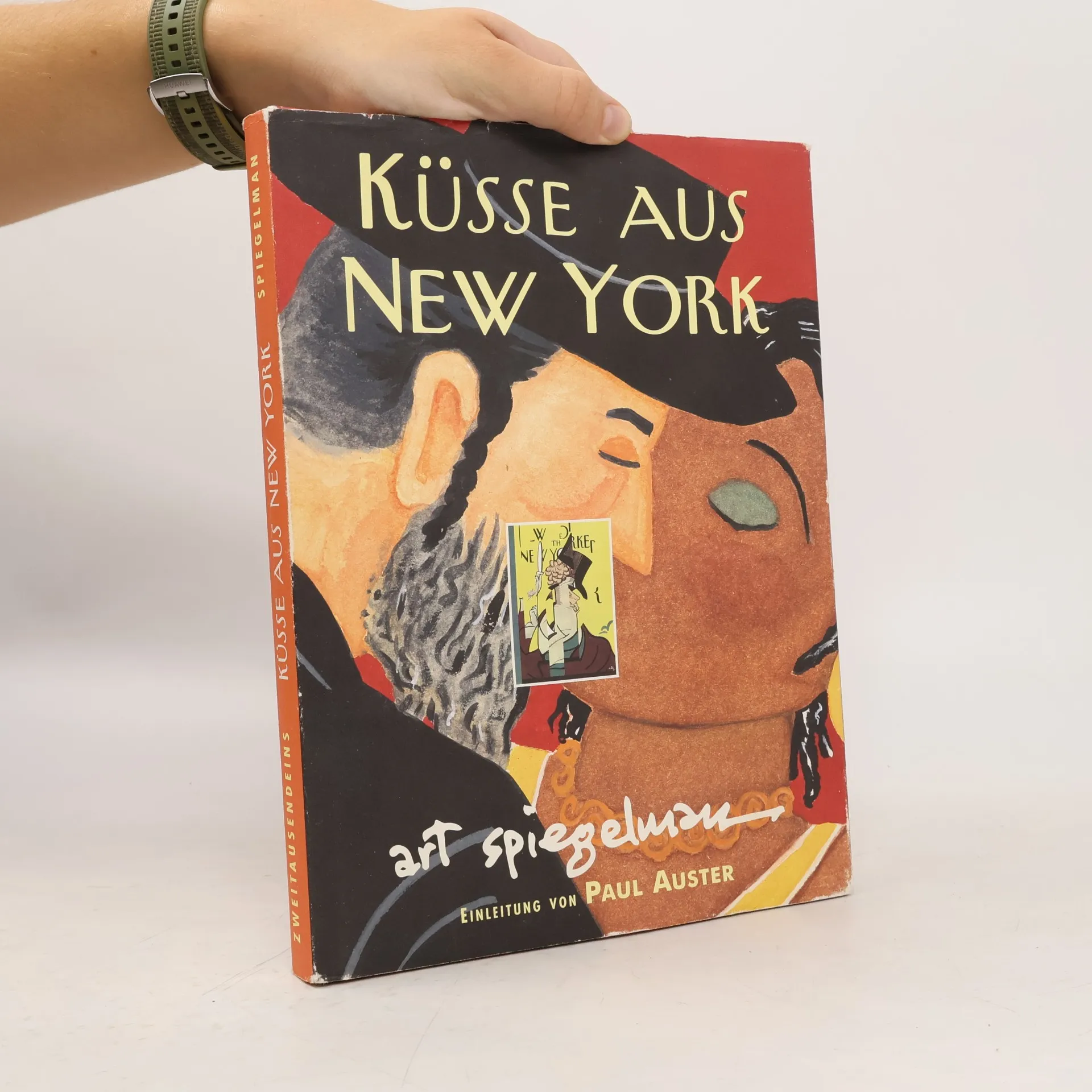
Küsse aus New York
- 112pages
- 4 heures de lecture
„Art Spiegelman ist der George Grosz unserer Tage“ Henryk M. Broder im Tagesspiegel. „Küsse aus New York“ zeigt Spiegelmans provokante Arbeiten für den New Yorker. Nur bei uns. Art Spiegelman: bissig, aggressiv und spitze Feder. Der New Yorker: gut bürgerlich, kultiviert, blasée. Zehn Jahre lang hat Spiegelman („Maus“) für den New Yorker Titelbilder entworfen. Der „zur Zeit bedeutendste amerikanische Comic-Künstler“ (Künstlerkollege ATAK in Das Magazin) wurde angestellt, um zu provozieren. Meist gelang es ihm besser als erwartet. Zum Osterfest und Steuertermin zeichnet Spiegelman einen Osterhasen, der gekreuzigt auf einer Steuererklärung ausblutet. Es hagelt Proteste von der christlichen Rechten (der der heidnische Hase eigentlich egal sein sollte). Weltberühmt wurde Spiegelmans überraschender Bildkommentar zum 11.9.: Die World Trade Center-Türme ganz in schwarz vor schwarzem Hintergrund - diesmal ging Spiegelman das Thema zu nah. Seine Tochter Nadja ging auf der anderen Straßenseite vom WTC zur Schule, beide waren Augenzeugen als die Türme einstürzten. Die Titelbilder gibt es jetzt als Buch. Zusammen mit Entwürfen, Skizzen, abgelehnten Versionen und Kommentaren von Spiegelman selbst.
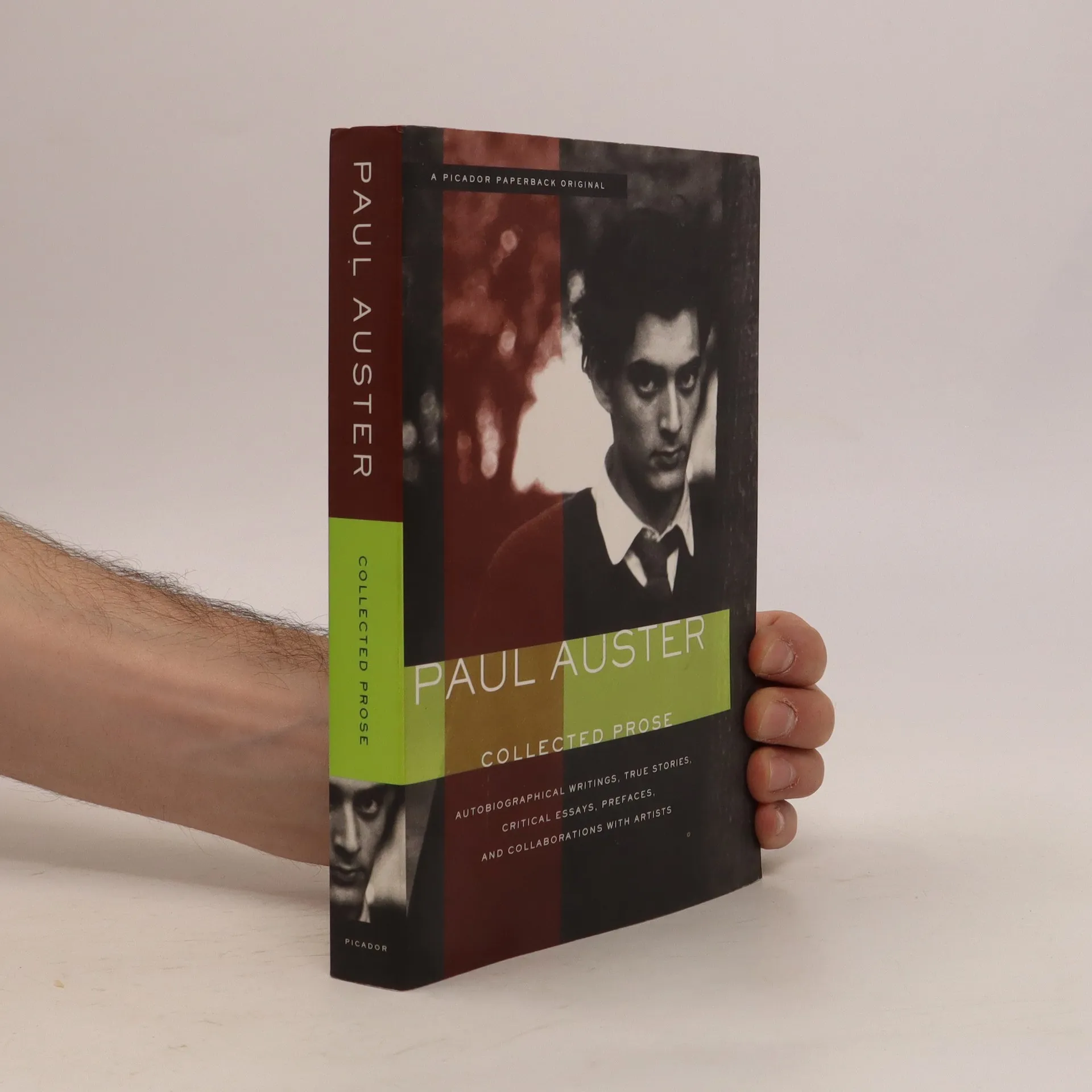
Collected Prose
- 528pages
- 19 heures de lecture
The celebrated author of "The New York Trilogy, The Book of Illusions" and "Oracle Night" now offers an essential collection of essays, prefaces, true stories, autobiographical writings, and collaborations with artists.
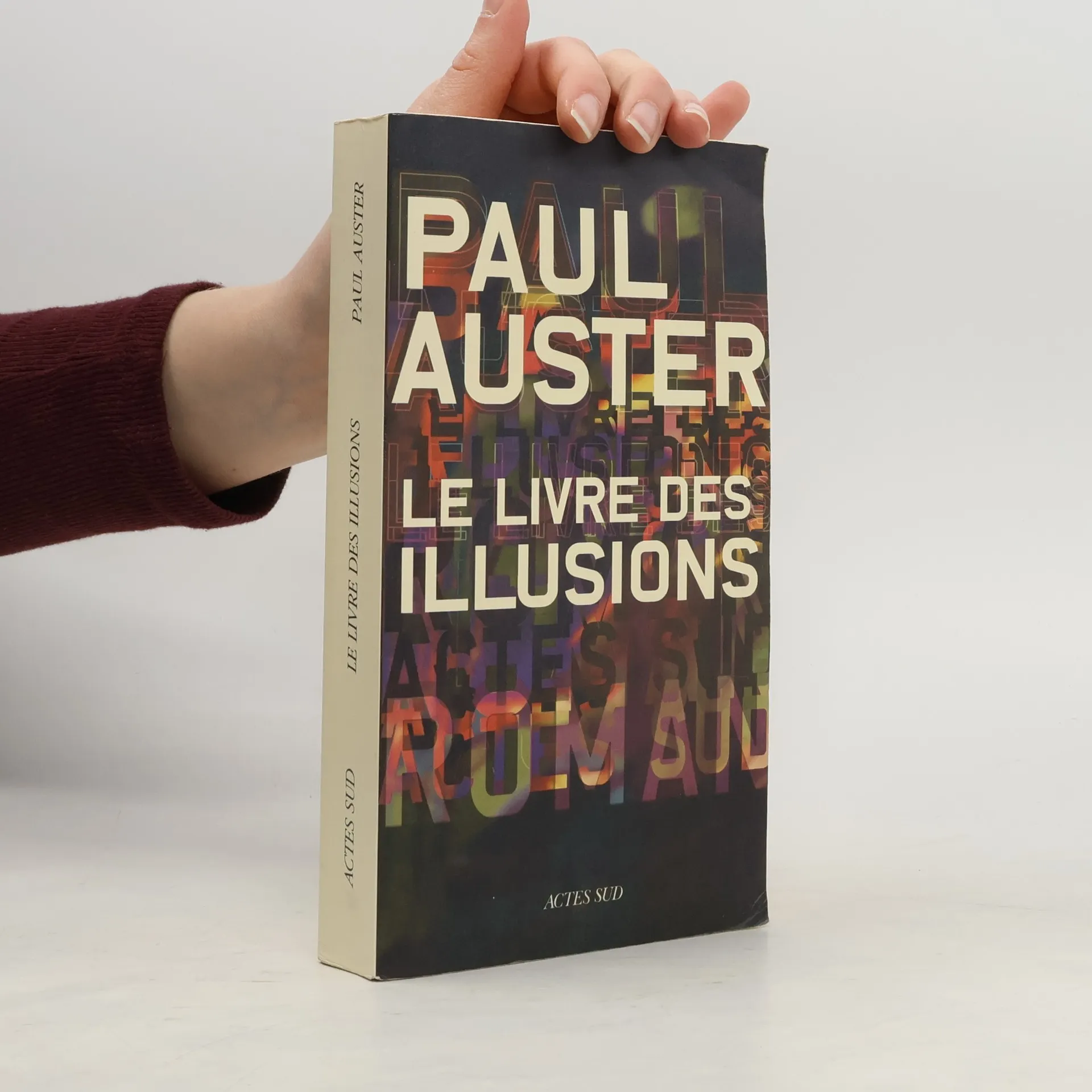
Le livre des illusions
- 400pages
- 14 heures de lecture
Six months after losing his wife and two young sons, Vermont professor David Zimmer spends his waking hours mired in a blur of alcoholic grief and self-pity. One night, he stumbles upon a clip from a lost film by silent comedian Hector Mann. His interest is piqued, and he soon finds himself embarking on a journey around the world to research a book on this mysterious figure, who vanished from sight in 1929. When the book is published the following year, a letter turns up in Zimmer's mailbox bearing a return address from a small town in New Mexico inviting him to meet Hector. Zimmer hesitates, until one night a strange woman appears on his doorstep and makes the decision for him, changing his life forever.
Paul Auster entdeckt Charles Reznikoff.
- 95pages
- 4 heures de lecture
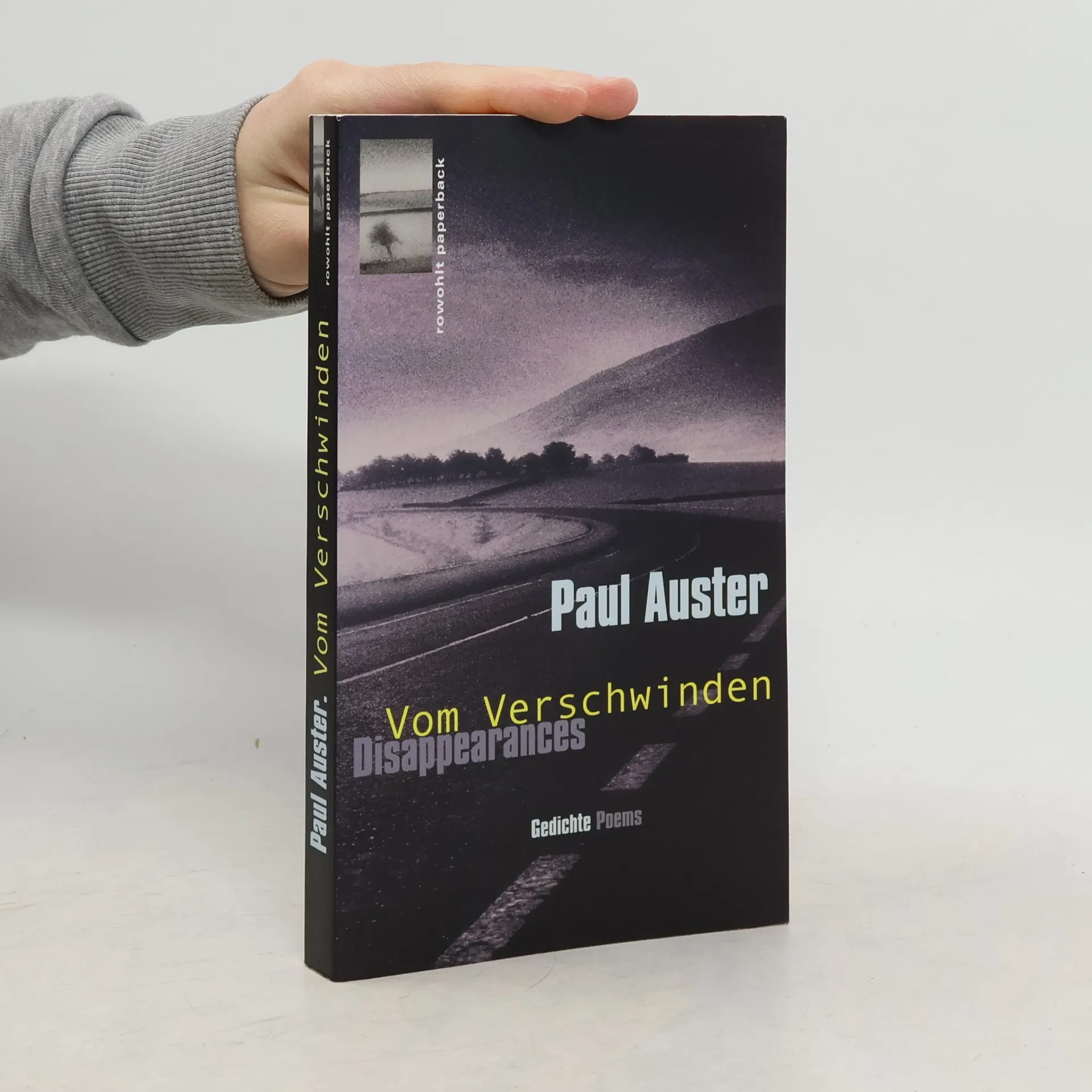
Disappearances / Vom Verschwinden
- 217pages
- 8 heures de lecture
Lange vor seinem internationalen Ruhm als Romanautor veröffentlichte Auster einen Gedichtband, der nun in deutscher Übersetzung erhältlich ist.
True tales of American life
- 480pages
- 17 heures de lecture
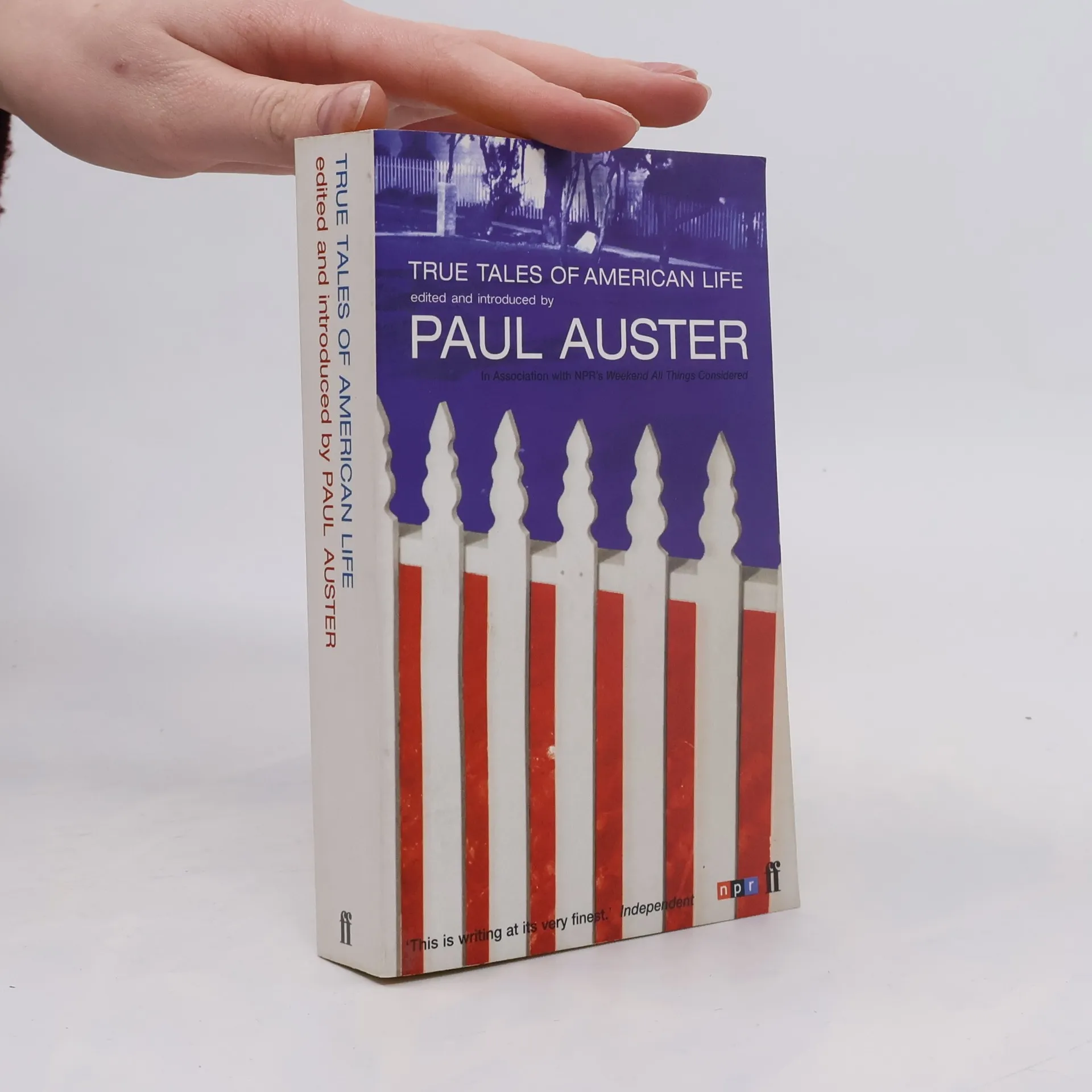
In 1999, Paul Auster and National Public Radio's Weekend All Things Considered programme asked listeners to send in true stories, to be read on-air as part of the National Story Project. The response was overwhelming: everyone, it seemed, had a story to tell. True Tales of American Life gathers 180 of these stories in one extraordinary volume.
Mein New York
- 113pages
- 4 heures de lecture
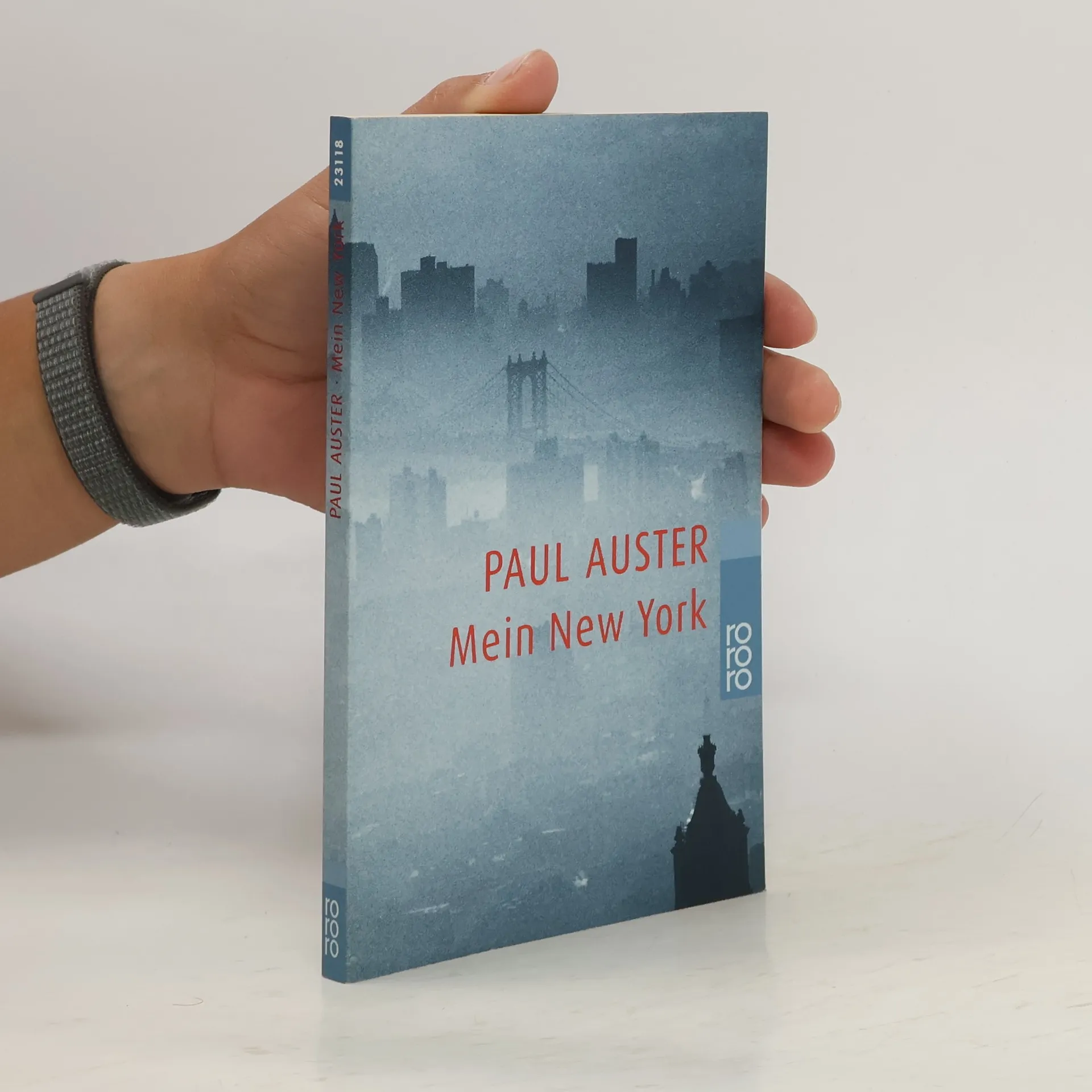
New York: rastlos, kreativ und unüberschaubar - vielbeschriebenes Sinnbild futuristischer Visionen und pulsierender Gegenwart. Paul Auster hat sich von der Metropole inspirieren lassen wie kaum ein anderer Künstler zuvor. Eine Unter- und Nebenwelt voll merkwürdiger Figuren und Ereignisse, ein antipodisches Negativ des Glitzers von Times Square und Fifth Avenue. «Mein New York» ist ein literarisches Stadtmosaik, komponiert aus Austers Werken. Ein wunderschöner Band über die Stadt der Städte.
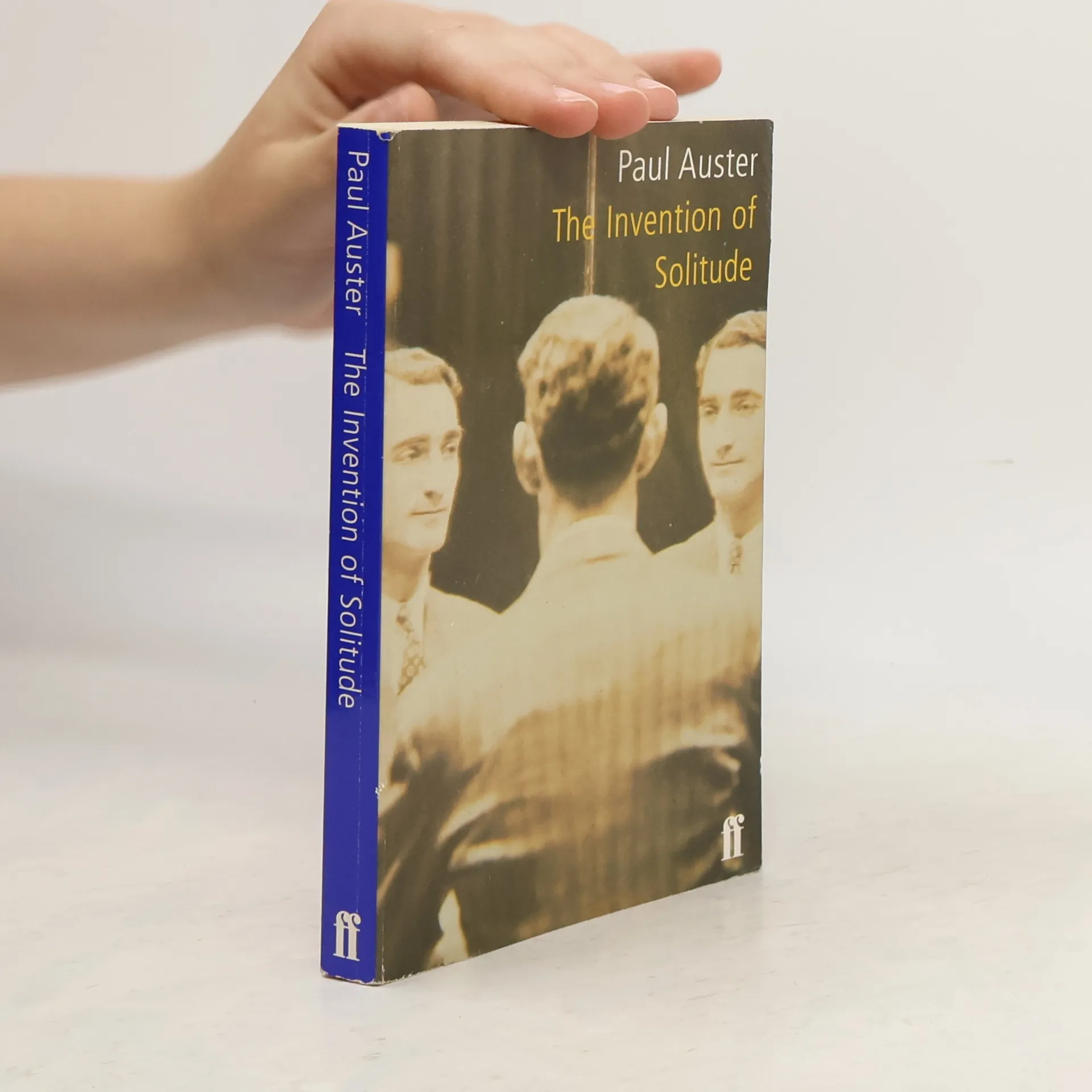
Vynález samoty
- 229pages
- 9 heures de lecture
Román amerického autora, jehož ústředním tématem je paměť a její utváření v životě jedince. V první části, nazvané Portrét neviditelného muže, autor popisuje vzpomínky a pocity, jež v něm vyvolává smrt jeho otce, odtažitého a zdrženlivého muže. Vyřizování pozůstalosti přivádí vypravěče k rekonstrukci důvodů otcova samotářského života. Náhodně odkrývá utajenou šedesát let starou rodinnou vraždu, která je i pozdním klíčem k pochopení obtížného otcova charakteru a vztah v typické rodině amerických židovských přistěhovalců. V druhé části, Knize paměti, která je vlastně eseji o minulosti a jejím vztahu k přítomnému okamžiku, se vypravěč neustále pohybuje na hranici mezi fiktivním světem slova a skutečností. Prostřednictvím mozaiky obrazů, analogií, mytologických či biblických odkazů a aluzí vytváří svět, jenž ho v samotě jeho vyprávění spojuje jak se světem odloučeného syna, tak s minulostí jeho předků a jejich příběhů.
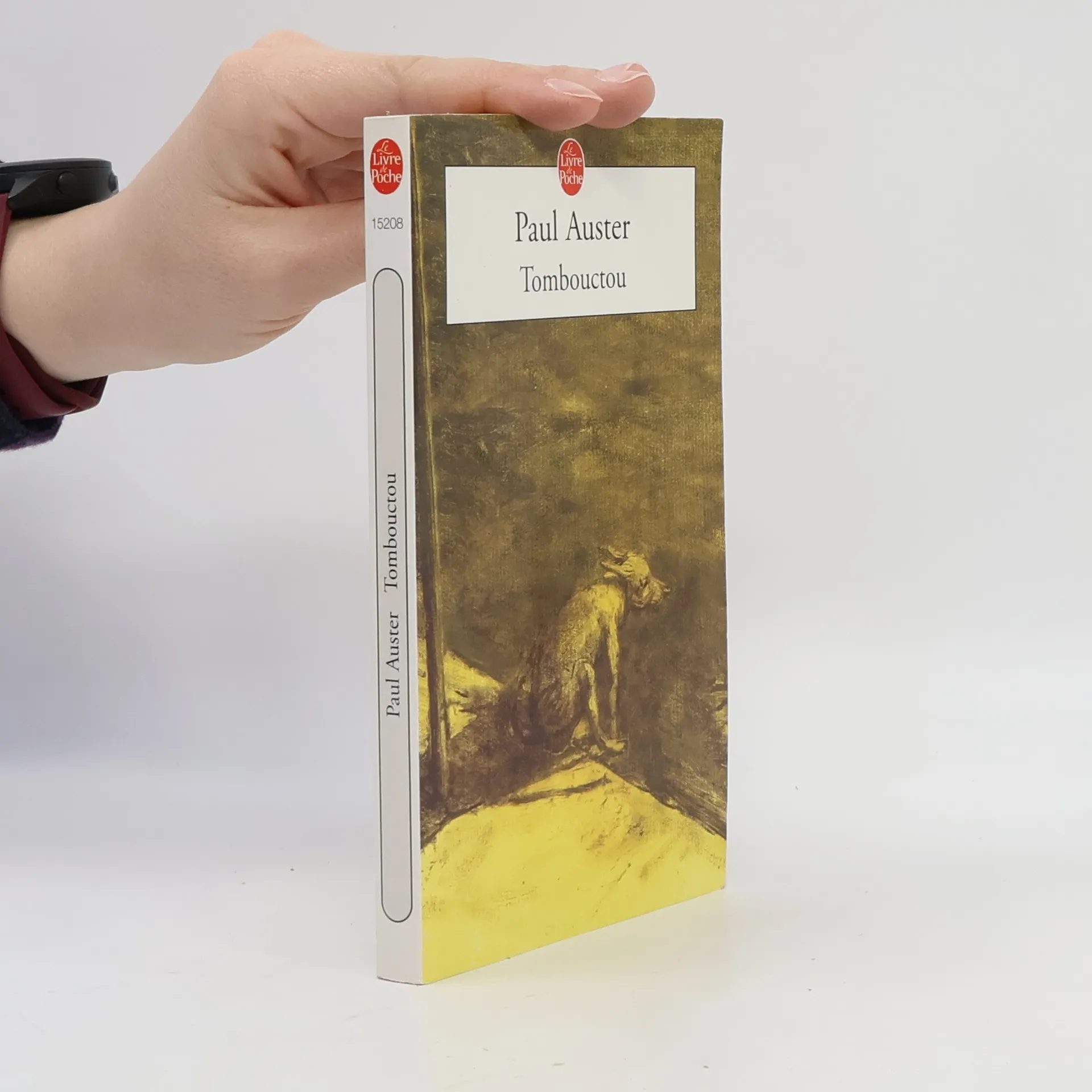
Le Livre de Poche: Tombouctou
- 186pages
- 7 heures de lecture
Willy erre dans Baltimore à la recherche de son ancienne institutrice car, avant de mourir, il aimerait lui confier son chien - le fidèle Mr Bones - et aussi l'oeuvre de sa vie : soixante-quatorze cahiers, et notamment les huit cents premiers vers d'une épopée inachevée, Jours vagabonds . Mais Willy meurt sans avoir pu assurer l'avenir de ses écrits, et Mr Bones se retrouve seul, livré à lui-même, privé de ce maître qui fut pour lui le pivot et la raison d'être de l'univers. Pour Mr Bones, c'est une évidence, Willy est désormais à Tombouctou, l'au-delà des bienheureux. Les harangues de Willy et les souvenirs que Mr Bones garde des méditations de son maître constituent la plus grande part d'une fable romanesque écrite avec un art de la narration qui, depuis son premier livre, a fait la réputation de Paul Auster.
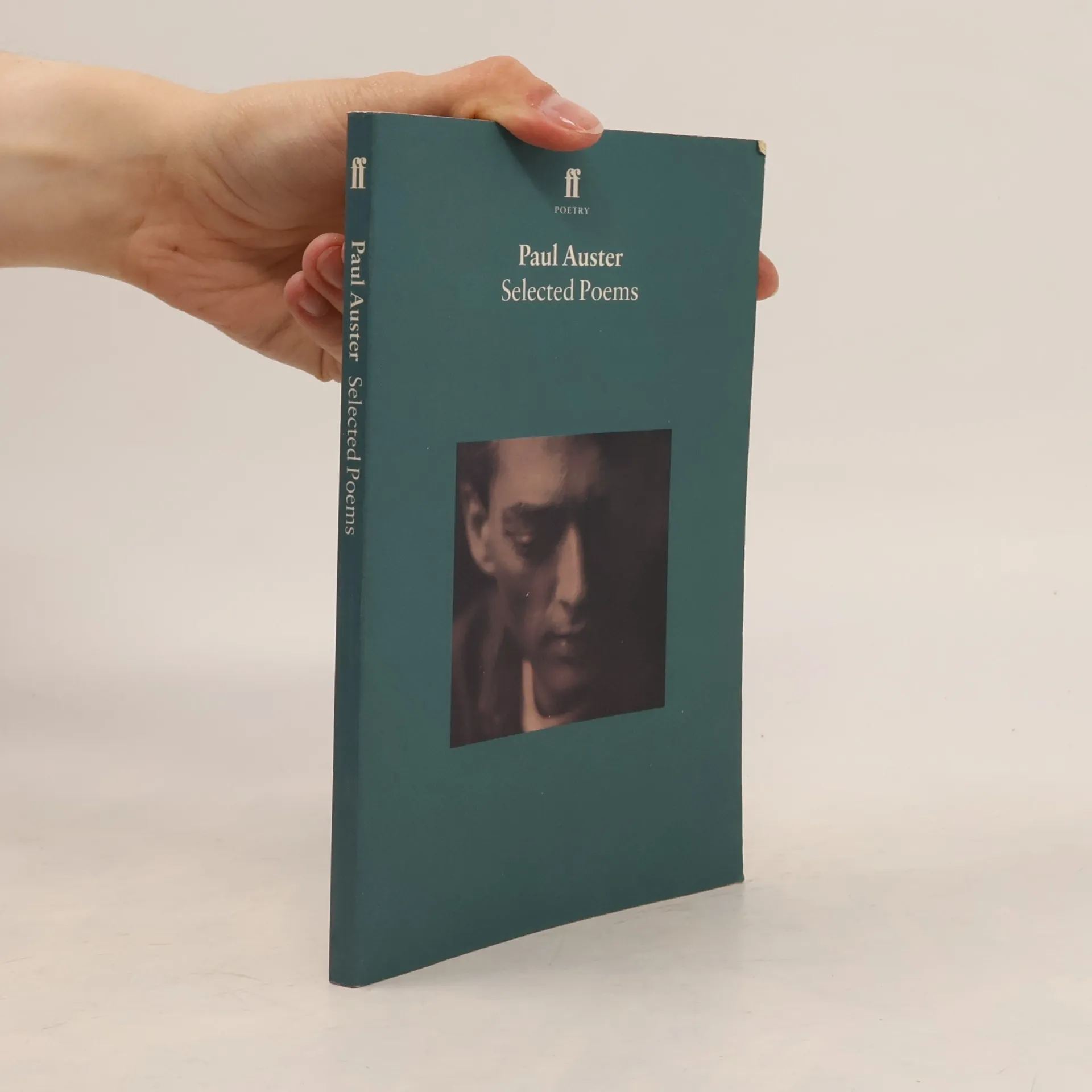
Faber Poetry: Selected Poems of Paul Auster
- 112pages
- 4 heures de lecture
Working within the domain of consciously reduced elements, Paul Auster pushes language to its breaking point, locating the sayable within the shifting tumult of the real, and revealing a poetic voice that has been consistently faithful to its visionary impulses.
Panorama de narrativas - 408: Lulu on the Bridge
- 254pages
- 9 heures de lecture
Tras el éxito de la publicación conjunta de los guiones de "Smoke y Blue in the face", el presente libro contiene el guión completo de rodaje de "Lulu on the Bridge", una extensa conversación con Paul Auster y entrevistas con el productor, el director de montaje, la diseñadora de producción, la directora artística y el director de fotografía de dicha película, de la que se ofrecen además algunas imágenes. "Lulu on the Bridge" es una obra pasmosa y surrealista, un misterio romántico con muchas lecturas. Es, para empezar, la historia de Izzy y de Celia, dos seres solitarios, heridos, sin nada en comú dos extraños que en un momento dado se transforman en almas gemelas por las virtudes mágicas de una singular piedra fosforescente. El destino y algunas extrañas y casi trágicas circunstancias conspiran para separar a los dos enamorados. Pero el espectador y el lector serán conducidos con maestría a un final sorprendente que lo explicará todo. Intrigante, punto de arranque de muchas reflexiones y romántica a ultranza, "Lulu on the Bridge" ofrece una meditación lírica sobre la diferencia entre destino y suerte, realidad e ilusión, muerte y vida.
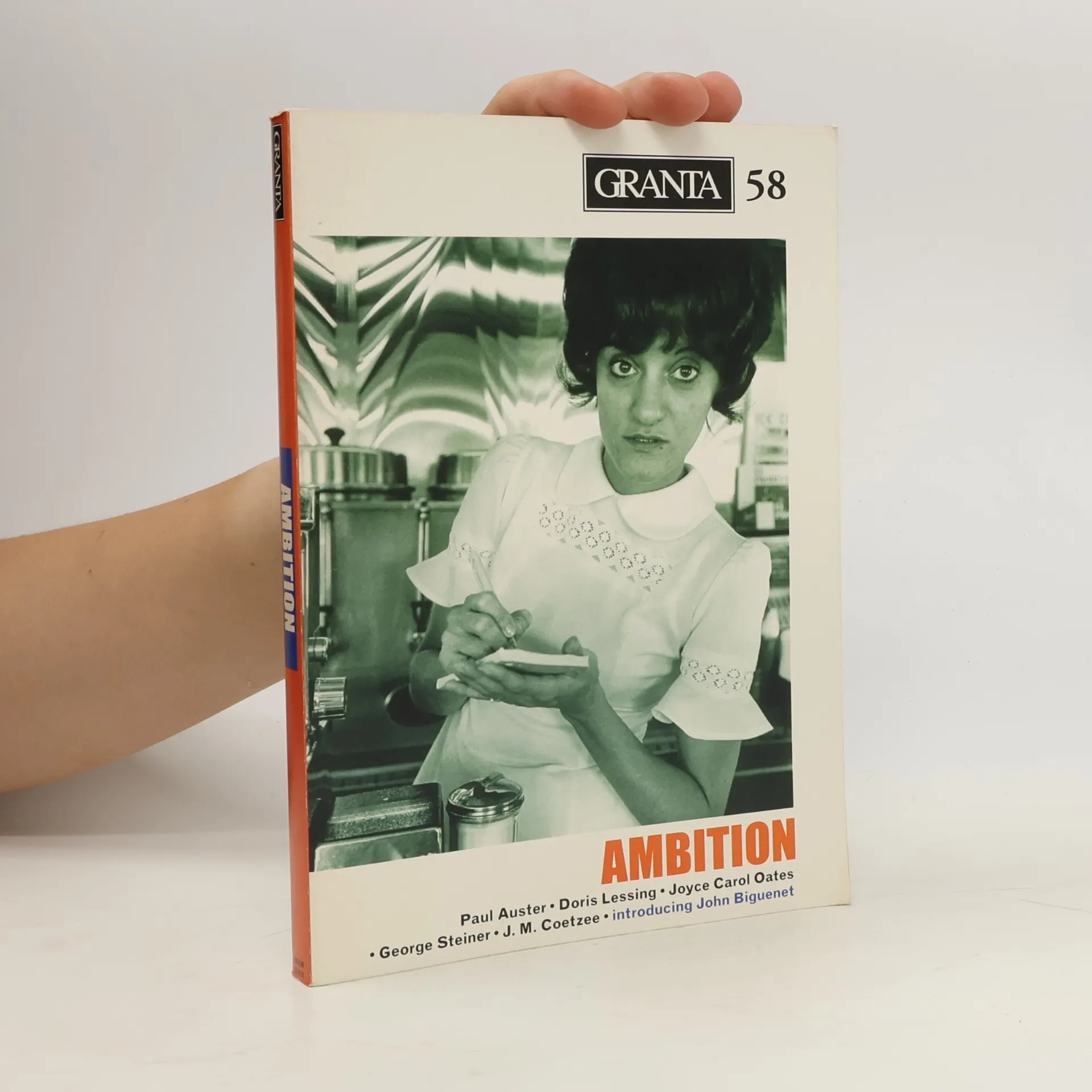
Granta - 58: Ambition
- 256pages
- 9 heures de lecture
I want, therefore I am. The cry of children down the ages (I want! I want!) turns out to be the cry of adults also. The things we desire — love, money, wisdom, power — have not changed since the world began, but it seems we want more of them, and now . But what if we get what we hope for? What if we don't?
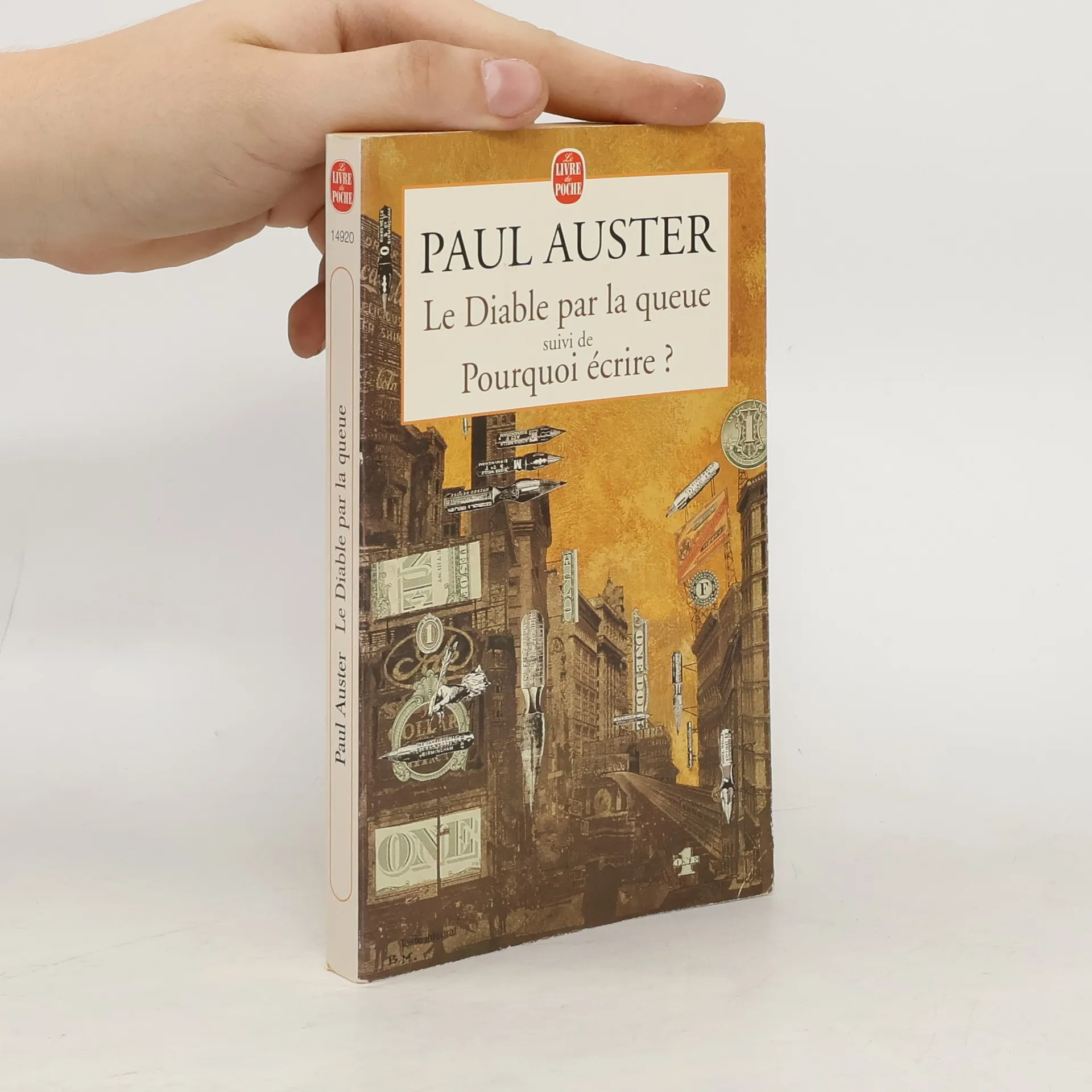
Avant de connaître la consécration, Paul Auster a connu des années de " galère ", comme tout écrivain qui se refuse à exercer un autre métier. De ses mésaventures, de ses tentatives, de ses véritables paniques devant les soucis matériels, il fait ici la chronique allègre. Elle commence aux querelles budgétaires qui minent le couple de ses parents, et s'achève à la parution de son premier livre. Les admirateurs de l'écrivain apprendront comment il a traduit en direct un discours de Jean Genet, inventé un jeu de cartes qui aurait assuré sa fortune sans l'arrivée de l'informatique, écrit un polar noir dans l'espérance d'un gros tirage... Mais au-delà de l'anecdote, cette réflexion sincère sur l'argent et la création éclaire d'un jour nouveau, de même que les souvenirs réunis sous le titre Pourquoi écrire ?, bien des pages d'une œuvre romanesque déjà classique.
Made in the USA
- 473pages
- 17 heures de lecture
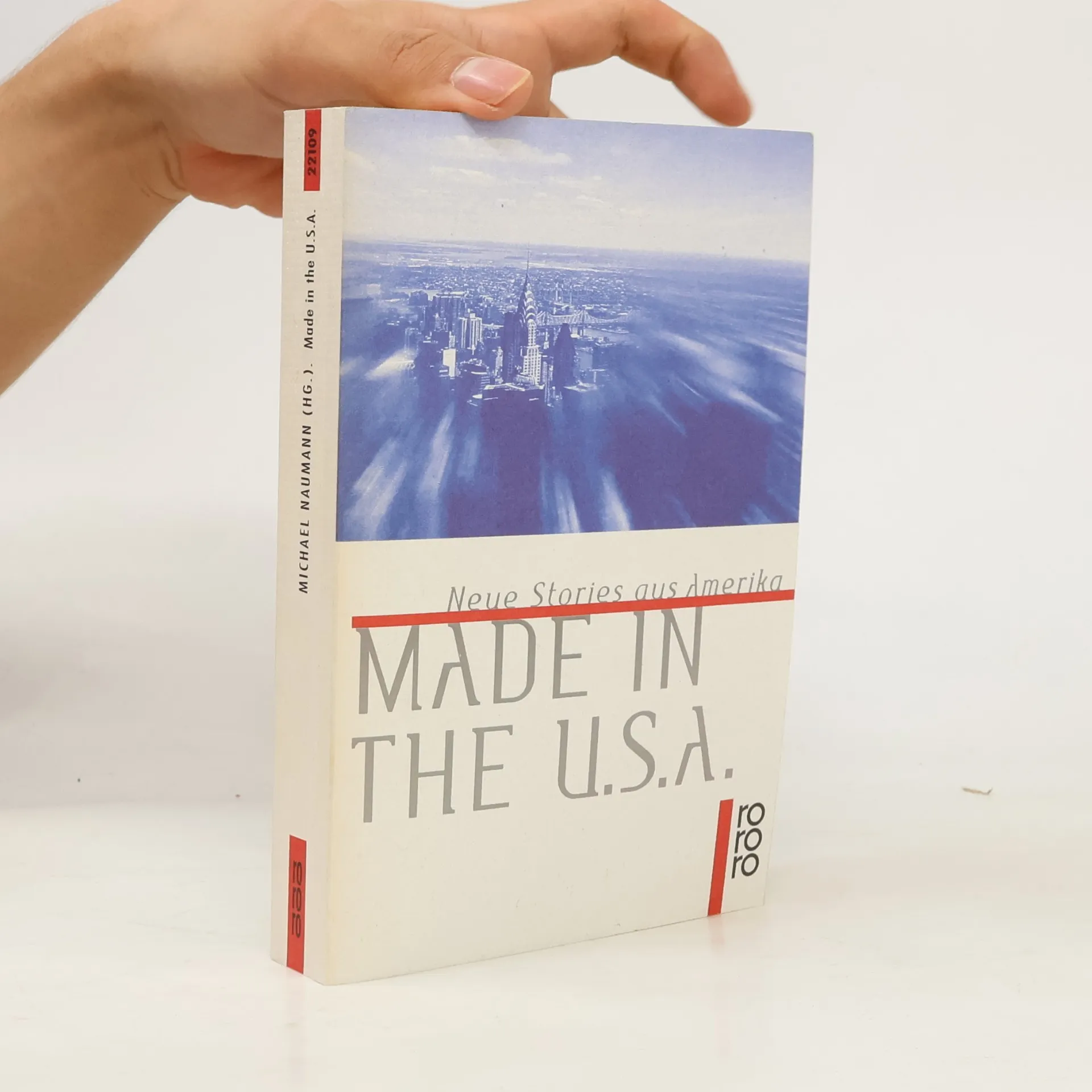
Zwölf Short Stories nordamerikanischer Autoren: Paul Auster, Harold Brodkey, Ethan Canin, Robert Coover, Irene Dische, Andre Dubus, Deborah Eisenberg, Richard Ford, David Gates, Lorrie Moore, Robert Olmstead, Thomas Pynchon, Christopher Tilghman und John Updike.
The Red Notebook. Das rote Notizbuch, englische Ausgabe
- 352pages
- 13 heures de lecture
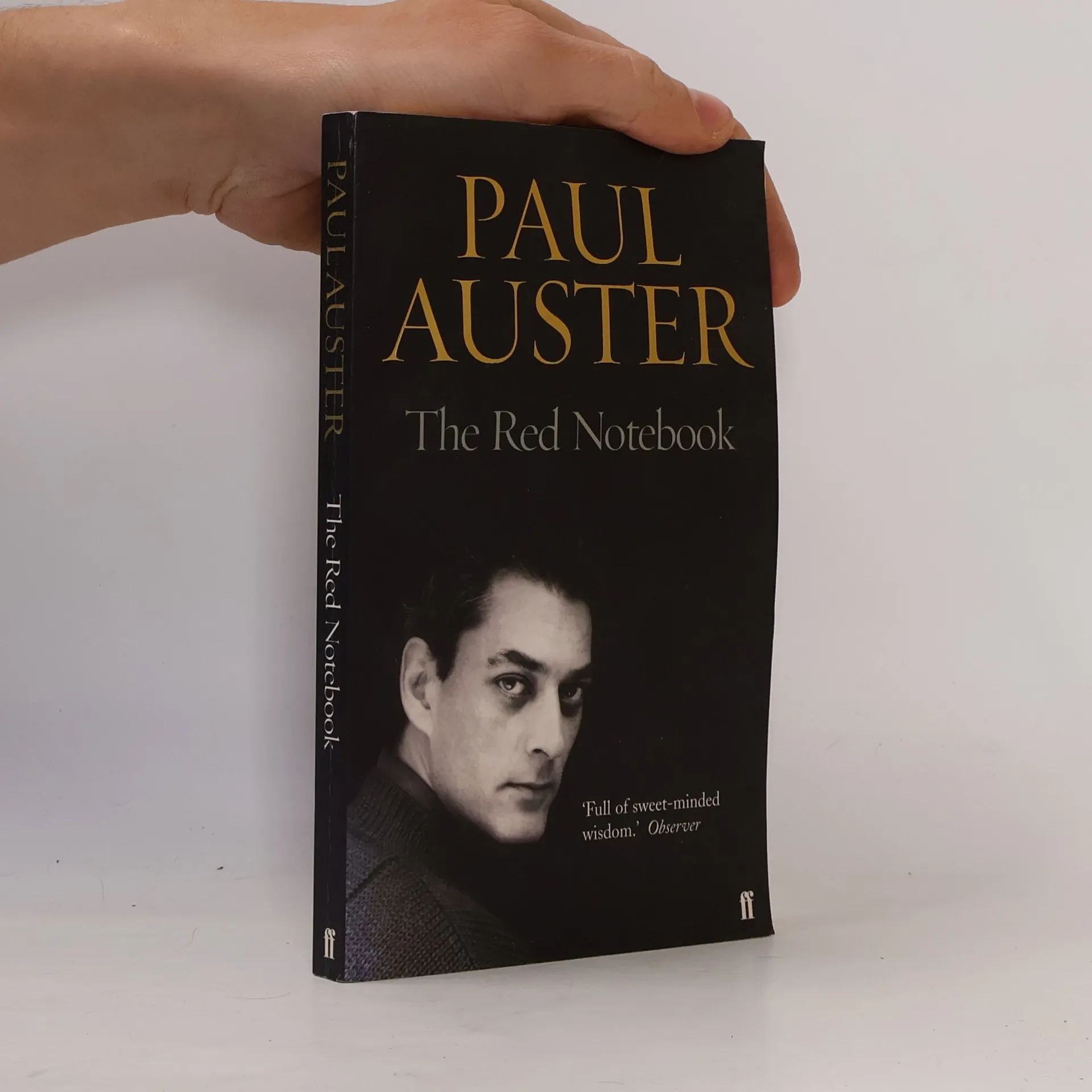
In this acrobatic and virtuosic collection, Paul Auster traces the compulsion to make literature. In a selection of interviews, as well as in the essay 'The Red Notebook' itself, Auster reflects upon his own work, on the need to break down the boundary between living and writing, and on the use of certain genre conventions to penetrate matters of memory and identity. The Red Notebook both illuminates and undermines our accepted notions about literature, and guides us towards a finer understanding of the dangerously high stakes involved in writing. It also includes Paul Auster's impassioned essay 'A Prayer for Salman Rushdie', as well as a set of striking and bittersweet reminiscences collected under the apposite title, 'Why Write?'
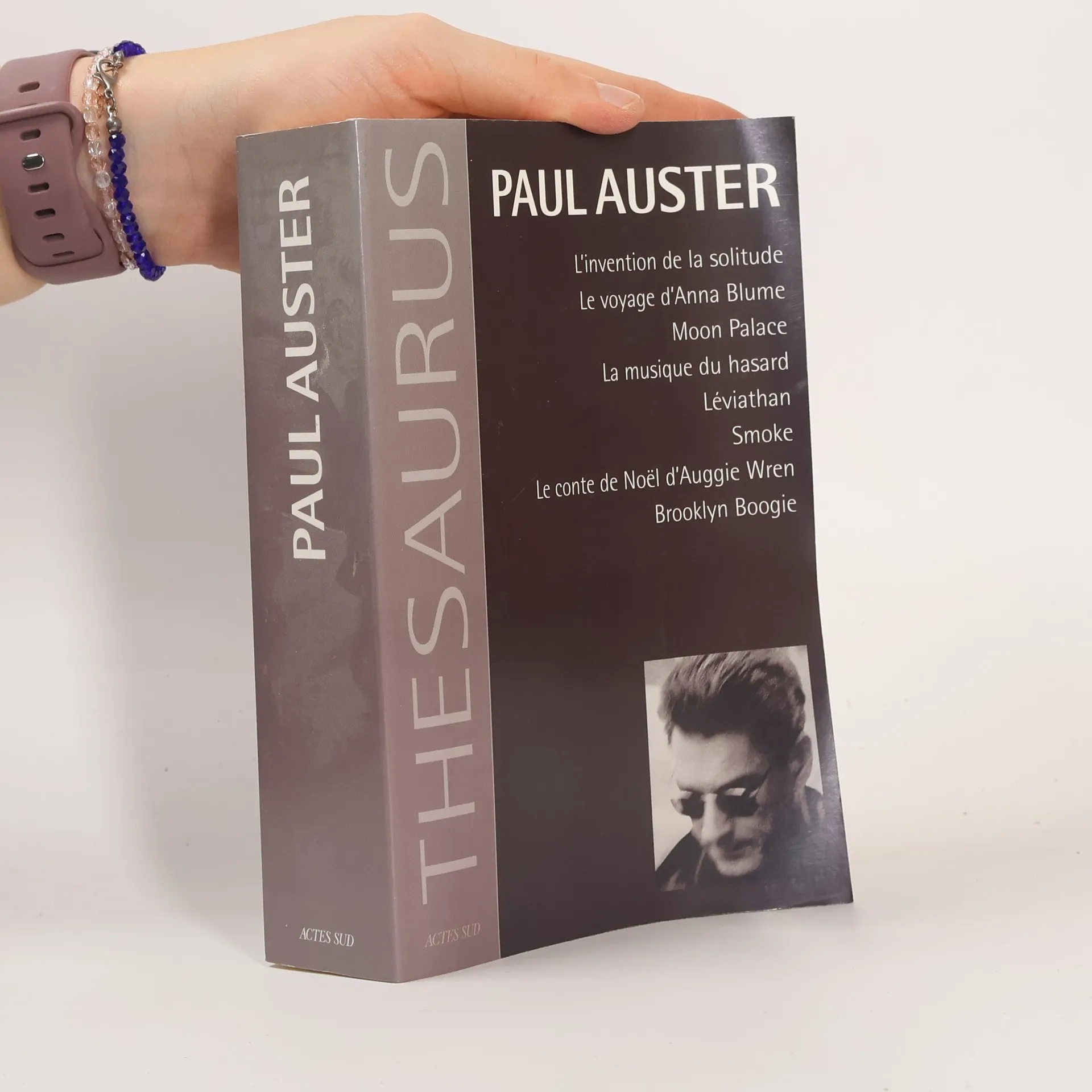
L'invention de la solitude
Le voyage d'Anna Blume. Moon palace. La musique du hasard. Léviathan. Smoke. Le conte de Noël d'Auggie Wren. Brooklyn Boogie
- 1466pages
- 52 heures de lecture
Szenen aus "Smoke"
- 124pages
- 5 heures de lecture
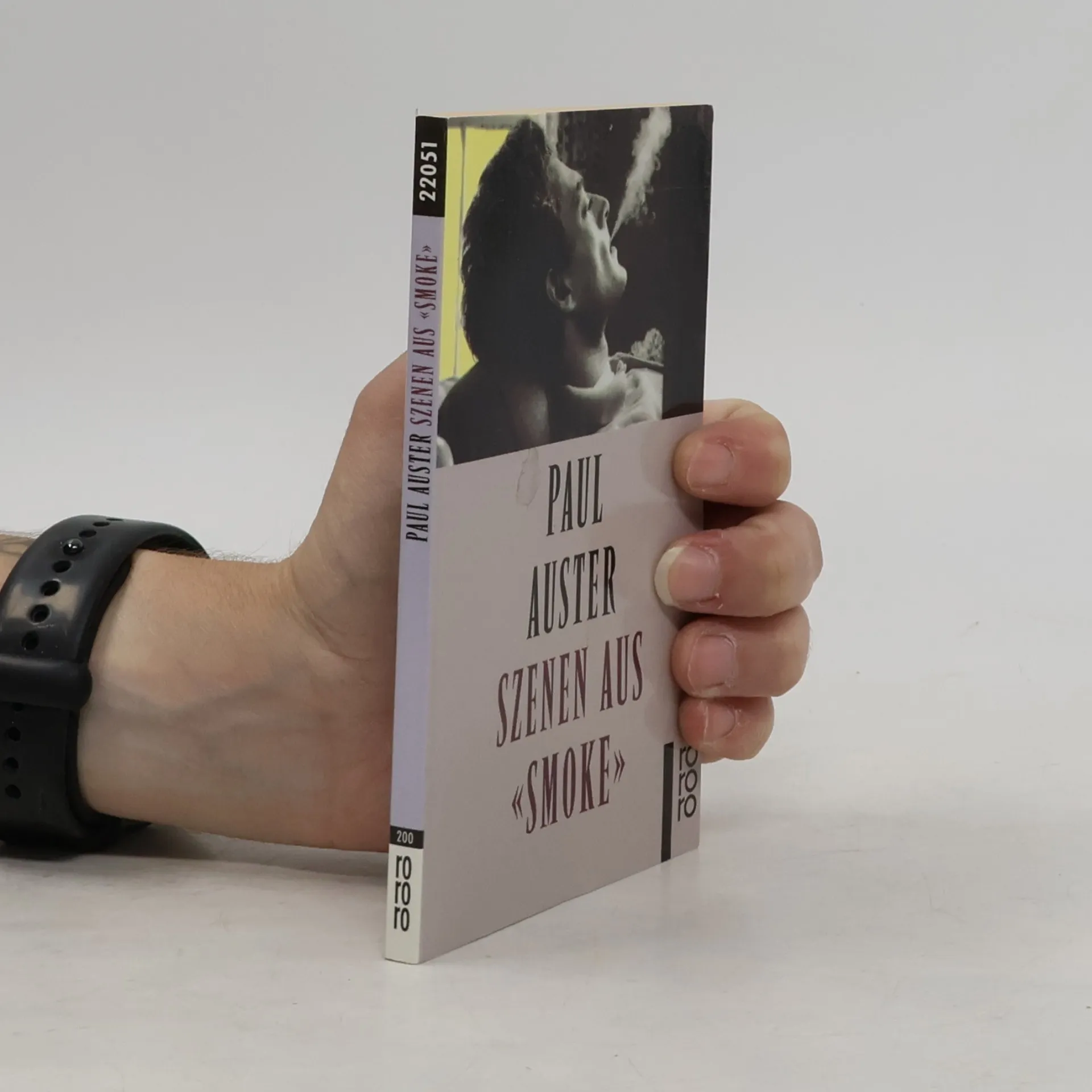
An array of New Yorkers become involved with a mom-and-pop cigar shop in Brooklyn in an acclaimed short story, presented here along with interviews with the author and the film's actors and a description of the process of creating a film. Original. Movie tie-in.
Après un long séjour à l'hôpital, l'écrivain Sidney Orr reprend goût à la vie. Mais il est accablé par l'ampleur de ses dettes et par l'angoisse de ne pas retrouver l'inspiration. Un matin, il découvre une nouvelle papeterie au charme irrésistible. Il entre, attiré par un étrange carnet bleu. Le soir même, dans un état second, Sidney commence à écrire dans ce carnet une captivante histoire qui dépasse vite ses espérances. Sans qu'il devine où elle va le conduire, ni que le réel lui réserve les plus dangereuses surprises... Virtuosité, puissance narrative, défi réciproque de l'improvisation et de la maîtrise : La Nuit de l'oracle précipite le lecteur au cœur des obsessions austériennes, dans un face à face entre fiction et destin. Comme si l'imaginaire n'était rien d'autre que le déroulement du temps avant la mort. Ou pire encore, son origine.
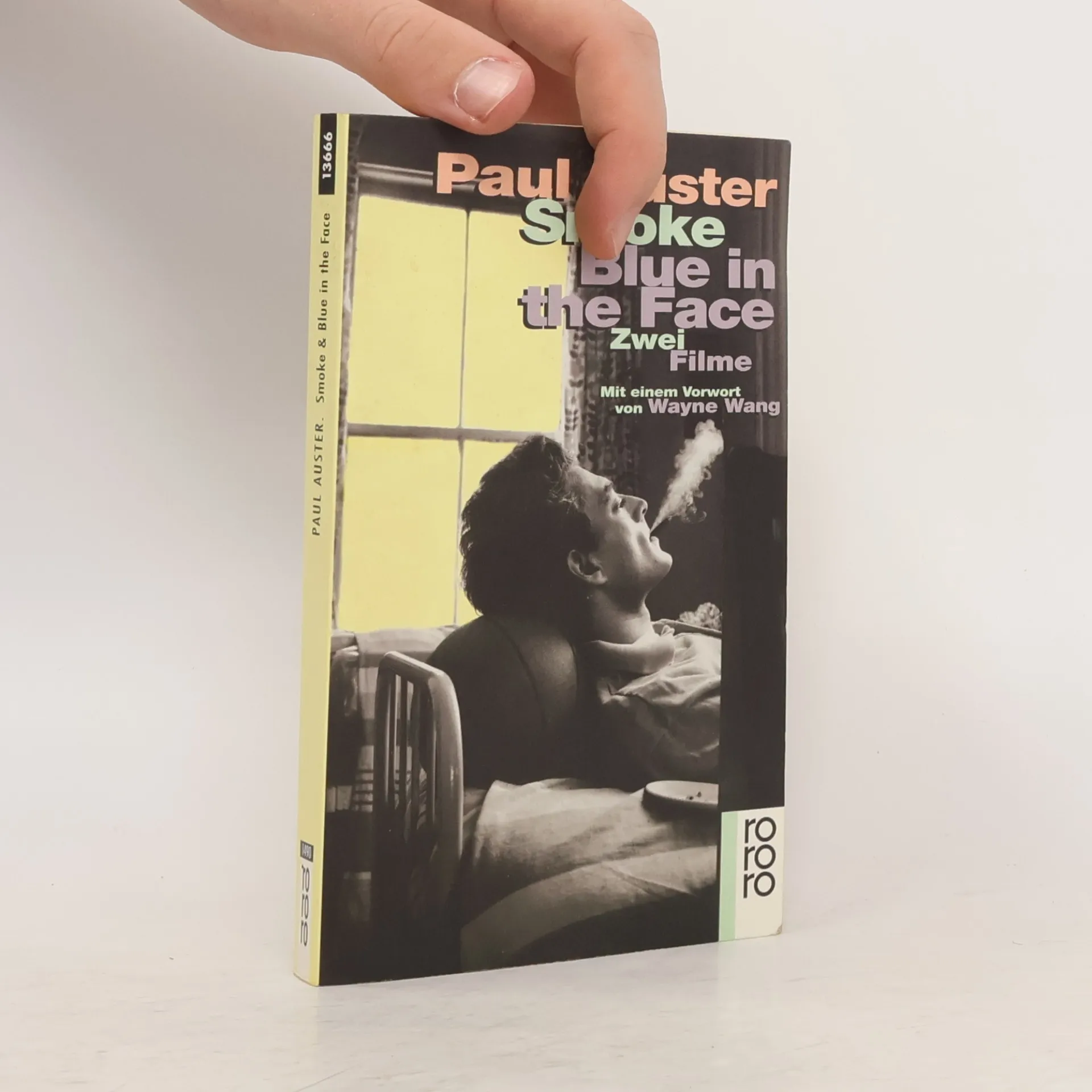
Smoke / Blue in the Face. Zwei Filme
- 286pages
- 11 heures de lecture
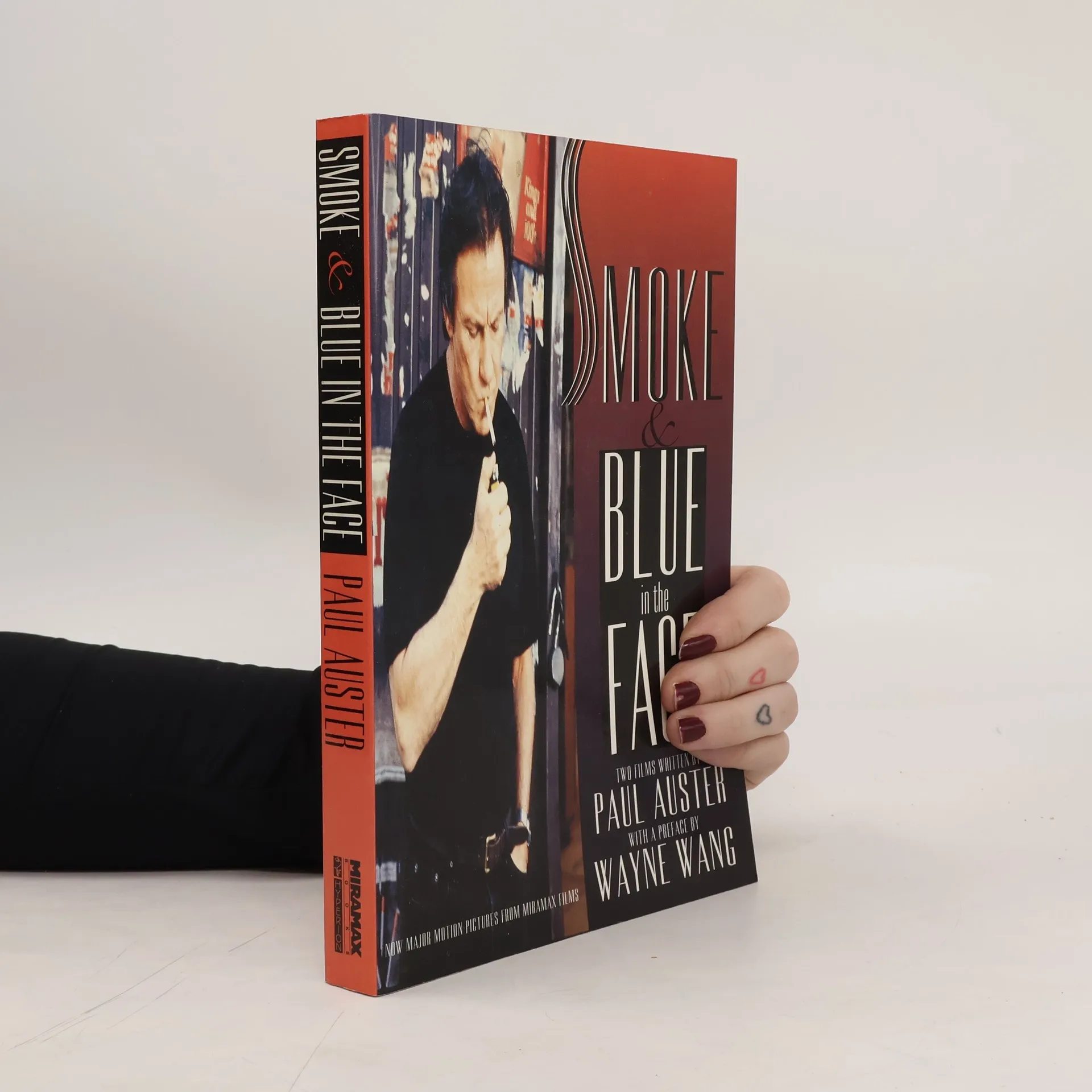
Der Film «Smoke» erzählt die Geschichte mehrerer völlig unterschiedlicher Menschen, deren Lebenswege sich auf seltsame Weise in einem Brooklyner Zigarrenladen kreuzen. «Blue in the Face» ist eine hinreißende, skurrile Liebeserklärung an Brooklyn, jenen Stadtteil New Yorks, in dem nichts so läuft, wie man es erwartet. Die Drehbücher zu beiden Filmen schrieb Paul Auster; Wayne Wang führte Regie. Neben den Hauptdarstellern Harvey Keizel und William Hurt spielen u. a. Lou Reed, Jim Jarmusch, Roseanne, Michael J. Fox und Madonna mit. «Smoke» wurde auf der Berlinale 1995 mit dem Silbernen Bären ausgezeichnet.
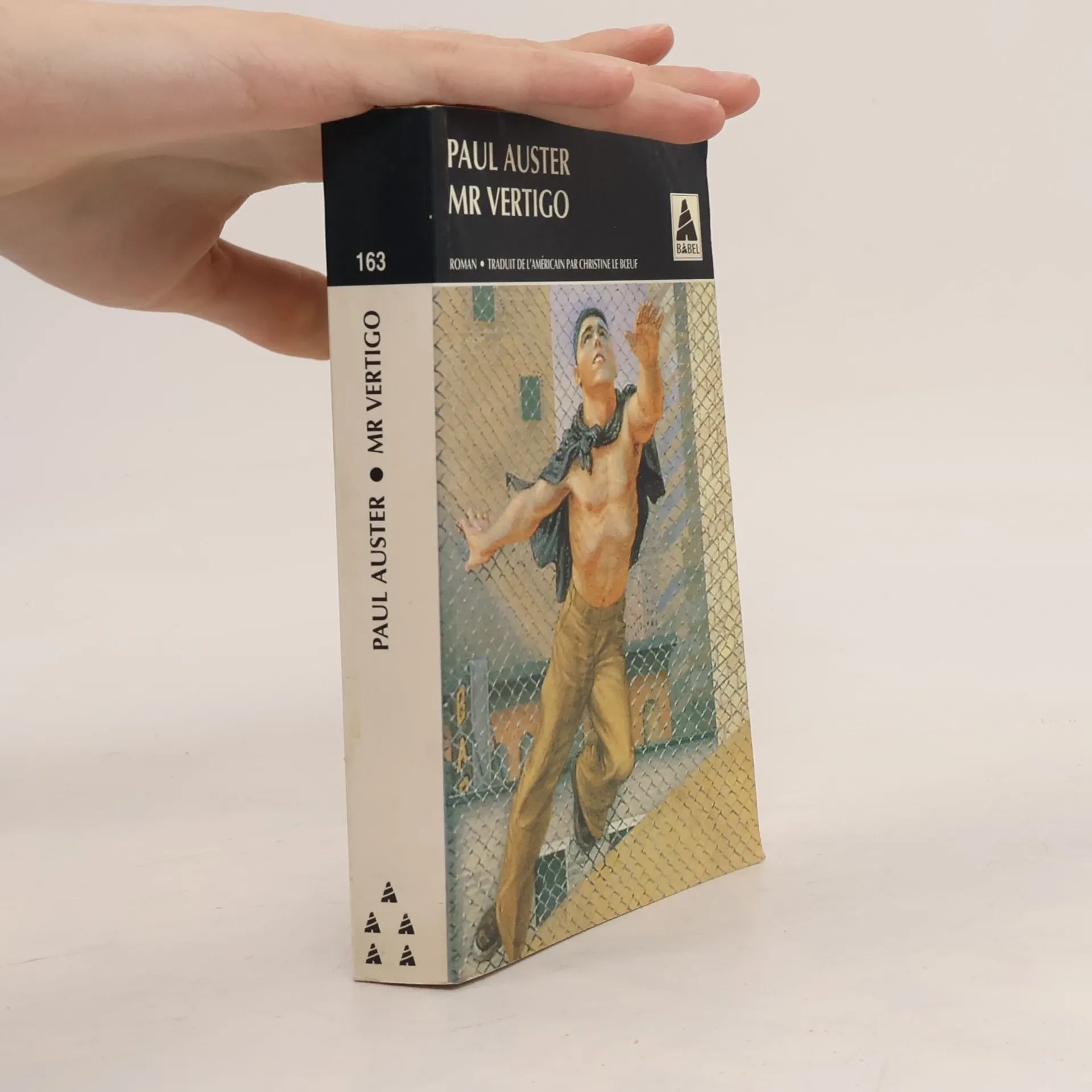
Mister Vertigo
- 398pages
- 14 heures de lecture
Le prodigieux destin d'un enfant pas comme les autres dans une Amérique aux étranges facettes.
C'est une course de vitesse qui s'engage dès le premier chapitre de Léviathan. En effet, quand Peter Aaron (P. A. comme Paul Auster) lit dans les journaux que, sur une route du Wisconsin, on a retrouvé le corps défiguré d'un homme qui s'est tué en manipulant un engin explosif, il n'hésite pas : il s'agit à coup sûr de Benjamin Sachs qui fut son très proche ami. Et il entreprend aussitôt de reconstituer et d'écrire l'histoire de Sachs, pour que l'on sache quelles interrogations sur l'identité américaine ont conduit celui-ci à cette fin quasiment prévisible, et pour prévenir ainsi les mensonges des enquêteurs. Dès lors, P. A. se lance sur toutes les pistes qui s'ouvrent, explore les étrangetés de conduite qu'il découvre (en particulier celles des couples et des femmes) et relève avec soin chacune de ces coïncidences qui ont quelque chose d'un rictus du destin. Et soudain l'on comprend que l'une des clefs essentielles dans l'art de ce romancier si " différent ", c'est sa manière d'être moins le portraitiste que le biographe de chacun de ses personnages. Le délire parfois mortel qui les anime nous devient aussi présent que si nous vivions parmi eux et, du coup, les lignes de fuite du récit, à la manière d'un trompe-l'oeil, s'inscrivent dans la perspective des nôtres.
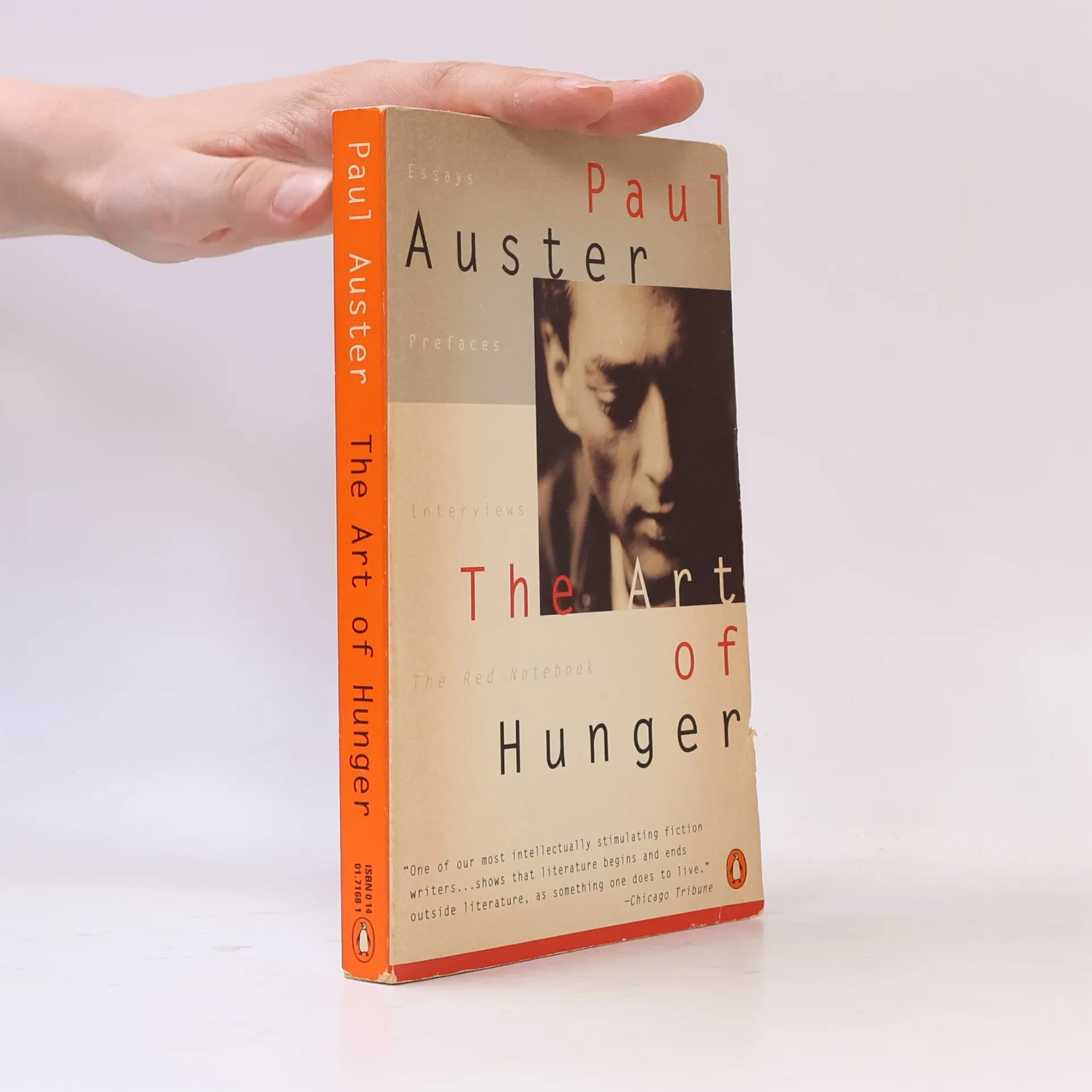
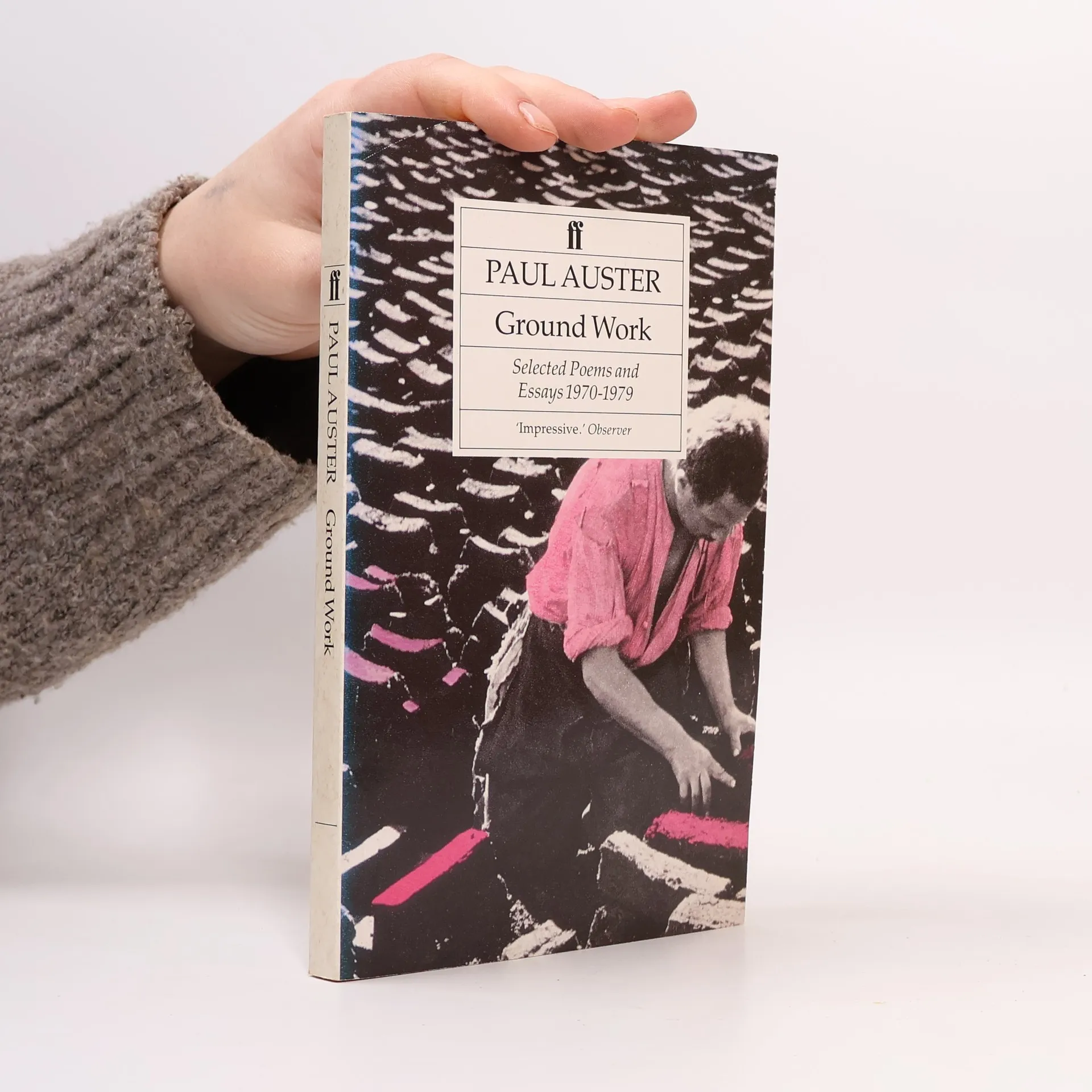
Now including The Red Notebook--a collection of autobiographical sketches on coincidence--The Art Of Hunger undermines our accepted notions about literature. Auster's meditations on writing and artists leads us to a better understanding of the toll of writing.
A collection of poetry and prose from Paul Auster, the author of "New York Trilogy" and "Moon Palace". The book is divided into two parts. The first part is a selection from the author's volumes of poetry published in America in the 1970s and the second part is a collection of his essays.
Cette aventure qui démarre comme un thriller se poursuit sur le mode de la quête métaphysique. La ville de New York, illimitée, insaisissable, lieu privilégié des rencontres aléatoires, est le gigantesque échiquier sur lequel Paul Auster dispose ses pions pour parler de dépossession.
La Musique du hasard
- 224pages
- 8 heures de lecture
Séparé de sa femme et de sa petite fille, Nashe se retrouve libre, et riche de 200 000 dollars. Il choisit l'espace - l'espace américain des road movies, immense et vide. Jusqu'au jour où la musique du hasard lui suggère une autre aventure : tout miser sur une seule carte... A une liberté vertigineuse va alors succéder, par la grâce de deux milliardaires fous, Flower et Stone, la plus absurde des contraintes. C'est encore de personnages fascinés par leur propre anéantissement que nous entretient l'auteur de L'Invention de la solitude, dans ce roman où l'on retrouve son goût d'une écriture rigoureuse, clinique, et son univers à la fois prosaïque et mystérieusement irréel, décalé.
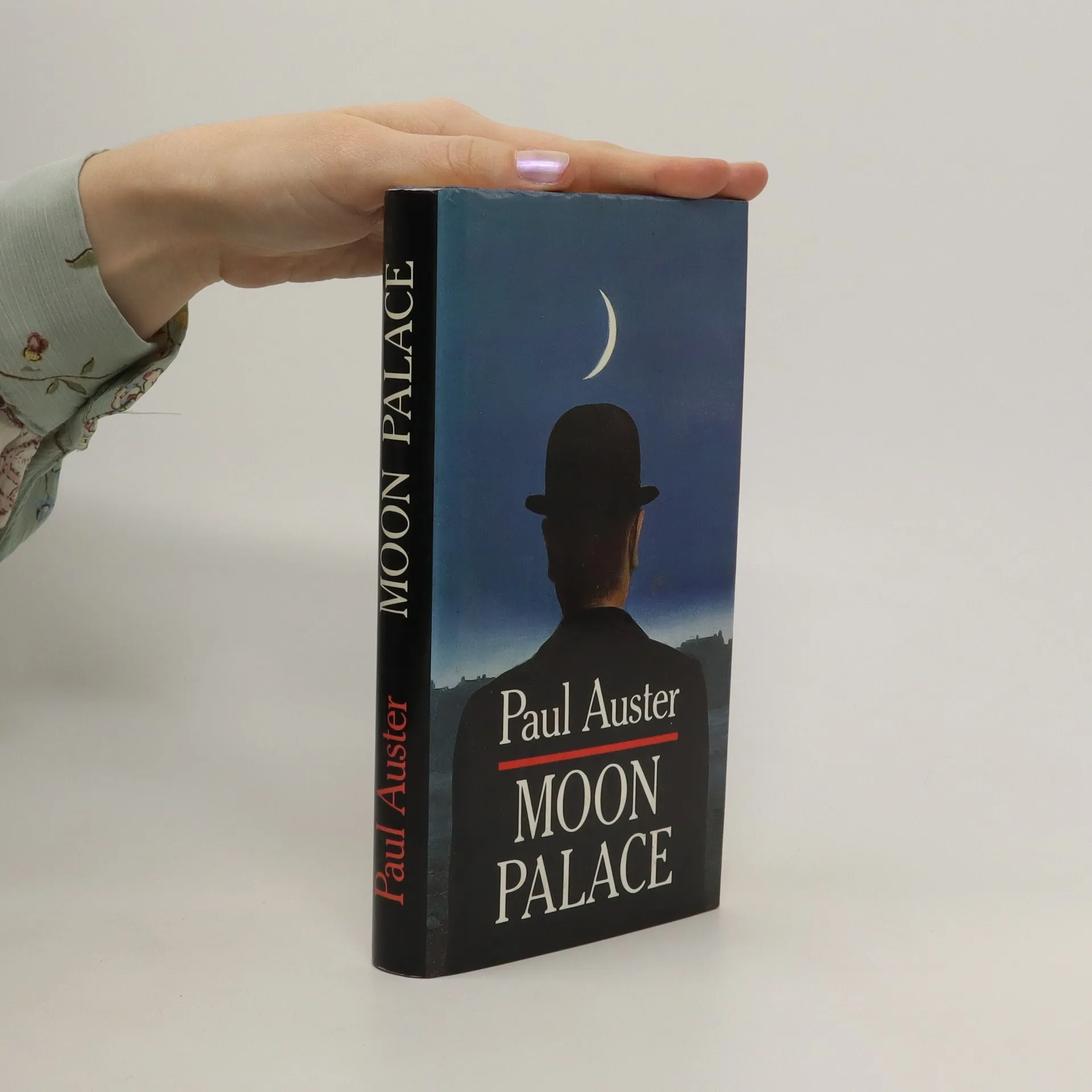
Moon Palace
- 363pages
- 13 heures de lecture
Voyage à travers l'Amérique insolite, voyage en soi-meme, tel est le double thème de ce roman beaucoup moins "noir" que le précédent. Aventures et personnages hors du commun illustrent la quête du héros à travers solitude et désespoir, mais visité par l'amour et l'amitié.
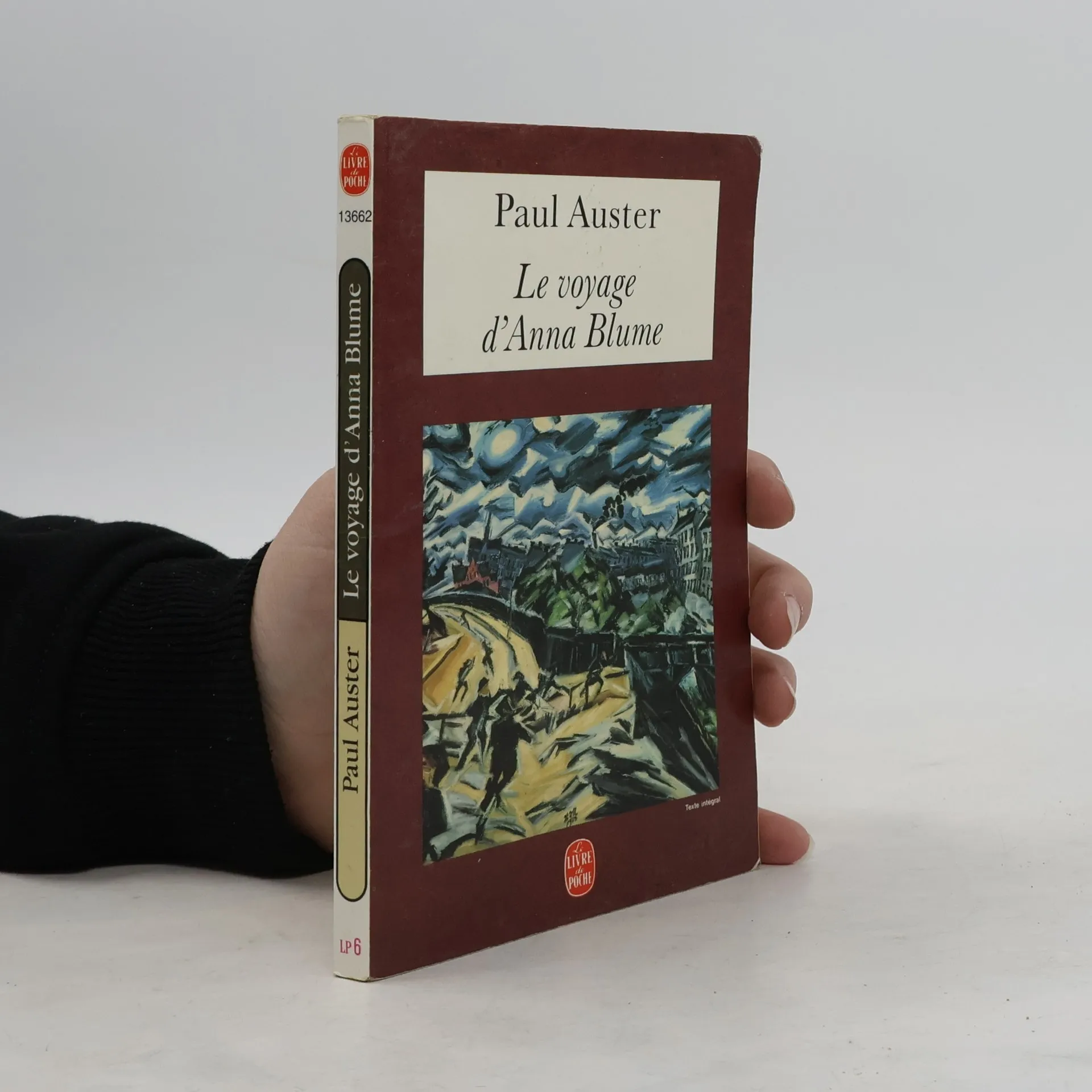
Le Voyage d'Anna Blume
- 192pages
- 7 heures de lecture
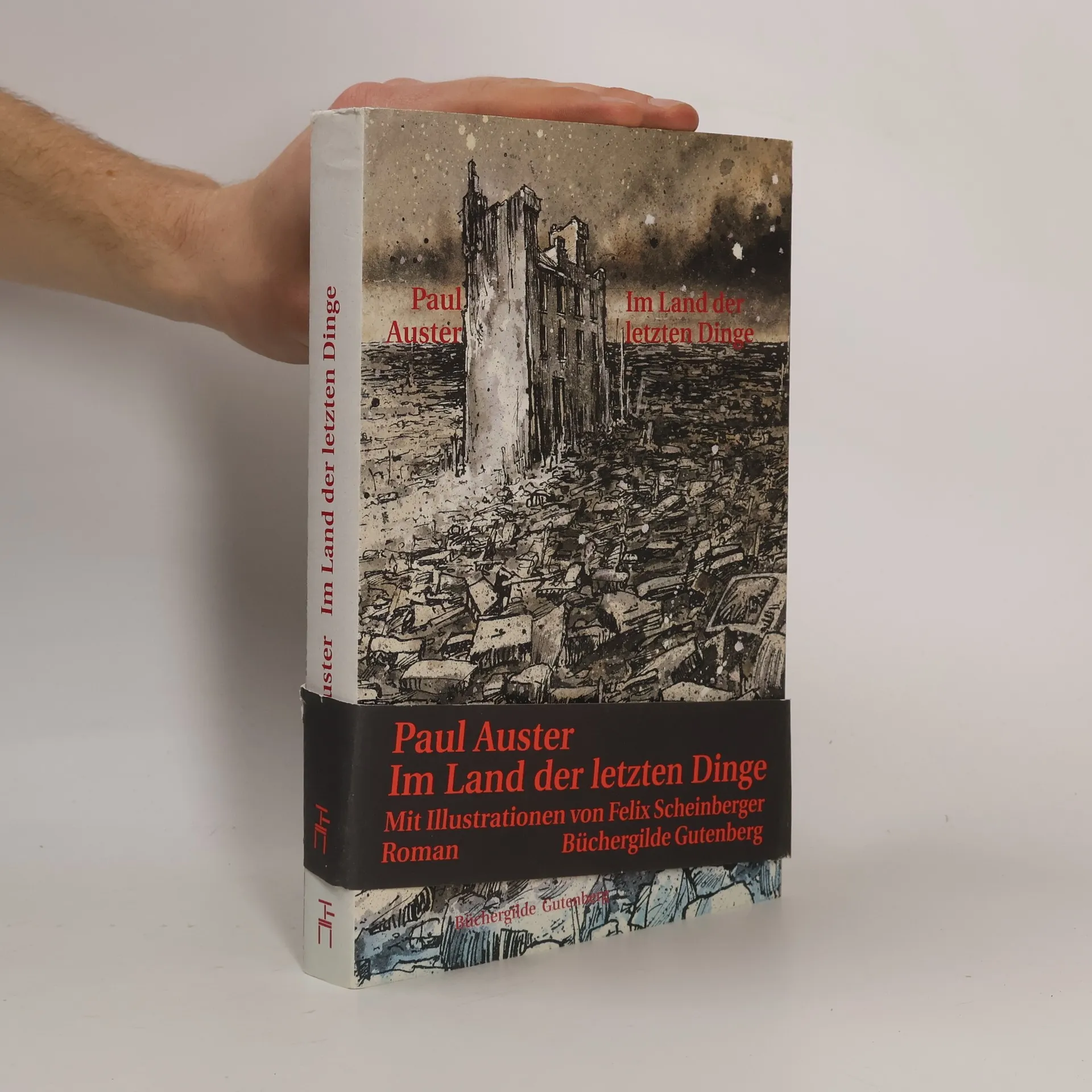
Une ville au bout du monde, cernée de murs, livrée à la désagrégation, dont les habitants tâchent de subsister en fouillant dans les détritus. De ce « pays des choses dernières », comme l’appelle le titre original du roman, la jeune Anna Blume écrit à un ami d’enfance. Venue à la recherche de son frère disparu, elle raconte ses errances dans les rues éventrées, sa lutte contre le froid, les prédations, le désespoir. Le romancier de L’Invention de la solitude et de la Trilogie new-yorkaise nous entraîne ici dans un de ces univers, à mi-chemin du réel et du symbolique, dont il a le secret. Sur les pas d’Anna Blume et de quelques autres, résolus comme elle à ne pas s’anéantir dans l’abjection et la violence, nous traversons une fin du monde qui ressemble par bien des traits à notre monde. Avec eux, aux dernières pages du livre, nous serons conviés à rêver d’un autre départ, vers d’autres contrées…
Revenants
- 122pages
- 5 heures de lecture
Pour ce deuxième livre de sa Trilogie new-yorkaise, Paul Auster met en scène d'autres personnages que ceux de Cité de verre. Les protagonistes ici se nomment Blanc, Bleu et Noir. Mais deux d'entre eux sont à nouveau des détectives privés et leurs tribulations à New York mettent une fois encore en évidence la précarité de l'identité en même temps que les très pervers effets de miroir du destin. De telle sorte que l'impitoyable filature, à laquelle on demeure suspendu comme dans les meilleurs thrillers, nous ramène aux interrogations du premier livre. Avec, cette fois, une intensité croissante dans le tragique. On comprend après cela que l'ascension de Paul Auster, parmi les écrivains de sa génération, ait été aussi irrésistible que la métaphysique angoisse où il nous plonge.
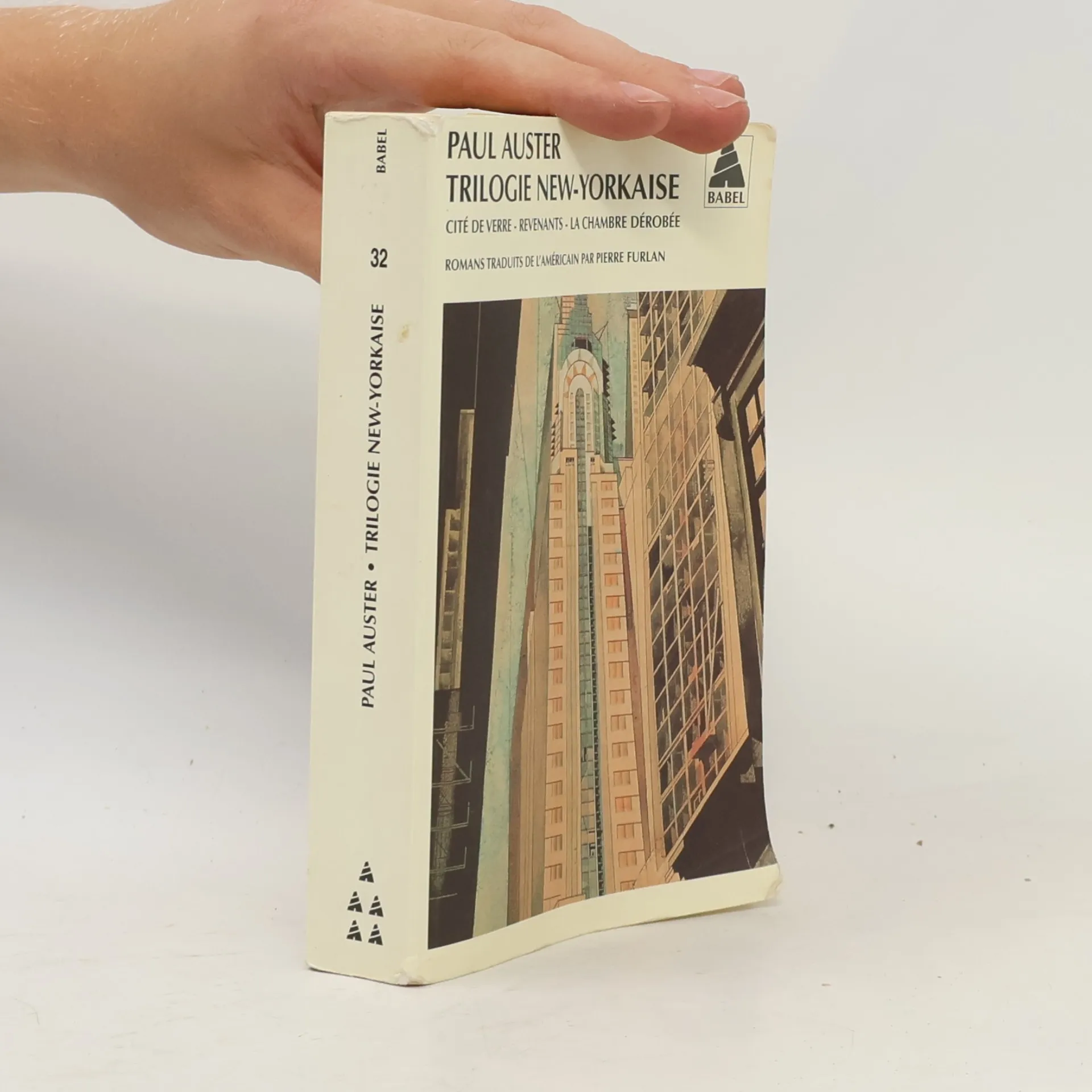
Trilogie new-yorkaise
Cité de verre - Revenants - La Chambre dérobée (nouvelle édition)
- 444pages
- 16 heures de lecture
De toutes les qualités qui ont justifié le succès de la Trilogie new-yorkaise, l'art de la narration est sans doute la plus déterminante. C'est qu'il suffit de s'embarquer dans la première phrase d'un de ces trois romans pour être emporté dans les péripéties de l'action et étourdi jusqu'au vertige par les tribulations des personnages. Très vite pourtant, le thriller prend une allure de quête métaphysique et la ville, illimitée, insaisissable, devient un gigantesque échiquier où Auster dispose ses pions pour mieux nous parler de dépossession.
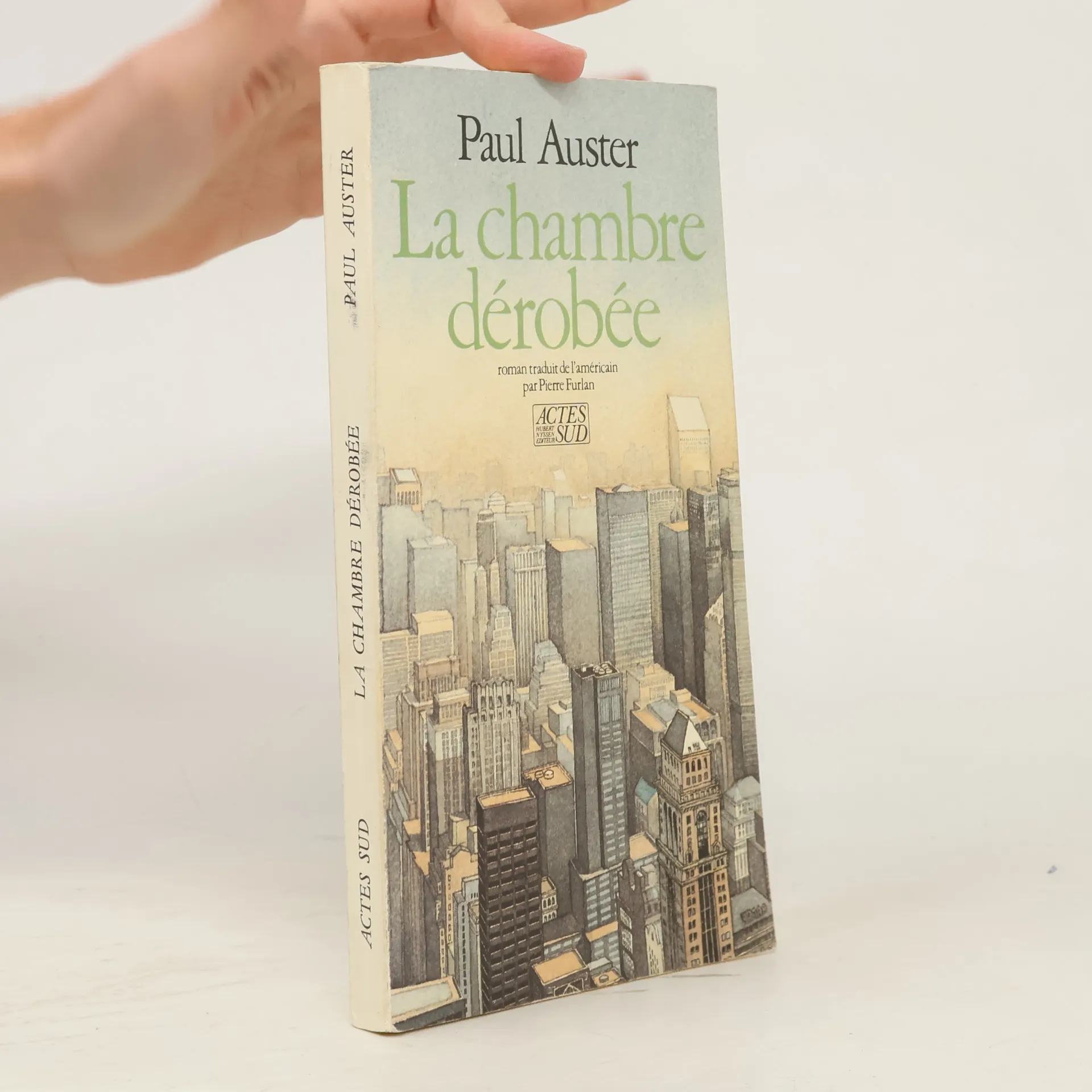
La chambre dérobée
- 168pages
- 6 heures de lecture
Fanshawe a disparu, laissant derrière lui, à New York, une femme (Sophie), un fils (Ben) et une série de manuscrits dont il veut que le destin soit confié à la discrétion d 'un ancien condisciple (le narrateur). Une immense aventure commence sitôt que les pions sont ainsi disposés sur l'échiquier : le narrateur va conduire l'œuvre de Fanshawe au succès, épouser Sophie, adopter Ben, et ... Mais il ne faut pas en dire davantage, la part du mystère n'est pas la moindre chez Paul Auster. Vers la fin de la Chambre dérobée, parlant de Cité de verre, de Revenants et de la Trilogie new-yorkaise qui ainsi s'achève, Paul Auster écrit que les trois récits sont une seule et même histoire considérée à des stades différents de la conscience qu'il a pu en avoir. Et d'ajouter : " il y a longtemps que je me démène pour dire adieu à quelque chose.... " Or il est vrai que la Chambre dérobée est un somptueux roman de la dépossession, où l'amour seul oppose sa résistance à la déchirure.
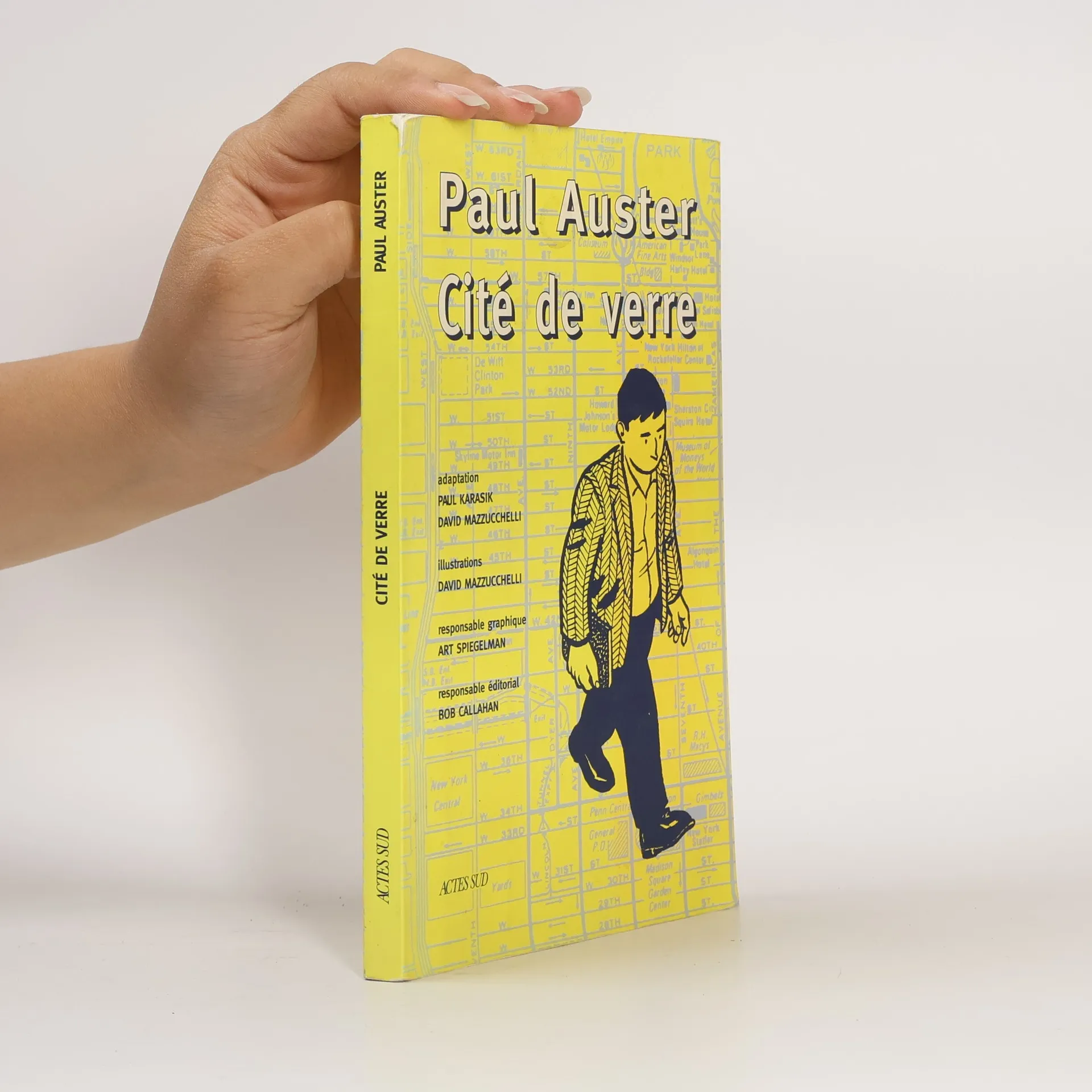
Cite de verre
- 144pages
- 6 heures de lecture
A graphic novel classic with a new introduction by Art Spiegelman Quinn writes mysteries. The Washington Post has described him as a “post-existentialist private eye.” An unknown voice on the telephone is now begging for his help, drawing him into a world and a mystery far stranger than any he ever created in print. Adapted by Paul Karasik and David Mazzucchelli, with graphics by David Mazzucchelli, Paul Auster’s groundbreaking, Edgar Award-nominated masterwork has been astonishingly transformed into a new visual language.
Offers the author's personal meditation on fatherhood. This title reveals his memories and feelings after the death of his father.