Jak být šťastní
- 134pages
- 5 heures de lecture
Rady, jak dosáhnout životního štěstí a vnitřní harmonie.


Lama Thubten Zopa Rinpoche, directeur spirituel de la Foundation for the Preservation of the Mahayana Tradition (FPMT), est reconnu comme un maître tibétain réincarné et un pratiquant bouddhiste dévoué. Ses enseignements mettent l'accent sur une profonde compréhension du bouddhisme Mahayana, en se concentrant sur l'application pratique des principes bouddhistes dans la vie quotidienne et sur le chemin de l'illumination. Le travail de Rinpoche implique la diffusion de textes bouddhistes, le soutien à l'éducation monastique et l'initiation de projets sociaux visant à soulager la souffrance et à répandre la sagesse et la compassion.
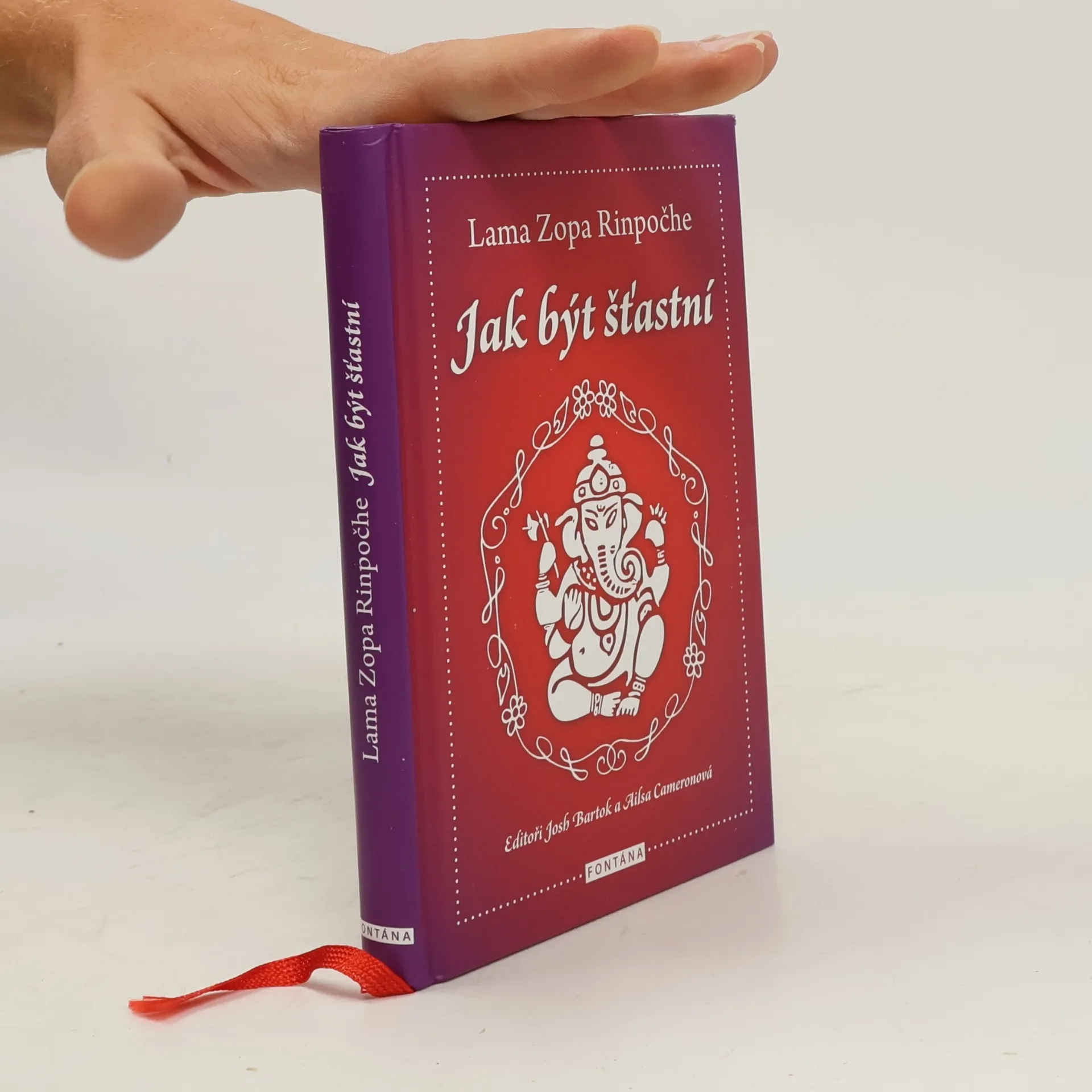

Rady, jak dosáhnout životního štěstí a vnitřní harmonie.
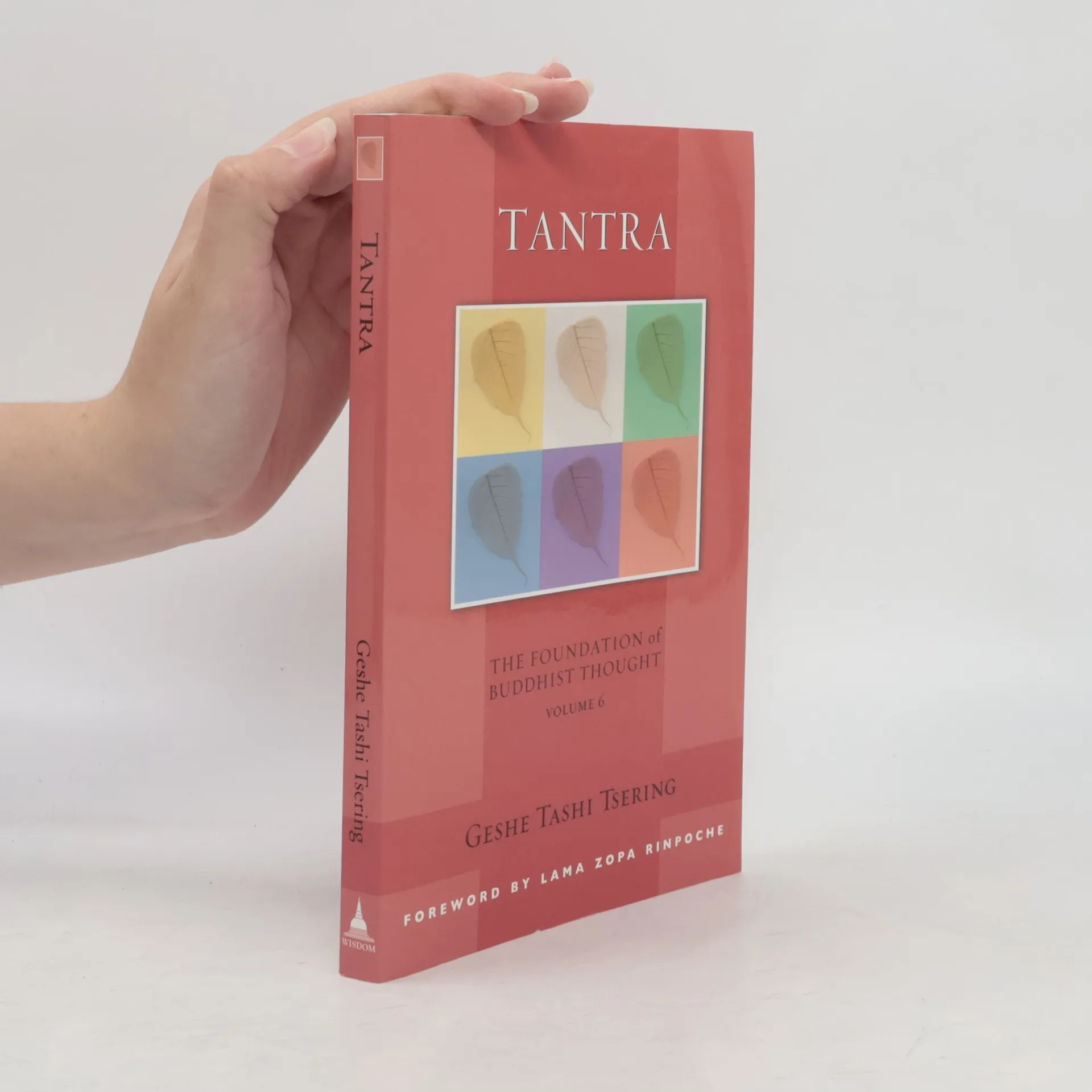
There are a great many books now available describing the complex rituals and esoteric significance of the ancient practices of Buddhist tantra. But none take the friendly, helpful approach of Geshe Tashi Tsering’sFoundation of Buddhist Thoughtseries. Understanding the many questions Westerners have upon first encountering tantra’s colorful imagery and veiled language, Geshe Tsering gives straight talk about deities, initiations, mandalas, and the various stages of tantric development. He even goes through a simple tantric compassion practice written by the Dalai Lama, using it to unpack the building blocks common to all such visualization techniques.Tantrais a fitting conclusion to the folksy and practical wisdom in theFoundation of Buddhist Thoughtseries.
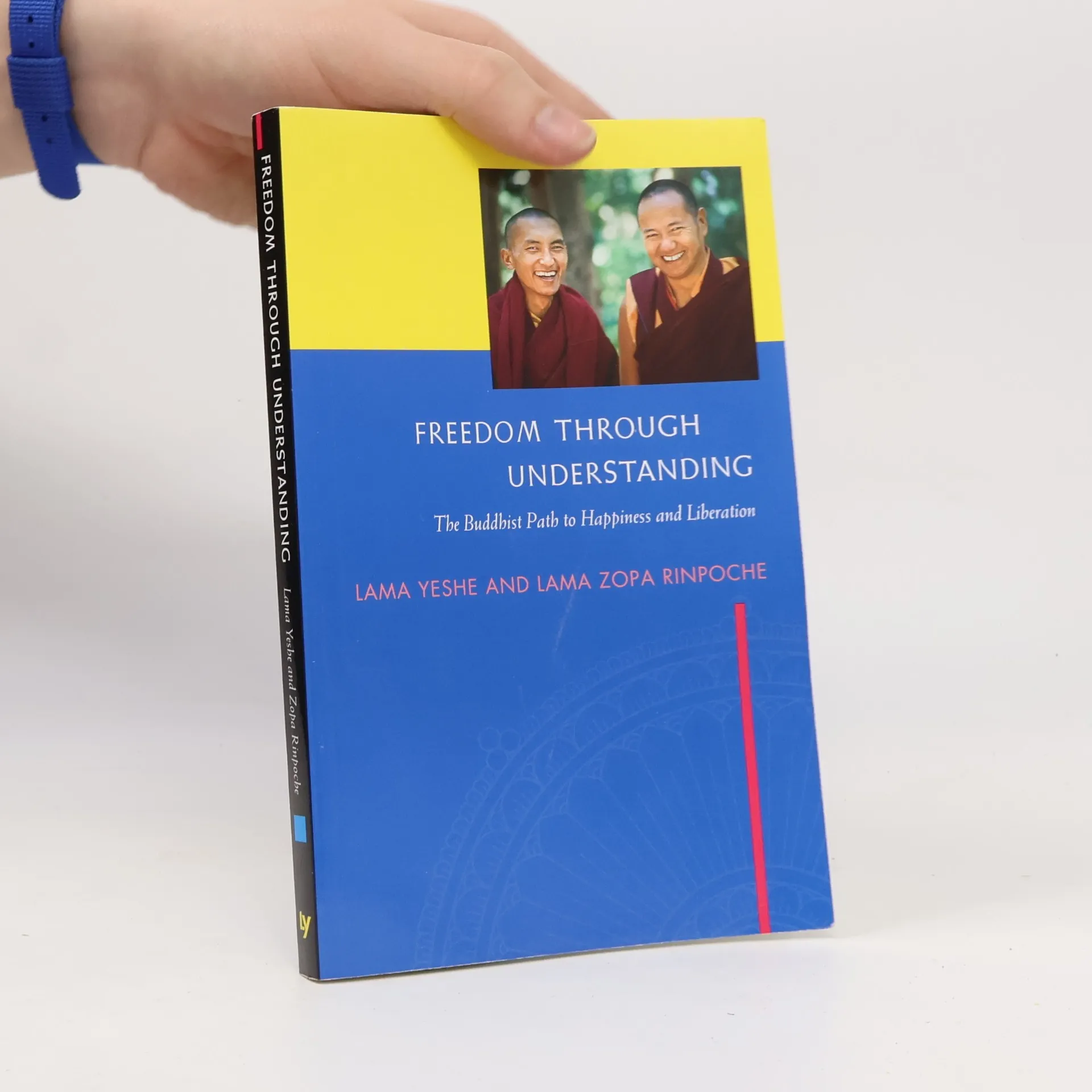
Buddhism is not a fanatical religion but a philosophical approach to living. Studying Buddhism does not require extreme beliefs; it involves personal investigation and experimentation. Understanding, rather than blind belief, is crucial, as belief without comprehension can be dangerous. Lord Buddha emphasized that true liberation comes from understanding and knowledge. The practice of Dharma should aim for the complete cessation of suffering by eradicating its root: ignorance and the delusions that arise from it. True peace is achieved when ignorance, attachment, and anger are eliminated, leading to lasting freedom and unchanging peace. During their first trip to Europe, Lama Yeshe and Lama Zopa Rinpoche conducted a weekend seminar based on their renowned month-long Kopan meditation courses. This included a lecture by Lama Yeshe at Kensington Town Hall and teachings at Royal Holloway College, Surrey, covering the entire Buddhist path to enlightenment. The seminar was recorded and is available on a historic DVD titled Freedom Through Understanding. Published by the Lama Yeshe Wisdom Archive, a non-profit organization, this title aims to make the teachings of Lama Yeshe and Lama Zopa Rinpoche widely accessible. The Archive offers thousands of pages of teachings, audio recordings, and other resources online, along with opportunities for support. Visit the Lama Yeshe Wisdom Archive website for more information.
Featuring meditations from eighteen nuns and monks of the IMI Sangha, this book explores various Buddhist themes, making it a valuable resource for meditators. Each meditation is complemented by brief spiritual autobiographies, providing insight into the contributors' journeys into Tibetan Buddhism. The personal reflections and teachings serve as supportive guides, encouraging readers to develop their spiritual potential.
The author of "Wisdom Energy" brings contemporary relevance to timeless teaching on Buddhist psychology and everyday spiritual living. Commenting on a 19th-century Tibetan text, Lama Zopa inspires readers to be happy by transforming their attitude and radically changing their approach to life's inevitable problems.
Focusing on the prayer wheel's significance in Tibetan Buddhism, this book offers Western readers a comprehensive understanding of its practices, meanings, and benefits. It highlights the prayer wheel's role in promoting healing, compassion, and enlightenment. The text includes a general introduction, photographs, illustrations, and six insightful commentaries from Tibetan lamas, including Lama Zopa Rinpoche. Additionally, it provides detailed instructions for constructing and using a prayer wheel, making it an essential resource for practitioners and enthusiasts alike.