
Bookbot

Frances Backhouse

    Frances Backhouse est une journaliste indépendante chevronnée dont la formation et l'expérience en tant que biologiste éclairent son écriture environnementale. Ses textes plongent profondément dans le monde naturel, se concentrant souvent sur des espèces spécifiques comme les hiboux et les pics. De plus, elle est fascinée par l'histoire de la ruée vers l'or du Klondike, qui se reflète dans ses autres livres. Son écriture se caractérise par une compréhension détaillée des sujets et un style captivant.

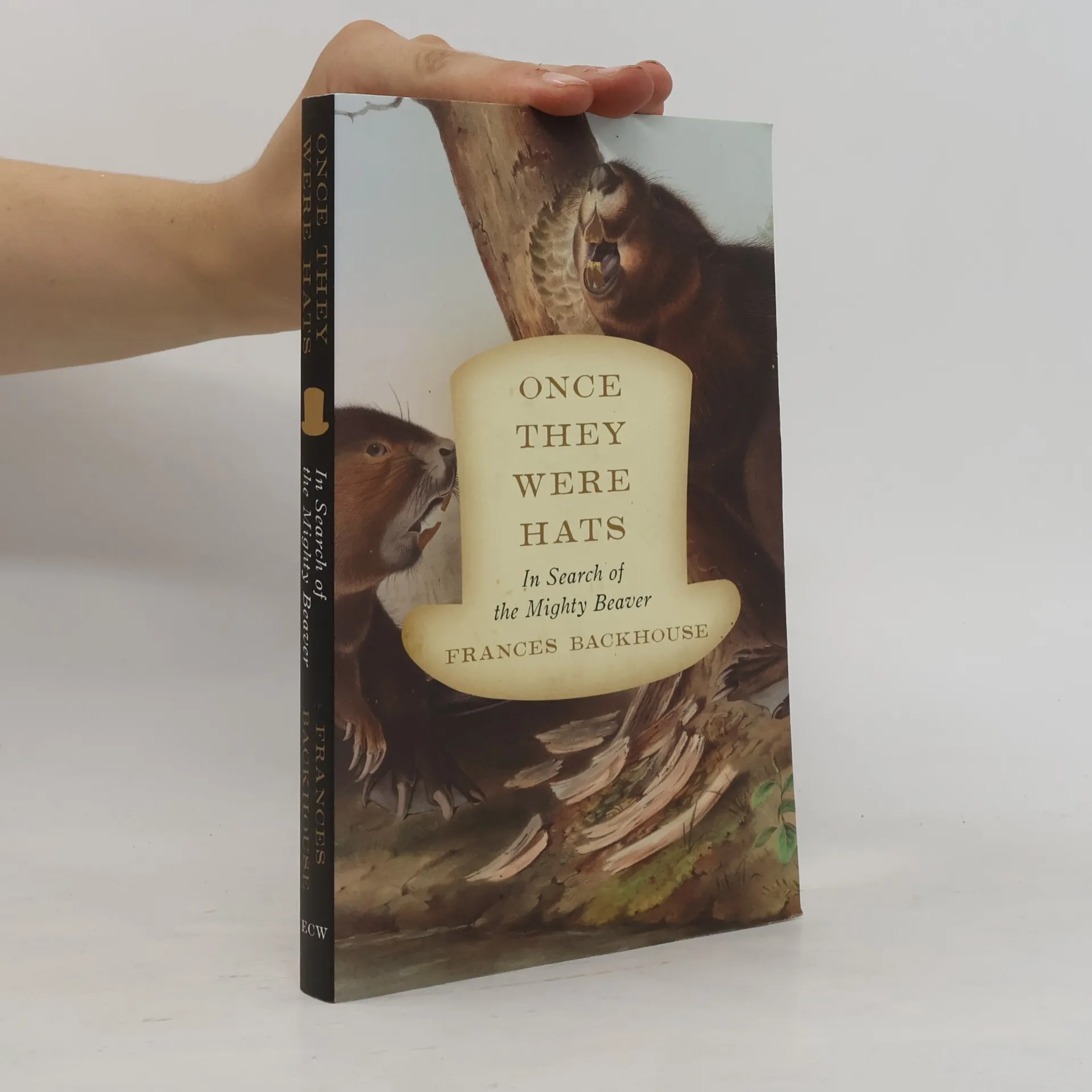
    Once They Were Hats
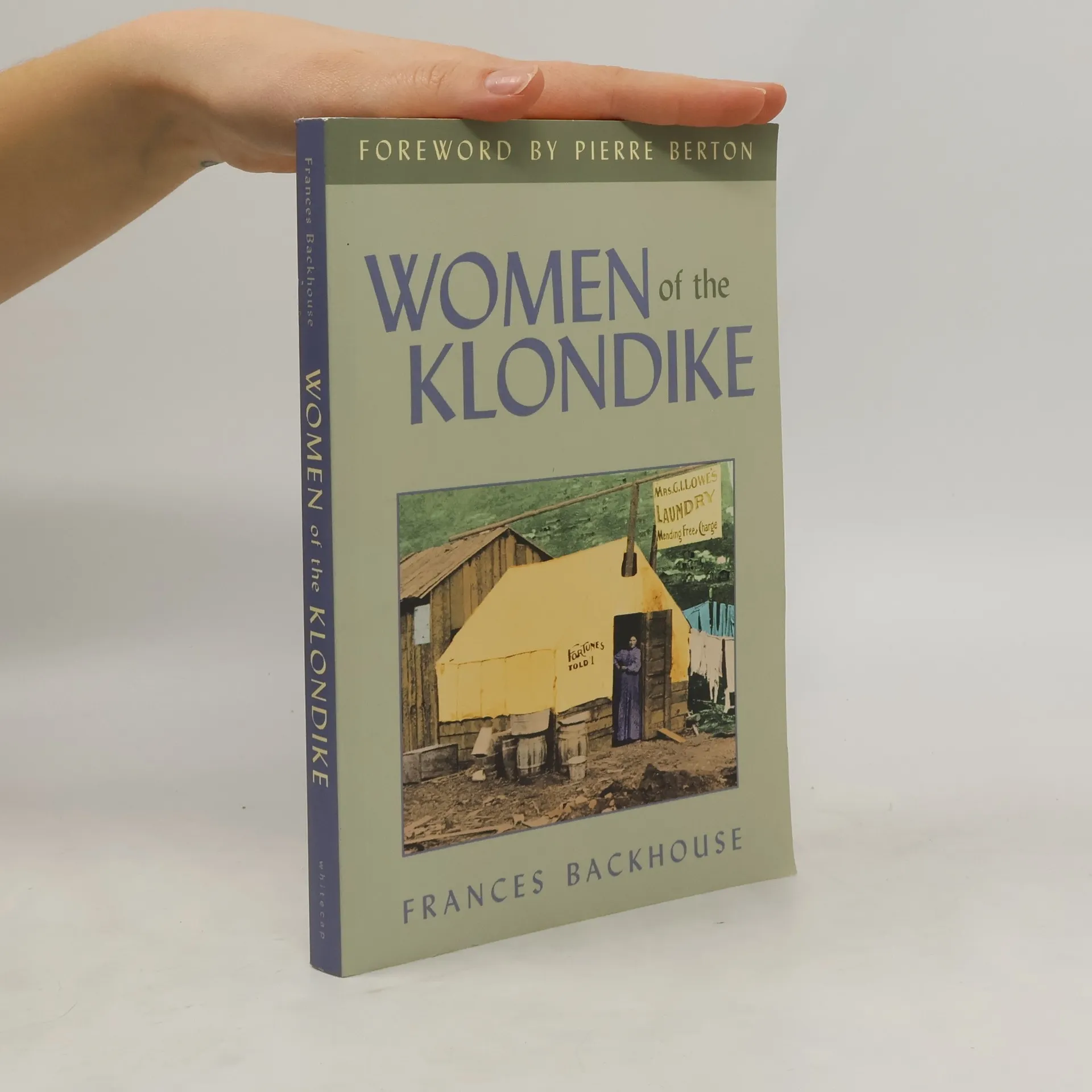
    Women of the Klondike
    • Women of the Klondike

      • 240pages
      • 9 heures de lecture

      When the steamship Portland docked in Seattle harbour in 1897, a group of scruffy men and women dressed in rough northern garb walked down the gangplank. There was nothing remarkable about them, except they were dragging sacks stuffed with a half-million dollars` worth of gold. One of these travelers was Ethel Berry, who had helped mine of the richest claims in the Klondike. She was only one of the hundreds of women who joined the hordes of dreamers risking their lives in search of Yukon gold. Never before have the stories of these adventurous women been brought together. Women of the Klondike explores the critical roles women played during the gold rush. Frances Backhouse delves into the lives of these diverse individuals - entrepreneurs, miners, teachers, doctors, nurses, and journalists. Through diaries, letters, memoirs, newspaper accounts, and archival photographs, Backhouse presents an intimate look at women in the Klondike. " This lively work is an essential addition to the growing bookshelf of Klondike history. I read it with enormous interest. " - Pierre Berton

      Women of the Klondike
      3,4
    • Once They Were Hats

      In Search of the Mighty Beaver

      • 262pages
      • 10 heures de lecture

      <b>Finalist for the 2015 Lane Anderson Award and the 2016 Butler Book Prize</b> Beavers, those icons of industriousness, have been gnawing down trees, building dams, shaping the land, and creating critical habitat in North America for at least a million years. Once one of the continent’s most ubiquitous mammals, they ranged from the Atlantic to the Pacific, and from the Rio Grande to the edge of the northern tundra. Wherever there was wood and water, there were beavers — 60 million (or more) — and wherever there were beavers, there were intricate natural communities that depended on their activities. Then the European fur traders arrived. In Once They Were Hats, Frances Backhouse examines humanity’s 15,000-year relationship with Castor canadensis, and the beaver’s even older relationship with North American landscapes and ecosystems. From the waterlogged environs of the Beaver Capital of Canada to the wilderness cabin that controversial conservationist Grey Owl shared with pet beavers, Backhouse goes on a journey of discovery to find out what happened after we nearly wiped this essential animal off the map, and how we can learn to live with beavers now that they’re returning.

      Once They Were Hats