

Exploring the concept of "primitive society," this revised edition delves into the origins and development of social structures among early human communities. It examines the interplay of culture, economy, and social organization, challenging preconceived notions about civilization and its evolution. Through critical analysis and updated research, the author sheds light on the complexities of early societies, emphasizing their contributions to modern social dynamics and cultural understanding.
Adam Kuper Livres

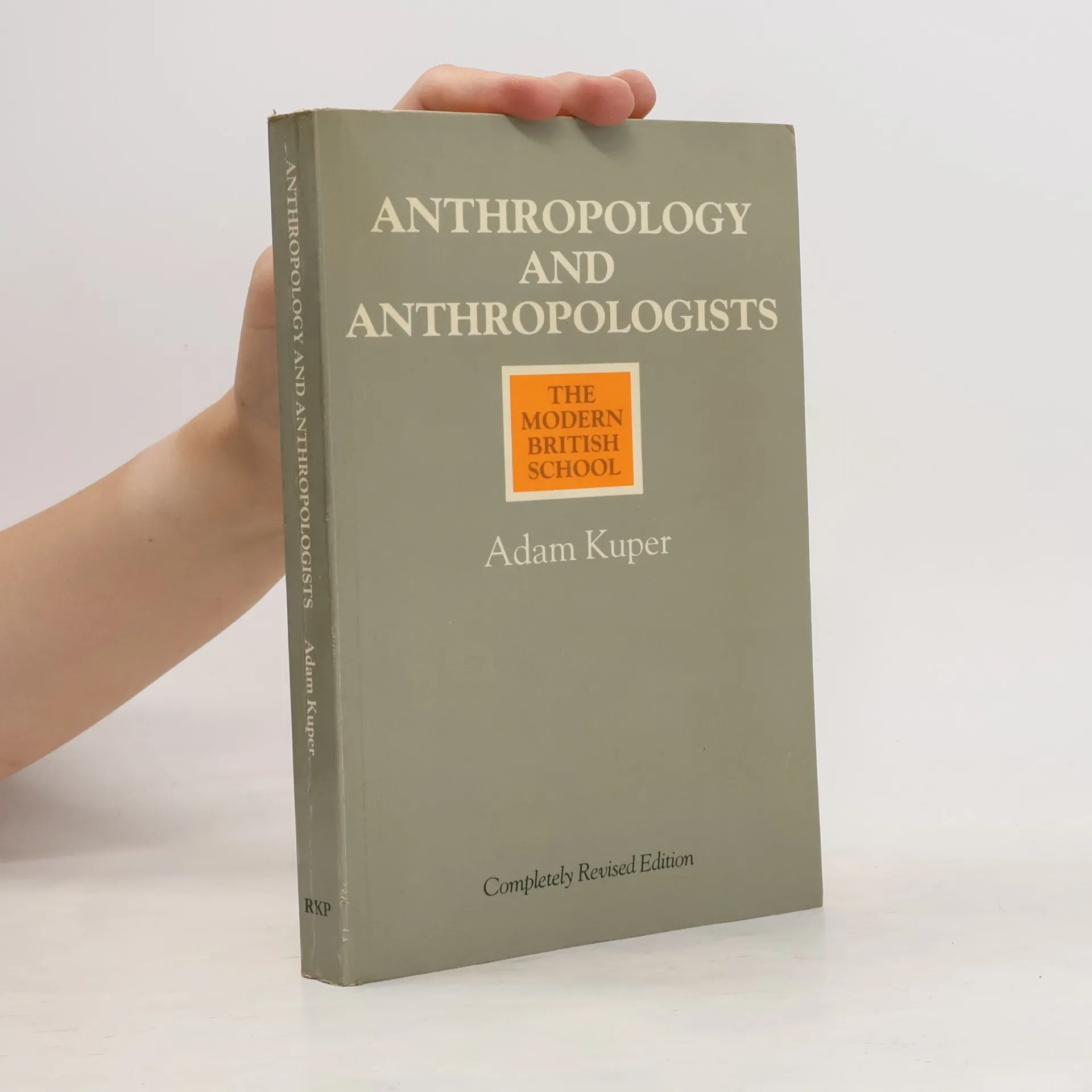
Anthropology and Anthropologists
The Modern British School - Completely Revised Edition
- 228pages
- 8 heures de lecture
On its first publication in 1973 Adam Kuper's entertaining history of half a century of British social anthropology provoked strong reactions. But his often irreverent account soon established itself as one of the introductions to anthropology.Since the second revised edition was published in 1983, important developments have occurred within British and European anthropology.This third, enlarged and updated edition responds to these fresh currents. Adam Kuper takes the story up to the present day, and a new final chapter traces the emergence of a modern European social anthropology in contrast with developments in American cultural anthropology over the last two decades.Anthropology and Anthropologists provides a critical historical account of modern British social anthropology: it describes the careers of the major theorists, their ideas and their contributions in the context of the intellectual and institutional environments in which they worked.
A contemplation of the hotly-debated significance - and future - of anthropology museums, from a global expert
. 1970, bright clean copy, no dustjacket, name on endpaper, no other markings, Professional booksellers since 1981
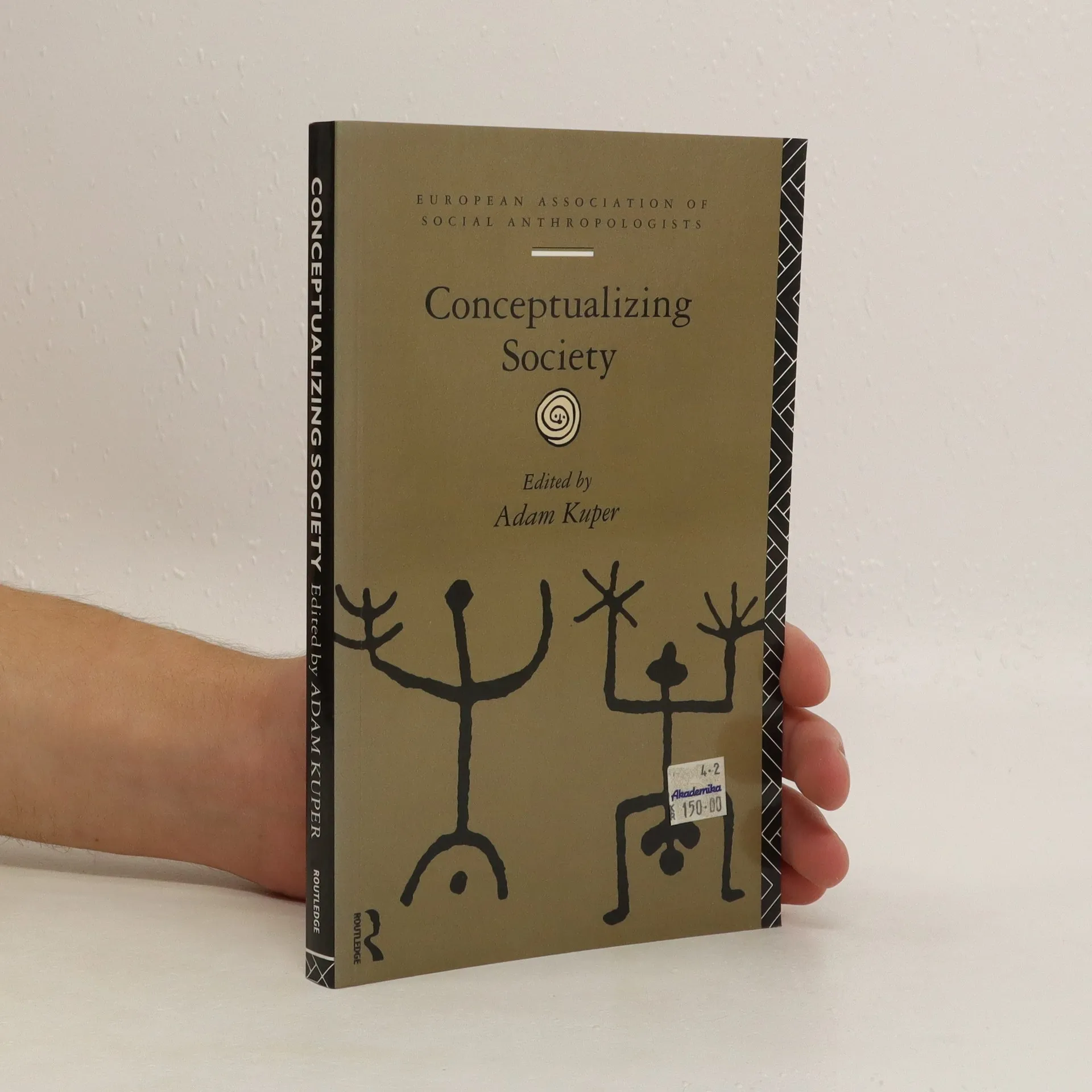
The first of six volumes of papers from the first conference of the European association of social anthropologists held in the summer of 1990 in Coimbra, Portugal.
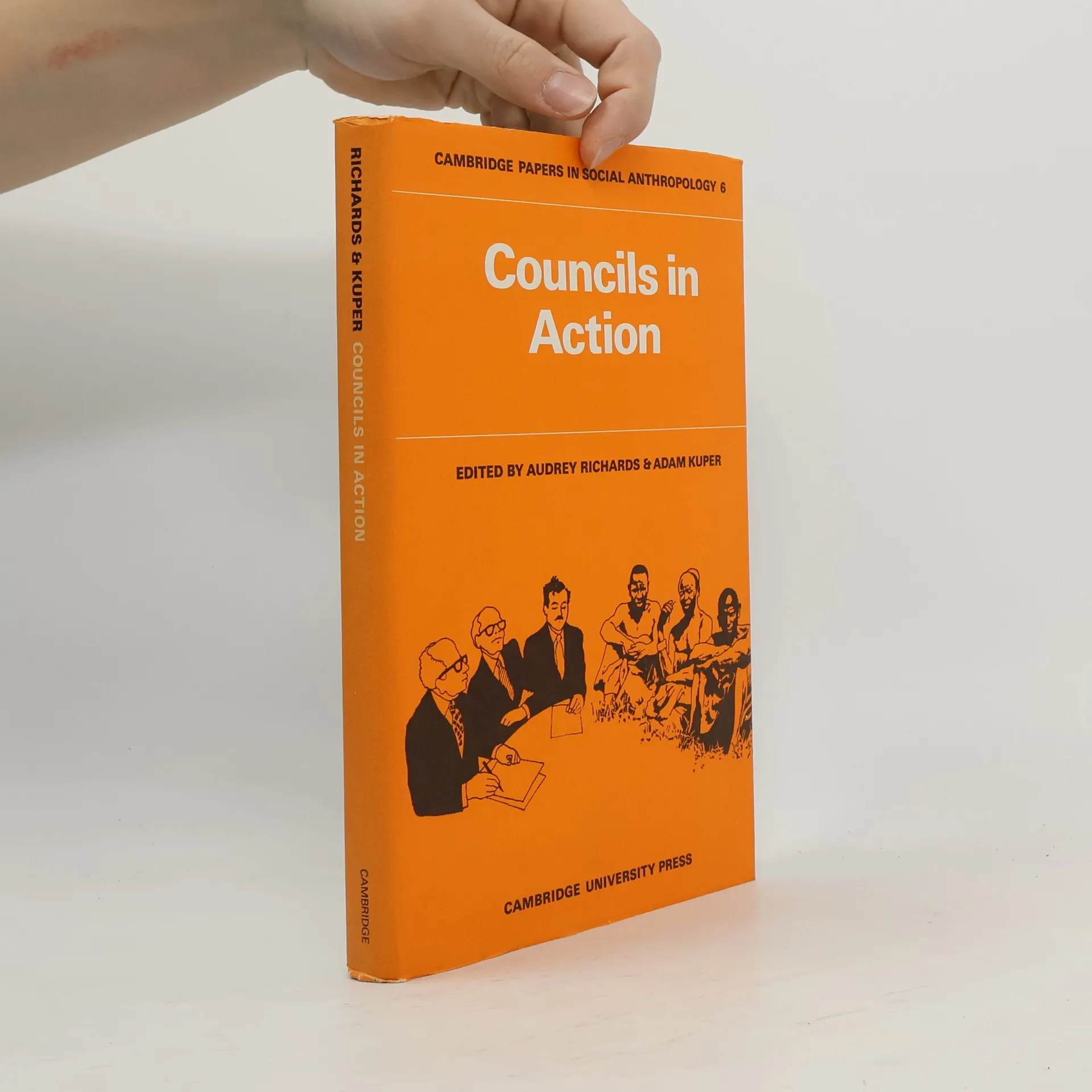
Councils in Action
- 217pages
- 8 heures de lecture
A collection of seven papers by social anthropologists on the processes of decision-making in councils. Types of council described are one community-in-council, two arena councils, an elite council, two modern local government councils and a non-council, a temporary negotiating group which nevertheless displays certain features of the council proper. Most of the examples come from Africa (including Madagascar), but there is also an account of politics and decision-making in an English town council. The editors discuss the papers in a comparative framework, considering also other accounts of conciliar structure and decision-making. They review the ways in which decisions are reached and implemented in societies with very different structures and activities and discuss the impact of written records, colonial overrule and political independence. They attempt to outline some general principles of conciliar structure and process.