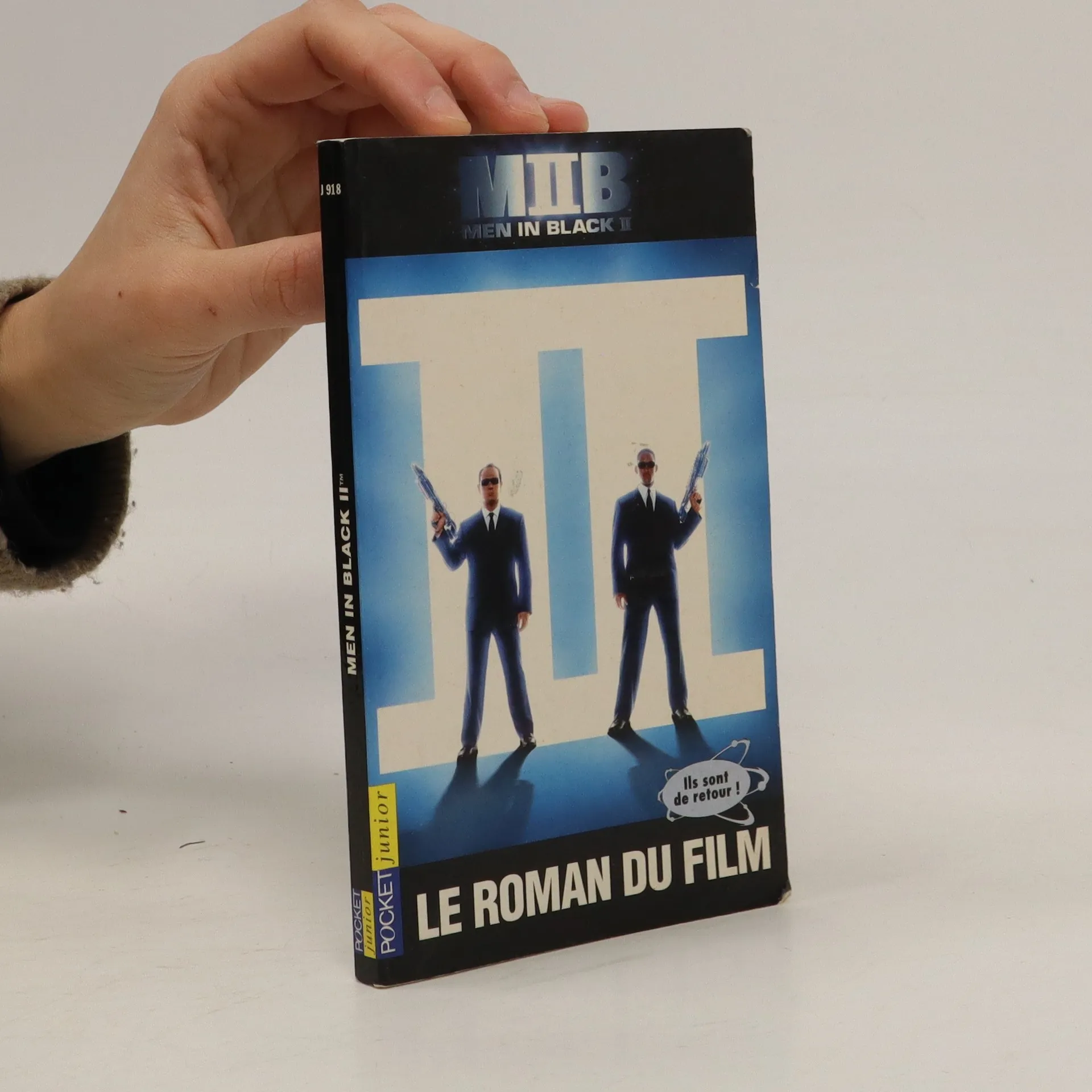
Costumes sombres, lunettes noires... Les revoilà! Cinq ans après, les Men In Black sont de retour ! Problème : une extraterrestre très sexy projette d'effacer planète de la galaxie si on ne lui remet pas la Lumière de Zartha. La routine pour les Hommes en Noir ? Pas vraiment ! Une seule personne sur Terre sait où se trouve la Lumière de Zartha : l'agent Jay... qui a perdu la mémoire !
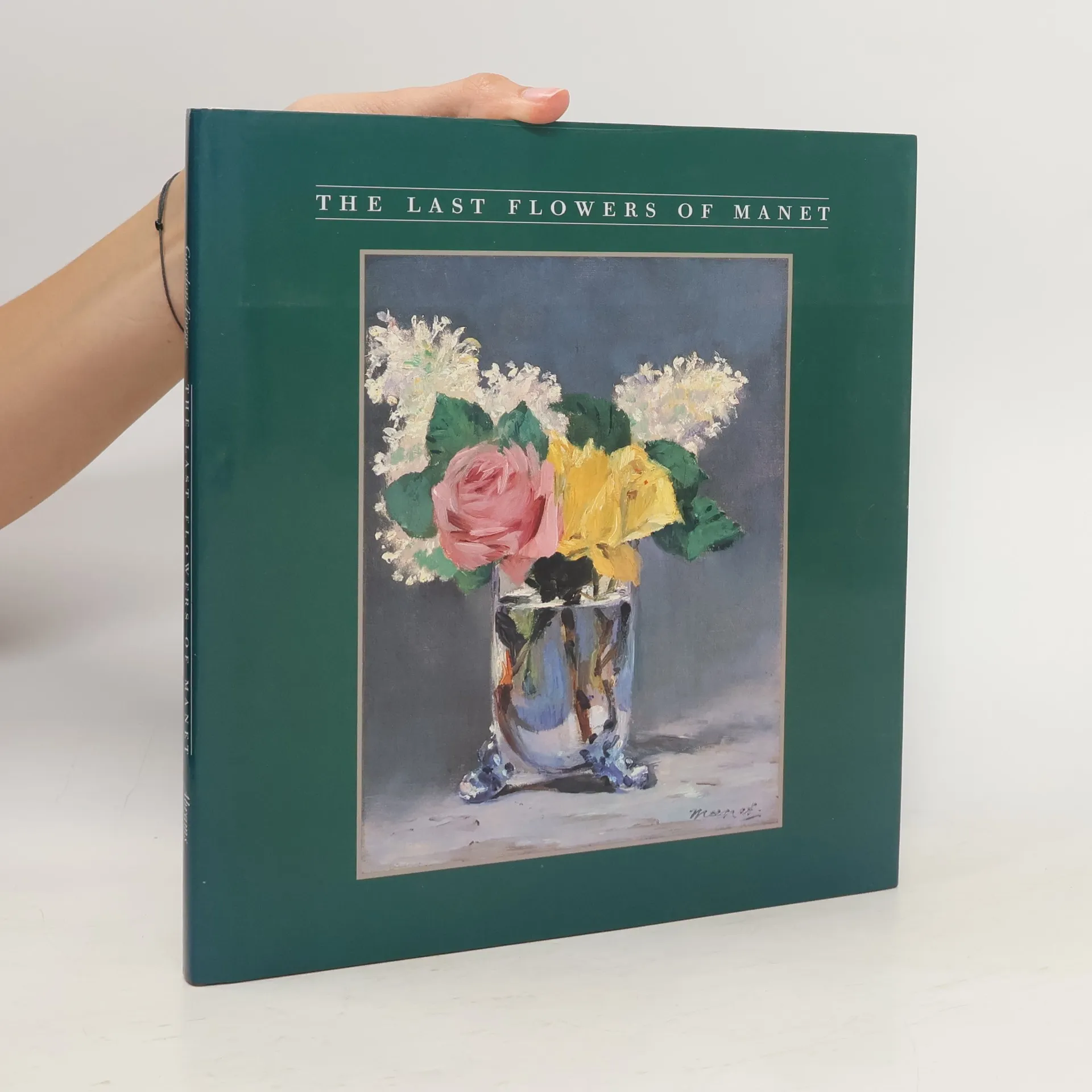
" ... Andrew Forge's essay pays moving tribute to the artist's legacy; Robert Gordon's selections from Manet's intimate letters and from contemporary documents (all impeccably translated by the poet Richard Howard) add poignance to the reader's experience of the last works of one of the most innovative painters of the nineteenth century, whom many consider to be the first modern artist."--Inside jacket
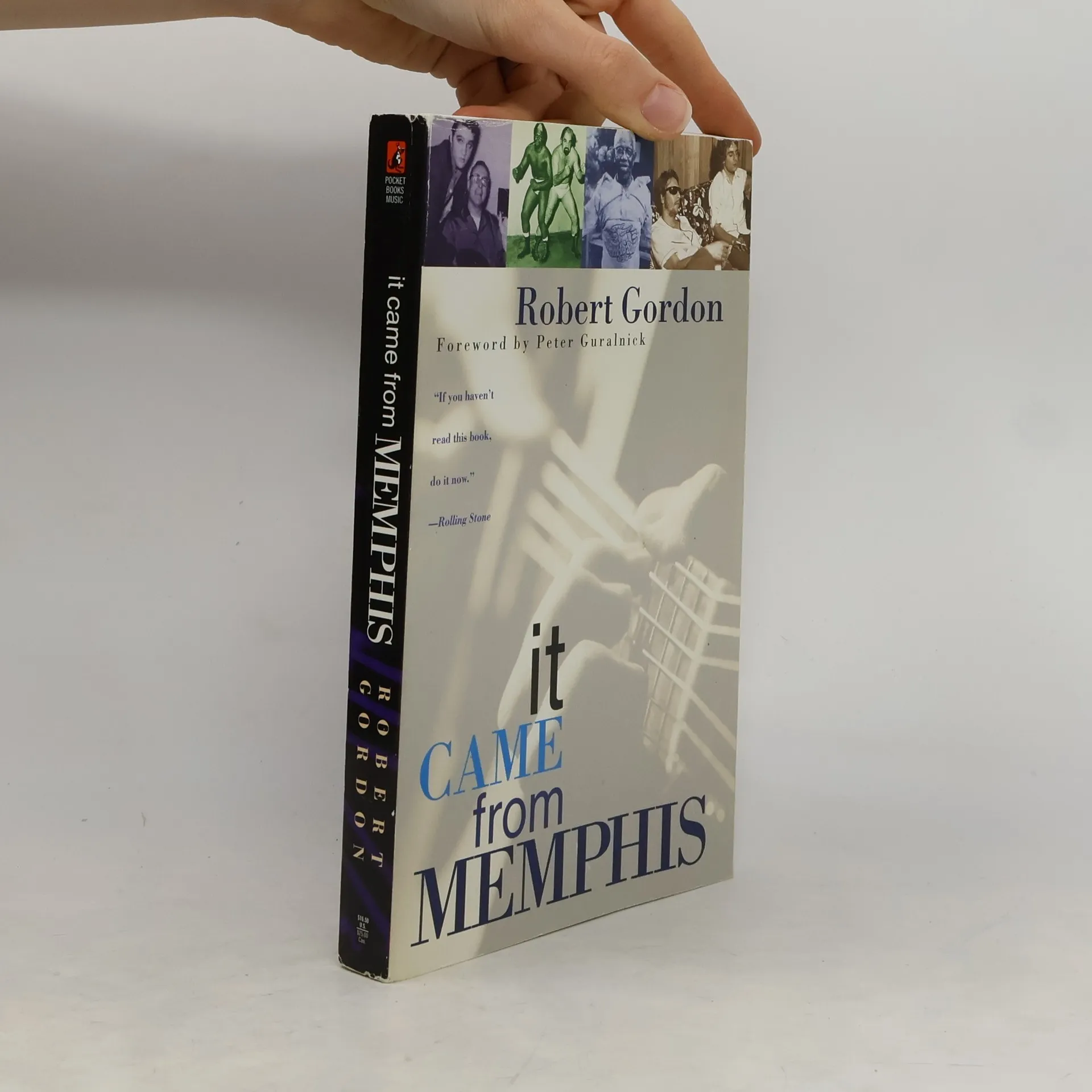
Gordon's critically acclaimed and richly entertaining exploration of the birthplace of rock and roll is peopled with Delta bluesmen, manic deejays, matinee cowboys and Elvis.
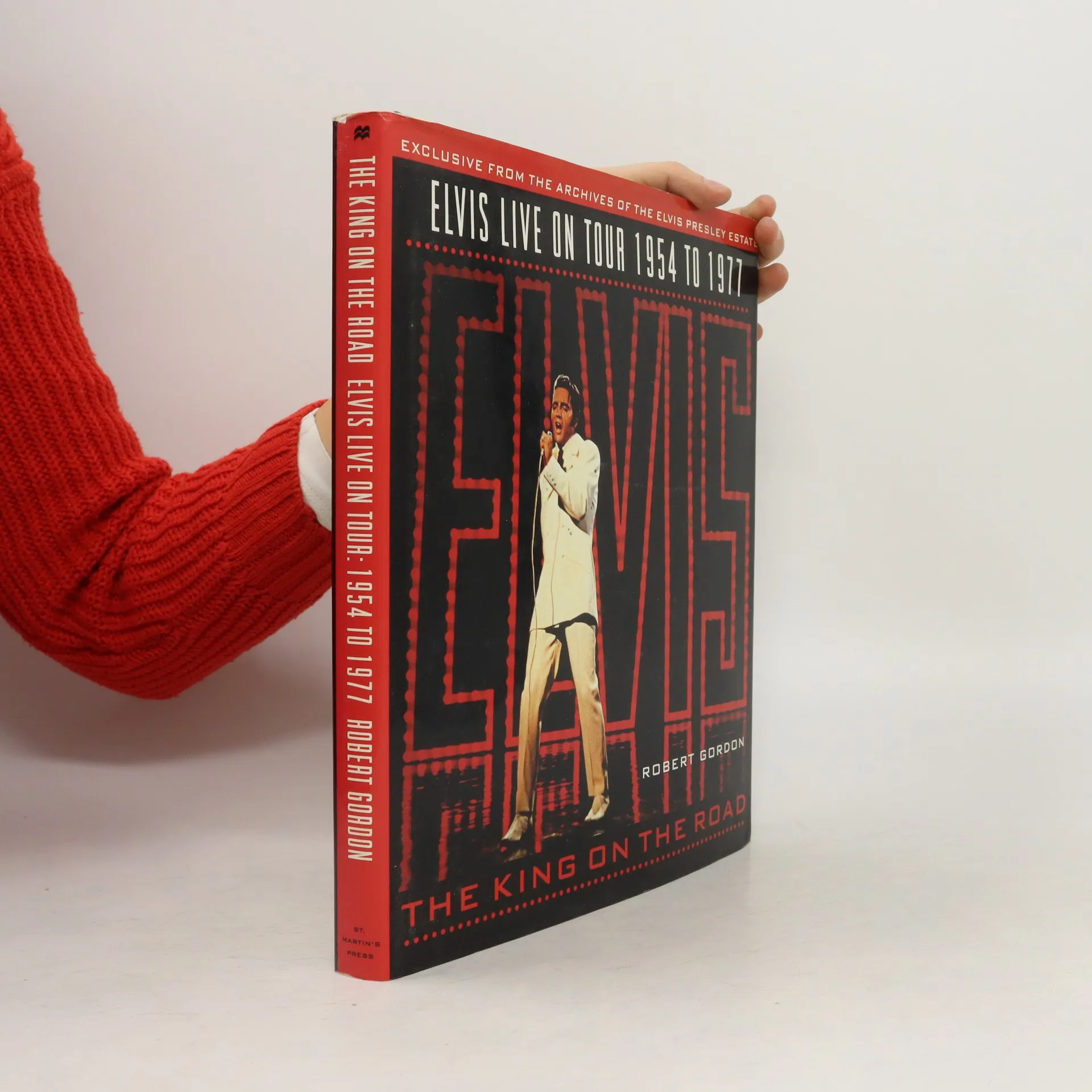
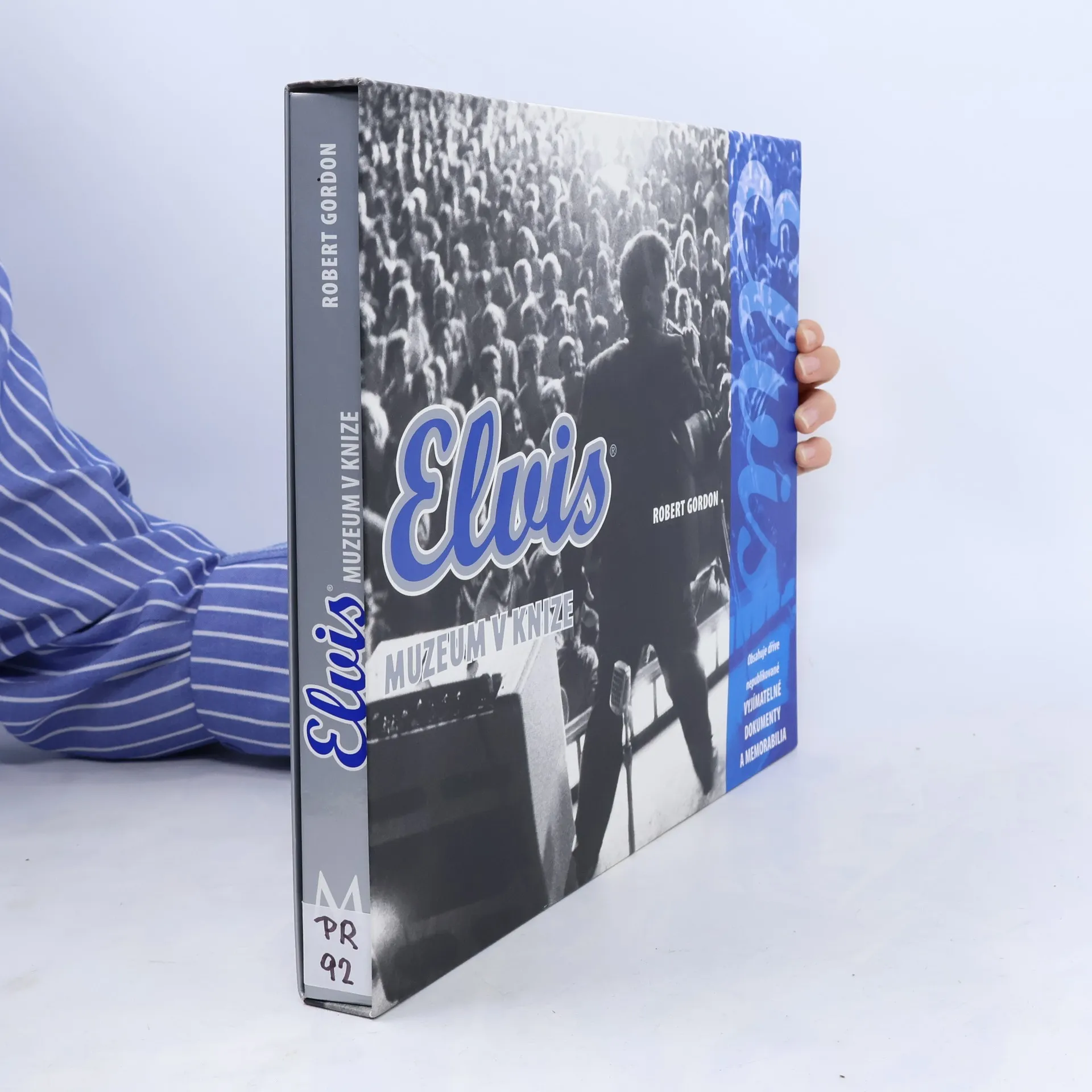
A comprehensive look at Elvis' days on tour, from his earliest performance in a school gym through his later years performing in Las Vegas, accompanied by photographs, clippings, and tickets from the Graceland archives
“I’m pursuing the impossible . . . I want to paint the air in which the bridge, the house, and boat are to be found—the beauty of the air around them . . .” Claude Monet wanted to capture more than just air and light in impasto paint on canvas, as he explained in a conversation with the Danish author Herman Bang in 1895. The master of light was also a master of shadows and reflections. This is evident in his most famous paintings, such as that of the façade of the Rouen cathedral, or the haystacks painted against light, or in the reflections of the water lilies in the pond at Giverny. In particular, his sun-drenched groves, coastlines, and depictions of the Seine in both summer and winter, demonstrate how Monet revolutionized painting by questioning the conventional notions of what a painting could be. This exquisite volume is devoted to the works from the period between 1880 and 1905 and truly paints Monet in a new light. Exhibition: Fondation Beyeler Riehen/Basel, January 22–May 28, 2017
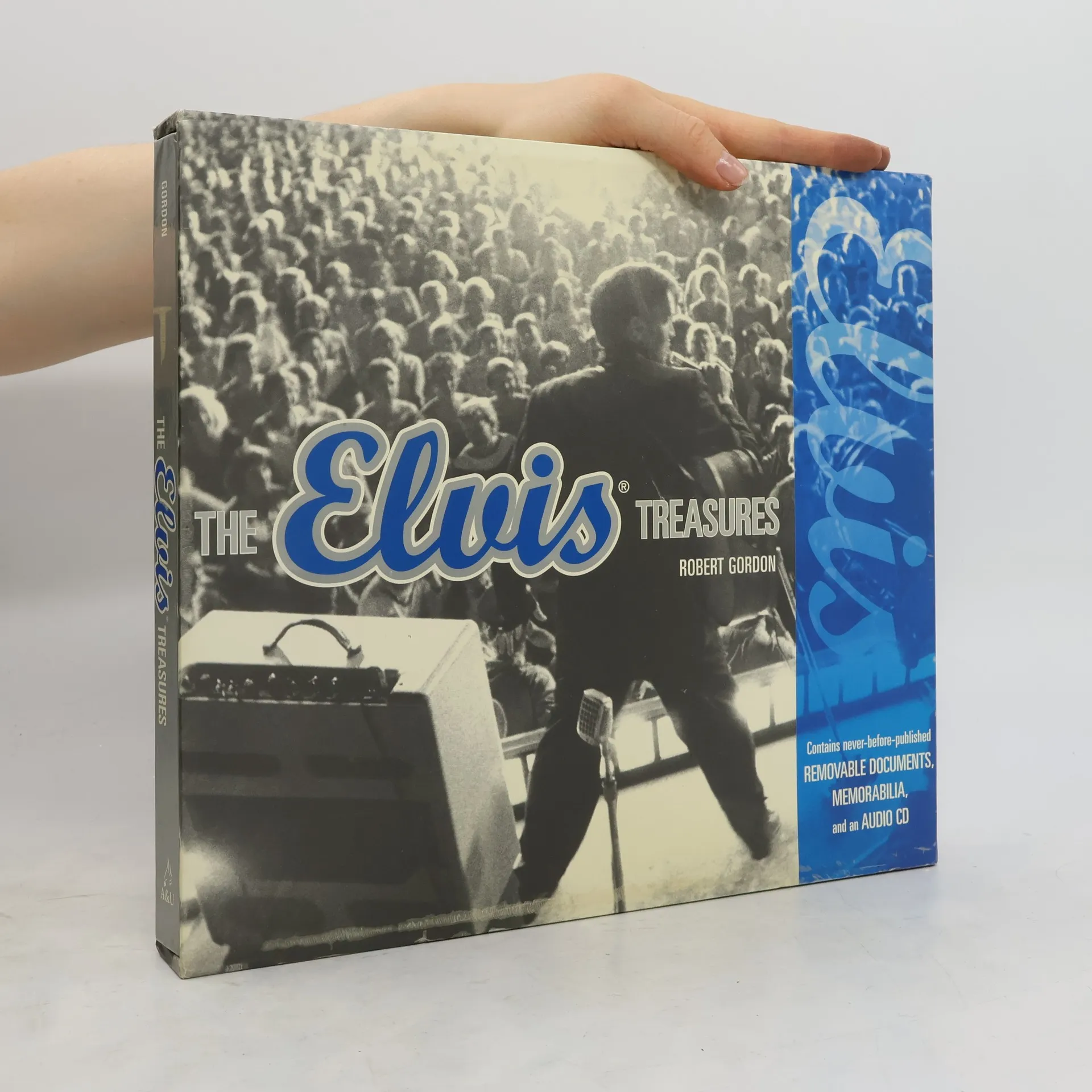
Readers are invited to unlock the secrets to the King of rock 'n' roll with this collection of memorabilia, reproduced in a single, cased volume, complete with 60-minute CD. The disk features rare radio interviews - including Elvis' first - and the book contains removeable letters and photographs.
Offering a thorough exploration of Buddhist architecture in North America, this book analyzes the design and significance of various Buddhist communities. It serves as a vital resource for those studying religion, architecture, US history, Asian Studies, and Buddhist Studies, making it essential for libraries and scholars interested in the intersection of these fields within the context of American culture.
Developing Life and Leadership in the Body of Christ Today
346pages
13 heures de lecture
A study guide presenting a balanced view of leadership with clear challenges to all who desire to grow in spiritual responsibility within the Body of Christ.