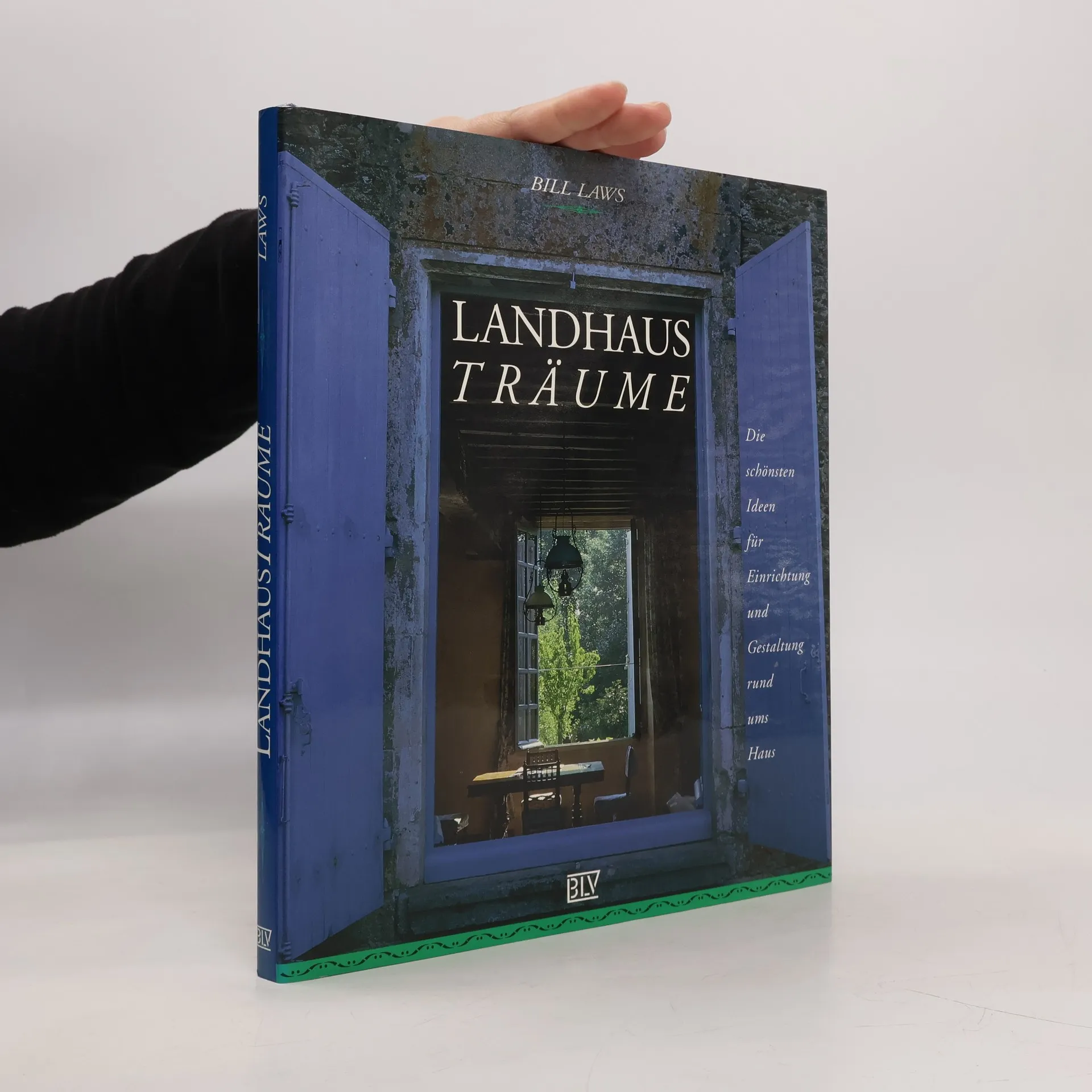
Maisons & demeures traditionnelles de la campagne française
- 159pages
- 6 heures de lecture
A travers des détails ornementaux et des vues d'ensemble, une vision unique de la campagne française et de ses beautés singulières.




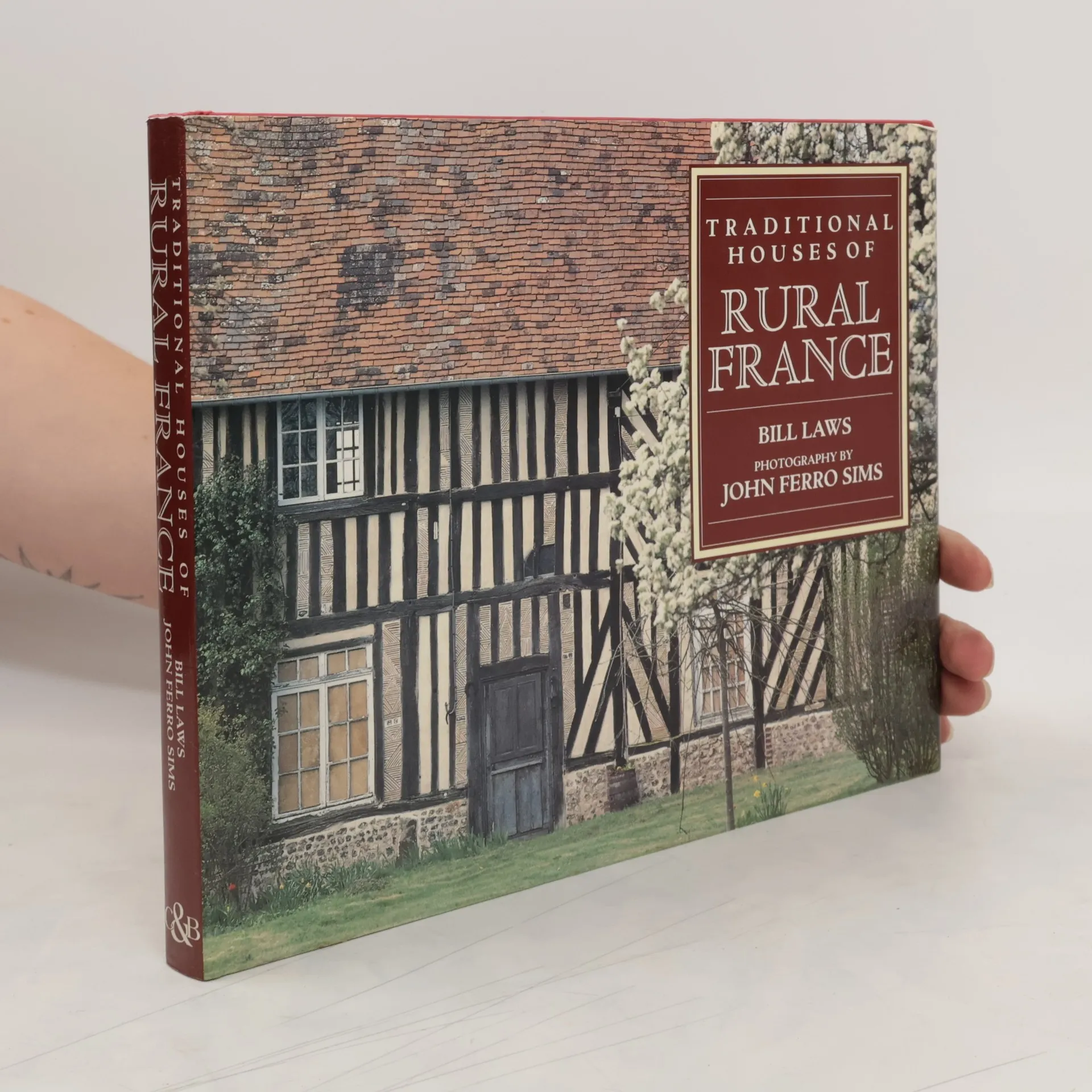


A travers des détails ornementaux et des vues d'ensemble, une vision unique de la campagne française et de ses beautés singulières.
Celebrate the Emerald Isle's lush green fields, distinctive architecture, charming homes, and exquisite handmade crafts. With more than 150 striking color photographs, this gorgeous volume showcases the breathtaking designs and whimsical style of the Irish countryside.
An architectural tour of the French countryside
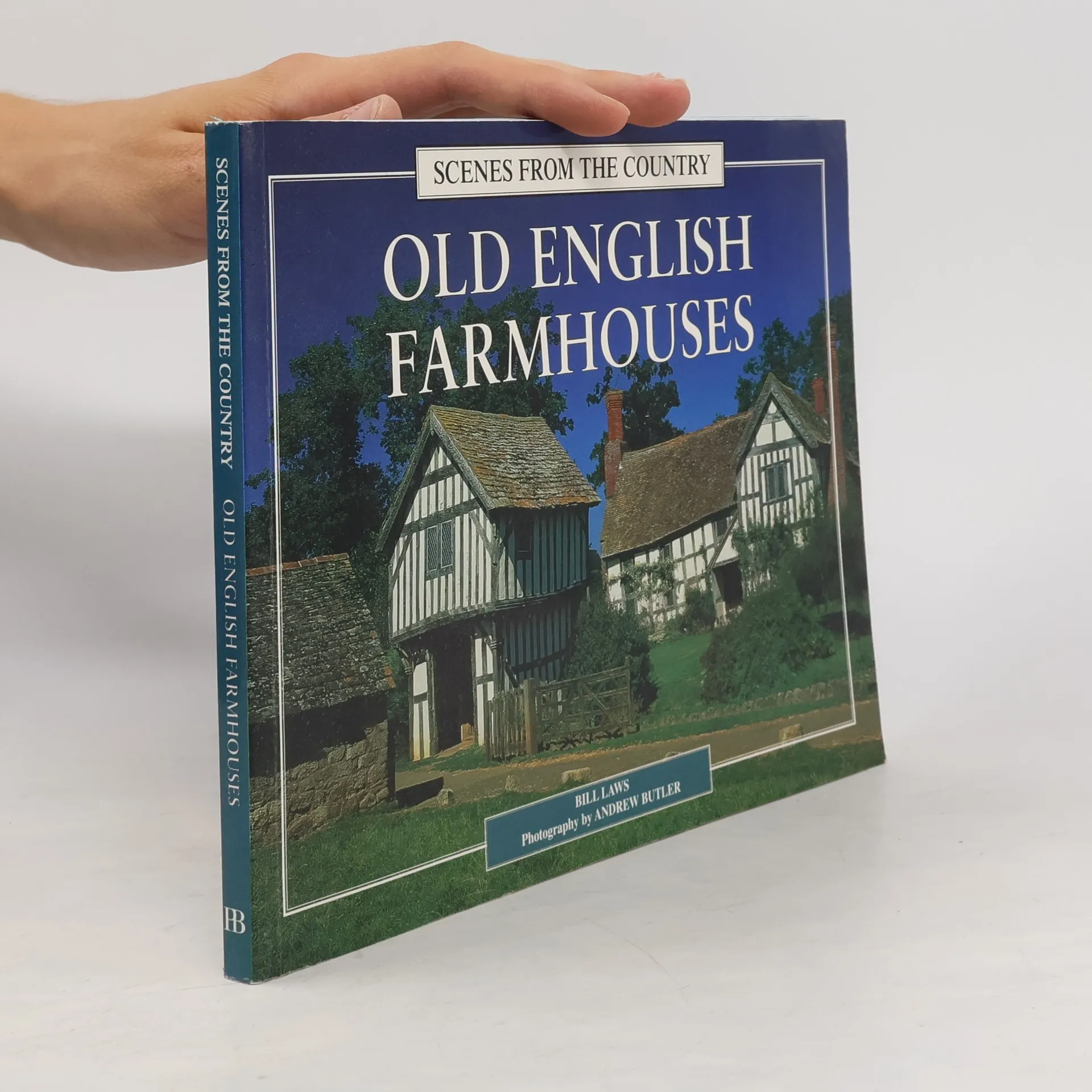
The English farmhouse evolved at an unhurried pace. Some, held in trust by generations of the same farming family, represent the finest examples of vernacular architecture; others have fallen victim to the ravages of time and place or have been made vulnerable by changes in modern farming. This is an illustrated record of their history and development. It describes the diversity of regional styles, discusses the influences that brought them about and notes how local characteristics are reflected in the architecture of these working buildings.
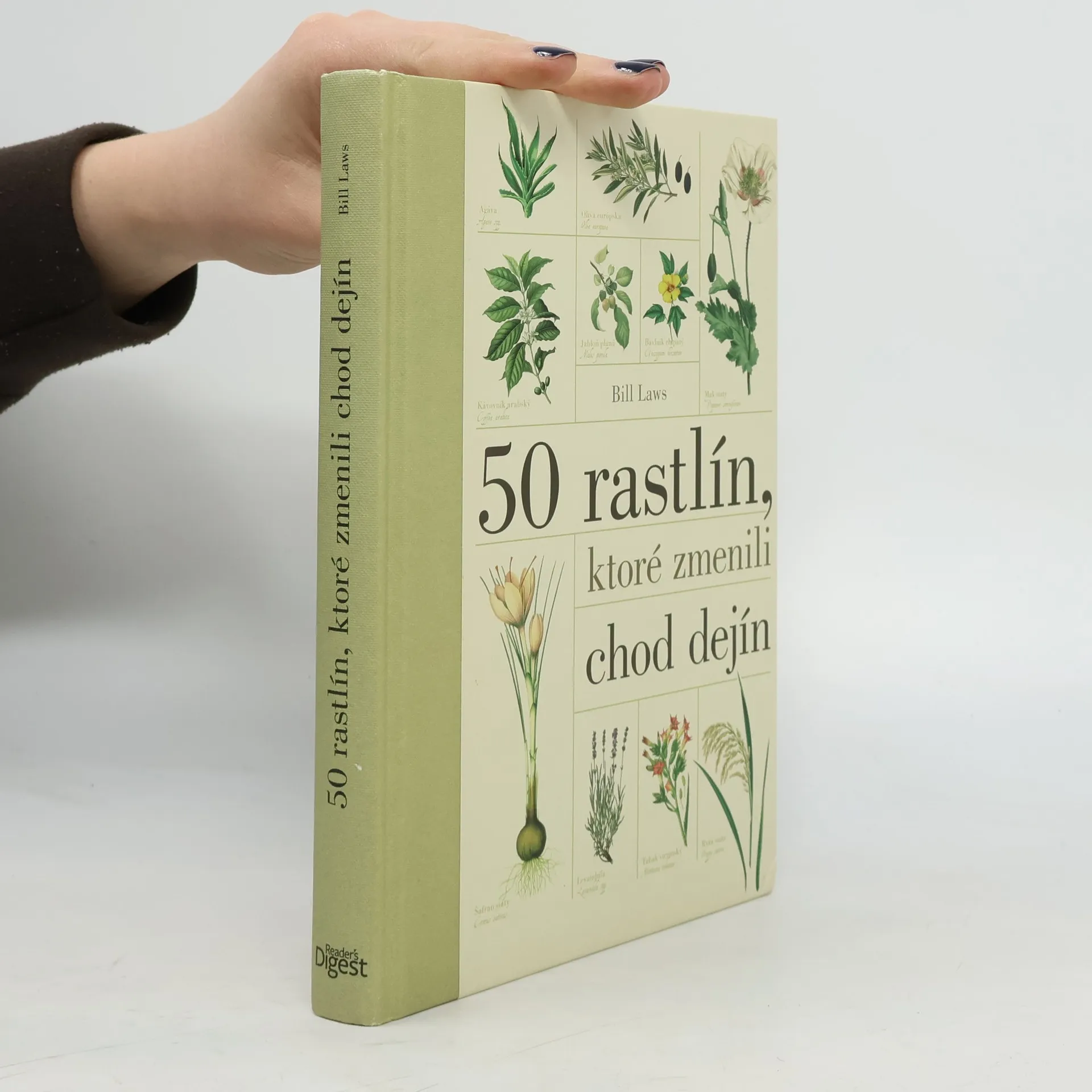
The fascinating stories of the plants that changed civilizations.
Written by social historian Bill Laws, this book looks at the history of real ale.
Sprievodca rastlinami, ktoré mali najväčší vplyv na ľudské civilizácie, na ekonomické, politické, technické, kultúrne a medicínske dejiny. Zaujímavé, stručné texty a množstvo ilustrácií sa venujú napr. cesnaku, čajovníku, konope, koke, sóji, slnečnici, chmeľu, olive, maku, ruži, vŕbe, kukurici, ryži či viniču.
Feiert die Gärten von zwanzig Künstlern, darunter Pierre-Auguste Renoir, Peter Paul Rubens, Paul Cézanne und Claude Monet, und untersucht die Verbindung zwischen ihren Gärten und ihrem Werk.
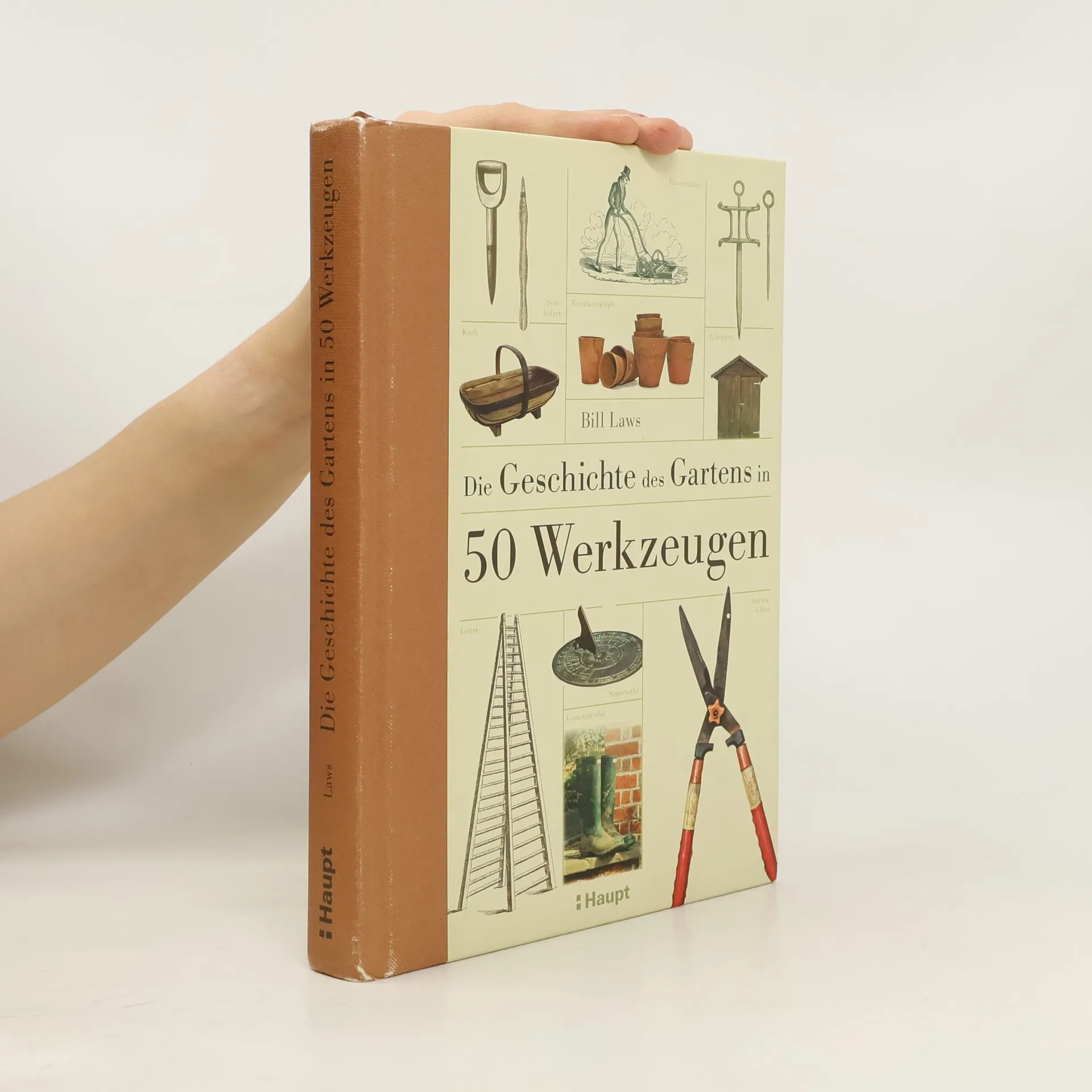
Gartengeschichte beispielhaft aufbereitet: ein Buch, das zum Schmökern einlädt Ohne Gartenwerkzeuge kein Garten. Es überrascht daher nicht, dass Spaten und Pflanzholz, aber auch Schubkarre und Treibhaus Interessantes über die Geschichte der Gartenkultur erzählen können. Wem ist schon bewusst, dass der Topf aus Terrakotta seine Wurzeln bei den mittelamerikanischen Maya hat oder dass der Rasenmäher von einem Engländer erfunden wurde, der während der Industrialisierung erkannte, dass die Handsense nicht mehr zeitgemäß war? Anhand von 50 Gartenwerkzeugen bringt uns Bill Laws die Herkunft und Entwicklung alltäglicher Gebrauchsgegenstände näher und erläutert zugleich, wie sich der Wandel der Gesellschaft über die Jahrhunderte im eigenen Garten nachvollziehen lässt.