Vertrek(punt)
- 192pages
- 7 heures de lecture


Julian Barnes est un écrivain anglais contemporain dont les œuvres s'inscrivent souvent dans le courant du postmodernisme. Son écriture explore les complexités de la mémoire, de l'histoire et de l'identité à travers des récits soigneusement construits et un style distinctif et ironique. Barnes tisse avec maestria des thèmes de perte, d'amour et de recherche de sens dans des histoires existentiellement résonnantes. Sa profondeur littéraire et son habileté stylistique en font une figure marquante de la fiction britannique contemporaine.



Môže byť láska na druhý pokus dokonalejšia než tá prvá? Keď sa Stephen a Jean po štyridsiatich rokoch opäť stretnú, zdá sa, že ich príbeh plynule nadväzuje tam, kde v mladosti skončil. Ale je to skutočne tak? Julian Barnes vo svojom rozlúčkovom románe predostiera fascinujúcu mozaiku pamäte, identity a starnutia, v ktorej sa hranica medzi skutočnosťou a rozprávaním neustále zahmlieva.
The No.1 Bestselling Final Book From The Booker Prize-Winning Author
Exploring the complexities of changing one's mind, Julian Barnes delves into how our perceptions shift regarding politics, literature, and personal memories. He examines the belief that such transformations signify growth and maturity, challenging the notion that change always leads to improvement. Through engaging essays, Barnes invites readers to reflect on the nature of belief and the factors that influence our evolving perspectives on various aspects of life.
The Sunday Times Bestseller from the Winner of the Booker Prize She will change the way you see the world . . . 'I'll remember Elizabeth Finch when most other characters I've met this year have faded' The Times Elizabeth Finch was a teacher, a thinker, an inspiration. Neil is just one of many who fell under her spell during his time in her class. Tasked with unpacking her notebooks after her death, Neil encounters once again Elizabeth's astonishing ideas on the past and on how to make sense of the present. But Elizabeth was much more than a scholar. Her secrets are waiting to be revealed . . . and will change Neil's view of the world forever. 'Enthralling . . . A connoisseur and master of irony himself, [Barnes] fills this book with instances of its exhilarating power' Sunday Times 'A lyrical, thoughtful and intriguing exploration of love, grief and the collective myths of history' Booklist
Adámek s otcom pozorujú lastovičky, ktoré odlietajú na druhý koniec sveta. Mohol by som sa dostať taky tak ďaleko, až budem veľký? pýta sa Adámek. Určite, a možno aj ďalej, hovorí otec. Ale čo keď padne noc, čo keď sa zdvihne veľký vietor? Čo keď sa stratím alebo sa budem cítiť osamelý? Jedna za druhou poodhaľujú Adámková otázky obavy z neznámej cesty, ktoré my dospelí hovoríme život. Otecko Adamov strach netlmí. Vysvetľuje, svojimi slovami mu dodáva odvahu a sebadôveru, aby sa nebál objavovať svet, aby hľadal krásu všade a vo všetkom, aby svoju loďku riadil po svojom a práve takou rýchlosťou, aká mu bude vyhovovať. Tatínkovy odpovede upokojujú, oslobodzujú a predovšetkým uisťujú chlapčeka o otcovom ničím neohrozene láske. Rovnako ako u Mám ťa rada a Mám ťa rád sestrička, jednoduché ilustrácie perfektne sprevádzajú silný, dojemný a pozitívne vzkaz deťom i dospelým. V úvode knihy sú opäť pripravené prázdne riadky, do ktorých môžu oteckovia napísať svojmu dieťaťu venovanie.
Into the rarefied atmosphere of the Hotel du Lac timidly walks Edith Hope, romantic novelist and holder of modest dreams. Edith has been exiled from home after embarrassing herself and her friends. She has refused to sacrifice her ideals and remains stubbornly single. But among the pampered women and minor nobility Edith finds Mr Neville, and her chance to escape from a life of humiliating spinsterhood is renewed ... Winner of the Booker Prize in 1984, �Hotel du Lac� was described by The Times as �A smashing love story. It is very romantic. It is also humorous, witty, touching and formidably clever�.
On pourrait commencer, prosaïquement, par ce qui peut être décrit comme une robe de chambre. Rouge — ou plus exactement écarlate — et allant du cou jusqu’à la cheville, laissant voir des ruchés blancs aux poignets et à la gorge... Est-ce injuste de commencer par ce vêtement, plutôt que par l’homme qui le porte? Mais c’est ainsi représenté et ainsi vêtu que nous nous souvenons de lui aujourd’hui. Qu’en eût-il pensé? En aurait-il été rassuré, amusé, un peu offusqué? «L’homme en rouge», peint par John Sargent en 1881, s’appelait Samuel Pozzi. Né à Bergerac en 1847, il allait vite devenir à Paris LE médecin à la mode, particulièrement apprécié des dames de la bonne société en tant que chirurgien et gynécologue. Beaucoup d’entre elles, dont Sarah Bernhardt, étaient aussi ses maîtresses et le surnommaient «L’Amour médecin». À travers sa vie privée, pas toujours heureuse, et sa vie professionnelle, exceptionnellement brillante, c’est une vision en coupe de la Belle Époque qu’on va découvrir sous le regard acéré de Julian Barnes. Il y a d’une part l’image classique de paix et de plaisirs et, de l’autre, les aspects sombres d’une période minée par l’instabilité politique, les crimes et les scandales. Un grand récit.
Лауреат Букеровской премии Джулиан Барнс — один из самых ярких и оригинальных прозаиков современной Британии, автор таких международных бестселлеров, как «Шум времени», «Предчувствие конца», «Артур и Джордж», «История мира в 10½ главах», «Попугай Флобера» и многих других. Своим первым опытом в жанре эссе об искусстве Джулиан Барнс называет главу нашумевшего романа-антиутопии «История мира в 10½ главах» (1989), посвященную картине Теодора Жерико «Гибель плота Медузы». Именно поэтому, уже как самостоятельное произведение, в сборнике «Открой глаза» она оказывается первой из семнадцати увлекательных коротких историй о художниках и их работах, приглашающих читателя проследить путь изобразительного искусства от начала XIX века до современности. В этих эссе есть все, что традиционно присуще прозе Барнса: великолепное чувство стиля, виртуозное равновесие едкой иронии и утонченного лиризма, сарказма на грани цинизма и веселого озорства. Но еще, это собрание тонких, остроумных и, порой, неожиданных наблюдений, дарящих не только литературное удовольствие, но и богатую пищу для ума.
When it comes to death, is there ever a best case scenario? In this disarmingly witty book, Julian Barnes confronts our unending obsession with the end. He reflects on what it means to miss God, whether death can be good for our careers and why we eventually turn into our parents. Barnes is the perfect guide to the weirdness of the only thing that binds us all.Selected from the book Nothing to be Frightened Ofby Julian BarnesVINTAGE MINIS- GREAT MINDS. BIG IDEAS. LITTLE BOOKS.A series of short books by the world's greatest writers on the experiences that make us humanAlso in the Vintage Minis series-Calmby Tim ParksDrinkingby John CheeverBabiesby Anne EnrightPsychedelics by Aldous Huxley
'BARNES'S MASTERPIECE.' - OBSERVER In May 1937 a man in his early thirties waits by the lift of a Leningrad apartment block. He waits all through the night, expecting to be taken away to the Big House. Any celebrity he has known in the previous decade is no use to him now. And few who are taken to the Big House ever return. So begins Julian Barnesâe(tm)s first novel since his Booker-winning The Sense of an Ending. A story about the collision of Art and Power, about human compromise, human cowardice and human courage, it is the work of a true master.
The 100 finest short stories ever written, collected in one gorgeous volume.
"An extraordinary collection-- hawk-eyed and understanding-- from the Booker Prize-winning, best-selling author of The Sense of an Ending and Levels of Life. As Julian Barnes explains: "Flaubert believed that ... great paintings required no words of explanation. Braque thought the ideal state would be reached when we said nothing at all in front of a painting ... But it is a rare picture that stuns, or argues, us into silence. And if one does, it is only a short time before we want to explain and understand the very silence into which we have been plunged." This is the exact dynamic that informs his new book. Barnes, in his 1989 novel A History of the World in 10 1/2 Chapters, had a chapter on Gericault's The Raft of the Medusa, and since then he has written about many great masters of nineteenth- and twentieth-century art, including Delacroix, Manet, Fantin-Latour, Cezanne, Degas, Redon, Bonnard, Vuillard, Vallotton, Braque, Magritte, Oldenburg, Howard Hodgkin, and Lucian Freud. The seventeen essays gathered here are adroit, insightful and, above all, a true pleasure to read "--
'You put together two things that have not been put together before. And the world is changed...' Julian Barnes's new book is about ballooning, photography, love and grief; about putting two things, and two people, together, and about tearing them apart. One of the judges who awarded him the 2011 Man Booker Prize described him as 'an unparalleled magus of the heart'. This book confirms that opinion.
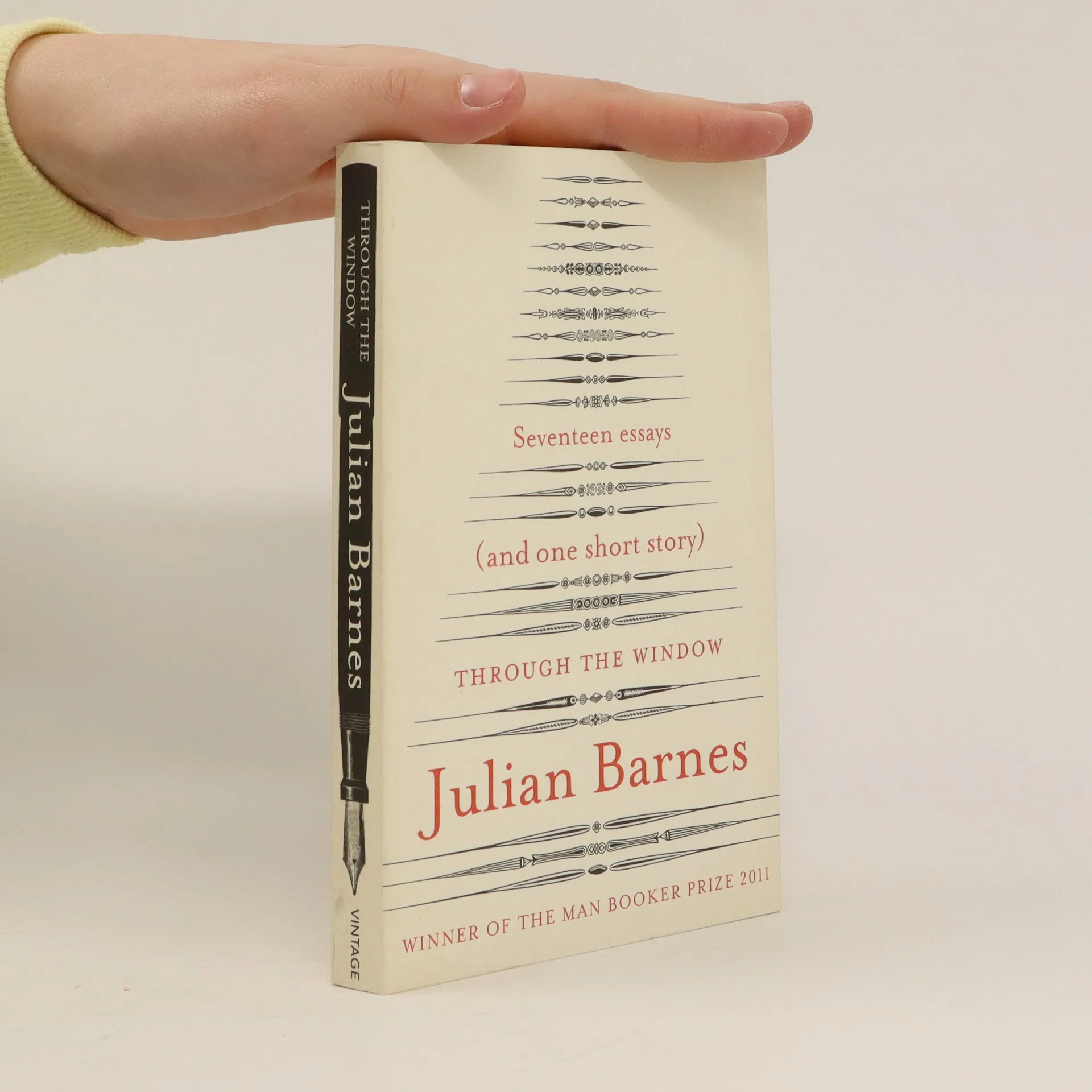
In these seventeen essays (and one short story) the 2011 Man Booker Prize winner examines British, French and American writers who have meant most to him, as well as the cross-currents and overlappings of their different cultures. From the deceptiveness of Penelope Fitzgerald to the directness of Hemingway, from Kipling's view of France to the French view of Kipling, from the many translations of Madame Bovary to the fabulations of Ford Madox Ford, from the National Treasure Status of George Orwell to the despair of Michel Houellebecq, Julian Barnes considers what fiction is, and what it can do. As he writes in his preface, 'Novels tell us the most truth about life: what it is, how we live it, what it might be for, how we enjoy and value it, and how we lose it.' When his Letters from London came out in 1995, the Financial Times called him 'our best essayist'. This wise and deft collection confirms that judgment.
A collection of stories, in which a divorcee falls in love with a mysterious European waitress, a widower relives a favourite holiday, two writers rehearse familiar arguments, and, a couple bond, fall out and bond again over flowers and vegetable patches.
Ceux qui veulent nier le passage du temps disent : quarante ans, ce n’est rien, à cinquante ans on est dans la fleur de l’âge, la soixantaine est la nouvelle quarantaine et ainsi de suite. Je sais pour ma part qu’il y a un temps objectif, mais aussi un temps subjectif… le vrai, qui se mesure dans notre relation à la mémoire. Alors, quand cette chose étrange est arrivée, quand les nouveaux souvenirs me sont soudain revenus, ça a été comme si, pendant ce moment-là, le temps avait été inversé… Comme si le fleuve avait coulé vers l’amont. Tony, la soixantaine, a pris sa retraite. Il a connu une existence assez terne, un mariage qui l’a été aussi. Autrefois il a beaucoup fréquenté Veronica, mais ils se sont éloignés l’un de l’autre. Apprenant un peu plus tard qu’elle sortait avec Adrian, le plus brillant de ses anciens condisciples de lycée et de fac, la colère et la déception lui ont fait écrire une lettre épouvantable aux deux amoureux. Peu après, il apprendra le suicide d’Adrian. Pourquoi Adrian s’est-il tué ? Quarante ans plus tard, le passé va ressurgir, des souvenirs soigneusement occultés remonter à la surface – Veronica dansant un soir pour Tony, un weekend dérangeant chez ses parents à elle… Et puis, soudain, la lettre d’un notaire, un testament difficile à comprendre et finalement, la terrible vérité, qui bouleversera Tony comme chacun des lecteurs d’Une fille, qui danse.
"Préféreriez-vous aimer davantage, et souffrir davantage ; ou aimer moins, et moins souffrir ? C'est, je pense, finalement, la seule vraie question." Angleterre, années 1960. Paul a dix-neuf ans lorsqu'il rencontre Susan, une femme mariée de trente ans son aînée. Sur le court de tennis où ils disputent des parties en double, une passion se noue, totale, absolue. Ils la vivent fièrement, conscients de défier les conventions sociales. Mais les années passent, sans bruit, tandis que l'amour et la jeunesse de Paul se heurtent aux démons de Susan...
Des champs de bataille de la Somme aux vignobles bordelais en passant par le Paris des surréalistes, quand les Anglais traversent la Manche pour parcourir la France, cela donne des situations tantôt cocasses, tantôt touchantes, mais toujours surprenantes. Trois nouvelles savoureuses et pleines d'humour du plus francophile des écrivains britanniques.
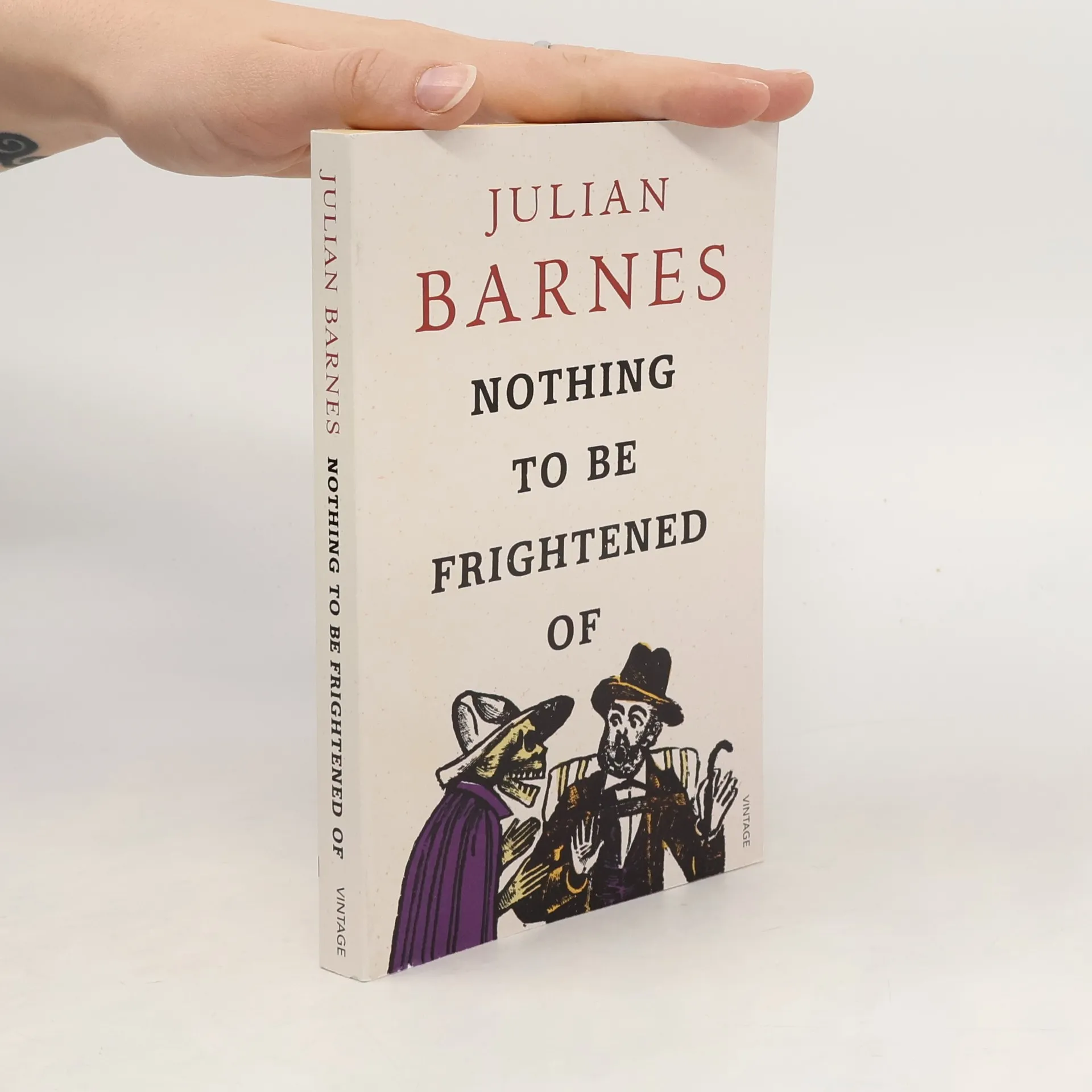
A brilliant, discursive, very funny book about death and the fear of death, god, nature, nurture and the author s childhood. The closest thing to a memoir Barnes will ever write.
The book offers a unique exploration of France through the lens of early motor travel, capturing the historical context and significance of the journey. Its preservation in a modern format ensures clarity and readability, making it accessible for contemporary audiences. This edition reflects a commitment to maintaining the book's importance in history, appealing to those interested in the genres of history and cultural exploration of the Eastern Hemisphere.
Arthur est en retard pour son rendez-vous avec George Edalji au Grand Hotel, Charing Cross ; des affaires à régler à sa banque l'ont retenu plus longtemps que prévu. Il entre d'un pas vif dans le grand hall, et regarde autour de lui. Il n'est pas difficile de repérer celui qui l'attend : le seul homme au teint foncé est assis de profil à une douzaine de pas. Arthur est sur le point d'aller vers lui et de s'excuser de son retard, quand quelque chose le retient... Ce quelque chose qu'a vu Arthur va être d'une importance capitale dans l'histoire de George, une histoire bien réelle qui s'est passée en Angleterre à la fin du XIXe siècle. Arthur et George n'auraient jamais dû se rencontrer : origines très différentes, milieux très éloignés, études et caractères à des années-lumière les uns des autres. Et pourtant... Victime d'une terrible erreur judiciaire, emprisonné plusieurs années, relâché sans explication et sans avoir été innocenté, George, fragile, effacé, maladroit – la victime idéale – va faire appel à Arthur, alors un des hommes les plus célèbres d'Angleterre : c'est en effet le créateur de Sherlock Holmes. À partir de là... Extraordinaire tableau de la société victorienne, ce nouveau roman de Julian Barnes est aussi le plus haletant des thrillers.
Winner of the Man Booker Prize for Fiction 2011 From the hairdessing salon where an old man measures out his life in haircuts, to the concert hall where a music lover carries out an obsessive campaign against those who cough in concerts; from the woman who reads elaborate recipes to her sick husband as a substitute for sex, to the woman 'incarcerated' in an old people's home beginning a correspondence with an author that enriches both their lives - all Barnes' characters, in their different ways, square up to death and rage against the dying light.
От издателя Перед вами "любовный треугольник" скромного банковского служащего, талантливого неудачника и средней руки художницы-реставратора...
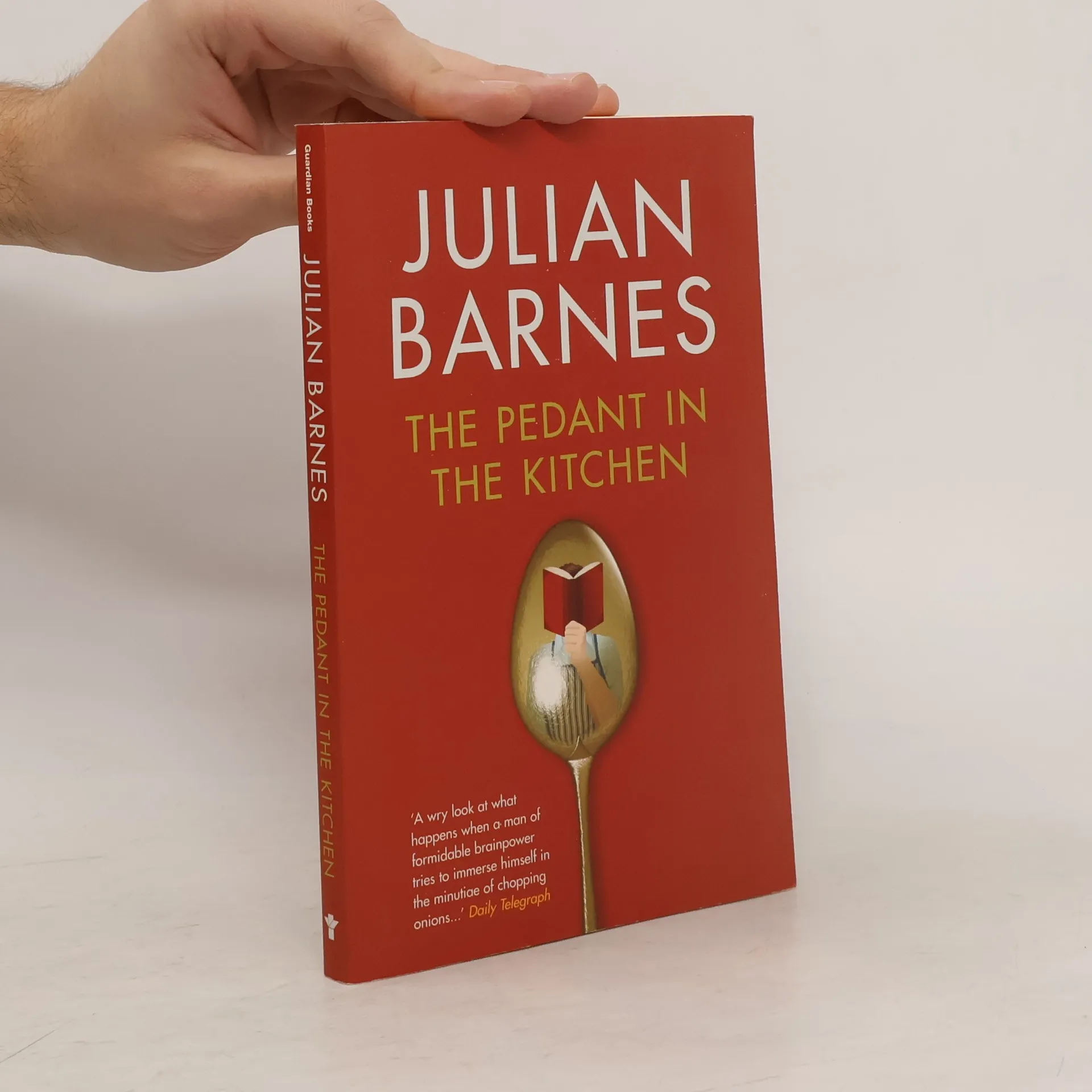
The Pedant in the Kitchen is a perfect comfort for anyone who has ever been defeated by a cookbook. The Pedant's ambition is simple. He wants to cook tasty, nutritious food; he wants not to poison his friends; and he wants to expand, slowly and with pleasure, his culinary repertoire
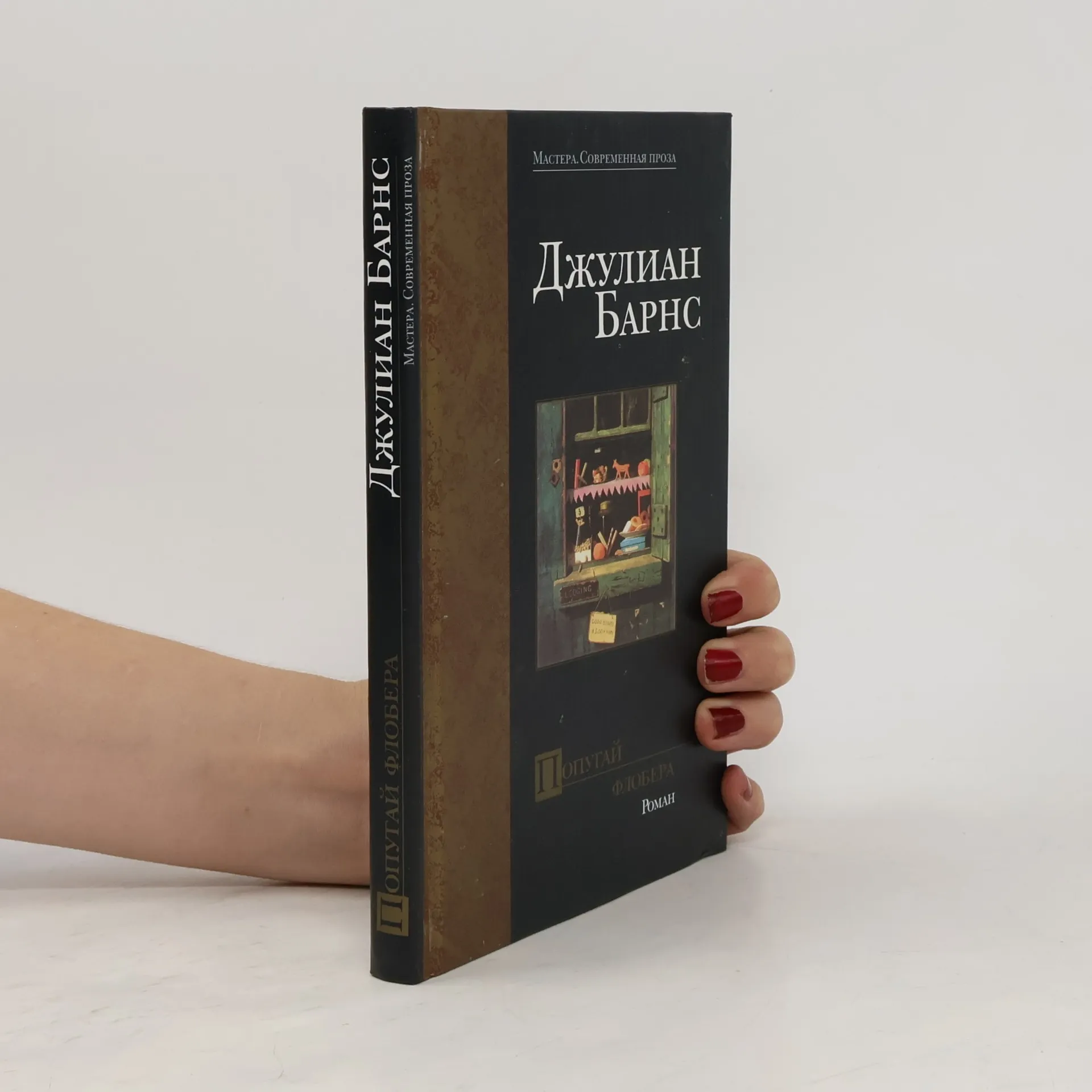
Вы полагаете, что знаете, кто такой Гюстав Флобер? Вы полагаете, что знаете, что важнее для нас, читателей, его книги или его жизнь? Книги? Но тогда... почему творчество писателя заставляет нас буквально охотиться за мельчайшими фактами его жизни? ПОЧЕМУ мы верим, что чучело попугая Флобера способно дать ключ к пониманию ВСЕГО, что написано им? Может, потому, что ТАК ОНО И ЕСТЬ? Перед вами — «Попугай Флобера». Роман настолько забавный и остроумный, насколько это только может сделать Джулиан Барнс!
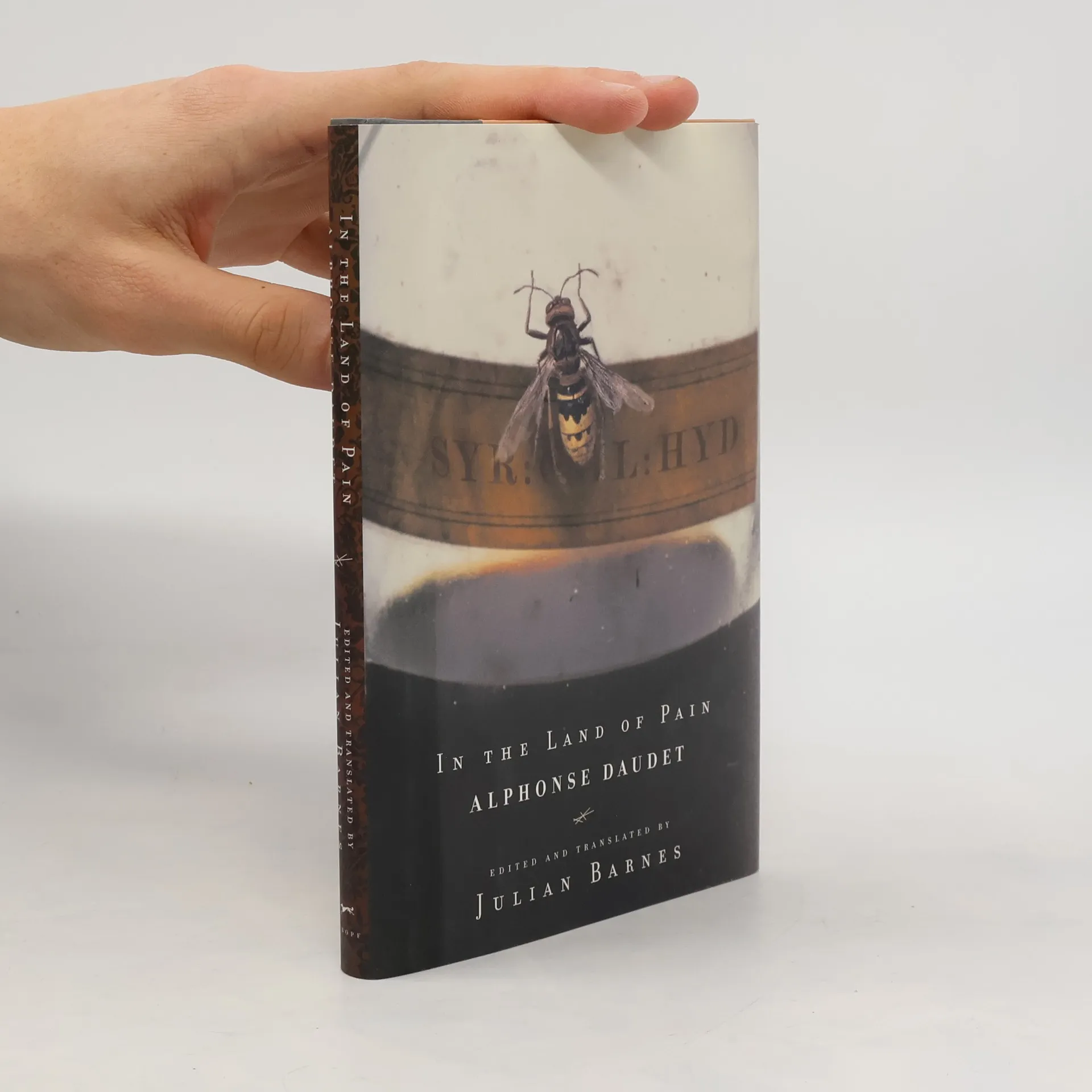
As Julian Barnes notes in his introduction to Alphonse Daudet’s La Doulou, the writer, who lived from 1840 to 1897, was once celebrated as a leading literary figure. Henry James referred to him as “the happiest novelist” and “the most charming story-teller” of his time. However, Daudet was also part of a tragic group of nineteenth-century French writers afflicted by syphilis. In the Land of Pain—notes toward an unwritten book—Daudet offers a poignant response to his illness. With quick, incisive strokes, he details his symptoms, describing pain as a “one-man-band” and his treatments as “morphine nights” filled with sleeplessness and existential void. He reflects on his fears, seeking meaning in pain and urging it to be his philosophy and science. Daudet shares observations of fellow patients at spas, noting the cultural contrasts in their experiences, and he contemplates the deceptive nature of death, which seems to merely thin out life. Barnes’s translation captures the essence of these notes, creating a record that is both shattering and lighthearted, haunting yet beguiling. This work reveals the dual nature of physical suffering—its banality and transformative power—while celebrating the complex resilience of the human spirit.
Bloemlezing van verhalen van binnen- en buitenlandse auteurs over reizen, met name door de Provence.
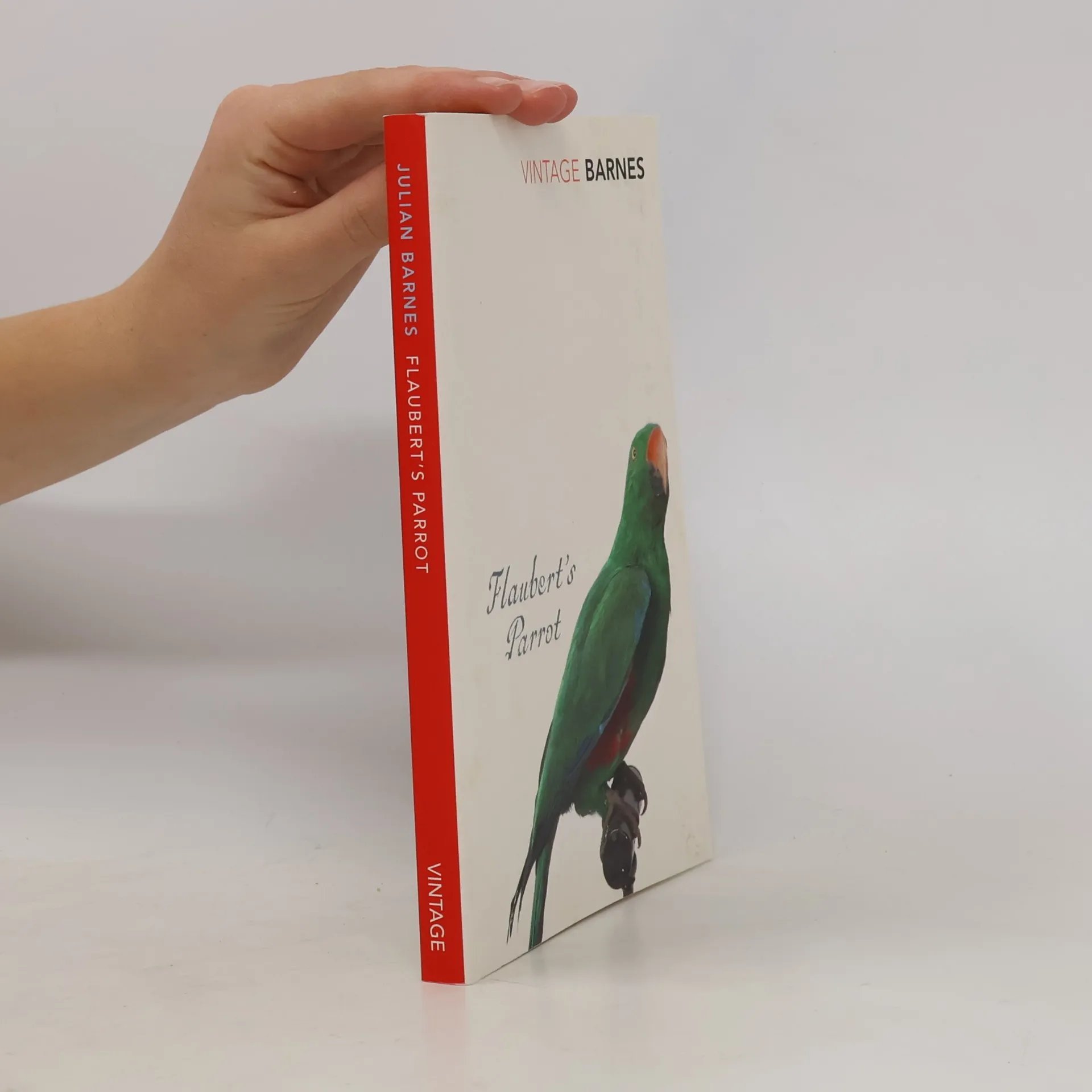
Flaubert's Parrot, Julian Barnes's breakthrough book—shortlisted for the Booker Prize in 1984—is the story of Geoffrey Braithwaite, a retired doctor who is obsessed with the French author and with tracking down a stuffed parrot that once inspired him. Barnes playfully combines a literary detective story with a character study of its detective, embedded in a brilliant riff on literary genius. A History of the World in 10 1/2 Chapters is a mix of fictional and historical narratives of voyage and discovery—ranging from a woodworm's perspective on Noah's ark to a survivor from the sinking of the Titanic—that question our ideas of history.
"Il y a à parier que toute idée publique, toute convention reçue, est une sottise, car elle a convenu au plus grand nombre". Exergue du Dictionnaire des idées reçues - oeuvre inachevée aux multiples manuscrits -, cette maxime de Chamfort en donne le ton incisif. "Actrice", "mélancolie", "pédantisme", "voyageur", "candeur", "duel", "laboureurs", "religion"... Sur des sujets aussi variés, Flaubert y relève en effet pensées figées et lieux communs, traquant la vacuité avec une ironie mordante.
Jerry Batson, qui se définit comme un « accoucheur d'idées », va en vendre une assez sensationnelle à sir Jack Pitman, un excentrique milliardaire : créer sur l'île de Wight une sorte de gigantesque parc d'attractions rassemblant tout ce qu'il y a de plus typique, de plus connu en Angleterre. Cela va des blanches falaises de Douvres à Manchester United, de Buckingham Palace à Stonehenge, du mausolée de la princesse Diana au théâtre de Shakespeare. Le projet est monstrueux, hautement risqué, et voilà qu'il se révèle être un énorme succès. La copie va-t-elle surpasser l'original ? Et qu'adviendra-t-il si c'est elle que les touristes préfèrent visiter ? Férocement drôle, drôlement impitoyable, impitoyablement au vitriol, voilà un portrait de l'Angleterre comme on n'en avait encore jamais vu.
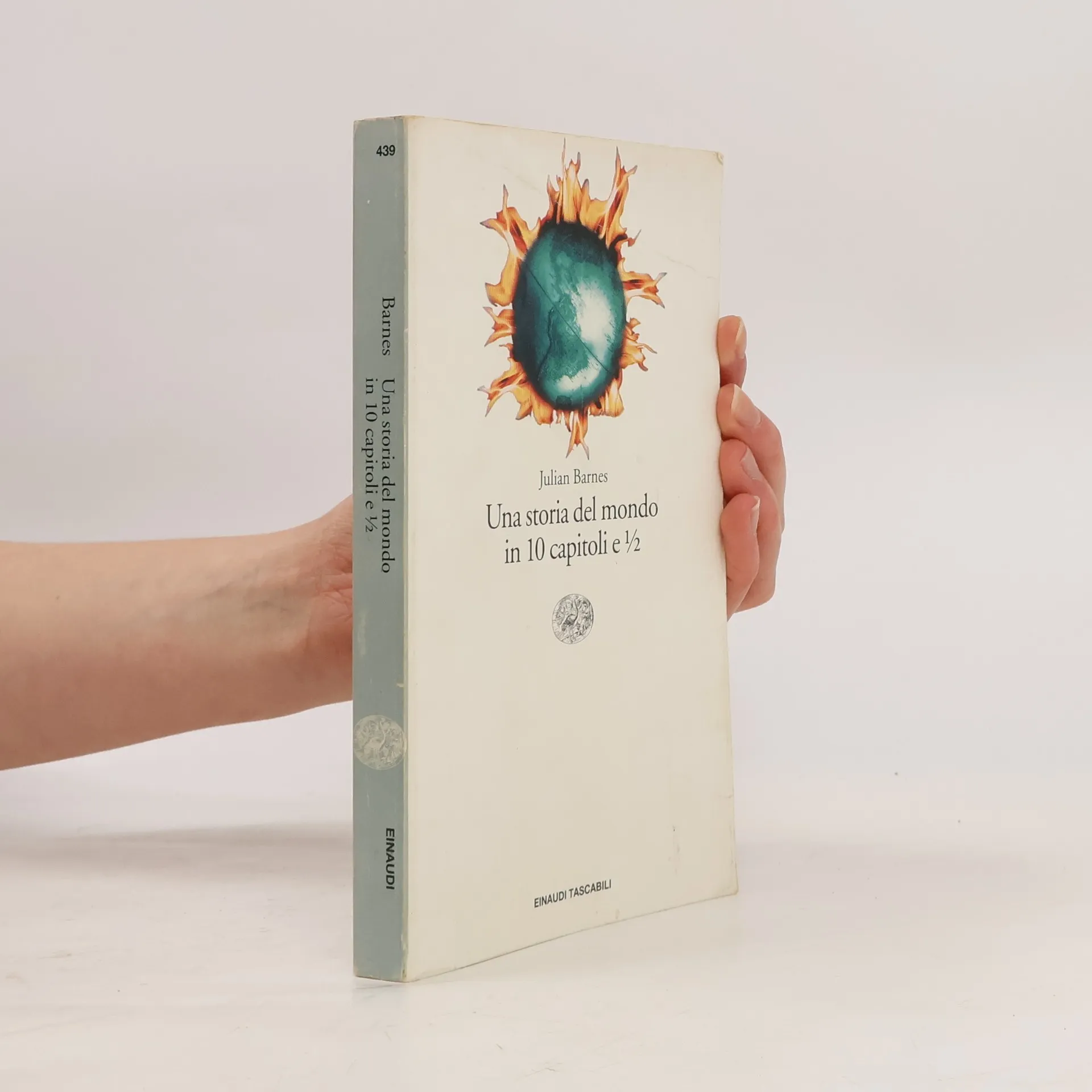
Quando le cronache ufficiali descrissero l’impresa di Noè, sorvolarono su una serie di episodi poco edificanti che, se fossero stati rivelati, avrebbero potuto ridimensionare il valore mitico dell’epopea. Nessuno, però, sapeva che un animaletto, salito a bordo da clandestino, era stato testimone di quei retroscena non proprio eroici, e aveva deciso di raccontarli. Come si conclusero i processi ecclesiastici celebrati nella Francia medievale contro quei tarli accusati di avere rosicchiato gli arredi sacri? Che cosa capitò a Spike Tiggler, l’astronauta che, dopo aver portato un pallone sulla luna, svelò il mistero del Monte Ararat? E quale fine fece l’unicorno che godeva di cosí tante attenzioni da parte della moglie di Noè? Rimbalzando di continuo tra epoche e situazioni diverse, Julian Barnes ripercorre le grandezze e le follie dell’umanità, lanciando una sfida ambiziosa alla fantasia del lettore: immaginare un mondo completamente nuovo.
Nick Duffy, einst Polizist der Sittenpolizei, hat sich nach Gerüchten über sein Sexualleben in den privaten Sicherheitsdienst gewandert. Er ist vertraut mit Londons zwielichtigen Angeboten und der ideale Mann für moralisch fragwürdige Fälle. In einem ersten Fall wird Duffy von einem dubiosen Geschäftsmann engagiert, der von einem der gefährlichsten Verbrecherbosse der Stadt erpresst wird. Duffy muss sich durch das Untergrundmilieu von Soho kämpfen, das von Prostituierten, Pornomogulen und Gangstern geprägt ist. In einem weiteren Fall haben die Frachtdiebe am Flughafen Heathrow ein Problem: Jemand stiehlt mehr als seinen Anteil. Die Gangster benötigen einen Privatdetektiv, und der heruntergekommene Duffy nimmt die Herausforderung an. Zusätzlich wird Duffy von einer Drittligamannschaft engagiert, die mit ungewöhnlich vielen Verletzungen zu kämpfen hat. Der Trainer beauftragt ihn, herauszufinden, wer das Team absichtlich schädigt, und Duffy sieht sich leidenschaftlichen Fans und harten Skinheads gegenüber. Schließlich wird Duffy als Sicherheitsberater zu einem Landhaus gerufen, um den Vorfall mit dem Hund des Besitzers zu klären. Bei seiner Ankunft findet er Braunscombe Hall voller exzentrischer Gäste, die alle verdächtig erscheinen.
Dire que Julian Barnes aime la France, c'est un peu enfoncer une porte ouverte. Dans ses romans, ses personnages traversent souvent la Manche pour venir voir ce qui se passe chez leur voisine qui les fascine et les intrigue tant. Les dix nouvelles qui composent Outre-Manche se situent, elles, toutes en France où des Anglais et des Anglaises, à différentes époques, voyagent, vivent, travaillent, s'aiment ou même combattent. Jouant sur les registres les plus divers avec l'habileté qu'on lui connaît, Barnes nous fait tour à tour sourire, rire, rêver, trembler...
Since 1990 Julian Barnes has written a regular ‘Letter from London’ for the New Yorker magazine. These already celebrated pieces cover subjects as diverse as the Lloyd’s insurance disaster, the rise and fall of Margaret Thatcher, the troubles of the Royal Family and the hapless Nigel Short in his battle with Gary Kasparov in the 1993 World Chess Finals. With an incisive assessment of Salman Rushdie’s plight and an analysis of the implications of being linked to the Continent via the Channel Tunnel, Letters from London provides a vivid and telling portrait of Britain in the Nineties.
Everyone knows a bit of petty theft goes on in the freight business at Heathrow - it is fiddle city, after all. But things have gone beyond a joke for Roy Hendrick and he suspects someone who works for him is helping themselves to more than they should. That's when he sets Duffy on the case. A bisexual ex-policeman, Duffy runs a struggling security firm, has an obsessive attitude to cleanliness and can often be found propping up the bar at the Alligator. Duffy agrees to work for Hendrick and goes undercover to try and root out the culprit. But things aren't all they're cracked up to be. What's the story behind the imperious HR manager Mrs Boseley with her permanently frosty demeanour? And is Hendrick really as honest as he claims to be? Duffy's up to his neck in it.
In his latest novel, Julian Barnes, author of Talking It Over and A History of the World in 10 1/2 Chapters , trains his laser-bright prose on the collapse of Communism in Eastern Europe. Stoyo Petkanov, the deposed Party leader, is placed on trial for crimes that range from corruption to political murder. Petkanov's guilt -- and the righteousness of his opponents -- would seem to be self-evident. But, as brilliantly imagined by Barnes, the trial of this cunning and unrepentant dictator illuminates the shadowy frontier between the rusted myths of the Communist past and a capitalist future in which everything is up for grabs.
Book by
Nouvelles annotées - Présentation de W. S. Beamstein
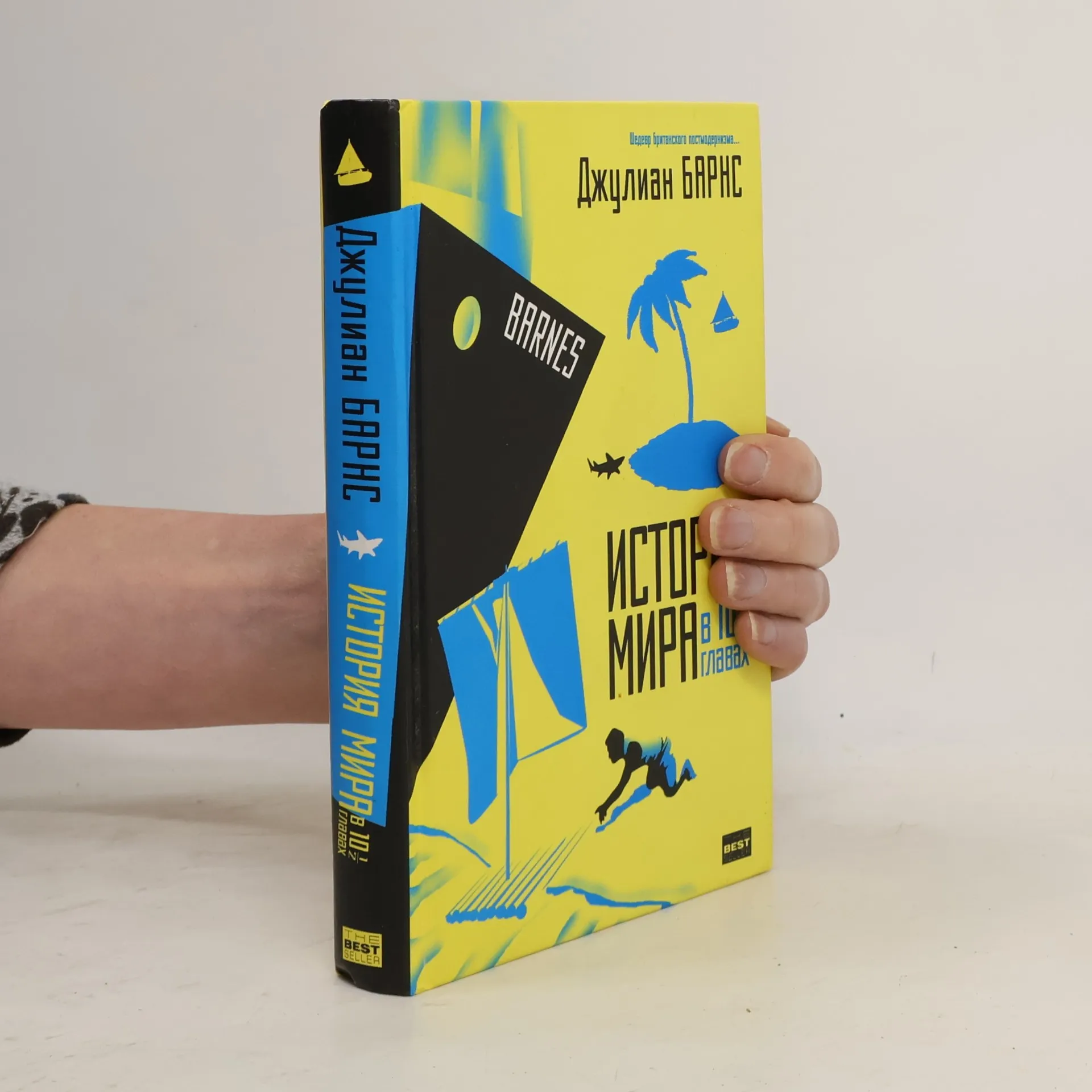
Beginning with an unlikely stowaway's account of life on board Noah's Ark, A History of the World in 10½ Chapters presents a surprising, subversive, fictional history of earth told from several kaleidoscopic perspectives. Noah disembarks from his ark but he and his Voyage are not forgotten: they are revisited in on other centuries and other climes - by a Victorian spinster mourning her father, by an American astronaut on an obsessive personal mission. We journey to the Titanic, to the Amazon, to the raft of the Medusa , and to an ecclesiastical court in medieval France where a bizarre case is about to begin... This is no ordinary history, but something stranger, a challenge and a delight for the reader's imagination. Ambitious yet accessible, witty and playfully serious, this is the work of a brilliant novelist.
Account of love's vicissitudes begins as a comedy of misunderstanding, then slowly darkens and deepens.
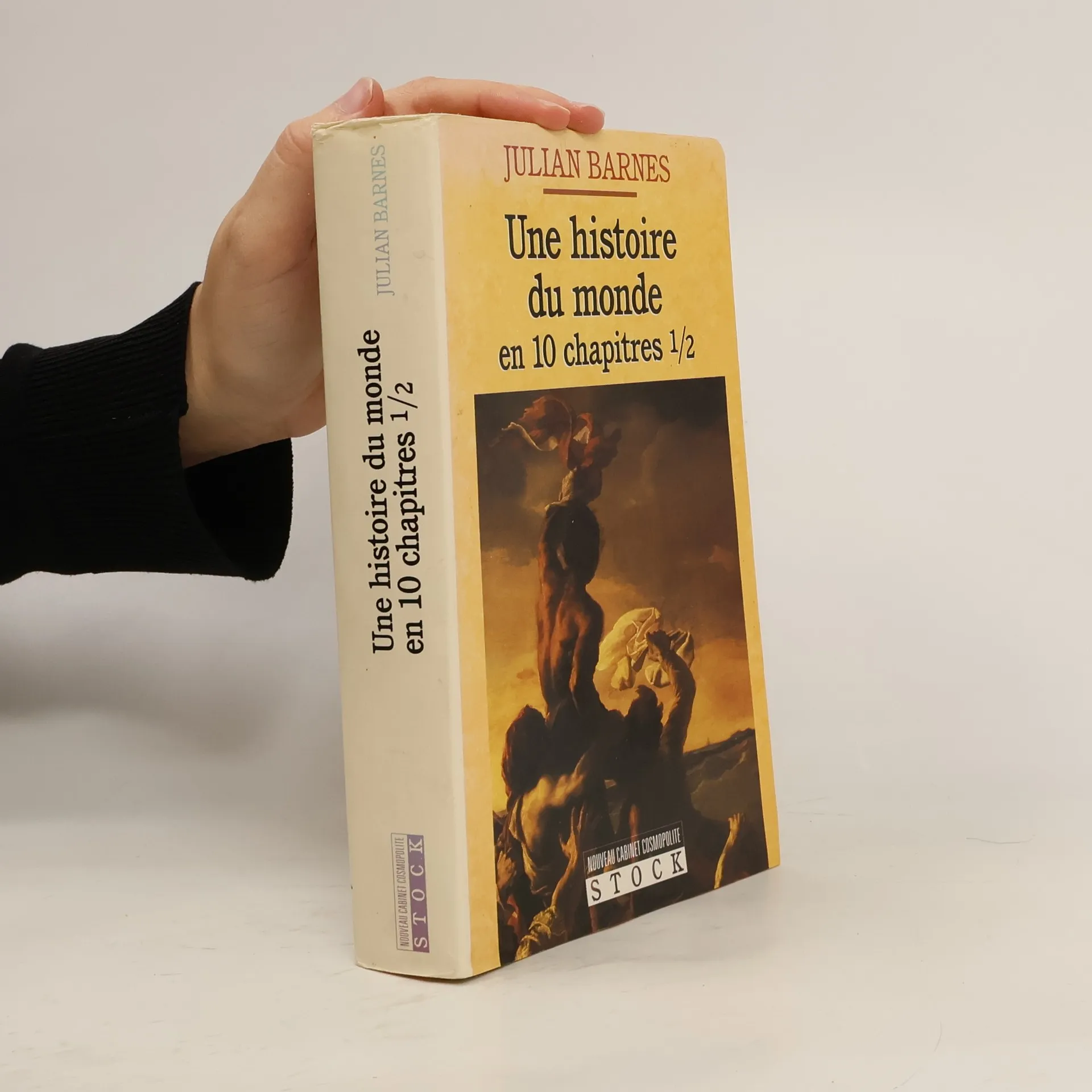
Au début, c’est l’ironie qui domine : les aventures de l’Arche de Noé nous sont racontées par un passager clandestin, un ver à bois. Puis Julian Barnes revisite avec le même humour décapant les guerres de religion, le drame du radeau de la Méduse… Jusqu’à ce que le rire se teinte d'angoisse... Voici des images des camps de la mort, des conflits nucléaires, des fanatismes variés. Reste-t-il alors une forme d’espoir ? C’est ce que nous dira le «demi-chapitre», petit bijou de tendresse et de violence mêlées.
Beginning with an unlikely stowaway's account of life on board Noah's Ark, A History of the World in 10½ Chapters presents a surprising, subversive, fictional history of earth told from several kaleidoscopic perspectives. Noah disembarks from his ark but he and his Voyage are not forgotten: they are revisited in on other centuries and other climes - by a Victorian spinster mourning her father, by an American astronaut on an obsessive personal mission. We journey to the Titanic, to the Amazon, to the raft of the Medusa , and to an ecclesiastical court in medieval France where a bizarre case is about to begin... This is no ordinary history, but something stranger, a challenge and a delight for the reader's imagination. Ambitious yet accessible, witty and playfully serious, this is the work of a brilliant novelist.
The adolescent Christopher and his soulmate Toni had sneered at the stifling ennui of Metroland, their cosy patch of suburbia on the Metropolitan line. They had longed for Life to begin- meaning Sex and Freedom- to travel and choose their own clothes. Then Chris, at thirty, starts to settle comfortably into bourgeois contentment himself. Luckily, Toni is still around to challenge such backsliding.
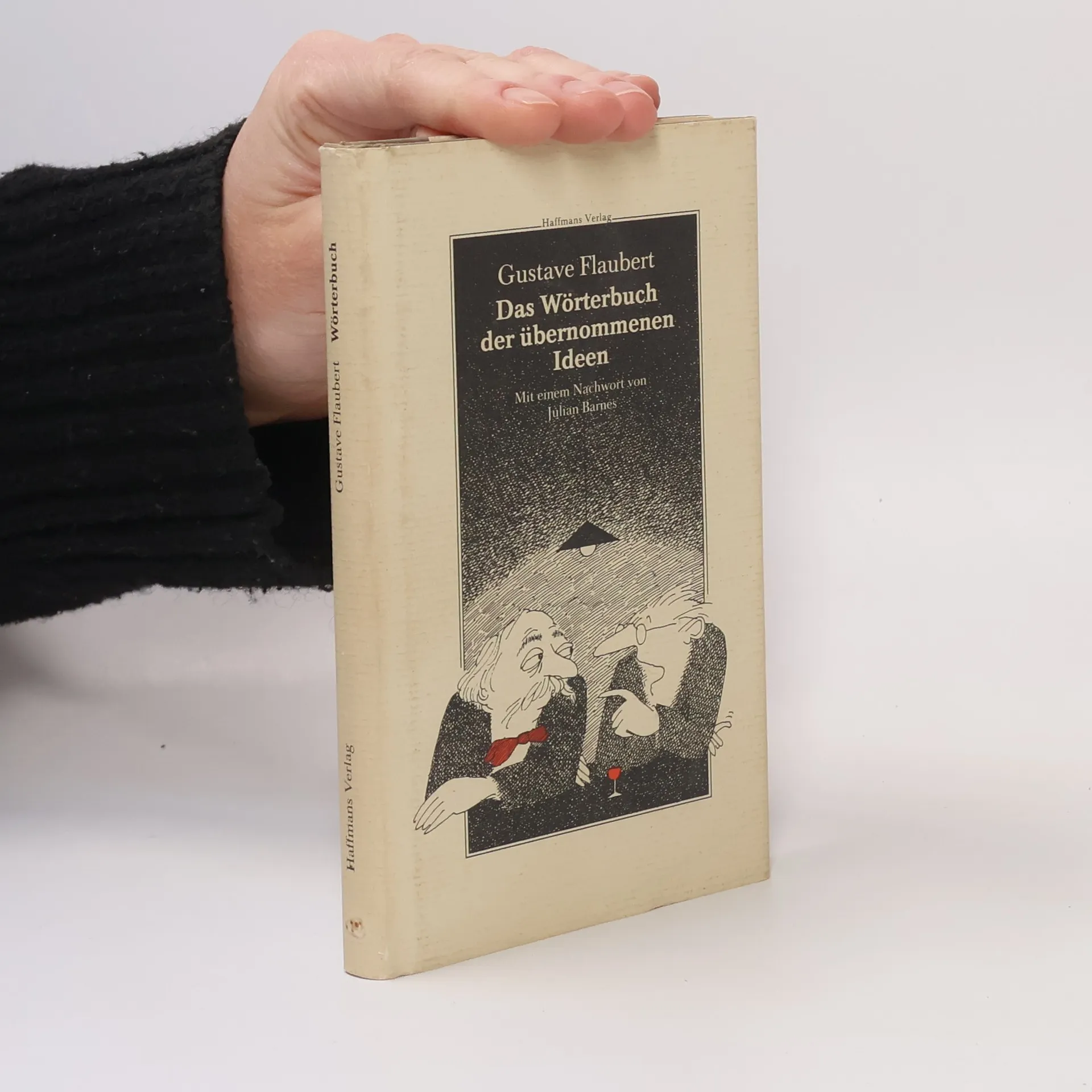
Mit einem Nachwort von Julian Barnes
Nachw. Barnes, Julian. 125 S.
Dan Kavanaghs dritter Roman mit Duffy. Diesmal untersucht Duffy die problematische Welt des englischen Fußballs in der dritten Liga und sieht sich gleichzeitig Fragen zu seiner möglichen Begegnung mit AIDS gegenüber.
Bi-sexual ex-cop, Duffy, investigates a murder at a large country house belonging to a shady acquaintance from his past.
Dan Kavanagh's third novel featuring Duffy. This time Duffy investigates the troubled world of England's Third Division football while also facing questions of his possible encounter with AIDS.
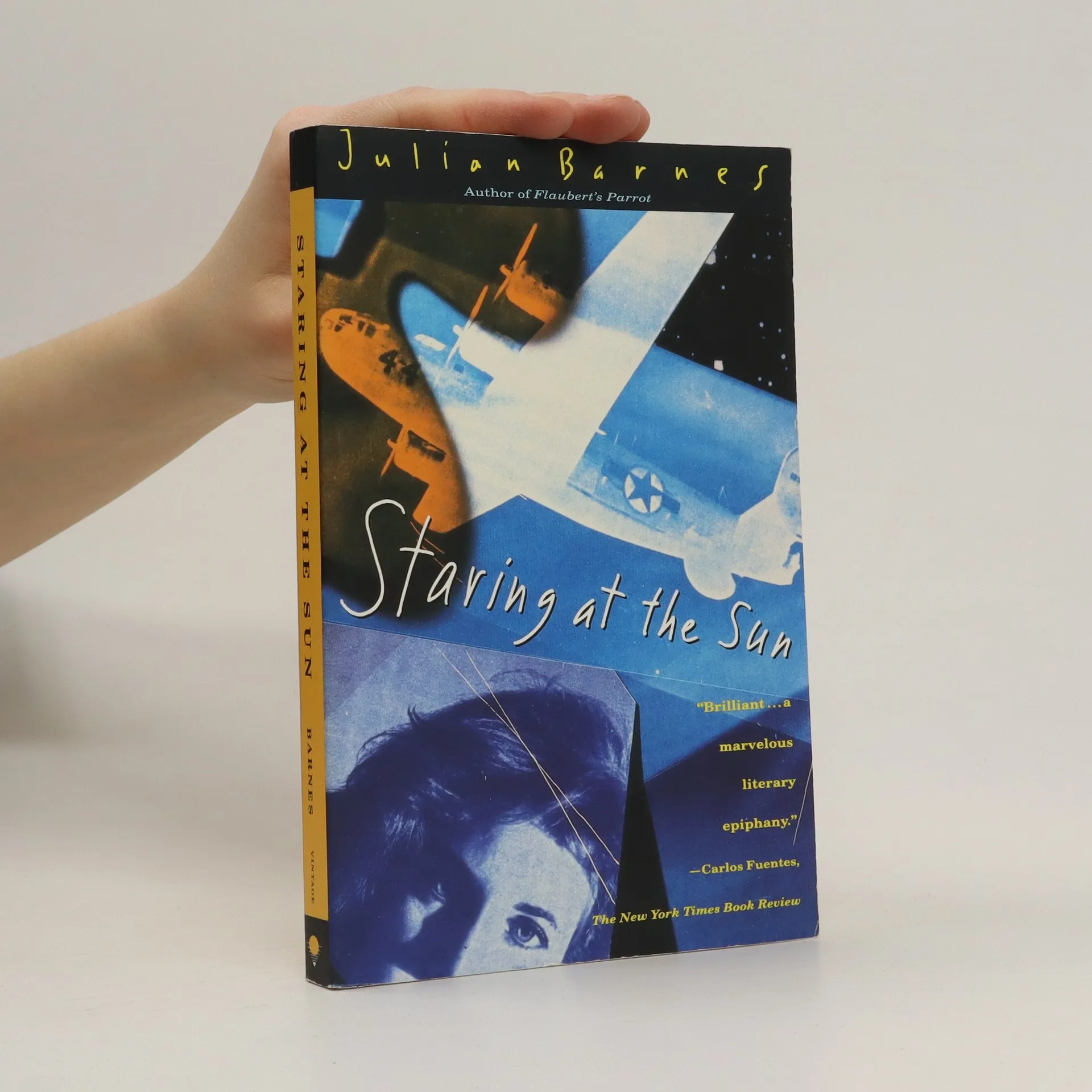
The bestselling, Booker Prize-winning author of The Sense of an Ending traces the life of a seemingly ordinary woman with an extraordinary disdain for wisdom in this “marvelous literary epiphany” (The New York Times Book Review). In this wonderfully provocative novel, Barnes follows Jean Serjeant from her childhood in the 1920s to her flight into the sun in the year 2021, confronting readers with the fruits of her relentless curiosity: pilgrimages to China and the Grand Canyon; a catalogue of 1940s sexual euphemisms; and a glimpse of technology in the twenty-first century (when The Absolute Truth can be universally accessed). Elegant, funny and intellectually subversive, Staring at the Sun is Julian Barnes at his most dazzlingly original.
The novel weaves a complex narrative that captivates readers with its rich storytelling and engaging characters. Praised for its depth and intricacy, it explores profound themes through a unique lens, showcasing the author's masterful craftsmanship. With a blend of humor and poignancy, it invites reflection on the human experience, making it a standout work in contemporary literature.
« La première fois que Graham Hendrick surprit sa femme en flagrant délit d'adultère, il s'en moqua éperdument. Il se mit même à rigoler doucement. Il ne lui serait certes pas venu à l'esprit de tendre la main pour couvrir les yeux de sa fille. » De Shakespeare à Proust, de Molière à Robbe-Grillet et quelques autres, on sait que la jalousie est un bon ressort pour mettre en place les éléments d'un drame. Mais, dès cette première phrase du roman de Julian Barnes, on sent bien qu'il y a là quelque chose de nouveau, d'inattendu, et que l'auteur cherche à nous déstabiliser, à faire que le sol se dérobe sous nos pieds... Avait-on déjà écrit, avant Julian Barnes, sur la jalousie par écran interposé ?
In the grimy underbelly of London, private detective Duffy takes on an extortion case and finds himself pitted against one of the city’s most dangerous crime lords Rosie McKechnie was alone when the two men entered her home, tied her to a chair, and cut her with a switchblade. It was a message for her husband, Brian. To outside appearances, Brian McKechnie is just a businessman. But to Big Eddy Martoff, London’s underworld kingpin, McKechnie is a big fat mark. With a history of crooked business deals and extramarital affairs, McKechnie is the perfect target. To beat back the blackmail, McKechnie needs someone who understands lowlifes like Martoff—and Nick Duffy knows lowlifes. Duffy was a copper until four years ago, when malicious rumors about his sex life ripped through the force. Now he is in private security, and McKechnie’s case is one he cannot refuse. Duffy, no stranger to his city’s seedier offerings, dives into a world of prostitutes, hoods, and porn moguls. Can he find a way to put the pinch on Big Eddy before Soho swallows him whole?