FEH
- 368pages
- 13 heures de lecture
A memoir of Shalom Auslander's attempt to escape the biblical story he'd been raised on and his struggle to construct a new story for himself and his family.


Shalom Auslander est un auteur et essayiste américain dont l'œuvre s'inspire souvent de son éducation au sein d'une communauté juive orthodoxe. Son style d'écriture se distingue par une perspective juive marquée et une vision du monde délibérément sombre. Auslander confronte ses origines religieuses dans ses créations, explorant leur impact sur la vie et l'identité. Ses observations pénétrantes et son humour singulier séduisent les lecteurs en quête de profonde contemplation littéraire.





A memoir of Shalom Auslander's attempt to escape the biblical story he'd been raised on and his struggle to construct a new story for himself and his family.
Le retour fracassant et drôle de l'auteur de La lamentation du prépuce. À New York, Septième Seltzer mène une vie tranquille avec sa femme et sa fille, jusqu'à l'appel de son frère annonçant la mort de leur mère, qu'il n'a pas vue depuis des années. Bien qu'il ne ressente pas de tristesse, car sa mère était égoïste et méchante, il est confronté à une tradition de leur communauté Cannibale : les enfants doivent manger leur mère lors d'un repas de fête. Septième refuse de céder à ces coutumes archaïques, surtout pour honorer une mère qu'il déteste. Cependant, la culpabilité et le doute s'installent. Si lui et ses frères ne respectent pas ce rituel, que restera-t-il de leur histoire et de leur héritage ? Au-delà de l'humour et du mauvais goût, le récit propose une réflexion profonde sur le poids de l'histoire, les obligations familiales et l'individualité. "Shalom Auslander cible des questions brûlantes. Magistral." - ELLE. "Toujours aussi désopilant." - Le Figaro Littéraire. "Une satire mordante." - Libération.
The rural town of Stockton, New York, is famous for nothing: No one was born there, no one died there, nothing of any historical import at all has ever happened there, which is why Solomon Kugel, like other urbanites fleeing their pasts and histories, decided to move his wife and young son there. To begin again. To start anew. But it isn't quite working out that way. His ailing mother stubbornly holds on to life, and won't stop reminiscing about the Nazi concentration camps she never actually suffered through. To complicate matters further, some lunatic is burning down farmhouses just like the one he bought. And when, one night, Kugel discovers history-a living, breathing, thought-to-be-dead specimen of history-hiding upstairs in his attic, bad quickly becomes worse. The critically acclaimed writer Shalom Auslander's debut novel is a hilarious and disquieting examination of the burdens and abuse of history, propelled with unstoppable rhythm and filled with existential musings and mordant wit. It is a comic and compelling story of the hopeless longing to be free of those pasts that haunt our every present.
Foreskin's Lament reveals Auslander's youth in a strict, socially isolated Orthodox community, and recounts his rebellion and efforts to make a new life apart from it. Auslander remembers his youthful attempt to win the ‘blessing bee’ (the Orthodox version of a spelling bee), his exile to reform school in Israel after being caught shoplifting a cassette tape of West Side Story, and his twenty-five-mile hike to watch the New York Rangers play in Madison Square Garden without violating the Sabbath. Throughout, Auslander struggles to understand God and His complicated, often contradictory laws. But ultimately, he settles for a ceasefire with God, accepting the very slim remaining hope that his newborn son might live free of guilt, doubt, and struggle. Auslander’s combination of unrelenting humour and anger – a voice that compares to those of David Sedaris and Dave Eggers – delivers a rich and fascinating self-portrait of a man grappling with his faith, family, and community. Praise for Shalom Auslander 'There is a serious point to Auslander's fictional games. He wants us to be careful of taking any figure of authority too seriously; God is just the prime example . . . Its real heroes are literary: writers such as James Joyce and Samuel Beckett who use prose to get at something more mysterious and mystical than any religion - our love of and trust in language, to amuse and distract us from death' Times Literary Supplement
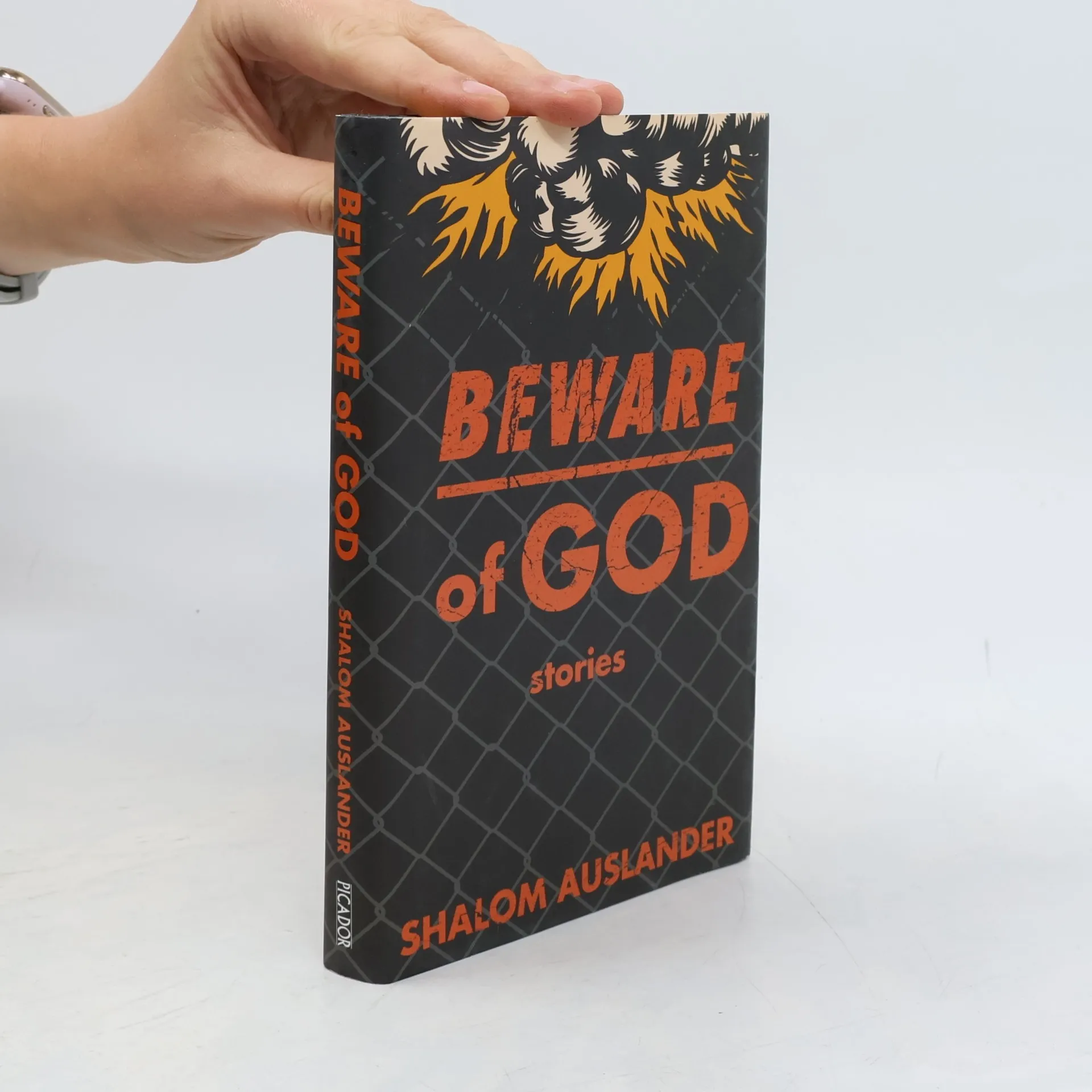
Featuring wide-ranging and inventive tales of violent rabbis, lovelorn wives, a busy grim reaper, shame-filled simians and one seriously angry deity, this collection of disquieting stories from Shalom Auslander includes stories with themes such as sex, shame, God and death