Une histoire pour l'Europe
- 45pages
- 2 heures de lecture


William Self est un romancier, critique et chroniqueur anglais. Il est célèbre pour ses romans et nouvelles satiriques, grotesques et fantastiques, souvent situés dans des univers apparemment parallèles. Son œuvre explore les aspects les plus sombres de la nature humaine et de la société. Le style distinctif de Self mêle avec brio le réalisme cru à des éléments surnaturels, créant des expériences de lecture troublantes mais captivantes. Son écriture se distingue par sa critique sociale acerbe et son exploration perspicace des faiblesses humaines.


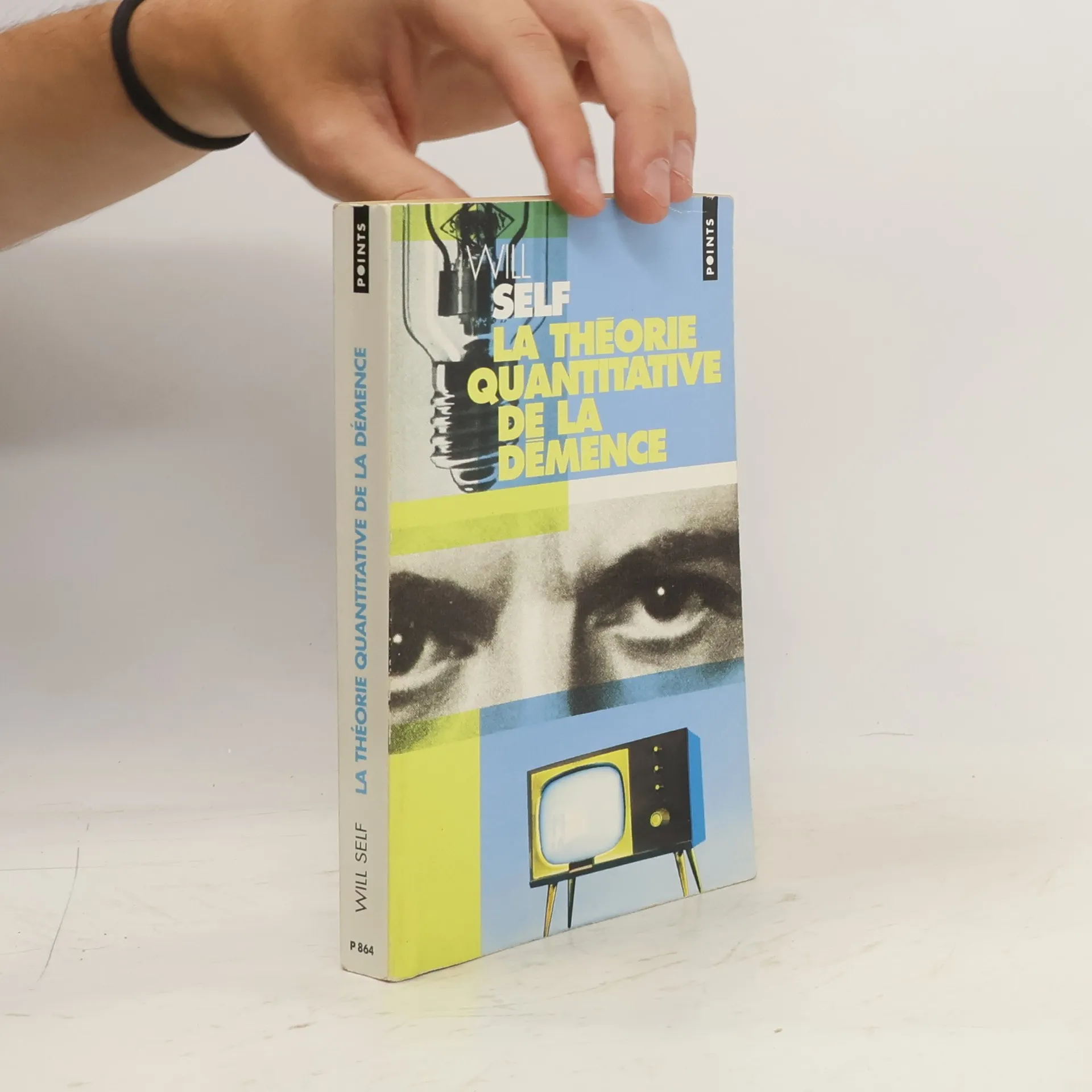
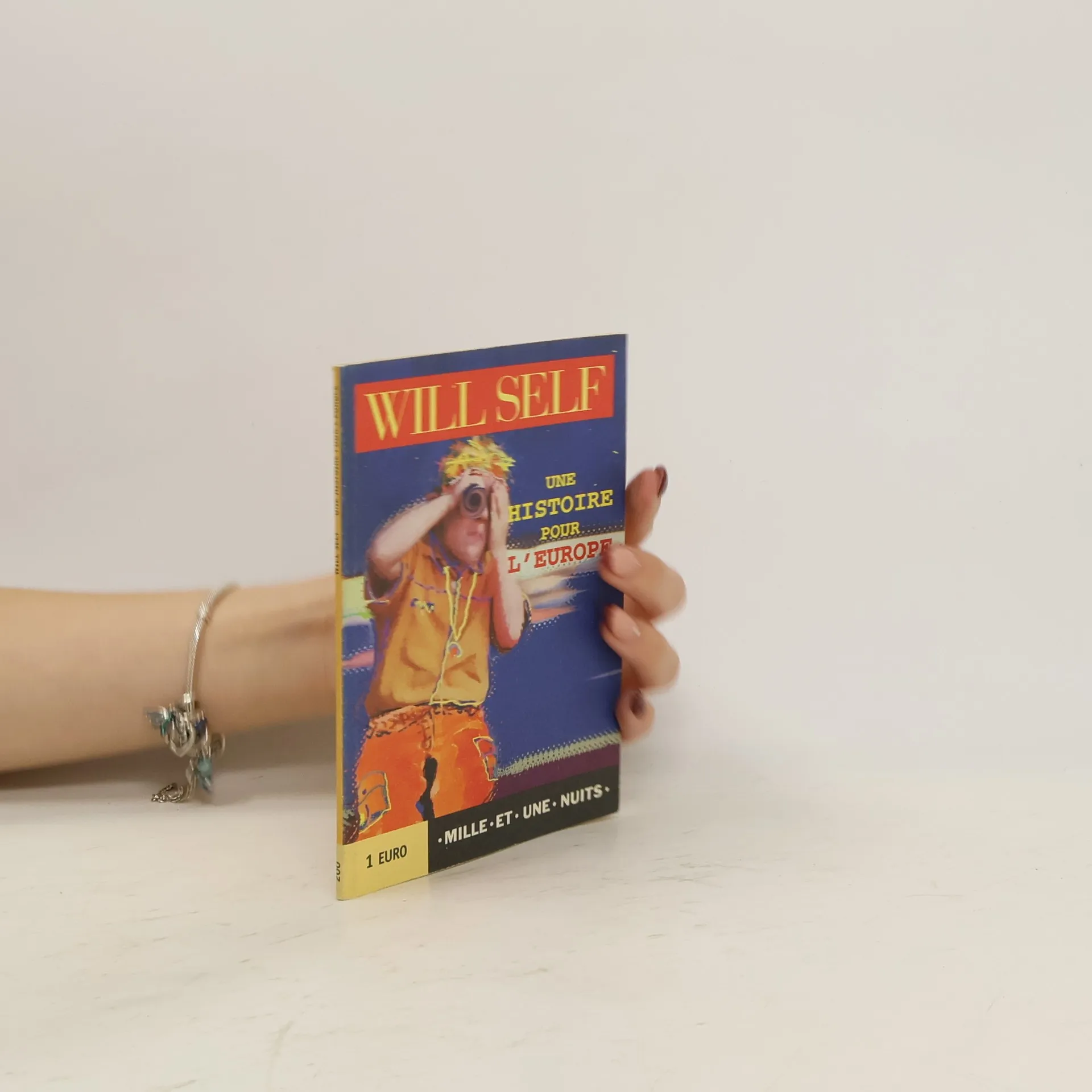
Un homme croise sa mère morte quelques mois plus tôt. Un ethnologue étudie une tribu d’Amazonie qui se considère elle-même comme la plus ennuyeuse du monde. Un médecin découvre un hôpital où les plus fous ne sont pas les patients. Un journaliste infiltre une secte de coursiers au sens de l’orientation démesuré… Six nouvelles loufoques, grinçantes et terriblement inquiétantes.
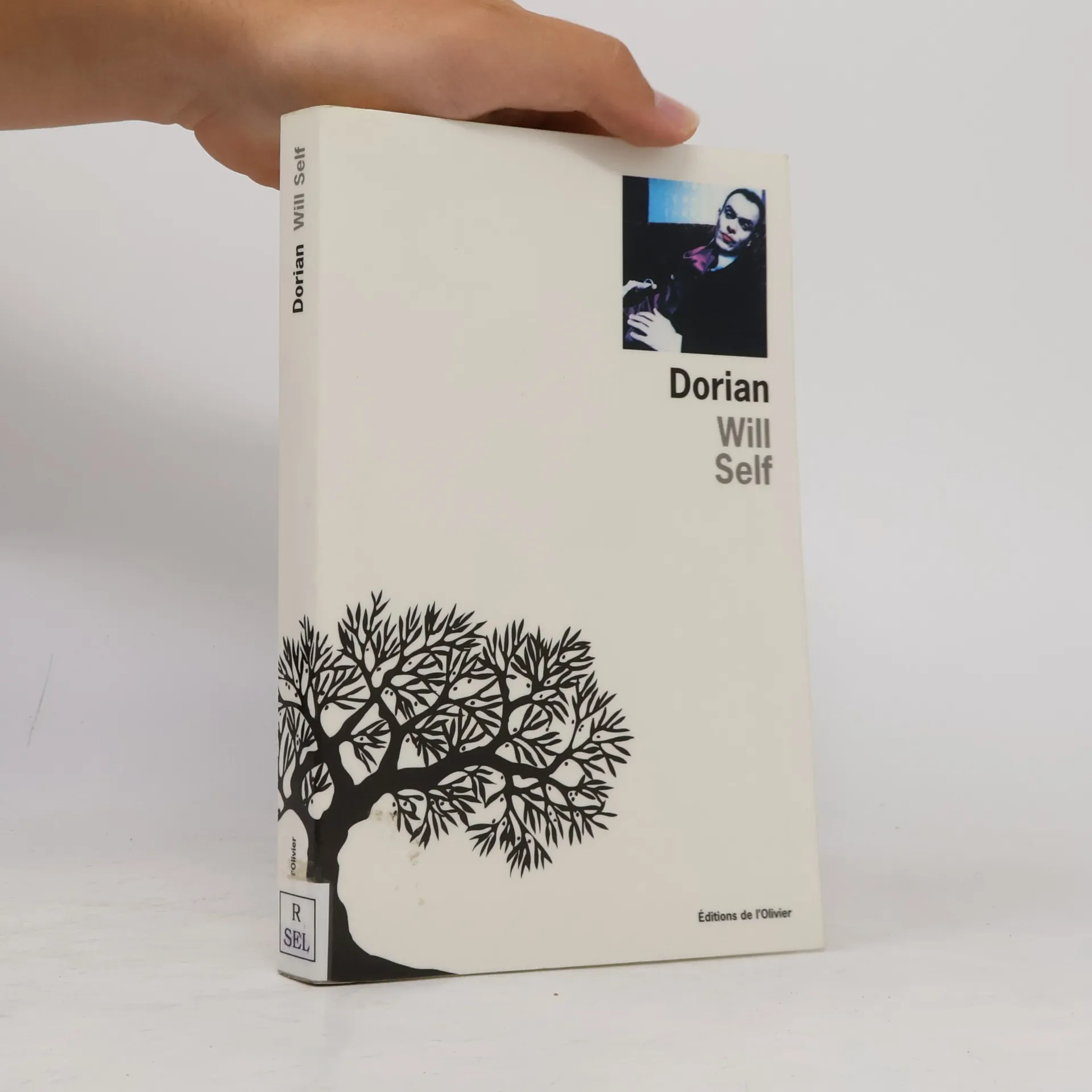
Londres, début des années 80. Henry Wotton est un dandy qui use et abuse de tous les plaisirs illicites : sexe, drogue, alcool, et bons mots. Dans le studio de son ami (et ex-amant) Basil Hallward, vidéaste très en vogue, il rencontre Dorian Gray, un jeune homme d'une grande beauté. Ce garçon naïf, tout juste sorti d'Oxford, vient de prêter son corps pour l'une des installations de Basil : neuf moniteurs diffusent en plan de plus en plus rapproché l'image de cette silhouette nue, parfaite et langoureuse. Le jeune homme, lorsqu'il la découvre, est abasourdi par sa propre beauté. Il formule alors ce vœu que l'installation vieillisse et s'enlaidisse, et qu'il reste à jamais tel qu'il est aujourd'hui... Dorian est Le Portrait de Dorian Gray d'Oscar Wilde transposé un siècle plus tard. Wilde racontait la déchéance du XIXe siècle à l'aube du XXe. Will Self, lui, raconte la lente dérive des années 80 et 90. Autour de Dorian Gray, c'est d'abord l'âge d'or (coming out, art contemporain, émeutes de Brixton Road, coke et héroïne, avec Queen et Kraftwerk en fond sonore). Puis c'est la descente, les ravages du sida, la désillusion sociale, les rave parties et l'arrivée de l'ecstasy. Dans ces variations sur un mythe, Will Self dépeint, avec le cynisme et l'humour qu'on lui connaît, cette fin de siècle désormais révolue.
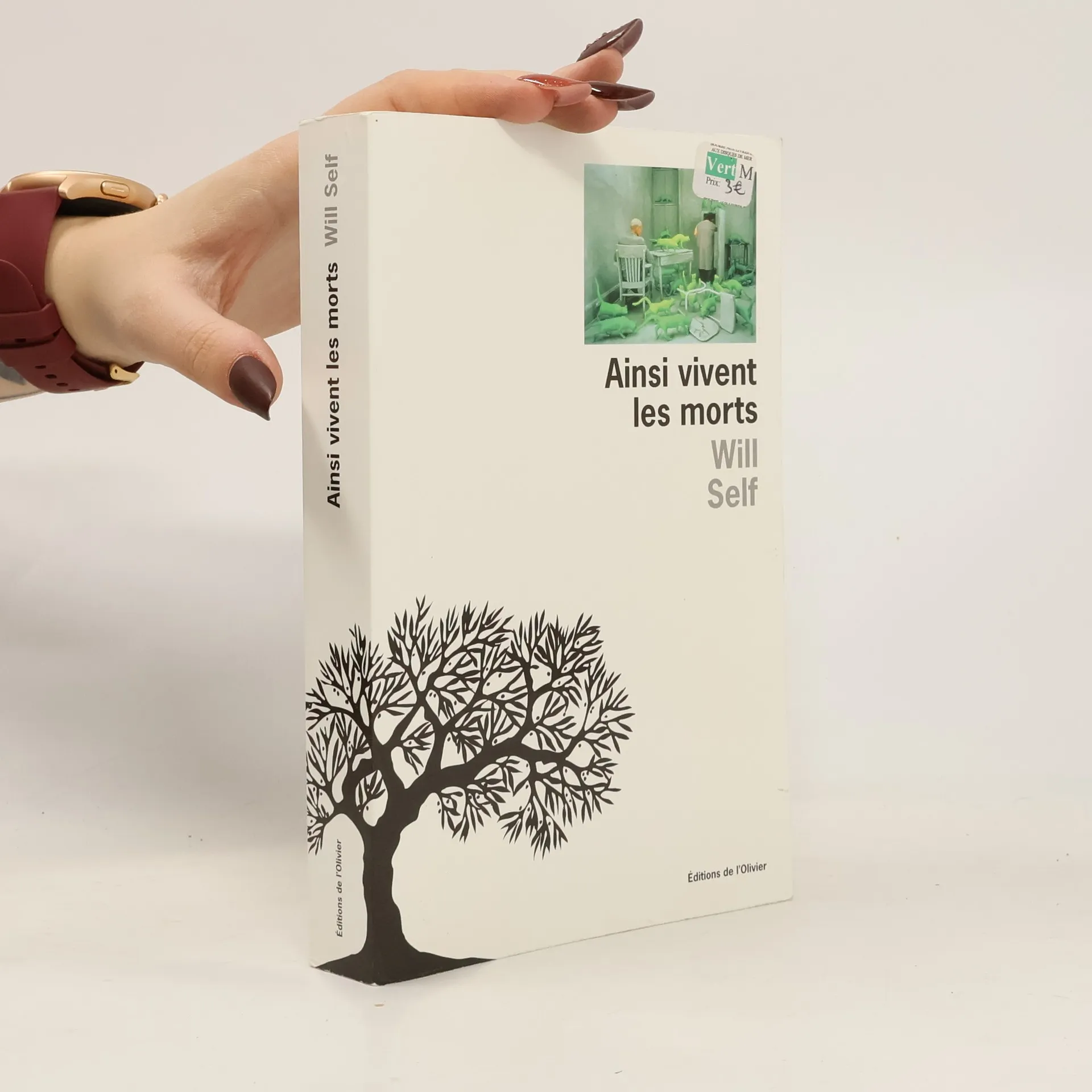
Et si les morts continuaient à vivre ? Non pas dans un autre monde, un au-delà inaccessible. Mais plutôt dans une banlieue de l'Être, une sorte de colonie située là, devant nous. Tellement visible que nous y serions aveugles... À partir de cette hypothèse, Will Self a écrit sa Divine Comédie personnelle. L'héroïne : Lily Bloom, une Américaine de soixante-cinq ans en train de mourir dans un hôpital londonien. Le guide un aborigène australien. L'époque : contemporaine. Tendre, féroce, extravagant, Will Self explore cet "intermonde" qui ressemble tant au nôtre. Trace le portrait de Lily, Jewish American Princess, mère indigne et femme d'exception. Et règle ses comptes : avec l'Angleterre, le judaïsme, l'Art moderne, la famille, la politique. Et la littérature.
En vacances sur une île avec femme et enfants, Tom Brodzinski décide d'arrêter de fumer. Mais son ultime mégot atterrit par inadvertance sur la tête d'un autochtone et sa bonne résolution tourne au cauchemar : Tom est accusé de tentative de meurtre. Il est condamné par une mystérieuse tribu, les Tayswengos, et ne peut quitter l'île. Naïf, il réagit à cette situation kafkaïenne avec passivité. Il ignore qu'un étrange périple l'attend, avec chamanes, rituels initiatiques et paysages lunaires... Déjanté, angoissant, No smoking est une satire de nos sociétés occidentales. En ligne de mire : le politiquement correct, le colonialisme post-11 Septembre et les valeurs que l'"Axe du Bien" a tenté d'imposer au monde entier.
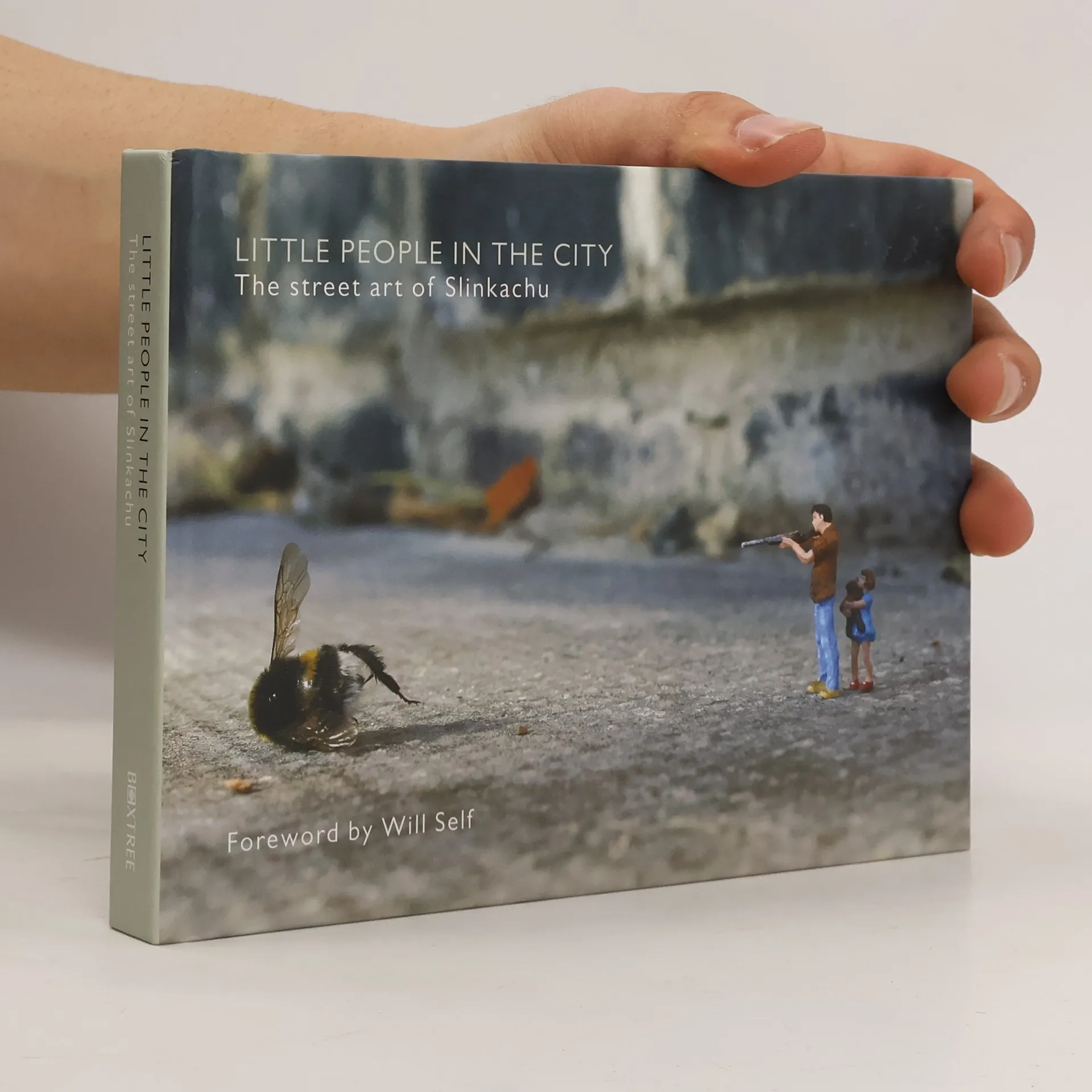
He's like Banksy -- but not as big...They're Not Pets, Susan,' says a stern father who has just shot a bumblebee, its wings sparkling in the evening sunlight; a lone office worker, less than an inch high, looks out over the river in his lunch break, 'Dreaming of Packing it all In'; and a tiny couple share a 'Last Kiss' against the soft neon lights of the city at midnight. Mixing sharp humour with a delicious edge of melancholy, Little People in the City brings together the collected photographs of Slinkachu, a street-artist who for several years has been leaving little hand-painted people in the bustling city to fend for themselves, waiting to be discovered. . . 'Oddly enough, even when you know they are just hand-painted figurines, you can't help but feel that their plights convey something of our own fears about being lost and vulnerable in a big, bad city.' The Times
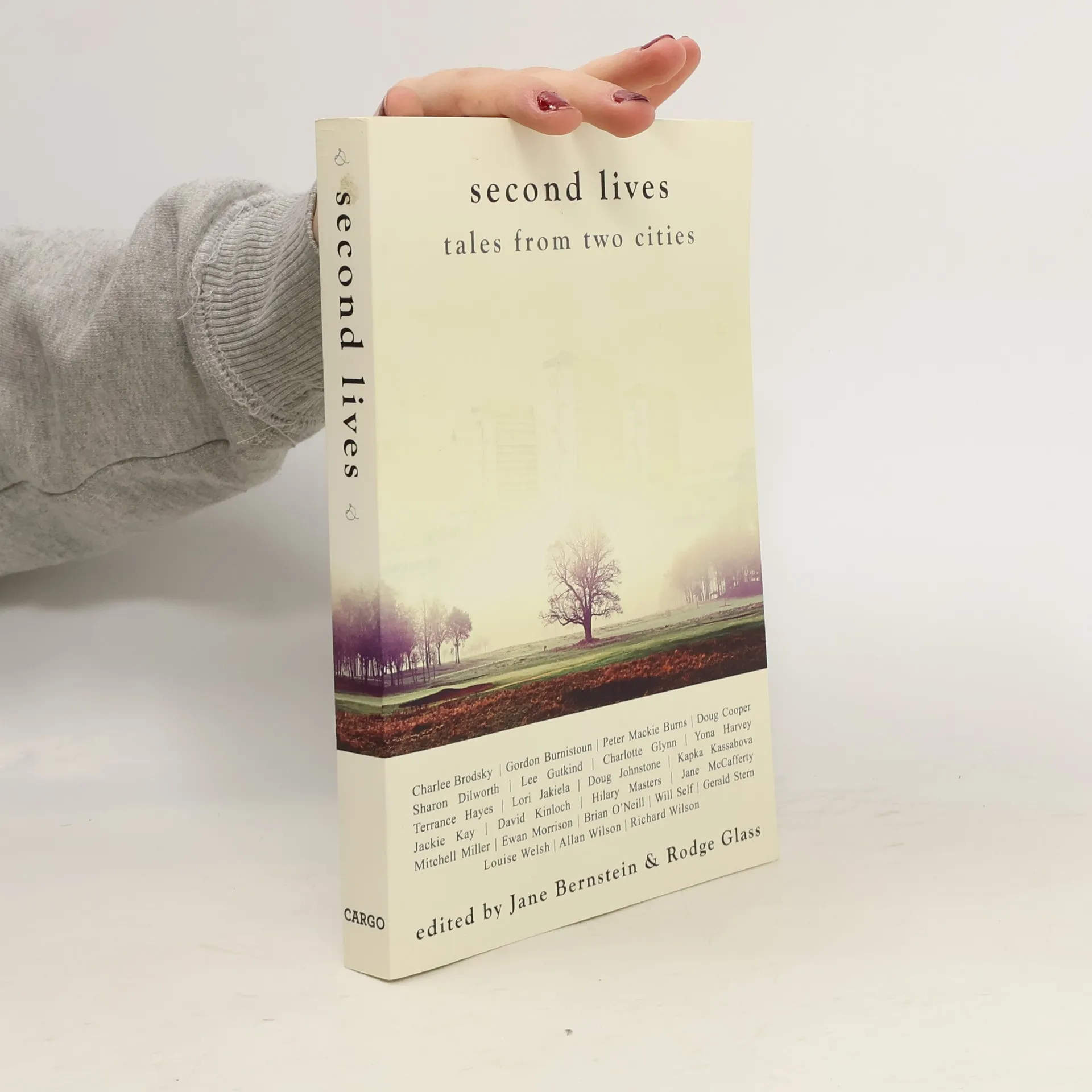
What is a city? Do people make cities or do cities make people? And can cities have second lives? We all inhabit cities, but what do they mean to us? What do we mean to them? Is the city a real thing in the 21st century? How do we integrate their pasts to their futures? What are the threats facing cities in the western world? These are just some of the questions posed by the fascinating studies in this book. Through essays, poems, psychogeography, short stories, and more, an array of today’s leading writers and thinkers join together to look at cities in the western world. Focusing on the two former industrial heartlands of Glasgow and Pittsburgh, this international and diverse collection is asking the big questions and getting the most creative answers. From Will Self’s psychogeography of Glasgow, to National Book Award winner Terrance Hayes’ stunning poetry, this collection will make you think, feel, fear, and fight for what part cities play in our daily lives. Bold, diverse, and daring, these pieces are a must for anyone who cares about where we live and what it means to live in the urban sprawl of now. Will Self, Jane Mccaffery, Edwin Morgan, Ewan Morrison, Terrance Hayes, Allan Wilson, Louise Welsh, Kapka Kassabova, Gerald Stern, Doug Johnstone, Lori Jagielka, Hilary Masters, David Kinloch, Yona Harvey, Sharon Dilworth, Lee Gutkind, Richard Wilson, and many more.
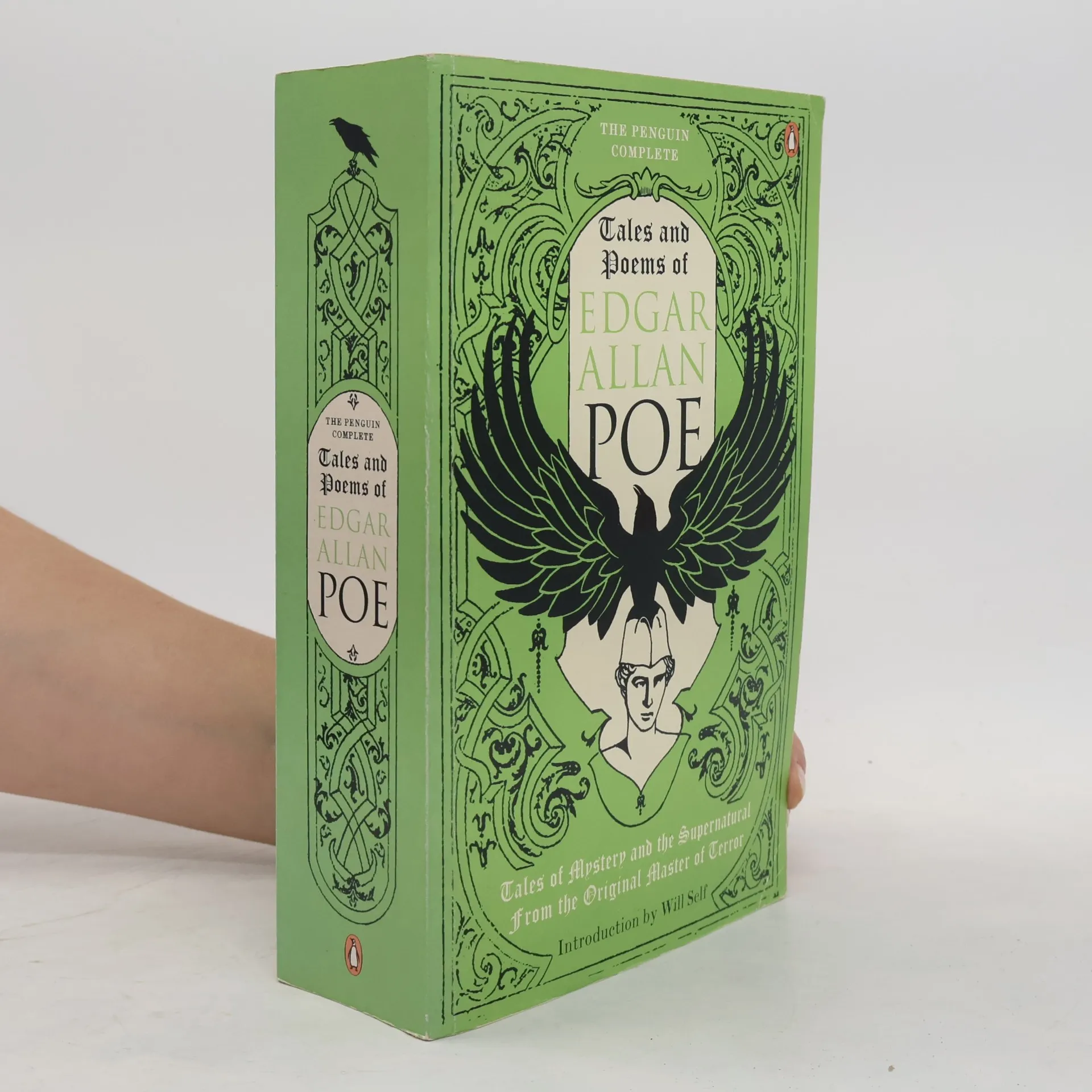
The Fall of the House of Usher The Murders in the Rue Morgue The Pit and Pendulum The Tell-Tale Heart The Raven The Masque of the Red Death And over 120 other stories and poems Edgar Allan Poe wrote some of the first as well as the finest stories of dark and macabre mystery ever to blacken a page with ink. His tales of terror and suspense continue to leave readers the world over wide-eyed and shivering with fright, unable to put down a book their clenched fingers so tightly grasp. This is the ultimate Poe collection, featuring every story and poem he wrote. It probes the depths of the human psyche. It will chill and enthrall. But above all it is story after story that you will never be able to forget. No matter how hard you try.
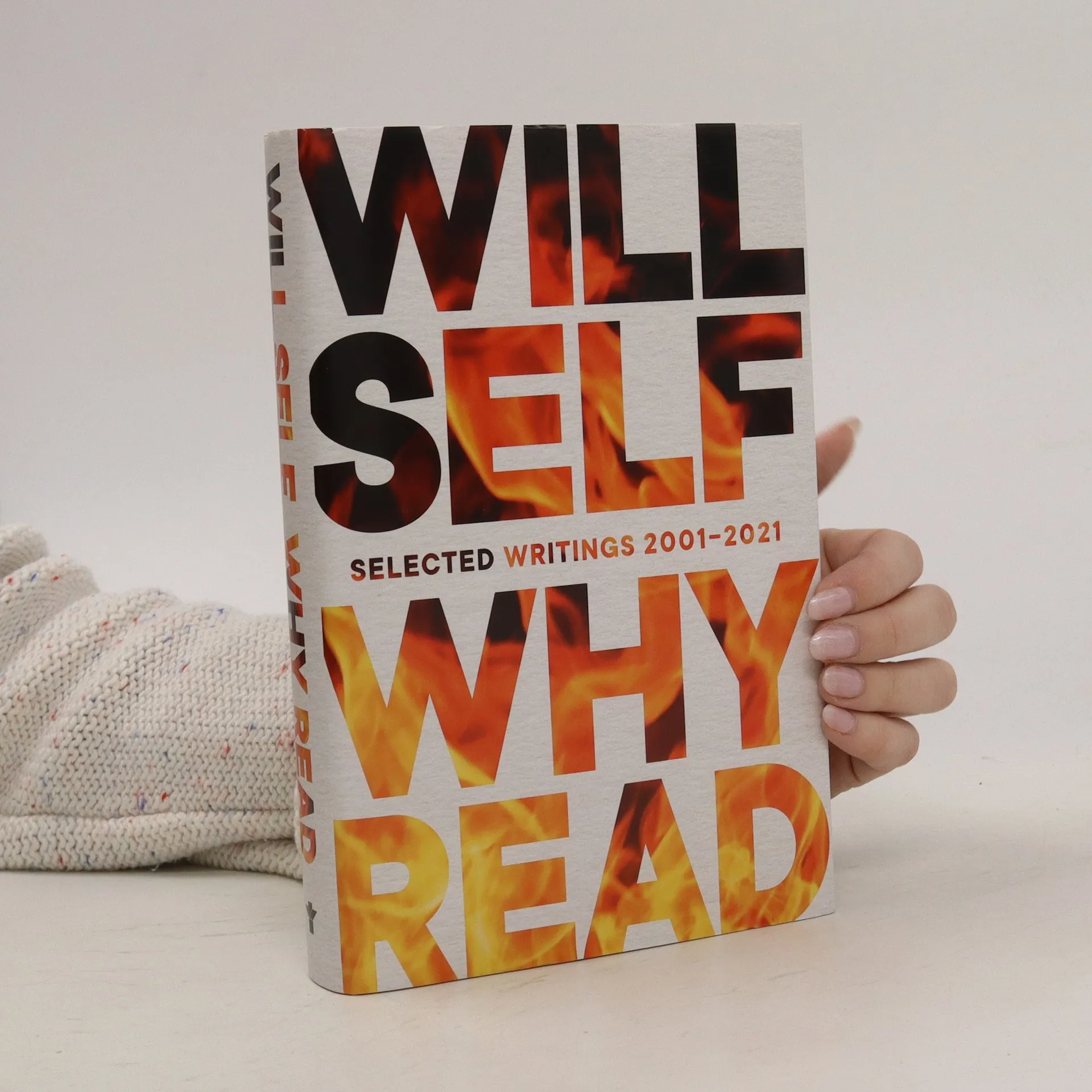
From the Booker-shortlisted author of Umbrella, a world-girdling collection of writings inspired by a life lived in and for literature.
And the Double
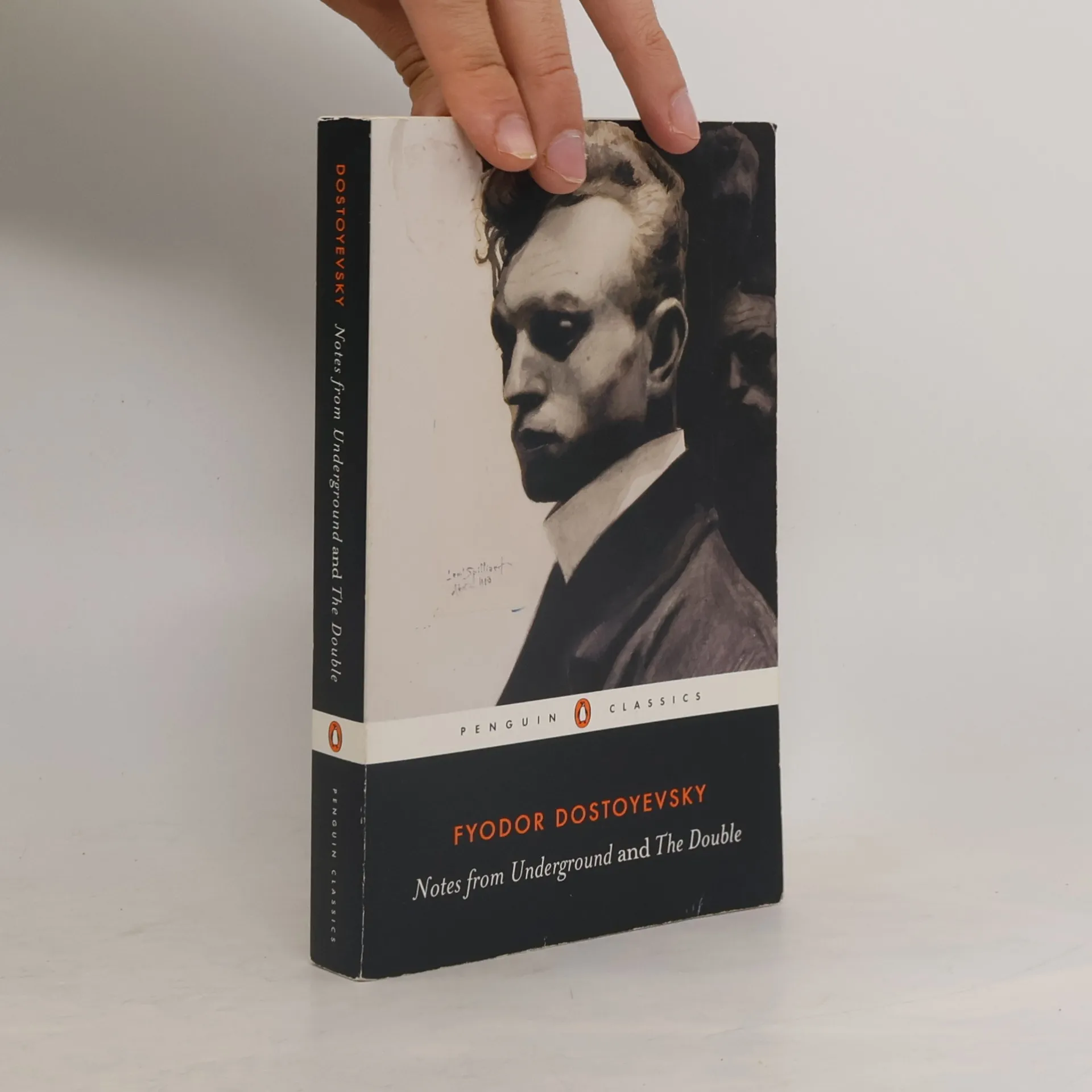
'Notes from Underground' (1864) is a study of a single character, 'the real man of the Russian majority', and a revelation of Dostoyevsky's own deepest beliefs. One of his best critics has said of the first part that it forms his 'most utterly naked pages. Never afterwards was he so fully and openly to reveal the inmost recesses, unmeant for display, of his heart.' 'The Double' (1846) is the nightmarish story of Mr Golyadkin, a man who is haunted or possessed by his own double. Is 'Mr Golyadkinjunior' really a double or simply a fearful side of his own nature? This uncertainty is what gives urgency and horror to a tale which may be read as a classic study of human breakdown.
Set in 1950s America, the story follows Elaine as she grapples with her dissatisfaction in a seemingly perfect life with her Ivy League husband and child. Standing by her mailbox, she questions her choices and ultimately seeks freedom through a reckless affair. This decision leads to the unraveling of her marriage and forces her to confront the consequences of her actions, exploring themes of identity, desire, and the constraints of societal expectations.
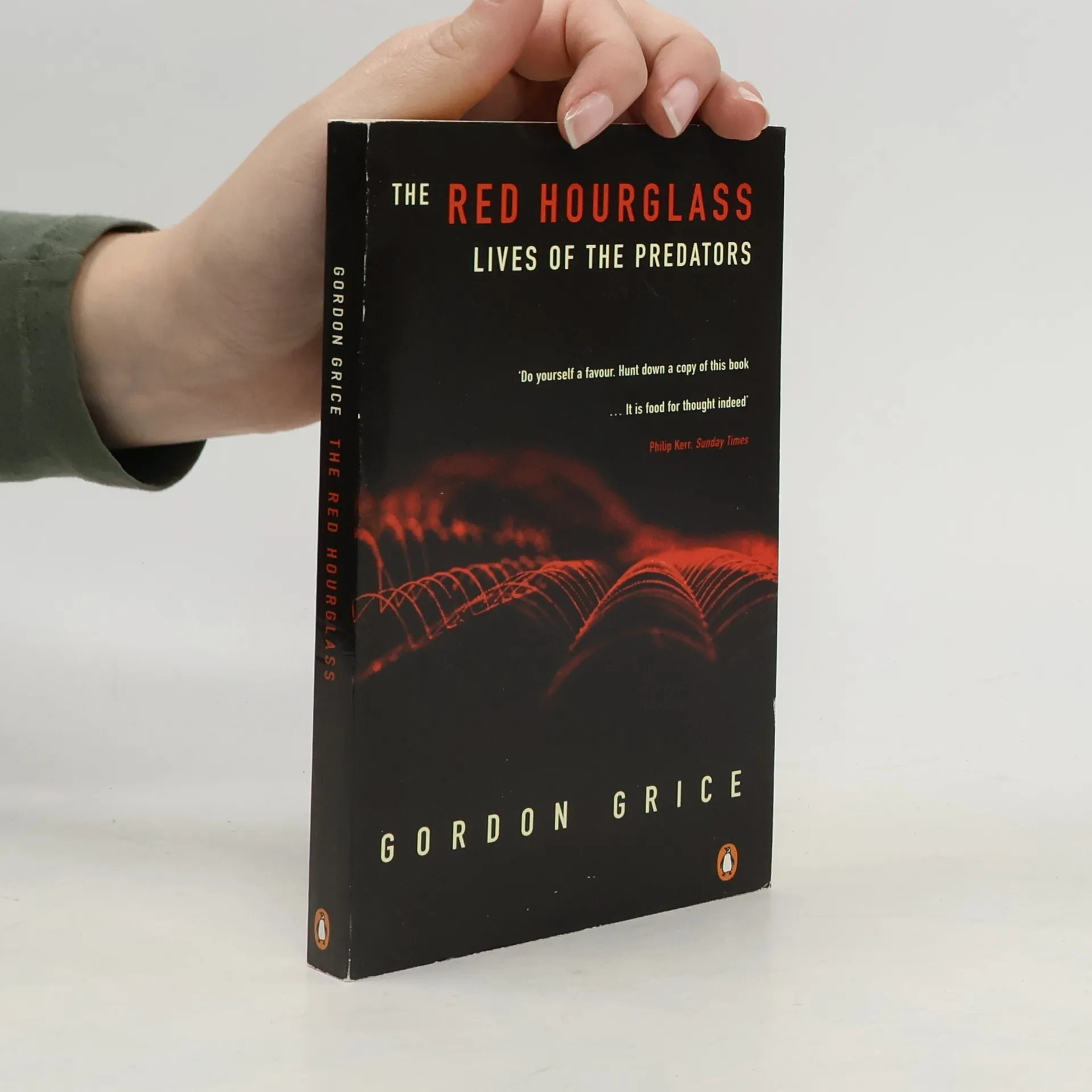
Snake venom that digests human flesh. A building cleared of every living thing by a band of tiny spiders. An infant insect eating its living prey from within, saving the vital organs for last. These are among the deadly feats of natural engineering you'll witness in The Red Hourglass, a masterful, poetic, often dryly funny exploration of predators encountered in rural Oklahoma. The author serves as a witty and intrepid guide through a world where mating ends in cannibalism, where killers possess toxins so lethal as to defy our ideas of a benevolent God, where spider remains tell a quiet story of violent self-extermination. It's a world you'll recognize despite its exotic strangeness. Unabashedly stepping into the mix, the author abandons the role of objective observer with beguiling dark humor—collecting spiders and other vermin, decorating a tarantula's terrarium with dollhouse furniture, or forcing a battle between captive insects because one is deemed "too stupid to live." Kill. Eat. Mate. Die. Charting the simple brutality of the lives of these predators, the essays guide us toward startling truths about our own predatory nature. The Red Hourglass brings us face to fanged face with the inadequacy of our distinctions between normal and abnormal, dead and alive, innocent and evil.
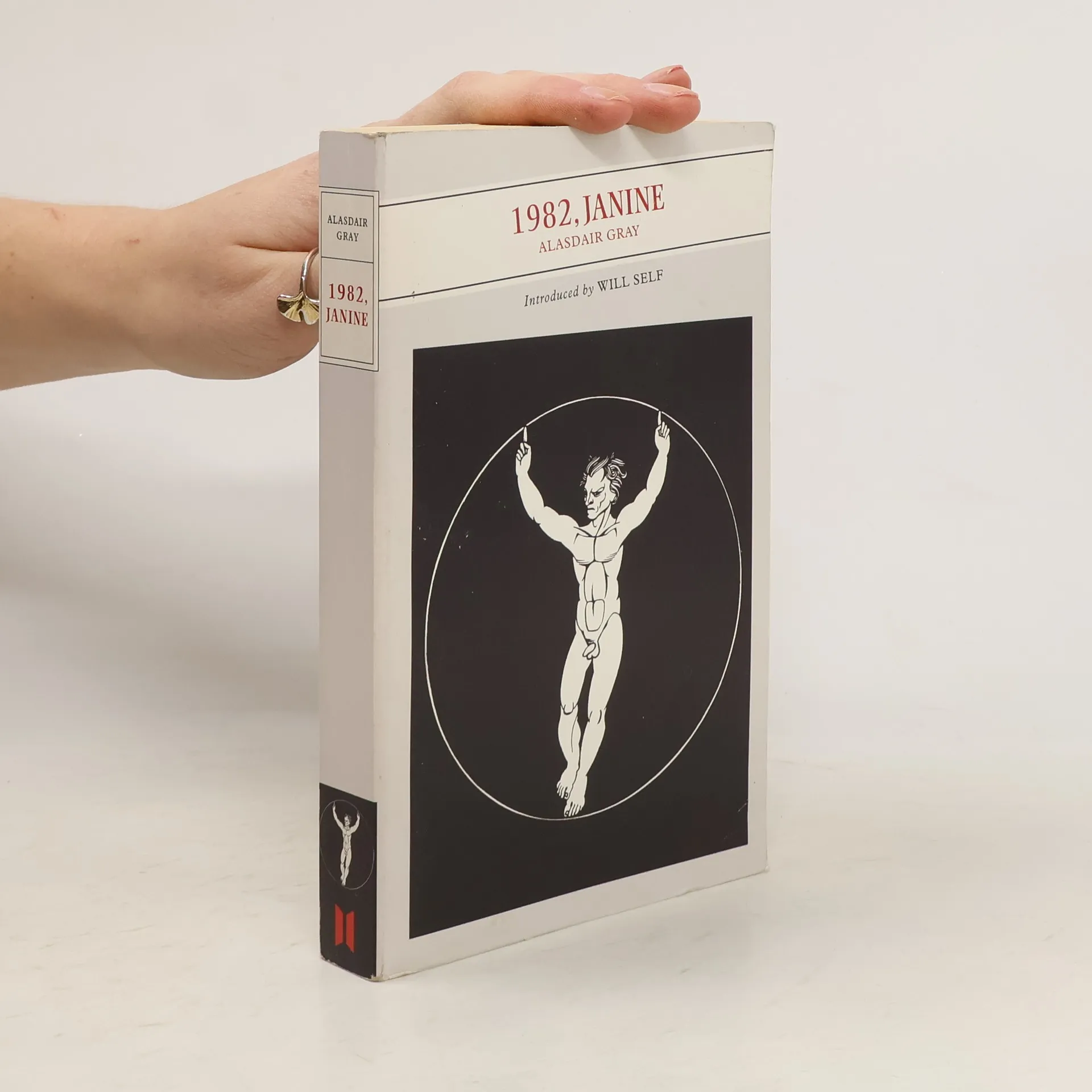
The unforgettable, challenging and experimental second novel from the author of Lanark. Introduced by Will Self schovat popis
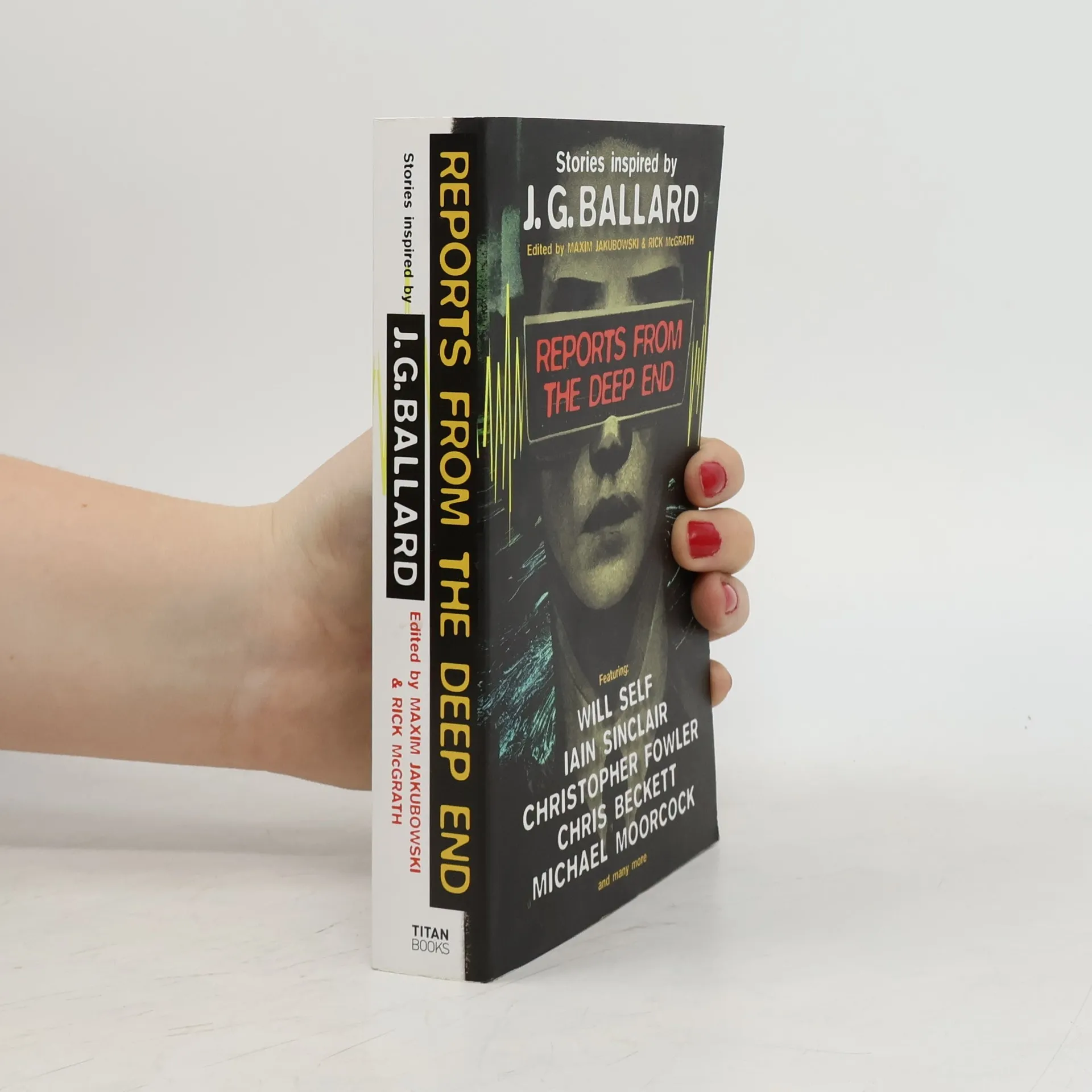
This anthology presents 32 science fiction short stories inspired by the prophetic dystopias of J. G. Ballard, a titan of 20th-century literature. Featuring contributions from notable authors like Will Self, Iain Sinclair, Christopher Fowler, Chris Beckett, and a new Jerry Cornelius story by Michael Moorcock, it pays homage to Ballard’s unique vision of a bewildering and alienating world. Ballard’s works, including Empire of the Sun, Crash, and Cocaine Nights, explore the disjointed nature of contemporary reality and classic dystopias such as The Drowned World and High Rise, leaving an indelible mark on literature. This groundbreaking collection, edited by Maxim Jakubowski and Rick McGrath, showcases the uncanny and uneasy relationship between humanity and the future, reflecting Ballard’s influence on literary and science fiction. The anthology includes stories from a diverse array of authors, such as Jeff Noon, Preston Grassmann, Toby Litt, Christine Poulson, and many more, each offering their interpretation of the themes that Ballard so masterfully explored. Through this compilation, readers are invited to engage with the unsettling visions that define our empires of concrete, seen through the warped lens of Ballard's legacy.
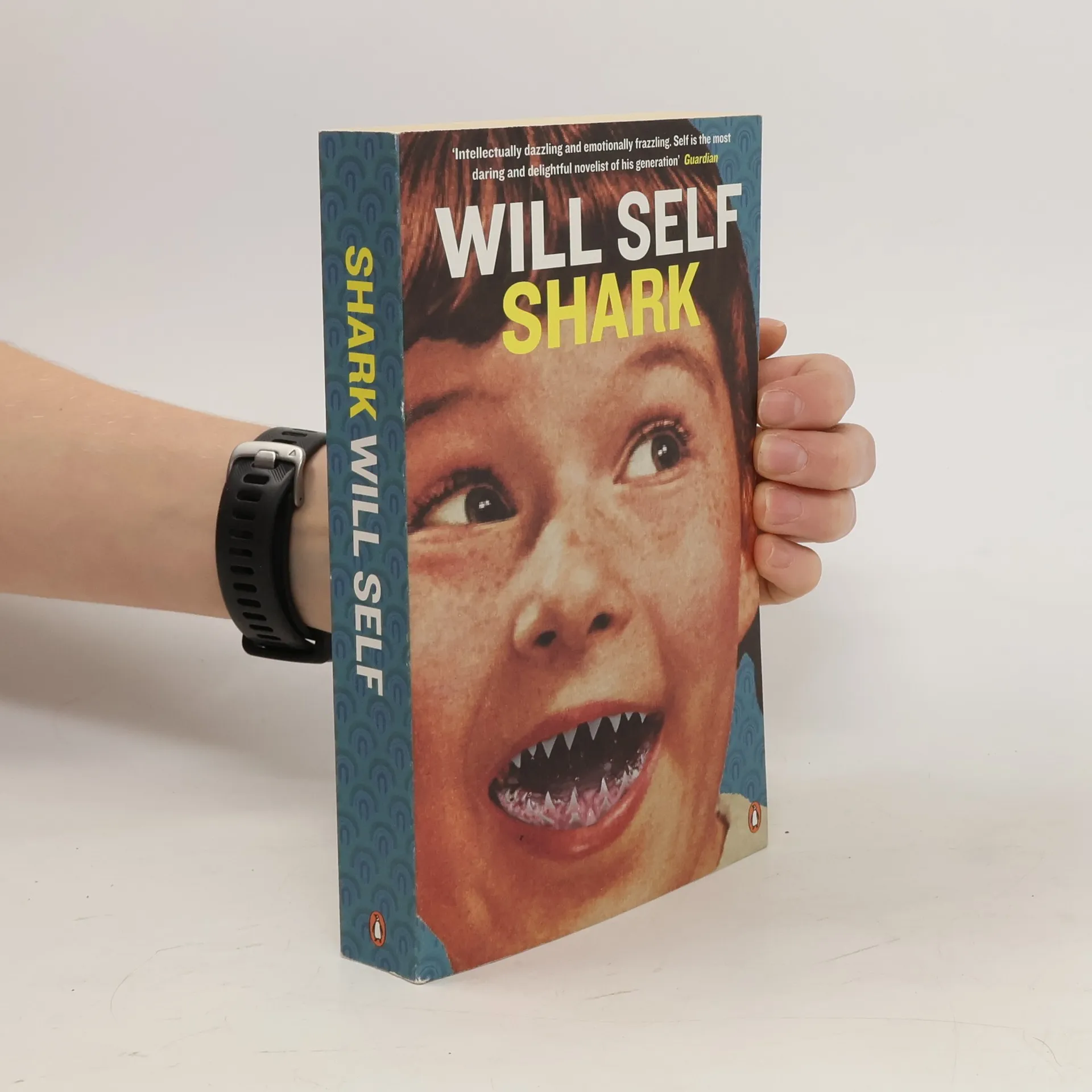
Shark turns upon an actual incident in WWII - mentioned in the film Jaws - when the ship which had delivered the fissile material to the south Pacific to be dropped on Hiroshima was subsequently sunk by a Japanese submarine with the loss of 900 men, including 200 killed in the largest shark attack ever recorded.
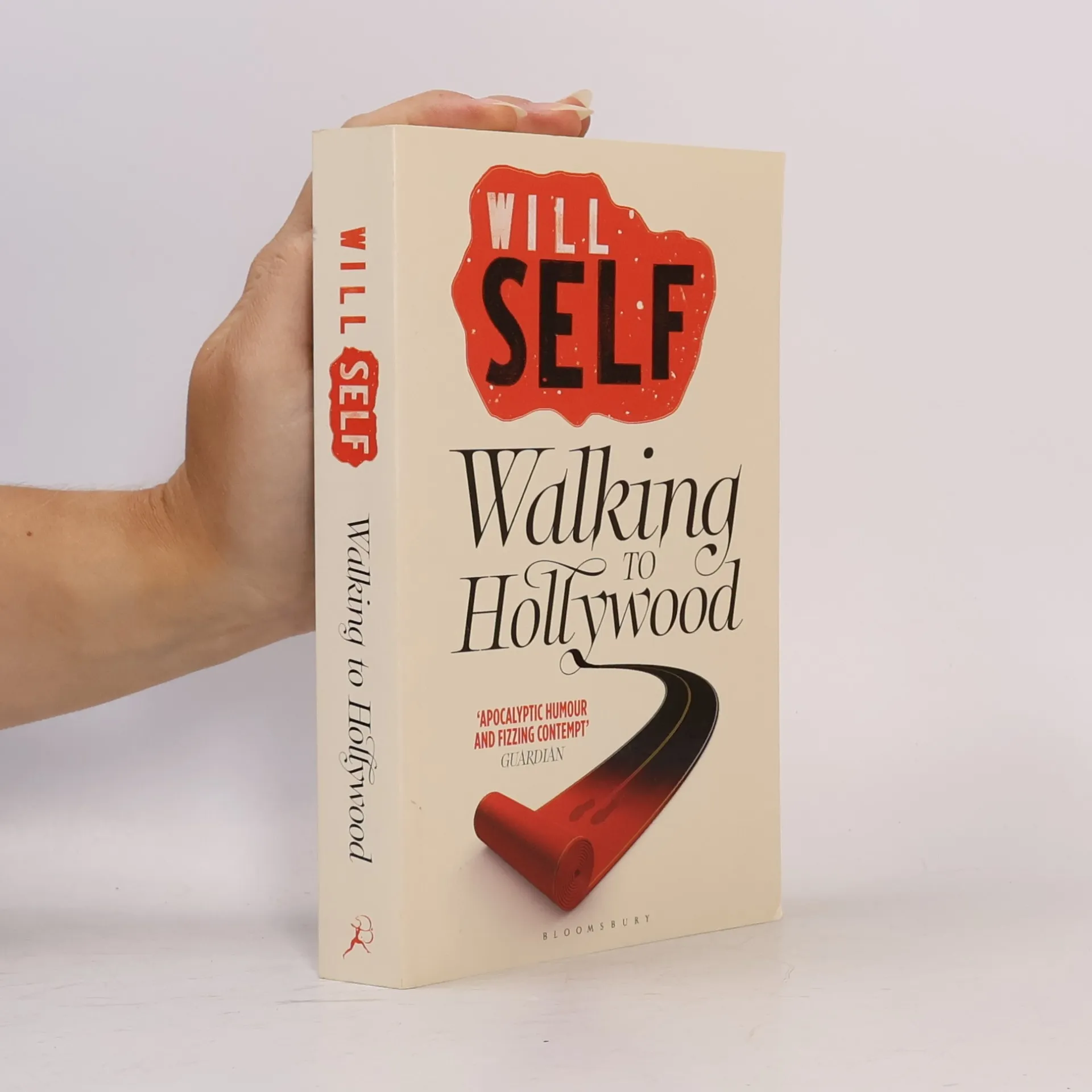
Opening with a dazzling new essay on walking to New York from Heathrow, this stunningly produced book brings together for the first time, fifty of Will Self's unforgettable Independent Columns
A five-hundred-quid worry bead - and all I worry about is losing the bloody thing . . . ' Dementia-addled, 78-year-old antipsychiatrist Dr Zack Busner, turfed out of his home by his ungrateful progeny, is no longer certain of anything - except the persistent ringing of the phone in his pocket. Meanwhile, his autistic grandson Ben, drowning in conspiracy theories as he investigates the ruse known as the Iraq war, is urgently calling. Elsewhere, MI6 agent Jonathan De'Ath (aka the Butcher) is trying to conceal the one secret he knows will ruin him - his affair with tank commander Colonel Gawain Thomas, whose unit is busy shooting up Iraq. And somewhere a phone is ringing . . .
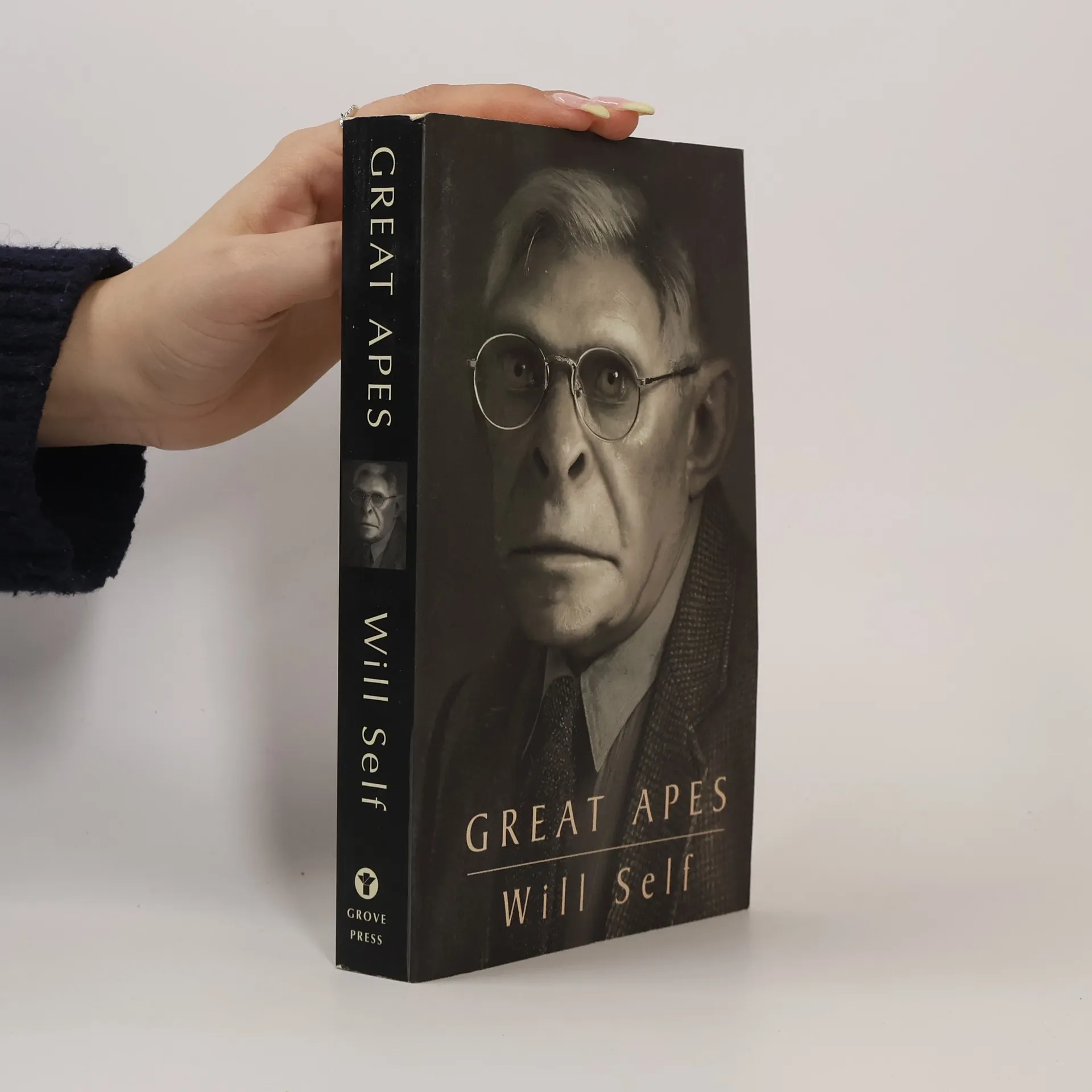
Fans of Will Self's satirical fiction and stunning prose will not be disappointed in the latest from the author who brought readers through the bizarre war between the sexes in Cock & Bull and into the costly world of high-stakes business in My Idea of Fun. With Great Apes, Self takes readers into a sort of "Planet of the Apes" with a twist. Simon Dykes is a London painter whose life suddenly becomes Kafkaesque. After an evening of routine debauchery, traipsing from toilet to toilet and partaking in a host of narcotics, the middle-aged painter wakes to discover that his girlfriend, Sarah, has turned into a chimpanzee. Simon is also a chimp, but he does not accept this fact—he is convinced that he is still human.He is then confined to an emergency psychiatric ward and placed under the care of alpha-psychiatrist Dr. Zack Busner. Simon finds chimp behavior a bit unnatural; he can't bring himself to use gestures rather than speech to communicate. He also finds it difficult to mate publicly or accept social grooming. Dr. Zack Busner—also a medical doctor, radical psychoanalyst, maverick axiolytic drug researcher, and former television personality—is prepared to help Simon get used to "chimpunity". It is during Simon's gradual simianization that Self's true satirical genius shines, as he examines anthropology, the trendy art world, animal rights, and much more.
The New York Times Book Review has called Will Self "a defiant satirist with a peculiar mastery of the vocabulary of modern neurosis," and Tough, Tough Toys for Tough, Tough Boys is a dazzling foray into his funhouse world. Status-conscious New Yorkers navigate the perils of dating along with their very literal "inner children." A man is seduced into a misanthropically charged symbiosis with the insects infesting his cottage. In "The Rock of Crack as Big as the Ritz," a black Londoner discovers an enormous rock of crack cocaine underpinning his house--and quickly turns it into an efficient little empire. In the title story a psychoanalyst strips away all the sang froid of his professionalism to find beneath ... precisely nothing. Sharp, funny, and packed with verbal fireworks, Tough, Tough Toys for Tough, Tough Boys confirms yet again Will Self's stature as one of the most accomplished and original writers of his generation.
Nine new stories from the fiendishly witty Will Self, whose limitless imagination and technical brilliance have made him one of the most highly praised comic writers. Already published to critical acclaim in England, Grey Area is a dazzling collection by one of the most talented and original writers of his generation.
Will's mother's hokey homily, Waste not, want not... hisses in his ears as he oscillates furiously on the spot, havering on the threshold between the bedroom and the dying one... all the while cradling the plastic leech of the syringe in the crook of his arm. Oscillating furiously, and, as he presses the plunger home a touch more... and more, he hears it again and again- Waaaste nooot, waaant nooot..! whooshing into and out of him, while the blackness wells up at the periphery of his vision, and his hackneyed heart begins to beat out weirdly arrhythmic drum fills - even hitting the occasional rim-shot on his resonating rib cage. He waits, paralysed, acutely conscious, that were he simply to press his thumb right home, it'll be a cartoonish death- That's all folks! as the aperture screws shut forever.
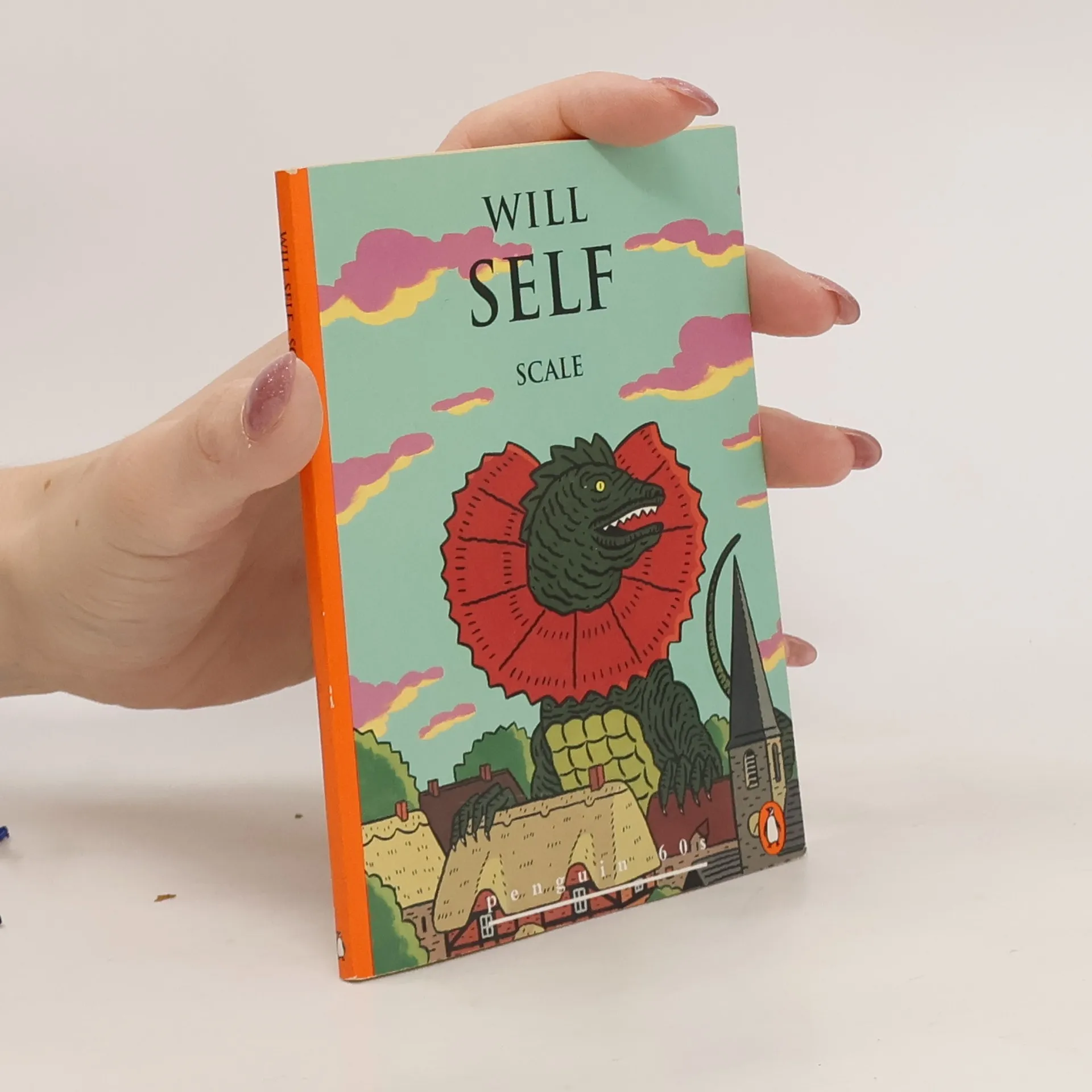
'Some people lose their sense of proportion; I've lost my sense of scale.' The short story 'Scale' was taken from the collection Grey Area.
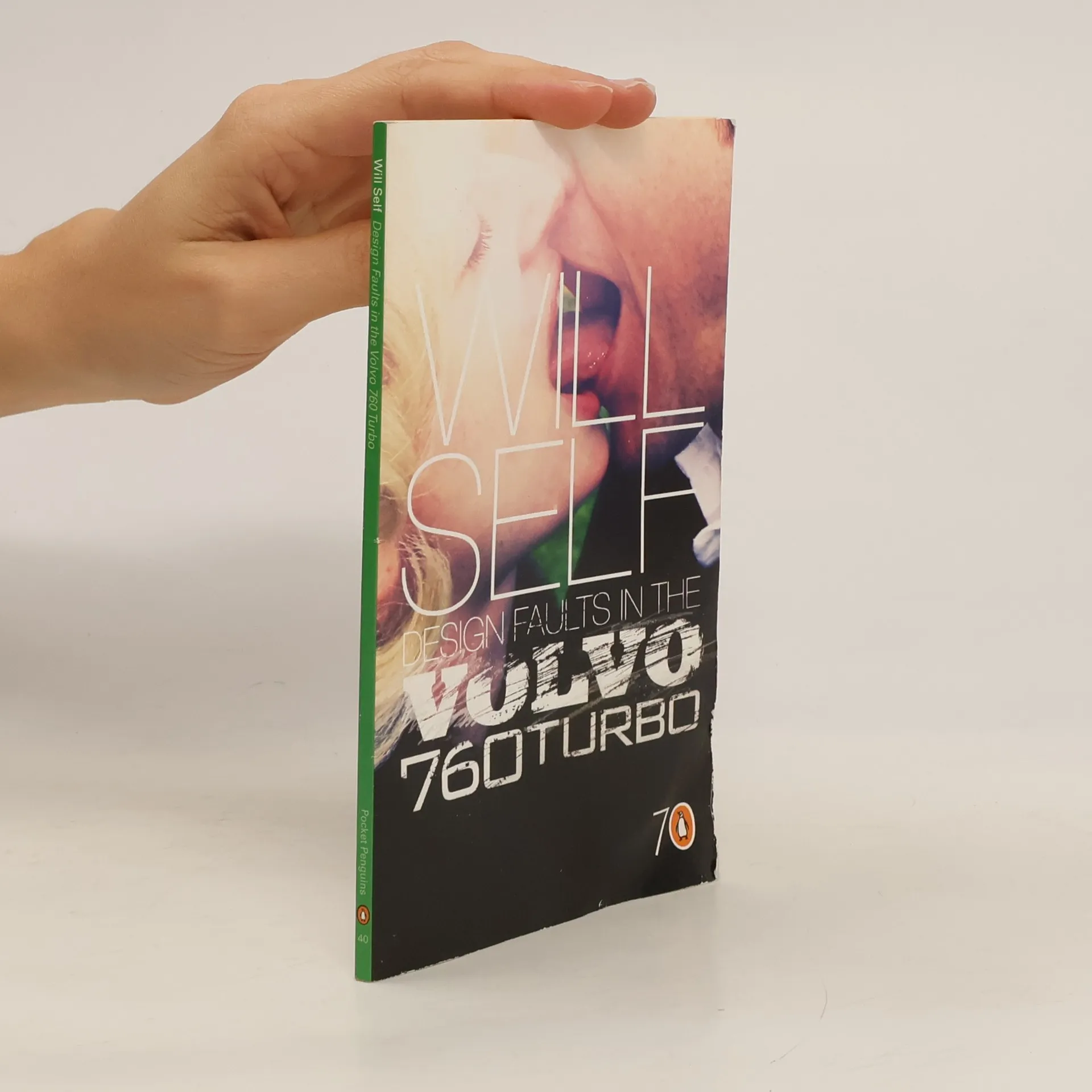
Often characterised as the bad boy of English literature, Will Self has earned his reputation through a body of innovative, experimental and to some upsetting work. All his fiction is available in Penguin editions and the two stories in this collection illustrate Self's gift for finding the extraordinary, the surreal and the downright absurd amidst the mundanities of modern life.- Design Faults in the Volvo 760 Turbo- A Story for Europe
An examination of lives out of control. It offers a collection of stories about egos, appetites and addictions.
'The Book of Dave' is based around the rants of Dave Rudman - a disgruntled East End taxi driver - who writes his woes down and buries them, only to have them discovered 500 years later and used as the sacred text for a religion that has taken hold in the flooded remnants of London.
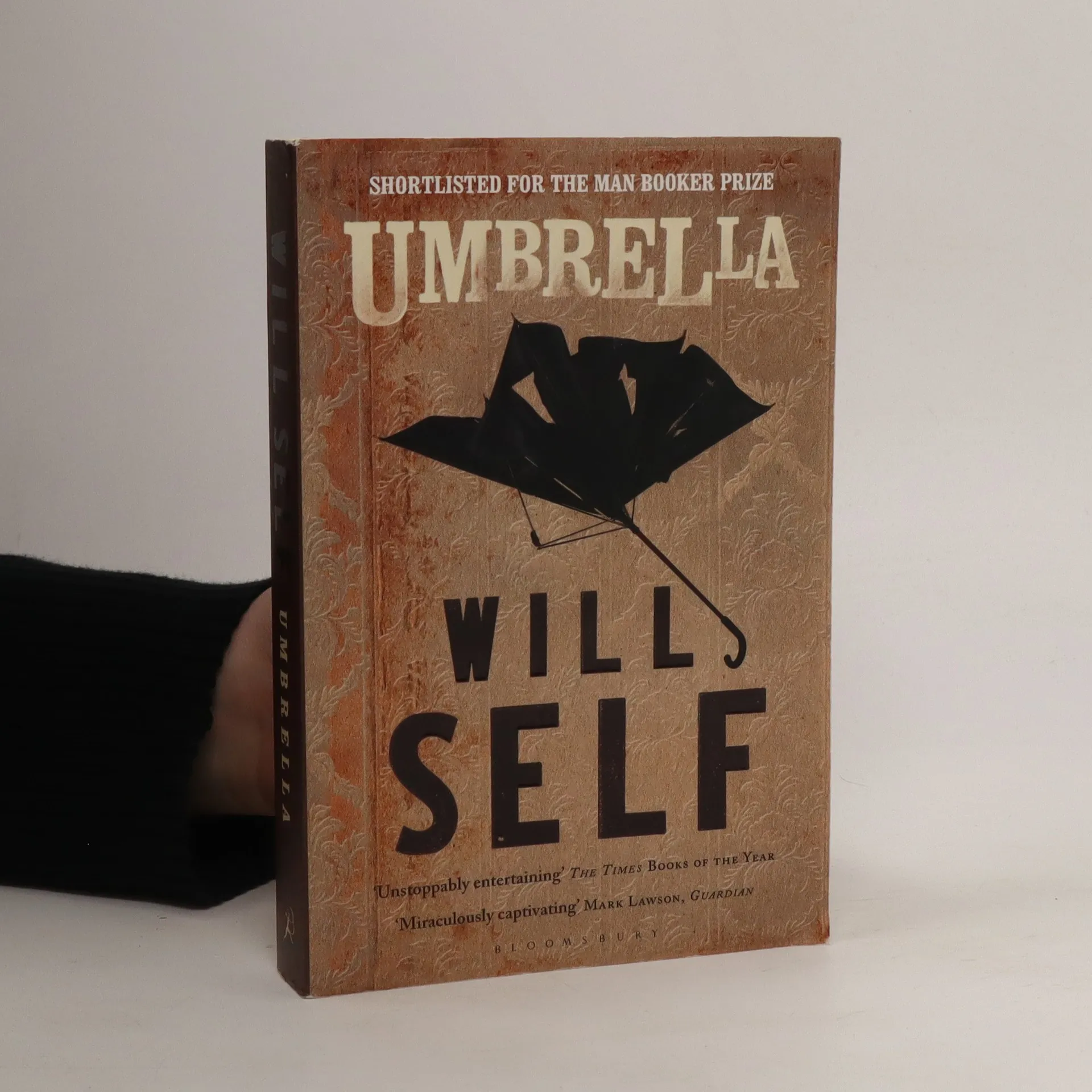
A brother is as easily forgotten as an umbrella. James Joyce, Ulysses Recently having abandoned his RD Laing-influenced experiment in running a therapeutic community – the so-called Concept House in Willesden – maverick psychiatrist Zack Busner arrives at Friern Hospital, a vast Victorian mental asylum in North London, under a professional and a marital cloud. He has every intention of avoiding controversy, but then he encounters Audrey Dearth, a working-class girl from Fulham born in 1890 who has been immured in Friern for decades. A socialist, a feminist and a munitions worker at the Woolwich Arsenal, Audrey fell victim to the encephalitis lethargica sleeping sickness epidemic at the end of the First World War and, like one of the subjects in Oliver Sacks' Awakenings, has been in a coma ever since. Realising that Audrey is just one of a number of post-encephalitics scattered throughout the asylum, Busner becomes involved in an attempt to bring them back to life – with wholly unforeseen consequences.
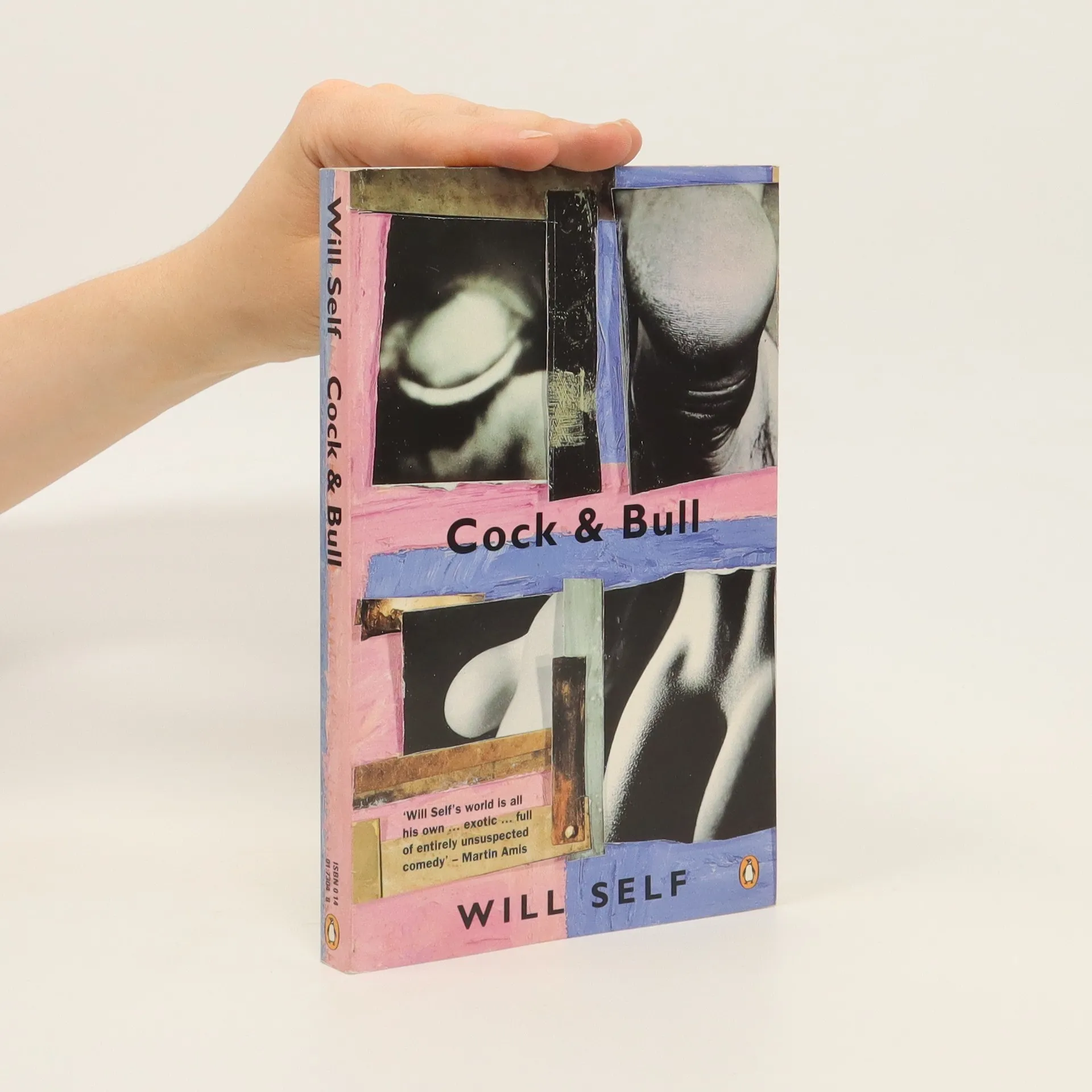
This work contains two novellas which are a dark trip down that obscure cul-de-sac of desire, where gender isn't so much bent as snapped in two. Other work by the author includes The Quantity Theory of Insanity.
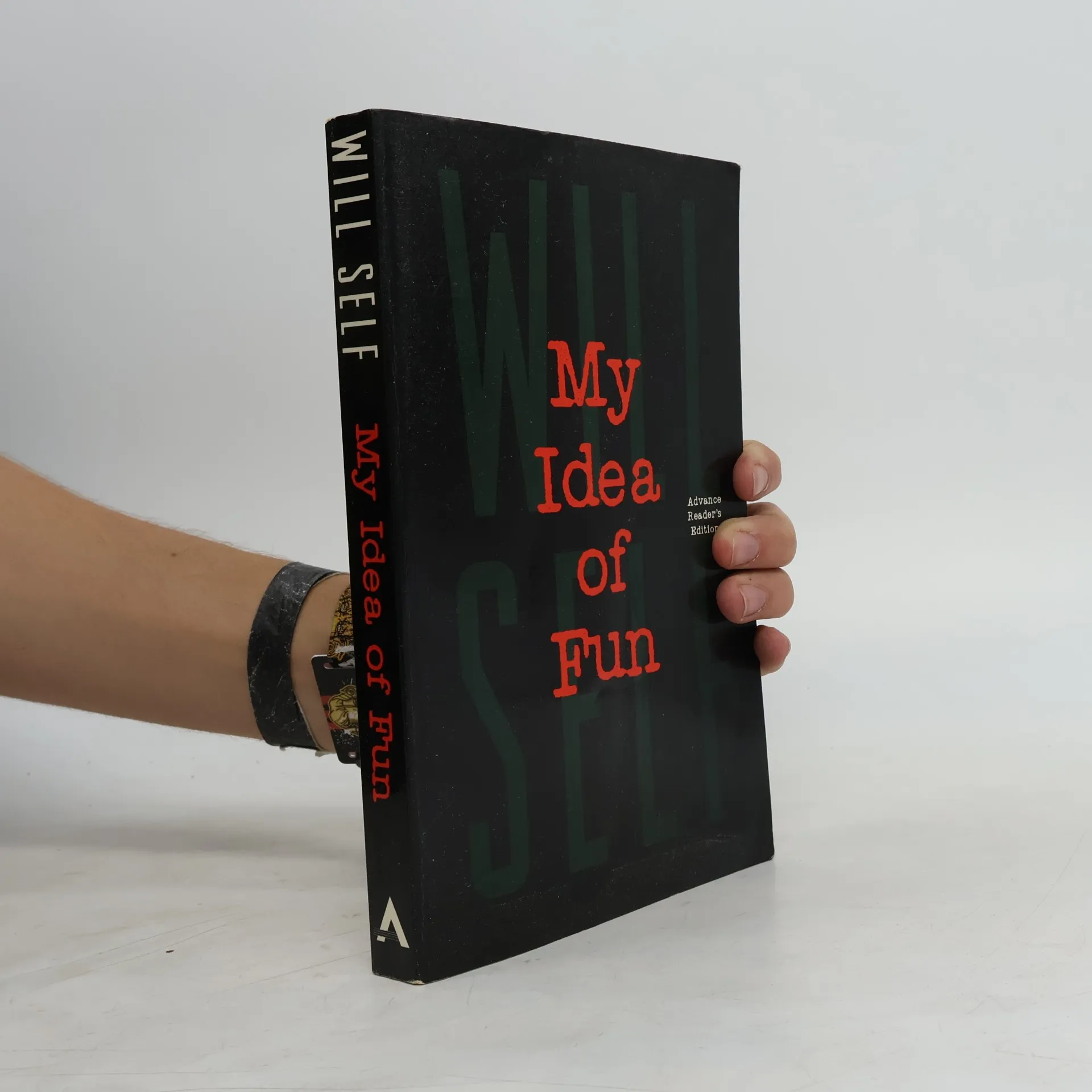
A disturbing yet hilarious novel about a devilishly clever international financier/marketing wizard and his young apprentice, set in a society where money is the only common language, consumerism and violence are rampant, and the human soul has become the ultimate product.
Folded page panoramas: one side "North"; verso "South."
This astonishing collection by Booker nominee Will Self features a series of strange, disquieting, and darkly humorous tales. Critics praise it as one of Self's grisliest and most perceptive works, particularly regarding psychosis. The title story, a brilliant novella, showcases dueling psychiatrists who manipulate mental patients as weapons, eliciting both laughter and discomfort. The collection is noted for its splendid satire and prescient humor, offering a destabilizing yet entertaining Gothic experience. Self's writing is characterized by arresting imagery, sharp social commentary, and a unique linguistic style that sets him apart in contemporary British fiction. His previous works include nine novels and several collections of shorter fiction, along with various nonfiction titles. This collection exemplifies his talent for blending humor and horror, making it a compelling read for those interested in the complexities of the human psyche.
Dr Mukti and Other Tales of Woe features a novella and short stories that delves into the murky world of mental illness and sinister goings on.
It looks like it is going to be quite a Christmas for Richard Hermes, a Christmas powdered with cocaine and whining with the white noise of urban derangement. Not so much enfolded, as trapped in the bosom of the nastiest, most venal media clique in London, Richard is losing it on all fronts.
A remarkable mixture of fact, fancy, memoir and invention.
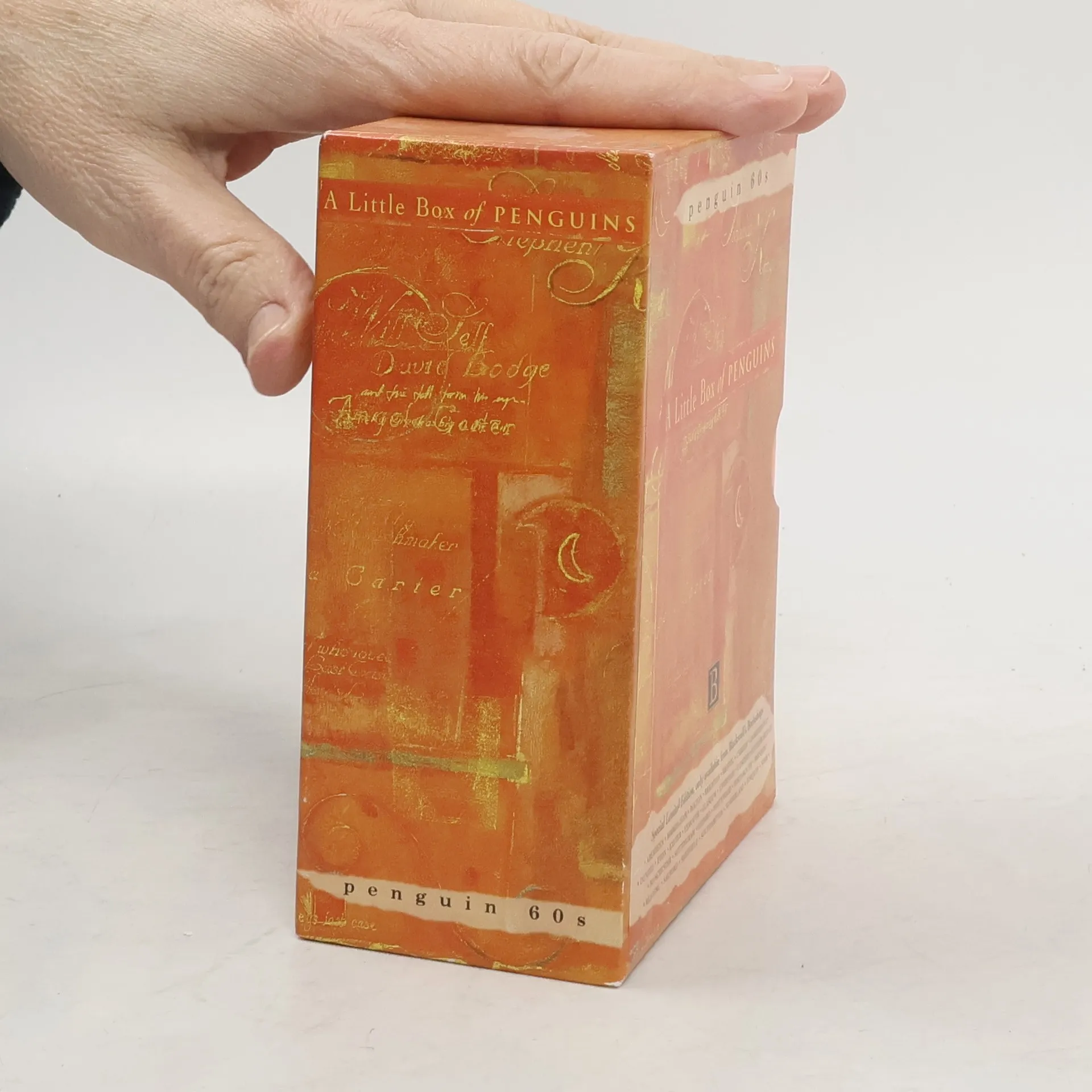
Ten little books in a shelf box. Box itself shows a bit of shelf wear but is intact with no tears. The little books are all intact, but some are slightly yellowed with age but are clean and have been well protected.
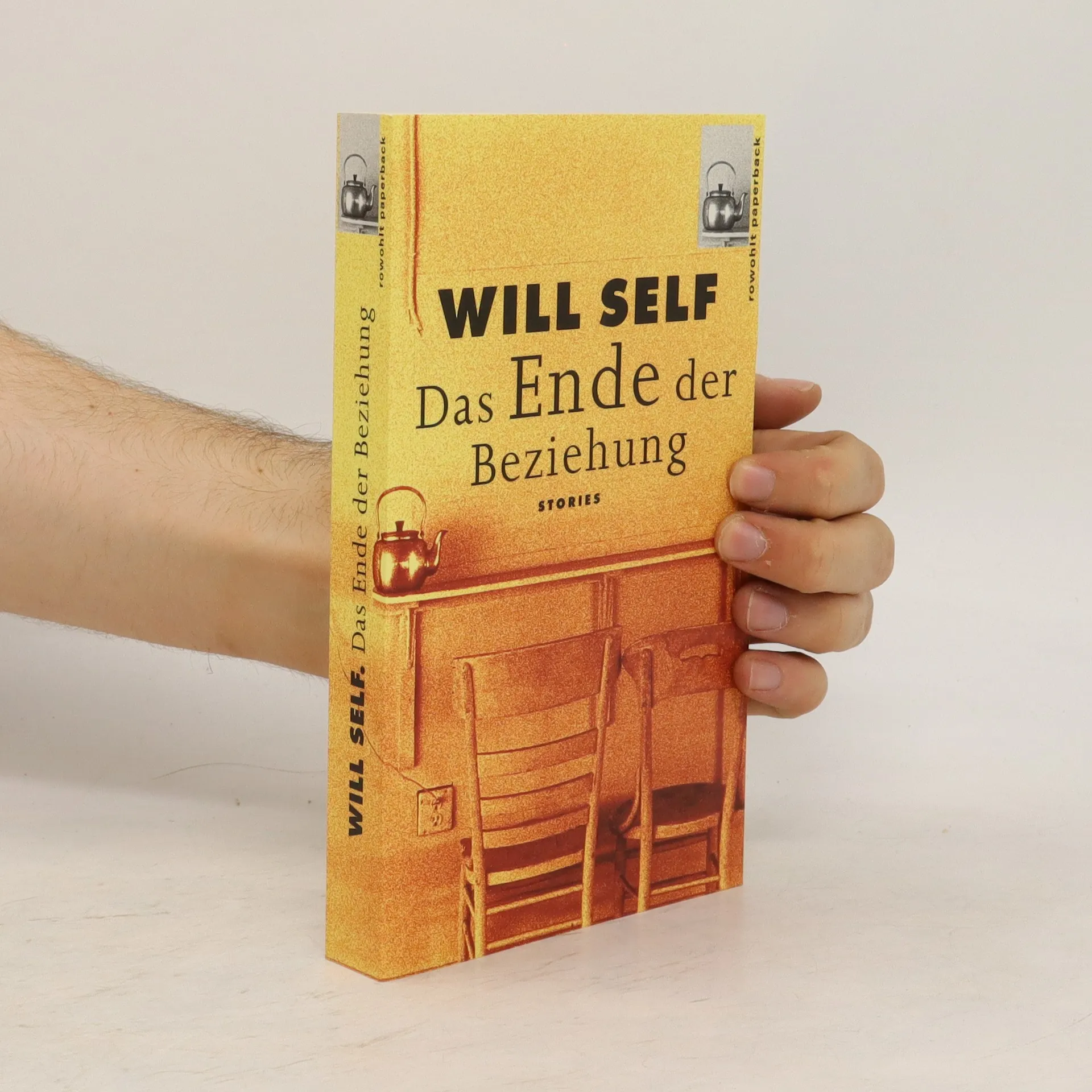
Ein Mann sucht das Weite und die verlassene Frau anschließend Trost bei einer Freundin Doch kaum ist sie dort eingezogen, geht merkwürdigerweise auch die Beziehung der Freundin in die Brüche. Kein Einzelfall, wie sich bald herausstellt. Wo immer die unglückliche Heldin auftaucht, ist es mit dem Beziehungsglück vorbei. Am Ende bleibt ihr nur der Gang zur Psychiaterin, aber auch die scheint ihr plötzlich irgend etwas sehr übel zu nehmen...§Mit herrlich boshaftem Unterton erzählt Will Self die außergewöhnlichen Stories. Und bereitwillig folgt man ihm in die absurdesten Winkel seiner Fantasie.§
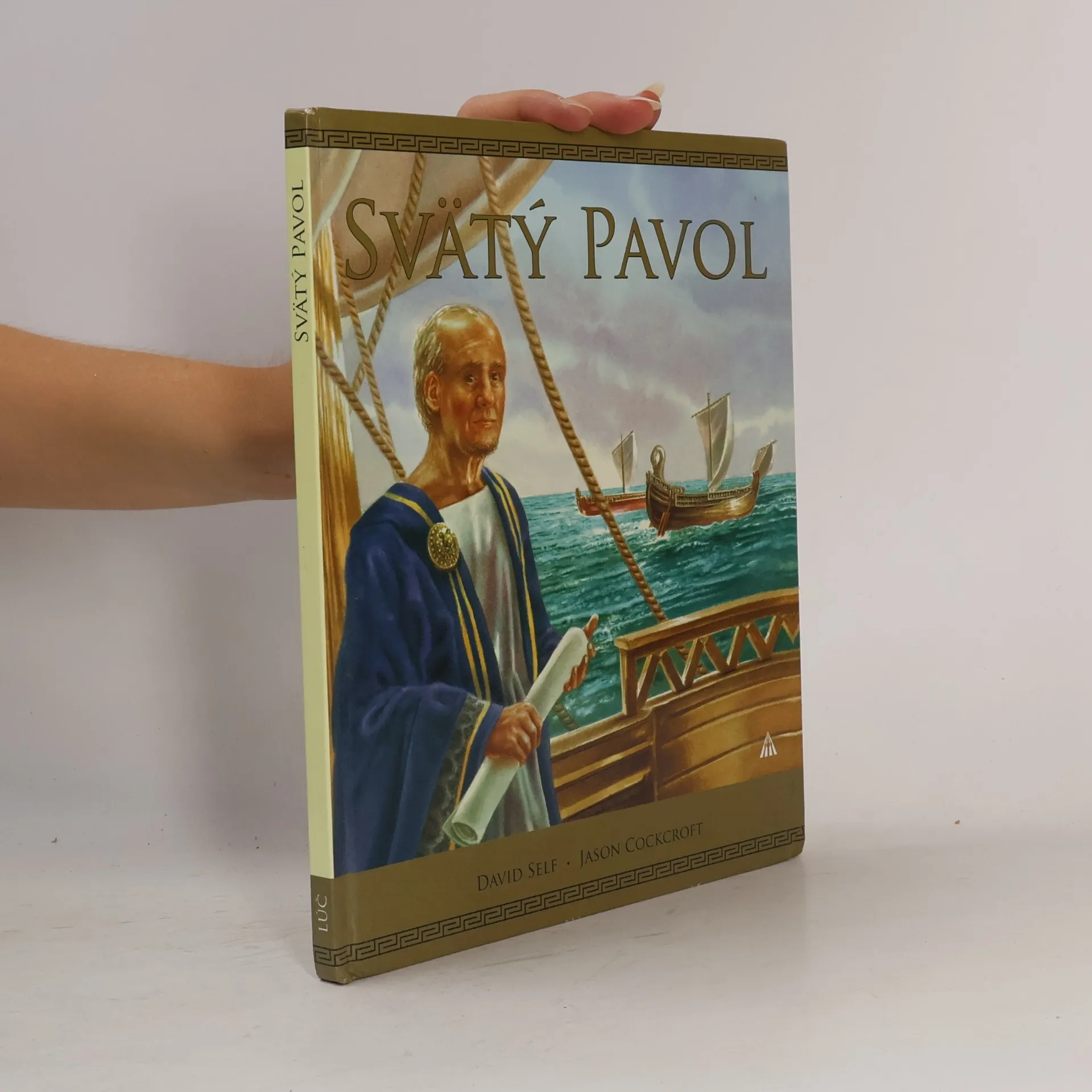
Kniha je pekným a hodnotným darčekom nie len pre menovcov svätého Pavla. Pútavo prerozprávaný Pavlov životopis zachytáva dôležité udalosti z jeho života a približuje Pavlovu osobnosť, jeho pôsobenie, ľudí, s ktorými sa stretal, ale aj prostredie,kde žil. Nádherné ilustrácie obohacujú rozprávanie a robia putovanie s Pavlom autentickejším.