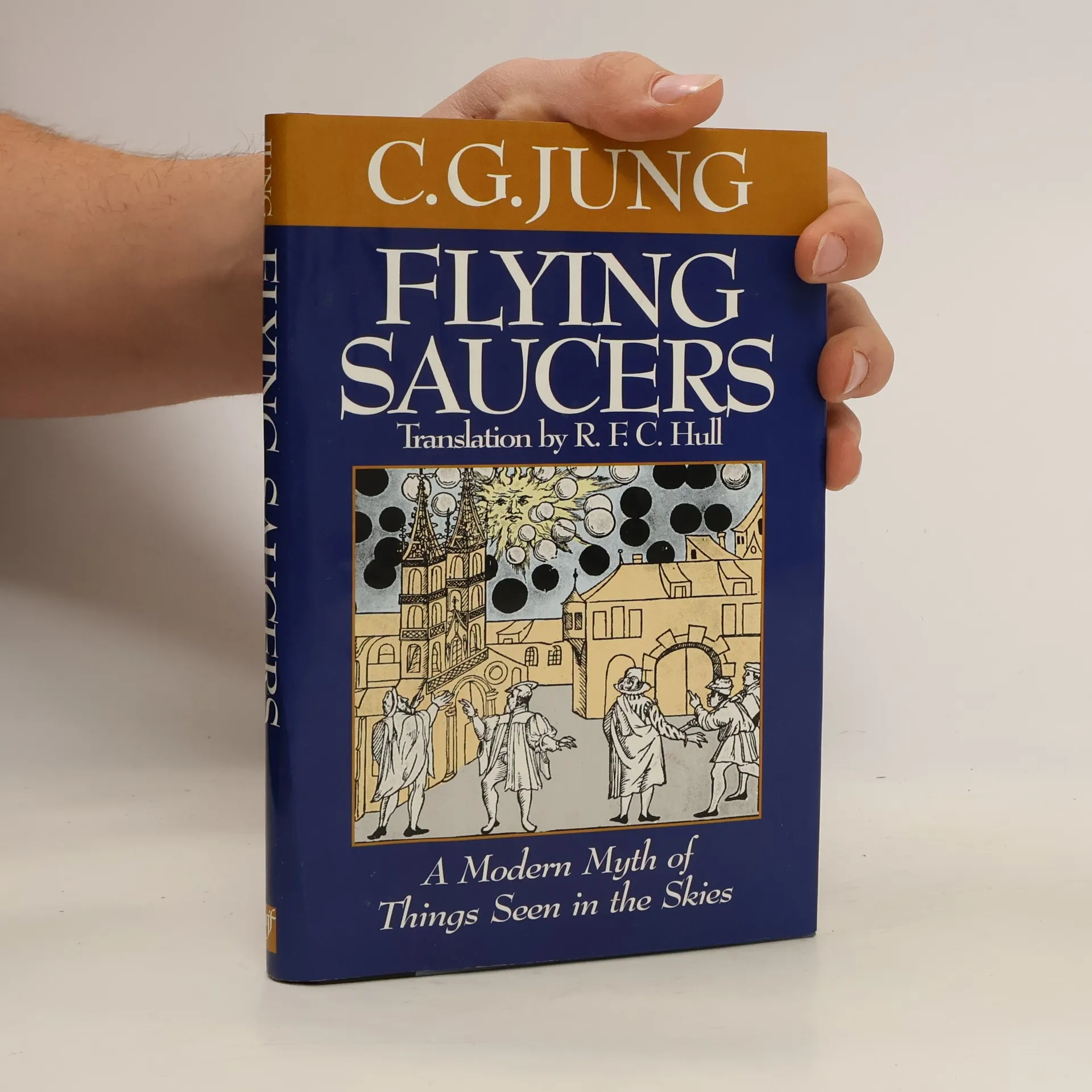
While Jung is known mainly for his theories on the nature of the unconscious mind, he did have an interest in the paranormal. In this essay, Jung applies his analytical skills to the UFO phenomenon. Rather than assuming that the modern prevalence of UFO sightings are due to extraterrestrial craft, Jung reserves judgment on their origin and connects UFOs with archetypal imagery, concluding that they have become a "living myth." This essay is intriguing in its methodology and implications as to the nature of UFOs and their relation to the human psyche.
R. F. C. Hull Ordre des livres (chronologique)


The spirit in man, art and literature
- 192pages
- 7 heures de lecture
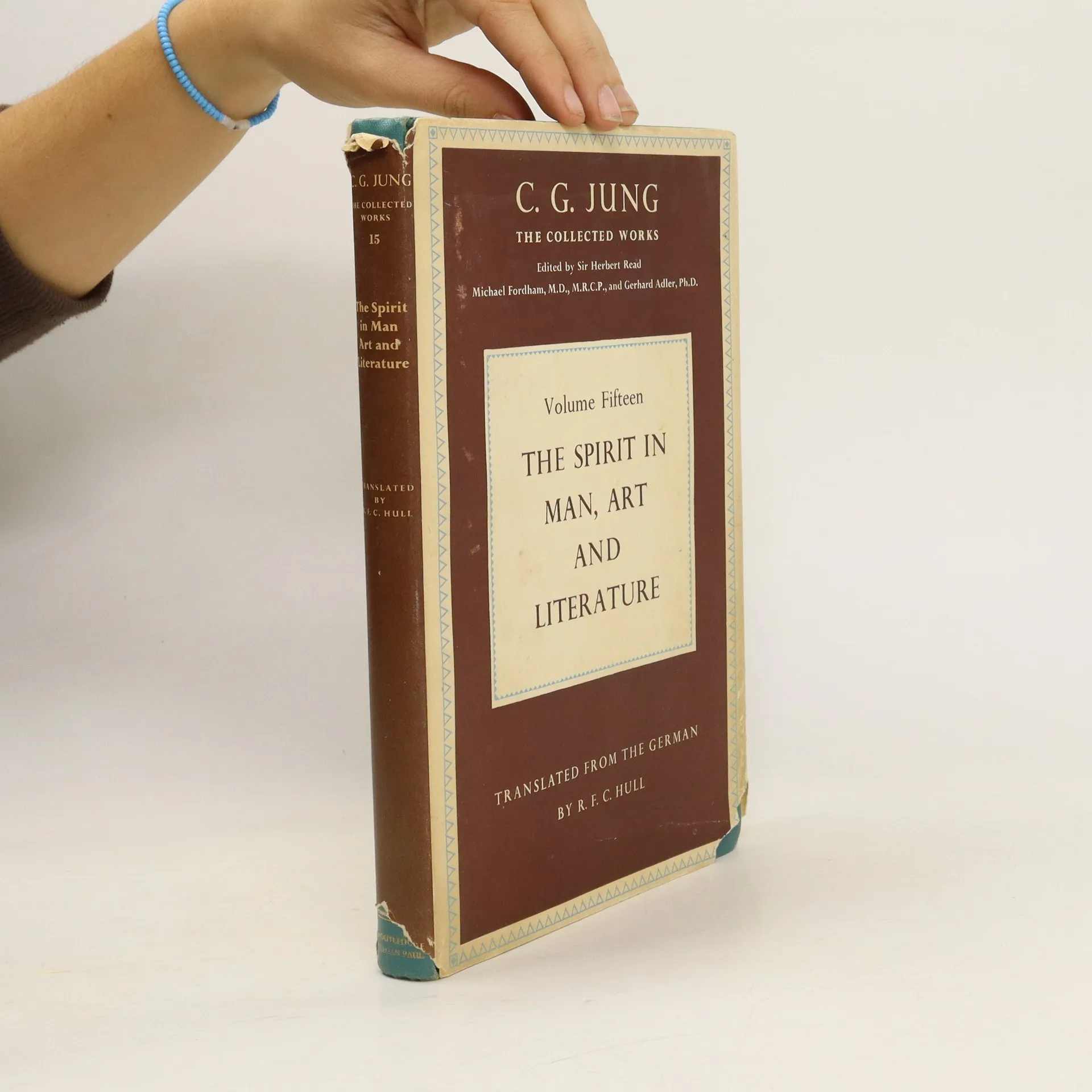
The Spirit in Man, Art and Literature offers unique and penetrating insights into the lives and opinions of some of the most significant players in the cultural life of the twentieth century. Carl Gustav Jung was at the heart of that cultural life, pioneering, along with Freud, a new interpretation of what it meant to be human in the modern age. This volume reveals the full range of Jung's involvement in this process, from his famous analysis of 'Psychology and Literature' to his landmark texts on Joyce's Ulysses and Picasso's paintings. Jung writes of Freud from the perspective of one who was "permitted a deep glimpse into the mind of this remarkable man," and through the memories and opinions recorded in The Spirit in Man, Art and Literature, the reader is offered a similar privilege.
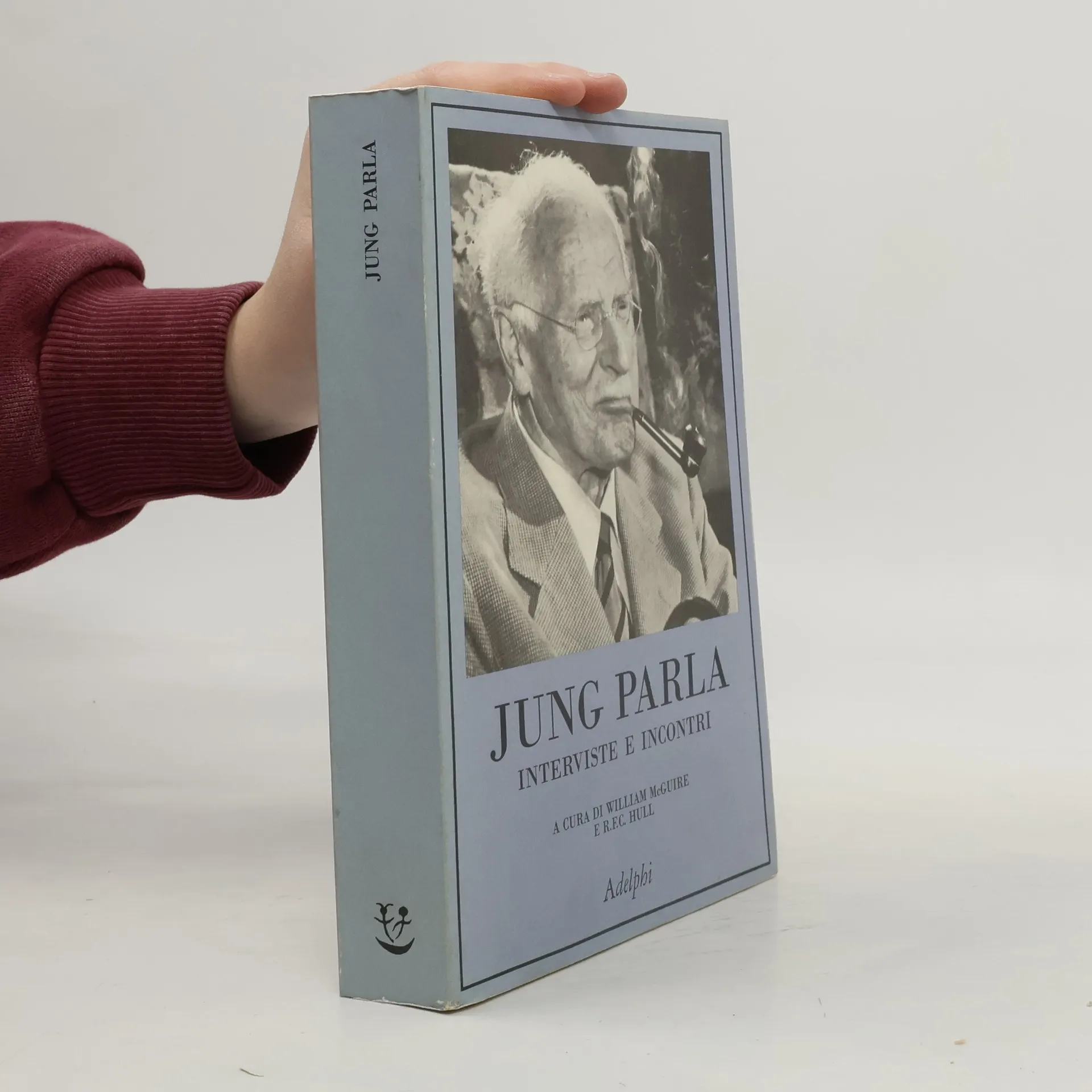
C.G. Jung amava definirsi un «introverso», il che non significa che non sapesse trattare con il mondo – e in particolare con quella insidiosa manifestazione del mondo che è l’intervista. Lungo tutto l’arco della sua vita, accettò di parlare di se stesso e del suo pensiero con i più svariati interlocutori, alcuni dei quali oscuri, altri illustri come Victoria Ocampo, Alberto Moravia, Mircea Eliade, Charles Baudouin, Miguel Serrano. Ed è sorprendente il fatto che ogni volta, fra le maglie di una forma così aleatoria e sfuggente, Jung abbia voluto e saputo lasciar filtrare delle verità che nei suoi libri rimangono talora celate come in uno scrigno. Queste interviste rappresentano dunque un prezioso controcanto a tutta l’opera di Jung, indispensabile sia per chi si accosti ad essa per la prima volta, sia per chi la conosca in profondità. Le novità appariranno insomma equamente divise, anche perché in Jung allo sforzo per chiarire le proprie idee ed esporle in modo piano si accompagna sempre la formulazione imprevista, quasi il guizzo di un ironico sciamano. La presente raccolta fu pubblicata per la prima volta nel 1977.
Collected Works of C.G. Jung - 13: Alchemical Studies
- 524pages
- 19 heures de lecture
Five long essays that trace Jung's developing interest in alchemy from 1929 onward. An introduction and supplement to his major works on the subject, illustrated with 42 patients' drawings and paintings.
Psychology and the Occult
(From Vols. 1, 8, 18 Collected Works) (Jung Extracts)
- 167pages
- 6 heures de lecture
Extracted from Volumes 1, 8, and 18. Includes Jung's Foreword to Phenom�nes Occultes (1939), On the Psychology and Pathology of So-called Occult Phenomena, The Psychological Foundations of Belief in Spirits, The Soul and Death, Psychology and Spiritualism, On Spooks: Heresy or Truth? and Foreword to Jaff� Apparitions and Precognition.
Dreams
- 337pages
- 12 heures de lecture
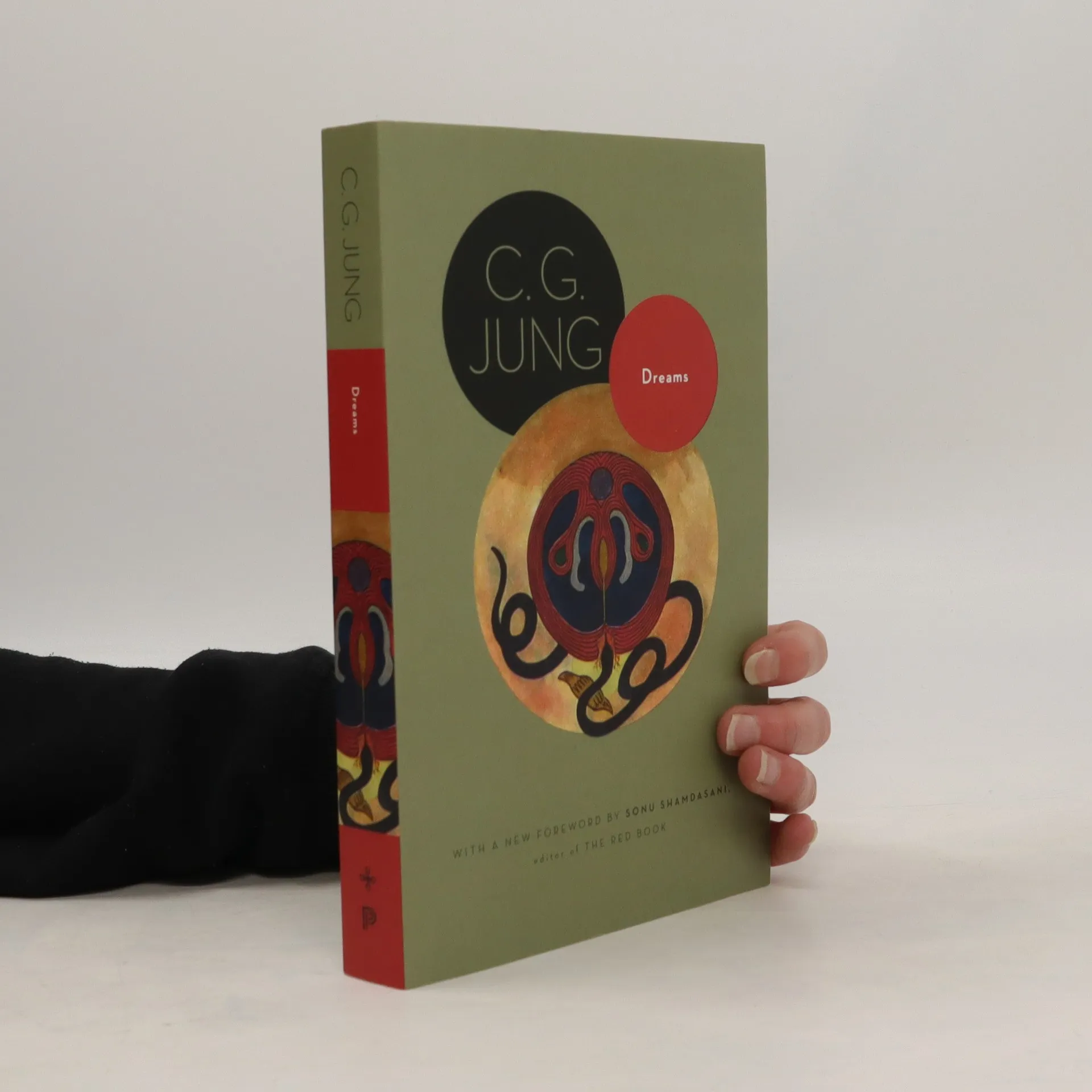
"From The collected works of C.G. Jung, volumes 4, 8, 12, 16"--P. [i].
La préoccupation troublante de Jung concernant la division du monde constitue également un appel à remédier à un état indésirable, qui représente aujourd'hui, tout comme à l'époque de la rédaction de cet ouvrage, un danger pour la santé et la vie de l'individu et de l'humanité dans son ensemble. Jung s'adresse à l'individu, véritable porteur de vie et de culture, en soulignant le manque fatal de connaissance de soi – la sous-estimation et le non-respect des forces inconscientes qui influencent de manière significative tous les aspects de la vie, tant de manière nuisible que bénéfique. La capacité et la volonté de chaque individu à se connaître sont déterminantes : elles influencent le destin, le bien-être et la souffrance de chaque personne, cette unité infiniment petite sur laquelle repose le monde, cette entité individuelle dans laquelle, si nous comprenons correctement le sens du message chrétien, Dieu cherche même son but.