
Bookbot

Dan Ariely

    29 avril 1967

    Dan Ariely est un expert de premier plan en économie comportementale, qui explore les mécanismes fascinants et souvent irrationnels qui influencent notre prise de décision. Son travail dévoile les forces cachées qui façonnent nos choix quotidiens, mettant en évidence des défauts systématiques dans notre pensée. L'approche d'Ariely repose sur une compréhension approfondie de la psyché humaine et de ses déviations de la pensée rationnelle. Ses recherches offrent des aperçus précieux sur les raisons pour lesquelles nous faisons les choix que nous faisons et comment nous pourrions mieux les comprendre.

    Dan Ariely
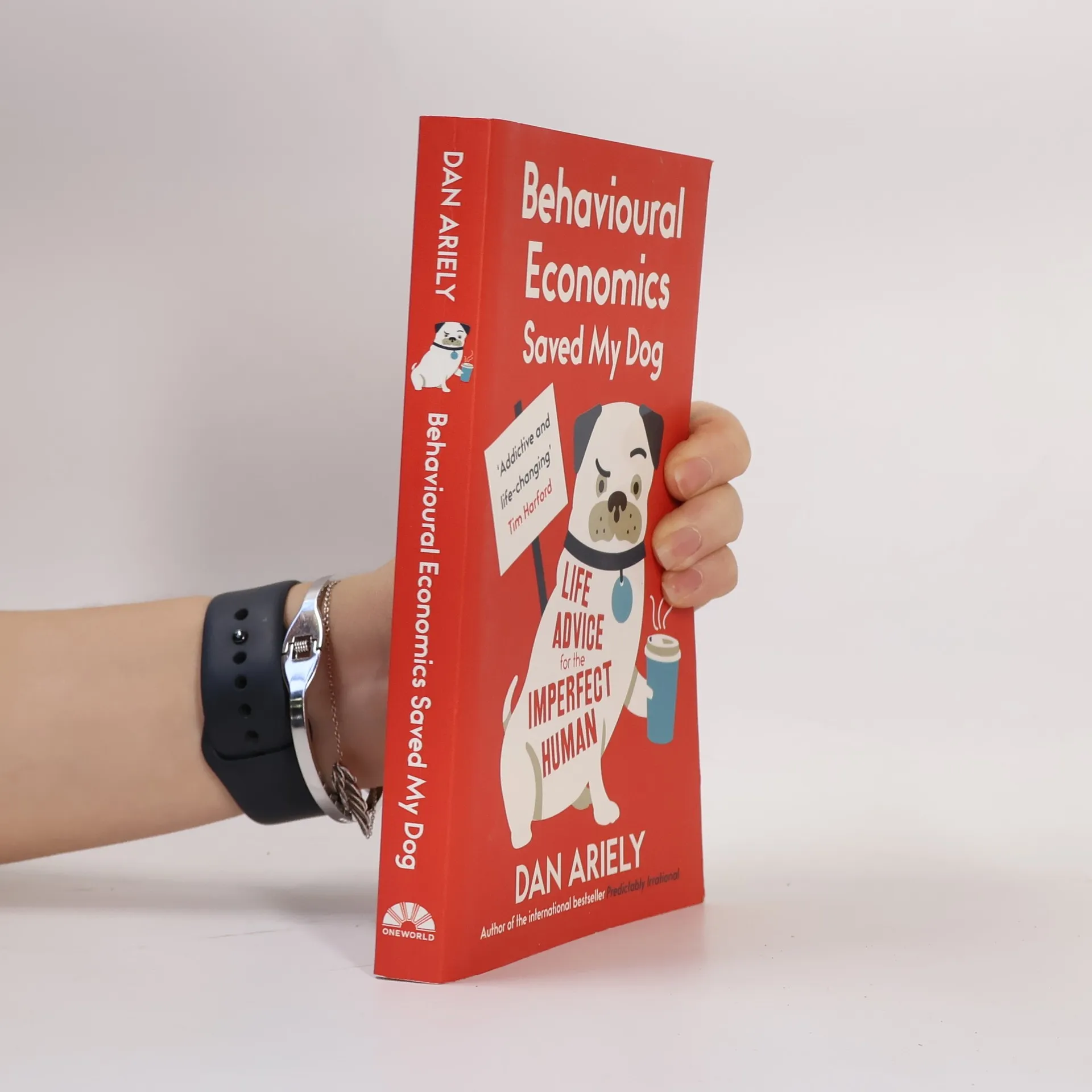
    Misbelief
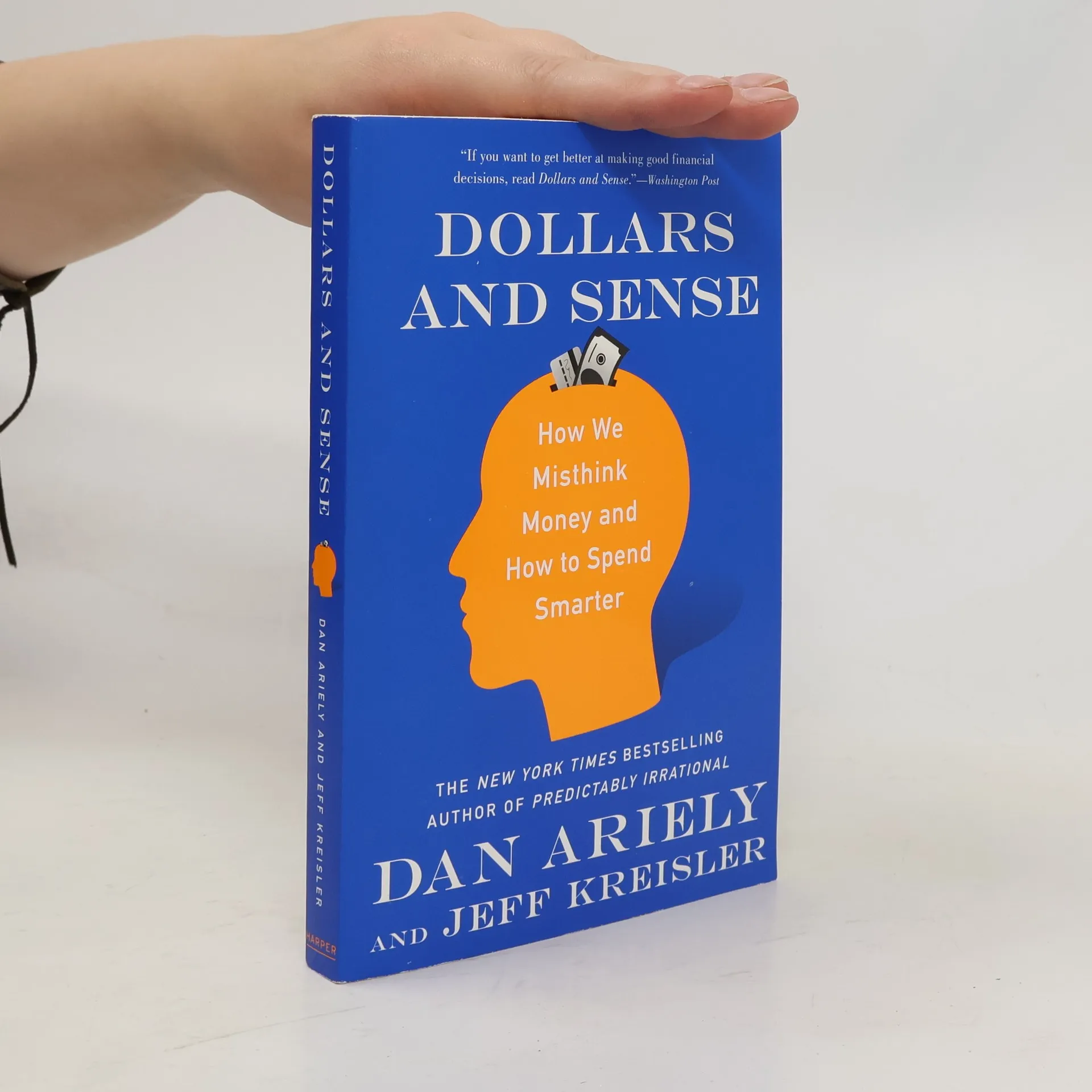
    Dollars and Sense
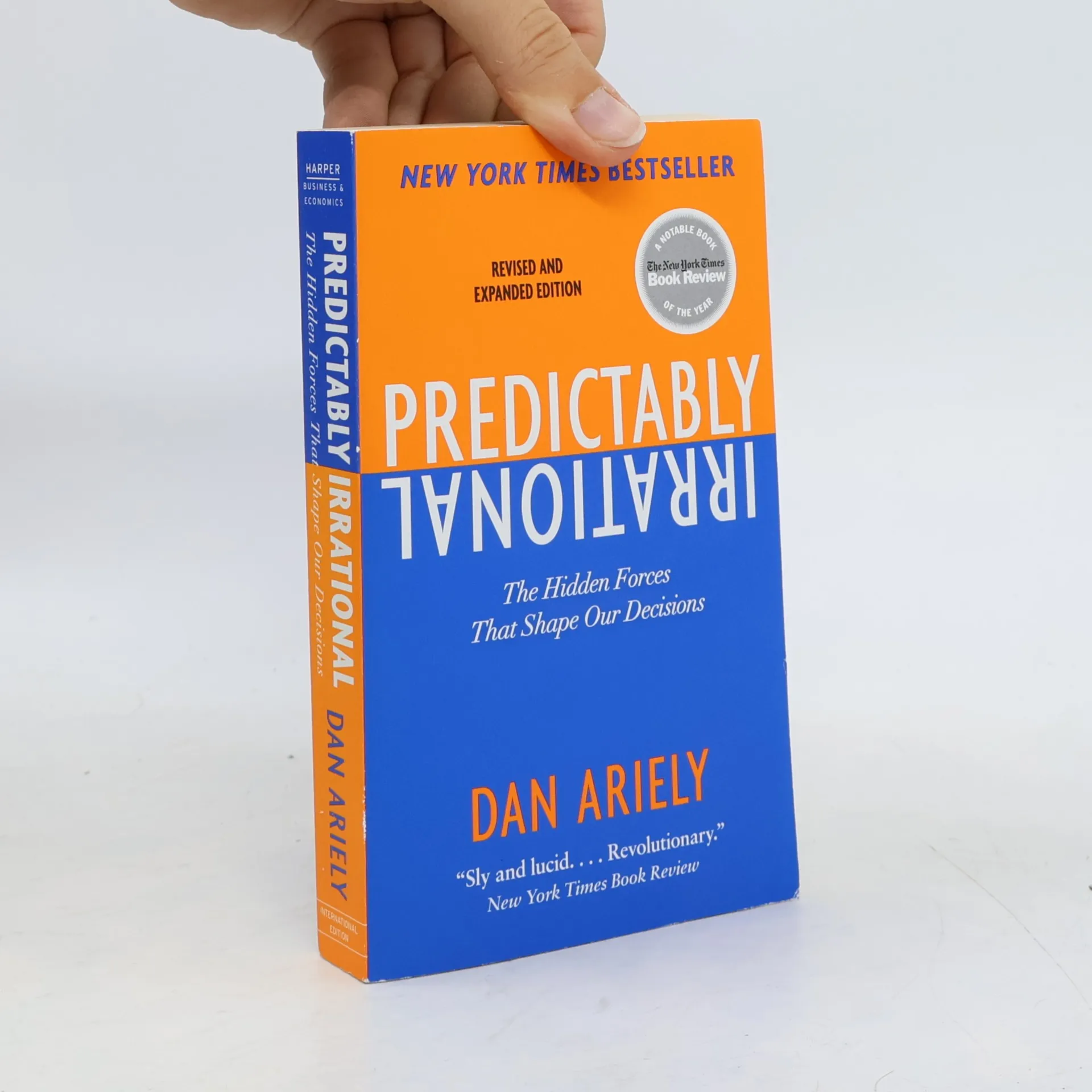
    Predictably irrational
    The Upside of Irrationality
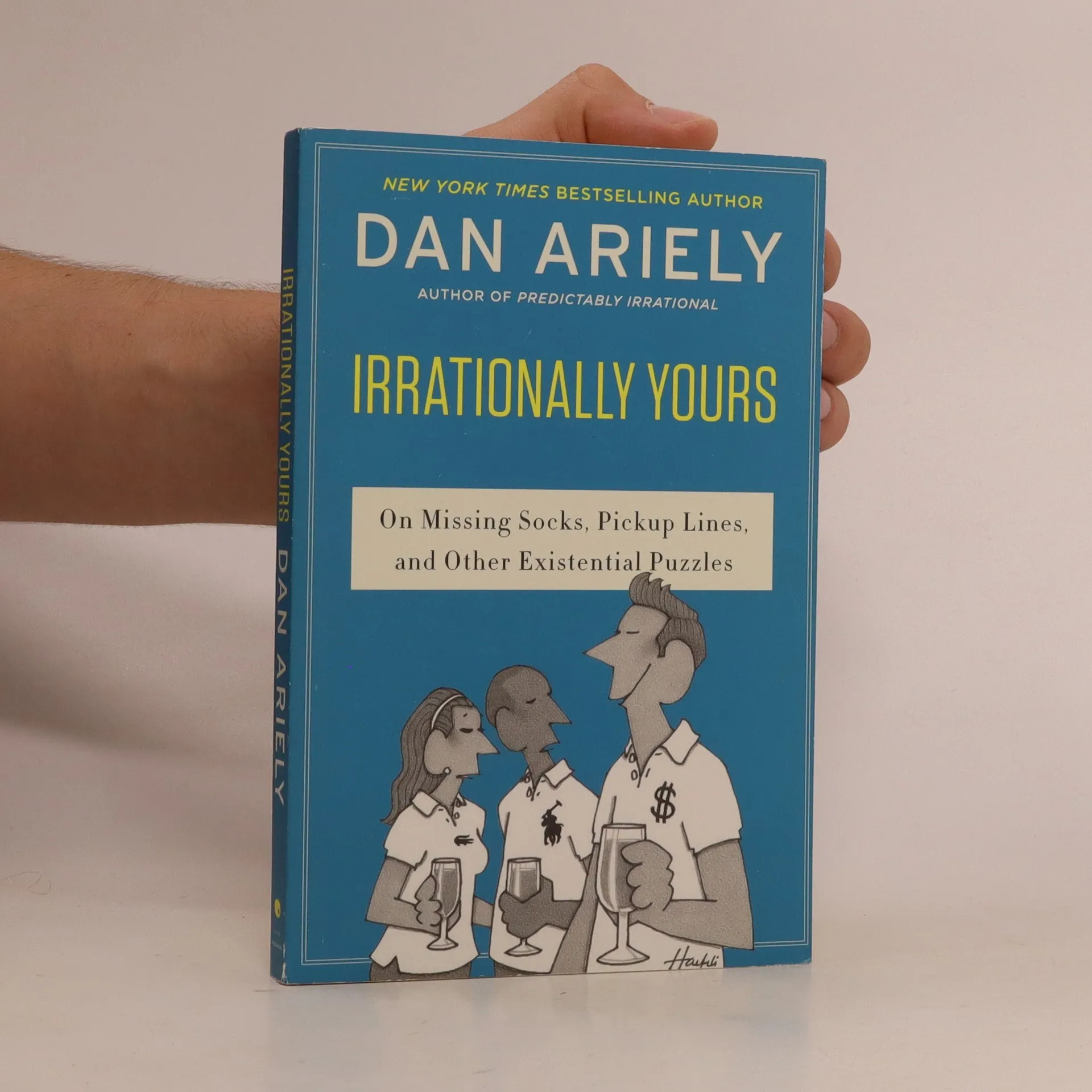
    Humour, Seriously
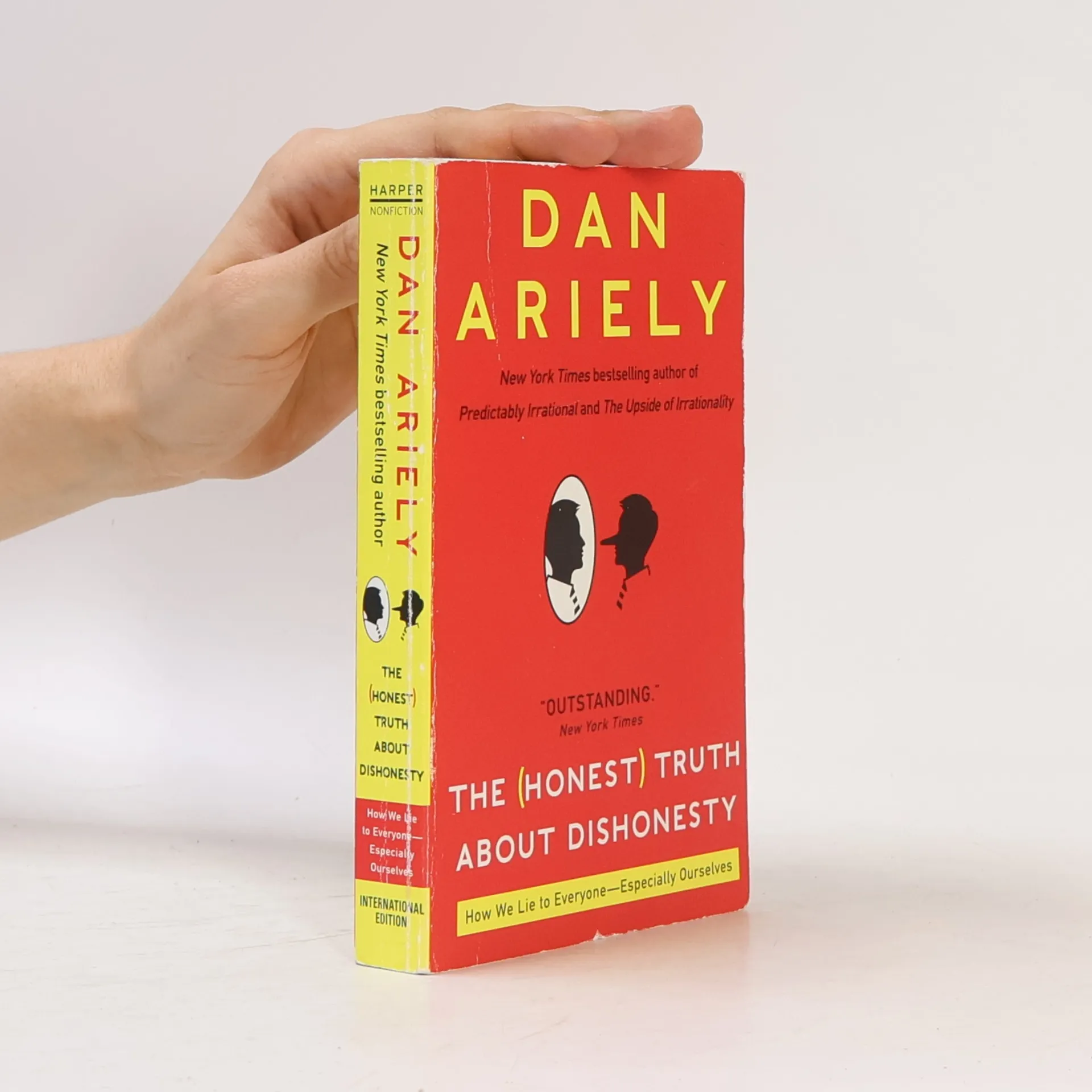
    The (honest) truth about dishonesty. How we lie to everyone, especially ourselves
    • A recent survey of more than 700 CEOs showed that 98% prefer job candidates with a sense of humour and 84% think that funny employees do better work. Psychologist Dr Jennifer Aaker and comedian Naomi Bagdonas' research has shown that humour makes us feel more competent and confident, strengthens relationships and boosts resilience during difficult times. Based on the popular course 'Humour: Serious Business' at Stanford's Graduate School of Business, where Aaker and Bagdonas help some of the world's most hard-driving, blazer-wearing business minds build levity into their organisations and lives, this book will show you how to use humour to: enhance creativity and problem-solving; influence and motivate others; build bonds and defuse tension within teams; create a culture where colleagues feel safe, appreciated and joyful.

      Humour, Seriously
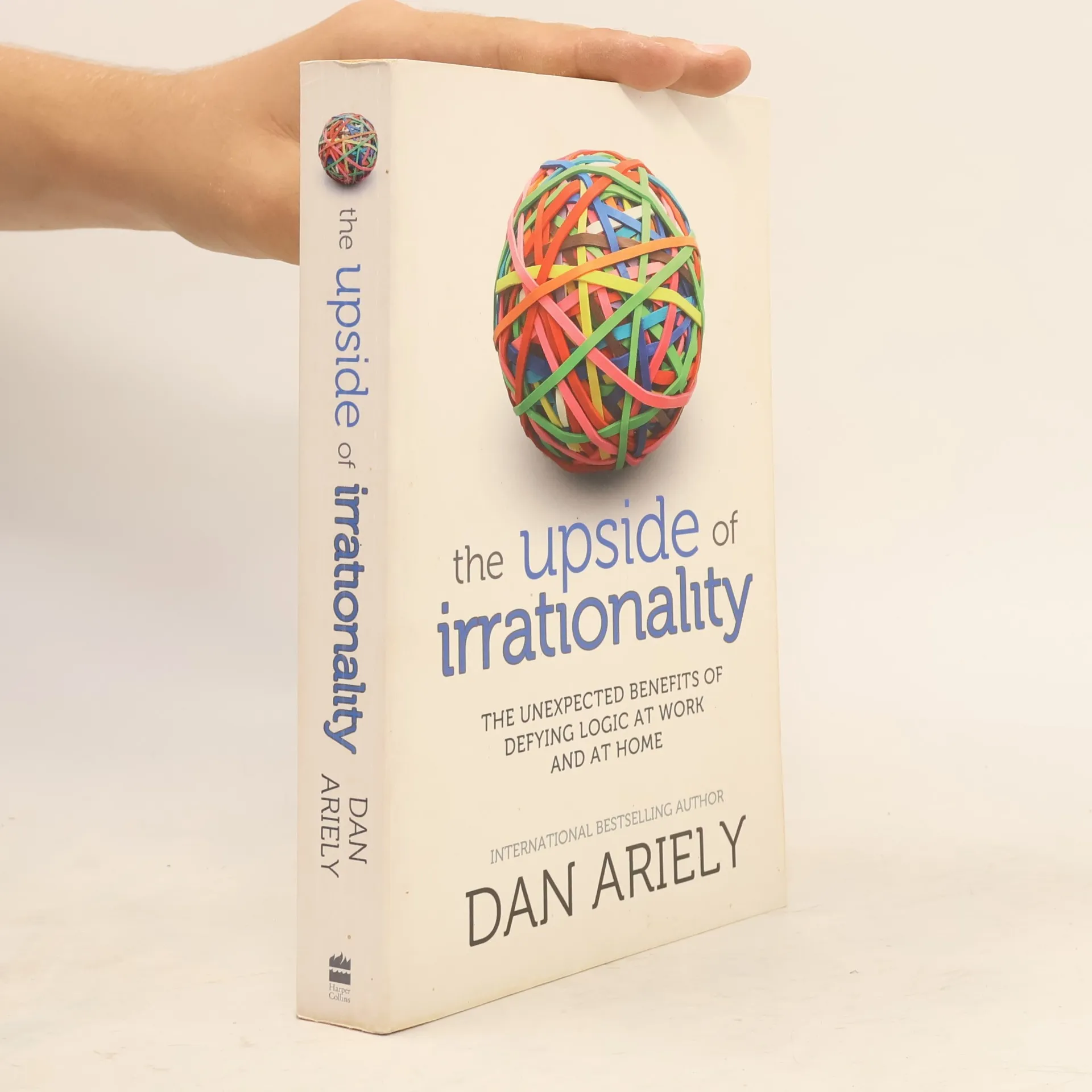
    • The Upside of Irrationality

      The Unexpected Benefits of Defying Logic at Work and at Home

      • 352pages
      • 13 heures de lecture
      4,1(215)Évaluer

      How can confusing directions actually help us? Why can large bonuses make CEOs less productive? Why is there such a big difference between what we think will make us happy and what really makes us happy? In his groundbreaking book Predictably Irrational, social scientist Dan Ariely revealed the multiple biases that lead us into making unwise decisions. Now, in The Upside of Irrationality, he exposes the surprising negative and positive effects irrationality can have on our lives. Focusing on our behaviors at work and in relationships, he offers new insights about how one unwise action can become a long-term habit, how we learn to love the ones we're with, and more. From our office attitudes, to our romantic relationships, to our search for purpose in life, Ariely explains how to break through our negative patterns of thought and behavior to make better decisions.--From publisher description.

      The Upside of Irrationality
    • An evaluation of the sources of illogical decisions explores the reasons why irrational thought often overcomes level-headed practices, offering insight into the structural patterns that cause people to make the same mistakes repeatedly.

      Predictably irrational
    • Dollars and Sense

      How We Misthink Money and How to Spend Smarter

      • 288pages
      • 11 heures de lecture
      4,0(61)Évaluer

      Exploring the psychology behind spending, this book delves into the emotional and cognitive processes that make transactions feel painful. It examines how various factors, such as social pressures, personal values, and economic behaviors, influence our relationship with money. Through engaging insights and research, the author reveals strategies to alleviate the discomfort associated with financial decisions, ultimately encouraging a healthier mindset towards spending and value.

      Dollars and Sense
    • Misinformation affects us daily, from social media to politics and even personal relationships. Policing social media alone cannot solve the complex problem shaped by partisan politics and subjective interpretations of truth.In Misbelief social scientist Dan Ariely explores the behaviour of 'misbelief' that leads people to distrust accepted truths and embrace conspiracy theor[Bokinfo].

      Misbelief
    • Shares anecdotal insight into the illogical influences behind poor financial decisions and how to outmaneuver them, covering topics ranging from credit-card debt and household budgeting to holiday spending and real estate sales

      Dollars and sense. Money Mishaps and How to Avoid Them
    • The (Honest) truth about dishonesty

      • 304pages
      • 11 heures de lecture
      3,9(99)Évaluer

      Dan Ariely, behavioral economist and the New York Times bestselling author of The Upside of Irrationality and Predictably Irrational, examines the contradictory forces that drive us to cheat and keep us honest, in this groundbreaking look at the way we behave: The (Honest) Truth About Dishonesty. From ticket-fixing in our police departments to test-score scandals in our schools, from our elected leaders’ extra-marital affairs to the Ponzi schemes undermining our economy, cheating and dishonesty are ubiquitous parts of our national news cycle—and inescapable parts of the human condition. Drawing on original experiments and research, in the vein of Freakonomics, The Tipping Point, and Survival of the Sickest, Ariely reveals—honestly—what motivates these irrational, but entirely human, behaviors.

      The (Honest) truth about dishonesty
    • The Honest Truth about Dishonesty

      How We Lie to Everyone--Especially Ourselves

      • 336pages
      • 12 heures de lecture
      3,9(382)Évaluer

      Challenging conventional views on dishonesty, this thought-provoking work encourages readers to examine their own perceptions and behaviors regarding honesty. The author, known for bestselling titles, delves into the complexities of human nature and deception, prompting a deeper reflection on moral choices and the societal implications of dishonesty.

      The Honest Truth about Dishonesty
    • Bestselling author Dan Ariely delves deep into the nature of motivation and money matters, revealing surprising evidence that the way motivation works is far more complex than we imagine.

      Payoff