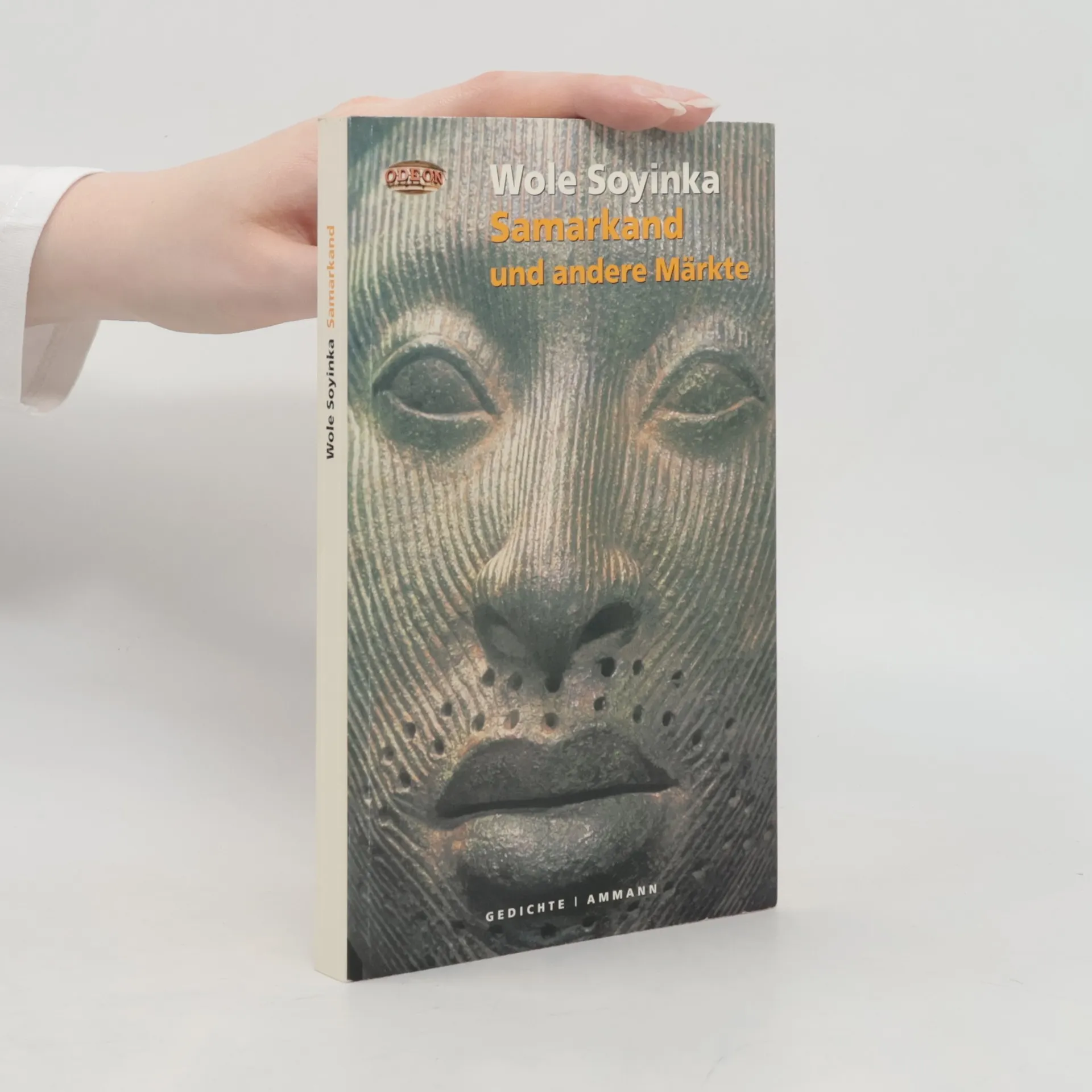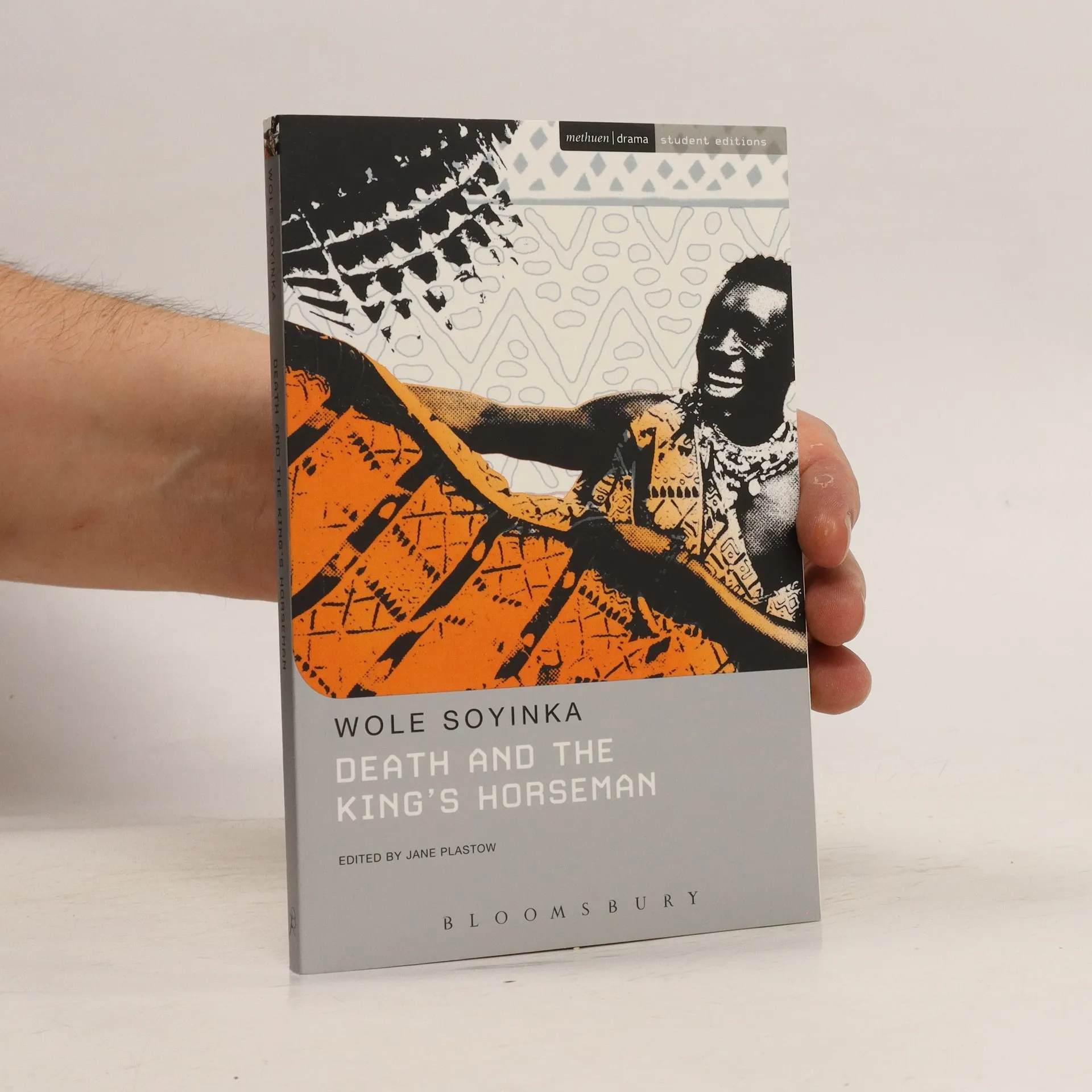

Wole Soyinka Livres
Lauréat du prix Nobel de littérature, cet auteur est célébré pour une œuvre qui, "avec une large perspective culturelle et des tonalités poétiques, façonne le drame de l'existence". Son écriture explore de profondes questions existentielles avec un style et une profondeur distinctifs. Grâce à sa capacité unique à saisir l'essence de la condition humaine, ses créations sont devenues une contribution significative à la littérature mondiale. Les lecteurs peuvent s'attendre à des récits captivants qui explorent les complexités de la vie.


Season of Anomy
- 320pages
- 12 heures de lecture
From the first Black winner of the Nobel Prize in Literature and one of our fiercest political activists—this political novel about the dangers of corruption, greed, and the desire for power is the follow-up to his acclaimed debut novel The Interpreters. An African nation's struggle for independence is interwoven with a tragic love story in this compelling novel. When Ofeyi, who writes advertising jingles for the Cocoa Corporation, is sent on a promotional tour of his unnamed country, he arrives at a coastal village whose remote location has long kept it insulated from the corrupt national government. Here Ofeyi discovers a traditional way of life that is still flourishing and he is inspired to spread its life-affirming values to his suffering country. But challenging the forces of greed and exploitation provokes a horrific response, and when Ofeyi’s beloved wife goes missing, he must travel across a war-scarred landscape in search of her. Infusing the myth of Orpheus with his signature lyricism and moral profundity, Soyinka creates a dazzling story about the clash between idealism and reality.
The translation captures the essence of ancient Greek theater through a vibrant and rhythmic interpretation. Wole Soyinka transforms "The Bacchae" into a lively communal celebration, emphasizing themes of life, nature, and the human psyche. He portrays the narrative as a grand banquet that reflects humanity's connection to the earth and the cyclical nature of existence. This unique blend of Euripides' original work and Soyinka's poetic vision creates a powerful and unforgettable theatrical experience.
Beyond Aesthetics
- 144pages
- 6 heures de lecture
An intimate reflection on culture and tradition, creativity and power, that draws on a lifetime’s commitment to aesthetic encounterThe playwright, poet, essayist, novelist, and Nobel Laureate Wole Soyinka is also a longtime art collector. This book of essays offers a glimpse into the motivations of the collector, as well as a highly personal look at the politics of aesthetics and collecting. Detailing moments of first encounter with objects that drew him in and continue to affect him, Soyinka describes a world of mortals, muses, and deities that imbue the artworks with history and meaning. Beyond Aesthetics is a passionate discussion of the role of identity, tradition, and originality in making, collecting, and exhibiting African art today. Soyinka considers objects that have stirred controversy, and he decries dogmatic efforts—whether colonial or religious—to suppress Africa’s artistic traditions. By turns poetic, provocative, and humorous, Soyinka affirms the power of collecting to reclaim tradition. He urges African artists, filmmakers, collectors, and curators to engage with their aesthetic and cultural histories.Published in association with the Hutchins Center for African & African American Research
Based on real events that took place in Oyo, the ancient Yoruba city of Nigeria, in 1946, Nobel Prize-winner Wole Soyinka's play tells how Simon Pilkings, a well-meaning District Officer, intervenes to prevent the ritual suicide of the Yoruba chief, Elesin. This Student Edition includes a full introduction, commentary and questions for study.
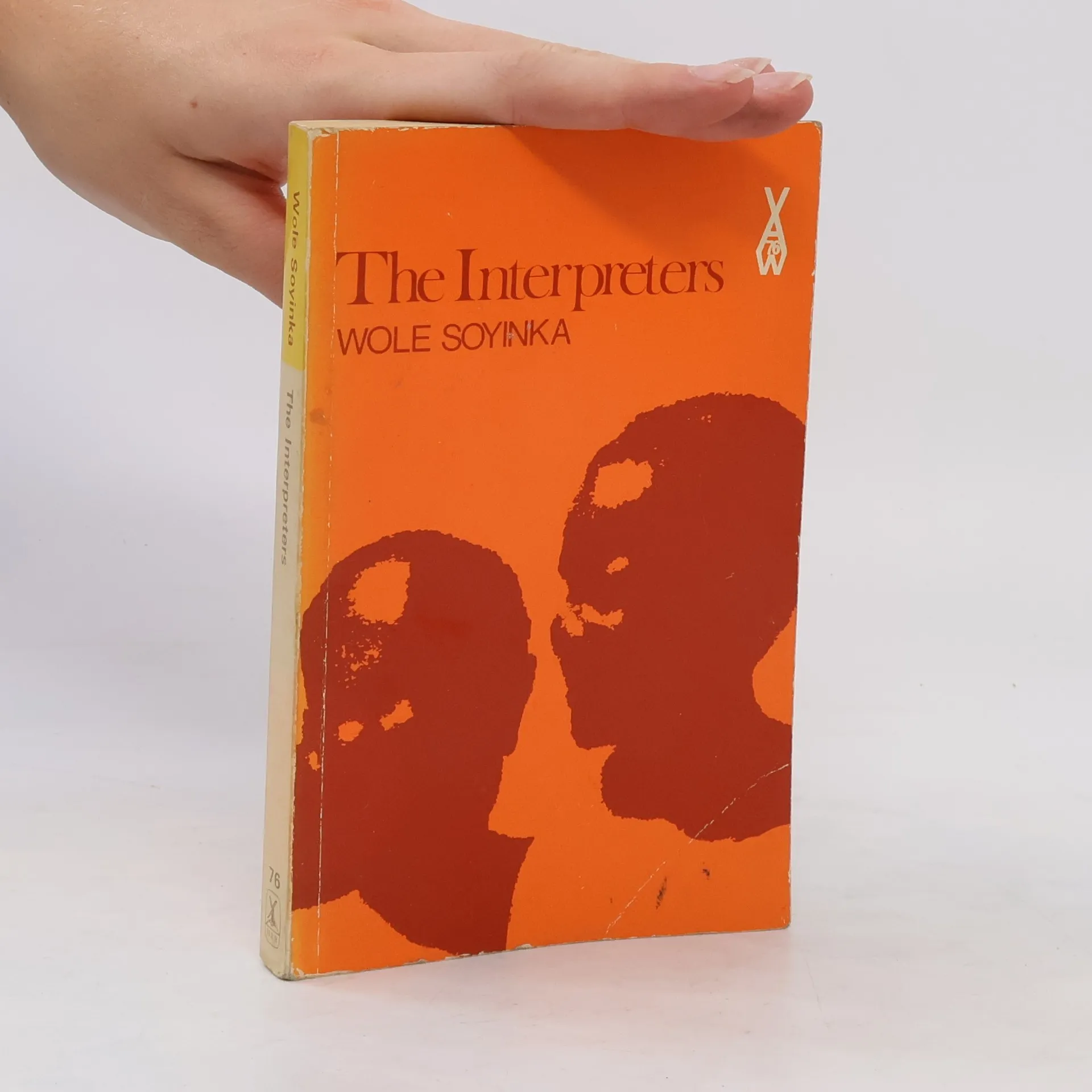
A gang of Nigerian intellectuals are trying to make something worthwhile of their lives and talents in a society where corruption and consequence, cynicism, social climbing and confirming give them alternate cause for despair and laughter. This book won the Nobel Prize in 1986.
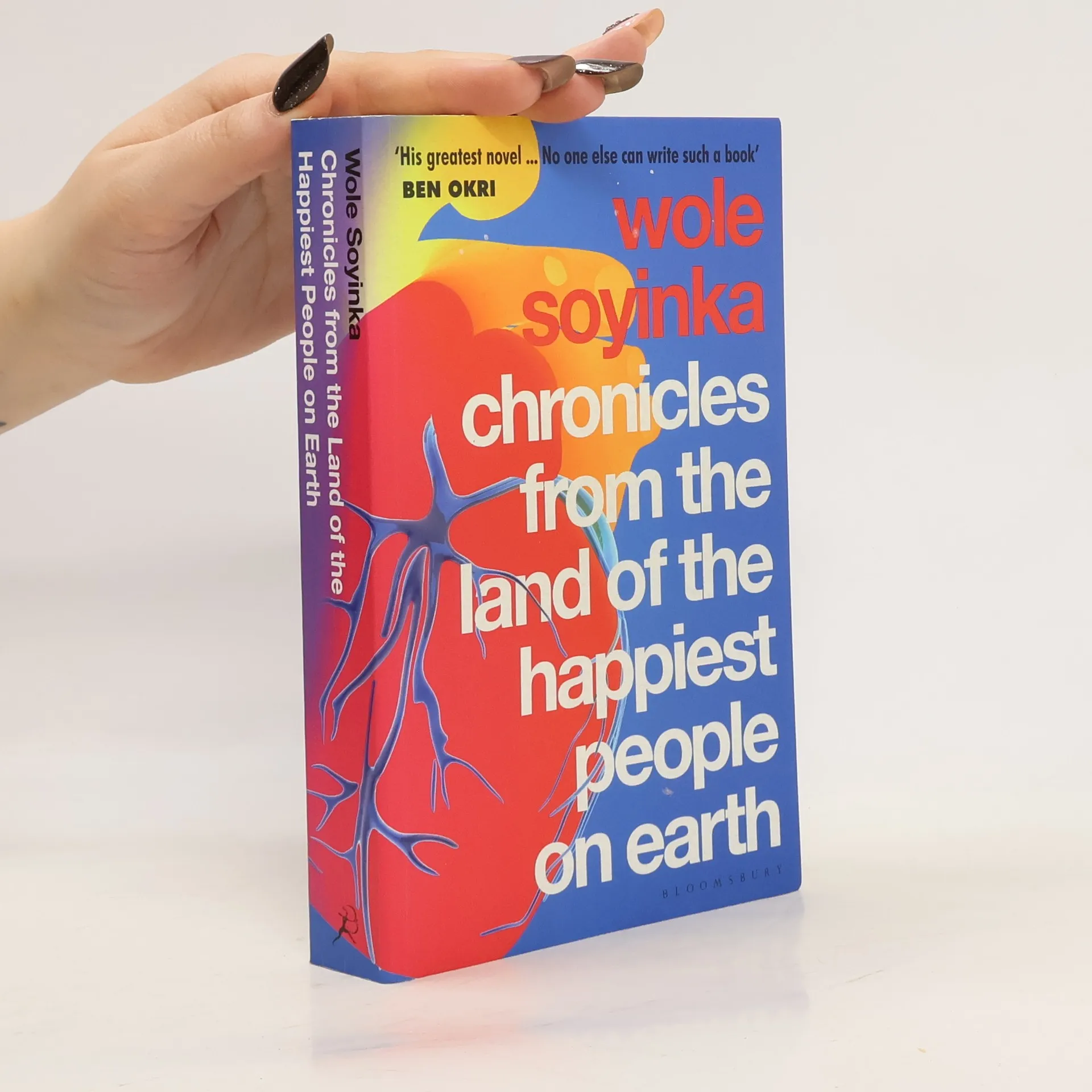
"A towering figure in world literature gives us a tour de force, his first novel in nearly one-half century: a savagely satiric, gleefully irreverent, rollicking, fictional meditation on how power and greed can corrupt the soul of a nation. ("You don't see things the same way when you encounter a voice like that."-Toni Morrison) In an imaginary Nigeria, a cunning entrepreneur is selling body parts stolen from Dr. Menka's hospital for use in ritualistic practices. Dr. Menka shares the grisly news with his oldest college friend, bon viveur, star engineer, and Yoruba royal, Duyole Pitan-Payne-the life of every party- who is about to assume a prestigious post at the United Nations in New York. It now seems that someone is determined that he not make it there. Neither Dr. Menka nor Duyole knows why, or how close the enemy is, how powerful. Chronicles from the Land of the Happiest People on Earth is at once a literary hoot, a crafty whodunit, and a scathing indictment of Nigeria's political elite. It is a stirring call to arms against the abuse of power from one of that country's fiercest political activists, who just happens to be a global literary giant"--.
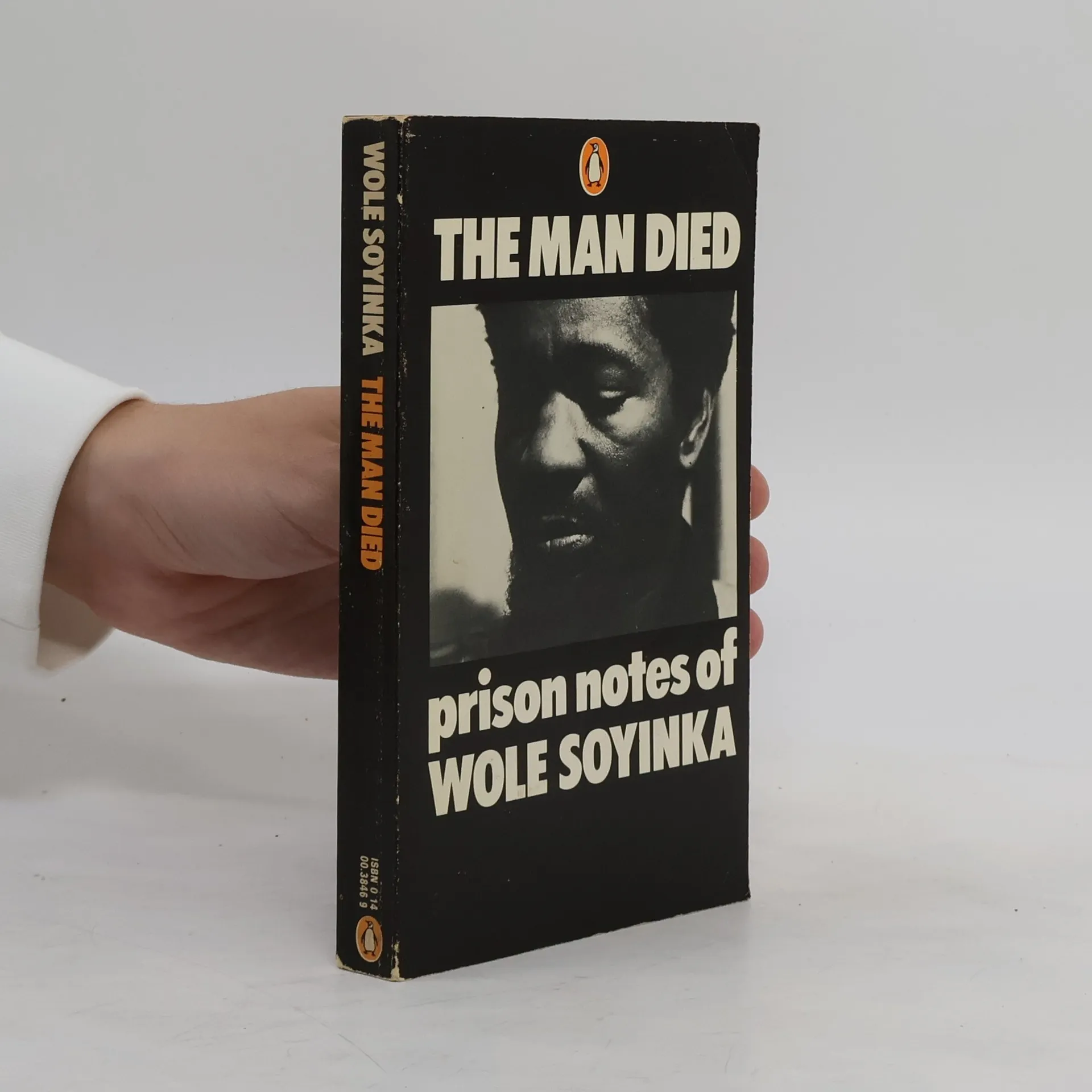
The Man Died
Prison Notes of Wole Soyinka
The Nobel Prize-winning African writer, Wole Soyinka, was imprisoned without trial by the federal authorities at the start of the Nigerian Civil War. Here he records his arrest and interrogation, the efforts made to incriminate him, and the searing mental effects of solitary confinement.
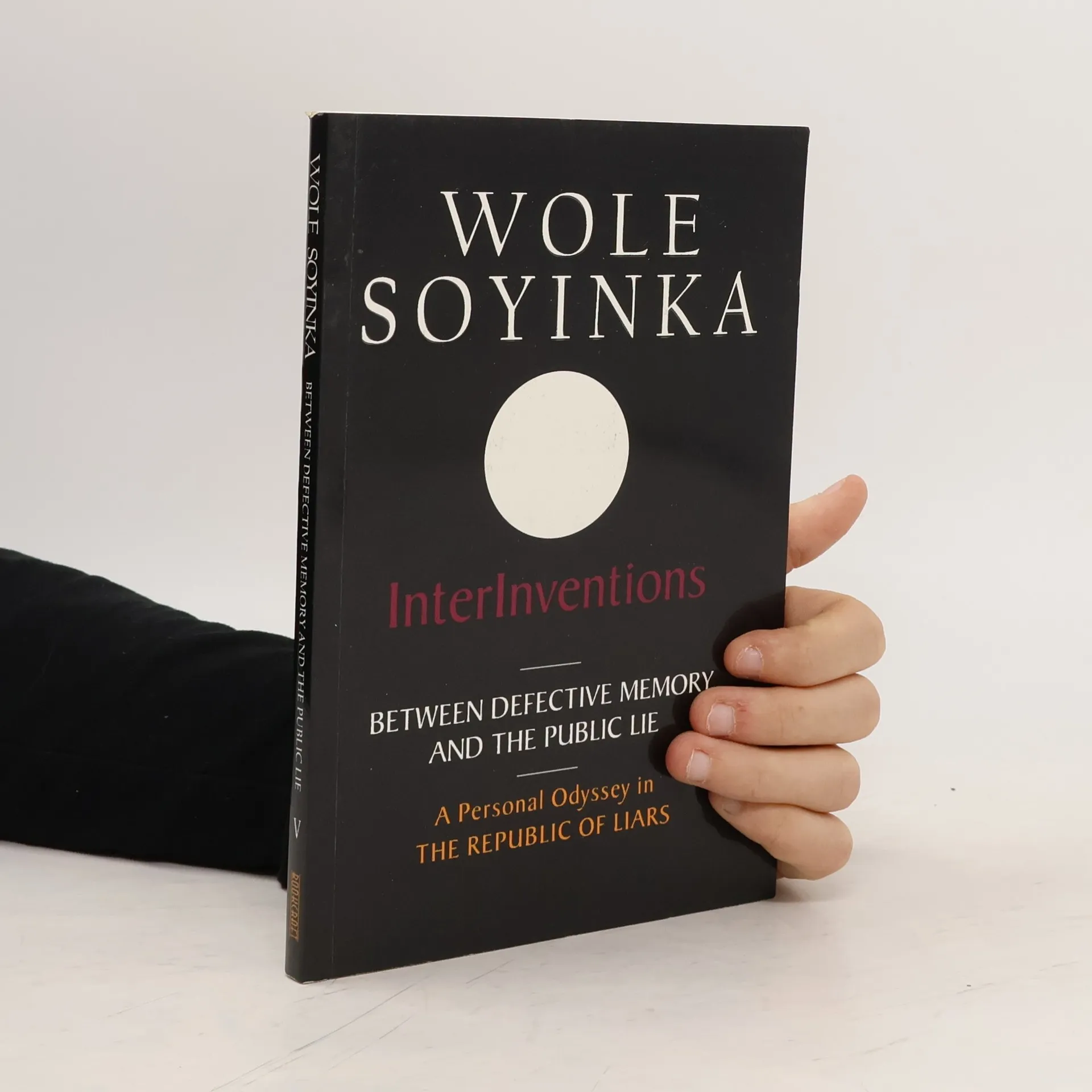
InterInventions
Between Defective Memory and the Public Lie; a Personal Odyssey in the Republic of Liars
- 136pages
- 5 heures de lecture
“(InterInventions), it is the nastiest book I have ever written. It is so truthful that it hurts… it is my vengeance against public lies. It is not one of the butterfly books. No, it is not a butterfly book. “I want to draw blood (with it). I’m warning all of you, if you feel vengeful, read this book and you will be alright. It is like homoeopathic medicine,” Wole Soyinka said at the launch of the book.