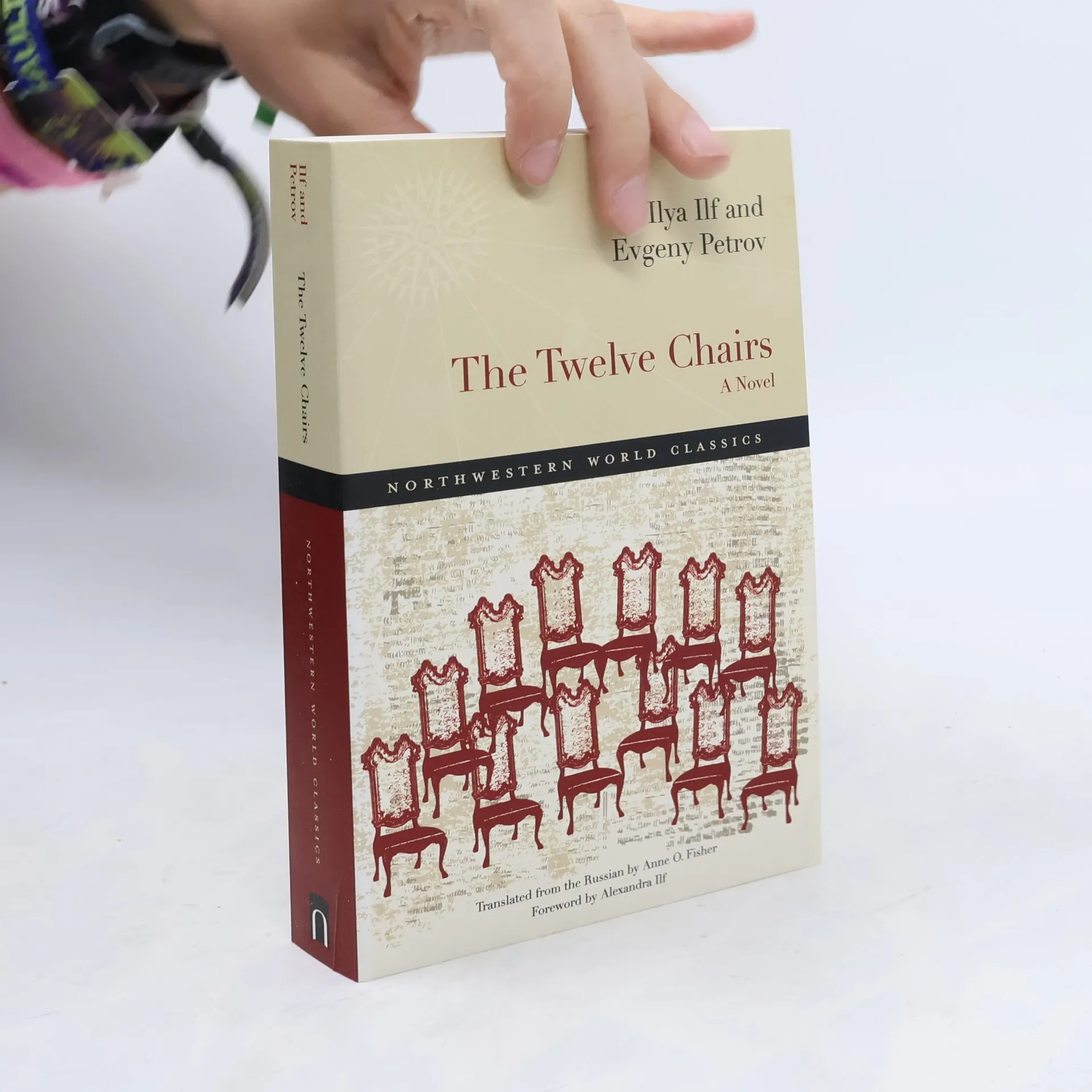
The funniest novel of the Soviet era, this translation is based on the uncensored original thus restoring missing passages. Set during the New Economic Policy, con man Ostap Bender and his merry band of mischief makers set of on a raucously funny jaunt across the 'wild west' of the early Soviet Union. Their mark is Alexander Koreiko, another shady figure who exploited the corruption and chaos of the NEP to become an underground millionaire. Once Bender hears of Koreiko, the chase is on.
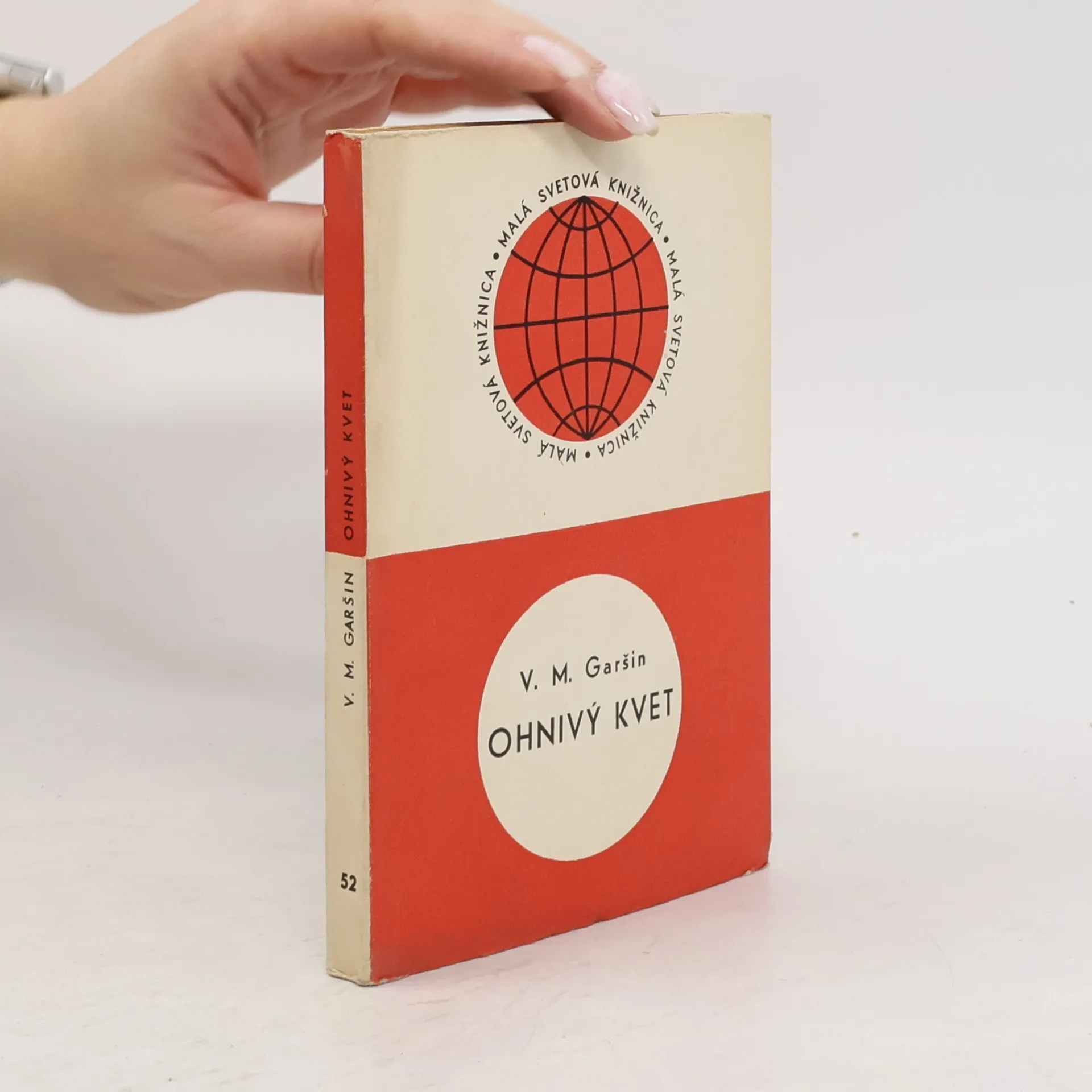
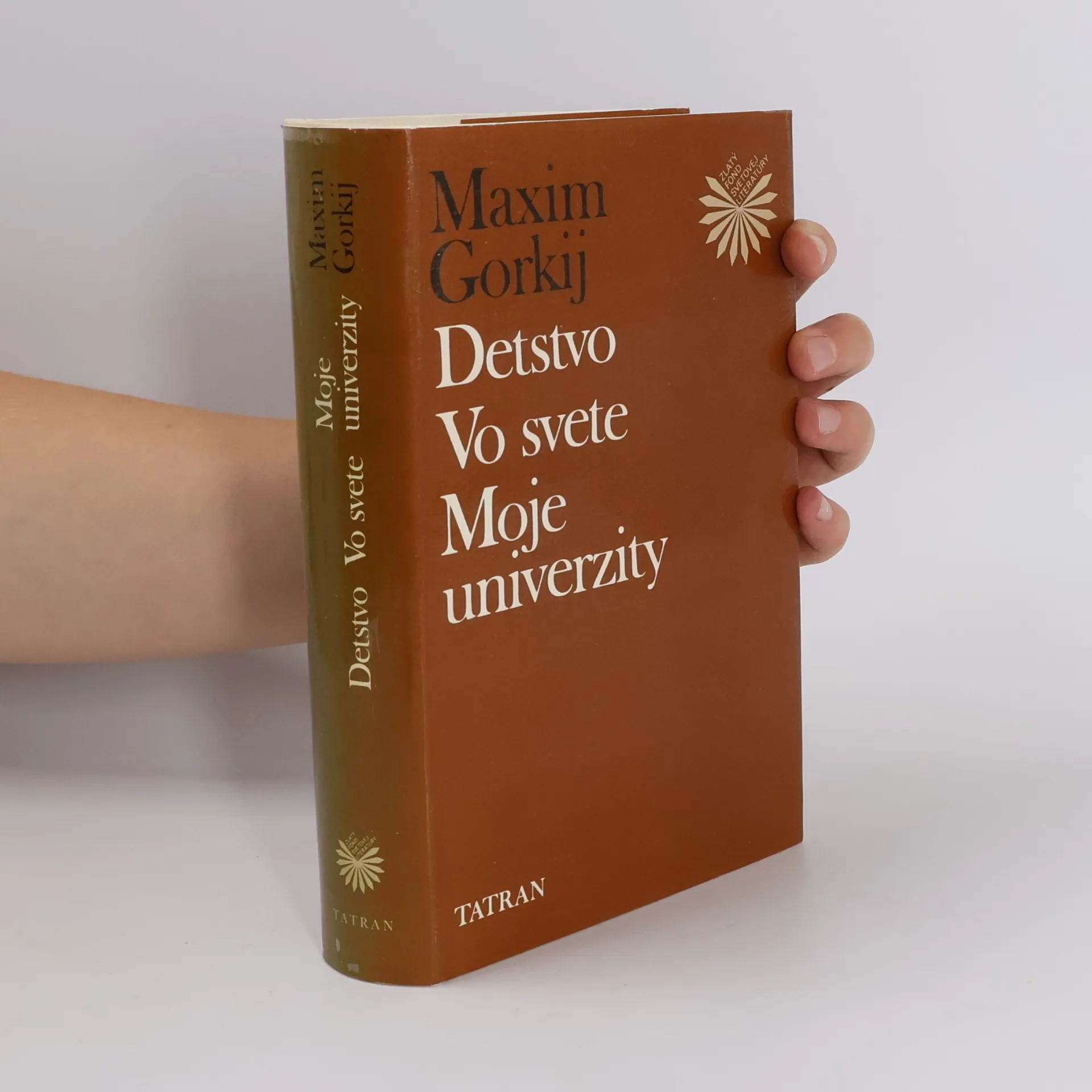
Výber poviedok. Jednou z najlepších z nich je poviedka Ohnivý kvet, zachytávajúca tragédiu jednotlivca, ale aj márnu revoltu a pošliapaný sen celej garšinovskej generácie. Garšin patrí ku klasikom ruskej poviedky a hlbokou láskou k človeku i citlivým prienikom do ľudskej duše sa podobá najmäČechovovi. Avšak psychologickou prenikavosťou s motívmi fantastickosti a symbolickosti je blízky aj Dostojovskému a Turgenevovi. 2. vyd., v tomto výbere prvé.
Long recognised as a timeless comic masterpiece-it inspired a Mel Brooks film
a half century after its publication-The Twelve Chairs appears now in a lively
new translation by Anne O. Fisher. Fisher, the most gifted interpreter of Ilf
and Petrov in the English language, balances fidelity to the text and the
authors' characteristic, deeply resonant humour.
Le court roman « Une journée d'Ivan Denissovitch », écrit par Alexandre Soljenitsyne, est publié en 1962. C'est la première œuvre de l'auteur et un témoignage poignant sur la souffrance d'une génération face à la réalité stalinienne. Le récit dépeint le quotidien d'un camp de travail stalinien, s'inspirant des expériences personnelles de l'auteur. L'histoire se déroule un jour choisi au hasard en 1951, centré sur le prisonnier n° 854, l'ancien charpentier Ivan Denisovitch Suchov. Cet homme simple, de mentalité paysanne, a passé huit ans dans ce camp. La narration décrit minutieusement son emploi du temps, du lever au coucher, mettant en lumière sa lutte pour la survie. Suchov parvient à traverser cette journée grâce à son adaptation à la vie du camp et à la préservation de sa dignité humaine. Il n'est pas un martyr, mais illustre comment un homme peut résister dans un existence dépourvue de sens. Le monde du camp se présente comme un microcosme clos, sans lien avec la vie extérieure, où le temps semble suspendu, sans passé ni futur. À sa parution, le roman suscite de vives discussions en Union soviétique.
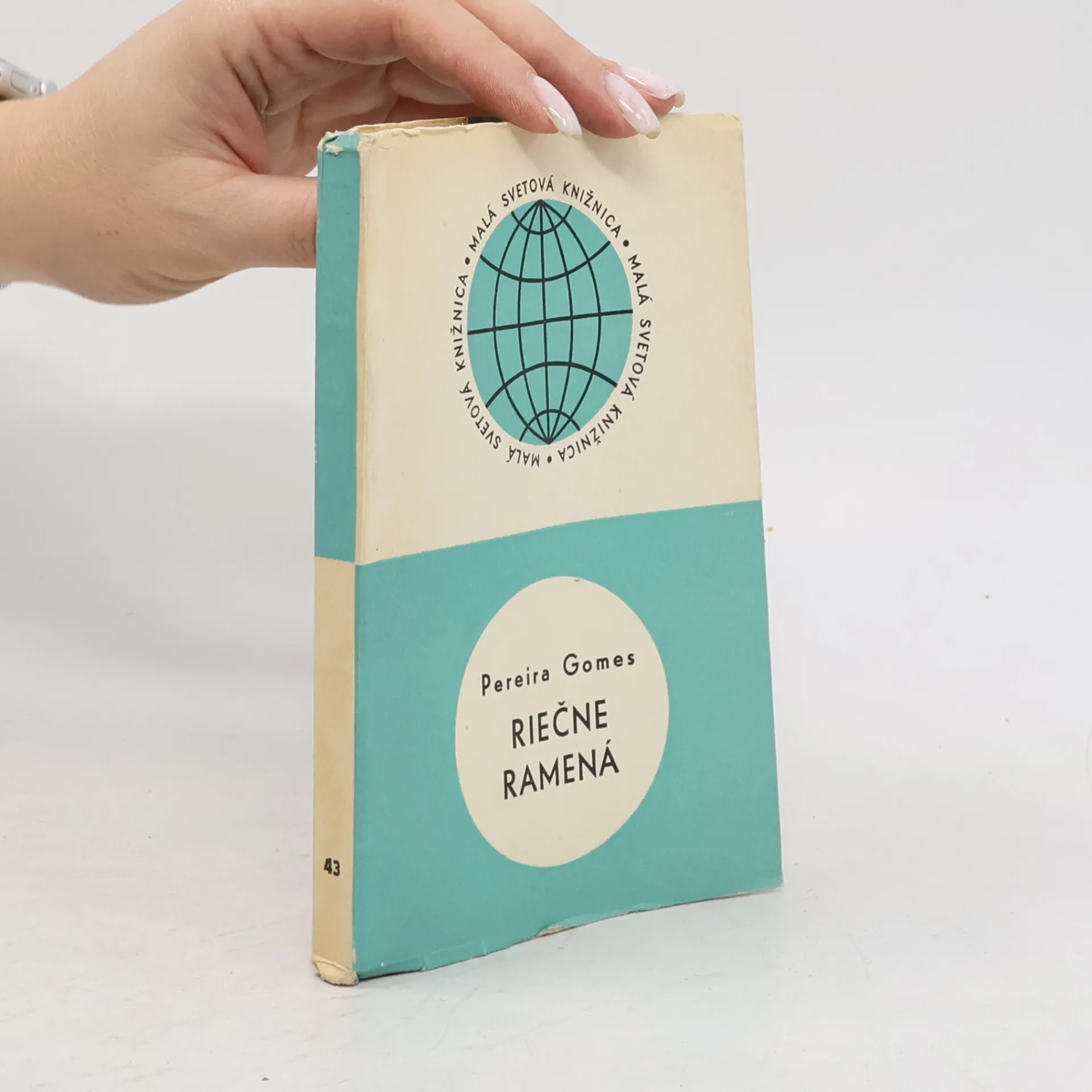
Gomes venoval riečne ramená „deťom ľudí, ktorí nikdy neboli deťmi“. No Riečne ramená nie sú knihou pre deti. Je to otriasajúce svedectvo o neradostnom detstve v salazarovskom Portugalsku. Deti sú najbezbrannejšou obeťou fašistického režimu a jeho najväčšou obžalobou. Vysoká detská úmrtnosť, podvýživa, ťažká práca, nedostatočné školské vzdelanie, predčasné dospievanie, prostitúcia, detská zločinnosť, to sú pliagy, ktoré nivočia sily mladého portugalského pokolenia.