Bookbot

Thomas Erl

    1 janvier 1967
    Thomas Erl
    SOA Design Patterns
    Service-oriented Architecture
    Cloud computing : concepts, technology and architecture
    SOA : principles of service design
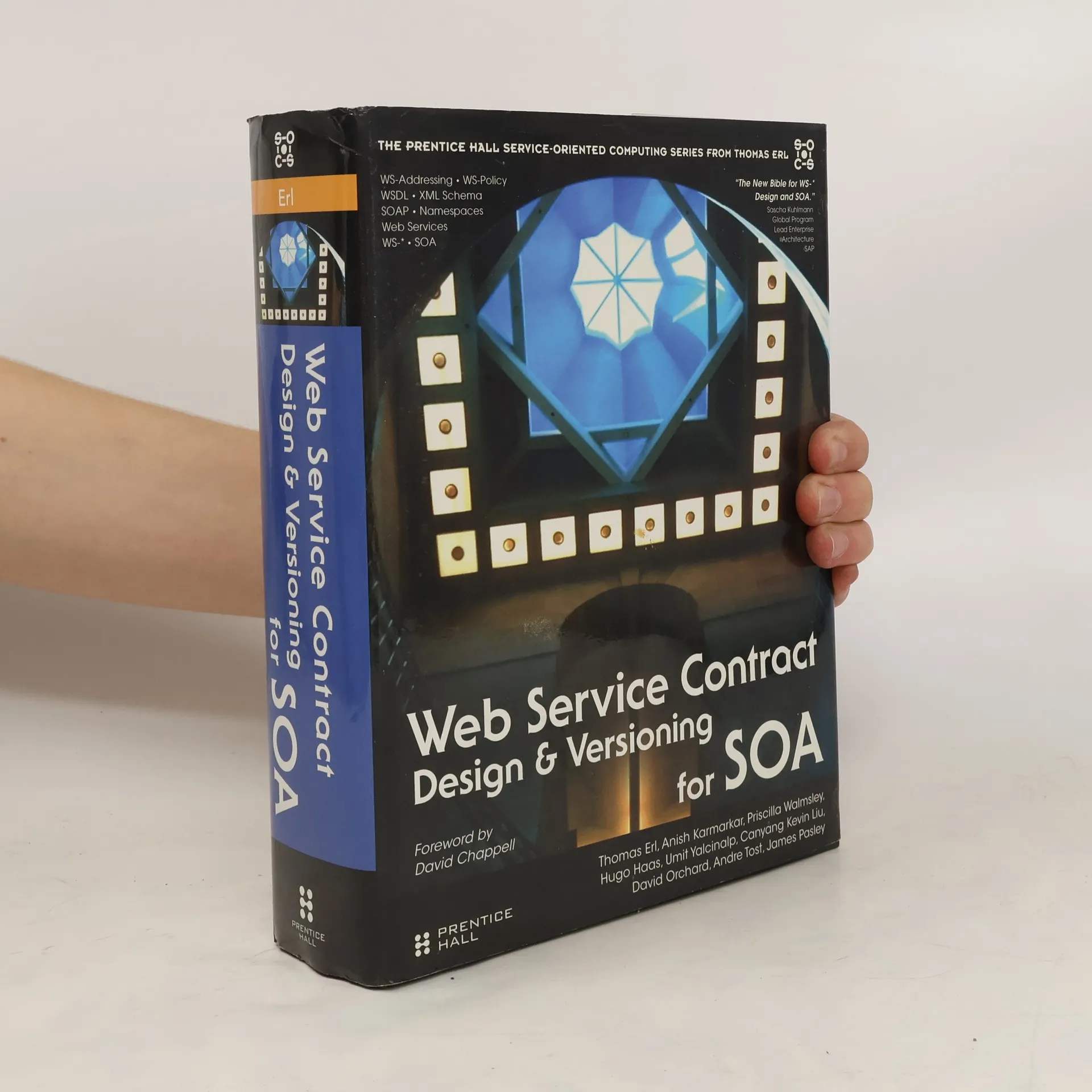
    Web Service Contract Design and Versioning for SOA
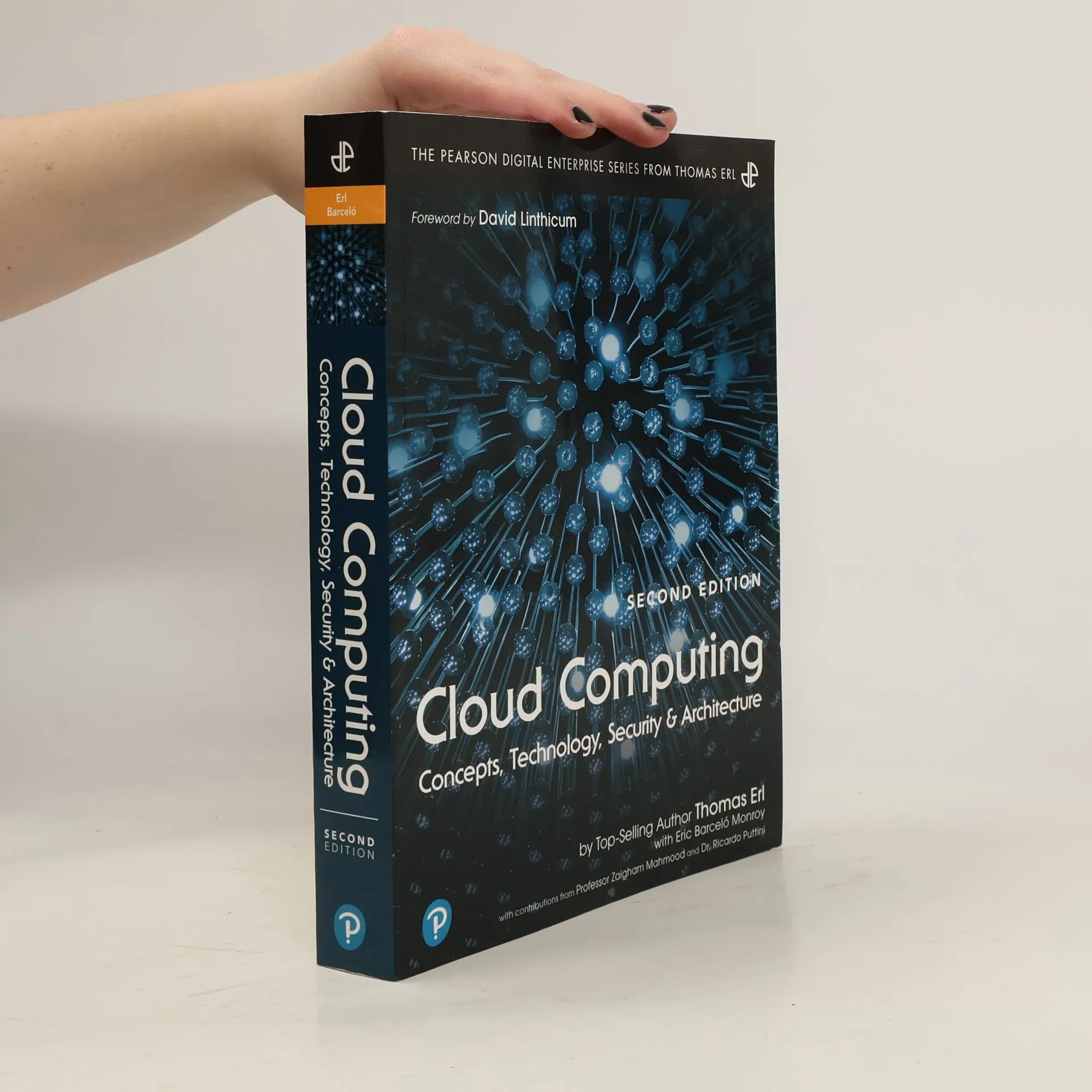
    Cloud Computing
    • SOA : principles of service design

      • 608pages
      • 22 heures de lecture

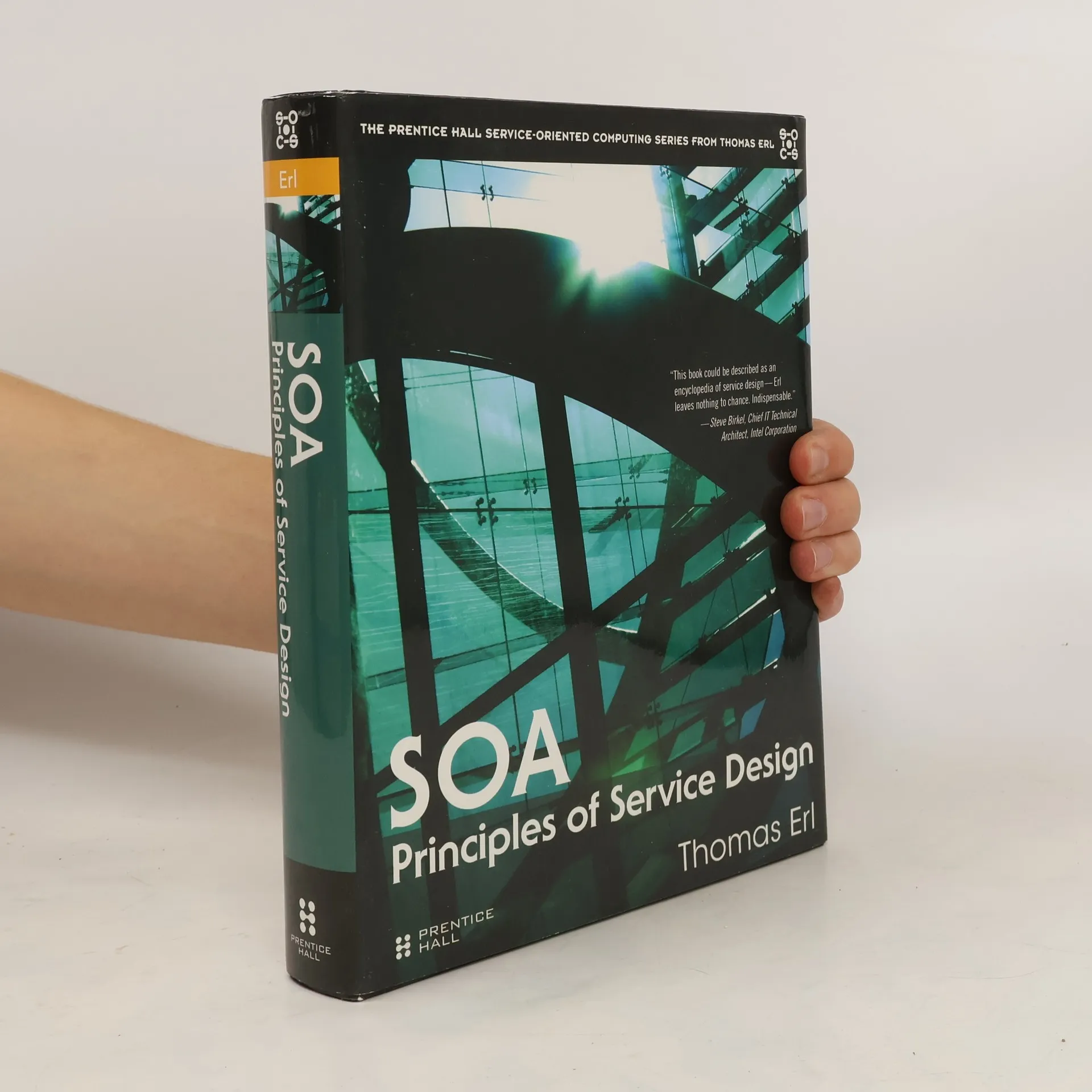
      The bulk of the book covers design principles, with material on service contracts, service coupling, service abstraction, reusability, and service autonomy. Final chapters offer a comparison of service-orientation and object orientation, and look at supporting practices

      SOA : principles of service design
      3,7
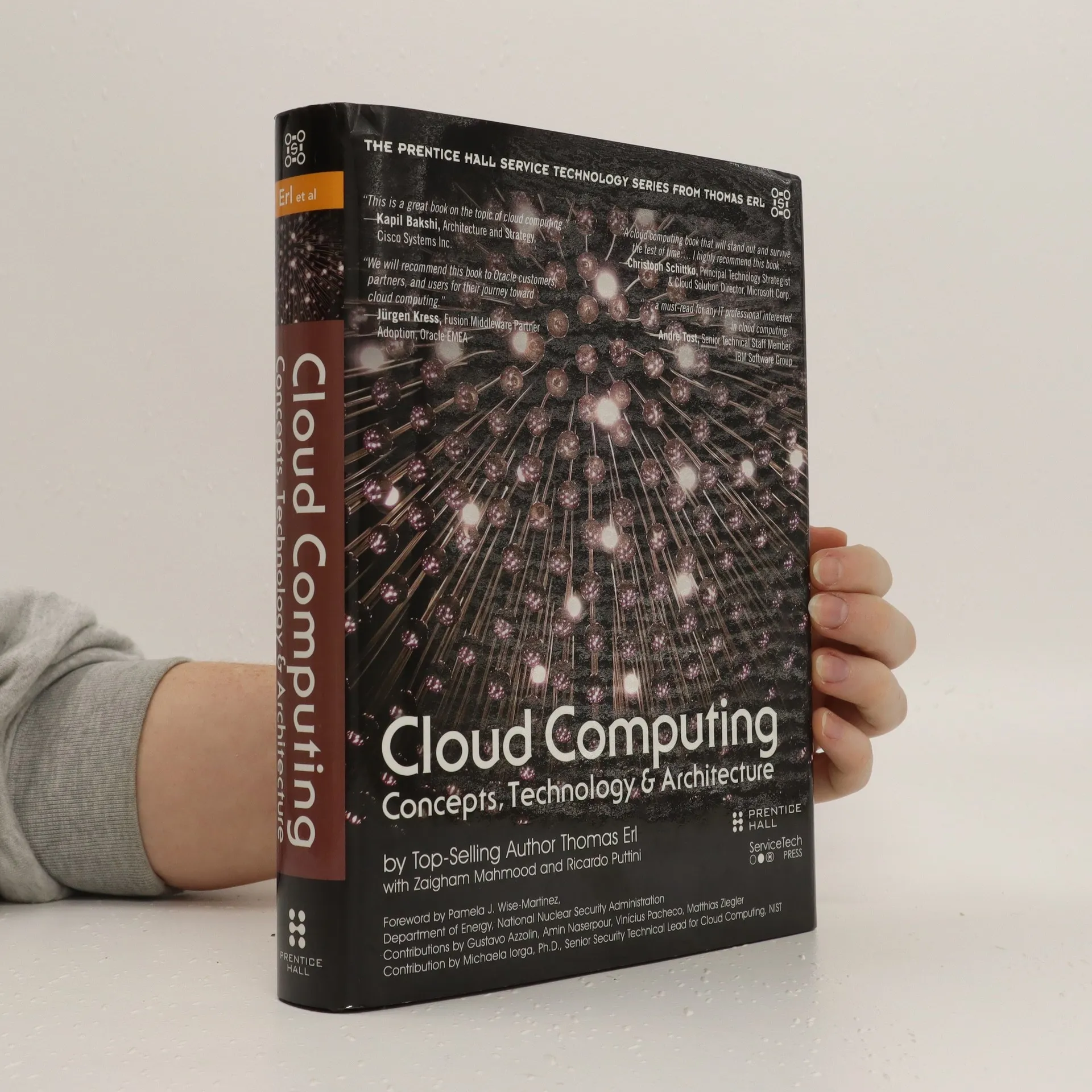
    • This book describes cloud computing as a service that is "highly scalable" and operates in "a resilient environment". The authors emphasize architectural layers and models - but also business and security factors.

      Cloud computing : concepts, technology and architecture
      3,7
    • Service-oriented Architecture

      • 792pages
      • 28 heures de lecture

      The first start-to-finish, step-by-step guide to modeling and designing SOA. Using Service-Oriented Architecture (SOA), enterprises can deliver high-value business services more rapidly and effectively, and gain unprecedented flexibility and value from existing IT infrastructure. SOA has earned the support of virtually every major software provider, and some 75% of enterprises surveyed are now investing in SOA technology and expertise. In Service-Oriented Architecture: Concepts, Technology, and Design, the author of 2004's best-selling SOA book presents the first end-to-end-tutorial for modeling and designing successful service-oriented architectures from the ground up. Writing in plain English, Thomas Erl provides step-by-step process descriptions for analyzing and designing any service or service-oriented business process definition.

      Service-oriented Architecture
      3,7
    • A formal catalog that provides a pattern language for building service-oriented solutions through solving common design problems, this text offers expert guidance in the form of proven design patterns (and anti-patterns) to minimize the risk and maximize the potential of service delivery in support of SOA.

      SOA Design Patterns
      3,6
    • Cloud computing design patterns

      • 592pages
      • 21 heures de lecture

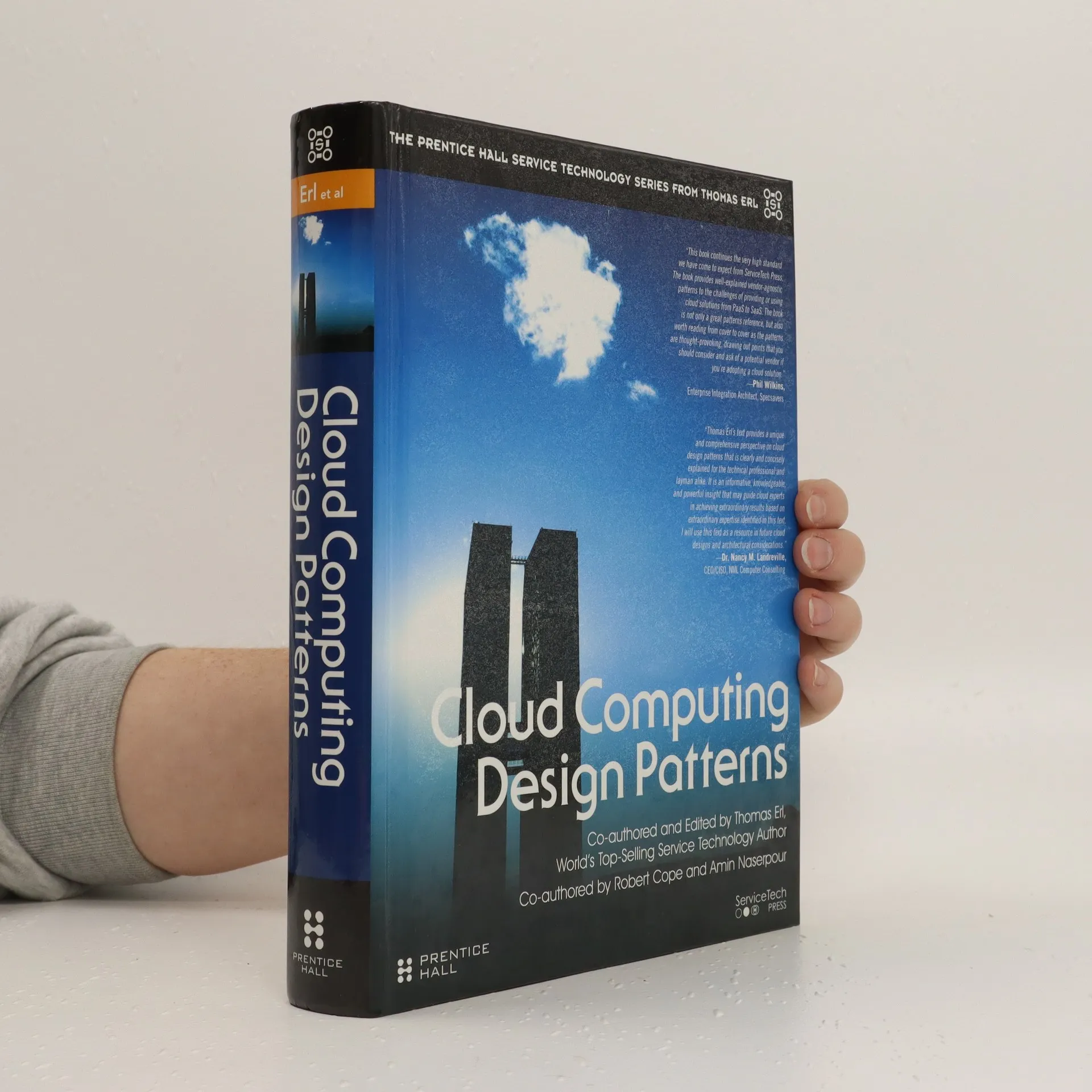
      This book upholds the high standards of ServiceTech Press, offering vendor-agnostic patterns to address challenges in cloud solutions, from PaaS to SaaS. It serves as both a valuable reference for patterns and a thought-provoking read, prompting critical questions for potential vendors when adopting cloud solutions. Thomas Erl's work presents a unique perspective on cloud design patterns, clearly explained for both technical professionals and laypersons. The text is a powerful resource for cloud experts seeking extraordinary results, making it essential for future cloud designs and architectural considerations. Over two years in development, this comprehensive catalog features 100+ design patterns that illustrate proven solutions to common cloud challenges, supported by over 300 diagrams. Key topics include scalability, elasticity, reliability, resiliency, recovery, data management, and storage. The book also covers cloud security extensively, addressing networking safeguards, identity systems, trust assurance, and auditing. With unprecedented technical depth, it is an indispensable resource for cloud technology architects, solution designers, developers, administrators, and managers. Key areas discussed encompass enabling scalable network access, optimizing multitenant environments, ensuring operational resiliency, provisioning cloud resources, implementing security controls, and monitoring cloud security. The book also tac

      Cloud computing design patterns
    • The Prentice Hall Service-Oriented Computing Series from Thomas Erl: SOA Governance

      Governing Shared Services On-Premise and in the Cloud

      • 663pages
      • 24 heures de lecture

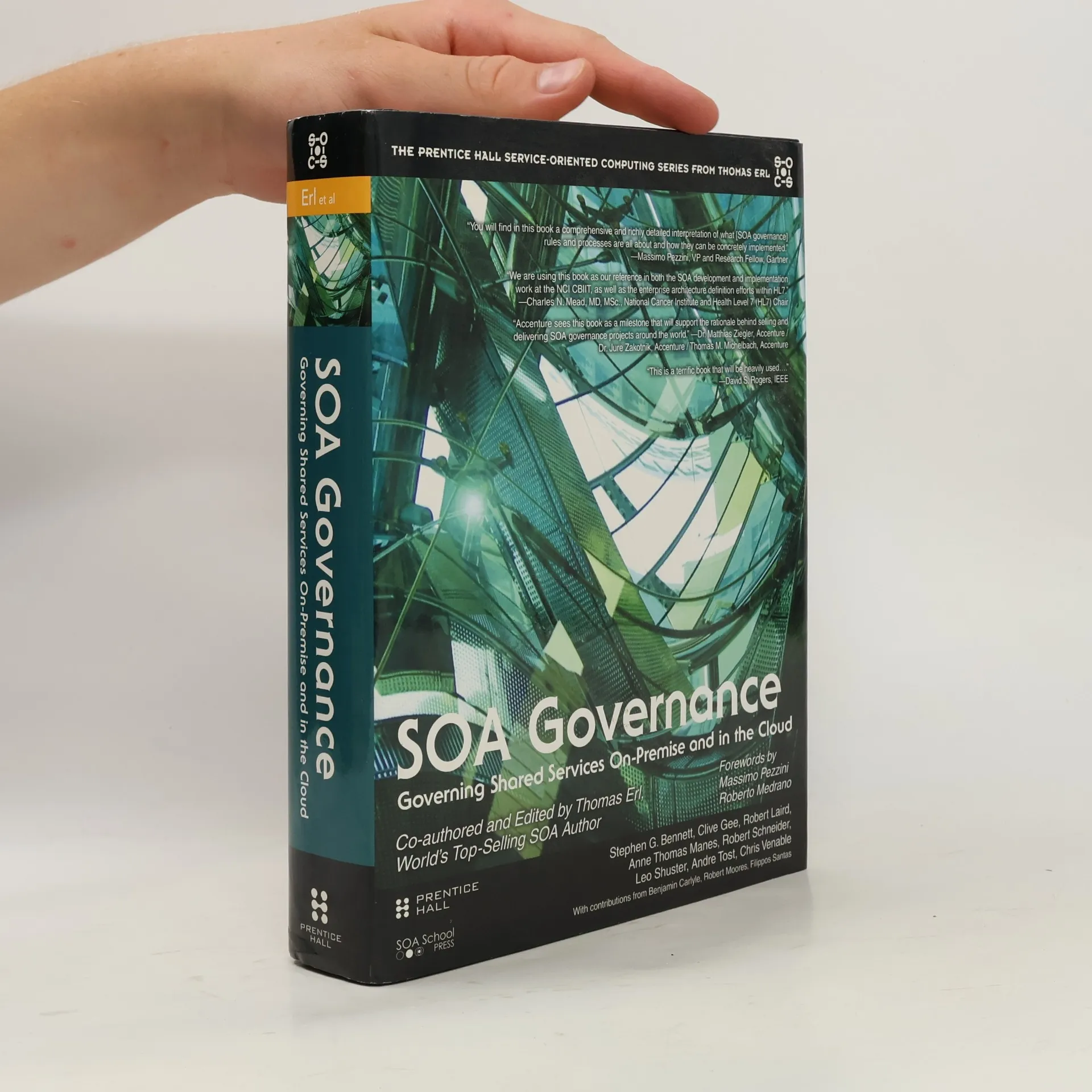
      "This book provides an indispensable guide for establishing a firm SOA governance foundation. Easy to read, comprehensive, pragmatic...excellent job." <i>--Nick Laqua, Enterprise SOA Architect, Cathay Pacific Airways</i> "<i>SOA Governance</i> is a must-read that provides an in-depth look at the organizational, managerial, procedural, and technical aspects that any SOA project needs to consider. If you're investing in SOA, you'll benefit greatly by having this excellent resource available to you as you contend with the many challenges of creating your own SOA governance." <i>--David E. Michalowicz, Principal, Information Systems Engineer, The MITRE Corporation</i> "With this book Thomas Erl [and his team] do a great job in outlining a framework to implement an SOA governance program. For each stage of the project lifecycle, necessary governance precepts and processes are described concretely by referring to the service-orientation principles and SOA patterns. This makes it an indispensable source of information for any SOA practitioner or any professional who plans to start an SOA initiative." <i>--Jean-Paul De Baets, Principal SOA Architect, Fedict (Belgian Federal Government Information and Communication Technology Service)</i> "This book on SOA governance provides both thoughtful and carefully crafted narrative and the supplementation of poignant real-world case studies that will help practitioners calibrate guidance to realities on the ground. This is a terrific book that will be heavily used--with tab stickers, dog-ears, highlighting, and column notes abounding to show for it--as practitioners strategize and subsequently iterate through organizational learnings on their journeys to SOA maturity." <i>--David S. Rogers, Manager, IEEE Conferences Business and Technology Solutions Office</i> "Thomas Erl's <i>SOA Governance</i> clarifies the principles behind this crucial capability for SOA adoption. Finally, a contribution that serves as a guide for project managers, architects, and any related role that has a common goal: the establishment, administration, and vision behind a service-enabled enterprise. Accenture sees this book as a milestone that will support the rationale behind selling and delivering SOA governance projects around the world." <i>--Dr. Matthias Ziegler, Accenture; Dr. Jure Zakotnik, Accenture; Thomas M. Michelbach, Accenture</i> "Thomas Erl's <i>SOA Governance</i> book fills in an important missing piece for any organization wanting to move to--and succeed with--an enterprise commitment to implement SOA and realize its overarching benefits. Of equal importance, however, is the fact that the basic concepts and frameworks that the book instantiates in the context of SOA can also be productively applied in other contexts that are not formally 'SOA-esque, ' but where complexity is in need of formal governance." <i>--Charles N. Mead, MD, MSc., Senior Technical Advisor to the Director, National Cancer Institute Center for Bioinformatics and Information Technology (NCI CBIIT) Chair, Architecture Board, Health Level 7 (HL7)</i> "<i>SOA Governance</i> is the best read on governance and software delivery processes since the publication of RUP; it is the book that defines the standard Service Delivery Processes for all project lifecycle models and defines the necessary conditions and roadmap to reach SOA in the IT organization." <i>--Filippos Santas, IT Architect, Credit Suisse Private Banking, Switzerland, and Certified SOA Trainer </i> "Achieving your service-oriented goals requires controlled growth and change, which are best accomplished through rigorous governance. The authors of this work drive to the heart of governance and show you how to manage your portfolio of services." <i>--Kevin P. Davis, Ph.D., Software Architect</i> <i> </i> <b>The Definitive Guide to Governing Shared Services and SOA Projects</b> <b> </b> <i>SOA Governance: Governing Shared Services On-Premise and in the Cloud</i> is the result of a multi-year project to collect proven industry practices for establishing IT governance controls specific to the adoption of SOA and service-orientation. Authored by world-renowned experts in the fields of SOA, IT governance, and cloud computing, this comprehensive book provides clear direction as to what does and does not constitute SOA governance and then steps the reader through the most important industry governance practices, as they pertain to individual SOA project lifecycle stages. With a consistent, vendor-neutral focus, and with the help of case study examples, the authors demonstrate how to define and position precepts, organizational roles, processes, standards, and metrics. Readers benefit from thorough and visually depicted cross-references and mapping between roles, processes, precepts, and project stages, enabling them to fully explore dynamics and dependencies and thereby learn how to use these governance controls to create their own custom SOA governance systems. This important title will be valuable to every practitioner concerned with making SOA work, including senior IT managers, project managers, architects, analysts, developers, administrators, QA professionals, security specialists, and cloud computing professionals. <b> </b> <b>Topic Areas</b> Defining SOA governance Establishing an SOA governance office and program Working with proven SOA governance precepts and processes Identifying organizational roles and relating them to SOA governance Associating design-time and runtime SOA project stages with SOA governance controls Governance considerations specific to shared services Roles, precepts, and factors specific to cloud-based services Understanding and categorizing SOA governance products and technologies Applying governance controls as early as the planning stages and measuring their success in subsequent stages Using vitality triggers to govern shared services on an on-going basis SOA governance controls that pertain to business information documents and policies

      The Prentice Hall Service-Oriented Computing Series from Thomas Erl: SOA Governance