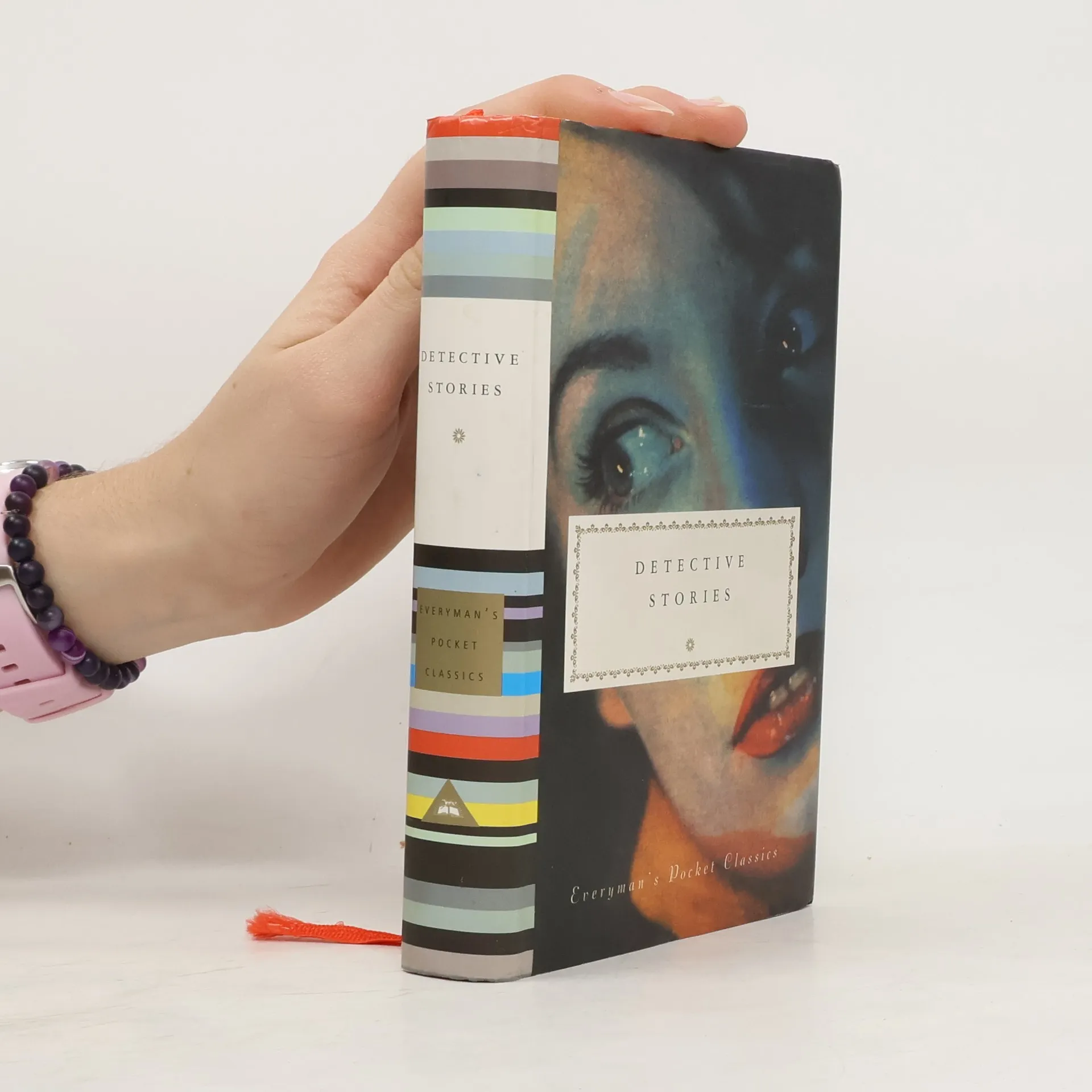
Detective Stories
- 382pages
- 14 heures de lecture
A glorious collection of some of the best sleuths in the business. Including creators such as Poe and Conan Doyle to Hammet, Christie, Chandler, Rendell and Rankin. Perfect gift edition.




A glorious collection of some of the best sleuths in the business. Including creators such as Poe and Conan Doyle to Hammet, Christie, Chandler, Rendell and Rankin. Perfect gift edition.
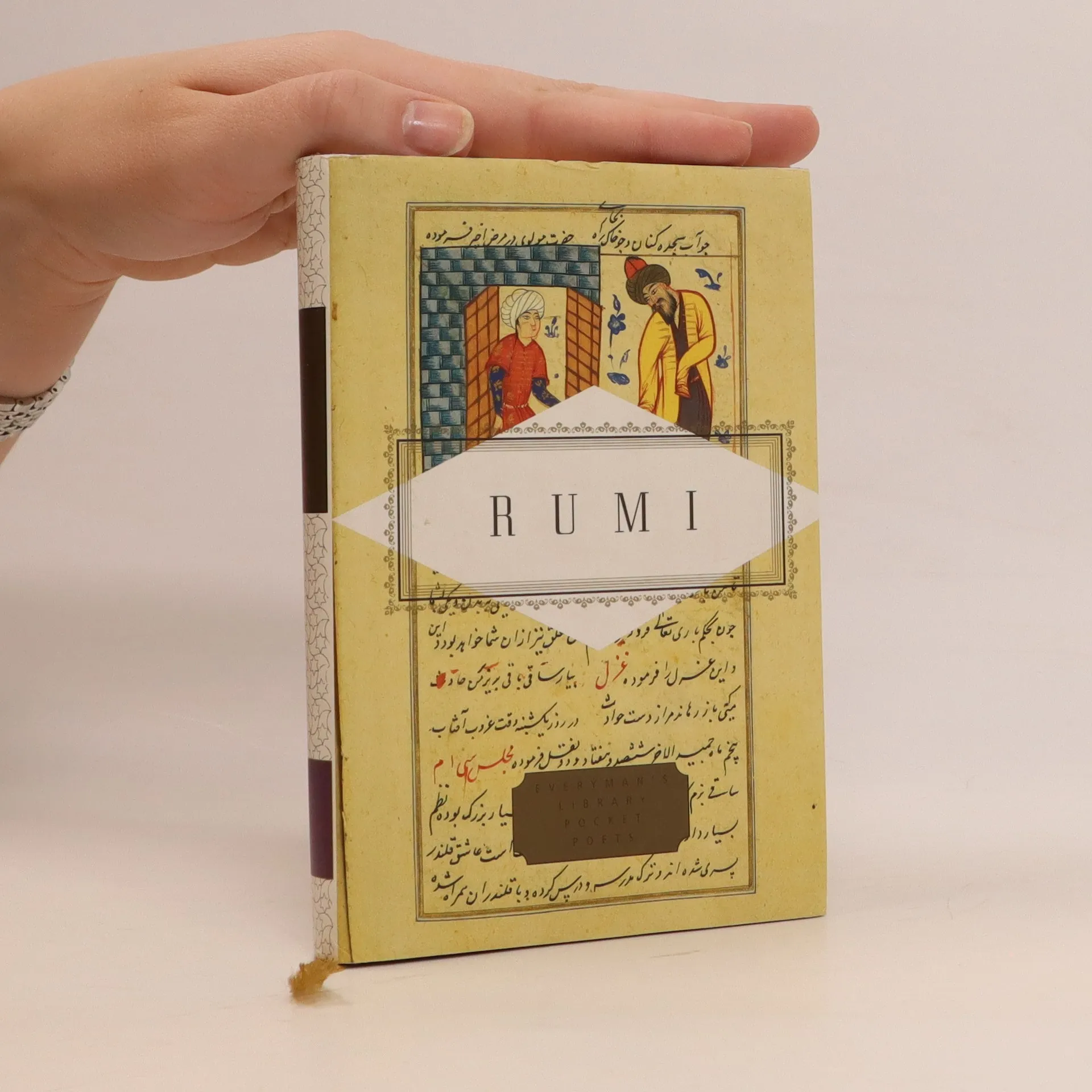
A gorgeously jacketed hardcover collection that draws on a wide variety of translations of Rumi’s deeply moving, sensually vibrant poetry.The poetry of the medieval Persian sage Rumi combines lyrical beauty with spiritual profundity, a sense of rapture, and acute awareness of human suffering in ways that speak directly to contemporary audiences.Trained in Sufism—a mystic tradition within Islam—Rumi founded the Sufi order known to us as the Whirling Dervishes, who use dance and music as part of their spiritual devotion. Many of Rumi’s poems speak of a yearning for ecstatic union with the divine Beloved. But his images bring the sacred and the earthy together in startling ways, describing divine love in vividly human terms.Everyman's Library pursues the highest production standards, printing on acid-free cream-colored paper, with full-cloth cases with two-color foil stamping, decorative endpapers, silk ribbon markers, European-style half-round spines, and a full-color illustrated jacket.
Alfred, Lord Tennyson was a more complex writer than his status as Queen Victoria’s favorite poet might suggest. Though capable of rendering rapture and delight in the most exquisite verse, in another mode Tennyson is brother in spirit to Poe and Baudelaire, the author of dark, passionate reveries. And though he treasured poetic tradition, his work nevertheless engaged directly with the great issues of his time, from industrialization and the crisis of faith to scientific progress and women’s rights. A master of the short, intense lyric, he can also be sardonic, humorous, voluptuous, earthy, and satirical.This collection includes, of course, such famous poems as “The Lady of Shalott” and “The Charge of the Light Brigade.” There are extracts from all the major masterpieces—“Idylls of the King,” “The Princess,” “In Memoriam”—and several complete long poems, such as “Ulysses” and “Demeter and Persephone,” that demonstrate his narrative grace. Finally, there are many of the short lyrical poems, such as “Come into the Garden, Maud” and “Break, Break, Break,” for which he is justly celebrated.
Poets have always drawn inspiration from the wild fancies of dream life. We spend a third of our lives asleep, and throughout history our nocturnal visions have engaged the interpretive talents of our greatest writers.This treasury of poets–Sidney, Donne, Blake, Keats, Wordsworth, Whitman, Rilke, Plath, Graves, Roethke, Bishop, Moore, Updike, and many more–encompasses lullabies, invocations, aubades, songs, epigrams, and stories, in every conceivable mood from the broadly comic to the tragic. It includes poems about daydreams and nightmares, about falling asleep and about waking up, about insomnia, night thoughts, monsters of the dark, twilight, dawn, and the rebirth of morning. From Auden’s “Lullaby” to Rossetti’s “Nuptial Sleep,” from Salvatore Quasimodo’s “Insomnia” to Thom Gunn’s “Annihilation of Nothing,” Poems of Sleep and Dreams evokes the whole haunting, magical spectrum of sleep and dream.
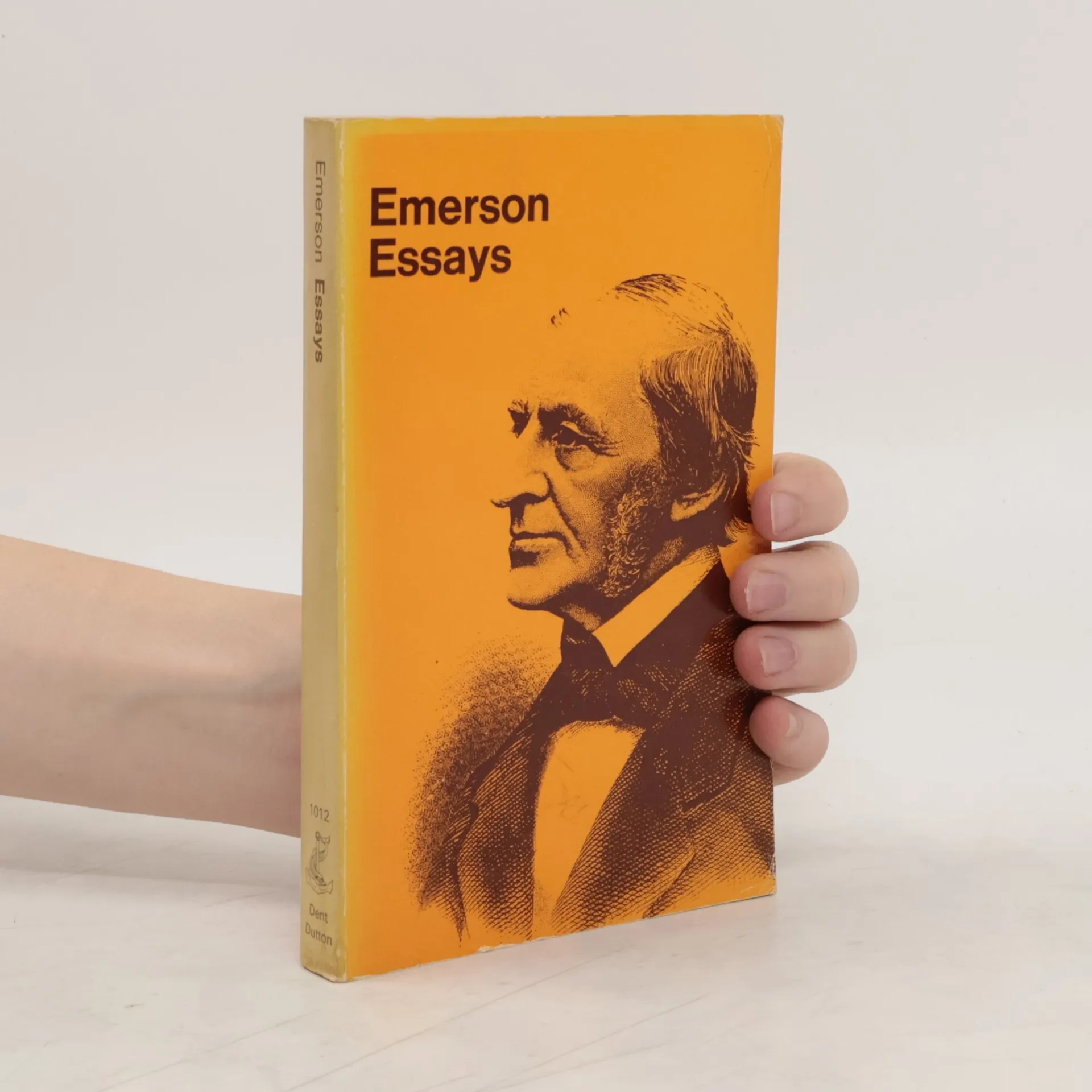
Ralph Waldo Emerson is one of the best-loved figures in nineteenth-century American literature. Though he earned his central place in our culture as an essayist and philosopher, since his death his reputation as a poet has grown as well.Known for challenging traditional thought and for his faith in the individual, Emerson was the chief spokesman for the Transcendentalist movement. His poems speak to his most passionately held belief: that external authority should be disregarded in favor of one’s own experience. From the embattled farmers who “fired the shot heard round the world” in the stirring “Concord Hymn,” to the flower in “The Rhodora,” whose existence demonstrates “that if eyes were made for seeing, / Then Beauty is its own excuse for being,” Emerson celebrates the existence of the sublime in the human and in nature. Combining intensity of feeling with his famous idealism, Emerson’s poems reveal a moving, more intimate side of the man revered as the Sage of Concord.
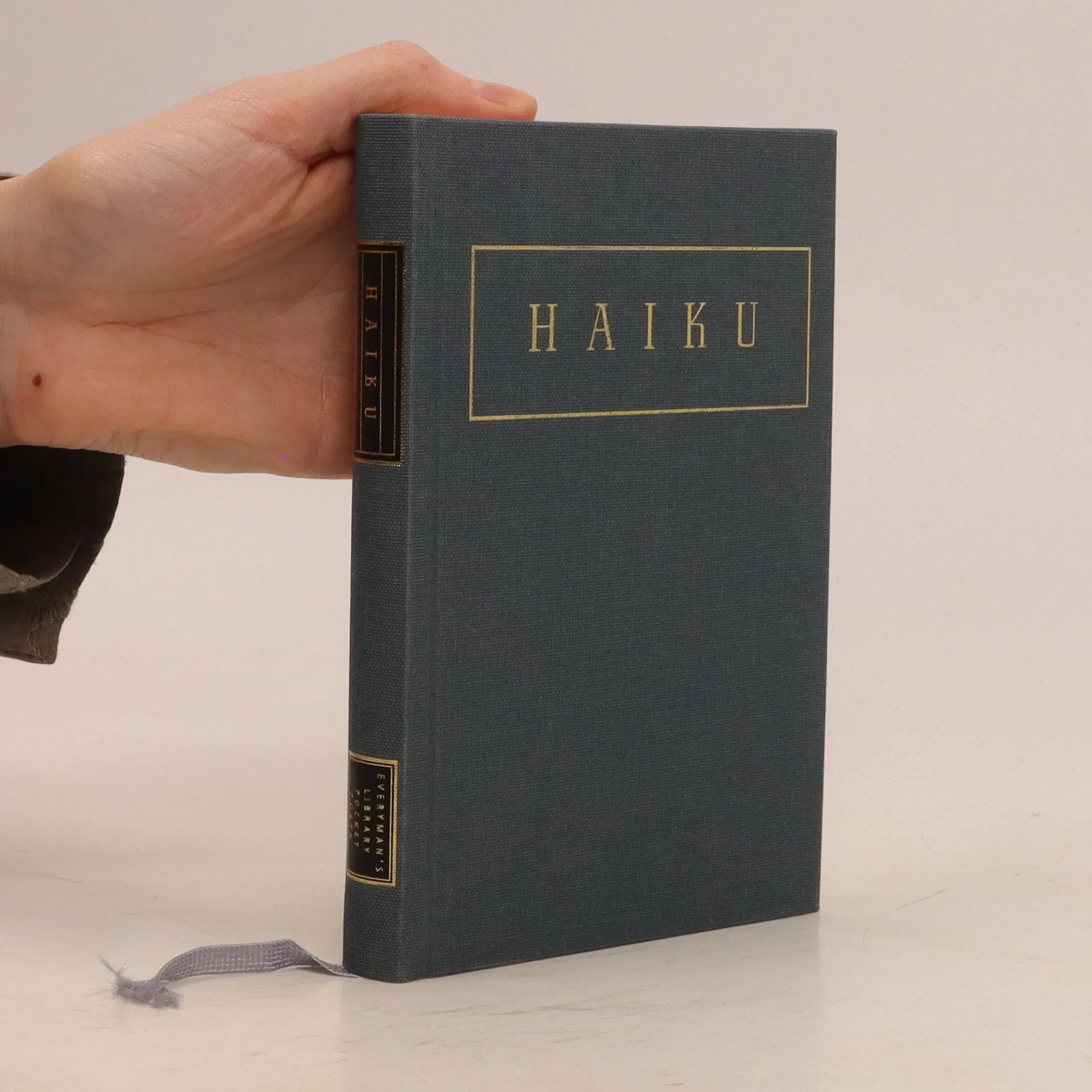
Simple yet capable of great complexity, the haiku is a tightly structured verse form that has a remarkable power to distill the essence of a moment keenly perceived. For centuries confined to a small literary elite in Japan, the writing of haiku is now practiced all over the world by those who are fascinated by its combination of technical challenge, expressive means, and extreme concentration.This anthology brings together hundreds of haiku by the Japanese masters–Basho, Issa, Buson, Shiki–with superb examples from nineteenth- and twentieth-century writers. The pioneering translator R. H. Blyth believed that the spirit of haiku is present in all great poetry; inspired by him, the editor of this volume has included lines from such poets as Wordsworth, Keats, Tennyson, Thoreau, and Hopkins, presented here in haiku form. Following them are haiku and haiku-influenced poems of the twentieth century–from Ezra Pound’s “In a Station of the Metro” to William Carlos Williams’s “Prelude to Winter,” and from the irreverence of Jack Kerouac to the lyricism of Langston Hughes. The result is a collection as compact, dynamic, and scintillating as the form itself.
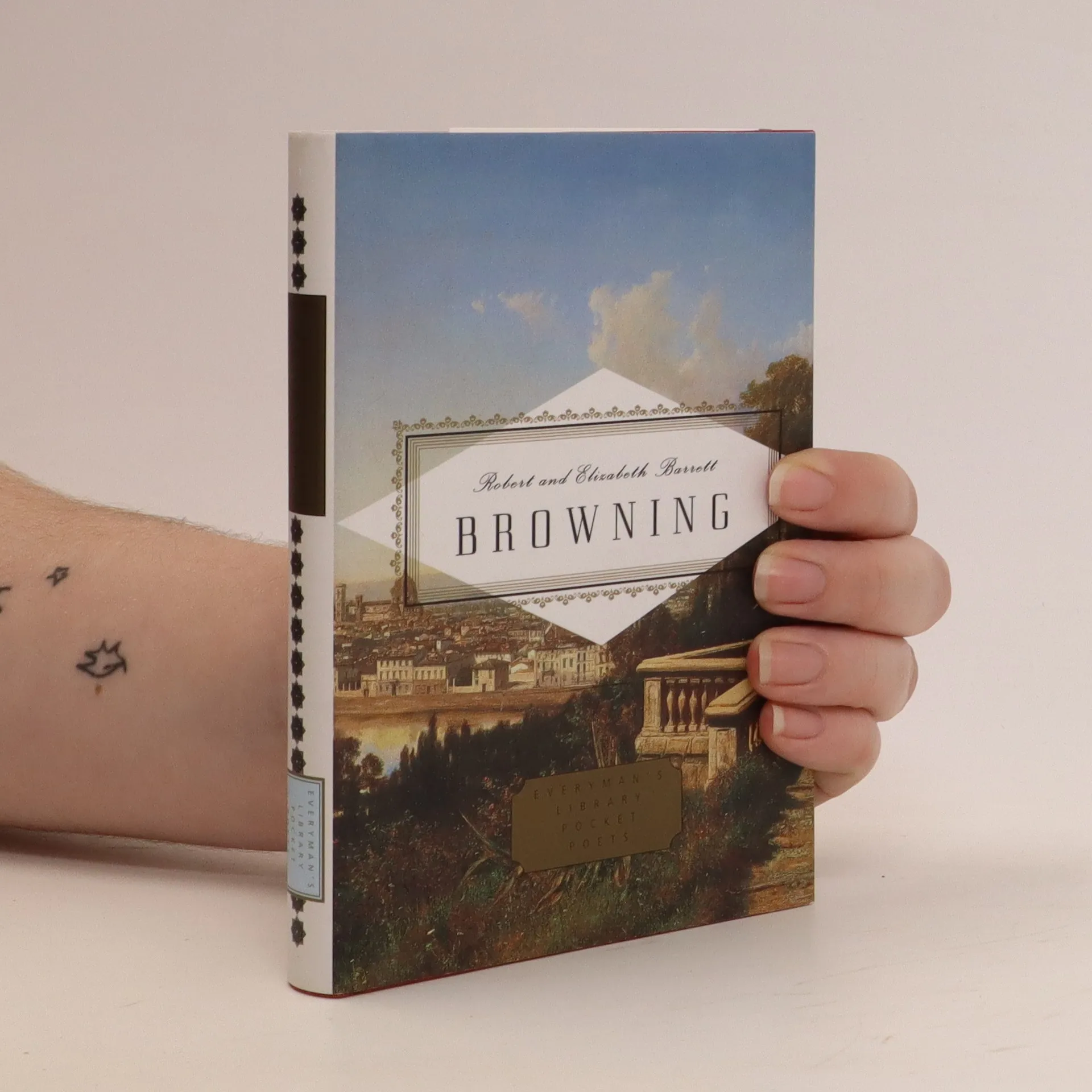
Celebrated in their time and still popular over a century after their deaths, Robert Browning and Elizabeth Barrett had a unique relationship which is reflected in their work. Both were distinguished as poets before they met, and they learnt from one another without ever sacrificing their individuality. If Elizabeth recognized that Robert's talent was the greater of the two, Robert understood that his wife's voice was unique. All the great themes they shared are represented in this collection of their shorter poems - love, marriage, poetry, religion, England and Italy, the natural world - and the poems are accompanied by a selection from the marvellous letters they wrote to one another, especially in the years of their courtship. Among the items included are extracts from Aurora Leigh and Pauline, and the whole of Sonnets from the Portuguese, together with many lyrics and narrative poems by both poets.
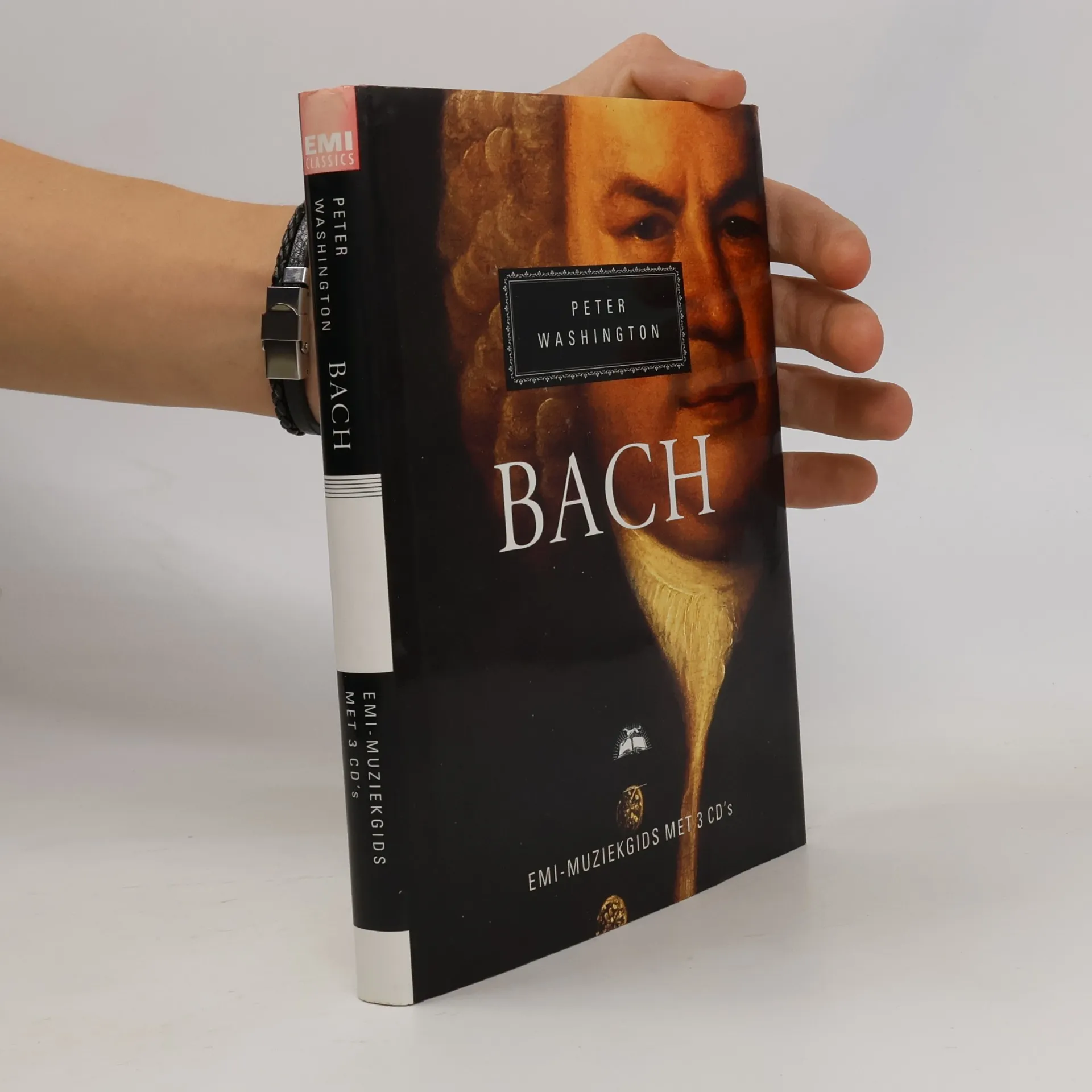
THE EVERYMAN-EMI MUSIC COMPANIONS provide a musical equivalent to the series of literary masterpieces that are already available from Everyman's Library. The series is being developed in joint venture with EMI, whose huge catalogue of historic recordings is extensively used. Each volume has attached to it THREE COMPACT DISCS-nearly four hours of music. The selections of music where possible are whole works rather than snippets or extracts. The series is sold in both bookshops and record shops via EMI's international subsidiaries. MOZART VOL 2 - Following Andrew Steptoe's biography of Mozart in vol 1, volume 2 is devoted to a selection of the composer's letters together with a commentary on the music contained in the accompanying CDs. The 1200 or so letters of Mozart and his family, written during the composer's lifetime, form the most fascinating correspondence by any artist of the 18th century or earlier, and Mozart himself ranks high among letter writers of any age or occupation. The inclusion of letters from his father, a dominant but loving parent determined to supervise his son's career even after he had grown up, highlights the problems which Mozart encountered in breaking with his provincial background, as well as providing a glimpse of the social and domestic details that tell us so much about the kind of person Mozart
De EMI-MUZIEKGIDSEN vormen een serie nieuwe, informatieve inleidingen in de klassieke muziek. Elke gids bevat 3 CD's met opnamen uit de EMI-archieven en hebben een totale speeltijd van bijna vier uur. In tegenstelling tot andere muziekcollecties bieden de EMI-MUZIEKGIDSEN complete muziekwerken - niet alleen de hoogtepunten - en leveren ze een stimulerende dwarsdoorsnede van het hele werk van een componist. Elke opname is in het boek tot in detail beschreven. Het boek biedt tevens een boeiend verslag van het leven en de muzikale carrière van een componist of van de geschiedenis van het instrument. De EMI-MUZIEKGIDSEN zijn veel meer dan een inleiding voor beginners, ze bieden een fantastisch pakket: bijna vier uur muziek èn een uitvoerige wegwijzer in de beste klassieke muziek ter wereld.
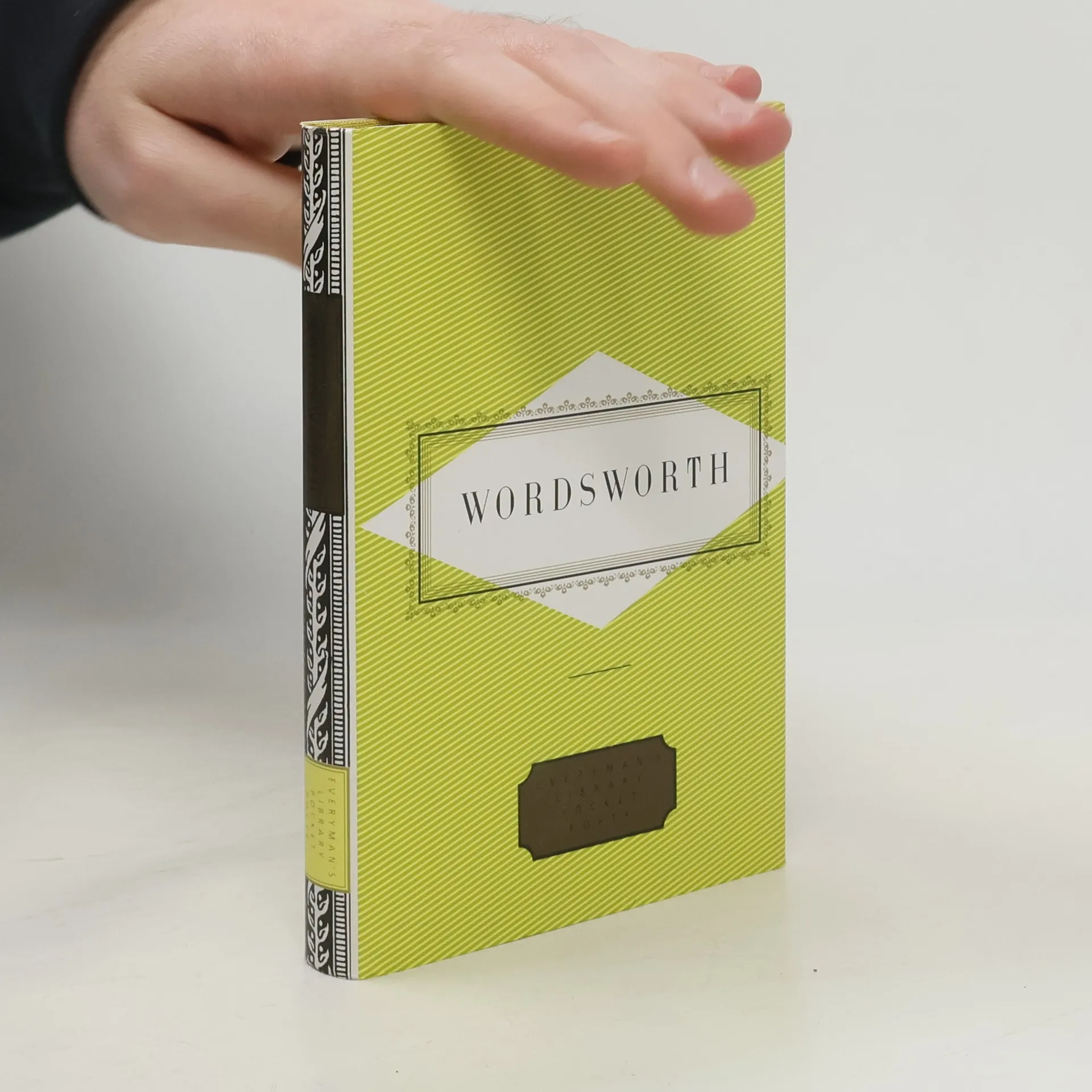
Of all the lasting innovations that William Wordsworth (1770-1850) brought to our literature, it is his discovery of nature and his fresh vision of human lives in the context of nature that have most influenced our cultural climate. Here, collected in this volume, are Wordsworth’s finest works, some of the most beautiful poems ever from the famous lyrical ballads, including “The Tables Turned” and “Lines Composed a Few Miles Above Tintern Abbey,” to the sonnets and narrative poems, to excerpts from his magnum opus, The Preludes . By turning away from mythological subjects and artificial diction toward the life and language around him, Wordsworth acquired for poetry the strength and new sources of inspiration that have allowed it to survive and flourish in the modern world.
Sources include Herbert, Hopkins, Donne, Christina Rossetti, Cowper, St Anselm, Cardinal Newman, Bunyan, Blake, Bonhoeffer, Emily Dickinson, Herrick, Wesley, Mother Theresa, Tennyson, Spenser, Simone Weil, Kierkegaard, St Francis, the Book of Common Prayer, the Bhagavad Gita, Buddhist Scriptures, the Dead Sea Scrolls.
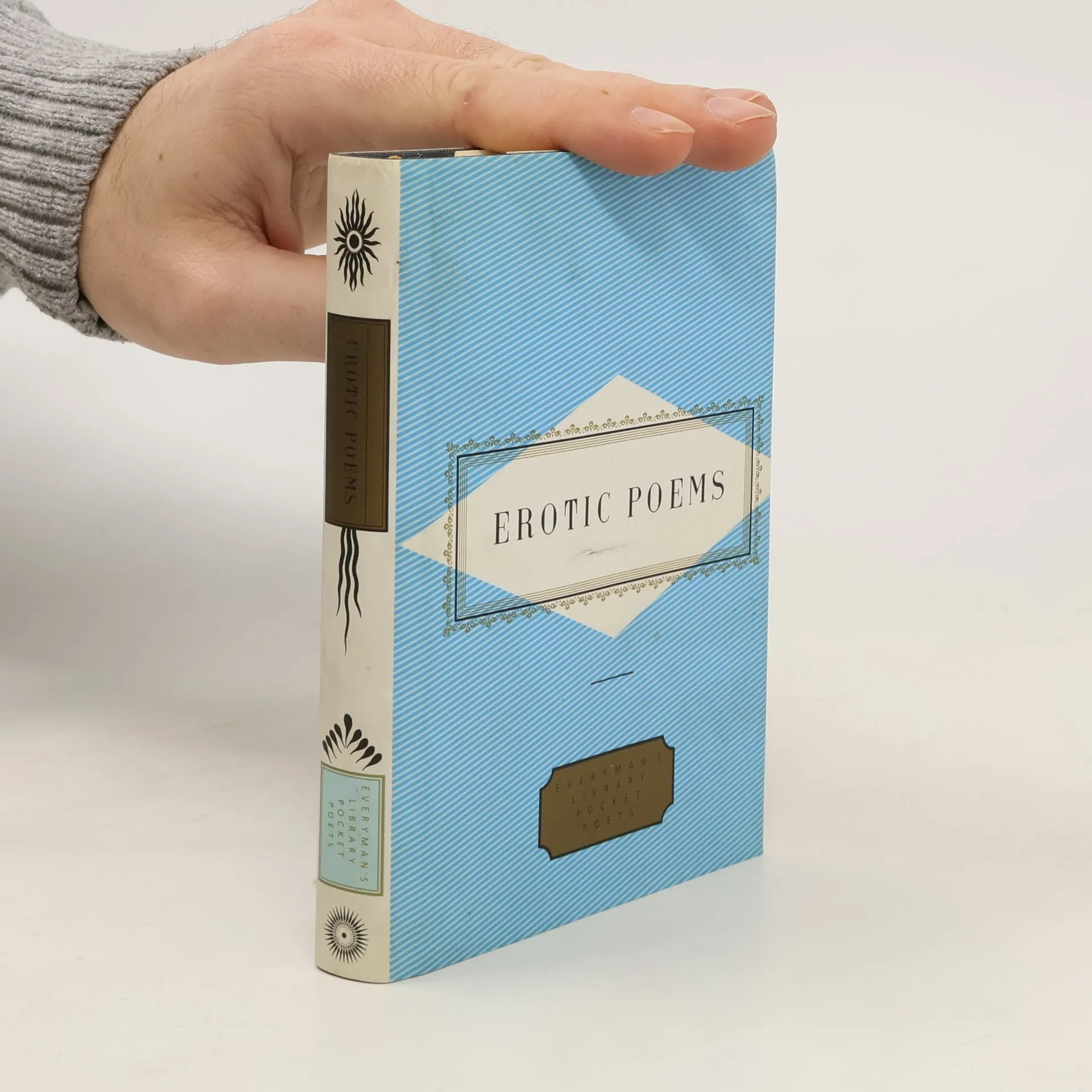
In a volume which follows on from and complements the Everyman Pocket LOVE POEMS. Assembled in this beautifully created pocket gift hardback is a wide range of erotic verse from ancient India and China to present-day Britain. Though these are poems of the body, and bawdy verse is represented by such writers as Rochester, the volume is in no sense pornographic. The emphasis is on the tender, sensuous, witty and passionate aspects of erotic poetry. The poems follow a loose narrative sequence in which all aspects of erotic love are represented.
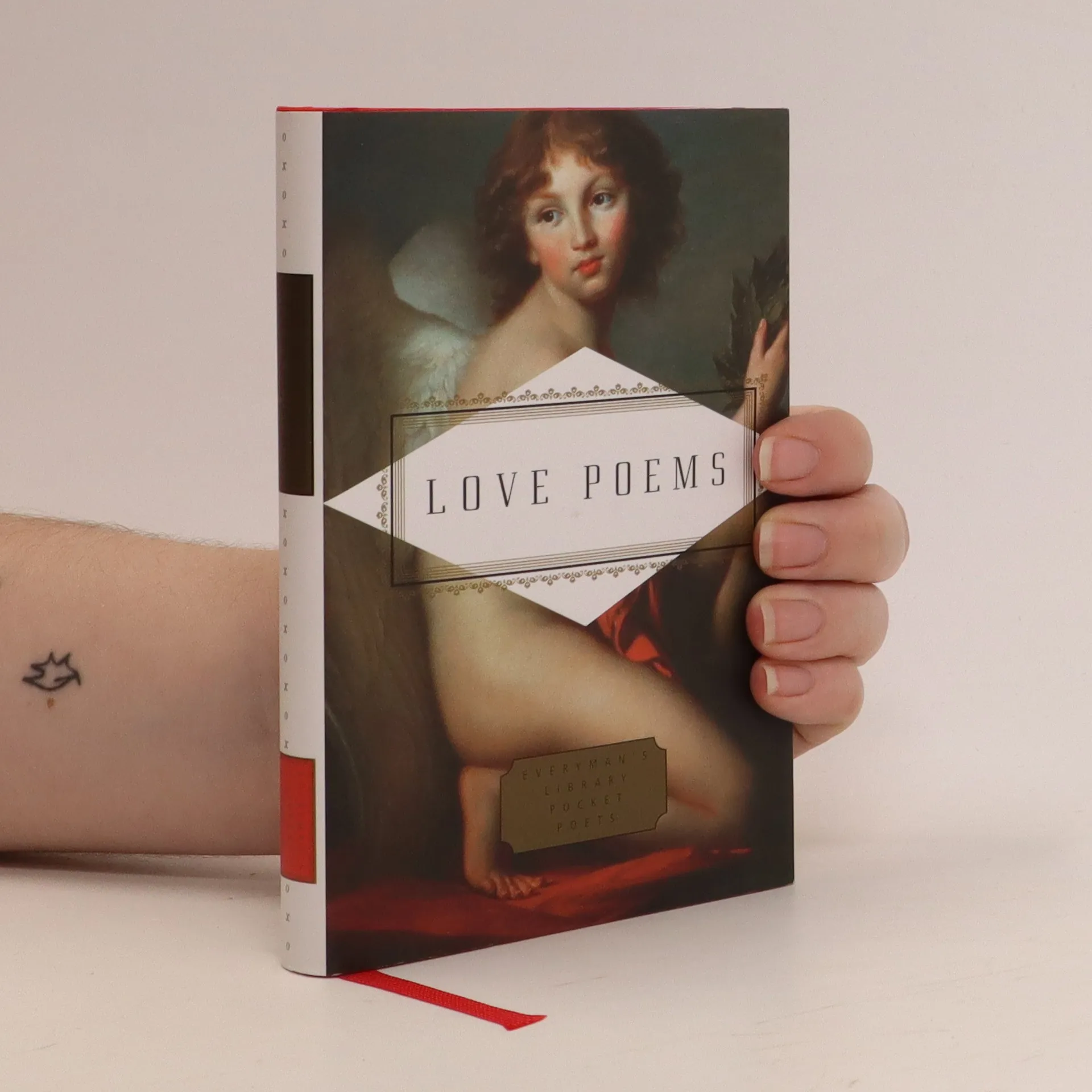
It has often been said that love, both sacred and profane, is the only true subject of the lyric poem. Nothing better justifies this claim than the splendid poems in this volume, which range from the writings of ancient China to those of modern-day America and represent, at its most piercing, a universal experience of the human soul.