

Voor De universiteit van het leven voerde Rob Riemen indringende vraaggesprekken met negentien bijzondere vrienden. Het zijn uitgevers, musici, schrijvers, filosofen, wetenschappers en een vakbondsman, die met hun intellectuele, politieke of artistieke talenten internationale faam hebben verworven. Zij hebben een lange levensreis achter de rug en zijn bij uitstek in staat antwoord te geven op de vraag die in elk gesprek centraal stond: wat heeft het leven je geleerd?Wat geven de negentien levensreizigers aan inzicht en ervaring door aan ons, lezers, die in zekere zin allemaal hun erfgenamen zijn? Rob Riemen, die met dit boek de vijfenzestigste uitgave van Nexus presenteert, tekende de levensverhalen op uit de mond van zijn vrienden en schildert zo hun onvergetelijk portret, vol melancholie, humor, verontwaardiging en troost. Een unieke groep mensen laat ons delen in de wijsheid die zij hebben opgedaan aan de universiteit van het leven.
Todd Gitlin Ordre des livres (chronologique)
Todd Gitlin est un écrivain, sociologue et intellectuel public américain. Professeur de journalisme et de sociologie, son travail explore la société et la culture contemporaines. Il examine de manière critique comment les médias et les forces sociales façonnent notre perception du monde. Son approche multidimensionnelle offre une compréhension approfondie du paysage moderne.

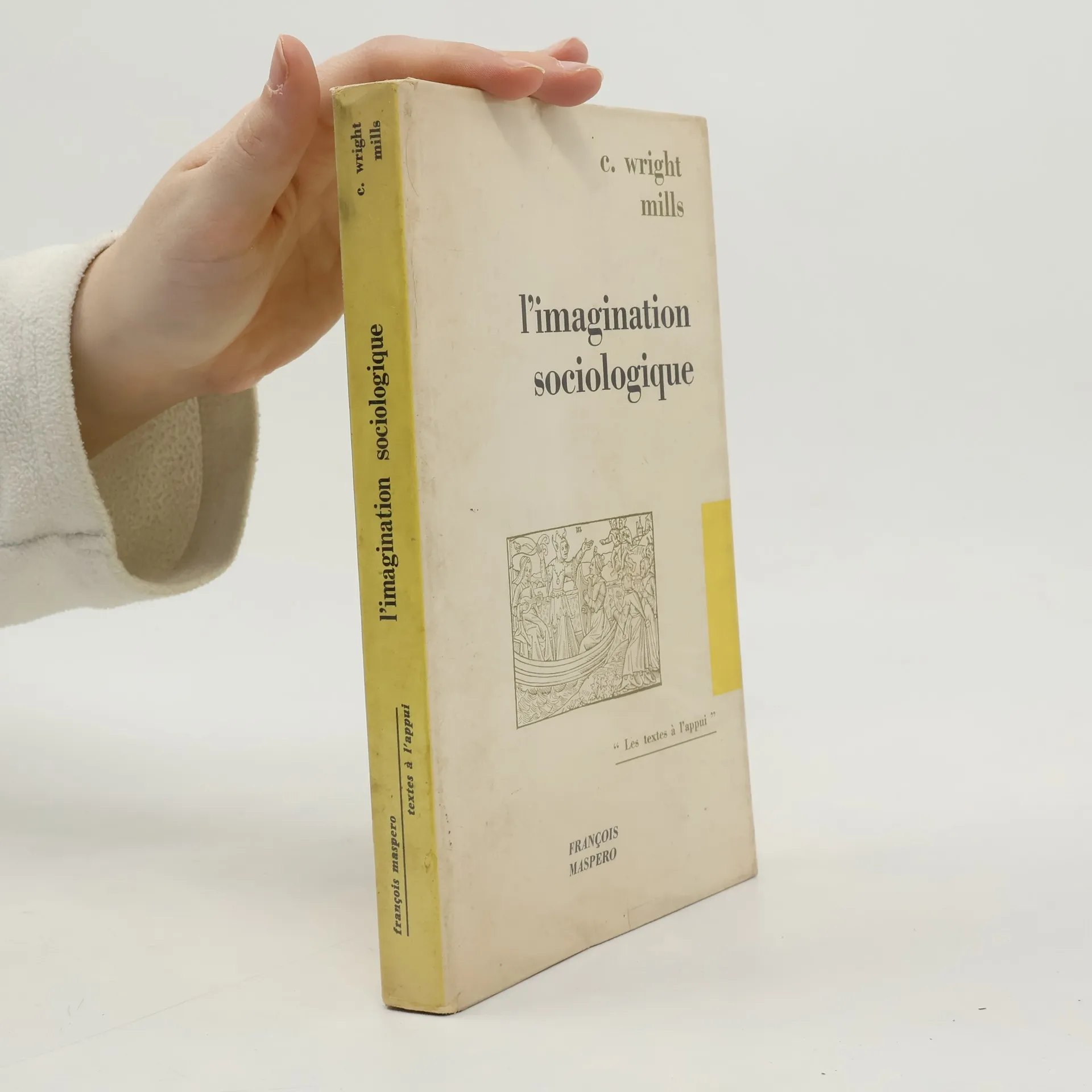
L'imagination sociologique de Mills, publiée en 1959, est un texte classique de la sociologie américaine, représentant une version critique de cette discipline. Dans cet ouvrage, Mills aborde trois problèmes fondamentaux : la relation entre biographie et histoire, c'est-à-dire le lien entre les petites et grandes histoires, les destins individuels et leur conditionnement social ; la nécessité de transformations structurelles fondamentales comme condition préalable à l'humanisation des destins humains ; et le constat que la plupart des recherches sociologiques se concentrent sur des questions peu significatives ou servent consciemment les élites au pouvoir. Ce dernier thème est développé comme une critique toujours pertinente de la "grande théorie", qui ne comprend pas les destins humains, et de la recherche empirique abstraite, qui néglige le rôle des structures sociales et des relations de pouvoir. Pour les étudiants en sciences humaines, l'ouvrage inclut un ajout de Mills sur l'atteinte d'une véritable professionnalité et d'un savoir intellectuel.
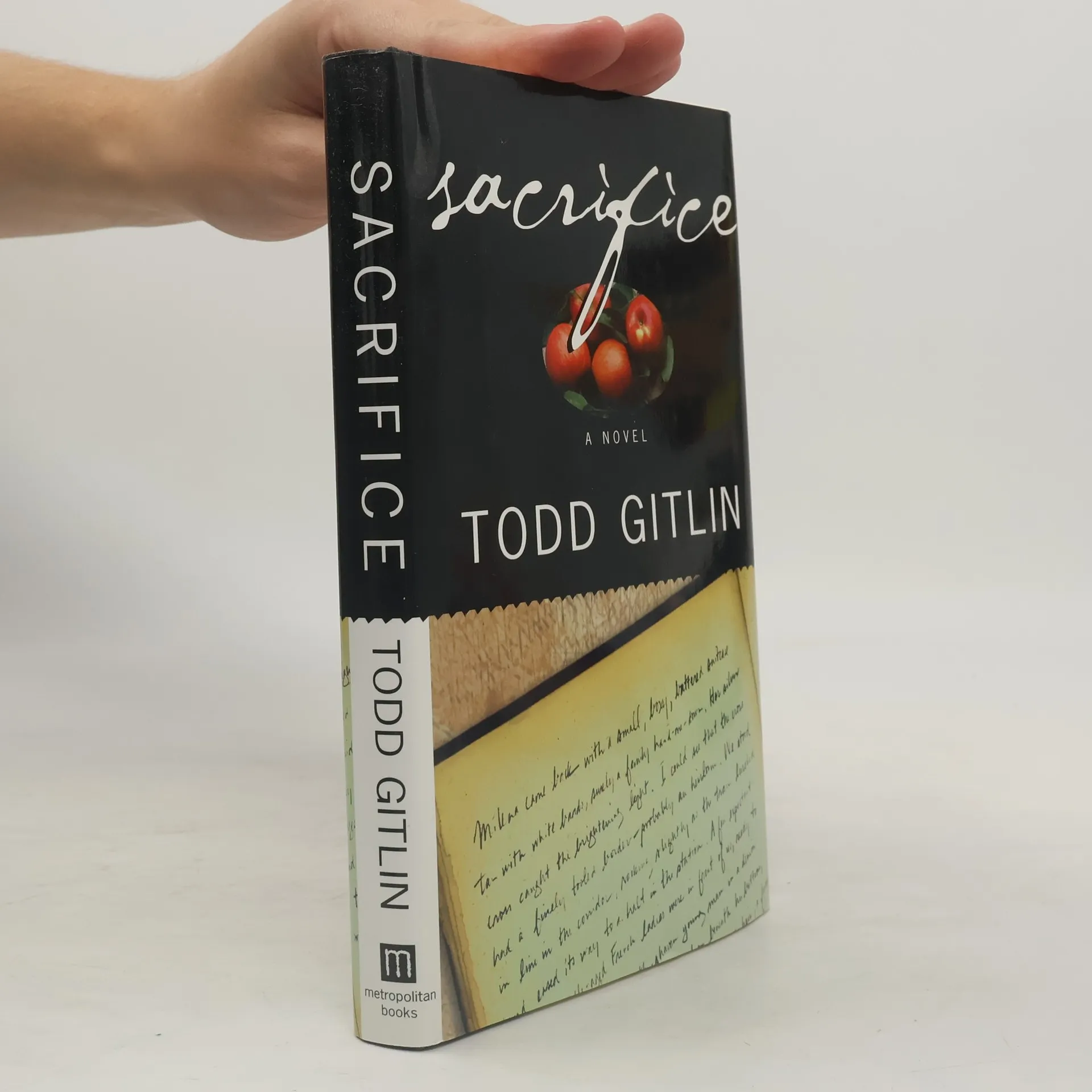
Sacrifice
- 229pages
- 9 heures de lecture
A beautiful, elegiac novel of a father, a son, and the secrets that divide generations.In the seventy-fifth year of his life, on a sweltering August afternoon, Chester Garland, the distinguished psychiatrist, author, and campaigner for human rights, is struck by a subway train and dies. Soon after, his son Paul receives a thoroughly unexpected three diaries written decades earlier, in the year when Garland, on a trip to France,unaccountably walked out on his family and his profession.As cool, detached Paul, a cyberspace cartoonist, reads the diaries, he finally faces the event that has shadowed his life since childhood. He embarks, as his father had a quarter century earlier, on a pilgrimage of love and grief, of passions-religious, erotic, and intellectual-and of discovery that is as unexpected as it is moving.With grace and precision, Gitlin takes us on a journey not just across an ocean or across decades, but into the secret depths of two men's lives, which were forever changed in the aftermath of that tumultuous decade now known as "the sixties." A memorable portrait of a father and son locked in a biblical embrace, Sacrifice builds with quiet elegance to its shocking conclusion.
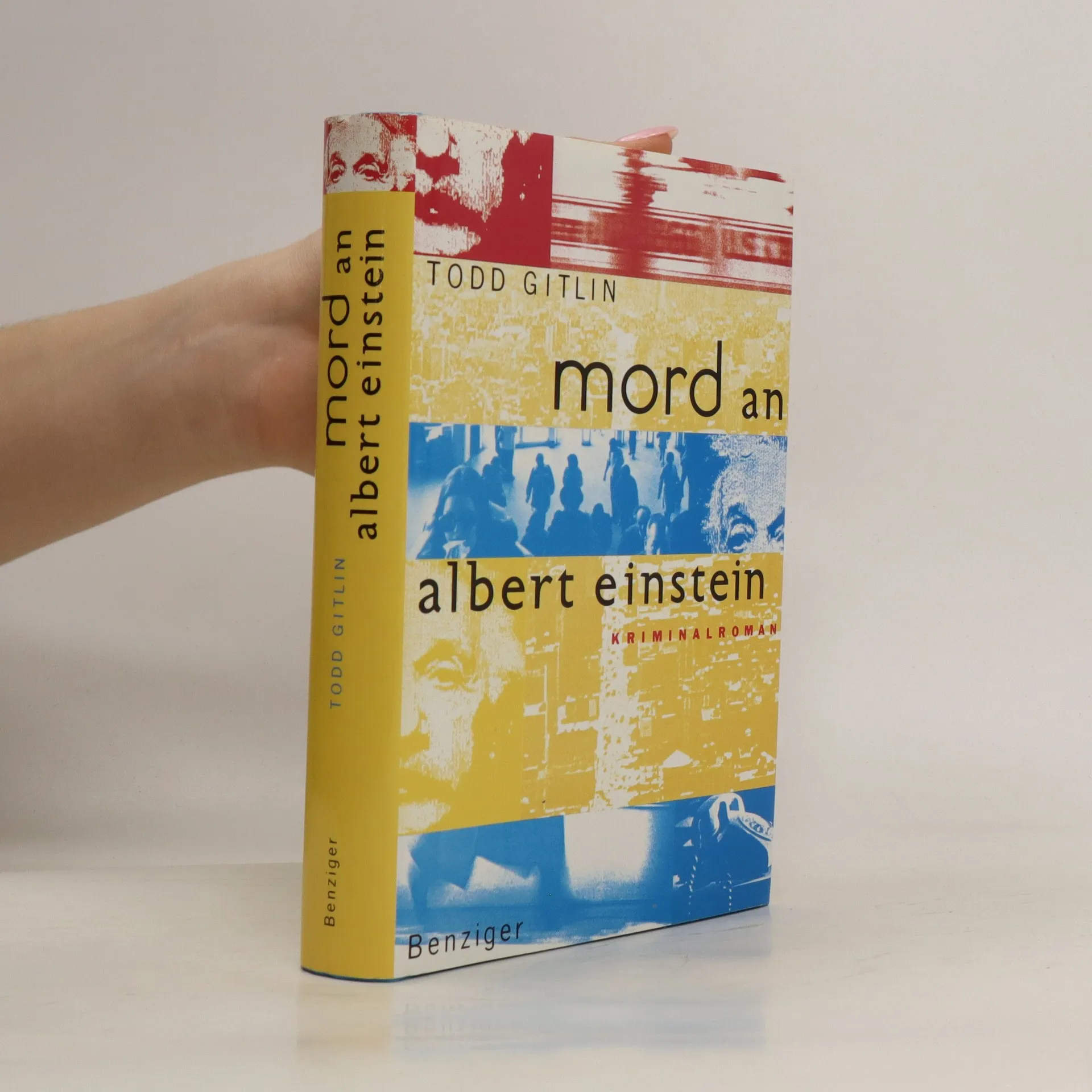
Mord an Albert Einstein
- 328pages
- 12 heures de lecture
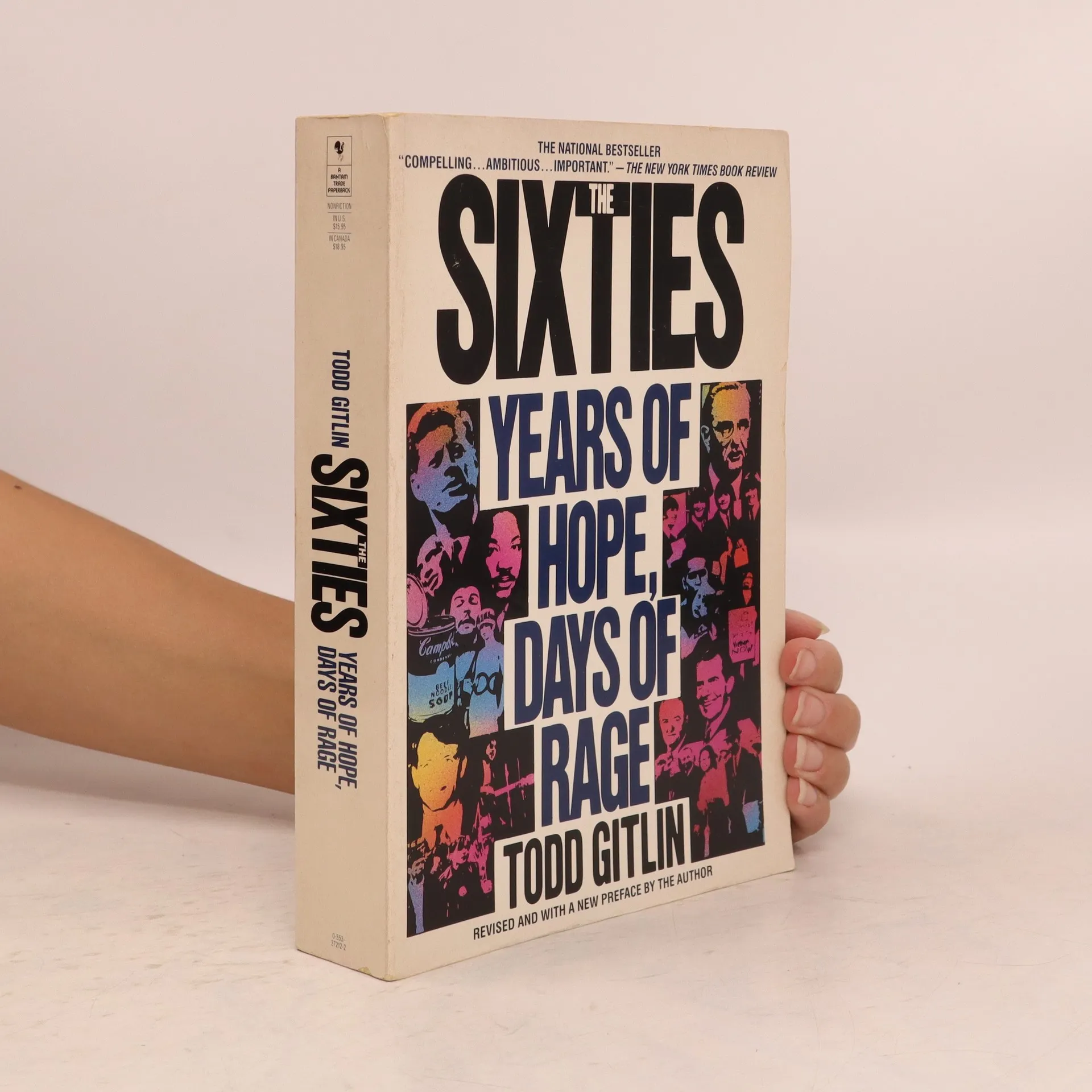
The Sixties
- 544pages
- 20 heures de lecture
Say “the Sixties” and the images start coming, images of a time when all authority was defied and millions of young Americans thought they could change the world—either through music, drugs, and universal love or by “putting their bodies on the line” against injustice and war.Todd Gitlin, the highly regarded writer, media critic, and professor of sociology at the University of California, Berkeley, has written an authoritative and compelling account of this supercharged decade—a decade he helped shape as an early president of Students for a Democratic Society (SDS) and an organizer of the first national demonstration against the Vietnam war. Part critical history, part personal memoir, part celebration, and part meditation, this critically acclaimed work resurrects a generation on all its glory and tragedy.
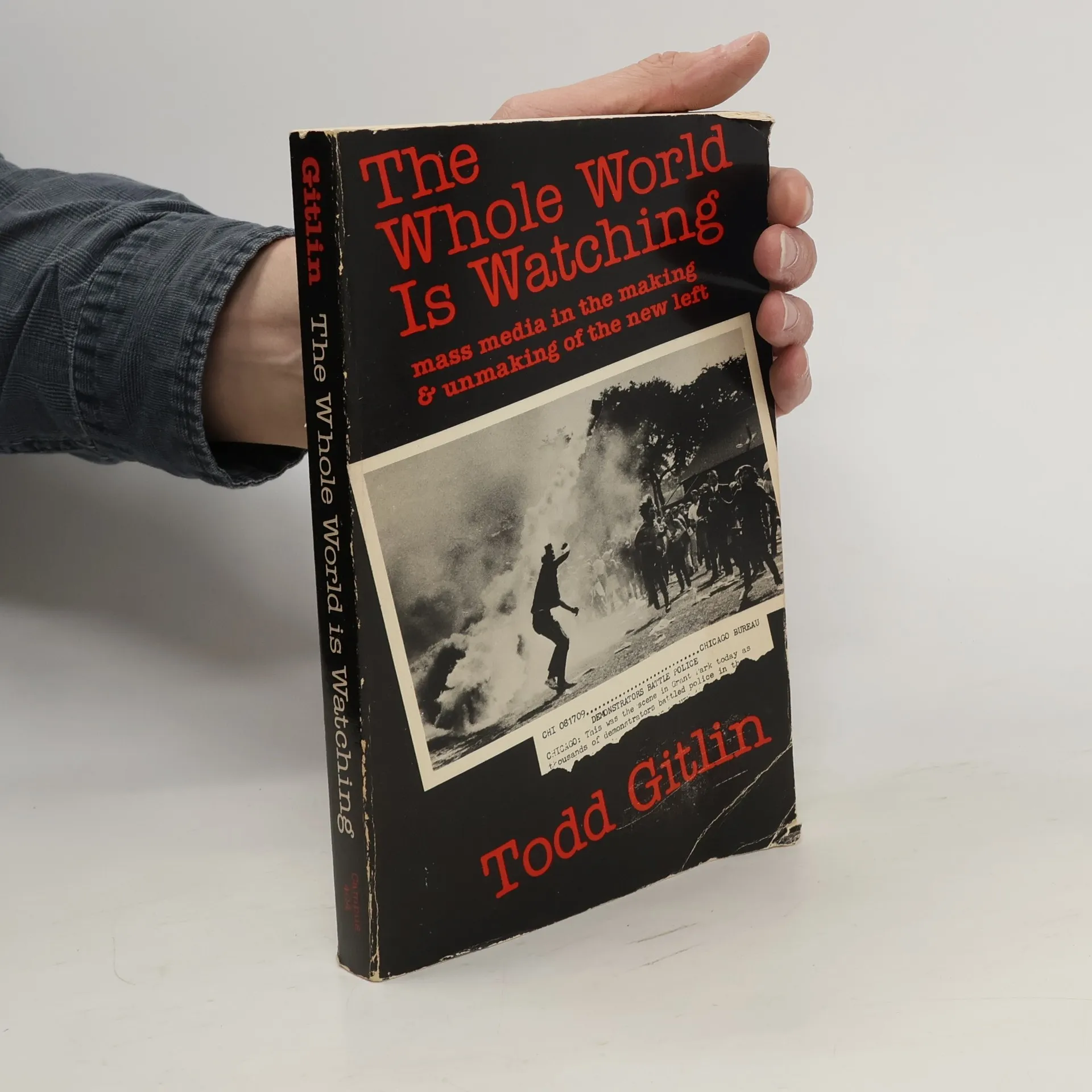
The Whole World is Watching
Mass Media in the Making & Unmaking of the New Left
- 341pages
- 12 heures de lecture
New preface for this classic of media studies. One of the founders of SDS describes the response of the various news organizations and arrives at the way the New Left came to be characterized.