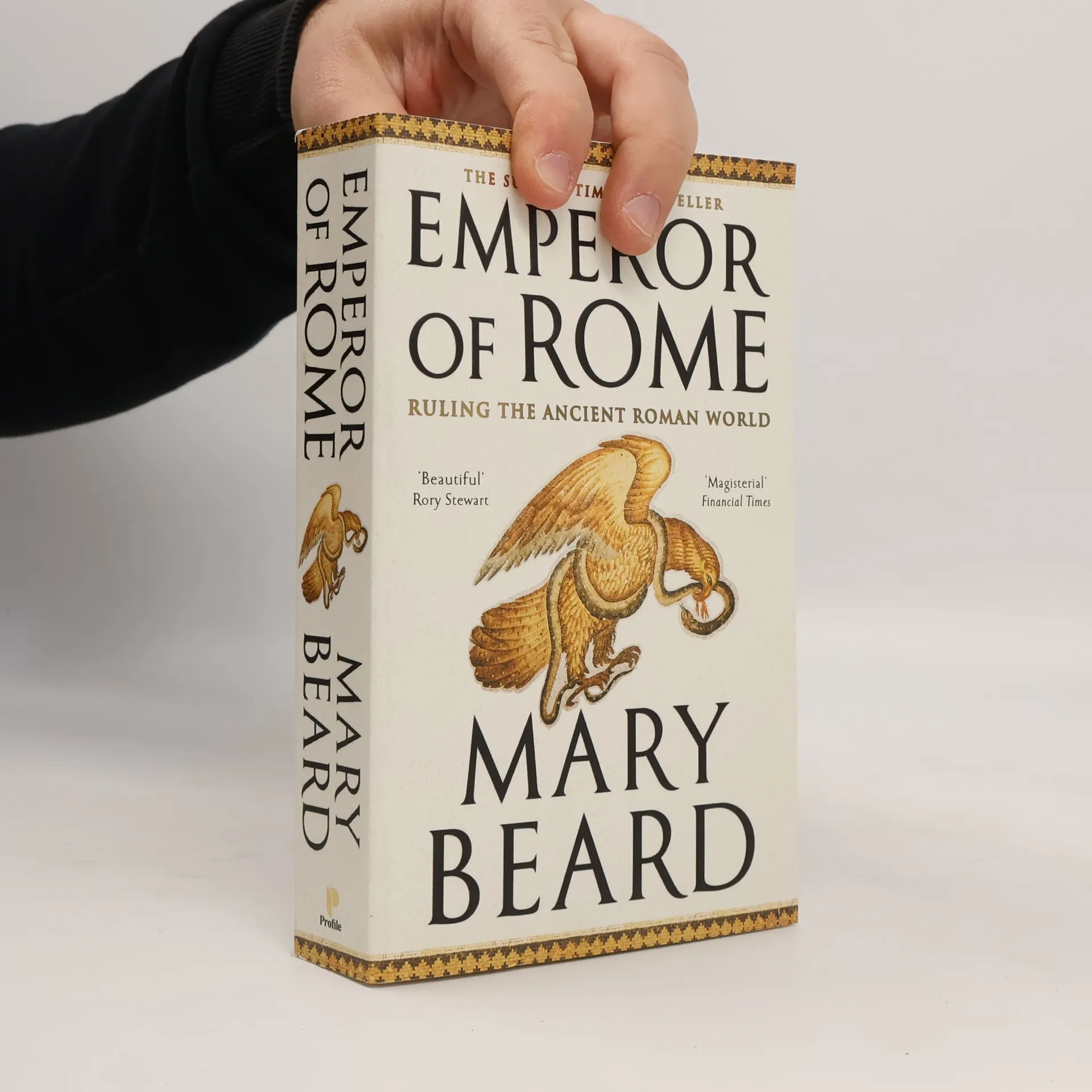
THE SUNDAY TIMES TOP TEN & NEW YORK TIMES BESTSELLER BLACKWELL'S NON-FICTION BOOK OF THE YEAR SHORTLISTED FOR THE WATERSTONES BOOK OF THE YEAR 2023 'Extraordinary ... a deliciously varied tapestry of detail drawn from across nearly three centuries' Telegraph What was it really like to rule and be ruled in the Ancient Roman world? In her international best-seller SPQR, Mary Beard told the thousand-year story of ancient Rome. Now, she shines her spotlight on the emperors who ruled the Roman empire, from Julius Caesar (assassinated 44 BCE) to Alexander Severus (assassinated 235 CE). Emperor of Rome is not your usual chronological account of Roman rulers, one after another: the mad Caligula, the monster Nero, the philosopher Marcus Aurelius. Beard asks bigger questions: What power did emperors actually have? Was the Roman palace really so bloodstained? Emperor of Rome goes directly to the heart of Roman (and our own) fantasies about what it was to be Roman, offering an account of Roman history as it has never been presented before.
Mary Beard Livres
Cette auteure apporte une perspective rafraîchissante et accessible sur le passé classique, se concentrant sur la manière dont les cultures anciennes continuent de résonner dans notre présent. Son travail explore les aspects moins connus de l'antiquité, révélant les nuances de la vie quotidienne, des normes sociales et des intrigues politiques. Avec un esprit caractéristique et une intelligence vive, elle distille des événements historiques complexes en récits captivants qui remettent en question les perceptions courantes et invitent à une contemplation plus profonde. Son style est à la fois rigoureux sur le plan académique et vivant dans sa narration, rendant l'étude des sujets classiques accessible et attrayante pour un large public.

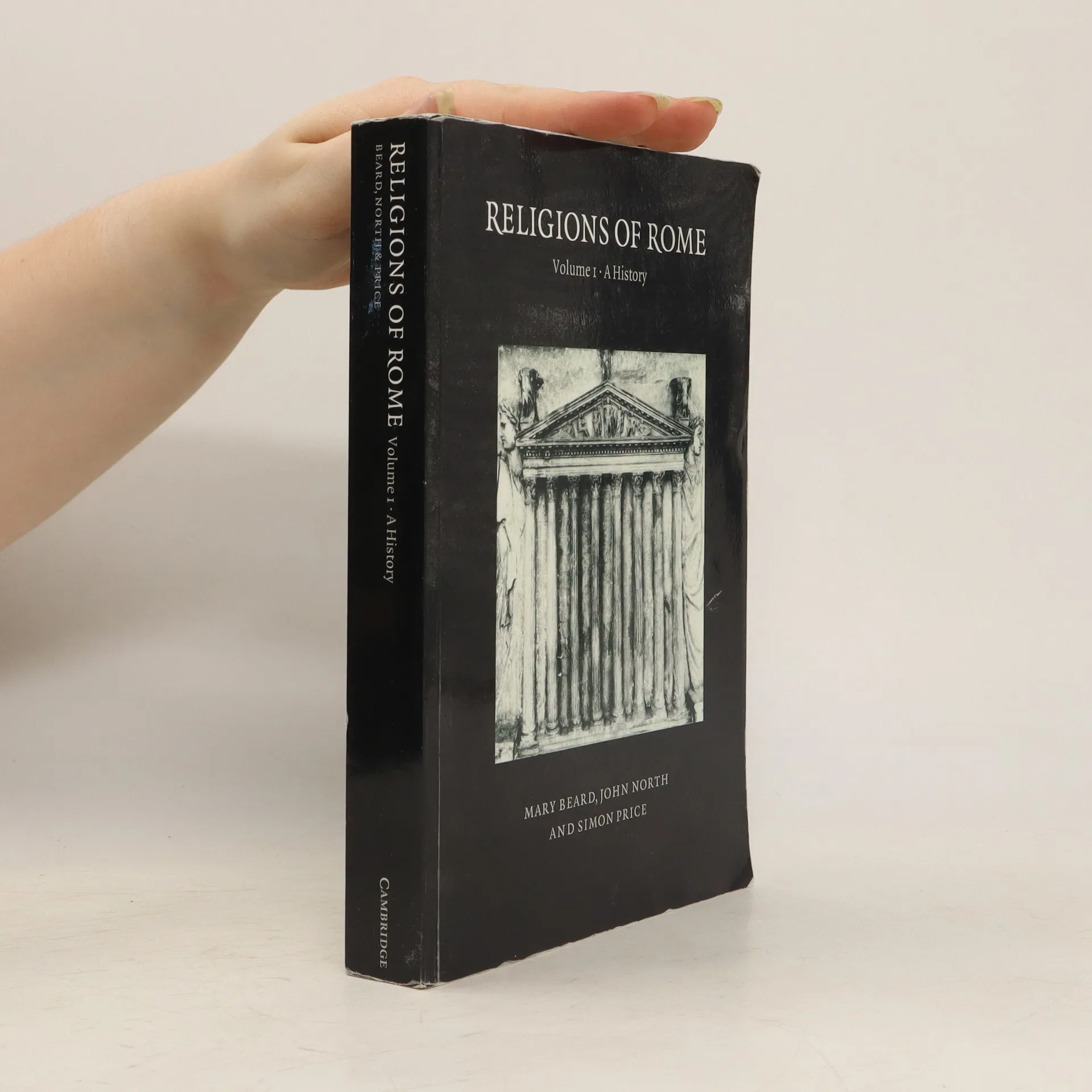
This book offers a radical survey of over a 1000 years of religious life, from the foundation of Rome to its rise to world empire & Xian conversion. It sets religion in its full cultural context, between the primitive hamlet of the 8th century BCE & the cosmopolitan, multicultural society of the 1st centuries of the Xian era. A companion volume, Religions of Rome, Vol 2: A Sourcebook, sets out a wide range of documents, illustrating the religious life in the Roman world.Acknowledgements Preface Conventions & abbreviations Maps 1 Early Rome 2 Imperial triumph & religious change 3 Religion in the late Republic 4 The place of religion: Rome in the early Empire 5 The boundaries of Roman religion 6 The religions of imperial Rome 7 Roman religion & Roman Empire 8 Roman religion & Christian emperors: 4th & 5th centuries Bibliography Details of maps & illustrations Index
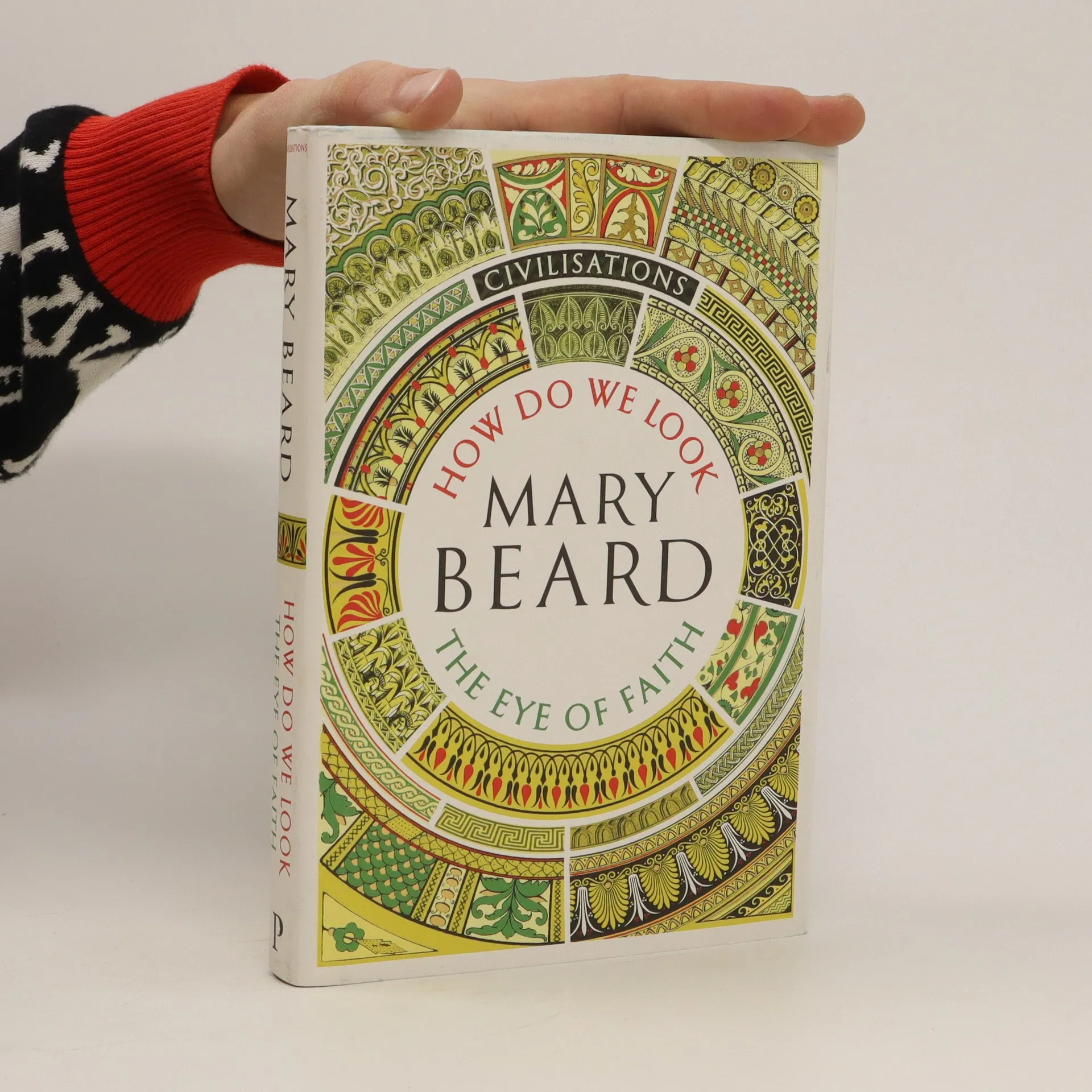
Civilisations: How Do We Look / The Eye of Faith
- 240pages
- 9 heures de lecture
'The reigning Queen of Classics' Spectator What are civilisations? At the heart of this big question is how people have depicted the human and divine, from prehistory to the present day. Britain's most famous classicist Mary Beard asks: how have we portrayed ourselves in some of the world's earliest art? Why have these images sometimes been so contentious? In time for the 55th anniversary airing of Kenneth Clark's Civilisation, Beard explores gigantic stone heads carved by the Olmec in Central America, the statues and pottery of the ancient Greeks, and the first emperor of China's terracotta army. And she explains how one ancient representation of the human body still influences (or distorts) how people in the West see their own culture, and that of others. From Angkor Wat to the Ravenna mosaics and exquisite calligraphy of Islamic mosques, all religions have wrestled with idolatry and iconoclasm. Throughout this story, Beard is concerned not only with the artists who made art, but with those who have used, viewed, or interpreted it - and asked how to look with The Eye of Faith.
Classical art. From Greece to Rome
- 298pages
- 11 heures de lecture
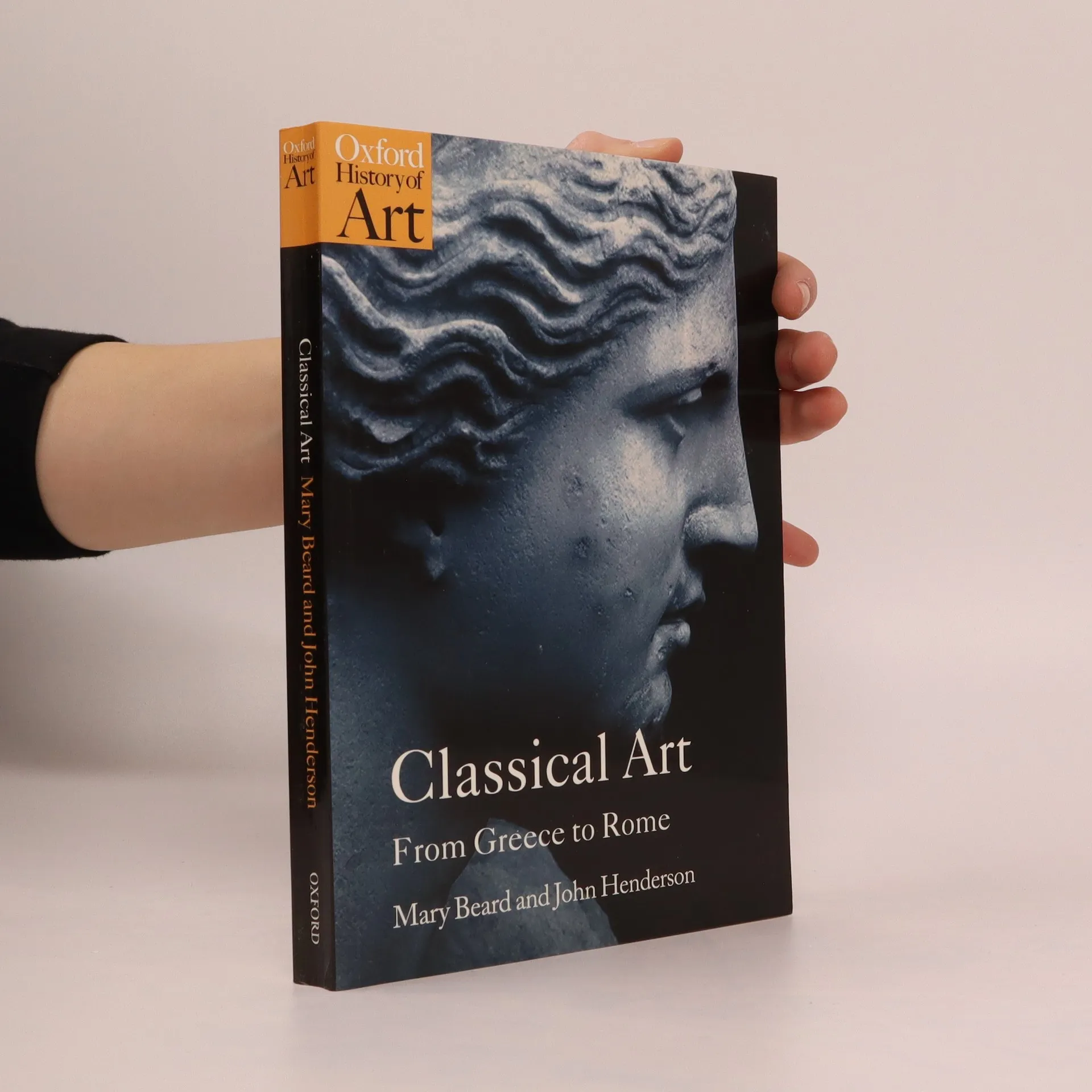
'The book is part of a series of introductory studies intended to bring the latest developments in art history to students and general readers. But it offers something new to the specialist reader too [...] the quantity of illustrations is impressive for such a slim and inexpensive book ...Classical Art is illuminating, playful, provocative, and often (literally) iconoclastic' -Times Higher Education Supplement
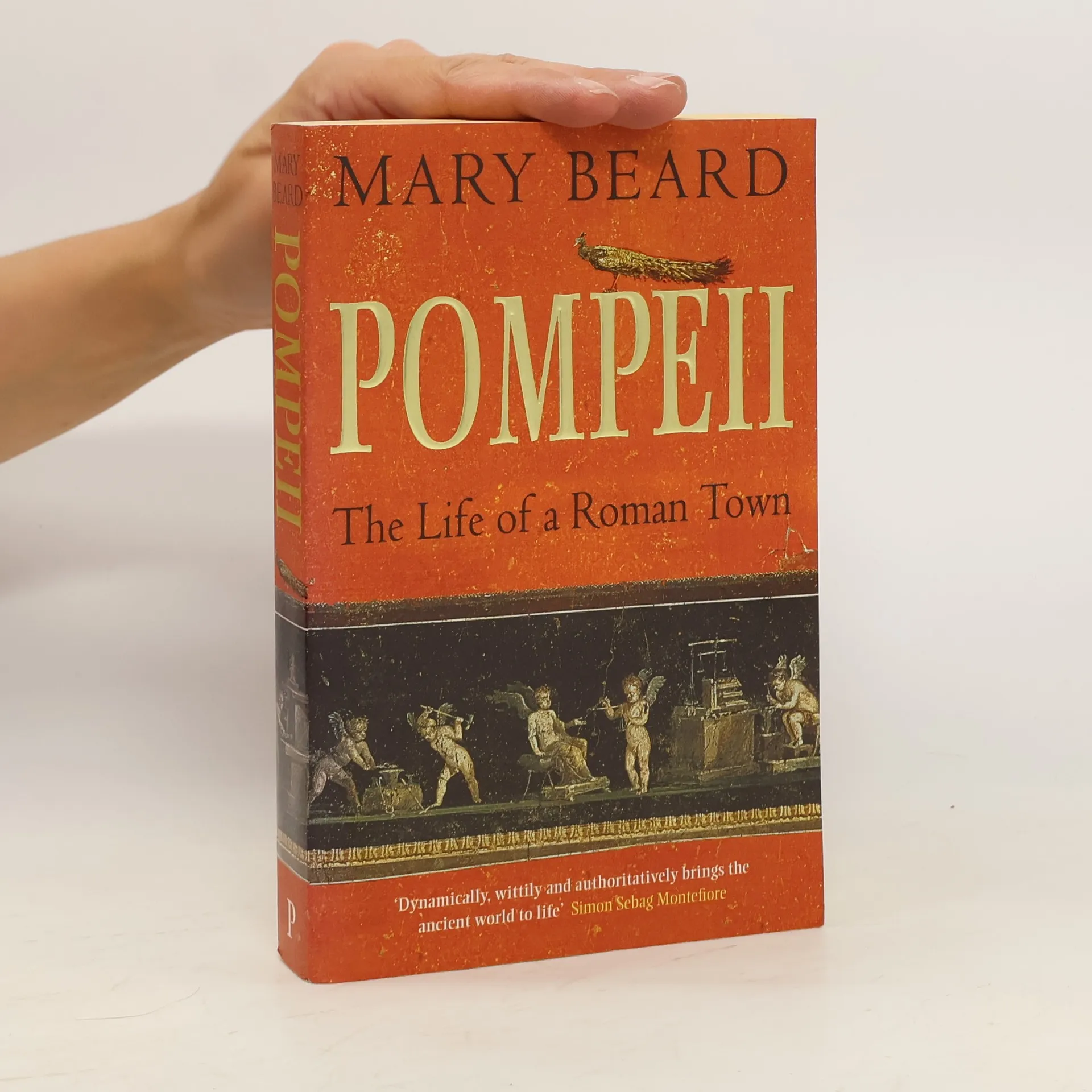
Pompeii explodes a number of myths - from the very date of the eruption, probably a few months later than usually thought; the hygiene of the baths which must have been hotbeds of germs; and the legendary number of brothels, most likely only one, to the massive death count which was probably less than ten per cent of the population.Street Life, Earning a Living: Baker, Banker and Garum Maker (who ran the city), The Pleasure of the Body: Food, Wine, Sex and Baths, these chapter headings give a surprising insight into the workings of a Roman town. At the Suburban Baths we go from communal bathing to hygiene to erotica. A fast-food joint on the Via dell' Abbondanza introduces food and drink and diets and street life. These are just a few of the strands that make up an extraordinary and involving portrait of an ancient town, its life and its continuing re-discovery, by Britain's leading classicist.
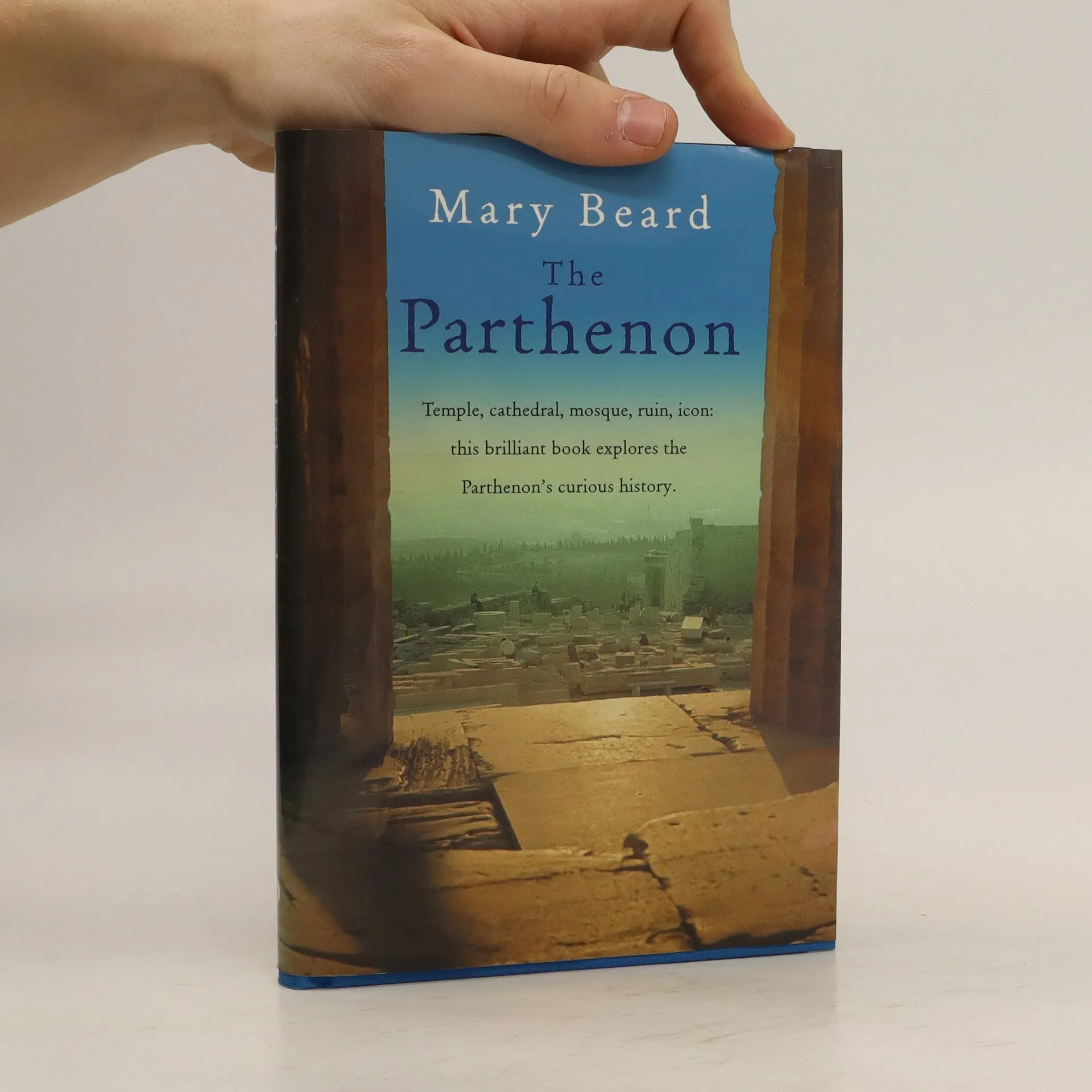
The Parthenon
- 209pages
- 8 heures de lecture
The ruined silhouette of the Parthenon on its hill above Athens is one of the world's most famous images. Its 'looted' Elgin Marbles are a global cause celèbre. But what actually are they? In the first of an occasional 'series' on wonders of the world - such as the Colosseum, Stonehenge, the Pyramids, the Alhambra, Mary Beard, biographer, reviewer and leading Cambridge classicist, tells the history and explains the significance of the Parthenon, the temple of the virgin goddess Athena, the divine patroness of ancient Athens:
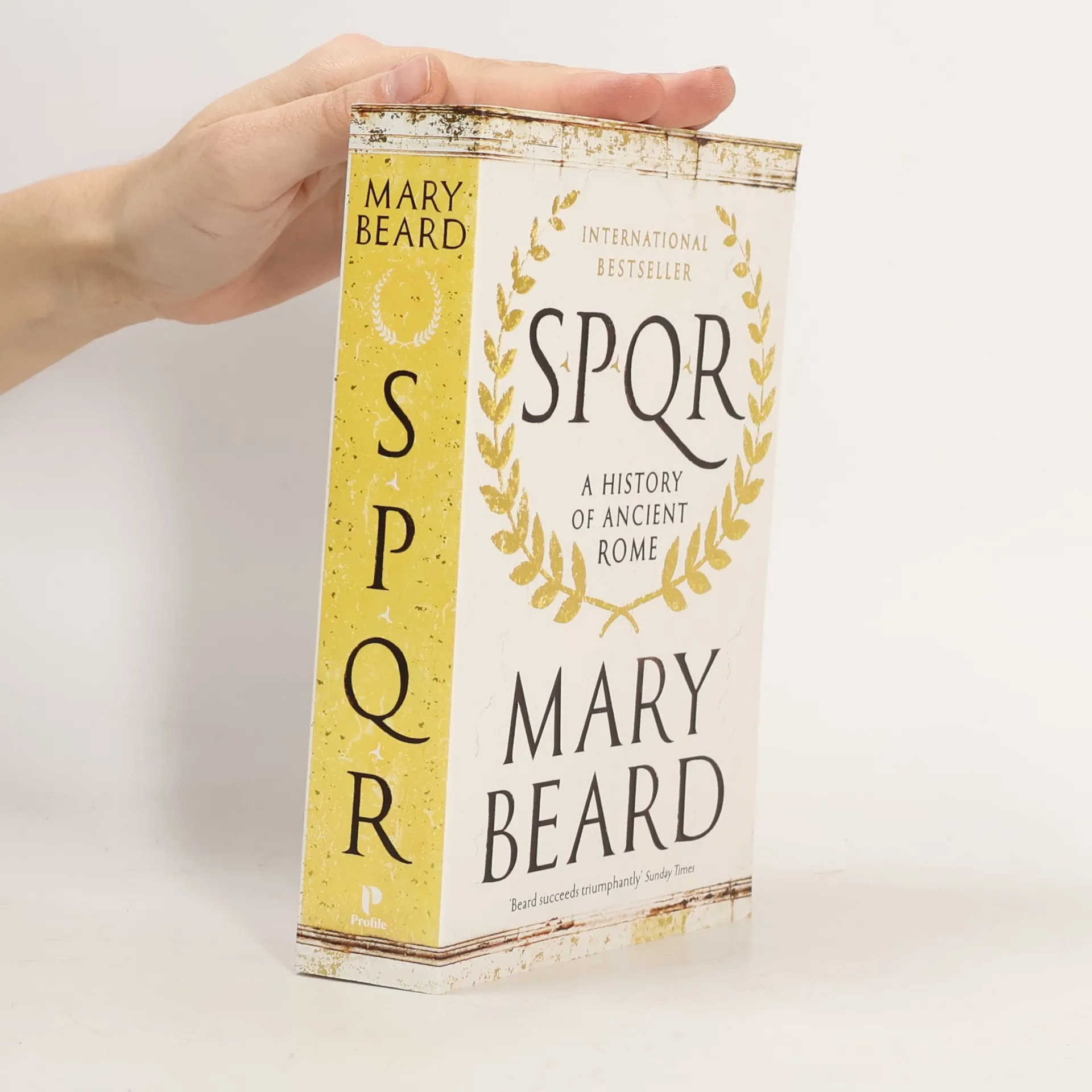
SPQR
A History of Ancient Rome
Mary Beard on Ancient Rome: Britain's favourite classicist lifts the lid on the Roman Empire.
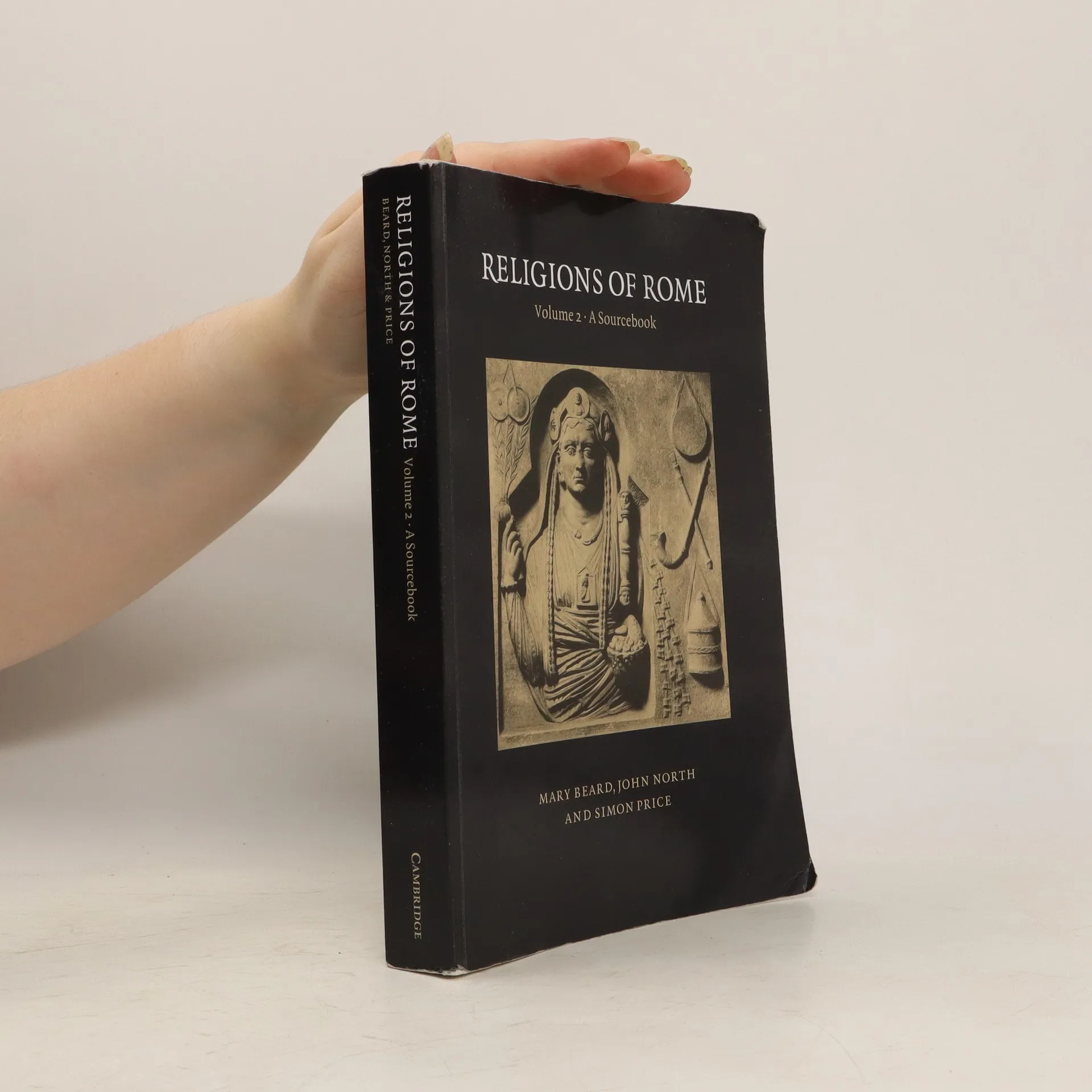
This book, the 2nd of two volumes making up Religions of Rome, presents a range of documents illustrating religious life in the Roman world from the early Republic to the late Empire (visual evidence & texts in translation). More than just a sourcebook, it explores some of the major themes & problems of Roman religion such as sacrifice, the religious calendar, divination & prediction. Each document has an introduction, explanatory notes & bibliography, & is used as the starting point for discussion.Acknowledgements Preface Conventions & abbreviations 1 Earliest Rome 2 The deities of Rome 3 The calendar 4 Religious places 5 Festivals & ceremonies 6 Sacrifices 7 Divination & diviners 8 Priests & priestesses 9 Individuals & gods: life and death 10 Rome outside Rome 11 Threats to the Roman order 12 Religious groups 13 Perspectives Glossary Deities & their epithets Bibliography 1. Literary texts 2. Secondary literature Details of illustrations Index of texts cited General index
Women and power
- 128pages
- 5 heures de lecture
"Why the popular resonance of 'mansplaining' (despite the intense dislike of the term felt by many men)? It hits home for us because it points straight to what it feels like not to be taken seriously: a bit like when I get lectured on Roman history on Twitter. Britain's best known classicist Mary Beard, is also a committed and vocal feminist. With wry wit she shows how history has treated powerful women. With examples ranging from Medusa and Athena to Theresa May and Elizabeth Warren, Beard explores the cultural underpinnings of misogyny, considering the public voice of women, how we look at women who exercise power, our cultural assumptions about women's relationship with power, and how powerful women resist being packaged into a male template. With personal reflections on her own experiences of sexism online and the gendered violence she has endured as a woman in the public eye, Mary asks: if women aren't perceived to be fully within the structures of power, isn't it power that we need to redefine?"--Publisher
Rome in the Late Republic
- 116pages
- 5 heures de lecture
This textbook outlines the factors that every student must assess for a proper understanding of the period, from the attitudes of the aristocracy and the role of state religion to the function of political institutions. schovat popis
Laughter in Ancient Rome
- 338pages
- 12 heures de lecture
What made the Romans laugh? Was ancient Rome a carnival, filled with practical jokes and hearty chuckles? Or was it a carefully regulated culture in which the uncontrollable excess of laughter was a force to fear—a world of wit, irony, and knowing smiles? How did Romans make sense of laughter? What role did it play in the world of the law courts, the imperial palace, or the spectacles of the arena? Laughter in Ancient Rome explores one of the most intriguing, but also trickiest, of historical subjects. Drawing on a wide range of Roman writing—from essays on rhetoric to a surviving Roman joke book—Mary Beard tracks down the giggles, smirks, and guffaws of the ancient Romans themselves. From ancient “monkey business” to the role of a chuckle in a culture of tyranny, she explores Roman humor from the hilarious, to the momentous, to the surprising. But she also reflects on even bigger historical questions. What kind of history of laughter can we possibly tell? Can we ever really “get” the Romans’ jokes?
How do we look? The eye of faith
- 240pages
- 9 heures de lecture
Companion to the major new BBC documentary series CIVILISATIONS, presented by Mary Beard, David Olusoga and Simon Schama The idea of 'civilisation' has always been debated, even fought over. At the heart of those debates lies the big question of how people - from prehistory to the present day - have depicted themselves and others, both human…
Mary Beard is one of the world's best-known classicists - a brilliant academic, with a rare gift for communicating with a wide audience both though her books and TV presenting.In a series of sparkling essays, she explores our rich classical heritage - from Greek drama to Roman jokes, introducing some larger-than-life characters of classical history, such as Alexander the Great, Nero and Boudicca. She invites you into the places where Greeks and Romans lived and died, from the palace at Knossos to Cleopatra's Alexandria - and reveals the often hidden world of slaves. She brings back to life some of the greatest writers of antiquity - including Thucydides, Cicero and Tacitus - and takes a fresh look at both scholarly controversies and popular interpretations of the ancient world, from The Golden Bough to Asterix. The fruit of over thirty years in the world of classical scholarship, Confronting the Classics captures the world of antiquity and its modern significance with wit, verve and scholarly expertise.
From the bestselling author of A History of Ancient Rome, this book explores how images of Roman autocrats have shaped art, culture, and the representation of power for over 2,000 years. It poses critical questions about the nature of power and the figures commemorated in art, particularly in light of contemporary debates surrounding public monuments. The narrative centers on the enduring influence of Roman emperors, especially the “Twelve Caesars,” from Julius Caesar to Domitian, examining why these figures have dominated artistic representation from antiquity through the Renaissance to modern times. The book begins with the significance of imperial portraits in Roman politics and offers a richly illustrated journey through 2,000 years of art history. It highlights works by notable artists such as Memling and Mantegna, alongside contributions from generations of craftsmen and artists. Rather than presenting a monotonous view of imperial images, it reveals a complex narrative of evolving identities, misidentifications, and ambivalent portrayals of authority. Beard's investigation includes the reconstruction of Titian’s lost Room of the Emperors and a fresh interpretation of Henry VIII’s tapestries, showcasing a gripping exploration of some of the most provocative representations of power ever created.
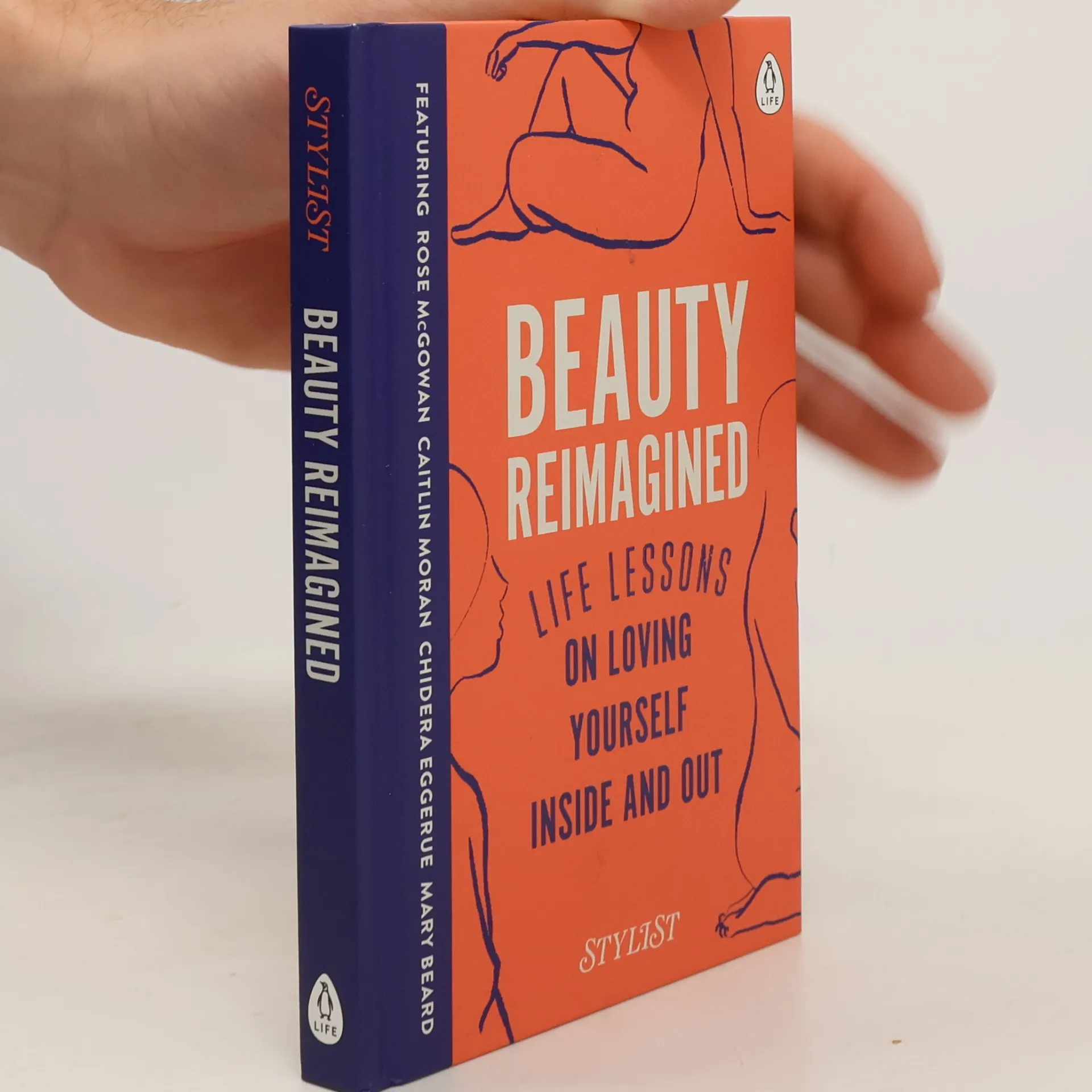
Beauty Reimagined
- 192pages
- 7 heures de lecture
What makes you feel beautiful? Drawing on their professional and personal experiences, 11 remarkable women interrogate the concept of beauty. Never before has the idea of womanhood been as broad as it is today. Stylist has called upon some of the most prominent women across literature, politics, academia, media and entertainment to discuss what beauty means to them. From facial hair to acne, Afro, textured and grey hair to shaved heads, saggy boobs and cellulite, what happens when women challenge the expectations that society places on their appearances? Through these unique, unblinking and witty essays from leading women who have turned their biggest challenges into their greatest assets, come 11 life-changing stories on why you already are your best self. Learn these invaluable lessons from Mary Beard, Caitlin Moran, Chidera Eggerue, Charli Howard, Stella Creasy MP, Yrsa Daley-Ward, Rose McGowan, Jess Glynne, Harnaam Kaur, Ava Welsing-Kitcher and Hanna Ibraheem.
Divine women – in many guises – have featured in every world faith from deep history until the present day, inspiring people and cultures across the world. In a cross-cultural and global approach, this book discusses Eve alongside Inanna, Radha, and Aphrodite in the context of sex and desire, while in the chapter on evil, witches and Hecate are compared with other deities, like Lamashtu and the Cihuateotl, as well as monstrous women such as Taraka, Medusa, Rangda, and Lilith. Ideas of justice and defense are explored in the figures of Athena, Sekhmet, and Kali, and the final chapter on compassion and salvation uncovers links between Isis, Mary, Tara, and Guanyin. The publication concludes with a discussion of contemporary art and modern interpretations of goddesses. Until the mid-twentieth century, the disciplines of theology, archaeology, and history were heavily dominated by male academics, resulting in the under-representation of women’s experience and fewer studies on female divinity. This timely book, which is packed with fascinating insights into different cultures and beliefs, seeks to redress that balance.Table of ContentsIntroduction1. Forces of nature2. Passion and desire3. Evil4. Justice and defence5. Compassion and salvationConclusionNotes and bibliographyAcknowledgements and creditsIndex
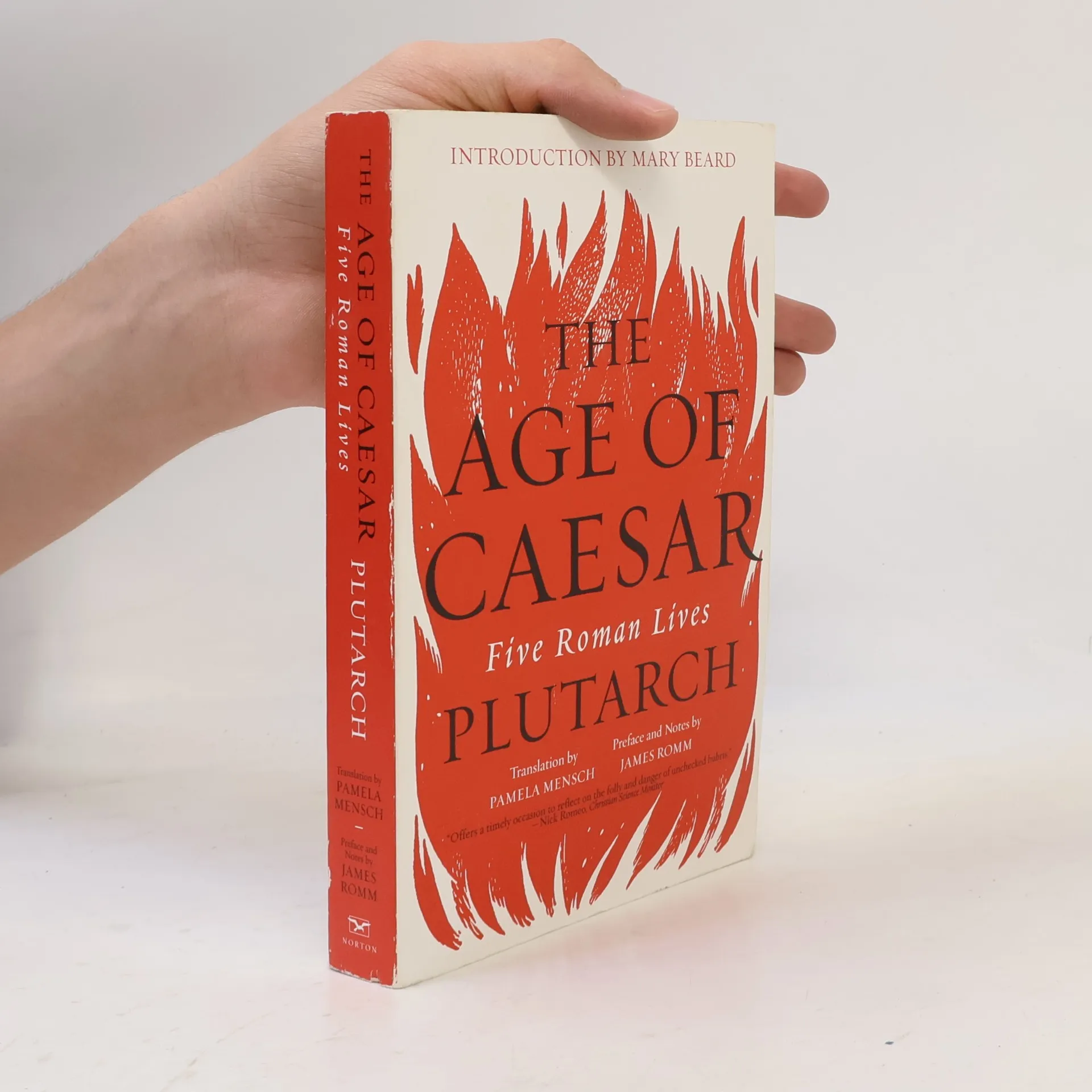
The Age of Caesar
- 432pages
- 16 heures de lecture
An outstanding new edition of Plutarch, the inventor of biography, focused on five lives that remade the Roman world.
Die Kaiser von Rom. Herrscher über Volk und Reich
- 544pages
- 20 heures de lecture
Mary Beard, die berühmteste Althistorikerin, beleuchtet in ihrem New York Times-Bestseller das Leben und die Herrschaft der römischen Kaiser von Augustus bis Caligula. Sie schildert ihren Alltag, ihre Beziehungen und die Erwartungen des römischen Volkes. Mit Humor und Scharfsinn revolutioniert sie unser Verständnis von Herrschaft im Römischen Reich.
Einleitung in die lateinische Philologie
- 725pages
- 26 heures de lecture
Die Autoren dieses Bandes berichten sehr unterhaltsam, unterstützt durch Abbildungen und Cartoons, von dem Entdeckerspaß der Altertumswissenschaftler, aber auch von den Problemen, vor die sie sich bei ihrer Forschung gestellt sehen. Dabei geht es um Kunstraub genauso wie um große Theorien, um moderne Techniken wie um das Beherrschen der alten Sprachen, um das Puzzlespiel der Rekonstruktion wie um das Bild des Altertums im Wandel der Jahrhunderte. Ausgangspunkt sind vereinzelte Stücke eines antiken griechischen Tempels - des Tempels von Bassai -, ausgestellt im Britischen Museum, im Herzen des modernen London.