


Bookbot

Harry Brockway Livres

    Frankenstein or The Modern Prometheus
    Brideshead Revisited
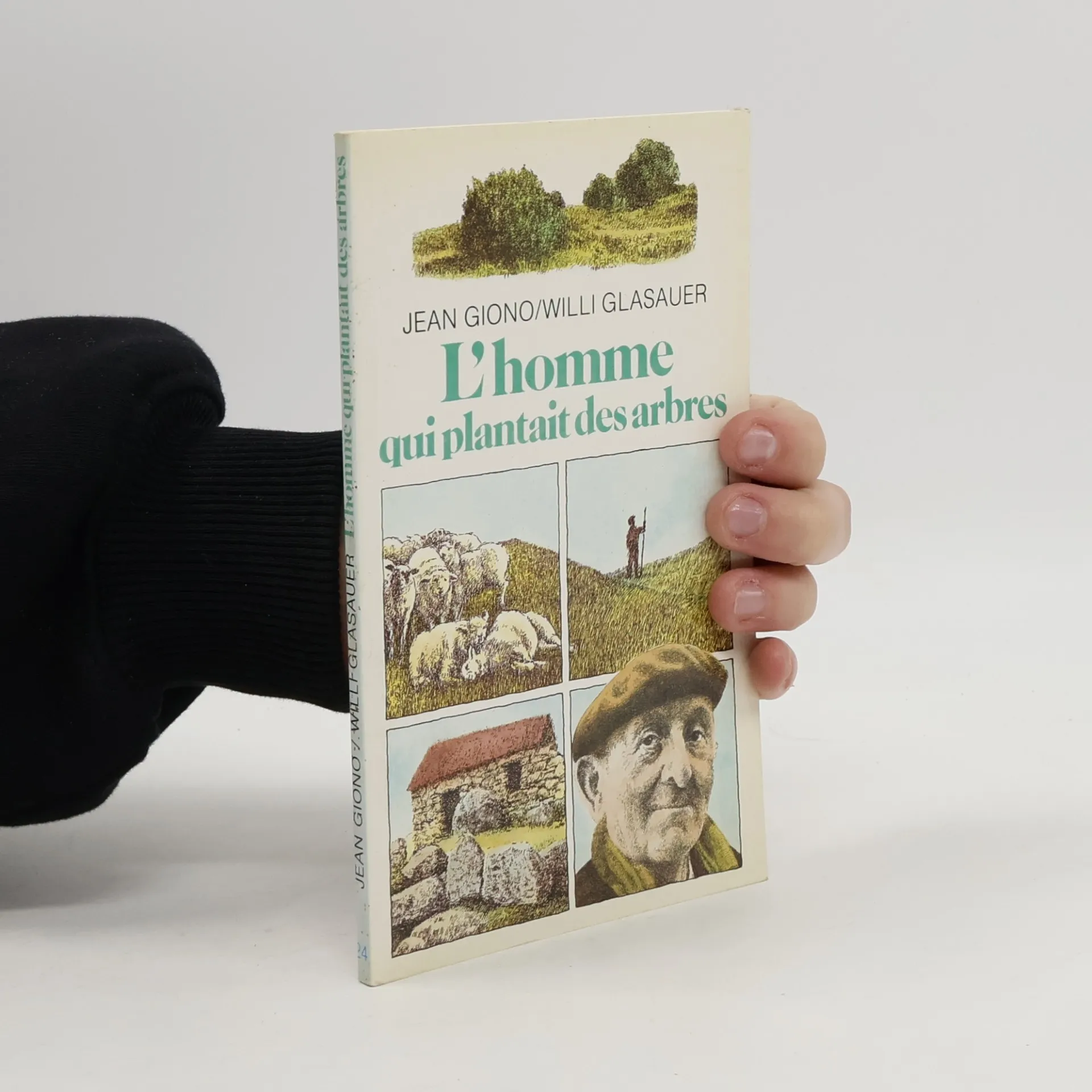
    L'homme qui plantait des arbres
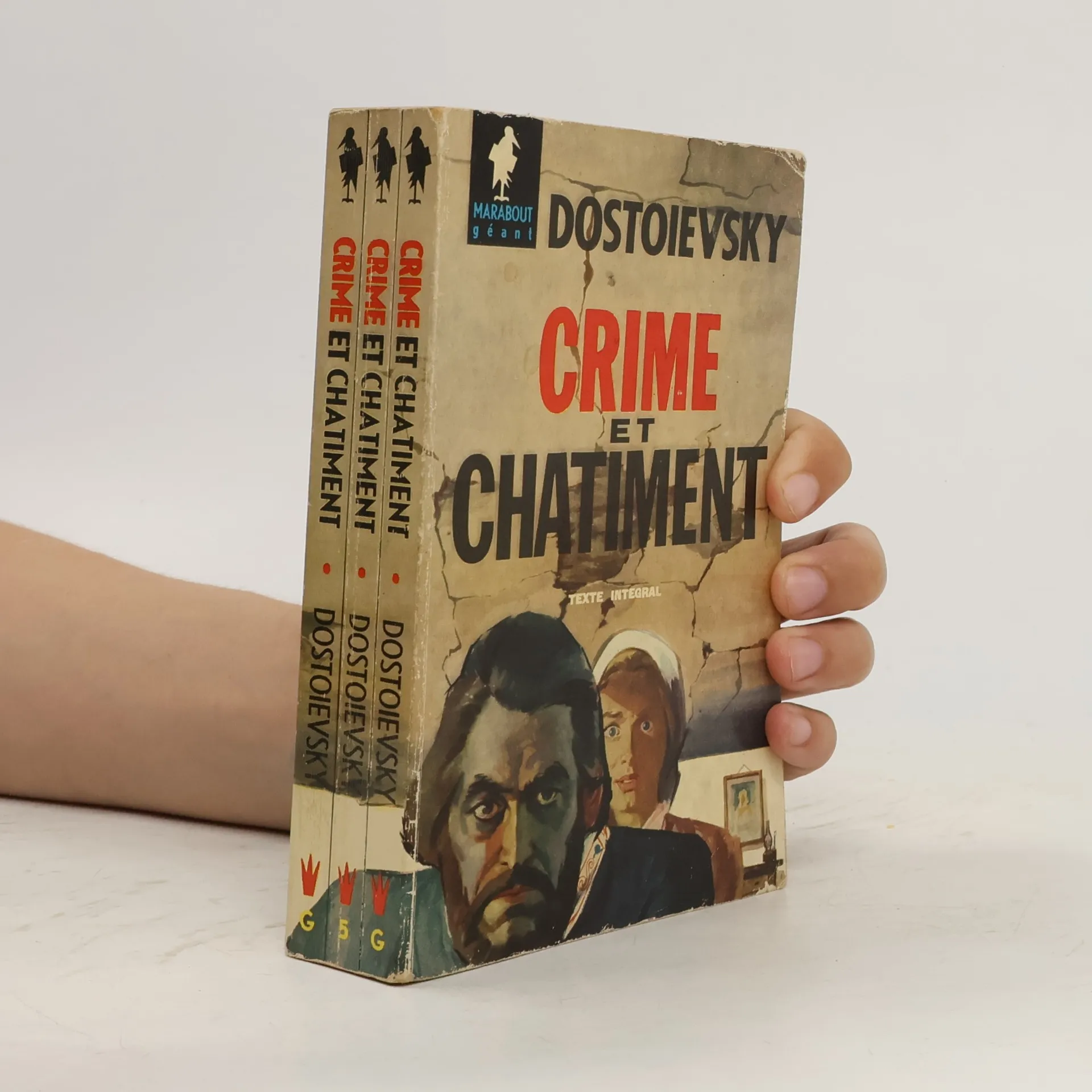
    Crime et châtiment
    • Seul l'être capable d'indépendance spirituelle est digne des grandes entreprises. Tel Napoléon qui n'hésita pas à ouvrir le feu sur une foule désarmée, Raskolnikov, qui admire le grand homme, se place au-dessus du commun des mortels. Les considérations théoriques qui le poussent à tuer une vieille usurière cohabitent en s'opposant dans l'esprit du héros et constituent l'essence même du roman. Pour Raskolnikov, le crime qu'il va commettre n'est que justice envers les hommes en général et les pauvres qui se sont fait abusés en particulier. "Nous acceptons d'être criminels pour que la terre se couvre enfin d'innocents", écrira Albert Camus. Mais cet idéal d'humanité s'accorde mal avec la conscience de supériorité qui anime le héros, en qualité de "surhomme", il se situe au-delà du bien et du mal. Fomenté avec un sang-froid mêlé de mysticisme, le meurtre tourne pourtant à l'échec. Le maigre butin ne peut satisfaire son idéal de justice, tandis que le crime loin de l'élever de la masse, l'abaisse parmi les hommes. Raskolnikov finira par se rendre et accepter la condamnation, par-là même, il accédera à la purification. Crime et Châtiment est le roman de la déchéance humaine, l'oeuvre essentielle du maître de la littérature russe.
      Crime et châtiment
      4,7
    • L'homme qui plantait des arbres

      • 53pages
      • 2 heures de lecture

      The hero of the story, Elzeard Bouffier, spent his life planting one hundred acorns a day in a desolate, barren section of Provence, France. The result was a total transformation of the landscape -- from one devoid of life, with miserable, contentious inhabitants, to one filled with the scent of flowers, the songs of birds, and fresh, flowing water.Chelsea Green is proud to once again collaborate with American Forests to present the Jean Giono Award to an individual who embodies the tree-planting spirit of Elzeard Bouffier. Past winners include Paul Rokich, who secretly planted trees under cover of night on the denuded hills of Utah's Oquirrh Mountains, land that had suffered from overgrazing, excessive logging, fires, and copper-mining activities. We have joined the Paul Winter Consort in the release of a CD version of the acclaimed audio of this story. The original music was composed and is performed by the Paul Winter Consort, and the text is narrated by Robert J. Lurtsema, host of "Morning Pro Musica" on public radio station WGBH in Boston. We are also offering packages of 12 beautiful note cards featuring six of Michael McCurdy's wood engravings from the book, with a message from the text on the back of each card.

      L'homme qui plantait des arbres
      4,6
    • Charles Ryder, a lonely student at Oxford, is captivated by the outrageous and decadent Sebastian Flyte. Invited to Brideshead, Sebastian's magnificent family home, Charles welcomes the attentions of its eccentric, artistic inhabitants the Marchmains, becoming infatuated with them and the life of privilege they inhabit - in particular, with Sebastian's remote sister, Julia. But, as duty and desire, faith and happiness come into conflict, and the Marchmains struggle to find their place in a changing world, Charles eventually comes to recognize his spiritual and social distance from them.

      Brideshead Revisited
      4,1