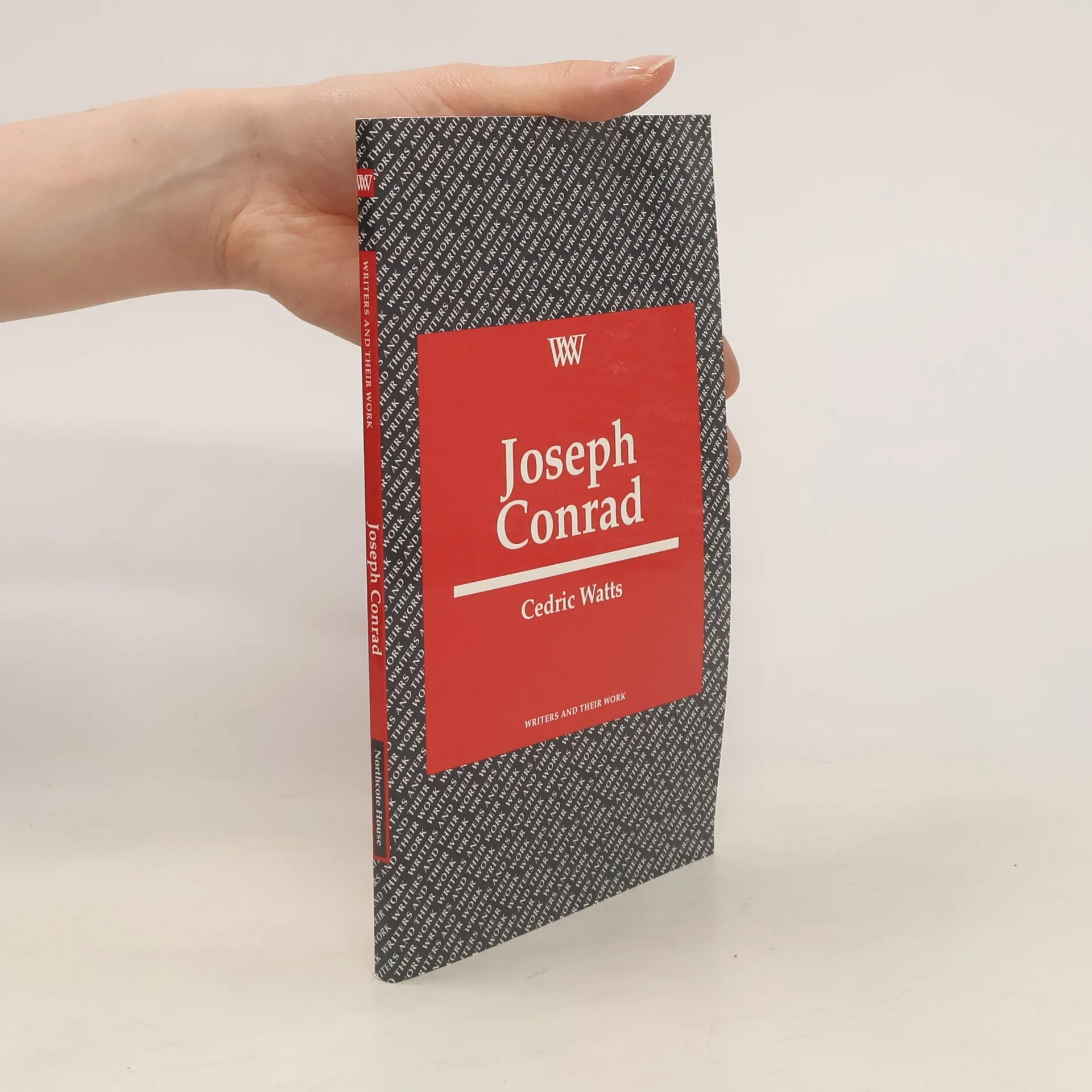

Joseph Conrad
- 80pages
- 3 heures de lecture
Professor Watts’s study examines the main phase in Joseph Conrad’s literary development.
Cedric Watts est un critique littéraire et un érudit distingué dont les publications approfondies explorent l'analyse littéraire et la critique scholarly. Ses œuvres examinent des thèmes et des styles complexes, s'appuyant souvent sur une profonde compréhension de la littérature classique et du drame shakespearien. L'approche de Watts se caractérise par sa précision analytique et sa capacité à découvrir des significations et des nuances cachées dans les textes littéraires. Son érudition offre aux lecteurs une perspective enrichissante sur l'art de la parole écrite.


Professor Watts’s study examines the main phase in Joseph Conrad’s literary development.
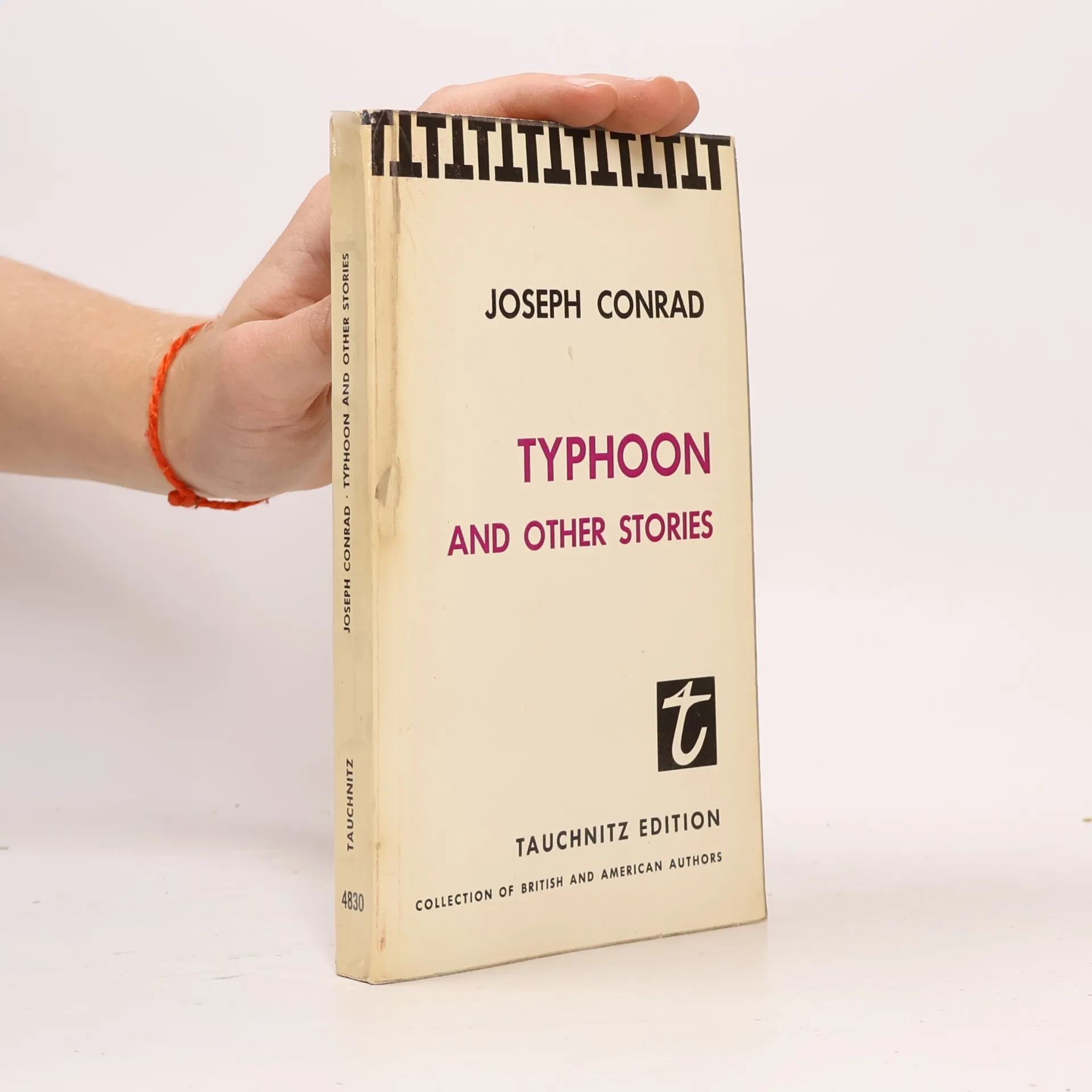
Contains four stories, written between 1900 and 1902. One of them reveals the differences between instinct and intelligence in a partnership vital to human survival; and the other contains 'land-stories' that explore the utter isolation of an East European emigrant in England and in the other, the plight of a woman.
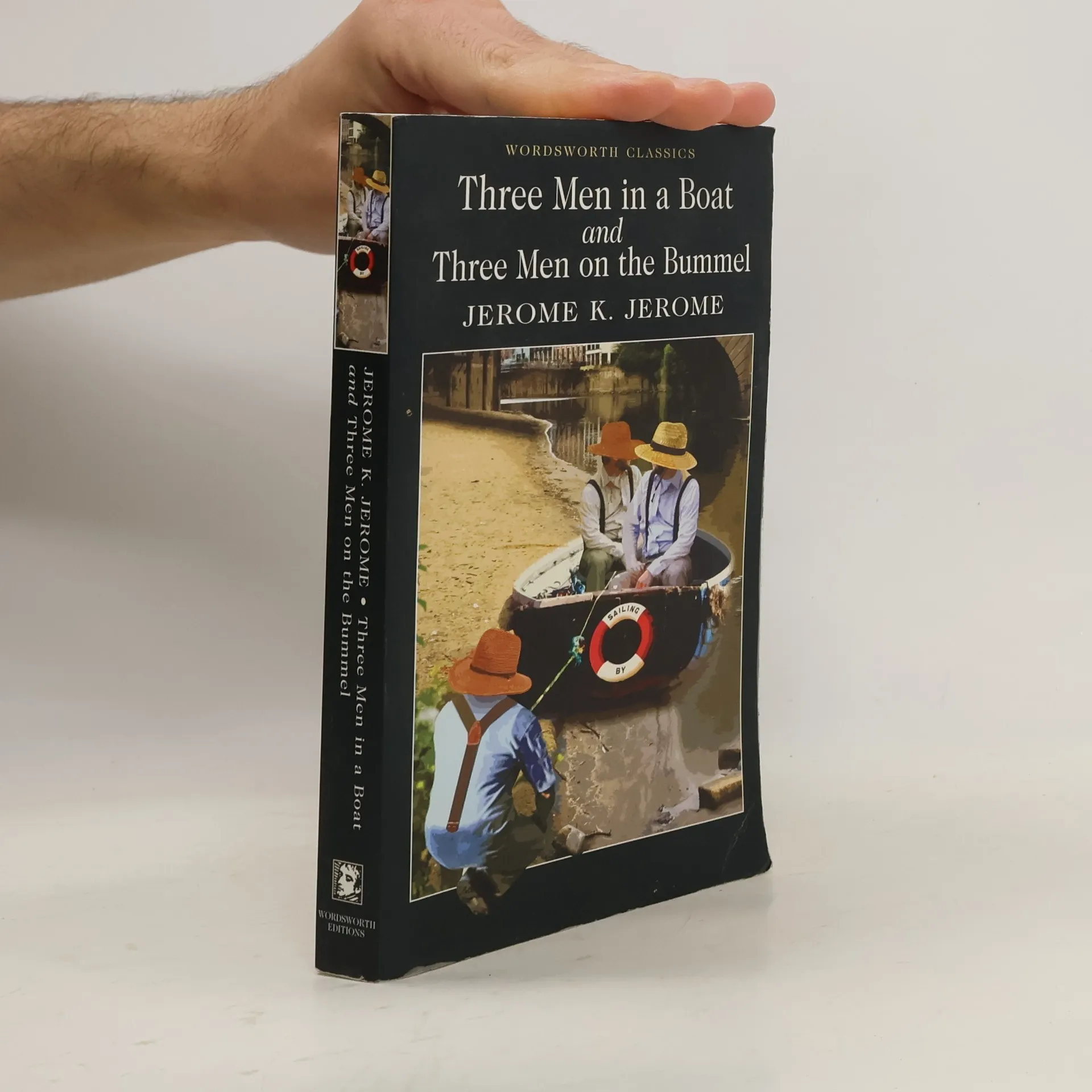
Three men in a boat: Three friends along with the dog, Montmorency, experience the hazards and vicissitudues of life in a boating expedition along the Thames.
Jalousie ! Jalousie ! Pourquoi faut-il qu'Othello, superbe et généreux, tombe dans ce piège ? Lorsque le Maure arrive à Chypre, sa gloire est au plus haut. Seul capable de battre les Turcs, il est même servi par la tempête qui balaye la flotte ennemie. Comme si les Cieux aussi étaient à ses côtés. Ses noces avec Desdémone font de lui un homme heureux. Nuit de fête pour les amants. Nuit funeste qui voit Iago, le traître, multiplier les intrigues pour empoisonner leur joie. Que n'a-t-il l'excuse de l'amour ? Non, ce qui le mène, c'est la haine. Nuire. Détruire Othello en insinuant que Desdémone a pu le trahir. Folie ! Par quel mystère Othello se laisse-t-il abuser par ce misérable ? Passion et violence, sombres machinations... Le destin prend sa revanche.
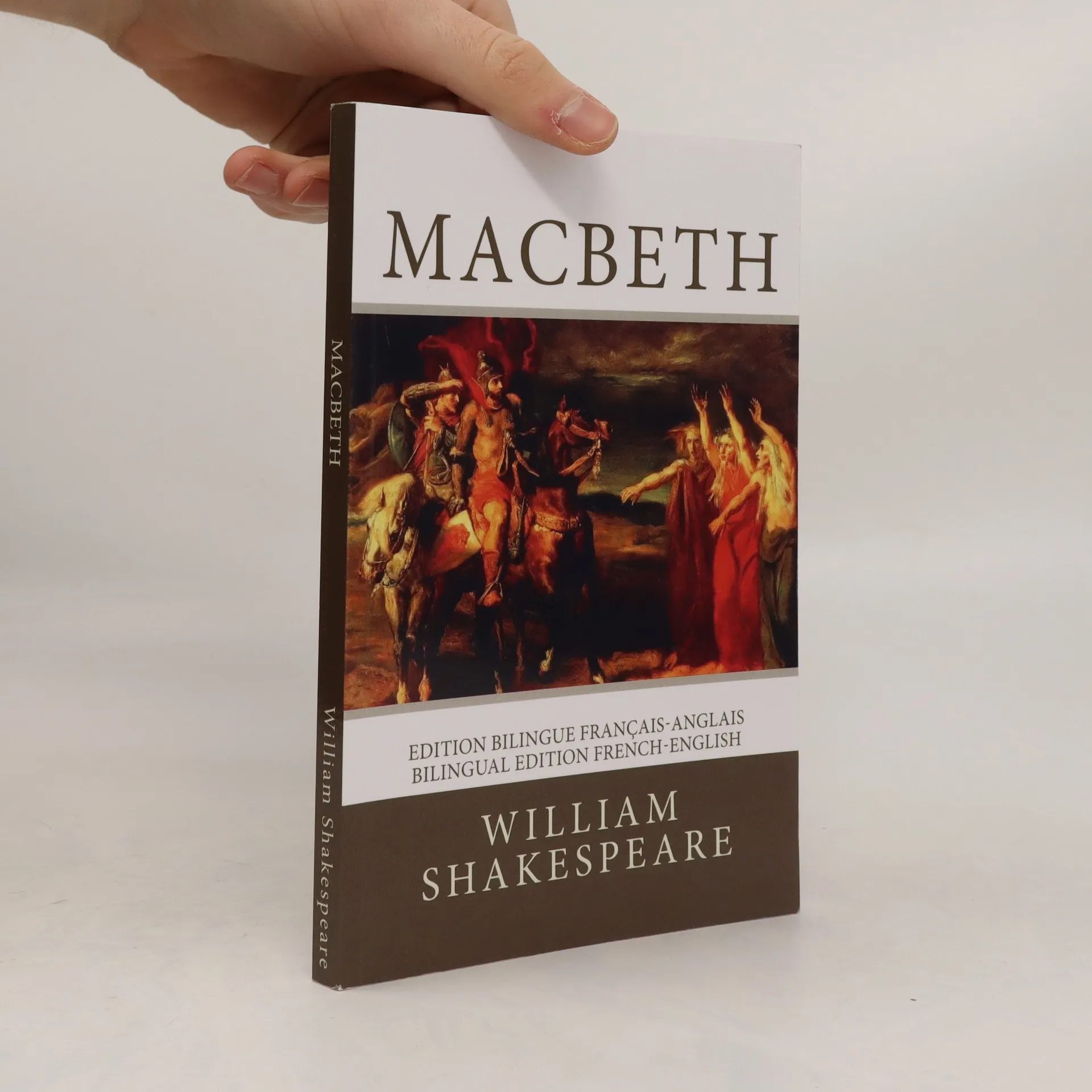
The book explores themes of ambition, power, and guilt through the tragic story of Macbeth, a Scottish general whose encounter with three witches ignites his desire for the throne. As they prophesy that he will become king, dark thoughts of murder consume him, which he struggles to suppress. Encouraged by his ambitious wife, Lady Macbeth, he murders King Duncan in his sleep and ascends to the throne. However, Macbeth's reign is plagued by paranoia and fear of losing power, leading him to further violence, including the murder of his friend Banquo. Haunted by guilt and the specter of Banquo, he seeks out the witches again, who provide misleading assurances of his invincibility. Ultimately, his downfall comes at the hands of Macduff, who was born by cesarean section, fulfilling the witches' prophecy. The play concludes with the tragic fates of both Macbeth and Lady Macbeth, who succumbs to madness, underscoring the destructive nature of unchecked ambition and moral decay.
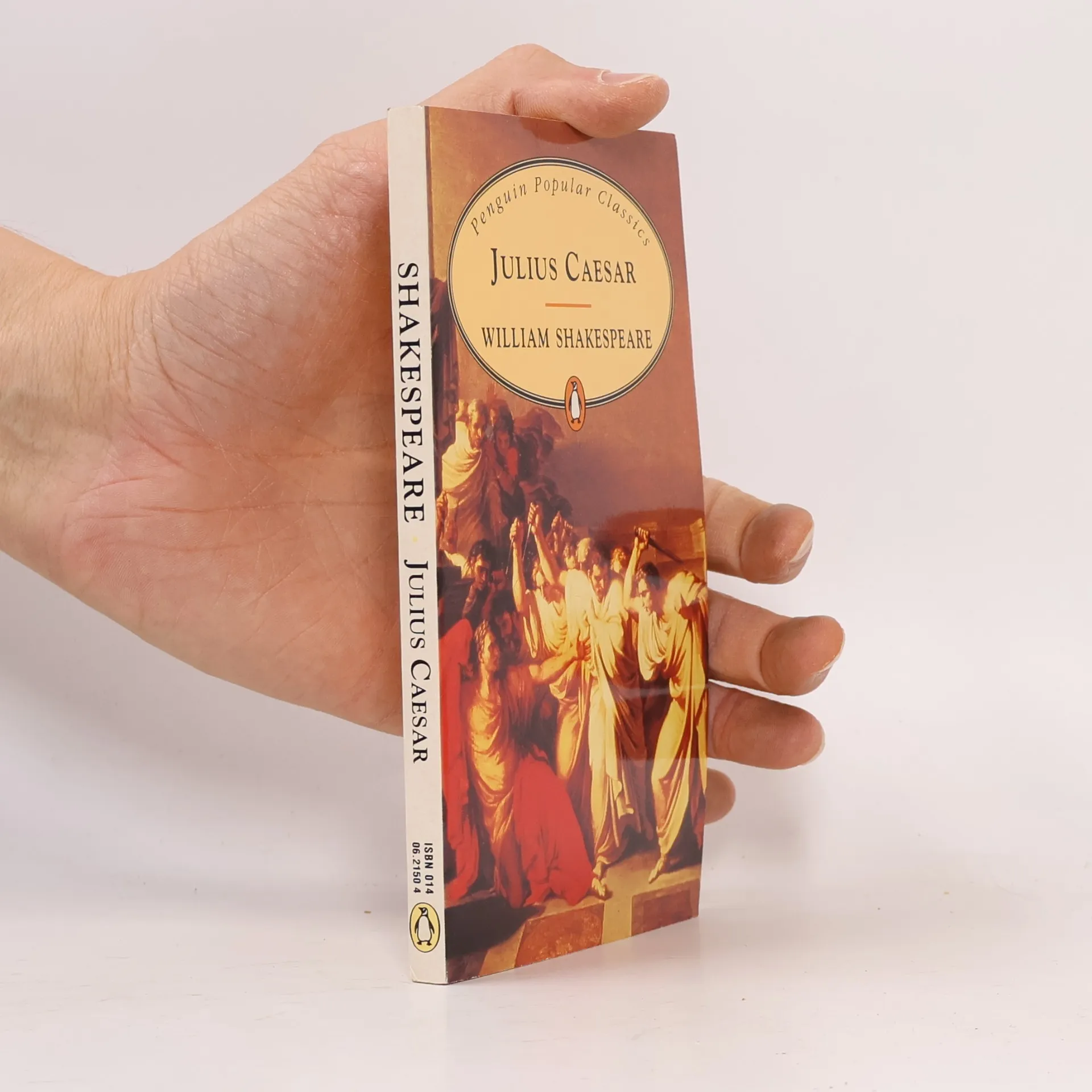
Notes on the story, language, construction, and background accompany the text of the play about the conspiracy to assassinate Caesar.
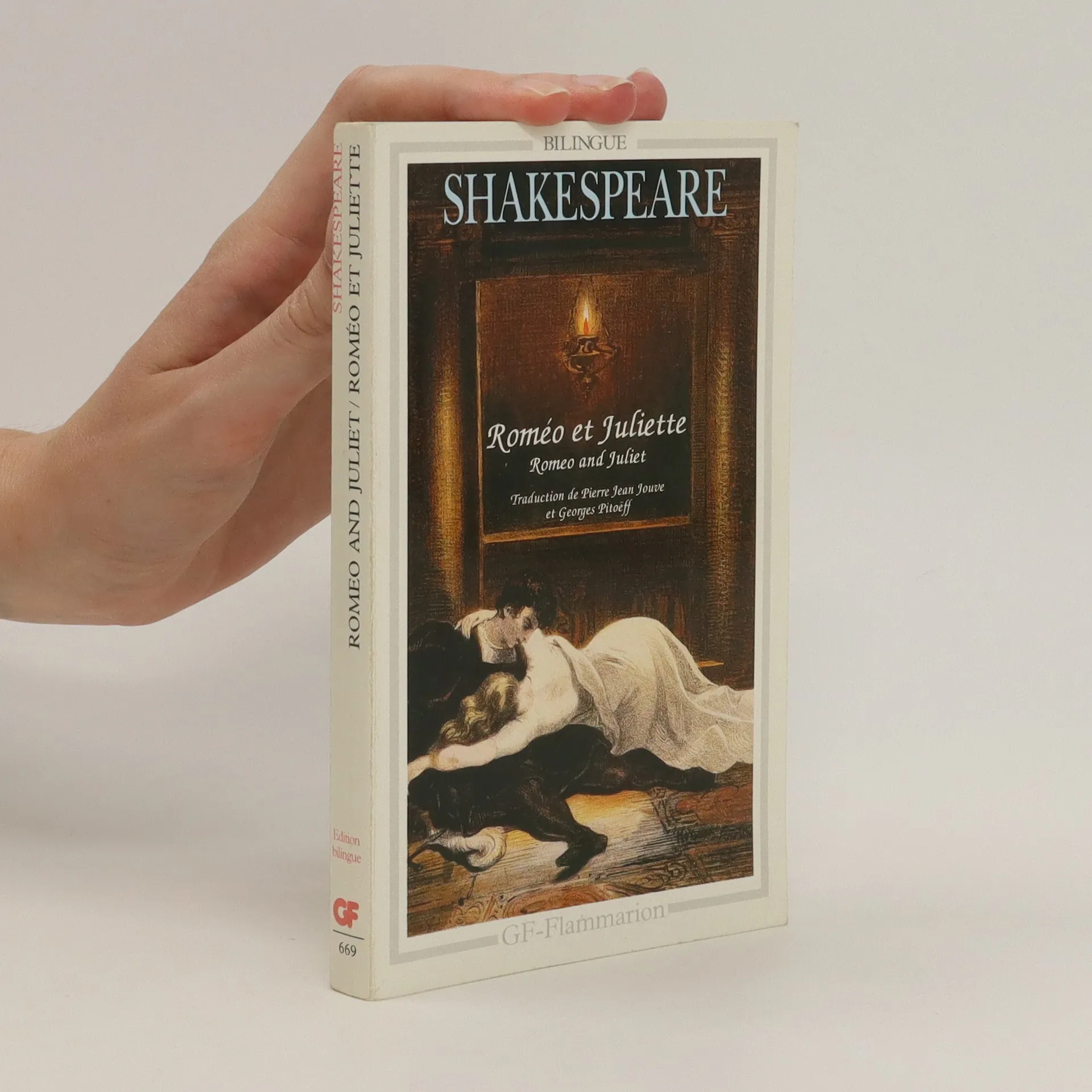
Two Households, both alike in dignity, In fair Verona , where we lay our scene, From ancient grudge break to new mutiny, Where civil blood makes civil hands unclean. From forth the fatal loins of these two foes A pair of star-crossed lovers take their life ; Whose misadventured piteous overthrows Doth with their death bury their parents'strife. [...] Deux anciennes Maisons d'égale dignité Dans la belle Vérone où se tient notre scène Font un nouvel éclat de leur antique hargne, Le sang civil salit les mains des citoyens. Or dans le sein fatal de ces deux ennemis Deux amants prennent vie sous la mauvaise étoile ; Leur malheureux écroulement très pitoyable Enterre en leur tombeau la haine des parents. Les terribles moments de leur amour mortel Et l'obstination des rages familiales Que rien sinon la mort des deux enfants n'apaisera, Pendant deux heures nous le jouerons sur ce théâtre ; Et si vous nous prêtez une patiente oreille, Tout défaut, notre zèle le rachètera.
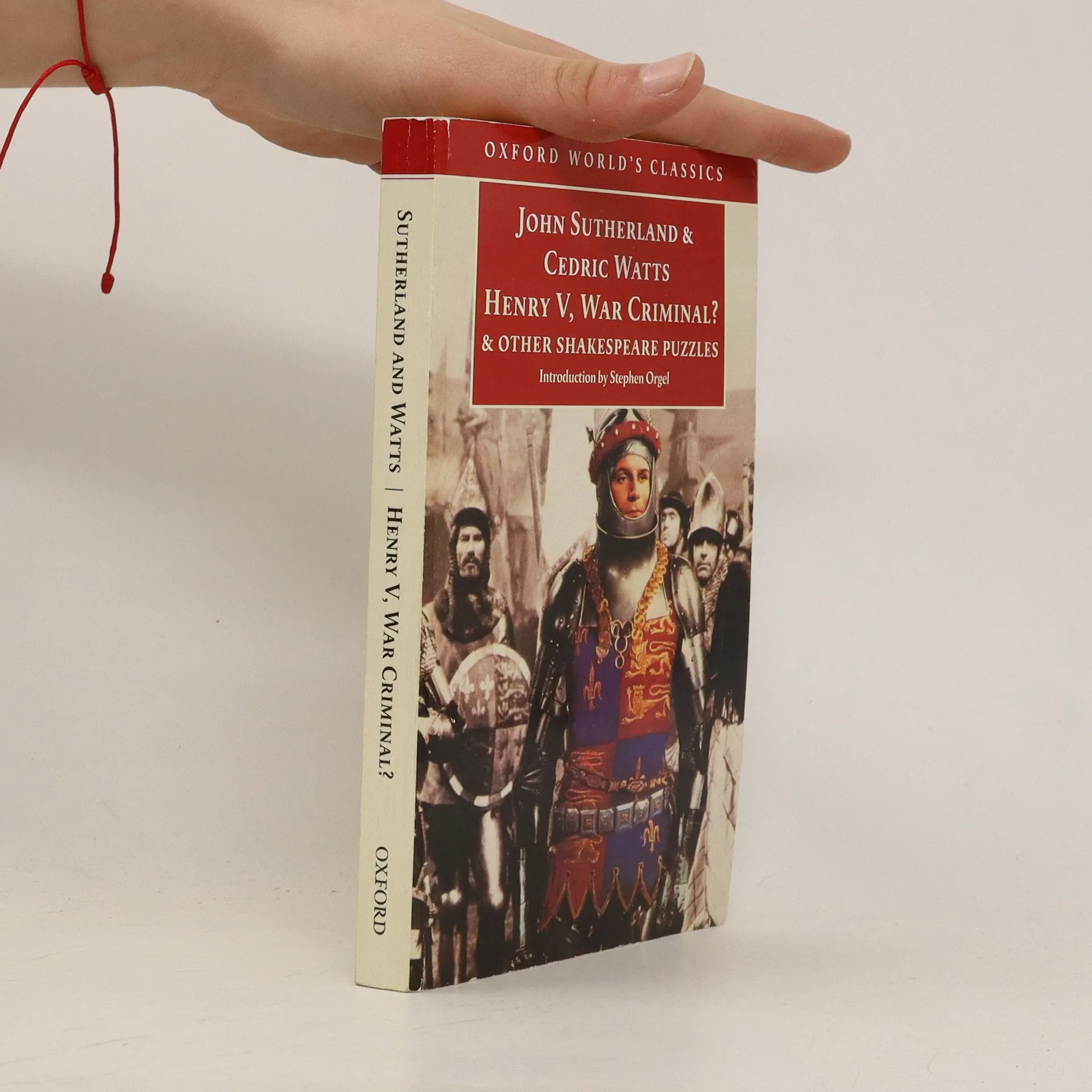
Loose ends and red herrings are the stuff of detective fiction, and under the scrutiny of master sleuths John Sutherland and Cedric Watts Shakespeare's plays reveal themselves to be as full of mysteries as any Agatha Christie novel. Is it summer or winter in Elsinore? Do Bottom and Titania make love? Does Lady Macbeth faint, or is she just pretending? How does a man putrefy within minutes of his death? Is Cleopatra a deadbeat Mum? And why doesn't Juliet ask 'O Romeo Montague, wherefore art thou Montague?' As Watts and Sutherland explore these and other puzzles Shakespeare's genuius becomes ever more apparent. Speculative, critical, good-humoured and provocative, their discussions shed light on apparent anachronisms, performance and stagecraft, linguistics, Star Trek and much else. Shrewd and entertaining, these essays add a new dimension to the pleasure of reading or watching Shakespeare.