
Bookbot

Sabine Saurugger

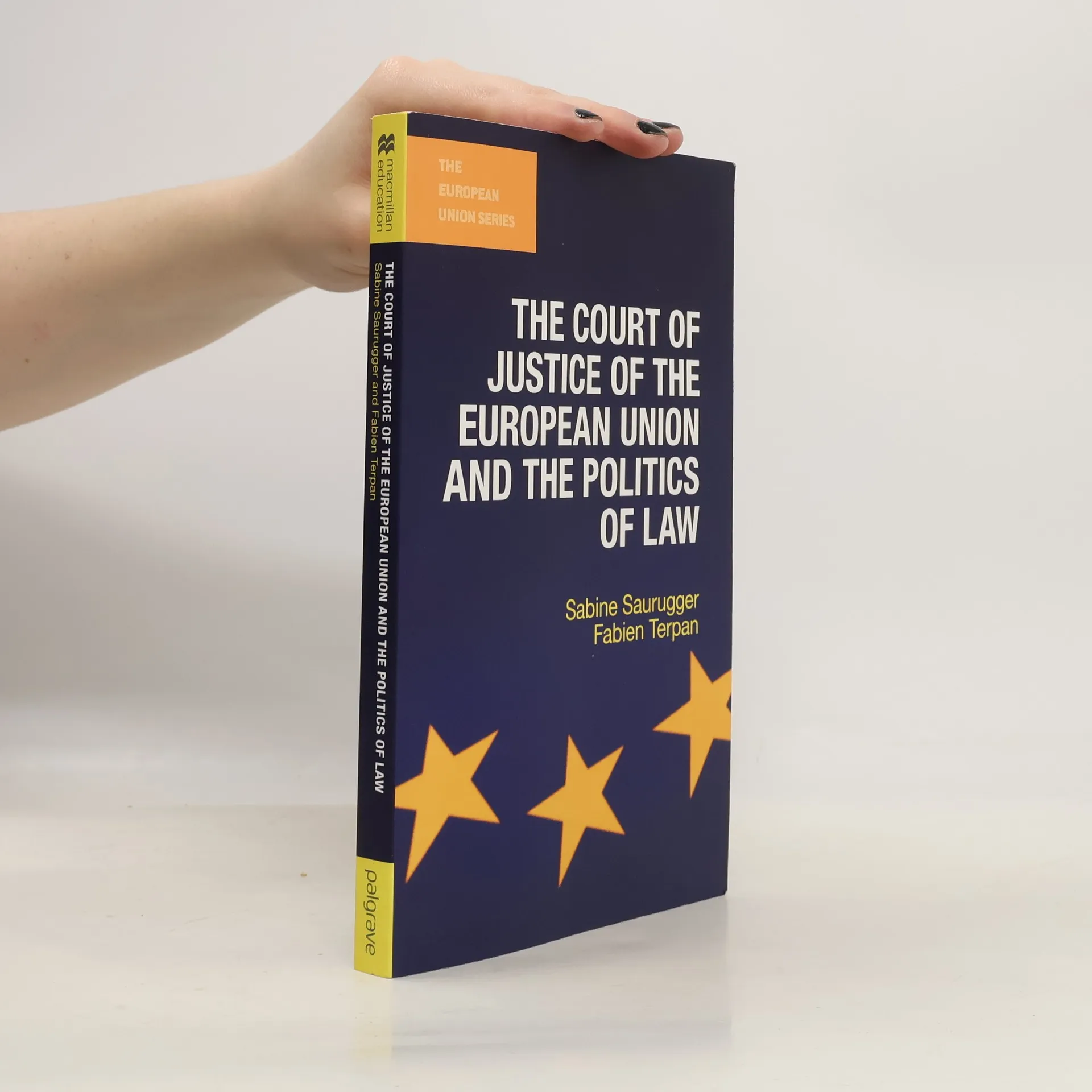
    The European Union Series: The Court of Justice of the European Union and the Politics of Law
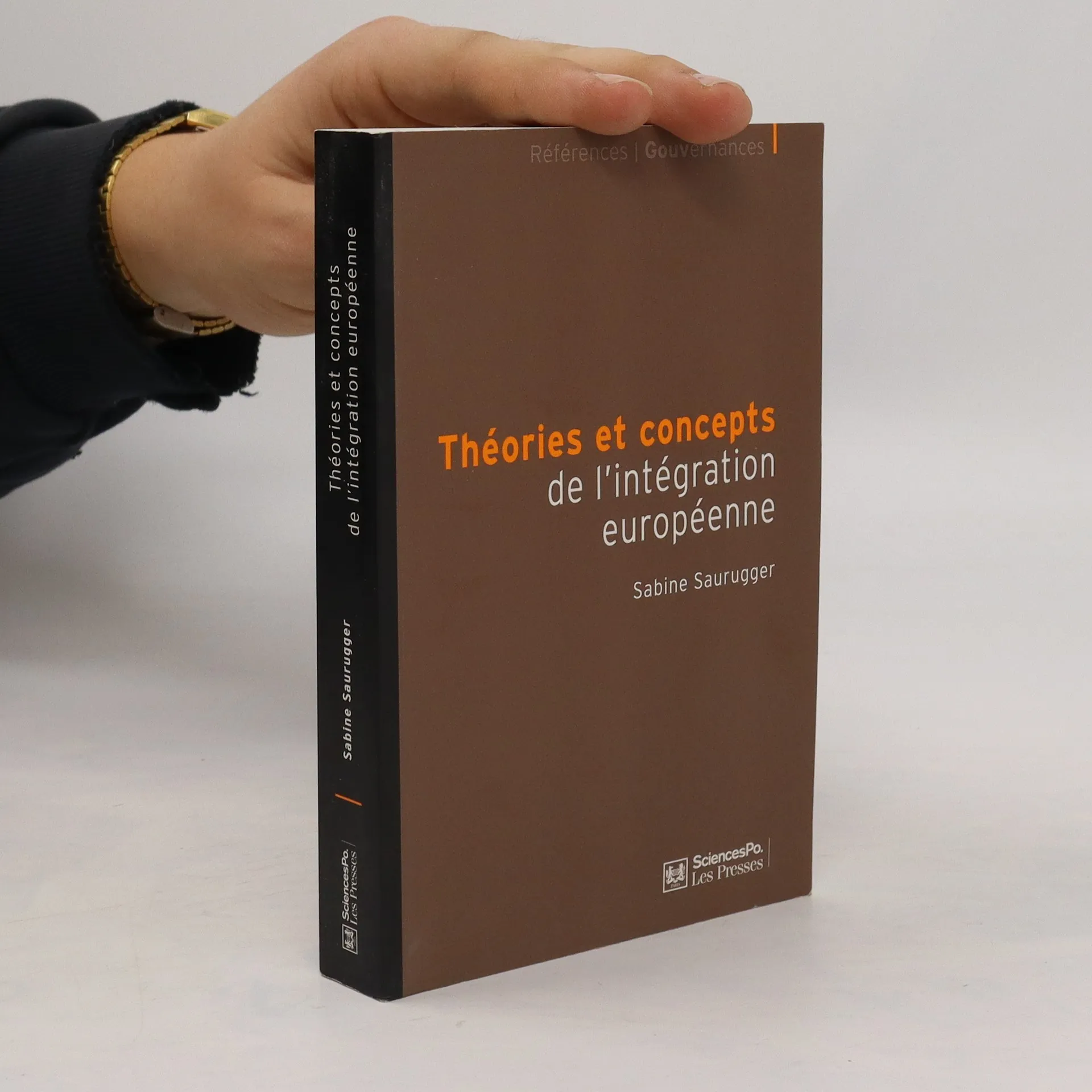
    Théories et concepts de l'integration européenne
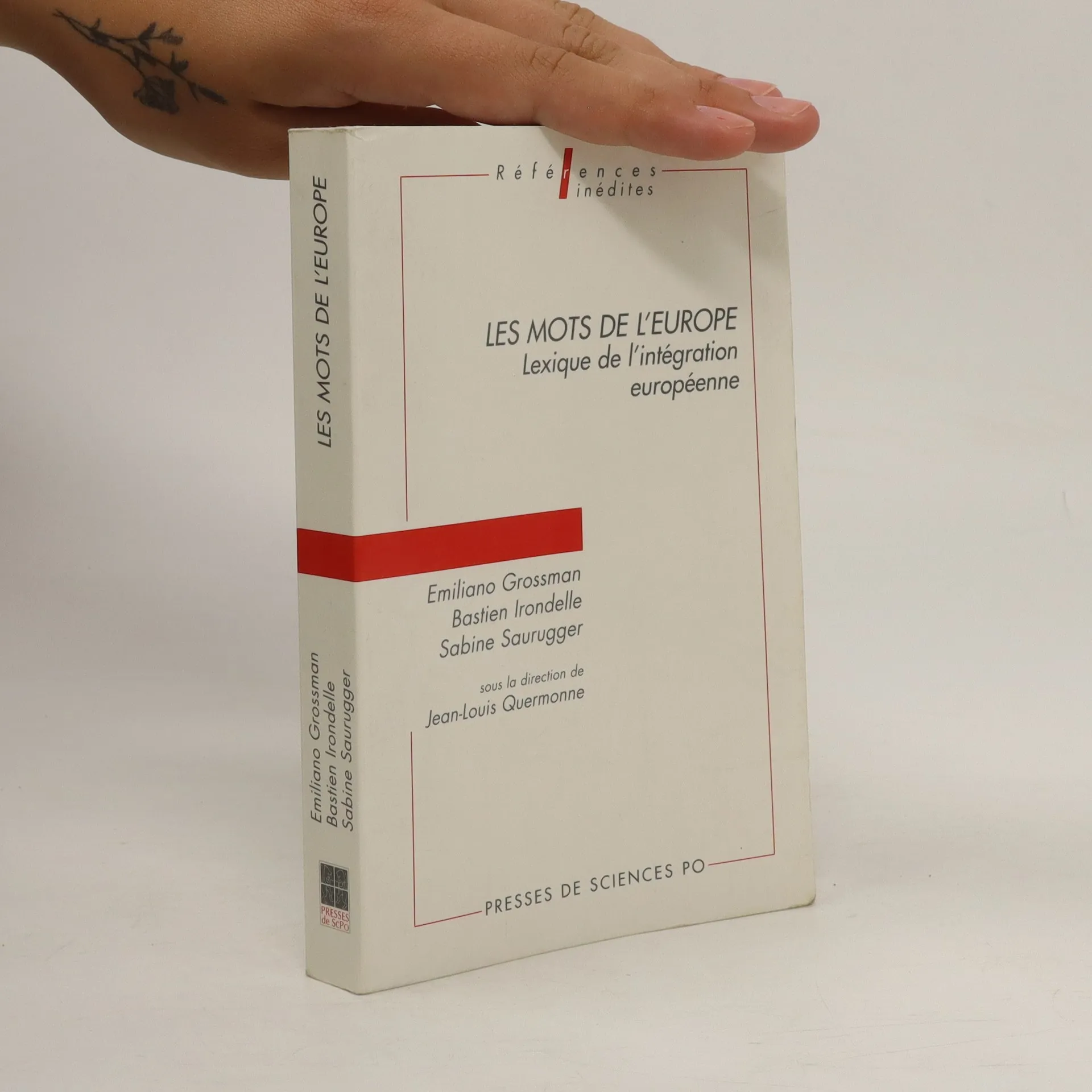
    Les mots de l'Europe
    • The Court of Justice of the European Union (CJEU) is one of the central institutions of the EU and has played a decisive role in European integration. As one of the most powerful international courts, at a time when political systems around the world are becoming more judicialized, it is a key actor to understand in world affairs. Yet it is not without controversy. As both an interpreter of law and as a political power influencing policy-making through its bold case law, it has become increasingly criticized in recent years for its perceived activism and distance from the European people. Combining the perspectives of a legal scholar and a political scientist, this important new text gives a uniquely broad-ranging account of the CJEU. It introduces readers to the role and function of the Court and explains how it fits into the broader political system and historical evolution of the European Union. It examines the constitutional contributions made by the Court and the part it plays in policy-making, in areas such as the environment, gender equality and human rights. Drawing on the latest research, the book takes full account of recent changes to the place of the Court in the European political system, and shows how new forms of governance, such as the open method of coordination, have had a significant impact on the role the Court is able to play.

      The European Union Series: The Court of Justice of the European Union and the Politics of Law2016
    • P. 13. Introduction P. 35. Première partie, Pourquoi construire un système politique intégré? Théories de l'intégration P. 41. Les origines du régionalisme P. 67. Néofonctionnalisme P. 93. Intergouvernementalisme P. 131. Fédéralisme P. 157. Deuxième partie, Comment analyser un système politique intégré? Outils conceptuels issus de l'analyse de l'État P. 163. Constructivismes P. 193. Institutionnalismes P. 227. Gouvernances P. 255. Européanisation et transfert des politiques publiques P. 289. Les sociologies de l'intégration européenne P. 317. Théorie politique P. 343. Troisième partie, Un système intégré dans le monde. Les Relations internationales retrouvent l'Union européenne P. 349. La sociologie des relations internationales et l'intégration européenne P. 377. L'intégration comparée : au-delà du nombrilisme européen P. 399. Conclusion

      Théories et concepts de l'integration européenne2009
    • Les mots de l'Europe

      • 362pages
      • 13 heures de lecture

      Les auteurs des Mots de l'Europe ont choisi 250 termes récurrents dans le langage administratif, les textes législatifs et l'analyse politique et historique de l'intégration européenne. Chaque terme fait l'objet d'une notice détaillée, proposant une définition, des exemples et des références juridiques ainsi que des suggestions bibliographiques spécifiques, qui complètent la bibliographie générale. À l'heure où l'Union européenne fait de la transparence une priorité, cet ouvrage a pour objectif de contribuer à clarifier une terminologie dont les implications sont présentes dans tous les instants de la vie du citoyen européen. Pages de début Avant-propos Mode d'emploi Lexique A B C D E F G H I J L M N O P Q R S T U V WZ Bibliographie Pages de fin

      Les mots de l'Europe2001