And I Worked at the Writer's Trade
Chapters of Literary History, 1918-1978
- 276pages
- 10 heures de lecture
Bound in the publisher's original quarter cloth and paper over boards. Dust jacket is sunned at the spine and has light wear to extremities.


Malcolm Cowley fut un historien et critique littéraire américain essentiel, dont l'œuvre a capturé l'esprit de l'époque et a façonné notre compréhension de la littérature américaine. Ses écrits se distinguent par une profonde perspicacité envers les artistes qu'il a défendus, faisant progresser de manière significative les carrières de nombreux écrivains. Les essais et récits historiques de Cowley ont offert des perspectives essentielles sur les mouvements et les générations littéraires qui ont défini les lettres américaines modernes. Son dévouement tout au long de sa vie à la littérature a laissé une marque indélébile dans le discours critique et historique sur la prose et la poésie américaines.

Chapters of Literary History, 1918-1978
Bound in the publisher's original quarter cloth and paper over boards. Dust jacket is sunned at the spine and has light wear to extremities.
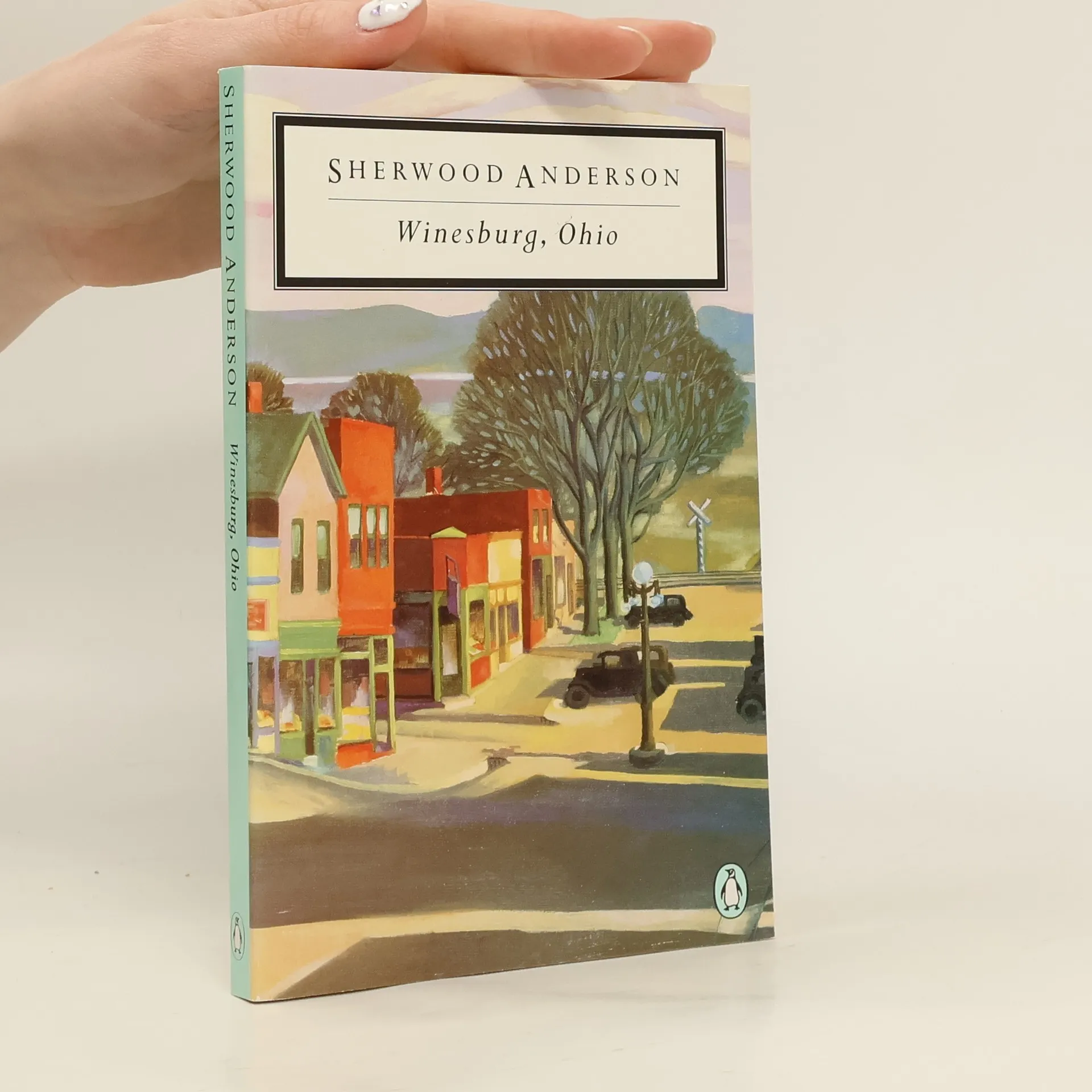
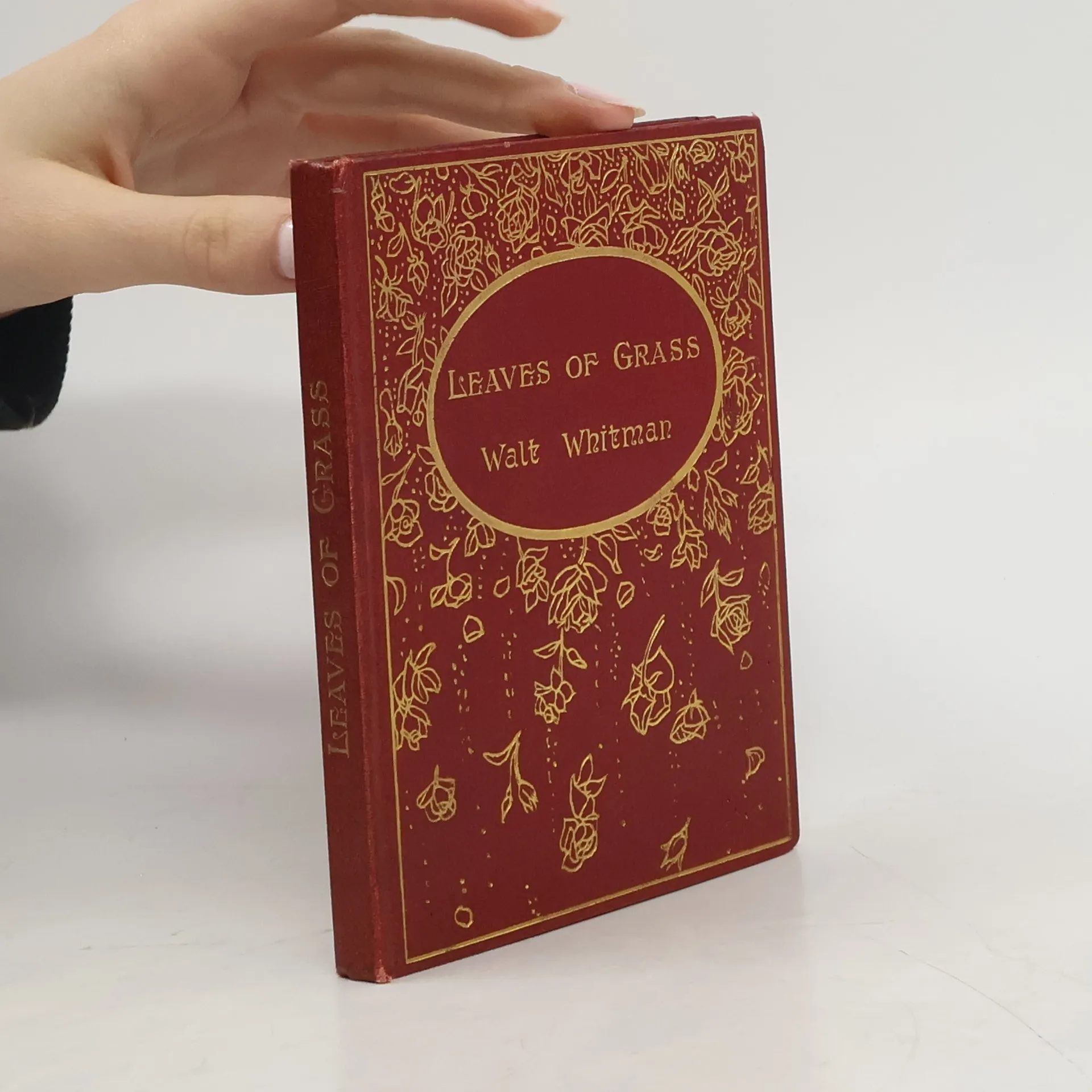
“I am large, I contain multitudes” A Penguin Classic When Walt Whitman self-published his Leaves of Grass in July 1855, he altered the course of literary history. One of the greatest masterpieces of American literature, it redefined the rules of poetry while describing the soul of the American character. Throughout his great career, Whitman continuously revised, expanded, and republished Leaves of Grass, but many critics believe that the book that matters most is the 1855 original. Penguin Classics proudly presents that text in its original and complete form, with an introductory essay by the writer and poet Malcolm Cowley. “I celebrate myself, and sing myself, And what I assume you shall assume, For every atom belonging to me as good belongs to you.” For more than seventy years, Penguin has been the leading publisher of classic literature in the English-speaking world. With more than 1,700 titles, Penguin Classics represents a global bookshelf of the best works throughout history and across genres and disciplines. Readers trust the series to provide authoritative texts enhanced by introductions and notes by distinguished scholars and contemporary authors, as well as up-to-date translations by award-winning translators.
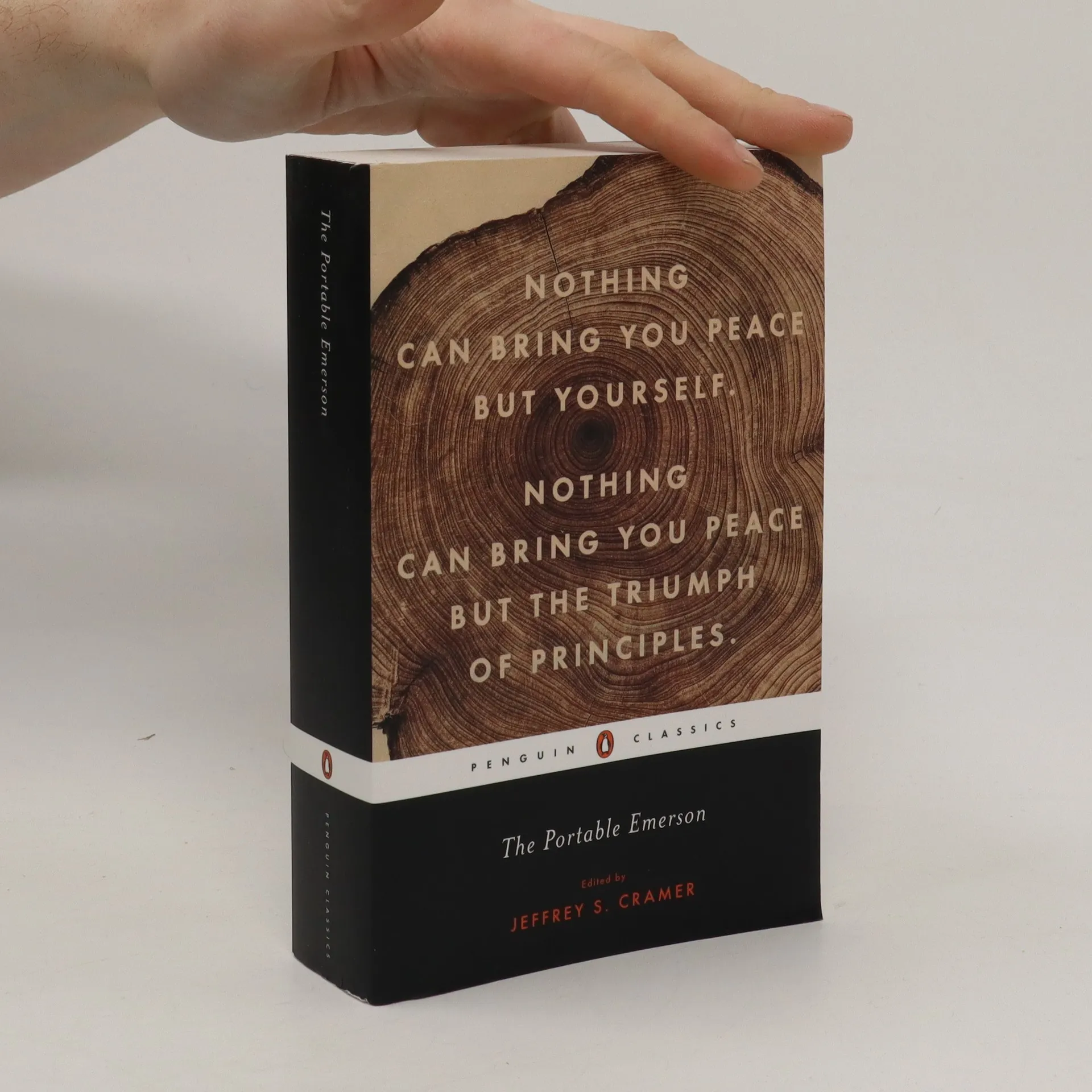
A comprehensive collection of writings by “the most influential writer of the nineteenth century” (Harold Bloom) Ralph Waldo Emerson’s diverse body of work has done more than perhaps any other thinker to shape and define the American mind. Literary giants including Henry David Thoreau, Nathaniel Hawthorne, and Walt Whitman were among Emerson’s admirers and protégés, while his central text, Nature, singlehandedly engendered an entire spiritual and intellectual movement in transcendentalism. This long-awaited update—the first in more than thirty years—presents the core of Emerson’s writings, including Nature and The American Scholar, along with revelatory journal entries, letters, poetry, and a sermon. For more than seventy years, Penguin has been the leading publisher of classic literature in the English-speaking world. With more than 1,700 titles, Penguin Classics represents a global bookshelf of the best works throughout history and across genres and disciplines. Readers trust the series to provide authoritative texts enhanced by introductions and notes by distinguished scholars and contemporary authors, as well as up-to-date translations by award-winning translators.
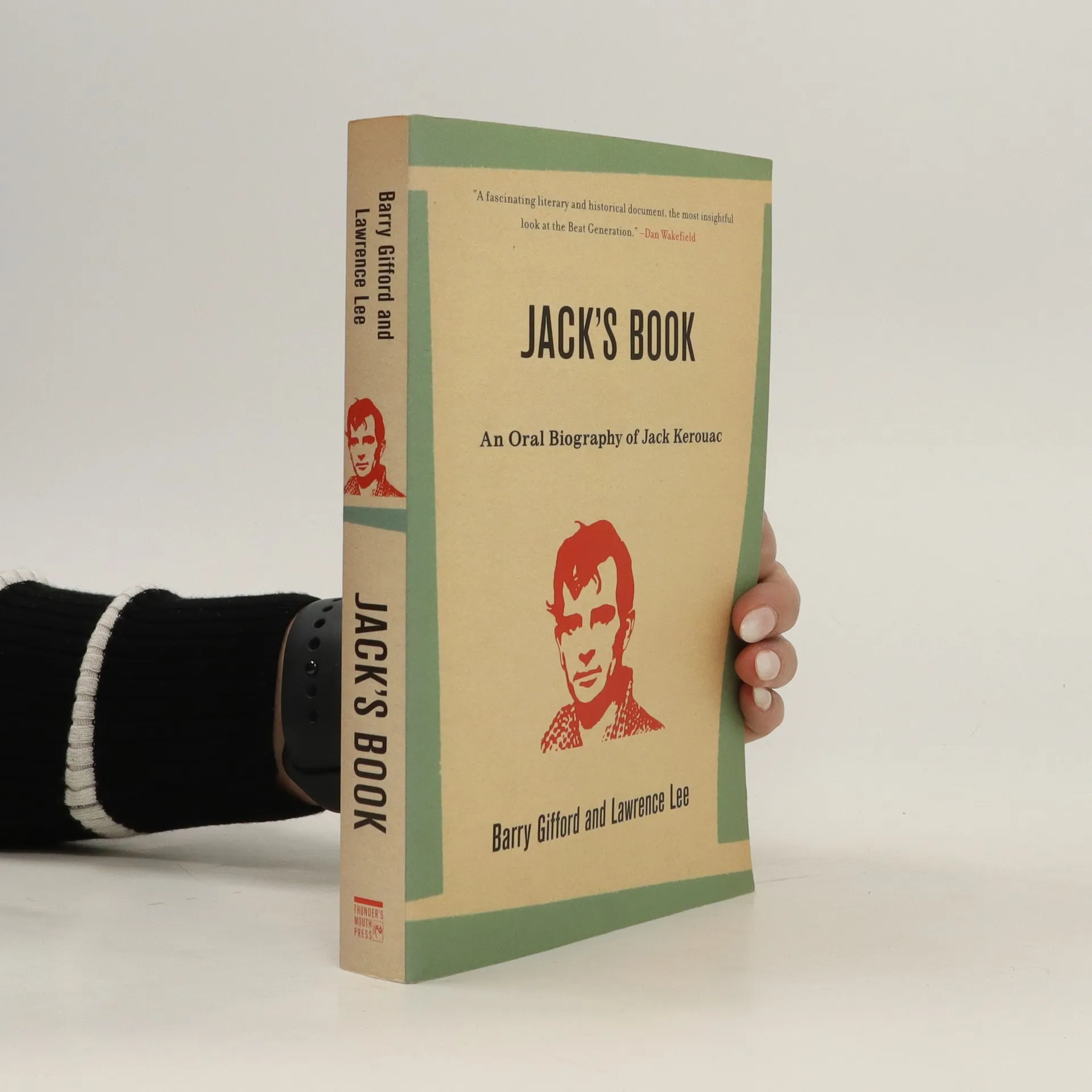
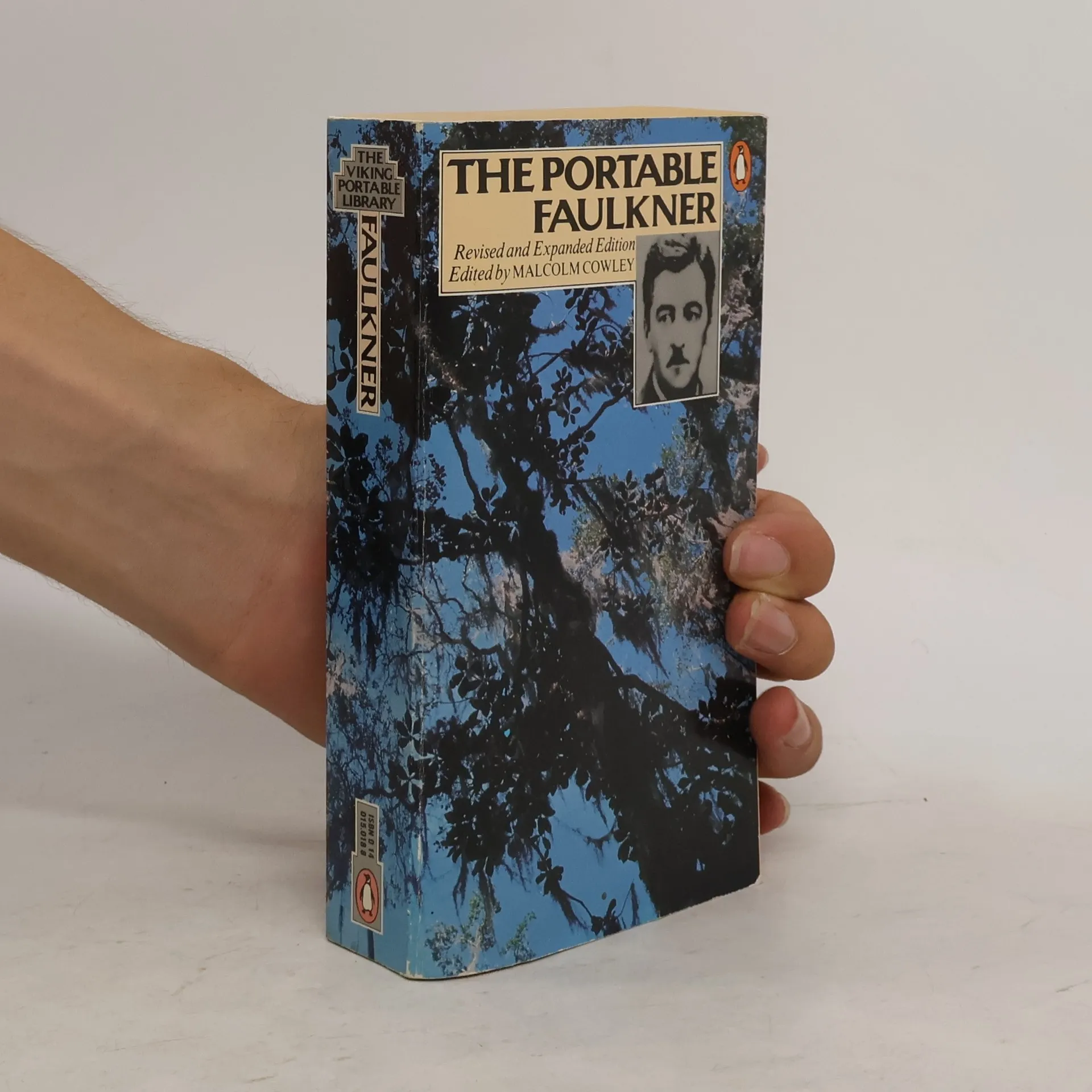
Covers a 130-year period in the history of Yoknapatawpha county and its citizens as revealed by the author who was one of them
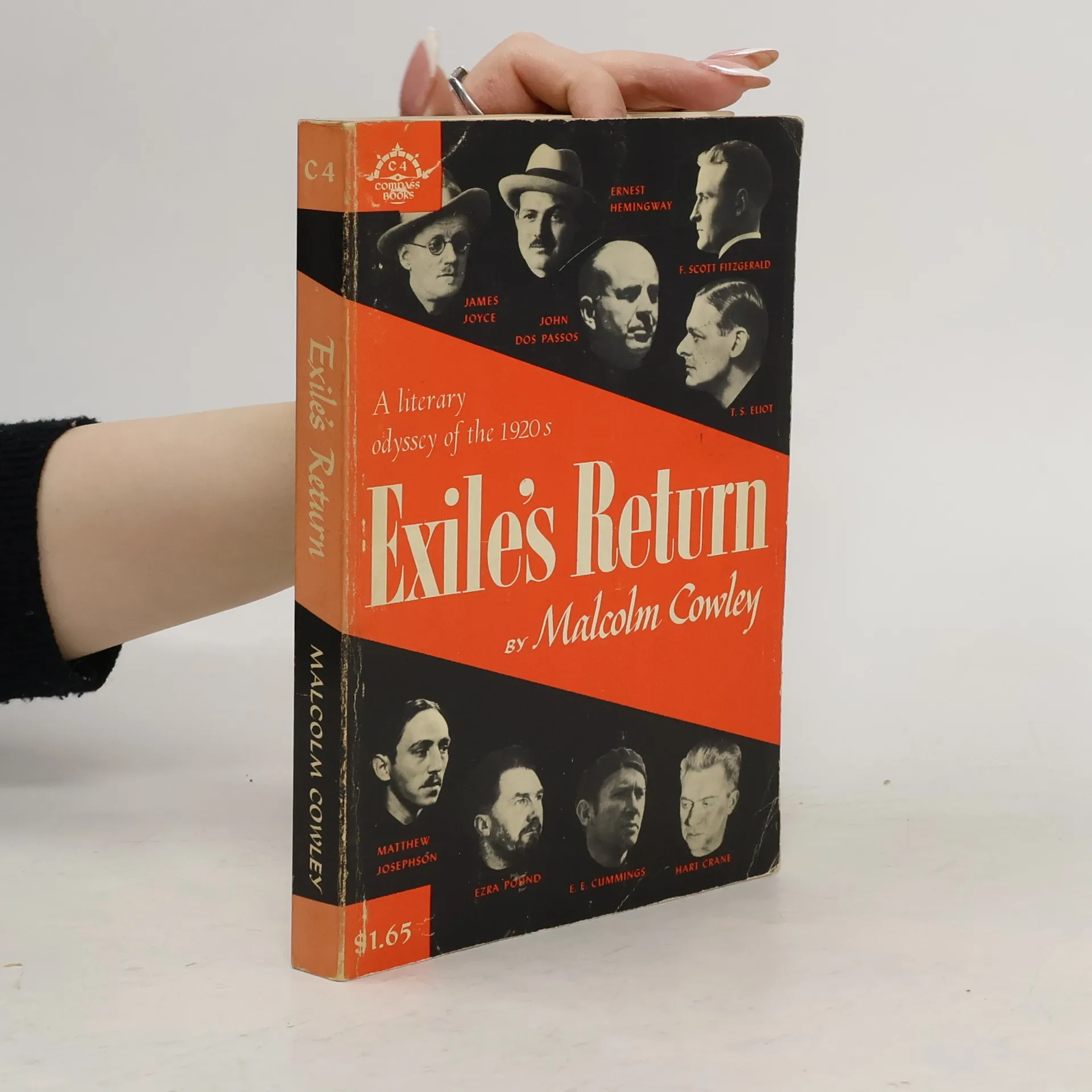
Here, in what has become a classic of its kind since its publication in 1978, is the fascinating story of Jack Kerouac, "King of the Beats" and American literary legend, recorded through the voices of his friends and lovers. Authors Barry Gifford and Lawrence Lee retraced Kerouac's life at home and on the road and talked with the prophets, musicians, poets, socialites, and working people who knew Jack Kerouac. Some are famous like Allen Ginsberg, Gore Vidal, William Burroughs, Gary Snyder, among others; and some are not like Jack's boyhood buddies, his lovers, and his barroom companions. All, however, have contributed to a remarkably vibrant, riveting portrait of a life. We see Jack at Columbia University and on the scene of Greenwich Village; speeding across the tarmac of America with Neal Cassidy ("Dan Moriarty" in Kerouac's classic novel, On the Road); at home with his possessive mother; in California, drinking wine and talking Buddhism; and finally, in Florida, where his life ends tragically at forty-seven years old. Jack's Book, like Kerouac's novels, makes a unique contribution to our understanding of a man and a generation that shaped the dreams and visions of those who followed.
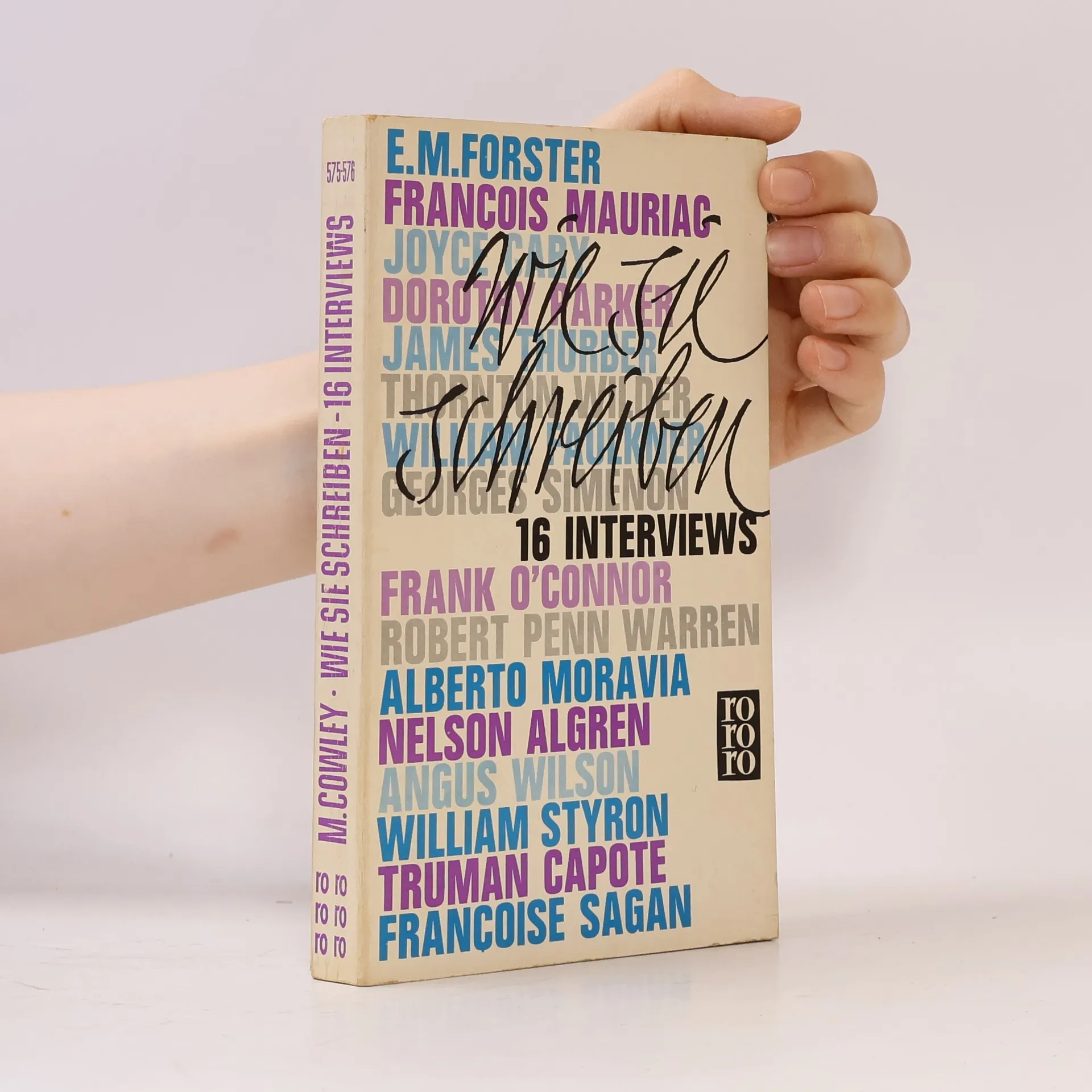
"Exile's Return (1934) is one of the volumes that cinched Cowley's reputation as the Boswell of the "Lost Generation" of writers and artists who flocked to Paris following World War I. More than just another catalog of anecdotes on the expatriate games of Stein, Hemingway, Joyce, etc., this documents the transition of American literature and culture during one of its greatest periods of change." From Library Journal.
Collects stories that capture the emotional undercurrents hidden beneath ordinary events.
An Anthology of the Novel from Cervantes to Hemingway