

Dylan Evans explore les questions profondes de la perception humaine et de la prise de décision, en particulier dans les contextes d'incertitude et d'émotion. Son travail examine les fondements scientifiques du sentiment et le pouvoir de la croyance, guidant les lecteurs à travers les complexités de notre façon de penser et de réagir au monde. L'écriture d'Evans souligne un vif intérêt pour la manière dont nous pouvons mieux naviguer dans l'incertitude et comprendre les processus émotionnels qui façonnent nos vies. À travers ses publications, il offre des perspectives sur les principes scientifiques qui influencent nos perceptions et nos comportements.
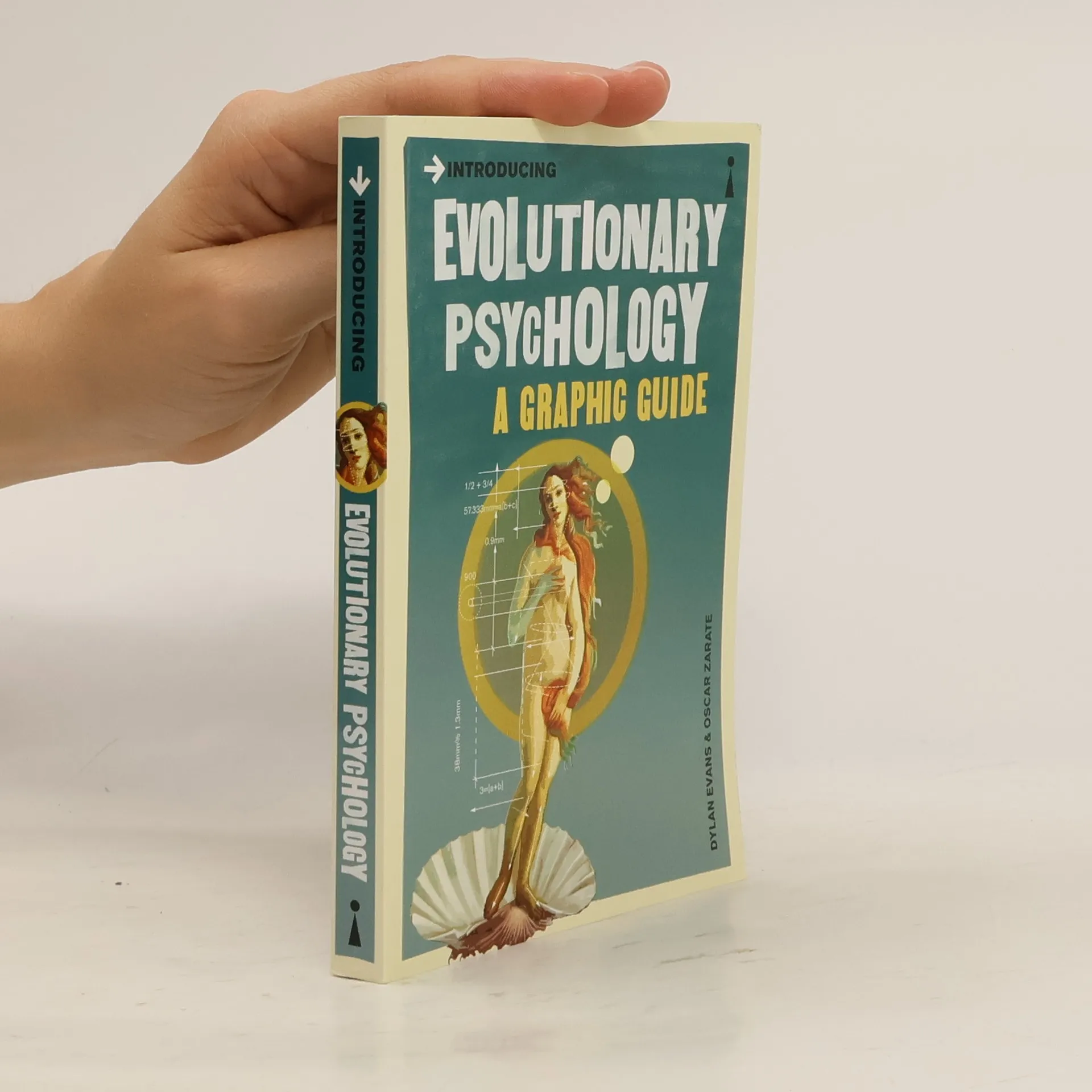
How did the mind evolve? How does the human mind differ from the minds of our
ancestors, and from the minds of our nearest relatives, the apes? If our minds
are built by selfish genes, why are we so cooperative? These questions are at
the centre of a research programme called evolutionary psychology.
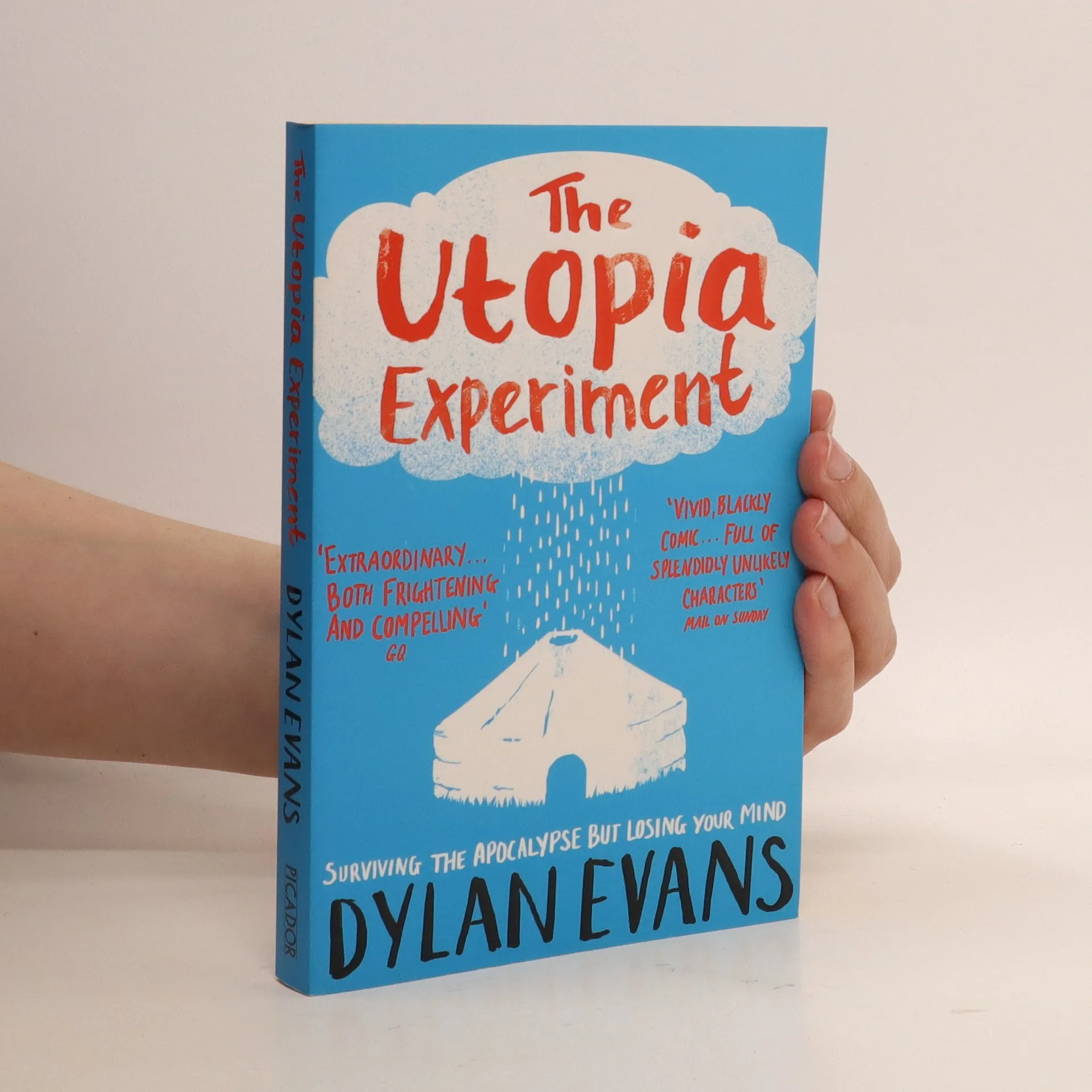
A groundbreaking book on the newly discovered special kind of intelligence for assessing risks, by the leading researcher in the field, revealing how vital risk intelligence is in our lives and how we can all raise our “RQ” and make better decisions. We must make judgments all the time when we can’t be certain of the risks. Should we have that elective surgery? Trust the advice of our financial adviser? Take that new job we’ve been offered? How worried should we be about terrorist attacks? In this lively and groundbreaking book, pioneering researcher Dylan Evans introduces a newly discovered kind of intelligence for assessing risks, demonstrating how vital this risk intelligence is in our lives and how we can all raise our RQs in order to make better decisions every day. Evans has spearheaded the study of risk intelligence, devising a simple test to measure a person’s RQ which when posted online sparked a storm of interest and was taken by tens of thousands of people. His research has revealed that risk intelligence is quite different from IQ, and that the vast majority of us have quite poor risk intelligence. However, he did find some people who have very high RQs. So what makes the difference? Introducing a wealth of fascinating research findings, Evans identifies a key set of common errors in our thinking that most of us fall victim to and that undermine our risk intelligence, such as “ambiguity aversion,” overconfidence in our knowledge, the fallacy of mind reading, and our attraction to worst-case scenarios. We are also regularly led astray by the ways in which information is provided to us. Citing a wide range of real-life examples— from the brilliant risk assessment skills of horse race handicappers to the tragically flawed evaluations of risk that caused the financial crisis—Evans illustrates that sometimes our most trusted advisers, including the experts and analysts at the top of their disciplines, don’t always give us the best advice when it comes to risk evaluation. Presenting his revolutionary test that allows readers to evaluate their own RQs, Evans introduces a number of simple techniques we can use to build our risk assessment powers and reports on the striking results he’s seen in training people to develop their RQs. Both highly engaging and truly mind-changing, Risk Intelligence will fascinate all of those who are interested in how we can improve our thinking in order to enhance our lives.
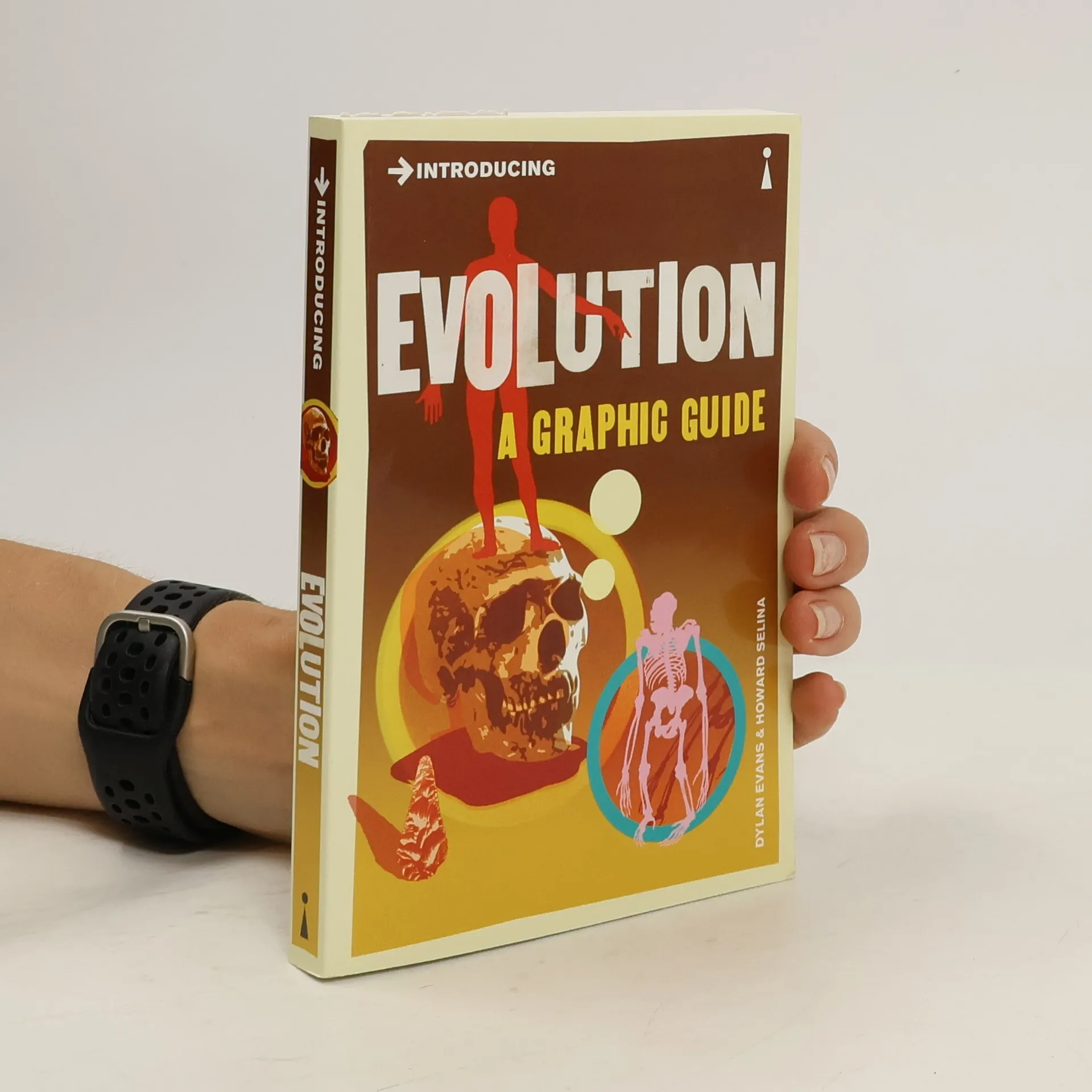
In 1859, Charles Darwin shocked the world with a radical theory - evolution by natural selection. One hundred and fifty years later, his theory still challenges some of our most precious beliefs. Introducing Evolution provides a step-by-step guide to 'Darwin's dangerous idea' and takes a fresh look at the often misunderstood concepts of natural selection and the selfish gene. Drawing on the latest findings from genetics, ecology and animal behaviour - as well as the work of best-selling science writers such as Richard Dawkins and Steven Pinker - a string of brilliant examples, superbly illustrated by Howard Selina, reveals how the evidence in favour of evolutionary theory is stronger than ever. With wit and clarity, Dylan Evans addresses many puzzling issues: Did life first evolve on other planets? What's the advantage of having sex? Why do your parents look after you? And what good to a bird is half a wing? From the death of the dinosaurs to the development of digital organisms, Introducing Evolution brings Darwin up-to-date with the latest scientific discoveries. This is the ideal guide to the most important idea ever to appear in the history of science
This book outlines some of the latest scientific ideas about the emotions in an accessible and exciting way. Dylan Evans shows that emotions are not just luxuries, but help us to live more successful lives. Drawing on research in psychology, biology, and artificial intelligence, he provides a stimulating introduction to a topic relevant to us all.
Was love invented by European poets in the middle ages, as C. S. Lewis claimed, or is it part of human nature? Will winning the lottery really make you happy? Is it possible to build robots that have feelings? These are just some of the intriguing questions explored in this new guide to thelatest thinking about emotions.Drawing on a wide range of scientific research, from anthropology and psychology to neuroscience and artificial intelligence, The Science of Sentiment takes the reader on a fascinating journey into the human heart. Illustrating his points with entertaining examples from fiction,film, and popular culture, Dylan Evans ranges from the evolution of emotions to the nature of love and happiness to the language of feelings, offering readers the most recent thinking on real life topics that touch us all.
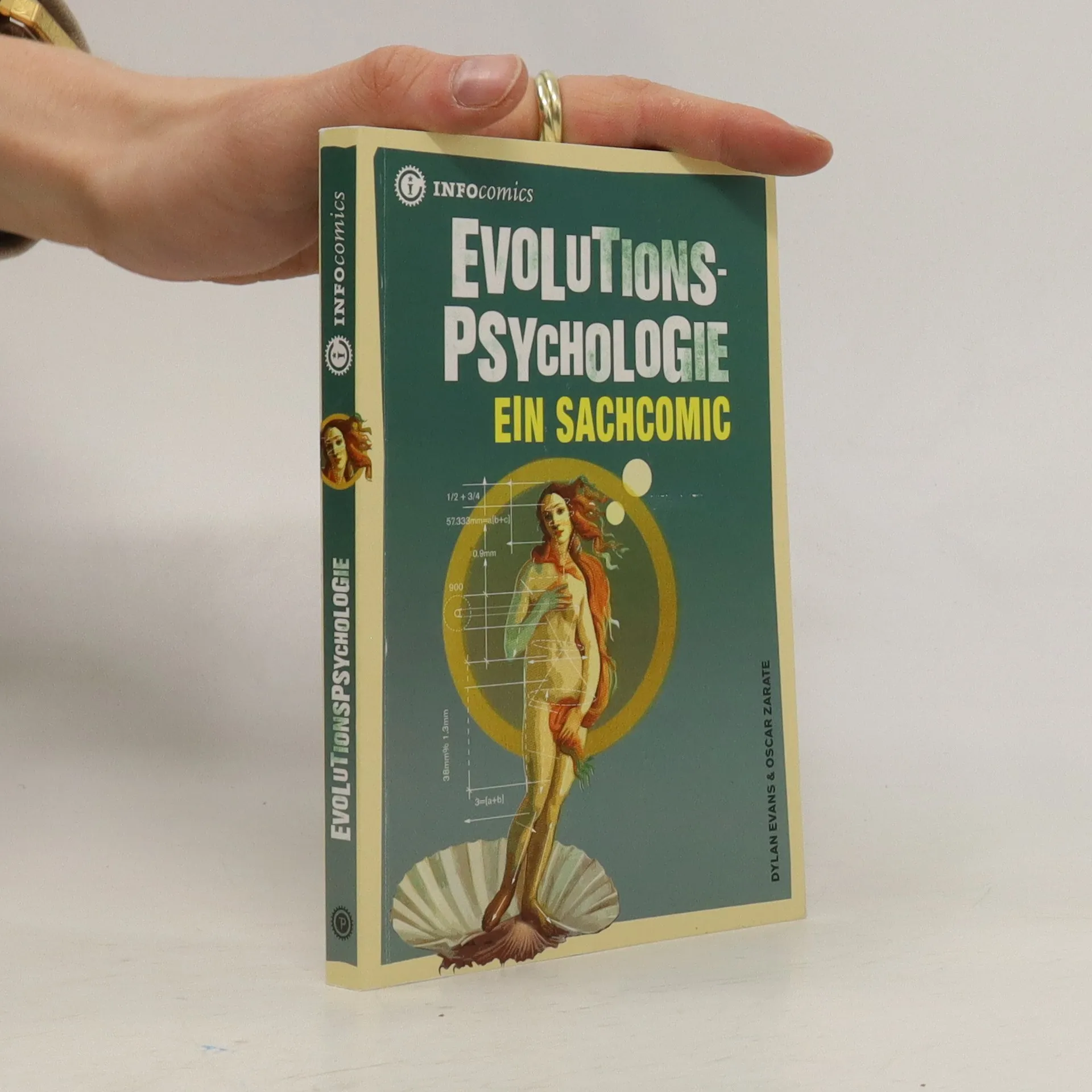
Lebt der Neandertaler noch in uns? Das allmähliche Entstehen von Geist und Psyche: Wie hat sich unser Gehirn entwickelt? Wie unterscheidet es sich von dem unserer nächsten Verwandten, den Affen? Gibt es das Jäger-Gen bei den Männern, das Sammler-Gen bei den Frauen? Die räumliche Orientierung ist Männern angeboren, die Nestbauerorientierung den Frauen? Wieso gibt es überhaupt ein Sozialverhalten und nicht nur egoistische Gewalt? Wie also sind wir durch die vielen Jahrhunderttausende zum dem geworden, was wir heute sind? Anhand der Erkenntnisse aus Evolutionsbiologie, Soziobiologie und Kognitionspsychologie sowie den Informationen aus Anthropologie, Archäologie und Primatenforschung macht sich die Evolutionspsychologie an eine erste umfassende wissenschaftliche Beschreibung des Menschen. Dieser Band aus der Reihe Infocomics ist eine perfekte Einführung in dieses spannende Forschungsgebiet.
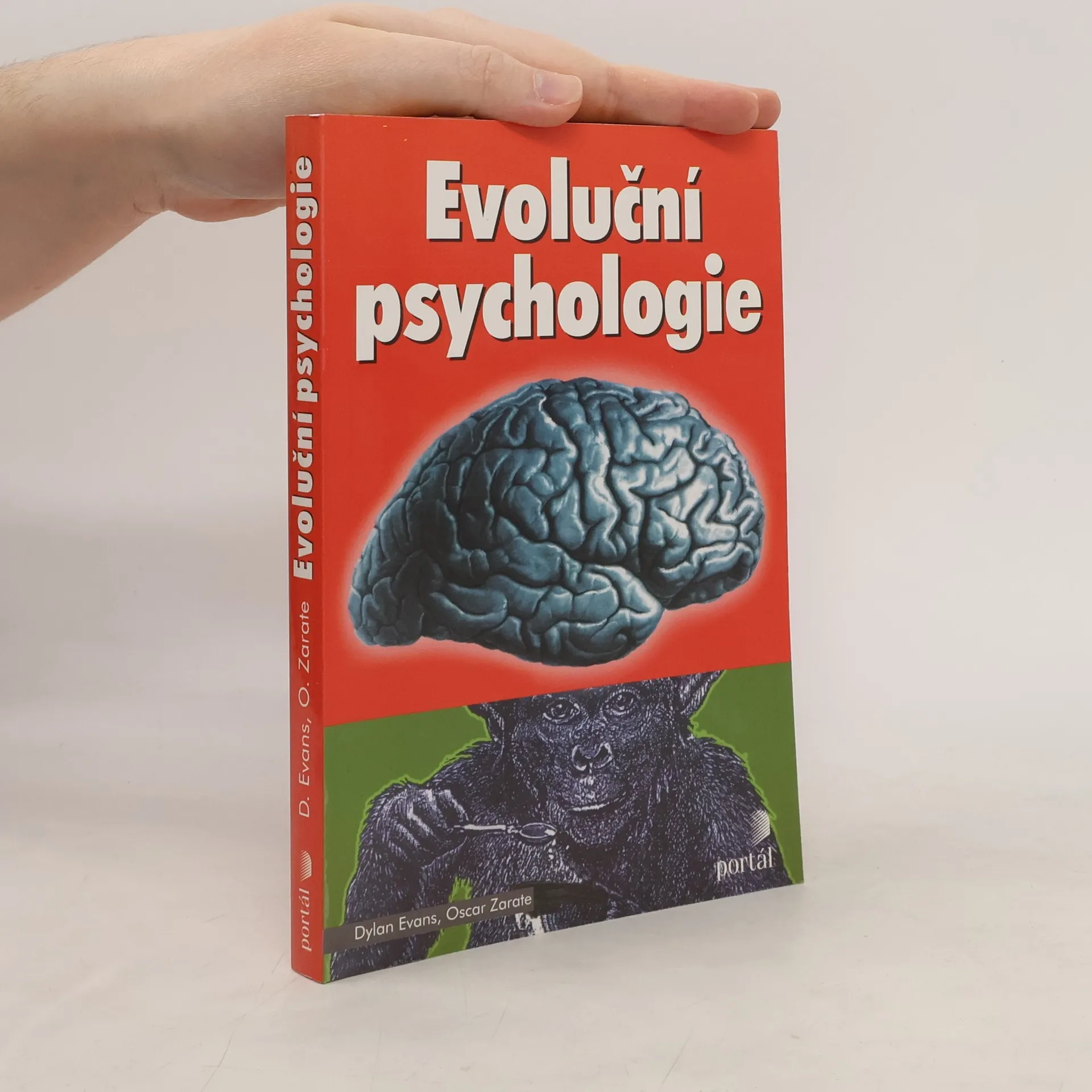
Jak se vyvíjela lidská mysl? Jak se člověk v této oblasti odlišuje od svých vývojových předchůdců? Je-li člověk založen na sobeckých genech, proč je tak kooperativní? Mohou být rozdíly mezi psychologií muže a ženy vysvětleny z evolučního pohledu? Tyto a další otázky jsou v centru zájmu vědeckého oboru, jež se nazývá evoluční psychologie. Kniha Evoluční psychologie je srozumitelným a zábavným úvodem do této nové discipliny. Předkládá klíčové poznatky evoluční biologie, kognitivní psychologie, ale i antropologie nebo archeologie, které evolučním psychologům pomáhají lépe pochopit, jaká je lidská přirozenost.